Support

Camagüey

About

Camagüey is a captivating destination known for its artistic soul and distinct colonial architecture. Often referred to as the "City of Tinajones" due to the large clay pots found throughout its courtyards, this city offers a unique glimpse into the cultural heart of Cuba. Its historic center is a labyrinth of winding alleyways and irregular squares, setting it apart from the rigid grid layouts typical of other colonial settlements.
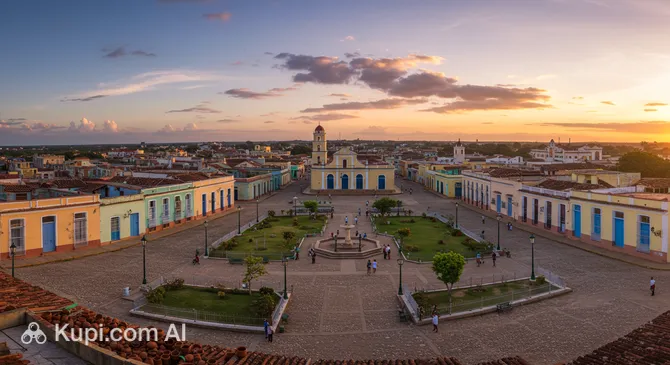
Camagüey. Source: Kupi.Binoculars

Located in the central part of the island, Camagüey is the capital of the province bearing the same name and is the nation's third-largest city, with a population of over 320,000 residents. The city is situated on a vast plain, which contributes to its generally warm and tropical climate, making it a pleasant destination for year-round exploration.

The city's confusing street pattern was legendary for its ability to disorient invaders in centuries past. Exploring the history of Camagüey reveals that this maze-like design was intentional, intended to confuse pirates and protect the locals. Today, this UNESCO World Heritage site invites travelers to get lost in its charm, discovering hidden plazas and baroque churches around every corner.

Visitors should not miss the picturesque Plaza San Juan de Dios, a beautifully preserved square surrounded by colorful 18th-century buildings. The city is also famous for its rich artistic community, with numerous galleries and studios opening their doors to the public. Whether you are admiring the intricate architecture or tasting local cuisine, Camagüey promises an unforgettable journey into the past and present of this vibrant region.
Weather Overview

Travelers visiting this region can expect a tropical climate characterized by warm temperatures throughout the year. The weather in Camagüey is generally divided into two distinct seasons: a drier, slightly cooler period and a hotter, wetter season. Average temperatures range from a comfortable 24.2°C in January to highs of around 33.0°C in August, ensuring that the atmosphere remains pleasant for exploration regardless of when you visit.

The dry season, spanning roughly from November to April, offers the most stable conditions for walking through the city's winding streets, with February seeing almost no precipitation. Conversely, the warmer months from May through October bring increased humidity and frequent rainfall; May and October are typically the wettest months, often experiencing over 20 rainy days each. Despite the seasonal showers, the heat remains consistent, making it a vibrant destination year-round.

Interesting Facts

Beyond the main attractions, Camagüey holds many fascinating secrets and local legends that reveal the city's true character. From romantic myths to hidden historical symbols, there is much to discover beneath the surface of this colonial gem.

  • According to local folklore, the city's iconic clay pots possess a magical quality. Legend has it that if a visitor drinks water from a tinajón, they are destined to fall in love with the city and remain there forever, or at the very least, return one day.

  • The Ignacio Agramonte Park contains a subtle but poignant tribute to local history. Four royal palm trees within the square were originally planted to honor the memory of four independence heroes, including Joaquín de Agüero, who were executed by the Spanish colonial authorities in 1851.

  • Camagüey is often celebrated as a cultural powerhouse, largely due to its prestigious dance company. The Ballet de Camagüey is widely considered the second most important classical ballet company in Cuba, renowned internationally for its rigorous technique and avant-garde performances.

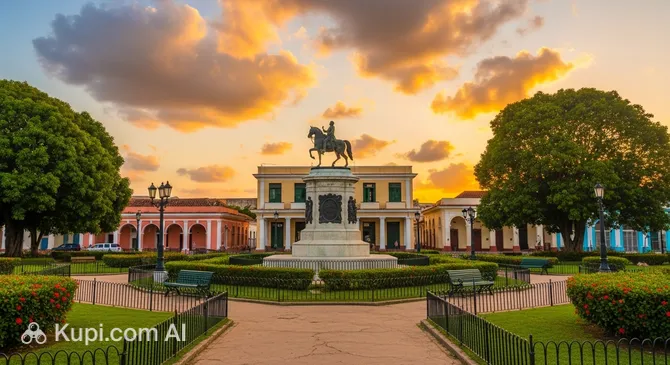
Ignacio Agramonte Park. Source: Kupi.Binoculars

How to Get There

Reaching this central Cuban city is relatively convenient, primarily due to its own international transport hub and proximity to other major gateways. Whether you are arriving directly or traveling from a neighboring province, there are several options to suit your itinerary. For a comprehensive guide on all available routes, you can read more about how to get to Camagüey.

The most direct way to arrive is by flying into Ignacio Agramonte International Airport (IATA: CMW). This airport is located within Camagüey itself, just 6.7 km from the city center. Because of its close proximity, a taxi ride to the historic downtown area is very quick, typically taking only about 10 to 15 minutes. Although it is a smaller airport with an annual traffic of around 250,000 passengers, it serves as the primary entry point for visitors specifically targeting this region.

If direct flights are unavailable, you might land at Jardines del Rey Airport (IATA: CCC) in Cayo Coco. It is situated approximately 126 km from Camagüey. Travelers choosing this route should plan for an additional transfer by taxi or bus, which generally takes about 2 hours. Another alternative is the Frank Pais Airport (IATA: HOG) in Holguin. This is a busier hub with higher passenger traffic, but it is located about 178 km away, requiring a road journey of roughly 3 hours to reach Camagüey.

For clarity, here is a summary of the main airports:

Airport Name City Passenger Traffic Km from City
Antonio Maceo Airport Santiago de Cuba High 267.1
Frank Pais Airport Holguin Medium 178.4
Jardines del Rey Airport Cayo Coco Medium 126.1
Ignacio Agramonte International Airport Camagüey Low 6.7
Santa Clara Airport Santa Clara Unknown 243.2

Main Attractions

Camagüey is a city best explored on foot, where every turn in its labyrinthine streets reveals a new architectural gem or a charming public square. The historic center is defined by its distinct system of plazas, each with its own character and history, offering visitors a fascinating journey through time.

One of the most significant spots is the Ignacio Agramonte Park. Located in the heart of the historic district, this square is dedicated to the revered local independence hero, whose equestrian statue dominates the center. It is a dignified and serene space, lined with marble benches and shaded by trees, making it a perfect starting point for any walking tour. The park is surrounded by important landmarks, including the city's cathedral and the municipal library, reflecting the area's deep civic pride.

Another must-see location is Plaza San Juan de Dios, often cited as the most perfectly preserved colonial square in Cuba. This National Monument creates a striking impression with its original cobblestone pavement and colorful 18th-century houses. Unlike other busy squares, it maintains a peaceful atmosphere and is flanked by the old Hospital of San Juan de Dios, which now houses a heritage museum. Visitors often come here to dine at the outdoor restaurants and admire the authentic architecture that feels untouched by time.

For a more artistic vibe, travelers should head to Plaza del Carmen. This beautifully restored square is famous for its whimsical life-sized bronze statues depicting locals in everyday scenes, such as reading a newspaper or chatting. At the end of the plaza stands the Iglesia de Nuestra Señora del Carmen, a lovely baroque church with a distinctive facade. The area is incredibly picturesque and offers a unique glimpse into the daily life and artistic spirit of the agramontinos.

Finally, the Plaza de los Trabajadores offers a triangular space that is always bustling with activity. Dominated by the massive Iglesia de Nuestra Señora de la Merced, this square is a central hub where locals and tourists mix. The church itself is worth a visit for its impressive painted wood ceiling and the catacombs located beneath the altar, adding a layer of mystery to the city's rich religious history.

Local Cuisine

The culinary scene in Camagüey offers a distinct flavor profile that sets it apart from other regions in Cuba, largely influenced by the province's long history of cattle ranching and agriculture. The local gastronomy is hearty and rustic, often characterized by the use of cured meats, dairy products, and root vegetables. Dining here provides a genuine taste of the Cuban countryside, blending Spanish traditions with Caribbean ingredients.

One dish that every visitor must try is the famous Ajiaco Camagüeyano. While ajiaco is found throughout the island, the local version is renowned for its richness and specific preparation. It is a thick, flavorful stew made with a variety of meats—typically beef, pork, and jerky—simmered slowly with tropical root vegetables like malanga, yuca, pumpkin, and corn. Another regional specialty is Matajíbaro, a savory dish consisting of fried green plantains mashed with garlic and crispy pork cracklings, offering a delicious combination of textures.

When it comes to beverages, the city has its own local pride. Camagüey is home to the Tínima brewery, so sampling a cold, locally produced beer is a common pastime for residents and tourists alike. For those preferring non-alcoholic options, fresh fruit juices made from guava, mango, or pineapple are widely available and incredibly refreshing in the tropical heat. You will also find excellent coffee, often served strong and sweet, perfect for a mid-afternoon break.

The food culture in Camagüey is best experienced in paladares, which are privately owned restaurants often set within the beautiful courtyards of colonial homes. These establishments usually offer higher quality meals and a more intimate atmosphere than state-run venues. Street food is also a vibrant part of the daily rhythm; as you wander through the city, you might encounter vendors selling peanut cones (maní), churros, or artisanal cheese, reflecting the area's strong dairy tradition.

Travel Tips

Visiting Camagüey is a unique adventure, but its legendary maze-like streets and tropical setting require a bit of preparation to ensure a smooth trip. These practical tips will help you navigate the "City of Tinajones" with ease and enjoy your stay to the fullest.

  1. Dress for the Tropical Heat: The climate is hot and humid year-round, so pack lightweight, breathable fabrics like cotton or linen. Since the historic center is best explored on foot and features uneven cobblestones, bring sturdy, comfortable walking shoes. Don't forget a hat, sunglasses, and high-SPF sunscreen to protect yourself from the strong Caribbean sun.

  2. Embrace the Bicitaxi: Due to the city's relatively flat terrain and narrow, winding streets, the bicitaxi (bicycle taxi) is the most popular and convenient mode of local transport. They are perfect for short distances where cars cannot go. Always agree on the fare with the driver before starting your journey to avoid misunderstandings.

  3. Cash is Essential: While some hotels and state-run shops accept international credit cards (mostly Visa and Mastercard not issued by US banks), cash is king in Camagüey. Bring Euros, Canadian Dollars, or USD in small denominations to exchange for Cuban Pesos (CUP) for local expenses like street food, private taxis, and tips. ATMs can be unreliable, so do not rely on them as your sole source of funds.

  4. Health and Hydration: Never drink tap water; always purchase sealed bottled water to avoid stomach issues. It is also wise to pack a basic medical kit with pain relievers, stomach medicine, and any prescription drugs you need, as local pharmacies may face shortages. Insect repellent is recommended, especially during the wetter months, to protect against mosquitoes.

  5. Navigating the Labyrinth: Camagüey's street layout was designed to confuse pirates, and it still confuses tourists today. Internet access is typically limited to designated Wi-Fi parks and hotels using prepaid cards, so download offline maps (like Maps.me or Google Maps offline) before you arrive. This will be a lifesaver when trying to find your way back to your accommodation.

  6. Language and Etiquette: Spanish is the official language, and while staff in major hotels speak English, many locals do not. Learning a few basic phrases like "Hola" (Hello), "Por favor" (Please), and "Gracias" (Thank you) goes a long way. Cubans are generally warm and polite; a friendly greeting is expected when entering a shop or asking for directions.

  7. What to Avoid: Avoid taking photographs of police officers, military personnel, or sensitive government buildings, as this is strictly prohibited. Also, try to avoid wearing expensive jewelry or flashing large amounts of cash in public; while the city is generally safe, it is best to maintain a low profile.

  8. Local Insight: If you get lost in the winding alleys, don't panic—it is part of the Camagüey experience! The locals are accustomed to visitors getting turned around and are usually very helpful. Just look for the tall church towers; they act as excellent landmarks to help you reorient yourself within the historic center.

With these tips in mind, you are ready to explore the charm of Camagüey's winding alleys and discover its hidden treasures safely. Embrace the slower pace of life, engage with the friendly locals, and enjoy the authentic atmosphere of this fascinating colonial city.

Entertainment & Nightlife

As the sun sets over the terracotta roofs, Camagüey transforms into a vibrant hub of music and social activity. The nightlife here is distinct from the high-energy clubs of Havana; it is more culturally rooted, characterized by open-air gatherings, bohemian bars, and an abundance of live traditional music. The atmosphere is generally laid-back and welcoming, with locals and visitors mingling in the illuminated colonial squares to enjoy the cooling evening breeze.

The heart of the evening action is often found along Calle Maceo, locally known as the "Street of Cinemas." This pedestrian boulevard is lined with cafes, restaurants, and cultural centers that stay open late. Another hotspot is the area surrounding Plaza San Juan de Dios. At night, this historic square becomes a magical setting for dining under the stars, where the sound of guitar trios often accompanies a meal of local Creole cuisine.

For those seeking authentic Cuban rhythms, the Casa de la Trova Patricio Ballagas is an essential stop. Located near the central park, it is one of the most famous venues in the city for live performances of Son and Bolero. The crowd here is a mix of dancers of all ages, and the dress code is casual but neat. Another popular venue is the Bar El Cambio, a quirky and artistic watering hole situated just off the main park, known for its eclectic decor and strong cocktails.

If you prefer a quieter evening, a stroll through the beautifully lit historic center is a delightful experience. The Ignacio Agramonte Park serves as a serene focal point for night walkers, offering a safe and picturesque environment to observe local life as the city winds down. For a panoramic view of the city lights, head to the rooftop bar of the Gran Hotel, where you can sip a mojito while overlooking the church towers.

Before the sun goes down, Camagüey offers plenty of daytime entertainment as well. The city is renowned for its performing arts, centered around the majestic Teatro Principal, home to the prestigious Ballet of Camagüey. Art lovers can explore the numerous galleries and studios in the historic district, while the specialized cinemas on Calle Maceo offer a dive into Cuban and international film culture.

Practicalities for a night out are simple. Most bars and clubs are most active between 9:00 PM and 1:00 AM. Prices are generally lower than in the capital, with cocktails often costing a fraction of what you would pay in Varadero. While the historic center is safe for walking at night, it is advisable to stick to well-lit main streets. For returning to your accommodation late at night, bicitaxis (bicycle taxis) are a common and affordable way to get around, though you should always agree on the fare in advance.

Parks & Museums

While Camagüey is famous for its winding streets and colonial plazas, the city also boasts remarkable green spaces and cultural institutions that preserve its rich heritage. Visitors looking to step away from the sun-drenched cobblestones can find respite in the city's lush parks or delve into its history through an impressive array of museums and galleries.

The crown jewel of the city's green areas is the Casino Campestre, widely recognized as the largest urban park in Cuba. Located just across the Hatibonico River from the historic center, this sprawling oasis is a favorite gathering spot for locals seeking shade under huge, ancient trees. It features various monuments, a baseball stadium, and quiet walking paths, making it an ideal place for a relaxing afternoon picnic or a leisurely stroll away from the bustling city center.

Another significant space is the Ignacio Agramonte Park, which serves as the heart of the historic district. Formerly known as the Plaza de Armas, this dignified square is not just a paved plaza but a carefully landscaped area with marble benches and royal palms. It offers a tranquil environment where visitors can sit and admire the equestrian statue of the eponymous independence hero while surrounded by some of the city's most important architectural landmarks.

For those interested in art and history, the Museo Provincial General Ignacio Agramonte is an essential stop. Housed in a former cavalry barracks, it is considered one of the most important museums in the country. The collection includes a vast array of natural history exhibits, colonial furniture, and a prestigious fine arts section featuring Cuban paintings from the 19th and 20th centuries. It provides a comprehensive overview of the region's cultural evolution.

To understand the local pride, a visit to the Casa Natal de Ignacio Agramonte is highly recommended. This museum is located in the house where the legendary general was born and offers a fascinating look into the domestic life of the 19th-century colonial aristocracy. The beautifully preserved building itself is an architectural gem, featuring a typical Tinajón-filled courtyard, while the exhibits detail the life and military campaigns of Camagüey's most beloved son.

Among the city's historical landmarks, the General Cemetery of Camagüey stands out as the oldest cemetery currently in use in Cuba, established in 1814. It functions as an open-air museum of architecture, displaying elaborate marble tombs and mausoleums that reflect various artistic styles, from Art Deco to Neoclassical. A walk through its avenues offers a poignant and quiet reflection on the city's past inhabitants.

For a truly authentic experience, seek out the studio of Martha Jiménez near the Plaza del Carmen. She is one of Cuba's most renowned living artists, and her workshop is often open to the public. Seeing her work up close—especially the sculptures that inspired the life-sized statues in the plaza outside—provides a unique connection to the contemporary artistic pulse of the city that few tourists get to witness intimately.

Getting Around

Navigating the city is a distinct experience compared to many other modern destinations. Due to the historic center’s legendary labyrinth of narrow, winding streets—originally designed to confuse pirates—there is no heavy rail, metro, or tram system. Instead, the public transport network is a mix of motorized vehicles and traditional, human-powered options that are perfectly adapted to the city's unique urban layout.

The most ubiquitous and practical form of transport for visitors is the bicitaxi (bicycle taxi). These three-wheeled pedicabs are everywhere and serve as the primary way to move through the tight alleyways where standard cars often cannot pass. They function like short-distance taxis and are the preferred method for both locals and tourists to travel between historic plazas. For a more traditional experience, horse-drawn carriages (coches de caballos) are also a common sight, operating on specific routes or available for private hire to take you on a scenic tour of the colonial districts.

Standard public buses, known locally as guaguas, do operate throughout the city and connect the center with outlying neighborhoods. While they are incredibly cheap, they are often overcrowded and lack fixed, reliable schedules, making them challenging for tourists to navigate effectively. For a faster motorized option, moto-taxis (motorcycle taxis) have become increasingly popular. These offer a quick way to zip through traffic, though they are best suited for solo travelers comfortable with riding on the back of a scooter.

Regarding the payment system, it is almost entirely cash-based. There are no digital travel cards, mobile apps, or electronic ticketing systems for local transport. Visitors should carry local currency in small denominations to pay for rides. For buses, the fare is nominal and collected upon entry. For bicitaxis, horse carriages, and private taxis, there are no meters; the price is usually per trip rather than per person, but it can vary based on distance, time of day, and demand.

Practical advice for using transport here is simple: always negotiate and agree on the fare before getting into a vehicle or pedicab. This is standard practice and prevents any misunderstandings at the end of the journey. While buses run primarily during daylight hours, bicitaxis and taxis are available late into the night, though finding one on the street becomes harder after dark. There are no designated ticket kiosks for city transport; you simply hail a ride on the street and pay the driver directly.

Alternatives to these local modes include standard car taxis, often vintage American models, which can be found at designated stands near major hotels and parks. While car rentals are available, driving yourself is generally discouraged within the city center due to the confusing street patterns and limited parking. Ultimately, the historic core is compact enough that walking is often the most efficient and enjoyable alternative, allowing you to discover hidden corners that even a bicitaxi might miss.

Accommodation

Camagüey offers a distinct selection of accommodation that mirrors its colonial charm rather than the large-scale resort tourism found on the coast. The city is renowned for its intimate boutique hotels and a vast network of private homestays, known locally as casas particulares. These options provide visitors with a chance to stay in beautifully restored buildings that often feature the city's signature interior courtyards and clay tinajones.

For the most authentic experience, travelers should prioritize staying in the Historic Center. This area is a UNESCO World Heritage site and allows for easy exploration of the winding streets on foot. Many of the best lodgings are clustered around the main squares, such as the area near Ignacio Agramonte Park. Staying in this central district ensures that the major churches, galleries, and restaurants are just a short walk or bicitaxi ride away.

While there are no massive luxury chains, the city boasts several "Hoteles Encanto" (charming hotels). These are typically small, state-run establishments housed in heritage buildings characterized by high ceilings, antique furniture, and colonial architecture. They offer a comfortable mid-range to upper-mid-range experience. Alternatively, casas particulares are the budget-friendly backbone of local tourism. These private rentals range from simple rooms to entire apartments, offering excellent value and a unique opportunity to interact with local families and enjoy home-cooked meals.

Booking in advance is highly recommended, especially if you plan to visit during the dry season from November to April, as the most popular boutique hotels have limited capacity. Prices in Camagüey are generally more affordable than in Havana or Varadero. While hotels can often be booked via international online platforms, many private homes prefer direct communication or booking through specialized portals. Regardless of where you choose to stay, carrying cash is advisable for settling incidental expenses or paying for services in smaller establishments.

Nearby Cities

For those looking to explore the surroundings, Camagüey serves as an excellent base for day trips to several interesting nearby locations. The province offers a mix of historical towns and agricultural hubs that provide a deeper understanding of the authentic Cuban lifestyle outside the main city.

City Population Distance (km)
Carlos Manuel de Cespedes 224,488 44
Jimaguayu 123,954 19
Florida 71,676 35
Guáimaro 57,086 69
Vertientes 53,299 29

Among these, Guáimaro is particularly significant for history enthusiasts. Situated to the east, it is famously known as the "Cradle of the Constitution" because the first constitution of the Republic of Cuba in Arms was signed here in 1869. Visitors can explore the local museum and monuments that commemorate this pivotal moment in the nation's 19th-century history, offering a profound cultural experience.

To the west lies Florida, a bustling municipality that serves as a key agricultural and industrial center for the province. It offers a lively atmosphere and is known for its strong community traditions and local festivals. A visit here provides a snapshot of the daily life of the region's residents, away from the more tourist-centric areas of the provincial capital.

Closer to the city, Vertientes offers a peaceful escape into the rural landscape. This area is historically linked to the sugar industry and rice production, featuring vast green fields and a slower pace of life. It is an ideal spot for those wishing to observe the countryside and the agricultural backbone that supports the local economy.

These nearby destinations offer a glimpse into the diverse culture and landscapes of the region, making them well worth a short journey for curious travelers.

Shopping & Souvenirs

Shopping in Camagüey offers a distinct experience that focuses more on cultural authenticity and artistic craftsmanship than on international luxury brands or sprawling retail complexes. As a city renowned for its pottery and thriving arts scene, the best purchases here are often locally made treasures. Visitors can expect to find high-quality ceramics, paintings, and handmade crafts that reflect the region's rich colonial heritage and creative spirit.

The primary hub for commercial activity is the pedestrian boulevard of Calle Maceo. This lively street is lined with a variety of shops, cafeterias, and businesses, making it the most popular place for locals and tourists to stroll and window-shop. Another key artery is Calle República, a long, bustling avenue that runs through the city center, offering everything from state-run department stores to smaller private boutiques selling clothing and accessories.

While you will not find massive western-style shopping malls, there are several smaller shopping centers and department stores, known as Tiendas Panamericanas. These venues, such as the ones found along the main boulevards, typically sell imported goods, electronics, and toiletries. For a more curated selection of goods, the Galería Colonial provides a mix of clothing and souvenir options within a restored building, offering a glimpse into the city's architectural charm while you shop.

The real highlight of shopping in Camagüey lies in its markets and artist studios. The city has a strong tradition of craftsmanship, and you can visit specialized artisan markets where vendors sell leather goods, wood carvings, and jewelry. The area around Plaza del Carmen is particularly notable; here, you can visit the studios of renowned local artists to purchase unique paintings or sculptures directly from the creators, ensuring an authentic memento of your trip.

When it comes to souvenirs, the most iconic item to bring home is a miniature tinajón. These clay pots are the symbol of the city, and skilled potters create beautiful small-scale replicas that are perfect for gifts. Other popular items include humidors for cigars, hand-rolled cigars themselves, and traditional guayabera shirts. Visiting the Casa del Alfarero (Potter's House) allows you to see how these ceramics are made and buy them from the source.

Store opening hours generally run from 9:00 AM to 5:00 PM, Monday through Saturday. On Sundays, many shops, especially state-run ones, may close around noon or remain closed for the entire day. Private souvenir stalls and artist studios may have more flexible schedules but typically follow the daylight hours.

Regarding payment, the landscape is mixed. State-run stores usually require payment by card (Visa or Mastercard not issued by US banks), while private artisans, street vendors, and small private businesses often prefer or strictly require cash in Cuban Pesos (CUP). It is highly recommended to carry small denominations of cash when shopping for souvenirs to facilitate bargaining and exact change.

Reached the end of the page?

That means the route is fully explored