Support

Manzanillo

About

Manzanillo is a captivating coastal city located in the Granma province of eastern Cuba. Often referred to as the "Pearl of the Guacanayabo," this bustling port city sits on the shores of the Gulf of Guacanayabo and offers a unique blend of maritime charm and cultural richness. With a population of approximately 150,000 residents, it serves as a significant industrial and fishing hub while maintaining a laid-back and welcoming atmosphere.

One of the city's most distinctive features is its deep connection to music, particularly the tradition of mechanical street organs which fills the streets with melody. The history of Manzanillo is intertwined with these cultural rhythms and a proud legacy of independence struggles. The city's architecture is equally fascinating, showcasing an eclectic mix of styles that tells the story of its development over the centuries.

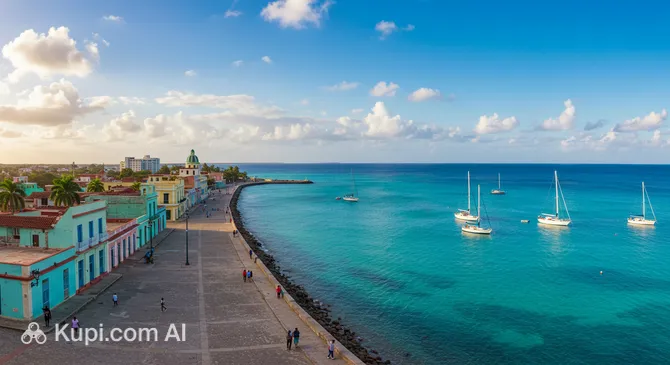
Manzanillo. Source: Kupi.Binoculars

Visitors are often drawn to the heart of the city, Céspedes Park, where the iconic Glorieta de Manzanillo stands. This stunning gazebo, with its intricate Moorish-inspired design, is a symbol of the city and a perfect spot to observe local life. Another highlight is the scenic Malecón, a waterfront promenade ideal for evening strolls and enjoying the refreshing sea breeze.

Whether you are interested in unique architectural landmarks or simply want to experience the authentic daily life of a Cuban port city, Manzanillo is a destination worth exploring. Its warm climate, friendly locals, and rich traditions create a memorable stop for any traveler venturing through the eastern region.

Weather Overview

Manzanillo enjoys a warm, tropical climate year-round, making it a reliable destination for those seeking heat and sunshine. To help plan your trip, you can check the detailed weather in Manzanillo, but generally, the city experiences consistent temperatures with average monthly values ranging from a comfortable 25.5°C in January to a hot 29.6°C in August.

The year is divided into distinct dry and wet periods. The winter months, specifically from December through March, are the driest, often seeing as few as 2 to 5 wet days per month. Conversely, the summer season from May to October brings more frequent rainfall, with precipitation occurring on up to 21 days in May, while daily maximum temperatures can reach a sweltering 33.3°C.

Interesting Facts

Beyond the main attractions, Manzanillo holds many fascinating secrets that reveal its unique soul. From architectural oddities to deep-rooted musical traditions, the city offers stories that go far beyond the standard guidebooks.

  • The Alhambra Connection: The city's most iconic landmark, the Glorieta de Manzanillo, is not just a gazebo; it is a Neo-Moorish masterpiece inspired by the Patio of the Lions in the Alhambra of Granada, Spain. A little-known detail is that the structure was originally funded to build a monument honoring the mayor Manuel Ramírez León. He humbly declined the statue and suggested a public work instead; however, the architects secretly incorporated his initials, M.R.L., into the intricate ceramic design of the cupola, where they remain visible today.

  • Capital of "Ground Music": Manzanillo is famous for its mechanical street organs, a tradition imported from France in the late 19th century. The local Borbolla family famously adapted these instruments, which originally played European waltzes and polkas, to play Cuban rhythms like son and guaracha. Locals affectionately call this música molida (ground music) because of the hand-crank mechanism used to produce the sound.

  • The Legend of the Liseta: According to local folklore, your destiny with the city is sealed by a specific meal. The saying goes that anyone who eats fried Liseta—a fish found in the Gulf of Guacanayabo—will never leave Manzanillo, or is destined to return. This urban legend highlights the city's strong connection to the sea and its culinary traditions.

  • The True "Cry" of Independence: While history books often refer to the "Cry of Yara" as the start of Cuba's independence war, the event actually took place just a few kilometers from Manzanillo at the La Demajagua sugar mill. It was here that Carlos Manuel de Céspedes rang the slave bell on October 10, 1868, to free his slaves and launch the revolution, making Manzanillo's outskirts the true cradle of the nation's struggle for freedom.

How to Get There

Reaching Manzanillo typically involves flying into one of the major airports in the neighboring provinces, as the city relies on regional hubs for international connectivity. You can find more about how to get to Manzanillo and plan your transfer to this coastal gem.

One of the closest options is the Frank Pais Airport (IATA: HOG), located in the city of Holguin. It serves as a significant entry point for the region and handles a considerable number of tourists. Since this airport is not in Manzanillo itself, but approximately 98 km away, you will need to arrange ground transport. The journey by taxi or bus typically takes around 2 hours and 45 minutes.

Another major gateway is the Antonio Maceo Airport (IATA: SCU) in Santiago de Cuba. This facility is a key hub for eastern Cuba and is situated about 140 km from Manzanillo. Travelers arriving here should expect a transfer time of roughly 3 hours and 50 minutes to reach the city center. Additionally, the Ignacio Agramonte International Airport (IATA: CMW) in Camagüey offers another alternative, located about 142 km away, with a travel time of approximately 4 hours.

For clarity, here is a summary of the main airports:

Airport Name City Passenger Traffic Km from City
Sangster International Airport Montego Bay Very Large 219.0
Antonio Maceo Airport Santiago de Cuba Large 140.2
Frank Pais Airport Holguin Medium 97.7
Ignacio Agramonte International Airport Camagüey Medium 142.2
Boscobel Ocho Rios Small 214.1

Main Attractions

Manzanillo offers a delightful array of sights that blend architectural beauty with deep historical significance. The city’s layout and landmarks reflect its status as a coastal gem, inviting visitors to explore its streets, plazas, and surrounding natural areas. Whether you are a history buff or simply looking for a scenic place to relax, the local attractions provide a genuine taste of eastern Cuba.

The undisputed heart of the city is Parque Céspedes, the central square where social life revolves. Standing proudly in its center is the Glorieta de Manzanillo, an architectural masterpiece and the city's most recognizable symbol. This Neo-Moorish gazebo, adorned with intricate ceramic tiles and geometric patterns, is unique in the Caribbean. It serves as a vibrant cultural stage where the city's famous mechanical organs often play, creating a festive atmosphere that captivates every visitor.

For a journey into the nation's past, a visit to the La Demajagua National Monument is essential. Located a short distance from the city center, this historical park preserves the ruins of the sugar mill where the struggle for independence began in 1868. The site features the iconic bell that was rung to signal the start of the movement, set against a backdrop of lush vegetation and ancient trees. It is a place of great reverence and offers a peaceful yet poignant educational experience.

Travelers seeking relaxation by the sea should head to the Manzanillo Malecón. This waterfront promenade stretches along the Gulf of Guacanayabo and offers sweeping views of the ocean. It is the perfect spot for an evening stroll to catch the cooling sea breeze and witness spectacular sunsets. The area is lined with benches and local vendors, making it a favorite gathering place for families and friends to unwind after a day of sightseeing.

To better understand the local heritage, the Municipal Historical Museum offers a comprehensive look at the region's evolution. Housed in an elegant building, the museum displays a collection of artifacts ranging from pre-Columbian archaeology to items from the colonial and republican eras. The exhibits provide valuable context on Manzanillo's development as a port city and its rich cultural traditions, including its musical legacy.

Local Cuisine

The culinary scene in Manzanillo is deeply influenced by its location on the Gulf of Guacanayabo, offering a gastronomic experience that is authentically Cuban and rich in maritime flavors. As a port city, the local diet revolves heavily around fresh seafood, which is delivered daily by local fishermen. The food here is unpretentious but flavorful, relying on the freshness of ingredients rather than complex preparation methods.

The undisputed star of local cuisine is the Liseta, a type of mullet fish found abundantly in the surrounding waters. It is most commonly served fried to a crisp golden brown, often accompanied by plantain chips (chicharritas) or rice. Eating this dish is considered a rite of passage for visitors, closely tied to the local legend that those who consume it are destined to return to the city. Another must-try is the region's famous shrimp, often prepared in a savory tomato-based sauce known as enchilado de camarones, highlighting the high quality of crustaceans harvested from the gulf.

When it comes to beverages, travelers should seek out Prú Oriental. This unique, non-alcoholic fermented drink is a staple in eastern Cuba, made from roots, herbs, and sugar. It has a distinctive, slightly fizzy taste that is incredibly refreshing in the tropical heat. For something stronger, the local bars serve excellent Cuban rum, often enjoyed neat or in classic cocktails like the Mojito or Daiquiri, perfect for sipping while watching the sunset.

The dining culture in Manzanillo is casual and welcoming. While there are state-run restaurants, many of the best culinary experiences can be found in paladares—private, family-run eateries that offer home-cooked meals in an intimate setting. The Malecón waterfront is also a popular spot for food lovers, where street vendors sell snacks like fried dough and fresh oysters (ostiones) served in cups with lemon and hot sauce, allowing you to enjoy the local flavors right by the sea.

Travel Tips

Visiting Manzanillo offers a genuine slice of Cuban life, but like any travel destination, a little local know-how goes a long way. These practical tips will help you navigate the city's unique rhythm and ensure a smooth, enjoyable experience in the Granma province.

  1. Clothing and Gear: Given the tropical heat and humidity, pack lightweight, breathable fabrics like cotton or linen to stay cool. Comfortable walking shoes are essential for exploring the city center and the Malecón, while sandals are great for casual dining. Don't forget a wide-brimmed hat, sunglasses, and high-SPF sunscreen. If you plan to visit religious sites, modest attire covering shoulders and knees is respectful.

  2. Transportation: The most iconic way to get around Manzanillo is by coche (horse-drawn carriage), a tradition immortalized in Cuban music. Bicitaxis (bicycle taxis) are also popular for short distances and offer a leisurely way to see the streets. For longer trips or excursions outside the city, standard taxis are available, but agree on the fare beforehand. Car rental is possible but often unnecessary if you stay within the city limits.

  3. Finances: Cash is king in Manzanillo, especially in private businesses and local markets. While the official currency is the Cuban Peso (CUP), it is wise to bring Euros or USD in small denominations to exchange as needed. Credit cards are not accepted everywhere, particularly in smaller establishments, so always carry enough cash for daily expenses. Tipping is customary and appreciated; a small amount for good service goes a long way.

  4. Health and Safety: Tap water is generally not safe for tourists to drink; always stick to sealed bottled water. Due to the tropical climate, mosquitoes can be a nuisance, so packing a strong insect repellent is highly recommended. Pharmacies may have limited stock, so bring a personal kit with essential medications, pain relievers, and stomach remedies. The city is generally safe, but standard precautions like watching your belongings in crowded areas apply.

  5. Communication: Spanish is the primary language, and while staff at major hotels may speak English, it is less common among the general population. Learning a few basic phrases like "Hola" (Hello) and "Gracias" (Thank you) will be warmly received. Wi-Fi is typically available in public areas like Parque Céspedes via ETECSA pre-paid cards, but connection speeds can vary, so downloading offline maps and translation apps before arrival is a smart move.

  6. Local Etiquette: Cubans are known for their warmth and friendliness. Greetings often involve a handshake or a kiss on the cheek, even with new acquaintances. It is polite to say "Buenos días" or "Buenas tardes" when entering a shop or boarding transport. Life here moves at a more relaxed pace, so patience is key—rushing or showing impatience is considered rude.

  7. What to Avoid: Avoid taking photographs of military personnel, police, or sensitive government buildings, as this is strictly prohibited. Also, refrain from buying cigars or rum from unlicensed street vendors, as the quality is often poor and they may be counterfeit; stick to official shops for these souvenirs.

  8. Local Insight: Keep an ear out for the sound of mechanical organs. If you encounter a street party or a gathering around one of these instruments, don't be shy—stopping to listen or even trying a few dance steps is a great way to connect with the locals and show appreciation for Manzanillo's unique musical heritage.

With these essentials in mind, you are ready to immerse yourself in the warmth and culture of Manzanillo. Embrace the local customs, savor the fresh sea breeze along the promenade, and enjoy every moment in this historic port city.

Entertainment & Nightlife

Entertainment in Manzanillo is deeply rooted in its musical heritage and social culture rather than flashing neon lights or exclusive nightclubs. The nightlife here is authentic, rhythmic, and centers around community gatherings, live performances, and the refreshing sea breeze. Visitors should expect a laid-back yet vibrant atmosphere where the sounds of traditional Son and the unique mechanical organs fill the air.

The heartbeat of the city after dark is undoubtedly the Malecón. This waterfront promenade transforms into a lively social hub as the sun sets, drawing families, couples, and groups of friends. It is the perfect place to mingle with locals, enjoy cold beverages from small kiosks, and listen to impromptu music sessions. The vibe is casual and welcoming, making it an ideal spot for a relaxing evening walk or a night of conversation by the sea.

For a more cultural experience, the Parque Céspedes offers a charming setting. The iconic Glorieta often hosts the municipal concert band or local groups playing the city's signature "organ music." This area is bustling in the early evening, with children playing and adults enjoying the cool air. It serves as an open-air theater of daily life where you can witness the true spirit of the "Pearl of the Guacanayabo."

Music lovers must visit the Casa de la Trova Jaime Benemelis. Located on Merchán street, this venue is a temple for traditional Cuban music. It offers an intimate setting where you can listen to talented local troubadours and dance to classic rhythms. It is a fantastic place to experience the genuine bohemia of eastern Cuba, often operating with a modest cover charge and a friendly, unpretentious crowd.

Another notable venue is the Teatro Manzanillo. This architectural gem hosts a variety of performances, from theatrical plays to concerts and dance shows. Checking the local schedule upon arrival is recommended, as attending a show here provides not only entertainment but also a glimpse into the city's artistic soul. For those seeking a late-night dance atmosphere, local discos like El Sindicato occasionally open their doors for younger crowds to enjoy salsa and reggaeton.

Practical Advice for Night Owls:

  • Best Time to Go: The nightlife typically kicks off around 9:00 PM, with venues like the Casa de la Trova getting livelier towards 10:00 PM.
  • Dress Code: The style is generally casual. Light, comfortable clothing is acceptable almost anywhere, though "smart casual" is appreciated in theaters and dance venues.
  • Getting Around: At night, the most convenient way to travel is by bicitaxi (bicycle taxi). They are affordable and readily available. Horse-drawn carriages are also a romantic option for short distances along the waterfront.
  • Safety: Manzanillo is considered safe for tourists, but it is always wise to stay in well-lit areas like the Malecón and the central park. Avoid unlit side streets late at night and agree on transport fares before starting your journey.

During the day, entertainment is more low-key. You can visit the local cinemas, such as the Cine Popular, or explore the city's museums. However, the true daytime charm lies in strolling through the historic streets, enjoying a coffee near the park, and soaking in the architectural diversity that makes this coastal city so unique.

Parks & Museums

While Manzanillo is primarily known for its coastal atmosphere and musical traditions, the city also offers inviting green spaces and cultural institutions that safeguard its heritage. Exploring its parks and museums provides a deeper understanding of the region's history, from the wars of independence to the daily life of its people, all set against a backdrop of eclectic architecture and tropical vegetation.

Parque Céspedes is the undisputed centerpiece of the city's green areas. More than just a square, it is a shaded sanctuary where royal palms and leafy trees provide relief from the Caribbean sun. It serves as the city's living room, where locals gather to socialize, making it an excellent spot for people-watching. The park is surrounded by some of the city's most impressive buildings, and the lush gardens frame the famous Glorieta, creating a picturesque setting for a leisurely afternoon walk.

For a mix of nature and profound history, the La Demajagua National Monument is a must-visit site located just outside the city limits. This open-air park preserves the remnants of the sugar mill where the Cuban struggle for independence began. Visitors can walk through well-kept paths surrounded by ancient trees, including the legendary Jagüey tree that has grown into the factory's machinery over time. It offers a serene, contemplative environment where the natural beauty of the countryside blends seamlessly with historical reverence.

The Municipal Historical Museum stands as the primary guardian of the city's past. Housed in a beautifully preserved building, its galleries take visitors on a chronological journey through Manzanillo's development. The exhibits range from aboriginal artifacts found in the region to objects from the colonial era and the independence wars. It is particularly interesting for its collection of weaponry and personal belongings of local patriots, offering a tangible connection to the events that shaped the nation.

Art enthusiasts should look for the Carlos Enríquez Art Gallery. This venue plays a vital role in promoting the visual arts in the province, displaying works by local and provincial artists. The exhibitions often rotate, featuring paintings, sculptures, and photography that reflect the vibrant culture and landscapes of eastern Cuba. It provides a quiet escape from the bustling streets and a chance to appreciate the creative talent flourishing in this port city.

Architecturally, the city is a museum in itself. The Parish Church of the Immaculate Conception (Iglesia Parroquial de la Purísima Concepción), located facing the central park, features a neoclassical facade that dominates the square. Nearby, visitors can admire a variety of eclectic buildings that combine Art Deco, Neoclassical, and Moorish influences, remnants of the economic boom the city experienced in the early 20th century due to the sugar and fishing industries.

For a truly authentic experience, take a walk through the residential streets radiating from the center to admire the wooden vernacular architecture. Many of these houses feature intricate fretwork and wide porches, a style adapted to the tropical climate. A visit to the local Casa de Cultura can also be rewarding; these community centers often host rehearsals for dance groups or musicians, offering a raw and unpolished glimpse into the artistic life of Manzanillo.

Getting Around

Public transport in Manzanillo is quite distinct from the modern systems found in large metropolises. There is no metro, tram, or extensive train network for urban commuting. Instead, the city relies on a mix of traditional and motorized vehicles that fit its laid-back, coastal atmosphere. For most visitors, the city center is compact enough to explore on foot, but for longer distances, the local options provide both utility and a unique cultural experience.

The most iconic and widely used form of public transport here is the horse-drawn carriage, locally known as the coche. Unlike in many other tourist destinations where these are purely for sightseeing, in Manzanillo, they function as a legitimate part of the transit network. These carriages are licensed, numbered, and often operate on fixed routes along the main avenues, acting somewhat like a bus service but with the charm of a bygone era. They are an affordable and essential way for residents to move between neighborhoods.

For more direct and flexible travel, bicitaxis (bicycle taxis) are ubiquitous. These three-wheeled pedal-powered vehicles are perfect for short trips within the city limits. They can navigate narrow streets easily and offer a door-to-door service that fixed-route vehicles cannot match. Motorized tricycles and motorcycle taxis are also becoming increasingly common, offering a faster alternative for those in a hurry to reach destinations further afield.

Standard local buses, often referred to as guaguas, do operate within the city and connect to suburban areas. However, these can be infrequent and are often very crowded, making them less convenient for tourists with luggage or tight schedules. State-run taxis and private classic car taxis (almendrones) are available for more comfortable travel, particularly if you need to go to the airport or a specific attraction outside the city center.

The payment system across all these modes of transport is exclusively cash. There are no travel cards, apps, or electronic ticket machines. You will need to pay the driver directly, usually at the end of the journey for taxis and bicitaxis, or upon entry for buses and shared carriages. Prices are generally very low, typically paid in the local currency. It is crucial to carry small bills and coins, as drivers often do not have change for large denominations.

When using bicitaxis or private taxis, it is standard practice to negotiate and agree on the fare before you start your journey to avoid misunderstandings later. For the horse-drawn carriages operating on fixed routes, the fare is usually a standard flat rate. Operating hours can vary; while motorized transport runs throughout the day, the availability of horse carriages and bicitaxis may decrease late at night, so it is wise to plan your evening return in advance.

Accommodation

Accommodation in Manzanillo reflects its character as a working port city rather than a mass tourism destination. Visitors will not find sprawling all-inclusive luxury resorts here. Instead, the lodging landscape is defined by a modest selection of state-run hotels and a vibrant network of casas particulares (private homestays). This mix offers travelers the choice between standard hotel services and the warm, personalized hospitality that Cuban families are famous for.

For those who prefer traditional hotels, the options are situated in two key areas offering different experiences. The most well-known facility is the Hotel Guacanayabo, located on a hill on the outskirts of the city. Its elevated position provides sweeping panoramic views of the Gulf of Guacanayabo and the city below. While it offers amenities like a swimming pool and is suitable for those seeking a quiet retreat, it is a short vehicle ride away from the downtown attractions.

In contrast, travelers who want to be in the center of the action often look towards the Hotel Venus. Situated directly adjacent to the central Parque Céspedes, this historic building boasts an unbeatable location. Guests staying here can step right out into the city's social hub, with easy access to the Glorieta, the House of Culture, and local shops. The amenities in city-center hotels are typically basic and functional, focusing on providing a convenient base for exploration.

A highly recommended alternative is to stay in a casa particular. These private rentals are scattered throughout the residential neighborhoods, with many concentrated near the city center and the Malecón. Staying in a private home often provides better value for money and a deeper connection to local culture. Hosts are usually eager to help with logistics and often provide delicious home-cooked meals, including fresh local seafood, which can be superior to hotel dining.

Regarding budget and booking, Manzanillo is an affordable destination. Prices for both hotels and private rooms are generally lower than in Havana or Varadero. While hotels can sometimes be booked via international travel websites, casas particulares are best secured through specialized platforms for Cuban rentals. It is a good travel tip to book your accommodation in advance, especially during the dry season (December to April), and always have enough cash on hand to pay for your stay if you haven't pre-paid online, as card terminals can be unreliable.

Nearby Cities

For those looking to explore the surroundings, Manzanillo serves as an excellent base for day trips to several interesting nearby locations:

City Population Distance (km)
Bayamo 235,107 51
Las Tunas 202,105 71
Contramaestre 106,002 92
Jiguani 60,320 72
Yara 59,415 19

Among these options, Bayamo is undoubtedly the most significant destination for a day trip. As the capital of the Granma province and the second oldest city in Cuba, it is steeped in history. Known as the "Cradle of Cuban Nationality," it is the birthplace of the national anthem. Visitors can explore its well-preserved colonial center, stroll down the pedestrian-friendly Calle General García, or take a ride in a traditional colonial carriage, a cultural trait it shares with Manzanillo.

For a quick excursion, the town of Yara offers deep historical resonance and is located just a short drive away. It is famous in Cuban history books for the "Grito de Yara," the event that marked the beginning of the independence war. Additionally, the town is legendary as the site where the indigenous cacique Hatuey was executed, making it a place of great symbolic importance regarding the island's indigenous past and resistance.

Further north lies Las Tunas, known as the "City of Sculptures" due to the numerous art installations adorning its streets. It offers a more relaxed pace and is often called the "Balcony of the Orient," marking the transition between western and eastern Cuba. It is a great spot to experience authentic provincial life and enjoy local art without the crowds found in larger tourist hubs.

These nearby destinations offer a glimpse into the diverse culture and landscapes of the region.

Shopping & Souvenirs

Shopping in Manzanillo offers a glimpse into the authentic daily life of a Cuban provincial city. Unlike the large commercial hubs found in Havana or Varadero, the retail scene here is modest and focused primarily on the needs of the local population. Visitors should not expect sprawling luxury shopping centers or international brand chains. Instead, the charm lies in exploring small state-run stores, vibrant street kiosks, and bustling agricultural markets where the spirit of the community is most palpable.

The main commercial activity is concentrated around the city center, particularly in the streets radiating from Parque Céspedes. The most prominent shopping thoroughfare is Calle Merchán, part of which serves as a pedestrian boulevard. This lively strip is lined with various shops, cafeterias, and service providers. It is the perfect place to take a walk, browse for basic goods, and observe the local hustle and bustle. The streets of Martí and Masó also feature a number of establishments, ranging from clothing boutiques to hardware stores.

Travelers looking for large-scale shopping malls will find that they do not exist in Manzanillo in the Western sense. The closest equivalents are the state-run department stores, often referred to as Tiendas Panamericanas or TRD (Tiendas Recaudadoras de Divisas). These establishments sell a variety of imported goods, including electronics, appliances, canned foods, and toiletries. While they function as the city's main retail outlets for manufactured goods, their stock can fluctuate, and they are generally utilitarian rather than recreational shopping destinations.

For a more colorful and aromatic experience, visiting the local agricultural markets (agromercados) is highly recommended. These markets are where the region's agricultural bounty is on display. You can find stalls piled high with tropical fruits like mangoes, guavas, and papayas, as well as fresh vegetables and spices. While you might not be able to take fresh produce home due to customs regulations, it is an excellent spot to buy snacks for your stay or simply to photograph the vibrant displays and interact with friendly local vendors.

When it comes to souvenirs, Manzanillo has a few unique offerings that reflect its specific heritage. The city is the home of Ron Pinilla, a local brand of rum that is a source of pride for residents. A bottle of this spirit makes for an authentic and consumable memento of your trip. given the city's fame for mechanical organs, you might also find CDs or recordings of this traditional music in local cultural centers or music shops. Additionally, standard Cuban souvenirs like handicrafts and artwork can often be found in small stands near the Malecón or the central park.

Store opening hours typically run from 9:00 AM to 5:00 PM, Monday through Saturday. On Sundays, many shops may close early or remain closed entirely, although some essential food markets may operate in the morning. It is important to note that a midday break (siesta) is not strictly official but service can sometimes slow down around lunch hours.

Regarding payment, cash is essential. While some state-run stores accept international credit cards (mostly Visa and Mastercard not issued by US banks), the vast majority of private businesses, street vendors, and markets operate exclusively in Cuban Pesos (CUP). It is advisable to carry small denominations for easier transactions. Tourists should be aware that a tax-free refund system for purchases is not generally available or applicable for the types of goods found in Manzanillo.
Reached the end of the page?

That means the route is fully explored