Support

Cayo Coco

About

Welcome to Cayo Coco, a stunning island destination renowned for its pristine natural beauty and serene atmosphere. Located in the Jardines del Rey archipelago off the northern coast of Cuba, this tropical paradise offers a perfect escape for travelers seeking relaxation and adventure. Known for its luxurious all-inclusive resorts and endless stretches of white sand, the island provides a tranquil retreat away from the hustle and bustle of city life.
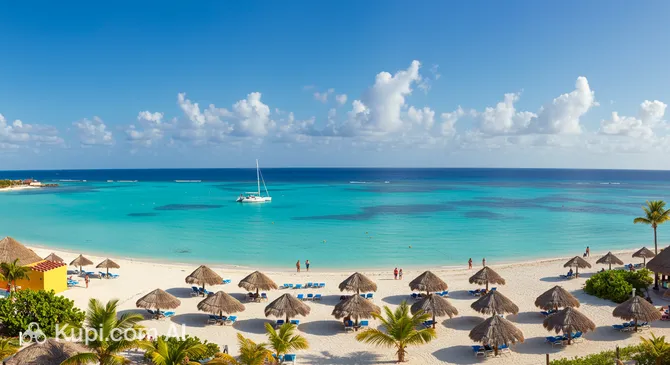
Cayo Coco. Source: Kupi.Binoculars

The island is connected to the mainland by a spectacular 27-kilometer causeway, or pedraplén, which is an engineering marvel in itself. Geographically, Cayo Coco is characterized by its lush vegetation, mangroves, and crystal-clear turquoise waters. Since the area is primarily a protected nature reserve and tourist destination, it does not have a large permanent population, ensuring a quiet and exclusive environment. The climate is warm and sunny throughout the year, making it an ideal spot for beach lovers.

While it is now a modern vacation hub, the history of Cayo Coco adds a layer of intrigue to its sandy shores. Long before the hotels were built, the island served as a secluded hideout for buccaneers and pirates during the colonial era. It remained largely uninhabited and wild until its development as a major tourist center began in the late 20th century, carefully balancing infrastructure with nature conservation.

Visitors are drawn to Cayo Coco for its exceptional biodiversity and outdoor activities. One of the most iconic features is the large colony of wild pink flamingos that can often be seen wading in the shallow lagoons. The island is also home to one of the largest coral reefs in the world, offering spectacular opportunities for diving and snorkeling among colorful fish and marine life. Stunning beaches like Playa Las Coloradas and Playa Larga are perfect for soaking up the Caribbean sun.

Whether you are eager to explore underwater wonders or simply wish to unwind with a cocktail by the sea, Cayo Coco promises an unforgettable experience. We invite you to discover the magic of this enchanting island on your next holiday.

Weather Overview

This island destination enjoys a warm, tropical climate that makes it inviting for visitors throughout the year. For a more detailed breakdown of conditions during your specific travel dates, you can consult our guide to the weather in Cayo Coco. Generally, the area experiences consistent warmth, with average monthly temperatures rarely dipping below 24°C even in the cooler months.

Expect hot, humid summers with regular rainfall and milder, drier winters perfect for outdoor activities. The warmest period peaks in August with an average temperature of 28.7°C, while January is typically the coolest month at 24.1°C. Precipitation patterns vary significantly; the drier season runs roughly from December through April, with March seeing as few as 7 wet days. Conversely, the wet season brings more frequent showers, particularly in October, which records the highest frequency of rain with approximately 23 wet days.

Interesting Facts

Beyond the luxury resorts and turquoise waters, Cayo Coco holds fascinating stories that add depth to its tropical charm. Here are some intriguing details about this Cuban destination that often go unnoticed.

  • Contrary to popular belief, the island is not named after the coconut fruit. The name actually honors the White Ibis, a local bird with a distinctive curved beak known as the "Coco," which inhabits the island's mangroves and lagoons in large numbers.

  • The island served as a muse for the renowned author Ernest Hemingway. He frequently sailed these waters on his boat, the Pilar, and the captivating landscapes of the region inspired much of his famous novel Islands in the Stream.

  • The archipelago to which Cayo Coco belongs, Jardines del Rey, bears a royal title dating back to 1514. The Spanish conquistador Diego Velázquez named the islands "The King's Gardens" to honor King Ferdinand the Catholic, astounded by the incredible beauty of the vegetation.

  • The causeway connecting the island to the mainland crosses the shallow Bahía de Perros (Bay of Dogs). This engineering feat was carefully modified with specific openings to allow tidal flow, a crucial step taken to preserve the salinity levels required for the local marine life and the vibrant flamingo population.

How to Get There

Reaching this tropical paradise is relatively straightforward, as the island is a major tourist destination with its own international air hub. Most visitors arrive by air, often on charter flights included in vacation packages. For a comprehensive overview of travel options, including road transfers and tips, you can read more about how to get to Cayo Coco.

The primary gateway is Jardines del Rey Airport (IATA: CCC), located directly on Cayo Coco. It is situated just 9.7 km from the main hotel strip, making the transfer very quick and convenient. By taxi or bus, the journey to the resorts typically takes approximately 15 to 20 minutes. This facility handles a significant volume of holiday traffic, welcoming approximately 610,000 passengers annually.

If direct flights are unavailable, you might land at Ignacio Agramonte International Airport (IATA: CMW) in the city of Camagüey. This alternative is located about 133.7 km away from Cayo Coco. Travelers choosing this route should be prepared for a longer transfer; the drive by taxi or shuttle bus usually takes around 2.5 hours. While further away, it serves as a viable option for those exploring the broader region.

For clarity, here is a summary of the main airports:

Airport Name City Passenger Traffic Km from Destination
Jardines del Rey Airport Cayo Coco Large 9.7
Ignacio Agramonte International Airport Camagüey Medium 133.7
Santa Clara Airport Santa Clara 158.1
Jaime Gonzalez Airport Cienfuegos 210.6

Main Attractions

While the pristine beaches are undoubtedly the main draw, Cayo Coco offers a variety of attractions that go beyond just sunbathing. From protected nature reserves teeming with wildlife to cultural sites that offer a glimpse into the island's past, there are several interesting places to explore during your stay.

Playa Las Coloradas is one of the most historically and naturally significant beaches on the island. Located towards the eastern end of the hotel zone, this stretch of coast is known for its fine sand and the historical "Paso de Ciego," a natural channel that once separated the cay. It is a fantastic spot for those who enjoy long walks by the sea, offering a perfect blend of modern comfort from nearby resorts and the raw beauty of the Caribbean coastline.

For nature enthusiasts, Parque Natural El Bagá is a must-visit destination. This theme park and nature reserve covers a vast area of mangroves and forests, providing a protected habitat for diverse fauna including iguanas, jutías (tree rats), and numerous bird species. Visitors can walk along shaded trails, observe animals in their natural environment, and learn about the delicate ecosystem of the archipelago through guided tours and interpretive exhibits.

Playa Flamencos stands out as one of the most beautiful beaches on the island, boasting nearly three kilometers of snowy white sand and shallow, crystal-clear waters. As the name suggests, it is often possible to spot the island's famous pink flamingos in the nearby lagoons. The calm, shallow sea here makes it an excellent choice for families and swimmers looking for a relaxing dip in a postcard-perfect setting.

To experience a touch of local culture and history, a visit to Sitio La Güira is highly recommended. This recreated village simulates the traditional life of the carboneros (charcoal makers) who inhabited the keys long before tourism arrived. Located in a natural setting, it features traditional thatched-roof structures and offers a restaurant where visitors can sample authentic Cuban cuisine and cocktails, providing a charming contrast to the large all-inclusive resorts.

Local Cuisine

The culinary experience in Cayo Coco is largely defined by its status as a premier beach destination, offering a delightful mix of international variety and traditional Cuban flavors. Due to its location within the Jardines del Rey archipelago, fresh seafood is the undisputed star of the local food scene. While the resorts provide extensive options, seeking out authentic local dishes offers a deeper and more flavorful connection to the culture.

Seafood lovers should not miss the opportunity to try grilled lobster (langosta), which is widely considered a highlight of dining in this region. It is typically served simply with butter, lemon, and garlic to let the natural freshness shine. For a taste of classic Cuban tradition, look for Ropa Vieja, a savory stew of shredded beef in a tomato-based sauce. This national dish is almost always accompanied by Moros y Cristianos (black beans and rice cooked together) and fried plantains, known as tostones or maduros.

No culinary journey here is complete without sampling the legendary local beverages. The island's bars serve world-class cocktails based on Cuban rum, with the refreshing minty Mojito and the classic Cuba Libre being perennial favorites. For a creamy tropical treat by the pool, a fresh Piña Colada is a must. Beer enthusiasts can enjoy local brands like Cristal or the stronger Bucanero, while coffee drinkers should finish their meals with a strong, sweet shot of Café Cubano.

Dining in Cayo Coco differs from the mainland as there are no residential towns or bustling street markets on the cay itself. Most meals are enjoyed within the hotel complexes, which feature both buffet and à la carte restaurants. However, for a more rustic and memorable atmosphere, visitors often head to the beachside Ranchóns. These open-air, thatched-roof eateries serve lunch with a spectacular ocean view, offering the perfect setting to enjoy grilled fish and cold drinks with your feet in the sand.

Travel Tips

Planning a trip to Cayo Coco is exciting, but a few practical preparations can ensure your tropical getaway is completely stress-free. To help you navigate the unique aspects of this island paradise, we have compiled a list of essential travel tips designed to make your stay as smooth as possible.

  1. Clothing and Essentials
    Pack lightweight, breathable fabrics like cotton or linen to stay cool in the tropical heat. A high-SPF sunscreen and a wide-brimmed hat are non-negotiable. Crucially, bring a strong insect repellent, as the island's mangroves are home to mosquitoes and sand flies, which can be active at dusk. For evening dining in a la carte restaurants, remember that a "smart casual" dress code often applies, usually requiring long trousers and collared shirts for men.

  2. Getting Around
    Public transport as you might know it does not exist here. Instead, utilize the Jardines del Rey Bus Tour, a panoramic double-decker bus that runs a continuous loop between the hotels, commercial centers, and the famous Playa Pilar. Taxis are also readily available at every resort lobby; if the taxi does not have a meter, agree on the fare with the driver before departing.

  3. Money Matters
    While the local currency is the Cuban Peso (CUP), tourists typically pay for excursions and large bills with credit cards (Visa or Mastercard). However, cards issued by US banks generally do not work in Cuba, so it is vital to check with your bank beforehand. For tips and small purchases, bring cash in small denominations (CAD, EUR, or USD), as this is widely accepted and appreciated by staff.

  4. Health and Safety
    Cayo Coco is an extremely safe, gated tourist destination with virtually no crime. However, strictly avoid drinking tap water; stick to sealed bottled water to prevent stomach upsets. Medical care is available at the International Clinic (Clínica Internacional), which offers 24-hour services, but it is wise to pack a personal kit with painkillers, band-aids, and any necessary prescription medications.

  5. Staying Connected
    The official language is Spanish, but staff in the resorts speak excellent English. Wi-Fi is widely available in hotel lobbies and increasingly in guest rooms; it is often free but may require a login code from reception. To stay online outside the resort, you would need a local SIM, but most tourists find the hotel connections sufficient for their needs.

  6. Social Etiquette
    Cubans are incredibly friendly and hospitable. A smile and a greeting of "Hola" (Hello) or "Buenos días" (Good morning) are always well-received. Tipping is a significant part of the local tourism culture; leaving a small tip for bartenders, housekeeping staff, and waiters is a kind gesture that ensures excellent service.

  7. What to Avoid
    Do not rely exclusively on digital payments or large banknotes. Small change is hard to come by, so having a stash of smaller bills is very useful. Additionally, avoid taking photos of military personnel or airport security procedures, as this is strictly prohibited.

  8. Power Plugs
    Electrical standards can vary by hotel. Many newer resorts use 220V, but the sockets often accept standard US-style flat-pin plugs. To be safe, bring a universal travel adapter and check if your devices (like hair styling tools) are dual-voltage (110V-220V) to avoid damaging them.

By keeping these practical tips in mind, you can focus entirely on relaxing by the turquoise waters and enjoying the warm Cuban hospitality. Cayo Coco is designed for leisure, and with just a little preparation, your vacation is sure to be as memorable as it is relaxing.

Entertainment & Nightlife

The nightlife in Cayo Coco is distinct from the bustling urban scenes found elsewhere in Cuba. As a dedicated resort destination, the evening entertainment is primarily concentrated within the magnificent all-inclusive hotels that line the coast. The atmosphere is festive yet relaxed, with most resorts hosting elaborate cabaret shows, live music performances, and beach parties that cater to guests of all ages. After the main shows conclude, hotel discos and lobby bars become the center of action, offering a safe and convenient way to dance the night away just steps from your room.

For those seeking a unique experience outside the hotel boundaries, the most iconic venue is La Cueva del Jabalí (The Wild Boar's Cave). Transformed into a spectacular nightclub, this natural cave features a dance floor surrounded by ancient stalactites and rock formations. It is a favorite among tourists for its open-bar concept and energetic mix of international and Latin music. The venue offers a truly memorable setting that combines the island's natural geology with a vibrant party vibe.

Another hub for evening activity is Plaza Los Flamencos, a commercial center that serves as a gathering spot for visitors from various resorts. Here, you can find entertainment options such as a bowling alley and a piano bar, providing a more laid-back alternative to the high-energy clubs. It is an excellent place to enjoy a cocktail, shop for late-night souvenirs, or simply soak up the warm Caribbean breeze in a social, open-air environment.

When planning a night out, practicalities are simple. Since the tourist bus service stops running in the early evening, taxis are the primary mode of transport after dark. They are readily available at hotel lobbies and are the safest way to travel between the resorts and the cave disco. Cayo Coco is an extremely safe destination, but it is advisable to use vehicles rather than walking along the unlit roads connecting the hotels.

The dress code for nightlife is generally "resort casual." While you should leave the swimwear for the beach, comfortable summer attire is perfectly acceptable in most discos and bars. However, if you plan to dine at an a la carte restaurant before heading out, men are often required to wear long trousers and collared shirts. Most nightlife venues pick up steam around 11:00 PM and stay open late, allowing you to make the most of your tropical evenings.

During the daylight hours, the entertainment shifts from the dance floor to the outdoors. Visitors can enjoy the Delfinario Cayo Coco, which offers interactive shows and swimming with dolphins, or embark on catamaran cruises to explore the surrounding coral reefs. Whether day or night, the island offers a variety of ways to stay entertained amidst its stunning natural beauty.

Parks & Museums

As a destination celebrated primarily for its ecological splendor, Cayo Coco treats its environment as its greatest gallery. While you will not find traditional indoor museums or sprawling urban parks here, the entire island functions as a protected nature reserve. The "green spaces" are wild, untouched expanses of mangroves and dunes, while the "museums" are often open-air sites that preserve the rustic history of the region's original inhabitants and settlers.

Parque Natural El Bagá is the premier ecological attraction on the island and a must-visit for nature lovers. Spanning a vast area of mangroves and coastal forests, this theme park allows visitors to immerse themselves in the local biodiversity. It is home to large populations of flamingos, iguanas, and the endemic hutia (a large rodent). The park is not just about wildlife; it also features cultural exhibits, including a recreated Taino village that demonstrates the lifestyle of Cuba's indigenous people, making it a blend of nature trail and living history museum.

Another significant natural area is the Ecological Reserve Centro Oeste, famous for the Loma del Puerto. This area protects one of the most impressive coastal dune systems in the Caribbean. Visitors can explore trails that wind through the preserved landscape, offering a stark and beautiful contrast between the white sand dunes and the lush tropical vegetation. It is a quiet sanctuary perfect for birdwatching and photography, away from the manicured gardens of the hotel strip.

In terms of cultural heritage, Sitio La Güira stands out as the island's most significant historical venue. Functioning as an open-air museum, it recreates the settlement of the carboneros (charcoal makers) who were the primary inhabitants of the keys in the early 20th century. The site features traditional thatched huts (bohios) and displays tools and artifacts from that era. It offers a fascinating glimpse into the solitary and rugged life on the cay before the arrival of modern tourism.

While not a museum in the classic sense, La Cueva del Jabalí offers a unique look into the island's pirate history. Before it became a popular evening venue, this natural cave system served as a hideout for buccaneers and later for charcoal burners. The geological formations inside—ancient stalactites and stalagmites—are preserved and illuminated, allowing visitors to step back in time and imagine the island's lawless maritime past while exploring the cavernous depths.

The most prominent architectural landmark is undoubtedly the Pedraplén, the causeway connecting Cayo Coco to the mainland. Although it is a piece of infrastructure, it is celebrated as a monumental engineering feat. Driving across it offers a unique perspective on the geography of the Jardines del Rey archipelago, with designated stopping points where you can admire the engineering that allows tidal waters to flow freely, preserving the marine ecosystem.

For an authentic experience, consider visiting the parks in the early morning or late afternoon. This is when the wildlife, particularly the pink flamingos and coastal birds, is most active and visible. Also, remember that these are protected natural habitats, so bringing eco-friendly insect repellent is highly recommended to ward off the sand flies found near the mangroves.

Getting Around

Since Cayo Coco is a dedicated resort destination rather than a conventional residential city, its transport system is quite different from a typical urban network. There are no metros, trams, or trolleybuses here. Instead, the infrastructure is specifically designed to facilitate movement between the various hotels, beaches, and commercial centers scattered along the coastline. The system is simple, tourist-friendly, and focused on leisure rather than commuting.

The primary mode of shared transport is the Jardines del Rey Bus Tour. This is a panoramic double-decker bus that operates on a continuous loop, connecting all the major resorts with key points of interest such as the shopping plazas, the dolphinarium, and the spectacular Playa Pilar. Riding on the open-top upper deck offers a scenic way to view the island's landscape while traveling. The buses run at regular intervals, typically every hour or so, making it a relaxed way to explore the area without needing a vehicle.

Payment for the bus is very straightforward and designed for convenience. You purchase a ticket directly from the driver when you first board. This ticket usually functions as a day pass, allowing you to hop on and off as many times as you like throughout the day for a single flat fee, which is approximately 5 EUR or USD. Payment is generally made using a credit card (Visa or Mastercard not issued by US banks), as cash is becoming less common for official transport services, though having small bills is always useful as a backup.

For more direct or private travel, taxis are the most reliable alternative. You will find yellow taxis waiting at the entrance of every resort and at the airport. While some vehicles are equipped with meters, it is standard practice to confirm the fare with the driver before starting your journey to avoid misunderstandings. Unlike in many other destinations, ride-sharing apps like Uber or Lyft do not operate here, so you should rely on the official taxi stands or ask your hotel concierge to call one for you.

For those seeking more independence, renting a scooter or a car is a popular option. Rental desks are located in the lobbies of most large hotels and at the main commercial centers. This allows for greater freedom to explore the causeway or visit the mainland. Additionally, due to the island's flat terrain, many tourists enjoy using bicycles. Most all-inclusive resorts provide bikes to their guests, often free of charge or for a small rental fee, which is perfect for short trips to nearby beaches.

A practical tip for visitors is to be mindful of the schedule. The panoramic bus service typically operates only during daylight hours, usually winding down between 5:00 PM and 6:00 PM. If you plan to visit a nightclub or dine at a restaurant outside your hotel in the evening, you must plan to return by taxi. Always keep your bus ticket safe if you intend to use the service multiple times in one day, as you will need to show it to the driver upon re-boarding.

Accommodation

Accommodation in Cayo Coco is quite distinct from the rest of the country. Unlike the mainland, where private homestays (casas particulares) are common, this island is a dedicated tourist enclave comprised almost entirely of large all-inclusive resorts. These properties typically range from comfortable four-star hotels to luxurious five-star complexes, designed to provide everything a traveler needs within the resort grounds, including dining, entertainment, and water sports.

The hotels are strategically located along the island's spectacular northern shore, lining famous beaches such as Playa Larga, Playa Las Coloradas, and Playa Flamencos. This arrangement ensures that virtually every resort offers direct access to the white sands and turquoise waters. One of the major advantages of staying here is the proximity to the airport; most resorts are just a short 15 to 20-minute drive away, making the transfer effortless after a long flight.

Guests can generally expect sprawling properties featuring lush tropical gardens, multiple swimming pools, and extensive buffet and à la carte dining options. Many resorts are thoughtfully divided into specific sections, offering family-friendly zones with kids' clubs as well as exclusive adults-only areas for couples and travelers seeking a quieter, more romantic atmosphere. The architectural style often blends with the natural environment, utilizing open-air lobbies and low-rise structures to maintain the island's serene aesthetic.

For the best value and convenience, it is highly recommended to book your accommodation as part of a vacation package. These deals typically bundle flights, airport transfers, and the all-inclusive stay into one fixed price, which is the most common way to visit the island. Prices vary significantly by season; the winter months (December to April) are the peak period with higher rates, so booking several months in advance is essential. Conversely, the summer season often offers more competitive pricing, making it an attractive option for budget-conscious travelers.

Nearby Cities

While Cayo Coco is a secluded island paradise dedicated to relaxation, it serves as an excellent starting point for exploring the authentic culture and history of the mainland. Connected to the rest of Cuba by the impressive Pedraplén causeway, several interesting cities and towns are within driving distance, offering a glimpse into the daily life, architecture, and traditions of the region.

The closest urban center is Morón, widely known as the "City of the Rooster" due to its famous bronze monument, El Gallo de Morón. Located just a short drive from the causeway, this charming city features varied architecture and serves as the main gateway to the keys. Visitors often stop here to admire the old railway station or to take a boat ride on the nearby Laguna de la Leche, the largest natural freshwater lake in the country.

Further south lies the provincial capital, Ciego de Avila. This bustling city offers a more urban experience with its grid-like street layout and neoclassical buildings. It is a hub of local history, home to museums and the lively Parque Martí. Exploring the capital provides a deeper understanding of the province's heritage and offers a stark, vibrant contrast to the quiet beaches of the cay.

For those willing to venture a bit further, the town of Yaguajay in the neighboring province offers rural charm and history, while the route towards Camagüey passes through towns like Florida and Carlos Manuel de Cespedes. These locations are less frequented by tourists, providing an unfiltered look at the Cuban countryside and its agricultural heartland.

Here is an overview of the nearby cities, their distances from Cayo Coco, and their approximate populations:

City Name Distance (km) Population
Morón 51 59,371
Ciego de Avila 82 278,672
Yaguajay 88 58,938
Carlos Manuel de Cespedes 104 224,488
Florida 112 71,676

Shopping & Souvenirs

Shopping in Cayo Coco is a relaxed and low-key experience, designed primarily to cater to the needs of vacationers. Unlike major cities with sprawling department stores, the retail scene here is concentrated within specific tourist commercial centers and hotel boutiques. Visitors will find a good selection of authentic Cuban products, beach essentials, and handicrafts, making it easy to find the perfect memento of their tropical getaway without venturing far from the sand.

The main shopping activity takes place in designated commercial plazas located near the major hotel strips. Plaza Los Flamencos is one of the most popular hubs, situated centrally among several resorts. It functions as a small village with a variety of shops selling clothing, souvenirs, and luxury items. Another key location is Plaza La Gaviota, located near the eastern end of the cay, which offers a similar range of stores and often hosts local vendors, providing a convenient alternative for guests staying in that area.

While there are no traditional enclosed shopping malls, these open-air plazas serve the same purpose. They typically house a specialized Casa del Habano for cigar aficionados, boutiques selling resort wear, and markets for food and spirits. These centers are designed to be social spaces as well, often featuring a bowling alley, a spa, or a restaurant, allowing tourists to combine a shopping trip with leisure activities.

For those interested in unique local crafts, the artisan markets are the highlight. Local craftsmen and artists frequently set up stalls within the commercial plazas and sometimes in the lobbies of the all-inclusive resorts. These ferias de artesanía are the best places to find handmade goods such as wood carvings, leather accessories, ceramic pottery, and vibrant paintings that depict Cuban landscapes and culture.

When it comes to souvenirs, Cuba is famous for a few specific high-quality products. The top choice is undoubtedly Cuban rum, with brands like Havana Club and Santiago de Cuba available at excellent prices. Cigars are another must-buy; purchasing them from official state stores ensures authenticity. Coffee lovers should look for brands like Cubita or Serrano to take the taste of the island home. Additionally, handcrafted wooden cars and domino sets make for charming and traditional gifts.

Most shops in the commercial centers generally operate from around 9:00 AM to 5:00 PM, though some may stay open later into the evening, especially during the high season. It is crucial to note that payment in state-run stores and commercial plazas is almost exclusively by credit card (Visa or Mastercard not issued by US banks). Cash (EUR, CAD, or USD) is typically only accepted by private artisans at the market stalls, so it is wise to carry both forms of payment.

Reached the end of the page?

That means the route is fully explored