Support

Santa Clara

About

Santa Clara is a city that pulses with a unique energy, blending profound historical significance with a lively, youthful atmosphere. Located in the geographical center of Cuba, it serves as the capital of the Villa Clara province and acts as a vital crossroads for travelers exploring the island. With a population of approximately 247,000 residents, it is a bustling hub that offers an authentic glimpse into daily Cuban life away from the coastal resorts.

To truly understand the character of this destination, one must explore the history of Santa Clara. The city is famously known as the site of the decisive battle of the Cuban Revolution, a legacy that is deeply woven into its streets and monuments. However, beyond its past, Santa Clara is also a university city, which infuses it with creativity, edgy nightlife, and a progressive spirit.
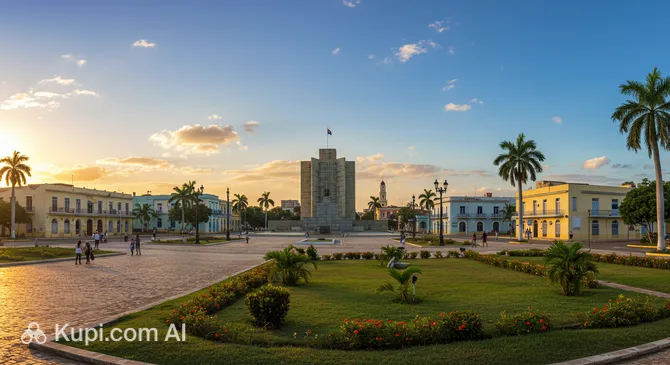
Santa Clara. Source: Kupi.Binoculars

Visitors are often drawn to the monumental Che Guevara Mausoleum, a sprawling complex that houses the remains of the revolutionary leader and serves as a major landmark. Another unique attraction is the Tren Blindado, a park-museum created from the armored train derailed during the city's historic battle. For a taste of local culture, Parque Vidal sits at the heart of the city—a vibrant square where music plays, locals socialize, and the community comes together.

Whether you are a history enthusiast or simply seeking to experience the warmth of local culture, Santa Clara provides a memorable and enriching stop. Its mix of revolutionary heritage and contemporary vitality makes it a fascinating place to discover.
Weather Overview

Santa Clara generally enjoys a warm, tropical climate throughout the year, characterized by distinct wet and dry periods. For travelers planning their itinerary, understanding the weather in Santa Clara is key to packing the right gear. Expect hot summers with frequent rainfall and milder, drier winters that are ideal for outdoor exploration.

The warmer season, typically spanning from June to September, sees average temperatures hovering around 28°C, with daytime highs often reaching 32°C. This period coincides with higher humidity and increased precipitation, with the number of wet days ranging from 19 to 23 per month. While showers can be frequent, they are often short bursts typical of the tropics.

Conversely, the cooler months from December to March offer a more comfortable climate for sightseeing. During this time, average temperatures drop to approximately 23°C, with nightly lows dipping to a refreshing 19°C. This season is significantly drier, with only about 5 to 8 wet days per month, ensuring plenty of sunshine for your visit.

Interesting Facts

Beyond the well-trodden paths of revolutionary history, Santa Clara hides a collection of intriguing stories and cultural quirks that surprise many visitors. This city is not just a monument to the past but a place full of unique local legends and artistic expressions.

  • While the Monumento al Tren Blindado is famous for the historic derailment of an armored train, few realize that the actual bulldozers used by the rebels to destroy the tracks are preserved on-site. These pieces of heavy machinery stand as integral parts of the memorial, turning ordinary construction equipment into significant historical artifacts.

  • Santa Clara is affectionately known as the "City of Marta" in honor of Marta Abreu de Estévez, a 19th-century philanthropist. She funded many of the city's key landmarks, including the theater, four schools, and public washhouses, shaping the city's architectural and social legacy long before the political changes of the 20th century.

  • The city is widely regarded as the most liberal in Cuba, largely due to "El Mejunje" (The Mixture). This cultural center, established in the ruins of an old hotel, became the cradle of the island's LGBTQ+ movement and rock music scene, fostering a spirit of inclusivity that is distinct within the country.

  • A beloved local symbol is the statue of the "Boy with the Boot" (El Niño de la Bota) located in the central park. Curiously, the statue currently on display is a bronze replacement; the original, which suffered damage over the years, is safely preserved in a local museum to protect it from the elements.

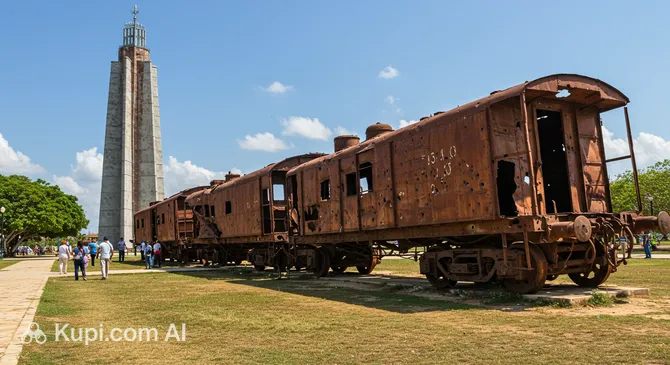
Monumento al Tren Blindado. Source: Kupi.Binoculars

How to Get There

Reaching Santa Clara is relatively straightforward thanks to its central location on the island. While there are various transport options, most international visitors choose to fly. For a complete overview of routes and travel tips, you can read more about how to get to Santa Clara.

The most convenient entry point is the city's own Santa Clara Airport (IATA: SNU), officially known as Abel Santamaría Airport. It is located just 7.5 km from the city center, making the transfer very quick; a taxi or bus ride typically takes approximately 30 minutes. This facility serves several international flights and is the best option for direct access.

If direct flights are unavailable, you might consider arriving at Jaime Gonzalez Airport (IATA: CFG) in the neighboring city of Cienfuegos. It is situated about 57.4 km from Santa Clara. The travel time from Cienfuegos is roughly 1 hour and 45 minutes by road. Another significant alternative is the major international hub, Juan Gualberto Gomez Airport (IATA: VRA) in Varadero. Although it is further away at approximately 167.6 km, it handles a large volume of traffic. The journey from Varadero to Santa Clara takes about 4.5 hours.

For clarity, here is a summary of the main airports:

Airport Name City Passenger Traffic Km from City
Juan Gualberto Gomez Airport Varadero Large 167.6
Jardines del Rey Airport Cayo Coco Medium 166.2
Santa Clara Airport Santa Clara 7.5
Cayo Largo Del Sur Airport Cayo Largo 188.3
Jaime Gonzalez Airport Cienfuegos 57.4

Main Attractions

Santa Clara offers a compelling mix of revolutionary history and colonial charm, making it a distinct stop on any Cuban itinerary. The city's landmarks range from monumental tributes to pivotal moments in the nation's past to vibrant public spaces that showcase the local architecture and daily life.

One of the most significant sites is the Che Guevara Mausoleum (Conjunto Escultórico Comandante Ernesto Che Guevara). This sprawling complex overlooks the city and serves as the final resting place for the revolutionary leader and his companions. It features a massive bronze statue of Che, a museum detailing his life, and an eternal flame. The site is a place of respectful silence and offers deep insight into the historical events that shaped modern Cuba.

Another essential stop for history enthusiasts is the Monumento al Tren Blindado. This park-museum marks the exact location where Che Guevara and his troops derailed an armored train during the Battle of Santa Clara in 1958. Visitors can explore the original boxcars, which have been converted into small galleries displaying weapons, photographs, and artifacts from the skirmish, effectively turning the battlefield into an educational experience.

At the heart of the city lies Parque Vidal, a bustling square that acts as Santa Clara's social living room. Unlike many other colonial plazas in Cuba, this park is unique for its eclectic mix of statues, including the "Boy with the Boot" and a bust of Leoncio Vidal. It is surrounded by impressive buildings and is the perfect spot to sit and watch the world go by, often accompanied by live music from the central gazebo.

Overlooking the main square is the majestic Teatro La Caridad, one of the few remaining colonial theaters in Cuba. Built in the late 19th century by the philanthropist Marta Abreu, the theater is renowned for its neoclassical facade and exquisite interiors, featuring ceiling frescoes by Camilo Salaya. It remains an active cultural venue, hosting ballets, concerts, and theatrical performances that highlight the city's artistic spirit.

Local Cuisine

The culinary scene in Santa Clara offers an authentic taste of central Cuba, characterized by hearty, home-cooked flavors rather than the elaborate dining found in luxury resorts. The most iconic dish to try here, as in much of the country, is Ropa Vieja. This savory stew consists of shredded beef simmered in a rich tomato-based sauce with onions, bell peppers, and spices, typically served alongside white rice and black beans. Another staple is Moros y Cristianos (often called congrí), a flavorful blend of rice and black beans cooked together with garlic and pork fat, which serves as the foundation of almost every traditional meal.

Santa Clara has a unique reputation for its street food, particularly its peanut products. The city is famous for Turrón de Maní, a sweet peanut nougat that is widely sold by street vendors (maniceros) and local cooperatives like Bormey. These peanut bars come in various textures, from ground and crumbly to hard and crunchy, and are a must-try local snack. Due to the large student population, you will also find an abundance of affordable street eats, such as Pan con Lechón (roast pork sandwiches) and "peso pizza," a small, soft-dough pizza that is a favorite quick bite for locals on the go.

When it comes to drinks, the choices are refreshing and potent. A classic Mojito or a Cuba Libre is perfect for cooling down in the tropical heat, often enjoyed on the terraces of local paladares (privately owned restaurants). For a non-alcoholic boost, nothing beats a Café Cubano, a strong and sweet espresso shot that fuels the daily rhythm of the city. In the evenings, the vibrant social life around Parque Vidal is often accompanied by cold domestic beers or refreshing fruit juices made from seasonal tropical fruits like guava and mango.

The food culture in Santa Clara is best experienced in its paladares, where families serve traditional recipes passed down through generations in converted colonial homes. These establishments offer a more intimate and high-quality dining experience compared to state-run restaurants. The atmosphere is generally casual and welcoming, reflecting the city's youthful energy and unpretentious spirit. Whether you are sitting in a decorated courtyard or grabbing a snack from a window counter, eating here is an opportunity to connect with the warm and hospitable locals.

Travel Tips

Visiting Santa Clara allows you to experience the authentic heart of Cuba, where revolutionary history meets a vibrant, youthful spirit. To ensure your trip is as smooth and enjoyable as possible, here are some practical tips tailored to help you navigate the city like a pro.

  1. Clothing and Gear: Due to the tropical climate, lightweight and breathable fabrics like cotton or linen are your best friends. Pack comfortable walking shoes, as the city center is best explored on foot and sidewalks can be uneven. If you are visiting during the wet season (June to October), a compact umbrella or rain poncho is essential. Don't forget high-SPF sunscreen and a hat, as the sun can be intense even on cloudy days.

  2. Transportation: Santa Clara is famous for its unique horse-drawn carriages, known locally as coches de caballo, which function as a primary form of public transport along major routes. For short distances within the center, bicitaxis (pedicabs) are a convenient and affordable option. Walking is generally the best way to see the sights around Parque Vidal. Taxis are available for longer trips, such as to the Che Guevara Mausoleum or the airport.

  3. Finances: Cash is king in Santa Clara. While some hotels may accept credit cards (non-US banks only), the infrastructure can be unreliable. It is highly recommended to bring Euros, Canadian Dollars, or USD in cash to exchange at official exchange houses (CADECA). Small bills are useful for tipping musicians, servers, and bathroom attendants. Always agree on a price before taking a taxi or bicitaxi.

  4. Health and Safety: Santa Clara is generally very safe for tourists, but standard precautions apply. Do not drink tap water; always opt for bottled water to avoid stomach issues. Pharmacies may have limited stock, so bring a personal medical kit with essentials like painkillers, stomach relief medicine, and plenty of insect repellent to protect against mosquitoes.

  5. Communication: Spanish is the official language, and while you might find English speakers in hotels or near major tourist sites, it is not widely spoken by the general public. Downloading an offline translation app and an offline map of the city is a lifesaver. Internet access is typically found in public Wi-Fi hotspots, such as Parque Vidal, using pre-paid cards from ETECSA.

  6. Local Etiquette: Cubans are warm and gregarious. A simple greeting of "Buenos días" or "Buenas tardes" goes a long way. In Santa Clara, the local culture revolves around the main square; sitting in the park and chatting is a social norm. If you take photos of people, it is polite to ask for permission first. Tipping is customary and appreciated for good service.

  7. What to Avoid: Avoid taking photographs of military personnel, police, or sensitive government buildings, as this is strictly prohibited. Also, refrain from buying cigars from the street (often counterfeit); stick to official shops to ensure quality and legality.

  8. Local Insight: Don't miss the chance to buy peanuts from the local vendors. Santa Clara is known for its high-quality peanuts and peanut nougats (turrones), particularly from the brand Bormey. It's a delicious, safe, and authentic snack to fuel your sightseeing.

By keeping these practical tips in mind, you will be well-prepared to embrace the rhythm of Santa Clara. Enjoy the warmth of its people, the richness of its history, and the unique charm of this central Cuban gem.

Entertainment & Nightlife

Santa Clara boasts a nightlife scene that is distinct from the cabaret-style shows of Havana or the resort entertainment of Varadero. Thanks to the prestigious Central University of Las Villas, the city has a youthful, rebellious, and intellectual energy that comes alive after dark. The entertainment here is less about polished glamour and more about authenticity, inclusivity, and spontaneous social gatherings.

The epicenter of evening activity is undoubtedly Parque Vidal. As the sun sets, this central square transforms into a massive open-air social club. Locals of all ages gather on the benches to chat, access Wi-Fi, and listen to the municipal band that often plays from the central gazebo. The atmosphere is buzzing yet safe, making it the perfect starting point for a night out. The surrounding streets, particularly the pedestrian boulevard (Calle Independencia), are lined with small cafes and bars where the energy spills out onto the sidewalks.

For a truly unique experience, you must visit El Mejunje (The Mixture), located just a few blocks from the main square. Set in the ruins of an old roofless building, this cultural center is legendary across Cuba for its bohemian vibe and inclusive spirit. It hosts everything from rock concerts and traditional trova music to drag shows and disco nights. The crowd is diverse, the drinks are cheap, and the dress code is completely casual. It is the beating heart of Santa Clara's counterculture and a place where tourists are welcomed warmly.

If you prefer a more traditional Cuban atmosphere, La Marquesina is the place to be. Situated on the corner of the historic Teatro La Caridad, this dive bar is famous for its live bands playing classic Son Cubano and salsa. It is a small, often crowded venue where the music is loud, and dancing is inevitable. It attracts a mix of locals and visitors looking to enjoy a rum cocktail while soaking in the rhythms of the island.

Practicalities for a night out in Santa Clara are simple. Most venues do not have a strict dress code; jeans and a t-shirt are perfectly acceptable everywhere. Nightlife tends to start later, with clubs like El Mejunje filling up around 10:00 PM or 11:00 PM. Prices are generally very affordable compared to tourist-heavy areas. While the city center is safe for walking at night, it is advisable to take a bicitaxi (pedicab) if you are heading back to your accommodation late, especially if it is on the outskirts.

While the nights are lively, daytime entertainment offers a different kind of engagement. Culture lovers can enjoy performances at the majestic Teatro La Caridad or explore the city's museums. For a blend of history and open-air exploration, a visit to the Monumento al Tren Blindado is essential. This site offers a fascinating look at the city's revolutionary past within a park-like setting, making it a compelling stop before the evening festivities begin.

Parks & Museums

Santa Clara offers a compelling mix of green spaces and cultural institutions that go far beyond its reputation as a revolutionary city. Visitors will find that the city's parks are not just places for relaxation but are the very stages where local social life unfolds, while its museums provide a deep dive into both the artistic and historical heritage of the region.

The undisputed heart of the city is Parque Vidal. More than just a park, it is an open-air theater of daily life where locals gather to socialize, listen to music, and enjoy the shade. It is one of the few places in Cuba with a statue dedicated to a philanthropist rather than a military figure, honoring Marta Abreu. Just outside the center, nature lovers can visit Loma del Capiro. This hill is not only a natural lookout offering panoramic views of the city but also a site of historical importance. It is an excellent spot for a morning hike to enjoy the fresh air and the scenic landscape of the Villa Clara province.

For those interested in culture, the Museo de Artes Decorativas is a hidden gem located on the corner of the main square. Housed in a beautifully preserved 18th-century colonial mansion, it showcases an impressive collection of period furniture, ceramics, and costumes that reflect the opulent lifestyle of the local aristocracy in centuries past. Another essential stop is the museum within the Che Guevara Mausoleum complex. While the exterior is monumental, the museum inside offers an intimate look at the life of the guerrilla leader through personal artifacts, diaries, and photographs.

History enthusiasts should not miss the Monumento al Tren Blindado. This unique open-air museum preserves the boxcars of the armored train derailed during the Battle of Santa Clara. Inside the wagons, visitors can view diverse historical items and exhibitions that narrate the events of 1958. Architecturally, the Teatro La Caridad stands out as one of the most significant buildings in the city. As one of Cuba's few remaining grand colonial theaters, it is celebrated for its stunning frescoes and neoclassical design.

For a truly local experience, consider visiting the Jardín Zoológico Camilo Cienfuegos, locally known as "El Bosque." It is a favorite weekend spot for Santa Clara families, offering a greener, quieter atmosphere away from the tourist trail. Additionally, catching the sunset from the top of Loma del Capiro provides a breathtaking perspective of the city bathed in golden light, a perfect way to end a day of exploration.

Getting Around

Navigating Santa Clara is a distinct experience that relies more on tradition than on modern technology. The city does not have a metro or tram system; instead, the most iconic and widely used form of public transport is the horse-drawn carriage. Known locally as coches de caballo, these carriages operate much like buses, running along fixed routes on the city's main avenues. They are a vital part of the local infrastructure rather than just a tourist attraction, offering an affordable and scenic way to travel between neighborhoods.

For shorter trips within the crowded city center, bicitaxis (bicycle taxis) are the most practical solution. These three-wheeled pedicabs can weave through narrow streets and bring you directly to your destination's doorstep. They are abundant near plazas and markets. If you need to travel faster or cover a slightly longer distance, motorized tricycles and motorcycle taxis are also available, bridging the gap between the slower pedal power and standard cars.

The payment system across all forms of local transport is entirely cash-based. There are no travel cards, validation machines, or mobile apps to worry about. You simply pay the driver directly, usually at the end of the ride. It is essential to carry small bills and coins in the local currency, as drivers rarely have change for large denominations. For the fixed-route horse carriages, the fare is standard and very low, while prices for private rides in bicitaxis or cars vary based on distance.

A crucial piece of advice for tourists is to always negotiate and agree on the fare before starting your journey in any vehicle without a meter, such as a bicitaxi or a classic car taxi. While the horse carriages have set prices that locals know, as a visitor, it is helpful to watch what others are paying or ask a local beforehand. Transport generally operates from early morning until the evening, but options become scarcer late at night, so plan your return trip accordingly if you are out late.

While local buses, known as guaguas, do exist, they are often overcrowded and can be confusing for those unfamiliar with the routes. Consequently, most visitors prefer walking for exploring the historic core, which is compact and flat. For longer excursions, such as to the airport or the outskirts, standard yellow taxis or vintage American car taxis are the most reliable alternatives. Car rentals are available but are typically not necessary for staying within the city limits.

Accommodation

Accommodation in Santa Clara is defined less by large luxury chains and more by a vibrant network of private homestays, known locally as casas particulares. While the city does have a few state-run hotels, the true charm of staying here lies in these family-run guesthouses. They offer travelers a unique opportunity to immerse themselves in authentic Cuban life, providing clean, comfortable rooms and often the best home-cooked meals you will find in the city.

The most convenient area for tourists to stay is undoubtedly the historic city center, particularly the blocks surrounding Parque Vidal. Staying in this zone puts you within walking distance of the main cultural attractions, the pedestrian boulevard, and the lively nightlife spots. For those seeking a quieter experience, there are options located on the outskirts of the city, often featuring bungalow-style accommodations surrounded by nature, though these require a taxi to reach the downtown action.

Generally, the accommodation landscape in Santa Clara ranges from budget to mid-range. You will not find ultra-luxury all-inclusive resorts here; instead, the focus is on hospitality and character. The casas particulares are typically very affordable and offer personalized service, with hosts often helping to arrange transport or tours. State hotels usually fall into the mid-range price category and offer standard amenities like swimming pools, which can be a welcome relief in the tropical heat.

When it comes to booking, it is highly recommended to reserve your accommodation in advance, especially if you plan to visit during the high season (December to March) or during local festivals. While many casas can now be booked through major international online platforms, it is also common to book directly. Regardless of how you book, be prepared to pay in cash (Euros or USD are often preferred) for extras like breakfast or laundry services upon arrival.

Nearby Cities

For those looking to explore the surroundings, Santa Clara serves as an excellent base for day trips to several interesting nearby locations:

One of the most rewarding excursions is to Cienfuegos, often referred to as the "Pearl of the South." Located on the southern coast, this city is celebrated for its elegant French colonial architecture and stunning bay. A visit here offers a refreshing seaside atmosphere and the chance to explore a historic center that has been recognized as a UNESCO World Heritage site.

For nature enthusiasts, the town of Manicaragua offers a gateway to the Escambray Mountains. It is the ideal starting point for reaching Lake Hanabanilla, a reservoir surrounded by lush vegetation where visitors can enjoy hiking, fishing, and boat tours. This area provides a peaceful retreat into nature, contrasting with the urban energy of Santa Clara.

Travelers interested in smaller, authentic communities might enjoy a short trip to Placetas. Known for its strong Spanish heritage and location on the central highway, it is a bustling town that offers a genuine look into the provincial life of Villa Clara. It is a great place to stop for a local coffee and observe the daily rhythm of the region.

City Population Distance (km)
Cienfuegos 164924 59
Placetas 71208 32
Manicaragua 61990 31
Camajuani 59464 23
Ranchuelo 59062 22

These nearby destinations offer a glimpse into the diverse culture and landscapes of the region.

Shopping & Souvenirs

Shopping in Santa Clara offers a glimpse into the daily life of Cubans rather than a high-end retail experience. You won't find sprawling luxury malls or international designer boutiques here. Instead, the city provides a mix of functional state-run stores, small private businesses, and vibrant street vendors. It is an excellent place to find unique revolutionary memorabilia, local handicrafts, and essential goods while mingling with the friendly local population.

The primary hub for shopping is the Boulevard, officially known as Calle Independencia. This pedestrian-only street stretches from the central Parque Vidal and is lined with a variety of shops, cafes, and service centers. It is the busiest part of the city, where locals come to buy clothing, electronics, and household items. Strolling down this avenue is as much about people-watching and soaking in the energetic atmosphere as it is about purchasing goods.

While there are no Western-style mega-malls, the city features several large department stores, typically part of state-run chains like Tiendas Panamericanas. The most prominent of these is often referred to as Praga, located prominently on the Boulevard. These stores sell a range of imported goods, from toiletries and food to appliances. They are good places to pick up bottled water or other travel essentials that might be harder to find in smaller shops.

For a more traditional atmosphere, the local agricultural markets, known as agromercados, are worth a visit. The Mercado Buen Viaje is a bustling spot where farmers sell fresh tropical fruits, vegetables, and meat. Although these are geared towards residents, they offer tourists a colorful photographic opportunity and a chance to buy fresh, organic snacks like bananas, mangoes, or guavas for a fraction of the price found in hotels.

Given the city's history, the most popular keepsakes are related to Che Guevara. You can find t-shirts, berets, keychains, and artwork depicting the revolutionary leader in various shops and stalls. For more artistic souvenirs, look for branches of Artex or the Fondo Cubano de Bienes Culturales, which sell high-quality Cuban music, literature, and handmade crafts. Authentic Cuban cigars and rum are also widely available; ensure you buy them from official La Casa del Habano or state stores to guarantee authenticity.

Stores typically open around 9:00 AM and close by 5:00 PM or 6:00 PM, with shorter hours on Sundays. Payment methods can vary; state stores generally accept international credit cards (issued by non-US banks), while private vendors, street stalls, and artisan markets prefer or exclusively accept cash. It is highly advisable to carry small bills in Cuban Pesos (CUP), Euros, or USD for easier transactions with local merchants.

Tourists should be aware that there is no tax-free shopping refund system available in Santa Clara. The prices displayed on goods are final, so there is no paperwork to fill out for VAT returns at the airport.

Reached the end of the page?

That means the route is fully explored