Support

Cayo Largo

About

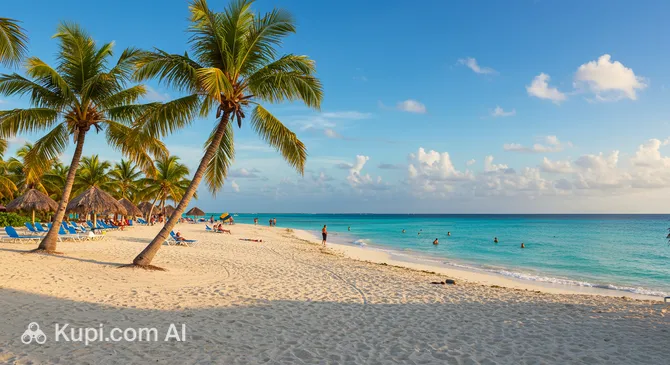
Cayo Largo del Sur, often simply referred to as Cayo Largo, is a breathtaking limestone island that offers a tranquil escape from the bustling world. Located off the southern coast of Cuba, this small cay is part of the Canarreos Archipelago and is renowned for its pristine natural beauty. Unlike many other destinations, Cayo Largo is almost exclusively dedicated to tourism, creating a serene atmosphere where the primary focus is relaxation amidst unspoiled nature.

The island is famous for its long stretches of powdery white sand and crystal-clear turquoise waters that remain calm throughout most of the year. While the history of Cayo Largo is rich with legends of pirates and privateers who once sought refuge in its hidden coves, today it stands as a peaceful sanctuary for travelers. Its geography consists mainly of low-lying terrain and mangroves, providing a unique habitat for local wildlife.

Cayo Largo. Source: Kupi.Binoculars

Visitors are consistently drawn to the island's spectacular beaches, particularly Playa Sirena and Playa Paraíso, which are widely considered some of the most beautiful in the Caribbean. Beyond the shore, the Sea Turtle Rescue Center offers a heartwarming opportunity to learn about conservation efforts and observe these magnificent creatures up close. Whether you are looking to dive into vibrant coral reefs or simply unwind under the tropical sun, Cayo Largo promises an unforgettable island experience.

Weather Overview

Cayo Largo enjoys a pleasant tropical climate characterized by consistent warmth and plenty of sunshine throughout the year. Visitors will find that average temperatures range from a comfortable 24.1°C in January to a balmy 28.9°C in August. For a more comprehensive breakdown of what to expect during your specific travel dates, you can consult the guide to weather in Cayo Largo.

The winter season, spanning from December to April, is typically drier and slightly cooler, making it an ideal time for outdoor activities. March is particularly notable for being the driest month with almost no recorded rainfall. In contrast, the period from May to October brings higher temperatures and a greater frequency of wet days, although the actual volume of rain remains quite low.

Overall, the island offers excellent beach conditions year-round. Expect warm summers with more frequent but light showers, and mild, dry winters perfect for uninterrupted relaxation.

Interesting Facts

Beyond the main attractions, Cayo Largo holds many fascinating secrets that make it more than just a beach destination. Here are a few intriguing details that set this island apart from the rest of the archipelago.
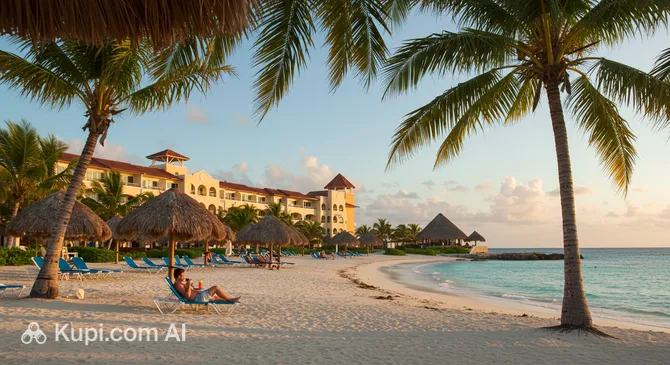
Cayo Largo Resort. Source: Kupi.Binoculars
  • One of the most remarkable features of the island is its sand, which is composed of oolitic limestone. This unique geological composition ensures that the sand never gets hot, remaining cool to the touch even during the peak heat of the day, so you can walk barefoot comfortably at noon.

  • Uniquely, Cayo Largo has no permanent indigenous population. The staff who work at the Cayo Largo Resort and other facilities do not live on the island permanently; instead, they commute from the nearby Isla de la Juventud or Havana, typically working in shifts of 20 days followed by 10 days off at home.

  • The island is steeped in maritime legends and was historically a hideout for famous pirates and privateers. Historical records suggest that figures like Sir Francis Drake and Henry Morgan used the cay as a stopover, leading to persistent local rumors of buried pirate treasure hidden somewhere beneath the dunes.

  • Cayo Largo is home to a specific local legend involving the "Yana" tree. Folklore claims that pirates would plant these resilient trees to mark the location of their hidden loot, adding a sense of mystery to the mangroves that line the coast.

How to Get There

Reaching this idyllic island destination is part of the adventure, with air travel being the primary and most convenient method. Since Cayo Largo is a dedicated tourist cay separated from the main island of Cuba, most visitors arrive via direct charter flights or connecting domestic routes. For a complete overview of travel options and logistics, you can read more about how to get to Cayo Largo to plan your journey effectively.

The island is served by its own facility, the Cayo Largo Del Sur Airport (CYO), which acts as the main gateway for international and domestic arrivals. Located just 1.8 km from the heart of the resort area, it offers an incredibly quick transfer to local hotels. The journey by taxi or shuttle bus typically takes only about 5 to 10 minutes, allowing you to start your vacation almost immediately after landing. This small but efficient airport welcomes direct flights from countries like Canada and Italy, as well as daily connections from the mainland.

For travelers arriving elsewhere in Cuba first, the Jose Marti International Airport (HAV) is a major hub. Although it is located in Bejucal, approximately 177.5 km away, it serves as the primary entry point for the country. From here, you would typically catch a connecting domestic flight to reach Cayo Largo. Similarly, the Juan Gualberto Gomez Airport (VRA) in Varadero, situated about 157.8 km from the cay, is another significant option. While these airports are distant and require a secondary flight or charter transfer rather than a simple road trip, they handle a high volume of passengers and offer extensive international connections.

For clarity, here is a summary of the main airports:

Airport Name City Passenger Traffic Km from City
Jose Marti International Airport Bejucal Very High 177.5
Juan Gualberto Gomez Airport Varadero High 157.8
Rafael Cabrera Airport Nueva Gerona Medium 131.9
Cayo Largo Del Sur Airport Cayo Largo 1.8
Jaime Gonzalez Airport Cienfuegos 129.7

Main Attractions

Cayo Largo is a destination defined by its stunning natural landscapes and serene atmosphere. While it is a small island, it offers a handful of exceptional experiences that revolve around its pristine beaches, unique wildlife, and relaxed resort lifestyle. Here are the main attractions that make this cay a favorite among Caribbean travelers.

One of the central points of the island's tourism infrastructure is the Cayo Largo Resort. As a key accommodation and activity hub, it offers visitors a comfortable base to explore the surrounding beauty. Guests here can enjoy all-inclusive amenities, direct access to the beach, and a variety of water sports. It serves as a perfect example of the island's hospitality, blending modern comfort with the laid-back tropical vibe that defines the entire archipelago.

Cayo Largo Resort. Source: Kupi.Binoculars

Playa Sirena is widely regarded as the jewel of Cayo Largo. Located on the western tip of the island, this beach is famous for its broad expanse of blindingly white sand and calm, shallow waters that are safe for swimming. It is the most active beach on the island, offering facilities for kayaking, sailing, and even swimming with dolphins at the nearby dolphinarium. The lack of strong currents makes it an ideal spot for families and sunbathers alike.

For those interested in wildlife conservation, the Sea Turtle Rescue Center (Centro de Rescate de Tortugas Marinas) is a must-visit. This small but impactful facility is dedicated to the protection and rehabilitation of sea turtles. Visitors can learn about the life cycle of these ancient mariners, see hatchlings during the breeding season, and understand the efforts being made to preserve the local population. It is an educational and heartwarming experience that highlights the island's commitment to nature.

Just a short walk from Playa Sirena lies Playa Paraíso, a beach that truly lives up to its name. Unlike its more active neighbor, "Paradise Beach" is celebrated for its solitude and untouched beauty. The water here is incredibly clear and calm, resembling a giant natural swimming pool. It was once voted one of the best beaches in the world, offering a tranquil escape where the only sounds are the gentle lapping of waves and the rustle of palms.

Another unique excursion is a boat trip to Cayo Iguana. As the name suggests, this small islet is inhabited exclusively by hundreds of rock iguanas. These prehistoric-looking creatures are accustomed to human visitors and will often approach calmly, allowing for excellent photo opportunities. It is a fascinating stop that offers a glimpse into the diverse ecosystem of the Canarreos Archipelago.

Local Cuisine

The culinary experience in Cayo Largo is deeply influenced by its location in the heart of the Caribbean Sea, making it a paradise for seafood lovers. Since the island functions primarily as a tourist destination without a permanent local settlement, the food scene is centered around the all-inclusive hotels and the open-air beach grills known as ranchons. The star of the menu is undoubtedly the fresh lobster, often prepared simply on the grill to highlight its natural sweetness or served in a savory tomato-based sauce known as enchilado de langosta.

Beyond seafood, visitors can enjoy traditional Cuban staples that offer a taste of the country's rich heritage. You will frequently find dishes like Ropa Vieja (shredded beef simmered in a tomato and pepper sauce) accompanied by the ubiquitous Moros y Cristianos, a flavorful mix of black beans and white rice. Side dishes often include tostones (fried green plantains) or sweet fried plantains, providing a perfect balance of savory and sweet textures to round out the meal.

No trip to Cuba is complete without sampling the local libations, and Cayo Largo is no exception. Rum is the spirit of choice, serving as the base for world-famous cocktails like the refreshing Mojito, the classic Daiquiri, and the creamy Piña Colada, which is often served in a fresh coconut or pineapple right on the sand. For beer drinkers, local brands like Cristal and Bucanero are widely available, offering a crisp respite from the tropical heat.

Dining on the island is a relaxed affair, typically taking place within the resort complexes or under the thatched roofs of beachside restaurants. Places like the Cayo Largo Resort offer extensive buffets and a la carte options where guests can sample both international cuisine and local Creole flavors. For a more casual atmosphere, the beach ranchons near Playa Sirena and Playa Paraíso are popular spots to grab a grilled fish lunch while gazing out at the turquoise waters.

Travel Tips

Welcome to Cayo Largo, a slice of paradise where the pace is slow and the nature is stunning. To help you make the most of your island getaway and ensure a hassle-free vacation, here are some practical tips tailored to this unique destination.

  1. Clothing and Essentials: Pack lightweight, breathable fabrics like cotton or linen to stay cool in the tropical heat. Since Cayo Largo is famous for its natural state, insect repellent is an absolute must, especially for the evenings or if you plan to visit the mangroves. Don't forget high-SPF sunscreen, a wide-brimmed hat, and polarized sunglasses to protect against the strong Caribbean sun reflecting off the white sand. Bring a power adapter for US-style flat-pin plugs (Type A), as outlets can vary between 110V and 220V.

  2. Transportation: There is no public transport system like buses or metros on the cay. Most tourists use the convenient trencito (a shuttle train/bus) that runs regularly between the hotels and the main beaches, Playa Sirena and Playa Paraíso. Taxis are also readily available at hotel lobbies. For more freedom, you can rent a jeep or scooter, but be aware that road conditions can be rustic in some areas.

  3. Finances: The currency situation can be complex. While the local currency is the Cuban Peso (CUP), tourists at resorts typically pay using foreign credit cards (Visa or Mastercard, provided they are not issued by U.S. banks) or prepaid MLC cards. However, cash is king for tipping; bringing small bills in Euros or Canadian Dollars is highly recommended and appreciated by staff. ATMs are scarce and can be unreliable, so bring enough cash for your entire stay.

  4. Health and Safety: Cayo Largo is incredibly safe with virtually no crime, but you should take health precautions. There is an International Clinic on the island for emergencies, but pharmacy supplies are very limited. You must bring a full supply of any prescription medications you need, along with a basic first-aid kit containing painkillers, band-aids, and stomach relief medicine.

  5. Communication: Spanish is the official language, but English is widely spoken by hotel staff and tour guides. Internet access is available in hotel lobbies and some rooms via Wi-Fi, usually requiring the purchase of a prepaid Nauta scratch card from the reception. Connection speeds can be slow, so it is best to plan for a "digital detox."

  6. Local Etiquette: The vibe is very relaxed and informal. A friendly "Hola" (Hello) or "Buenos días" (Good morning) goes a long way. Tipping is a customary and significant part of the local service culture; leaving a small tip for bartenders, maids, and servers is a standard practice to show appreciation for good service.

  7. What to Avoid: Never drink tap water; always stick to bottled water to avoid stomach issues. Also, avoid assuming you can buy forgotten toiletries or essentials at the resort shops. Stock is often low or non-existent for specific items like feminine hygiene products, specific batteries, or favorite snacks, so pack everything you might need.

  8. Pro Tip: Bring a large, insulated thermal mug (travel cup) from home. The plastic cups provided at beach bars are small and drinks warm up quickly in the sun. Bartenders are usually happy to fill your thermal mug, keeping your beer or cocktail ice-cold while you relax on the beach.

With these preparations in mind, you are all set to enjoy the pristine beauty and tranquility of Cayo Largo. Relax, disconnect from the busy world, and let the island's natural charm wash over you!

Entertainment & Nightlife

Nightlife in Cayo Largo is distinct from the high-energy party scenes found in larger cities like Havana or Varadero. Instead, the evening atmosphere here reflects the island's overall tranquility, focusing on relaxed social gatherings, open-air music, and cultural shows. The nightlife is primarily concentrated in two areas: the entertainment programs within the all-inclusive hotels and the central Marina, often referred to as the "Pueblo."

For those looking to venture outside their hotel complex, the Marina serves as the island's social heart after dark. This is where you will find Taberna del Pirata, a favorite spot among visitors. It offers a lively yet laid-back environment where you can enjoy cold drinks, listen to Caribbean rhythms, and often dance salsa with locals and fellow travelers. Another venue in this area is the La Movida disco, which provides a space for those who want to dance late into the night in a rustic, open-air setting.

Within the hotels, such as the Cayo Largo Resort, the evening entertainment is well-organized and family-friendly. Most resorts host nightly shows featuring professional dancers, live bands, and water ballets in the main pool. These performances are typically followed by a disco or lounge atmosphere in the hotel bars, allowing guests to enjoy the nightlife without ever leaving the property.

Practical advice for enjoying Cayo Largo at night is simple: the dress code is almost universally "resort casual," so there is no need for formal attire. The best time to head to the Marina is around 10:00 PM when the energy starts to pick up. To get around, you can rely on the tourist train (trencito) that shuttles between the hotels and the Marina, or simply ask your hotel reception to call a taxi. Prices for drinks outside the all-inclusive packages are generally reasonable.

Safety is one of the island's strongest points. Cayo Largo is incredibly safe for night walks, even around the Marina area. However, it is always wise to stay on lighted paths and avoid wandering onto unlit stretches of beach alone at night due to the uneven terrain. The isolation of the island means there is virtually no crime, allowing you to relax completely.

While the nights are calm, daytime entertainment offers its own charm. Before the sun sets, visitors can explore the small local museum to learn about the island's history or head to the sea for catamaran cruises and snorkeling adventures. The contrast between the active days on the water and the soothing, rhythmic nights makes for a perfectly balanced vacation.

Parks & Museums

While Cayo Largo is primarily celebrated as a natural sanctuary rather than a bustling metropolis filled with urban institutions, it offers a unique blend of ecological parks and modest cultural venues. The "green spaces" here are the island's untouched mangroves and protected coastlines, while its history is preserved in intimate collections that tell the stories of the sea, pirates, and the dedicated workers who maintain this paradise.

For nature lovers, the entire island functions as a protected park, but the Centro de Rescate de Tortugas Marinas (Sea Turtle Rescue Center) stands out as the most significant facility. More than just a tourist attraction, this is a working conservation hub where visitors can observe the rehabilitation of sea turtles in large saltwater pools. It serves as an educational center where passionate staff explain the life cycles of Loggerhead, Green, and Hawksbill turtles, making it a moving experience for wildlife enthusiasts.

Another key natural area is Cayo Iguana, a protected islet located a short boat ride away. Although technically a separate cay, it functions as an open-air nature reserve for the region. Here, hundreds of rock iguanas roam freely in their natural habitat, undisturbed by development. It offers a stark, prehistoric beauty with its rugged limestone formations and native scrub vegetation, providing a perfect contrast to the manicured gardens of the hotels.

In terms of culture, the Museo de Cayo Largo (Local History Museum), located in the central Marina or "Pueblo" area, is the island's primary historical venue. This small but charming building houses a collection of artifacts that trace the region's fascinating past. Exhibits range from indigenous tools and colonial-era maritime relics to photographs documenting the development of the tourist infrastructure. It is particularly interesting for its section on pirate lore, detailing the legends of figures like Henry Morgan who once anchored in these waters.

The most famous historical landmark on the island is undoubtedly La Yana. This ancient tree, believed to be centuries old, is a living monument to the island's resilience. According to local legend, it was used by pirates as a navigational marker to hide their treasures. Standing alone against the backdrop of the scrubland, it has been fenced off and preserved as a symbol of Cayo Largo's enduring history, offering a tangible connection to the age of buccaneers.

For visitors staying at the Cayo Largo Resort and other nearby properties, a trip to the Pueblo for the museum is often combined with a stroll through the marina's plaza. This area acts as the cultural heart of the cay, where you can occasionally find local artisans selling crafts or witness small cultural presentations that showcase Cuban music and dance.

An insider tip for those exploring the island's natural side is to visit the western mangroves near the Rescue Center in the late afternoon. The lighting at this time highlights the complex root systems and vibrant birdlife, offering a serene and almost mystical atmosphere that many beach-goers miss. Just remember to bring insect repellent, as these untouched green spaces are as wild as they are beautiful.
Getting Around

Unlike a typical city, Cayo Largo does not possess a complex public transportation network with metros, trams, or municipal bus lines. As a dedicated resort island, the transport system is small-scale and designed exclusively to facilitate the movement of visitors between their hotels, the marina, and the popular western beaches. The primary form of "public" transport is the tourist shuttle, locally known as the trencito (little train). This is typically an open-air bus or a vehicle towing carriages that runs on a fixed schedule, shuttling guests from the resort zone to Playa Sirena and Playa Paraíso.

Regarding payment, there are no electronic travel cards, transport apps, or automated ticket machines on the island. For the trencito, the service is often included as a complimentary amenity for guests staying at the all-inclusive resorts, though you should always confirm this with your hotel reception upon arrival. If a fee is required, or if you are taking a taxi, payment is strictly in cash. While the local currency is used, taxi drivers and service operators generally prefer small bills in Euros or Canadian Dollars. Ride-sharing apps like Uber or Lyft do not operate here, so you will need to rely on traditional methods to secure a ride.

For those who prefer a more direct mode of travel, state-run taxis are readily available at all hotel lobbies and the airport. These are usually modern sedans or minivans. It is practical advice to agree on the fare with the driver before starting your journey, as meters may not always be used or strictly followed. Since the island is small, fares are generally standard and fixed for specific destinations, such as a trip from a hotel to the Sea Turtle Rescue Center or the Marina.

If you crave more independence, renting a vehicle is a popular alternative. Rental agencies located at the hotels or the central Marina offer jeeps, scooters, and ATVs (quad bikes). These are perfect for exploring the island at your own pace, allowing you to visit secluded spots like Punta Mal Tiempo. Bicycles are also a common sight; many resorts provide them to guests free of charge for short trips around the hotel zone. However, be mindful of the heat and the distances if you plan to cycle to the far western beaches.

A crucial tip for using the shuttle service is to pay close attention to the return schedule. The trencito usually has specific pick-up times to bring tourists back from the beaches in the late afternoon. If you miss the last shuttle, you may find yourself waiting quite a while for a taxi to arrive at the beach parking lot. Always check the current timetable posted in your hotel lobby to plan your day effectively.

Accommodation

Where to Stay:

Accommodation in Cayo Largo is quite distinct from the rest of the country. Unlike the mainland, where private homestays (casas particulares) are a popular and authentic way to stay, this island is an exclusive tourist destination comprised almost entirely of all-inclusive resort hotels. The options here are designed to provide a hassle-free vacation experience, with meals, drinks, and entertainment typically included in the room rate. Travelers looking for budget hostels or independent apartment rentals will not find them here; the focus is firmly on resort-style living.

The hotels are clustered principally along the southern coast of the island, particularly around the Playa Lindamar area. This location is strategic and convenient, placing visitors within a short distance of the Cayo Largo Del Sur Airport and the central Marina. Staying in this zone means you are never far from the turquoise waters, and the reliable shuttle service makes it easy to commute between your hotel and the more famous western beaches like Playa Sirena.

Cayo Largo Resort. Source: Kupi.Binoculars

A prominent example of the hospitality available on the island is the Cayo Largo Resort. Like most properties here, it caters to travelers seeking a blend of comfort and convenience, offering direct access to the beach and a variety of on-site amenities such as pools and restaurants. These resorts are generally rated between 3 and 4 stars, providing a comfortable mid-range experience that prioritizes a relaxed atmosphere over ultra-luxury opulence.

When planning your trip, it is highly recommended to book your accommodation well in advance, especially if you plan to visit during the peak winter season (December to April). Most visitors secure their stays as part of a vacation package that includes flights and transfers, which is often the most cost-effective method. While it is possible to book directly through online platforms, package deals from tour operators are the standard way to access the island's hotels.

Nearby Cities

For those looking to explore the surroundings, Cayo Largo serves as an excellent base for day trips to several interesting nearby locations. While the cay itself is an isolated sanctuary, the mainland of Cuba is accessible for those willing to venture out, offering a stark contrast of culture, history, and architecture compared to the quiet beaches of the resort.

One of the most significant nearby destinations is Cienfuegos, often referred to as the "Pearl of the South." Famous for its elegant French colonial architecture and stunning bay, it offers a cultural richness that captivates visitors. Another notable stop is Jaguey Grande, which serves as a gateway to the Zapata Peninsula. This area is perfect for nature enthusiasts interested in the diverse flora and fauna of the region, including the famous Cuban crocodiles found in the nearby swamps.

City Population Distance (km)
Cienfuegos 164,924 128
Jaguey Grande 87,771 109
Colón 72,000 139
Guines 66,892 146
Jovellanos 58,685 137

These nearby destinations offer a glimpse into the diverse culture and landscapes of the region, allowing travelers to experience the vibrant life of the main island before returning to the tranquility of Cayo Largo.

Shopping & Souvenirs

Shopping in Cayo Largo is a relaxed and modest affair, mirroring the island's laid-back atmosphere. Unlike the bustling markets of Havana or the commercial centers of Varadero, retail here is concentrated and limited, designed primarily to cater to the immediate needs of visitors and provide charming keepsakes of your Caribbean getaway. You will not find sprawling shopping malls or high-end fashion boutiques; instead, the experience focuses on authentic Cuban products and essential vacation items.

The main hub for shopping is the area known as the Pueblo, located at the central Marina. This small, village-like zone serves as the island's commercial heart and is easily accessible via the tourist train or a short taxi ride. Here, you can wander through a few specialized shops and open-air stalls that offer a more diverse selection than what is typically found within the hotels. While most accommodations, such as the Cayo Largo Resort, feature their own convenience stores for basics like sunscreen and snacks, the Pueblo is the best destination for finding genuine souvenirs.

For many travelers, the highlight of shopping in Cuba is the opportunity to purchase world-renowned tobacco and spirits. In the Pueblo, you will find a specialized cigar shop, often a Casa del Habano, which stocks a wide range of authentic Cuban cigars. whether you are looking for premium brands like Cohiba, Montecristo, or Romeo y Julieta, this is the safest place to ensure quality and authenticity. Alongside tobacco, you can purchase excellent local rums, with brands like Havana Club and Santiago de Cuba being popular choices to take home.

Beyond cigars and rum, the local market stalls offer a variety of handicrafts that make for perfect gifts. Local artisans and vendors sell items such as hand-carved wooden sculptures, colorful paintings depicting island landscapes, and handmade jewelry. You can also find bags of strong Cuban coffee, such as Cubita or Serrano, as well as typical souvenirs like t-shirts, straw hats, and musical instruments like maracas and claves.

When shopping, it is important to keep a few practical tips in mind. In state-run stores, payments are generally made using international credit cards (non-U.S. issued) or prepaid MLC cards, while smaller artisan stalls may prefer cash. Always remember to ask for an official receipt (factura) when buying cigars or artwork, as you may be required to present it at customs upon departure. Since stock can vary due to the island's remote location, if you see an item you love, it is advisable to purchase it immediately rather than waiting.

Reached the end of the page?

That means the route is fully explored