Support

Nueva Gerona

About

Nueva Gerona is the charming and laid-back capital of the Isla de la Juventud, offering a distinctively quiet atmosphere compared to the bustling mainland. As the main hub of the island, this friendly city serves as the perfect gateway for travelers looking to explore the unique landscapes and cultural heritage of this special municipality. Its streets are lined with pastel-colored houses and colonnaded walkways, creating a welcoming environment that feels suspended in time.

Geographically, the city is nestled between two small mountain ranges, the Sierra de las Casas and the Sierra de Caballos, providing a scenic backdrop to the urban area. It sits on the banks of the Rio Las Casas, just a few kilometers upstream from the Caribbean Sea. Located off the southern coast of Cuba, Nueva Gerona enjoys a tropical climate and is home to approximately 45,000 residents who are known for their hospitality and relaxed pace of life.
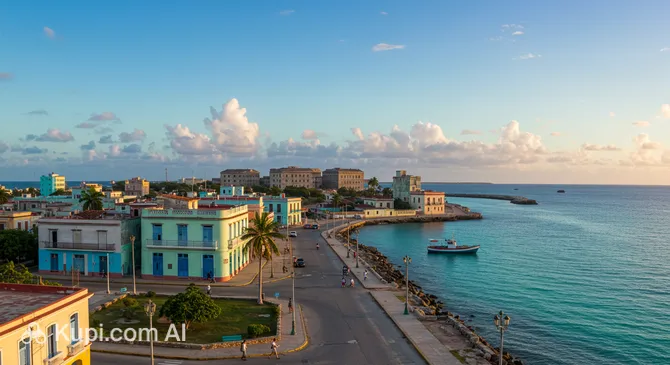
Nueva Gerona. Source: Kupi.Binoculars

The cultural identity of the town is deeply rooted in its past. Visitors interested in the history of Nueva Gerona will find fascinating sites that tell the story of the region. One of the most significant landmarks is the Presidio Modelo, a former prison with unique panopticon architecture that has been converted into a museum and national monument. Another key attraction is the Finca El Abra, a historic farmstead turned museum, which is famously associated with the Cuban national hero José Martí.

Beyond its historical sites, Nueva Gerona is known for its marble production, and the surrounding hills are rich in this natural resource. Travelers can stroll down the main pedestrian boulevard, Calle 39, to enjoy local cafes, shops, and the vibrant community spirit. Whether you are passing through on your way to world-class diving sites or staying to soak up the local culture, Nueva Gerona offers a genuine and memorable glimpse into island life.

Weather Overview

Nueva Gerona enjoys a tropical climate with consistent warmth throughout the year, making it an inviting destination regardless of the season. The weather in Nueva Gerona is characterized by two main periods: a drier, milder winter and a hotter, more humid summer. Average temperatures remain pleasant, ranging from a comfortable 23.5°C in January to a peak of approximately 29.2°C in July and August.

Travelers should expect hot summers with regular rainfall and significantly drier conditions during the winter months. The period from December to April is ideal for outdoor exploration, as these months typically see only 4 to 6 wet days on average. In contrast, the season from May to October brings more frequent showers, with September being particularly active, often recording up to 23 rainy days.

Interesting Facts

Beyond the main attractions and relaxed boulevards, Nueva Gerona holds fascinating secrets that add depth to its character. This quiet city is surrounded by legends of pirates and unique geological features that surprise many visitors.

  • Literary Legend: It is widely believed that the surrounding landscape served as the real-life inspiration for Robert Louis Stevenson’s classic novel, Treasure Island, reflecting the region's rich history as a hideout for pirates and privateers.

  • Rare Black Sand: Just a short distance from the city lies Playa Bibijagua, a beach famous for its striking black sands formed by the erosion of dark marble, a geological rarity in Cuba.

  • American Heritage: The area retains traces of the early 20th century when it was home to a significant American community; the historic American Cemetery (Cementerio de los Americanos) remains a tangible reminder of this unique period.

  • Catalan Roots: The city was named in honor of the Spanish city of Girona (Gerona) to commemorate the heroic defense of that city during the Napoleonic Wars, a nod to the heritage of its founder, Francisco Dionisio Vives.

How to Get There

Reaching this unique island destination requires a bit of planning, as it is separated from the main island of Cuba. While most visitors arrive via domestic connections, understanding the transport hubs is essential. You can find more details about all ways to reach the city and plan your journey accordingly.

The most direct entry point is the local Rafael Cabrera Airport (GER), which is conveniently located just 5.6 km from the center of Nueva Gerona. This regional hub primarily handles domestic flights, linking the island to the mainland. Upon arrival, the journey to the city center is quick and straightforward, typically taking approximately 30 minutes by taxi or local transport. It is a small but vital facility for residents and tourists alike.

For international travelers, the journey usually begins at Jose Marti International Airport (HAV), located in the city of Bejucal near Havana, about 130 km away from Nueva Gerona. As the country's main international gateway, it receives flights from all over the world. Since Nueva Gerona is on the Isla de la Juventud, you cannot drive directly from this airport to the city. Instead, travelers typically take a transfer to a domestic flight or travel by road to the port of Batabanó to catch a ferry. The total travel time varies significantly depending on your connection method.

For clarity, here is a summary of the main airports:

Airport Name City Passenger Traffic Km from City
Jose Marti International Airport Bejucal Large 129.7
Juan Gualberto Gomez Airport Varadero Large 190.8
Rafael Cabrera Airport Nueva Gerona Medium 5.6
Cayo Largo Del Sur Airport Cayo Largo 134.0
Jaime Gonzalez Airport Cienfuegos 249.2

As Nueva Gerona is located on an island separated from the Cuban mainland by the Gulf of Batabanó, there are no railway stations connecting directly to the city. The railway network on the Isla de la Juventud itself is not designed for passenger travel. Visitors relying on ground transport typically use the train or bus services on the mainland to reach the ferry terminal in Batabanó, followed by a catamaran or ferry ride across the sea to the port in Nueva Gerona.

Main Attractions

The most iconic landmark in the vicinity of Nueva Gerona is undoubtedly the Presidio Modelo. Located just a short drive from the city center, this former prison is architecturally significant for its "panopticon" design, featuring massive circular buildings where guards could observe all inmates from a single central tower. Now converted into a museum and declared a National Monument, it offers visitors a fascinating, albeit eerie, walk through history and a chance to admire its unique construction which stands in stark contrast to the surrounding tropical landscape.

For those interested in the island's cultural heritage, Finca El Abra is a must-visit destination. This historic colonial estate is renowned for having hosted the Cuban national hero José Martí just before his exile to Spain in the 19th century. The farmhouse has been beautifully preserved as a museum, displaying original furniture, personal artifacts, and documents that provide an intimate glimpse into the life of this literary and historical figure. The site is nestled near the Sierra de las Casas, offering a peaceful setting that feels like a step back in time.

Nature lovers and geology enthusiasts will find Playa Bibijagua to be a highlight of their trip. Located a few kilometers northeast of the city, this beach is famous for its striking black sand, a rare phenomenon in the region caused by the erosion of dark marble rocks. It is a popular spot for locals and tourists alike to swim, relax, and appreciate the distinct natural beauty of the Isla de la Juventud away from the more crowded tourist hubs.

Right in the heart of the city, the Museo de Historia Natural (Natural History Museum) offers an educational break from the sun. The museum showcases the rich biodiversity of the archipelago, featuring exhibits on local flora, fauna, and the marine life that inhabits the surrounding Caribbean waters. It also houses a planetarium, making it an engaging stop for families and anyone curious about the scientific and ecological wonders of this unique municipality.

Local Cuisine

The culinary landscape of Nueva Gerona offers an authentic taste of traditional island life, characterized by simple, hearty ingredients and a strong reliance on fresh local produce. As the main hub of the Isla de la Juventud, the city features a dining scene that is typically less commercialized than on the mainland, allowing visitors to experience genuine Creole flavors in a relaxed atmosphere. The local kitchen is deeply connected to the surrounding Caribbean waters, making it an excellent destination for those who appreciate marine cuisine.

Given the city's geography, fresh seafood is a standout feature of the local gastronomy. Dishes featuring lobster (langosta) and shrimp are often the highlights of restaurant menus, prepared with garlic, tomato-based sauces, or simply grilled to emphasize their natural taste. Fish is also a daily staple, frequently served alongside viandas—local root vegetables like cassava (yuca) and sweet potato (boniato)—which are boiled or fried and dressed with a savory garlic mojo sauce.

Beyond the bounty of the sea, the region shares the wider Cuban passion for pork. Lechón asado (roast pork) remains a favorite for hearty meals, often marinated in sour orange juice and spices before being slow-cooked until tender. A traditional meal is rarely complete without a side of Moros y Cristianos, a classic mixture of black beans and rice cooked together, or congrí, which utilizes red beans. Fried green plantains, known as tostones, provide a crunchy and savory accompaniment to these main courses.

Dining in Nueva Gerona often takes place in paladares, which are privately owned restaurants usually run by families. These establishments typically offer the most authentic home-cooked quality and a welcoming environment. For dessert, the island's historical reputation as a major citrus producer is often reflected in local sweets; preserved grapefruit shells in syrup (dulce de toronja) are a traditional treat worth trying, especially when paired with a strong, sweet shot of local coffee.

Travel Tips

Visiting Nueva Gerona offers a unique opportunity to experience a slower, more authentic side of the Caribbean, but the island's isolation means a little extra preparation is essential. To help you navigate the local rhythm and logistics smoothly, here are some practical tips for your journey.

  1. Clothing and Gear: Given the tropical heat, pack lightweight, breathable fabrics like cotton or linen. Comfortable walking shoes are a must for exploring the city streets and nearby nature trails. Since the sun can be intense, bring a wide-brimmed hat, sunglasses, and high-SPF sunscreen. Also, carry a universal travel adapter (typically US-style flat pins, 110V, though some places have 220V) and a portable power bank, as power outages can occasionally occur.
  2. Transportation: The city center is compact and best explored on foot. For short distances within town, bicitaxis (bicycle taxis) and horse-drawn carriages are popular, affordable, and offer a scenic way to get around. Taxis are available for longer trips, such as visiting the Presidio Modelo or the beach, but agree on the fare beforehand. Car rentals are very scarce on the island, so do not rely on finding a vehicle upon arrival.
  3. Finances: Cash is absolute king in Nueva Gerona. Credit cards are rarely accepted outside of major hotels, and ATMs can be unreliable or frequently out of cash. Bring enough Euros or USD to exchange for Cuban Pesos (CUP) at an official CADECA exchange house or bank. It is wise to carry small bills for tips and small purchases at local markets.
  4. Health and Safety: Nueva Gerona is generally very safe for tourists, but you should take standard health precautions. Never drink tap water; always buy sealed bottled water. Pharmacy supplies can be extremely limited, so bring a comprehensive travel medical kit with painkillers, stomach medicine, and any prescription drugs you need. Insect repellent is crucial, especially at dawn and dusk, to protect against mosquitoes.
  5. Communication: Spanish is the main language, and English is not widely spoken outside of specific tourist interactions. downloading an offline translator app and an offline map is highly recommended. Internet access is not continuous; you will typically need to buy an ETECSA scratch card and go to a designated public Wi-Fi park or hotel lobby to connect.
  6. Local Etiquette: The local culture is warm and polite. It is customary to greet people with a friendly "Buenos días" or "Hola" when entering a shop or boarding transport. The pace of life here is relaxed—often referred to as "island time"—so patience is key. rushing or showing frustration with delays is considered rude.
  7. What to Avoid: Avoid taking photographs of police officers, military personnel, or government buildings, as this is strictly prohibited and can lead to uncomfortable situations. Also, avoid relying on the ferry schedule without confirmation; cancellations due to weather or technical issues are possible, so always have a backup plan or buffer time.
  8. Additional Tip: Since the Isla de la Juventud is known as the "Isle of Marble," look for unique souvenirs carved from local marble. Small craft stalls often sell beautiful, heavy ashtrays, figurines, or jewelry boxes that you won't find on the main island of Cuba.

By keeping these practicalities in mind, you will be well-equipped to relax and enjoy the genuine hospitality of Nueva Gerona. Embrace the laid-back atmosphere, disconnect from the digital world, and immerse yourself in the charm of this distinctive island community.

Entertainment & Nightlife

Entertainment in Nueva Gerona reflects the laid-back and authentic spirit of the Isla de la Juventud. Unlike the frenetic nightlife of Havana or the large resorts, the evening scene here is intimate, safe, and deeply rooted in local culture. The nightlife is centered primarily around socializing, music, and dance, offering visitors a chance to mingle with friendly locals rather than just other tourists. The main hub of activity is the pedestrian boulevard, Calle 39, where families, couples, and young people gather to stroll, chat, and enjoy the cooling evening breeze.

For those looking to experience Cuban rhythm, Cabaret El Patio is one of the most popular venues in the city. Located centrally, it typically hosts evening shows featuring live music, dancers, and comedy, followed by a disco atmosphere where the crowd hits the dance floor. It offers an open-air setting that captures the tropical vibe perfectly. Another well-known spot is Rumbos, often referred to by locals simply as "the disco." It attracts a younger crowd and plays a mix of international hits, reggaeton, and salsa until the early hours of the morning.

The atmosphere in these venues is casual and unpretentious. There is rarely a strict dress code, though locals tend to dress up a bit for a night out—think smart-casual rather than beachwear. The party usually starts late; while bars might open earlier, the real energy doesn't pick up until after 10:00 PM or 11:00 PM. Prices for drinks and entry covers are generally much lower than on the main island, making a night out here very affordable. However, it is essential to bring cash in Cuban Pesos (CUP), as credit cards are virtually useless in nightclubs and small bars.

Safety is one of Nueva Gerona's strong suits. The streets are generally safe for walking at night, especially around the main boulevard and well-lit areas. However, as the night winds down, transportation can be scarce. Bicitaxis (bicycle taxis) stop running late at night, so if your accommodation is far from the center, it is advisable to arrange a taxi in advance or have the venue call one for you. Walking back to your casa particular is common and usually hassle-free within the city limits.

During the day, entertainment is more low-key and cultural. The Cine Caribe, located on the main street, occasionally screens films and hosts cultural performances. For a relaxed afternoon, locals often gather at the Coppelia ice cream parlor, a classic Cuban institution where you can enjoy a sweet treat and people-watch. While the city doesn't have large amusement parks, the vibrancy of daily life on the boulevard provides its own form of engaging theater for observant travelers.

Parks & Museums

While Nueva Gerona is a modest city in size, it serves as a cultural beacon for the Isla de la Juventud, offering a mix of authentic green spaces and historical institutions that reflect its unique heritage. Beyond the famous landmarks, the city’s squares and smaller museums provide a deeper, more intimate look at the daily life and the fascinating past of this island community.

The heart of social life in the city is Parque José Lacret Morlot, widely known simply as Parque Central. This leafy town square is the perfect place to observe local life, shaded by large trees and surrounded by colonial-style buildings. It serves as a communal living room where residents gather to chat, access Wi-Fi, and enjoy the evening breeze. For a more expansive outdoor experience, locals head to Parque de las Cotorras (officially Parque Camilo Cienfuegos). This popular recreational spot offers wider green areas, playgrounds, and a relaxed atmosphere, making it a favorite destination for families and those looking to unwind away from the busier streets.

While the massive Presidio Modelo and the historic Finca El Abra are the region's most renowned sites, Nueva Gerona boasts several other captivating museums that are well worth a visit. The Museo Municipal, housed in the elegant former Town Hall (Casa de Gobierno), offers a comprehensive overview of the island's general history, from pre-Columbian times to the present day. Nearby, the Museo de la Lucha Clandestina provides a focused look at the local revolutionary underground movement, preserving the memory of the city's political past in a modest colonial setting.

A truly unique attraction is El Pinero, a museum ship located near the river. This historic ferry, which once connected the island to the mainland, is famous for having transported Fidel Castro and other revolutionaries upon their release from prison in 1955. Today, it stands as a preserved monument to the island's maritime connection with Cuba. Additionally, the Museo de Historia Natural remains a key stop for nature enthusiasts, offering a planetarium and exhibits on the specific geology and endemic wildlife of the "Isle of Pine."

Nature is never far away in Nueva Gerona. Just west of the city, the Sierra de las Casas Protected Area offers a rugged escape with hiking trails that lead to caves and panoramic viewpoints. A local insider tip is to hike up these marble hills in the late afternoon; the cliffs glow in the setting sun, providing a spectacular and peaceful vantage point over the city that perfectly complements a day of exploring local parks and culture.

Getting Around

The public transport system in Nueva Gerona is modest and reflects the relaxed pace of life on the Isla de la Juventud. Unlike larger metropolitan areas, there is no metro, tram, or light rail network here. Instead, the city relies primarily on a network of local buses, known colloquially as guaguas. These buses connect the city center with residential neighborhoods and nearby communities, providing a vital service for locals. While they are functional, they can often be crowded and do not always adhere to a strict timetable.

Payment for all forms of local transport is almost exclusively cash-based. There are no electronic travel cards, mobile apps, or automated ticket machines available in the city. Fares for the public buses are extremely low in Cuban Pesos (CUP), often amounting to just a nominal fee. It is essential for travelers to carry small bills and coins, as drivers rarely have enough change for large denomination notes. You simply pay the driver or a conductor immediately upon boarding.

For tourists, navigating the bus system requires a bit of patience and local interaction. Stops are not always clearly marked with signage or maps, so the best way to ensure you are on the right route is to ask a local or the driver directly. Public transport generally operates from early morning until the evening, but frequency drops significantly after dark. Since schedules can be irregular, it is advisable not to rely on buses if you have a tight appointment or a flight to catch.

Given the limitations of the bus network, alternative modes of transport are often more convenient for visitors. Bicitaxis (bicycle taxis) are ubiquitous in Nueva Gerona and serve as the most popular way to navigate the compact city center. They are affordable, eco-friendly, and offer a leisurely pace perfect for sightseeing. Horse-drawn carriages, known as coches de caballos, also operate on specific routes or for private hire, adding a rustic and traditional charm to the daily commute.

Standard car taxis are available but are typically used for longer distances, such as trips to the airport, the ferry terminal, or the Presidio Modelo museum. It is important to negotiate and agree on the fare before starting your journey, as meters are rarely used. Self-driving is less common due to the scarcity of rental cars on the island, making walking and private transport services the most viable options for exploring the city.

Accommodation

Accommodation in Nueva Gerona is reflective of the island's modest and authentic character. Travelers will not find sprawling all-inclusive luxury resorts or high-rise international hotel chains within the city limits. Instead, the hospitality scene is dominated by a mix of functional state-run hotels and a vibrant network of private homestays, offering a more intimate and culturally immersive experience.

The most popular and highly recommended option for visitors is staying in a Casa Particular. These are private bed-and-breakfasts authorized by the government, easily identified by a blue symbol (the Arrendador Divisa) on the door. Staying in a casa offers excellent value for money and provides a unique opportunity to interact with local families, who often prepare delicious home-cooked meals for their guests. These homes range from simple rooms with basic amenities to more spacious, independent apartments, but they all share a reputation for cleanliness and warm hospitality.

For those who prefer the amenities of a standard hotel, there are a few state-run establishments available. These hotels typically offer facilities such as swimming pools, restaurants, and bars, though the infrastructure can sometimes feel a bit dated compared to modern international standards. They are often chosen by business travelers or groups who require specific services that private homes may not provide.

In terms of location, the most convenient area to stay is the city center, particularly near the main boulevard, Calle 39. Staying here places you within walking distance of the main museums, restaurants, and the cultural pulse of the city. For a quieter experience, some accommodations are located slightly on the outskirts or near the river, offering a more peaceful environment while still being a short taxi or bicitaxi ride away from the action.

Booking Tips: While it is possible to find accommodation upon arrival by looking for the "blue eye" signs on houses, booking in advance is recommended, especially if you are not fluent in Spanish or are visiting during the peak winter season. Many casas particulares can now be booked through major international online platforms. Prices in Nueva Gerona are generally very affordable compared to Havana or Varadero, catering primarily to budget and mid-range travelers. Be aware that payment at smaller establishments is often expected in cash (Euros, USD, or CUP), so it is wise to have sufficient currency on hand.

Nearby Cities

Since Nueva Gerona is located on the Isla de la Juventud, separated from the main island of Cuba by the Gulf of Batabanó, the surrounding urban centers are best viewed as destinations for onward travel rather than quick day trips. Reaching these mainland cities typically involves a ferry ride to Batabanó followed by ground transport, connecting travelers to the wider culture and history of the western provinces.

One of the most prominent destinations in the region is Pinar del Río, located approximately 109 kilometers away. Famous as the tobacco capital of the country, it offers visitors a chance to admire eclectic neoclassical architecture and explore the rich agricultural heritage that produces some of the world's finest cigars. It serves as a vibrant urban contrast to the quieter island life found in Nueva Gerona.

Another significant city is Artemisa, often referred to as the "Garden of Cuba" due to its fertile red soil and lush landscapes. It provides a glimpse into the authentic rural life of the area and acts as a historical hub with various local monuments. For those interested in smaller, charming towns, Consolacion del Sur is known as the "Athens of Vueltabajo" for its cultural history and well-preserved colonial center, making it a pleasant stop for architecture enthusiasts.

City Population Distance (km)
Pinar del Río 188614 109
Consolacion del Sur 87500 101
La Coloma 79000 89
Artemisa 59130 104
San Juan y Martinez 44344 115

These nearby destinations offer a glimpse into the diverse culture and landscapes of the region, rewarding those who undertake the journey across the water with rich history and welcoming communities.

Shopping & Souvenirs

Shopping in Nueva Gerona is a modest and low-key affair, reflecting the relaxed pace of life on the Isla de la Juventud. Unlike the large commercial centers found in Havana or the tourist-focused boutiques of Varadero, the retail scene here is geared primarily towards the daily needs of locals. For visitors, this offers a chance to experience an authentic side of Cuban commerce, free from the crowds and aggressive sales tactics often found in major tourist hubs. While you won't find luxury brands or sprawling shopping complexes, you can discover unique local handicrafts and essentials in a friendly atmosphere.

The heart of all commercial activity in the city is the pedestrian boulevard, Calle 39 (also known as Calle Martí). This vibrant street serves as the city's main retail artery, lined with pastel-colored buildings that house various small shops, pharmacies, and service providers. Strolling down this promenade is as much a social activity as it is a shopping trip. Here, you can find state-run stores selling clothing, toiletries, and basic electronics, interspersed with small cafeterias and ice cream parlors where locals gather to chat.

Travelers expecting modern shopping malls will find that Nueva Gerona operates on a much smaller scale. There are no large department stores or international chains in the city. Instead, the retail landscape consists of Tiendas Panamericanas and TRD (Tiendas Recaudadoras de Divisas) outlets. These are state-operated shops that sell imported goods, ranging from snacks and beverages to household items. While the selection can be limited compared to international standards, these stores are the go-to places for bottled water, sunscreen, and other travel necessities.

For a more colorful and aromatic experience, visiting the local Mercado Agropecuario (Farmers' Market) is highly recommended. These markets are bustling with activity and offer a vivid display of the island's agricultural produce. While tourists may not need to buy sacks of rice or beans, walking through the stalls provides excellent photo opportunities and a chance to buy fresh tropical fruits like mangoes, guavas, and bananas for a healthy snack. It is a genuine slice of daily life where you can interact with local farmers and vendors.

When it comes to souvenirs, Nueva Gerona offers something truly special that is distinct from the rest of Cuba: marble. The Isla de la Juventud is famous for its high-quality marble deposits, and local artisans craft beautiful items from this stone. Visitors can find heavy marble ashtrays, intricate figurines, jewelry boxes, and domino sets that make for durable and unique keepsakes. In addition to marble, you can find handmade ceramics, wood carvings, and artwork sold by local craftsmen, often set up on small tables along the main boulevard or near the ferry terminal.

Practical information is crucial for a smooth shopping experience here. Most shops open around 9:00 AM and close by 5:00 PM or 6:00 PM, with shorter hours on Sundays. Many stores may close for a lunch break during the hottest part of the day. Payment is almost exclusively in cash. While some larger state stores might theoretically accept cards, systems are often down, so it is essential to carry Cuban Pesos (CUP). Small bills are appreciated by vendors in the markets and street stalls. Tax-free shopping refunds are not generally available for tourists in this region.

Reached the end of the page?

That means the route is fully explored