Support

Varadero

About

Varadero is widely recognized as one of the most magnificent beach destinations in the Caribbean, offering a slice of tropical paradise that captivates visitors from around the globe. Often referred to as Playa Azul (Blue Beach), this resort town is celebrated for its stunning stretch of powdery white sand and crystal-clear turquoise waters. Located in the Matanzas Province of Cuba, Varadero extends along the slender Hicacos Peninsula, creating a unique geography where the ocean is never more than a few steps away.

With a local population of approximately 21,170 residents, the town maintains a welcoming and laid-back atmosphere despite being a major hub for international tourism. The climate here is quintessentially tropical, providing warm, sunny weather year-round that is perfect for beach lovers and outdoor enthusiasts. Beyond the shoreline, the history of Varadero reveals a fascinating transformation from an early salt-mining area and an exclusive retreat for the elite to the accessible and vibrant holiday destination it is today.
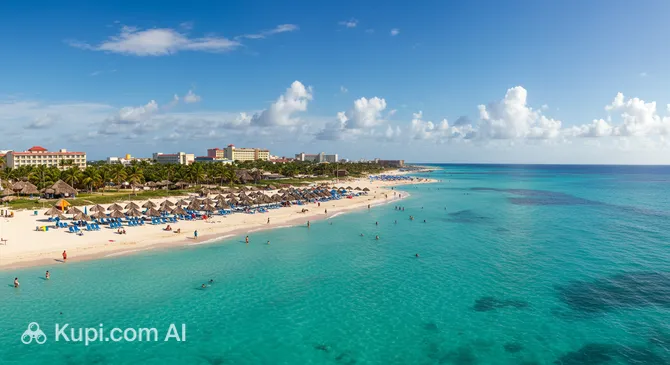
Varadero. Source: Kupi.Binoculars

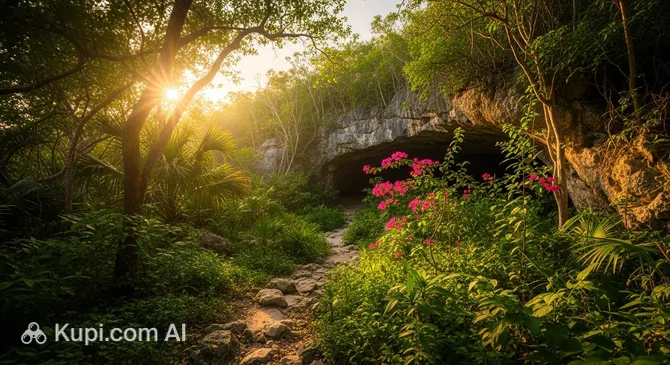
Travelers are drawn here not just for the 20 kilometers of uninterrupted beach, but also for the area's natural and cultural attractions. You can explore the lush Josone Park, a green oasis in the heart of the town featuring gardens and a lake, or venture into the Ambrosio Cave to see ancient pre-Columbian drawings and unique rock formations. For those seeking adventure, the nearby coral reefs offer exceptional snorkeling and diving opportunities teeming with marine life.

Whether you are looking to relax under the shade of a palm tree, enjoy exhilarating water sports, or simply soak up the vibrant local culture, Varadero promises an unforgettable escape. It is the ideal destination for anyone wishing to experience the natural beauty and warm hospitality of the Caribbean.
Weather Overview

The weather in Varadero is characteristic of a tropical paradise, offering inviting warmth throughout the entire year. Visitors can look forward to a climate that remains pleasant regardless of the season, making it a prime destination for beach activities and outdoor exploration at any time.

Temperatures remain remarkably stable, though there is a slight variation between the seasons. The coolest month is generally January, with an average temperature of 23.4°C and lows around 21.4°C, creating a comfortable atmosphere for those who prefer milder heat. Conversely, the temperatures peak in August, where averages rise to 28.6°C and often reach highs of 30.5°C, which is ideal for swimming in the turquoise waters.

Rainfall patterns are distinct, dividing the year into two main periods. The wetter season runs roughly from May to October, with September seeing up to 20 wet days, while the drier months from February to April typically experience only about 6 wet days per month. Expect hot, humid summers with frequent showers and pleasantly warm, drier winters.

Interesting Facts

Beyond the sun-soaked coastline and luxury resorts, Varadero holds several fascinating secrets that reveal its rich history and unique natural environment. Discover these lesser-known aspects that make the peninsula much more than just a beach destination.
  • The name "Varadero" is derived from the Spanish word for "dry dock" or "slipway." Long before it became a world-famous holiday spot, the sheltered waters and sandy banks were used by Spanish sailors in the 16th century to repair their ships and careen their hulls.

  • One of the oldest living inhabitants of the region is "El Patriarca," a giant cactus estimated to be over 500 years old. This impressive natural monument is located within the Varahicacos Ecological Reserve and stands as a silent witness to the island's history long before modern development.

  • Local lore suggests a connection to the American Prohibition era, with persistent rumors that the infamous gangster Al Capone frequented the area. A distinctive stone house built in the 1920s, now a restaurant known as "Casa de Al," is widely believed to have been his summer retreat or smuggling warehouse.

  • In the early 20th century, much of the peninsula was purchased by American millionaire Irénée du Pont, who established a private estate. He built the lavish Xanadu Mansion on the cliffs of San Bernardino, a property that still stands today as an architectural gem featuring marble from Italy and precious hardwoods.

Varahicacos Ecological Reserve. Source: Kupi.Binoculars

How to Get There

Reaching this Caribbean paradise is relatively straightforward, with options to suit different travel plans. Whether you prefer landing directly at the beach resort or taking a scenic drive from the capital, you can easily find all ways to reach the city and begin your vacation.

The most convenient entry point is Juan Gualberto Gomez Airport (VRA), located directly in Varadero. It is the second most important airport in the country and serves a large number of international vacation flights. Situated approximately 30 km from the main hotel strip, the transfer is quick and efficient. You can expect the journey by taxi or bus to take around 30 minutes, allowing you to be on the beach shortly after landing.

Another popular option is Jose Marti International Airport (HAV), located near Havana (in the municipality of Bejucal). As the main international gateway to the island, it offers the widest range of flight connections. Although it is about 127 km from Varadero, many travelers choose this route to combine a city tour of Havana with their beach stay. The drive to Varadero typically takes approximately 2.5 hours.

For clarity, here is a summary of the main airports:

Airport Name City Passenger Traffic Km from City
Jose Marti International Airport Bejucal High 126.8
Juan Gualberto Gomez Airport Varadero Medium 30.0
Santa Clara Airport Santa Clara - 148.8
Jaime Gonzalez Airport Cienfuegos - 139.1

Varadero does not have a dedicated railway station for tourist arrivals, and train travel is not a common method for reaching the resort. Most visitors rely on the well-connected road network. Comfortable air-conditioned buses, such as those operated by Viazul, and private taxis provide reliable service from major cities across Cuba directly to the peninsula.

Main Attractions

While the endless white sands are the primary draw, the city offers several engaging sites that go beyond sunbathing. Visitors can explore protected natural areas, enjoy interactive marine experiences, and admire the distinctive resort architecture that defines the coastline.

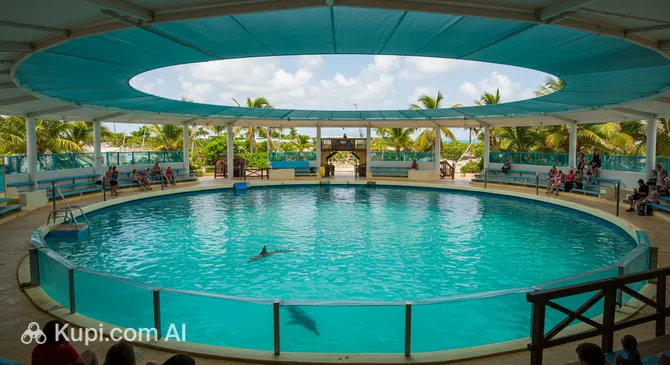
A favorite stop for families and animal lovers is the Varadero Dolphinarium. Situated in a natural mangrove lagoon, this attraction provides a more authentic environment than many traditional aquariums. Visitors can watch entertaining shows showcasing the intelligence of these marine mammals or book a unique opportunity to swim and interact with them in the water, creating lasting vacation memories.

Varadero Dolphinarium. Source: Kupi.Binoculars

For a deeper connection with the island's native environment, the Varahicacos Ecological Reserve is a must-visit. Located near the tip of the peninsula, this protected area preserves the original vegetation of the region, including ancient cacti and diverse bird species. It features hiking trails that wind through the scrub forests and lead to interesting caves, offering a quiet and educational escape from the busy hotel strip.

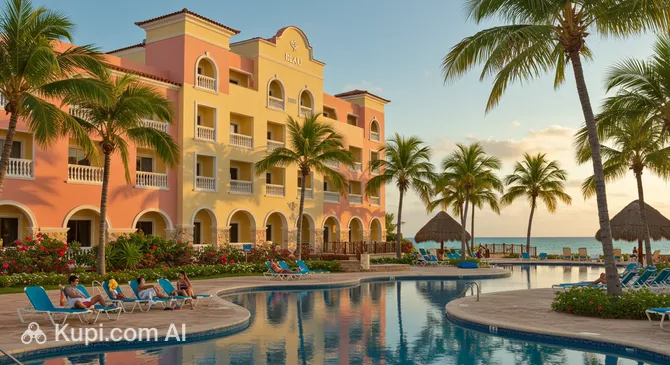
The skyline of the resort area is punctuated by impressive structures, with Blau Varadero being one of the most recognizable landmarks. Standing as the tallest building in the area, its unique pyramid-like design makes it a key point of reference along the coast. As a prime example of the local hospitality infrastructure, it highlights the blend of modern luxury and tropical charm that characterizes the city's tourism scene.

Blau Varadero. Source: Kupi.Binoculars

Local Cuisine

The culinary landscape of Varadero is a delightful blend of fresh Caribbean seafood and traditional Creole recipes. Given its location on a narrow peninsula, it is no surprise that marine delicacies take center stage. Visitors should definitely try the local lobster, often grilled to perfection and served with butter or a light garlic sauce. Another must-try is Ropa Vieja, widely considered the national dish of Cuba, consisting of shredded beef simmered in a rich tomato-based sauce with onions and peppers. These main courses are typically accompanied by Moros y Cristianos, a savory mix of black beans and white rice, and tostones, which are crispy twice-fried plantain slices.

No meal in the region is complete without sampling the island's legendary beverages. Varadero is an excellent place to enjoy a classic Mojito, made with white rum, sugar, lime juice, sparkling water, and fresh mint. For a sweeter option, the Daiquiri is a frozen favorite perfect for cooling off after a day in the sun. Coffee lovers will appreciate the potent and aromatic Cuban espresso, often sweetened with demerara sugar, while fresh tropical fruit juices like guava and pineapple offer a refreshing non-alcoholic alternative.

The dining culture in Varadero is distinctively split between the expansive offerings of all-inclusive hotels and the charming intimacy of independent eateries. Large complexes like the Tainos Resort provide guests with a convenient variety of international and local buffets, ensuring that diverse tastes are catered to within the comfort of the hotel grounds.

Tainos Resort. Source: Kupi.Binoculars

However, for a more authentic gastronomic experience, tourists are encouraged to visit paladares. These are privately owned restaurants, often run by local families, that serve home-cooked meals with genuine Cuban hospitality. Whether you choose a table with an ocean view or a cozy spot in the town center, dining at a paladar offers a delicious insight into the true flavors and spirit of the island.

Travel Tips

To ensure your vacation in Varadero is as relaxing and trouble-free as the calm waters of its beaches, a little preparation goes a long way. These practical tips will help you navigate local customs, manage your budget, and make the most of your time on the Hicacos Peninsula.

  1. Clothing and Gear: The tropical climate calls for lightweight, breathable fabrics like cotton or linen to handle the humidity. Pack swimwear, sunglasses, and a hat for the beach, but also bring a light sweater or scarf, as air conditioning in hotels and buses can be quite strong. Comfortable walking shoes are essential if you plan to explore beyond the sand. Don't forget a universal power adapter; while many hotels use 220V, some older outlets may be 110V with flat-pin US-style plugs.

  2. Transportation: The most convenient way to explore the peninsula is the Varadero Beach Tour, a double-decker hop-on-hop-off bus that runs the length of the resort area. For shorter distances, you can take a yellow taxi, a fun three-wheeled "Coco-taxi," or a classic horse-drawn carriage. Car rental is generally not necessary within Varadero and can be expensive, so stick to the readily available public and private transport options.

  3. Finances: The local currency is the Cuban Peso (CUP), but foreign currencies like Euros, Canadian Dollars, and US Dollars are widely valued and often preferred for tips and payments in private businesses. Bring plenty of cash in small denominations, as ATMs can be unreliable and credit cards issued by US banks typically do not work. Exchange money only at official exchange houses (CADECA) or your hotel front desk.

  4. Health and Safety: Varadero is very safe for tourists, but it is always wise to keep an eye on your belongings in crowded areas. For medical needs, the Clínica Internacional offers services specifically for travelers, including a 24-hour pharmacy, though stock can be limited. It is highly recommended to bring a personal medical kit with painkillers, digestive aids, and any prescription medications you need, as finding specific drugs locally can be difficult.

  5. Communication: Spanish is the official language, but English is widely spoken by hotel staff, taxi drivers, and restaurant workers in Varadero. To access the internet, you will typically need to purchase a prepaid NAUTA card from an ETECSA office or your hotel desk to log in to Wi-Fi spots in lobbies and public parks. Download offline maps and translation apps before you arrive, as connectivity can be slower than what you are used to.

  6. Local Etiquette: Cubans are warm and hospitable; a simple "Hola" (Hello) or "Buenos días" (Good morning) is the perfect way to start an interaction. Tipping is an integral part of the service culture here. Leaving a small tip for maids, waiters, and musicians is customary and deeply appreciated, as it significantly supplements their income.

  7. What to Avoid: Do not drink tap water; always stick to sealed bottled water to avoid stomach issues. Additionally, avoid buying cigars from street vendors who approach you on the beach or sidewalks. These are almost always counterfeits of inferior quality; for authentic Cuban cigars, visit an official Casa del Habano store.

  8. Sun and Sand Protection: The Caribbean sun is incredibly strong, so high SPF sunscreen is non-negotiable. Also, be aware that at sunrise and sunset, small sand flies (locally called jejenes) can be active on the beach. Applying insect repellent during these times will save you from itchy bites and let you enjoy the stunning sunsets in peace.

By keeping these simple guidelines in mind, you can focus on what truly matters: soaking up the sun and enjoying the vibrant culture of Cuba. Varadero is a welcoming destination where a smile and a respectful attitude will open many doors and ensure a memorable holiday.

Entertainment & Nightlife

As the sun sets over the Caribbean, Varadero transforms from a tranquil beach paradise into a lively hub of music and dance. The nightlife here offers a distinct mix of tropical rhythms, open-air fiestas, and sophisticated lounges. While many travelers enjoy the convenience of the entertainment provided within their all-inclusive hotels, venturing into the town reveals a more authentic and vibrant side of Cuban culture.

A significant portion of the evening entertainment takes place within the major resorts. Large complexes such as Blau Varadero host nightly shows that range from cabaret-style performances to water ballets and live bands. These venues are perfect for those who prefer to stay close to their accommodation while still enjoying a festive atmosphere. However, for a change of pace, the downtown area beckons with its own unique energy.

The epicenter of street nightlife is undoubtedly Calle 62. Located where the street meets the main avenue (Avenida 1ra), this spot becomes a bustling block party after dark. It is an open-air gathering where locals and tourists mingle, dancing to live salsa and reggaeton bands right on the pavement. The atmosphere is casual, energetic, and incredibly welcoming. Just a short walk away, rock music fans will find their sanctuary at The Beatles Bar. Famous for its life-sized bronze statues of the Fab Four outside, this venue features talented live bands playing classic rock covers, drawing a crowd that loves to sing along.

For those looking to dance the night away in a more club-like setting, Casa de la Música is a staple of Varadero's nightlife. It is the go-to venue for experiencing top-tier Cuban salsa bands and DJs. The dress code in most Varadero clubs is "tropical casual"—smart shorts and shirts are generally acceptable, but swimwear is reserved for the beach. Nightlife typically kicks off late, with the main action starting around 10:00 PM or 11:00 PM and lasting until the early morning hours.

Practicalities are simple in this resort town. Most clubs charge a cover fee, which often includes your first drink. Prices are reasonable compared to other international destinations. Getting around is safe and easy; official yellow taxis are readily available outside all major venues and hotels. It is advisable to agree on a fare before starting your journey if the meter is not used. Varadero is considered very safe for night walks, especially along the main lit avenues, but standard travel common sense should always apply.

Before the sun goes down, the city offers plenty of daytime diversions beyond the beach. Visitors can explore local artisan markets for souvenirs, visit the small municipal museum to learn about the peninsula's history, or enjoy a round of golf at the Xanadu Mansion's course. Whether day or night, Varadero ensures there is never a dull moment.

Parks & Museums

While Varadero is primarily celebrated for its endless stretch of white sand, the city also boasts verdant retreats and cultural corners that offer a delightful break from the beach. Visitors willing to explore beyond the shoreline will find beautifully landscaped gardens, protected natural reserves, and small but significant museums that narrate the region's fascinating evolution.

One of the most beloved green spaces in the heart of the town is Josone Park. Built in the 1940s as a private retreat, this nine-hectare oasis is now a public park featuring lush tropical vegetation, towering trees, and a central natural lake. Visitors can rent rowboats to glide across the water, spot local geese and ostriches, or simply relax in the shade. The park is also home to several restaurants and bars set within historic mansions, making it a perfect spot for a leisurely afternoon stroll followed by a classic Cuban meal.

For those interested in the native flora and fauna of the peninsula, the Varahicacos Ecological Reserve is an essential stop. This protected area stands in stark contrast to the manicured hotel grounds, offering a glimpse of the original scrub forests that once covered the region. Hiking trails wind through the reserve, leading to ancient caves with pre-Columbian pictographs and the famous "El Patriarca," a giant cactus estimated to be over 500 years old. It is a fantastic location for nature lovers to observe lizards, birds, and unique plant species in their natural habitat.

On the cultural front, the Municipal Museum of Varadero offers a charming window into the past. Housed in a distinctive blue wooden colonial-style house dating back to the 1920s, the building itself is an architectural gem. Inside, the exhibits display period furniture, old photographs, and artifacts that trace the history of the peninsula from its indigenous roots to its development as an elite resort destination. It provides a quiet and educational experience, allowing tourists to imagine the life of the early settlers and wealthy vacationers of the early 20th century.

Another site of significant historical and architectural interest is the Xanadu Mansion, formerly the estate of American millionaire Irénée du Pont. Located on the San Bernardino cliffs, this lavish property showcases the opulence of the 1930s with its precious hardwoods, Italian marble, and private library. While it functions today as a hotel and restaurant, visitors are welcome to tour the ground floor or visit the rooftop bar for panoramic views, appreciating the building as a living museum of the area's golden age.

For a truly authentic experience nearby, consider a short trip to the Saturno Cave (Cueva de Saturno). Located just outside Varadero near the airport, this subterranean cenote features crystal-clear, cool fresh water perfect for swimming and snorkeling. It is a magical geological formation adorned with stalactites and stalagmites, offering a refreshing and adventurous alternative to the warm ocean waters.

Getting Around

Navigating the slender Hicacos Peninsula is remarkably straightforward, thanks to a transport system designed primarily with visitors in mind. Since Varadero stretches for over 20 kilometers, getting from one end to the other requires wheels, but the options available are both convenient and enjoyable. The town is laid out along a main avenue, making it almost impossible to get lost, and various modes of transit connect the luxurious resorts at the tip of the peninsula with the lively downtown area.

The most popular and practical choice for tourists is the Varadero Beach Tour. These open-top, double-decker buses run a continuous loop along the entire length of the peninsula. They are widely considered the best way to get around, offering excellent views of the coastline and the breeze in your hair. The buses operate on a "hop-on, hop-off" basis, stopping at all major hotels, shopping centers, and attractions. They typically run from roughly 9:00 AM until 9:00 PM, with frequent intervals, so you never have to wait long for a ride.

Regarding payment for the bus, the system is designed for simplicity. You purchase a single ticket that serves as a day pass, usually costing around 5 USD or the equivalent in Euros. You can buy this ticket directly from the driver or at hotel desks. It is crucial to keep this ticket safe, as you will need to show it every time you re-board the bus throughout the day. While payment methods can vary, it is advisable to have a credit card handy, as state-run services in the region increasingly prefer electronic payments, though having small denominations of cash is always a good backup.

For a faster or more private journey, taxis are readily available at every hotel and major street corner. You will find standard yellow sedans which are modern, air-conditioned, and use meters. However, for a quintessentially local experience, look for the Coco-taxis. These are bright yellow, coconut-shaped three-wheeled scooters that zip around the town. They are perfect for shorter distances and offer a fun, breezy ride. Unlike the metered yellow taxis, you should always agree on the fare with the driver of a Coco-taxi before starting your trip.

If you prefer a touch of nostalgia, classic American cars from the 1950s function as both taxis and tour vehicles. While often used for scenic island tours, they can also be hired for a stylish ride to dinner. Alternatively, horse-drawn carriages offer a slower, more romantic way to see the sights, particularly in the cooler evenings. These are commonly found in the downtown area and provide a relaxing pace to admire the local architecture.

For those who prefer to be in the driver's seat, car rentals and scooter rentals are available, though they can be relatively expensive and are generally not necessary given the efficiency of the bus system. Many all-inclusive resorts also offer bicycles to their guests, which are fantastic for exploring the flat terrain of the immediate neighborhood. However, walking remains the best way to explore the downtown area (Varadero Centro), where markets, parks, and restaurants are clustered closely together.

Accommodation

Where to Stay:

Accommodation in Varadero is synonymous with the all-inclusive experience, offering a wide spectrum of options that cater to different travel styles and budgets. The primary choice for most visitors is the resort hotel, ranging from mid-range family-friendly complexes to exclusive, high-end luxury properties. However, for travelers seeking a more authentic and budget-conscious stay, the area also offers a growing number of casas particulares (private homestays), which provide a unique opportunity to live alongside local families and experience Cuban hospitality firsthand.

The geography of the Hicacos Peninsula largely dictates the atmosphere of your stay. The area is roughly divided into two zones. The downtown area, located at the base of the peninsula near the bridge, is bustling and lively. Staying here places you within walking distance of artisan markets, street food, and local nightlife, with accommodation typically consisting of smaller hotels and private rentals. Conversely, as you move further up the peninsula towards the tip, the landscape transforms into a quiet enclave of sprawling, self-contained resorts. This area is ideal for those prioritizing seclusion, direct beach access, and comprehensive on-site amenities.

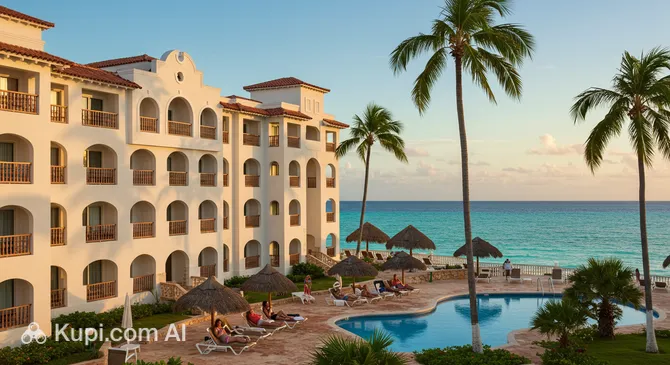
The hotel infrastructure is extensive, featuring well-known properties that define the skyline and the coastline. A prime example of the region's modern resort architecture is Blau Varadero. Known for its distinctive height and design, it offers guests spectacular views of the ocean and the bay, catering to those who enjoy a vibrant hotel atmosphere with extensive facilities. For a different vibe, the Tainos Resort presents a more horizontal layout, often characterized by bungalow-style structures nestled in tropical gardens, making it a popular choice for families and those seeking a village-like feel.

When planning your trip, it is highly advisable to book your accommodation well in advance, especially if you intend to visit during the peak dry season from December to April. During these months, the most popular resorts fill up quickly, and prices tend to be higher. While many international travelers book all-inclusive packages online through major travel agencies, casas particulares can often be booked through specific online platforms or, in some cases, upon arrival, though pre-booking is safer.

In terms of pricing, Varadero offers something for everyone. Budget travelers can find affordable rates in private guesthouses in the town center, while mid-range and luxury prices are standard for the all-inclusive resorts further along the beach. Regardless of where you choose to stay, the pristine white sands and turquoise waters are never more than a short walk away.

Nearby Cities

For those looking to explore the surroundings, Varadero serves as an excellent base for day trips to several interesting nearby locations:

City Population Distance (km)
Matanzas 145,246 39
Jaguey Grande 87,771 73
Cardenas 86,700 16
Colón 72,000 58
Guines 66,892 93

Among the most popular choices for a short excursion is Matanzas, the provincial capital located just a short drive west. Often referred to as the "Athens of Cuba" because of its rich cultural history and poets, it is also known as the "City of Bridges" due to the many structures crossing its three rivers. Visitors here can explore the beautiful Sauto Theater, stroll around the Plaza de la Vigía, or venture nearby to the famous Bellamar Caves, one of the oldest tourist attractions in the country.

Even closer to the resort area is Cardenas, a city that offers a genuine glimpse into authentic Cuban life away from the hotels. Known as the "Flag City" because the Cuban flag was raised here for the first time in 1850, it is characterized by its colonial architecture and the widespread use of horse-drawn carriages and bicycles as the main modes of transport. It is an excellent spot to visit local markets and see the statue of Christopher Columbus in the main square.

These nearby destinations offer a glimpse into the diverse culture and landscapes of the region, allowing travelers to experience the true spirit of the island beyond the beach.

Shopping & Souvenirs

Shopping:

Shopping in Varadero offers a relaxed and distinctively Caribbean experience, focusing less on high-end international fashion and more on unique local products that capture the spirit of the island. While you will not find sprawling megamalls filled with global designer brands, the city provides excellent opportunities to purchase high-quality Cuban goods. The shopping scene is centered around state-run stores, hotel boutiques, and vibrant open-air markets, making it easy to find the perfect memento of your trip.

The primary hub for browsing and buying is Avenida 1ra (First Avenue), particularly in the downtown area between Calle 40 and Calle 64. This bustling strip is lined with numerous small boutiques, souvenir shops, and craft stalls. Strolling down this avenue allows tourists to combine a pleasant walk with visits to shops selling clothing, beachwear, and local handicrafts, all while being close to restaurants and cafes.

For a more modern and concentrated shopping experience, Plaza América is the most prominent commercial center in the resort area. Located near the Melia Varadero hotel, this convention and shopping complex houses a variety of stores selling clothing, electronics, and groceries, along with a pharmacy and car rental desks. Another notable spot is Plaza Las Morlas, situated near the marina at the end of the peninsula. It is a newer complex that offers a selection of boutiques, a supermarket, and entertainment options, providing a convenient stop for those staying in the nearby luxury resorts.

The heart and soul of Varadero's shopping, however, lies in its artisan markets. These open-air bazaars are scattered throughout the town and are the best places to find handmade treasures. Here, local craftsmen sell goods ranging from intricate wooden carvings and leather sandals to colorful paintings and handmade jewelry. These markets are lively and colorful, offering a chance to interact with locals and see the artistic talent of the region.

When it comes to souvenirs, Cuba is famous for its "trinity" of export goods: rum, cigars, and coffee. Bottles of aged rum, such as Havana Club or Santiago de Cuba, are significantly cheaper here than abroad and make excellent gifts. Coffee lovers should look for brands like Cubita or Serrano. If you are buying cigars, it is crucial to purchase them only from official La Casa del Habano stores to ensure authenticity and quality; boxes bought on the street are almost always counterfeits. Other popular keepsakes include domino sets, Che Guevara memorabilia, and guayabera shirts.

Most shops in Varadero operate from approximately 9:00 AM to 5:00 PM or 6:00 PM, though some centers like Plaza América may stay open later. Regarding payment, state-run stores and malls generally require payment by credit or debit card (Visa and Mastercard are widely accepted, provided they are not issued by US banks). In contrast, the smaller artisan markets and street vendors typically prefer cash, so it is wise to carry small denominations of foreign currency or Cuban Pesos when hunting for handicrafts.

Reached the end of the page?

That means the route is fully explored