Support

Cayman Brac

About

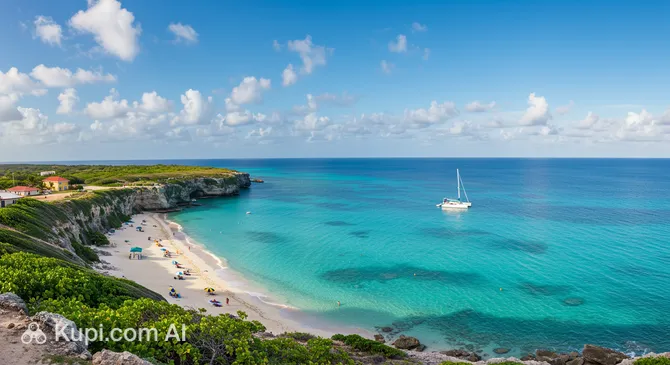
Cayman Brac offers a rugged and authentic Caribbean experience, distinct from its sister islands. As the second-largest of the Cayman Islands, it is renowned for its dramatic limestone ridge, known as "The Bluff," which rises steadily along the length of the island. This striking geological feature gives the island its name—"Brac" is the Gaelic word for a bluff—and provides breathtaking views of the surrounding turquoise waters.

Cayman Brac. Source: Kupi.Binoculars

With a population of approximately 2,000 residents, the island maintains a close-knit, friendly atmosphere that welcomes visitors seeking tranquility and adventure. The climate is tropical and warm year-round, making it an ideal destination for outdoor enthusiasts. While the island is peaceful today, the history of Cayman Brac reveals a fascinating past rooted in seafaring traditions, pirate lore, and resilience against the elements.

Travelers are drawn here for world-class diving, particularly to see the MV Captain Keith Tibbetts, a sunken Russian frigate. Above water, the island is a haven for hikers and spelunkers who explore the numerous caves carved into the limestone, such as the Great Cave and Rebecca's Cave. Whether you are looking to scale the cliffs or relax on a quiet beach, Cayman Brac promises an unforgettable escape into nature.

Weather Overview

The climate on the island is typically tropical, ensuring warm and inviting conditions throughout the year. Visitors can expect consistent warmth, with average temperatures ranging from a comfortable 25.5°C in January to a peak of 28.6°C in August. For a more comprehensive breakdown of conditions during your travel dates, you can view the detailed weather in Cayman Brac.

Rainfall patterns vary significantly across the seasons, influencing the best times for outdoor activities. The drier period occurs early in the year, particularly in March and April, when the island experiences as few as 5 to 6 wet days per month. In contrast, late spring and autumn bring more frequent precipitation; May and October are notably wetter, with up to 22 and 23 wet days respectively, although temperatures remain pleasant.

Interesting Facts

Beyond the main attractions, Cayman Brac holds many fascinating secrets that reveal its unique character and history. This rugged island is not just about diving and hiking; it possesses geological rarities and distinct wildlife found nowhere else.

  • The Highest Point: The massive limestone ridge known as "The Bluff" is not only the island's namesake but also the highest point in the entire Cayman Islands, rising approximately 43 meters (140 feet) above sea level.

  • Rare Gemstones: The island is one of the few places where you can find Caymanite, a hard, semi-precious dolomite stone with distinct layers of earth tones, which is often crafted into unique jewelry by local artisans.

  • Feathered Residents: Birdwatchers flock here to spot the Cayman Brac Parrot, an endemic subspecies that nests in the ancient cactus and dry forest of the Bluff and is genetically distinct from its relatives on the other islands.

  • Natural Sanctuaries: The island's numerous caves served a vital historical purpose; for generations, early settlers used these limestone formations as secure shelters to protect their families during severe hurricanes.

How to Get There

Reaching this serene destination typically involves a short scenic flight, as the island is separated from the main international hubs by the Caribbean Sea. To plan your journey effectively and see all available routes, you can read more about how to get to Cayman Brac. The island is well-connected to its neighbors, making the final leg of the trip an easy and enjoyable experience.

The primary entry point for visitors is Charles Kirkconnel International Airport (CYB), which is located directly on Cayman Brac. It is a small regional hub situated approximately 9 km from the center of the island's main activity areas; a taxi ride to most hotels or guesthouses takes roughly 30 to 35 minutes. Most international travelers will first fly into Owen Roberts International Airport (GCM) in the city of George Town on Grand Cayman, which is about 170 km away. From there, you can catch a connecting "island hopper" flight to Cayman Brac. Additionally, Little Cayman Airport (LYB) serves the nearby island of Little Cayman, located just 31 km away, offering quick inter-island connections.

For clarity, here is a summary of the main airports:

Airport Name City Passenger Traffic Km from City
Sangster International Airport Montego Bay Large 240.2
Owen Roberts International Airport George Town Large 170.2
Charles Kirkconnel International Airport Cayman Brac Small 9.1
Little Cayman Airport Little Cayman Small 30.8
Jaime Gonzalez Airport Cienfuegos 276.1

As Cayman Brac is a small island in the Caribbean, there are no railway stations or train services available. Transportation on the island is primarily by car, taxi, or bicycle.

Main Attractions

Cayman Brac is a destination defined by its dramatic geology and maritime heritage, offering visitors a mix of adventurous exploration and historical discovery. The island's attractions are largely centered around its natural limestone formations and the surrounding crystal-clear waters, making it a paradise for eco-tourists and divers alike. While the island is quiet compared to Grand Cayman, its sites provide a deep connection to the rugged beauty of the Caribbean.

The Bluff is undoubtedly the island's most commanding feature, rising steadily from sea level on the west end to a sheer 43-meter (140-foot) cliff at the eastern tip. It is the highest point in the Cayman Islands and offers a network of hiking trails that wind through dry forests and cactus reserves. At the very edge stands the Peter’s Cave and the lighthouse, where visitors are rewarded with spectacular panoramic views of the ocean crashing against the limestone face below. It is a perfect spot for birdwatching and photography, especially during sunrise.

For underwater enthusiasts, the MV Captain Keith Tibbetts is a world-renowned highlight. This 330-foot Russian Koni-class frigate was intentionally sunk in 1996 to create an artificial reef and is now one of the most impressive wreck dives in the hemisphere. Resting on the sandy bottom, the ship has become a vibrant habitat for marine life, including groupers, moray eels, and colorful sponges. While the wreck is primarily for scuba divers, parts of the superstructure are visible to snorkelers when visibility is high.

Those interested in local culture should visit the Cayman Brac Museum in Stake Bay. Housed in the former Government Administration Building, it is the oldest museum in the Cayman Islands and offers a fascinating glimpse into the island's past. The exhibits showcase artifacts from the shipbuilding era, household items from early settlers, and poignant displays regarding the devastating 1932 hurricane. It is an excellent place to understand the resilience and traditions of the "Brackers."

The island is also honeycombed with numerous caves that are open for exploration, with Great Cave being one of the most popular. Located on the southeast coast, this massive cavern features impressive stalactite and stalagmite formations and is home to a colony of bats. Another significant site is Rebecca’s Cave, which holds historical importance as the grave of a young girl who perished during the 1932 hurricane; today, it serves as a somber but beautiful memorial protected within the limestone shelter.

Local Cuisine

The culinary scene in Cayman Brac is a delightful reflection of its rich maritime heritage and relaxed island pace. Unlike the bustling dining landscape of Grand Cayman, the food culture here is unpretentious and deeply rooted in tradition, focusing heavily on "sea-to-table" freshness. Visitors can expect hearty portions of Caribbean comfort food, where the catch of the day is often brought in by local fishermen just hours before it hits the plate.

Seafood is naturally the star of the show. A signature dish that every traveler should try is Cayman Style Fish. This flavorful preparation typically involves fresh snapper or mahi-mahi, which is seasoned and sautéed with a vibrant mix of tomatoes, onions, and sweet peppers. Another island staple is conch, served in various forms such as marinated conch salad, golden-fried fritters, or a rich and savory stew. For a truly local side dish, look for breadfruit, which is often roasted, fried, or boiled to complement the main protein.

Those with a sweet tooth must sample the famous Heavy Cake. This dense, dark dessert is a traditional Caymanian delicacy made from grated cassava (tapioca root), coconut milk, brown sugar, and warm spices like cinnamon and nutmeg. It dates back to the early settlers who relied on sturdy root vegetables for baking when flour was scarce. Today, it remains a beloved treat often found at local gatherings and restaurant dessert menus.

To quench your thirst, the island offers distinct local beverages. On the non-alcoholic side, Swanky is a refreshing traditional lemonade made with brown sugar and native Seville oranges, providing a unique tangy-sweet flavor. For something stronger, rum punch is the ubiquitous cocktail of choice, perfect for sipping while watching the sunset. You will also frequently find Caybrew, the locally brewed beer of the Cayman Islands, served ice-cold at almost every establishment.

Dining on Cayman Brac is a casual affair. Most restaurants are located within the island's resorts or hotels, offering open-air seating with ocean views. However, for a more authentic experience, tourists are encouraged to seek out the small, independent "cook shops" and roadside BBQ stands frequented by locals. These spots are often the best places to experience the island's genuine hospitality and enjoy a Friday night barbecue, where the community gathers for grilled food and conversation.

Travel Tips

Planning a trip to Cayman Brac promises a serene escape into nature, but this rugged island operates at a different pace than its more bustling neighbors. To ensure your adventure on the "Brac" is as smooth as it is memorable, here are some practical travel tips tailored to local conditions.

  1. Clothing and Gear: While swimsuits and flip-flops are perfect for the beach, you will need sturdy closed-toe shoes or hiking boots if you plan to explore the island's famous Bluff or its many caves. The limestone terrain can be sharp and uneven. Pack light, breathable cotton clothing for the humid days, and bring a high-SPF, reef-safe sunscreen to protect both your skin and the delicate marine ecosystem.
  2. Transportation: Unlike Grand Cayman, Cayman Brac does not have a public bus system. To truly explore the island's scattered attractions, renting a car is highly recommended. Taxis are available but can be expensive and often require pre-booking. For shorter distances on flat terrain, bicycles are a popular and eco-friendly option often provided by resorts.
  3. Finances: The local currency is the Cayman Islands Dollar (KYD), which is pegged to the US Dollar. USD is widely accepted at a fixed rate, though you will likely receive change in local currency. Credit cards are accepted at hotels and larger restaurants, but it is wise to carry cash for small "cook shops," roadside stalls, and tips. ATMs are available but limited, so withdraw cash when you see one.
  4. Health and Safety: The island is generally very safe, but you should always carry mosquito repellent, especially at dawn and dusk or when hiking near the dense brush of the Bluff. For medical needs, Faith Hospital is located in Stake Bay and provides reliable care. Tap water is desalinated and safe to drink, so you can refill a reusable bottle to stay hydrated.
  5. Communication: English is the official language and is spoken with a distinct, melodious Caymanian lilt. Communication is seamless for English speakers. Wi-Fi is standard in hotels and most dining establishments. If you need constant connectivity, you can purchase a local SIM card from providers like Flow or Digicel, though coverage may be spotty in remote hiking areas.
  6. Local Etiquette: The community on Cayman Brac is small and close-knit, known for its "Caymankind" hospitality. It is customary and polite to greet everyone you pass with a "Good morning" or "Good afternoon," whether you know them or not. Politeness goes a long way here; rushing locals or displaying impatience is seen as rude in this relaxed environment.
  7. What to Avoid: Strictly avoid touching or standing on coral reefs while diving or snorkeling; the marine environment is protected by law. Additionally, do not attempt to take conch shells, coral, or starfish as souvenirs. The Cayman Islands have strict marine conservation laws, and you could face heavy fines for removing natural items from the sea or beaches.
  8. Sunday Closures: Be aware that Sundays are traditionally observed as a day of rest and worship. Many supermarkets, gas stations, and smaller shops will be closed or have very limited hours. Plan your grocery shopping and fuel needs on Saturday to avoid being caught short.

By keeping these tips in mind, you will be well-prepared to embrace the laid-back lifestyle and natural beauty of Cayman Brac. Respect the local customs and the pristine environment, and you are sure to be welcomed as a friend by the warm-hearted "Brackers."

Entertainment & Nightlife

Nightlife on Cayman Brac is a reflection of the island’s overall character: relaxed, intimate, and unpretentious. Travelers looking for thumping nightclubs or neon-lit districts will not find them here. Instead, the evening entertainment focuses on socializing in cozy bars, enjoying open-air dining under the stars, and experiencing the genuine warmth of the local community. The atmosphere is incredibly laid-back, with a dress code that rarely requires more than casual resort wear, such as shorts and sandals.

The hub of evening activity is primarily located on the West End of the island, where most of the resorts and guesthouses are situated. Here, visitors and locals mingle freely, often sharing stories over ice-cold beers or rum punches. Opening hours can vary, but generally, venues stay open until around 11:00 PM or midnight on weekends. On weekdays, the island quiets down significantly earlier, making it a perfect destination for those who appreciate a peaceful night’s sleep after a day of adventure.

One of the most popular spots for both tourists and residents is The Tipsy Turtle Pub, located within the Cayman Brac Beach Resort. It serves as the island's unofficial social center, particularly on Friday nights when they host a lively poolside barbecue. It is an excellent place to enjoy a tropical cocktail while listening to the sound of the ocean. For a more local experience, the Coral Isle Club on the south side of the island offers a rustic setting with pool tables and occasional karaoke nights, providing a glimpse into the authentic "Brac" lifestyle.

Another notable venue is La Esperanza, a bar and restaurant situated in Creek on the north coast. It is known for its waterfront terrace and relaxed vibe, making it a great spot to unwind with a drink while watching the sunset fade into the dark sea. The Captain’s Table is also a favorite for evening dining that transitions into casual drinking, often featuring a friendly crowd and a well-stocked bar.

When it comes to safety and logistics, Cayman Brac is exceptionally safe for night walks, though the roads can be quite dark due to limited street lighting. Public transport does not exist at night, and hailing a taxi on the street is impossible. It is crucial to arrange a taxi in advance if you plan to drink, or designate a driver if you have a rental car. Most venues are happy to help you call a local driver, but availability can be sparse late at night.

While the nights are quiet, the daytime offers its own form of entertainment beyond the beaches. Visitors can explore the island's heritage at the local museum or take scenic drives to discover hidden caves and rugged trails. However, the transition from day to night is seamless here, with the focus always remaining on nature, relaxation, and the company of friends.
Parks & Museums

Cayman Brac is a destination where "parks" are defined less by manicured lawns and more by untamed wilderness and preserved heritage sites. The island's green spaces are predominantly nature reserves protecting unique ecosystems, while its cultural venues offer intimate glimpses into the resilient spirit of the "Brackers." Visitors here can seamlessly transition from hiking through ancient dry forests to exploring historical collections that recount centuries of maritime tradition.

National Trust Parrot Reserve is the island's premier natural sanctuary and a must-visit for nature lovers. Spanning roughly 280 acres of ancient dry woodlands on the Bluff, this protected area was established primarily to safeguard the nesting grounds of the endangered Cayman Brac Parrot. A rugged, looped nature trail winds through the forest, allowing hikers to spot not only the emerald-green parrots but also epiphytes, orchids, and agave plants. The silence of the forest, broken only by the call of birds, offers a stark and beautiful contrast to the crashing waves of the coastline.

Another significant natural area is the Saltwater Pond Walk near the south coast. This trail offers a different perspective of the island's geography, leading visitors through wetlands that serve as vital habitats for wading birds. It is an excellent location for birdwatching, particularly for spotting herons, egrets, and arguably the most impressive aerial acrobats of the island, the Magnificent Frigatebirds. The area highlights the diversity of the Brac’s landscape, shifting from the limestone cliffs to serene, mangrove-fringed waters.

For a deep dive into local culture, the Cayman Brac Heritage House at Northeast Bay is a standout attraction. Unlike a traditional museum with glass cases, this site is a living history center designed to replicate a traditional Caymanian homestead. The grounds feature a beautifully constructed home reflecting the architectural style of the early 20th century, complete with a separate cookrum and medicinal garden. It frequently hosts cultural events, art shows, and demonstrations of traditional crafts like thatch rope making, providing a hands-on connection to the island's past.

While previously mentioned as a main attraction, the Cayman Brac Museum in Stake Bay remains the central repository of the island's history. Beyond its exhibits on the devastating 1932 hurricane, the museum is a treasure trove of maritime artifacts. Visitors can examine tools used by early boatbuilders, intricate turtle shell items (now protected), and documents that trace the lineage of the island's founding families. It serves as the intellectual heart of the community, ensuring the stories of the early settlers are never lost to time.

Insider Tip: If you visit the Heritage House, check their schedule for "craft markets" or community days. These events are often the best places to purchase authentic souvenirs, such as jewelry made from Caymanite—a semi-precious stone found only in the Cayman Islands—directly from the local artisans who polish and shape them.

Getting Around

Public transport in Cayman Brac is notably different from what visitors might expect in larger cities or more developed tourist hubs. There is no public bus system, metro, tram, or train service available on the island. The transportation infrastructure is designed for a small population and relies almost entirely on private mobility. Consequently, tourists cannot depend on scheduled routes or timetables to navigate between attractions, hotels, and the airport.

Due to the absence of a state-run transit network, there are no travel passes, transport cards, or mobile ticketing apps to download. The payment system for getting around is straightforward and transactional. Car rental agencies, which provide the primary mode of transport for visitors, typically require a credit card for bookings and deposits. Taxis generally operate on a cash basis, accepting both the local currency and US dollars. While some drivers may accept cards, it is not a guarantee, so carrying cash is always advisable.

The most practical advice for any tourist visiting the island is to rent a car immediately upon arrival. This is the de facto "transport system" for the area, allowing the freedom to explore the scattered caves, beaches, and hiking trails at your own pace. Several rental agencies are located near the airport, but due to the limited fleet size on the island, reserving a vehicle weeks or even months in advance is crucial. Remember that driving is on the left side of the road, and a temporary driving permit is usually issued automatically via the rental contract.

Taxis serve as the main alternative for those who prefer not to drive, but they do not function like city cabs. You cannot hail a taxi from the street corner; they must be dispatched by phone or arranged by your accommodation. Fares are often fixed based on the destination rather than calculated by a meter, so it is recommended to agree on the price with the driver before starting the trip. Be aware that taxi services may be scarce late at night, so pre-arranging your return transport from restaurants or bars is essential.

For shorter distances and a more leisurely experience, bicycles are a popular choice. The island's terrain is relatively flat, especially along the coastal roads, making cycling an enjoyable way to sightsee. Many resorts and guesthouses offer complimentary bikes to their guests or rent them out for a nominal fee. While not suitable for cross-island travel in the midday heat, bikes are perfect for visiting nearby shops or coastal viewpoints. Walking is generally safe but can be impractical for getting around due to the distances between the main points of interest.

Accommodation

Accommodation in Cayman Brac is refreshingly different from the high-rise hotels and sprawling mega-resorts found on other Caribbean islands. The lodging landscape here is intimate and low-key, perfectly matching the island's tranquil atmosphere. Visitors will primarily find boutique dive resorts, charming guesthouses, and a wide selection of private villas or condominiums. The options range from comfortable, budget-friendly rooms catering to divers to upscale private homes that offer seclusion and luxury.

The most popular area for tourists to stay is the West End. This region is convenient as it is located near Charles Kirkconnel International Airport and houses the highest concentration of resorts and amenities. Staying here puts you close to the main dive shops, restaurants, and the best spots for watching the sunset. Conversely, the eastern part of the island, dominated by the Bluff, is quieter and more residential; travelers choosing to stay in the areas of Stake Bay or Creek often opt for vacation rentals or cottages to experience a more local, independent lifestyle.

While the island does not host major international hotel chains, it is home to several well-regarded local properties. The Cayman Brac Beach Resort is perhaps the most iconic, widely known for its specialized diving facilities and social atmosphere. For those seeking a more exclusive experience, Le Soleil d’Or offers a unique "farm-to-table" luxury resort concept with lush gardens and a private beach club. Independent travelers often prefer the Brac Caribbean Beach Village, which provides condo-style living with full kitchens, ideal for longer stays.

Booking Tip: If you are planning to visit during the peak winter season (December to April), it is highly advisable to book well in advance. Despite the island's small size, the best properties fill up quickly, especially those offering inclusive dive packages. Many resorts here cater specifically to divers, so bundling your accommodation with dive trips can often result in better rates and guaranteed boat spots.

In terms of pricing, Cayman Brac generally falls into the mid-range to upper-mid-range category. While it is possible to find reasonably priced guesthouses, the cost of living in the Cayman Islands is relatively high, and this is reflected in room rates. Booking is typically done through major online travel platforms, but for private villas and smaller condos, contacting the owners or local property managers directly can sometimes yield more personalized service and better deals.

Nearby Cities

For those looking to explore the surroundings, Cayman Brac serves as an excellent base for day trips to several interesting nearby locations:

City Population Distance (km)
George Town 27704 172
Little Cayman 200 25

Little Cayman is the closest neighbor and an absolute must-visit for nature lovers and diving enthusiasts. Located just a short hop away, this tiny island is world-renowned for the Bloody Bay Wall, a spectacular coral reef drop-off that attracts divers from across the globe. With a population of only around 200 people, it offers an even more secluded and tranquil atmosphere than the Brac. Visitors can also explore the Booby Pond Nature Reserve, which hosts the largest breeding colony of Red-footed Boobies in the Western Hemisphere.

For a complete change of pace, a trip to George Town on Grand Cayman brings travelers to the vibrant capital of the territory. While it requires a short flight, it offers a stark contrast to the quiet rustic charm of Cayman Brac. Here, visitors can enjoy duty-free shopping, diverse dining options, and historical sites like the Cayman Islands National Museum. It is also the gateway to the famous Seven Mile Beach, allowing travelers to experience the cosmopolitan side of the islands before returning to the serenity of the Brac.

These nearby destinations offer a glimpse into the diverse culture and landscapes of the region.

Shopping & Souvenirs

Shopping on Cayman Brac is a reflection of the island's laid-back and authentic character. Unlike the bustling duty-free districts found on Grand Cayman, the retail experience here is intimate, focusing on locally crafted treasures and essential conveniences rather than high-end luxury brands. Visitors will not find sprawling malls or designer boutiques; instead, they will discover charming independent shops, resort gift stores, and markets that highlight the artistic heritage of the Cayman Islands.

The most sought-after souvenir unique to the island is Caymanite. This semi-precious dolomite stone, found only in the Cayman Islands and primarily in the steep cliffs of the Bluff, is characterized by its beautiful layers of earth tones ranging from champagne to rich amber. Local artisans polish and shape this hard stone into exquisite jewelry and sculptures. Purchasing a piece of Caymanite is the best way to take a physical piece of the "Brac" home with you, as it is truly a product of the island's geology.

Another highlight of the local craft scene is Silver Thatch work. The Silver Thatch Palm, which is indigenous to the region, has been used for generations to create durable and stylish items. You can find intricately woven hats, baskets, and fans that showcase the traditional skills of the islanders. One of the best places to find these authentic items is NIM Things (Native Island Made), a well-known local shop in Spot Bay dedicated to preserving and selling 100% locally made crafts, jams, and jewelry.

For those staying in villas or self-catering accommodations, stocking up on supplies is straightforward. The island is served by several well-stocked grocery stores, with The Shoppe and Kirkconnell’s Market in Stake Bay being among the most popular. These supermarkets offer a wide range of imported foods, fresh produce, and beach essentials. While prices may be slightly higher than on the mainland due to importation costs, the selection is surprisingly comprehensive for a small island.

Travelers should be mindful of local operating hours. In keeping with the island's traditional values, almost all shops and supermarkets are closed on Sundays. It is essential to plan your shopping for food, fuel, and souvenirs on Saturday. Additionally, while the US Dollar is widely accepted, receiving change in Cayman Islands Dollars (KYD) is common, so carrying smaller denominations of cash is helpful for small purchases at roadside stalls or craft markets.

Reached the end of the page?

That means the route is fully explored