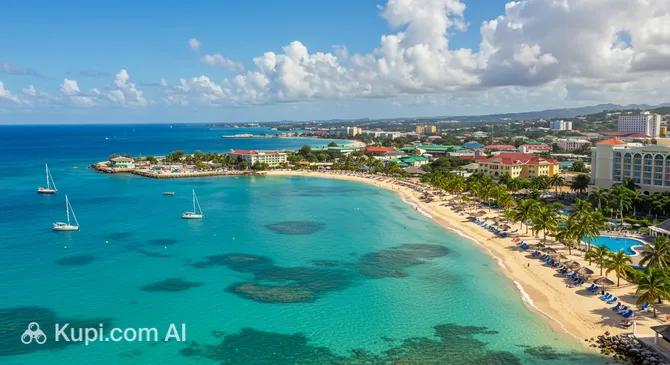
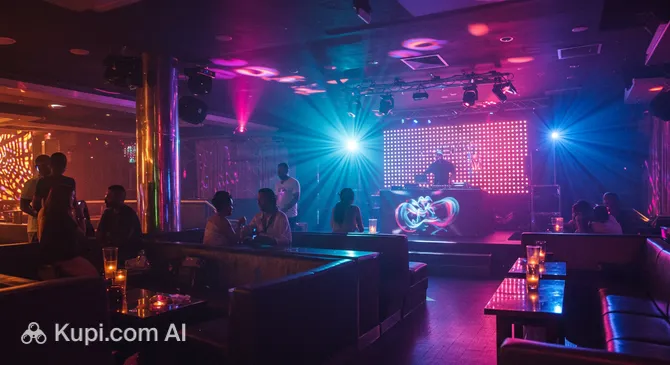
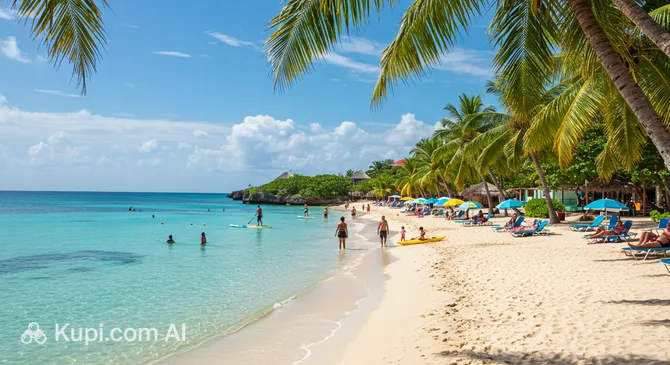
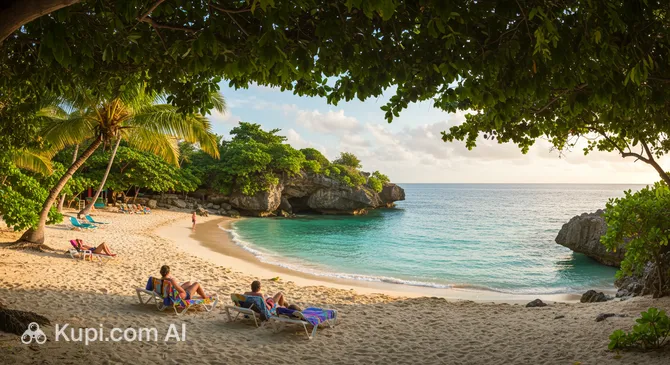
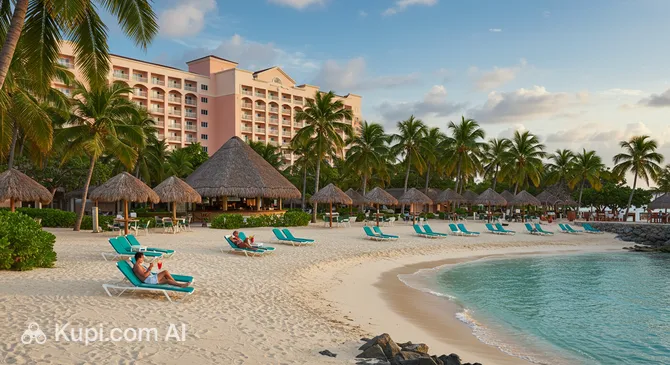
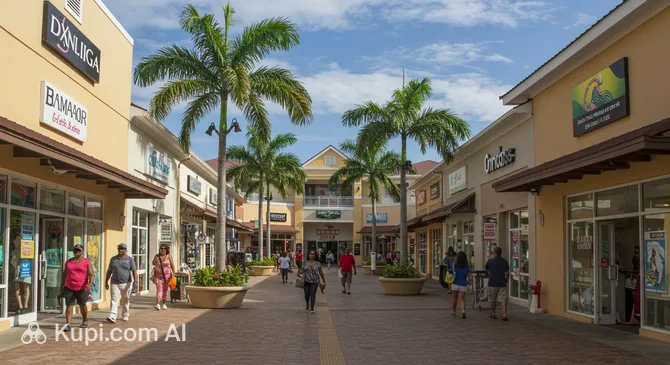
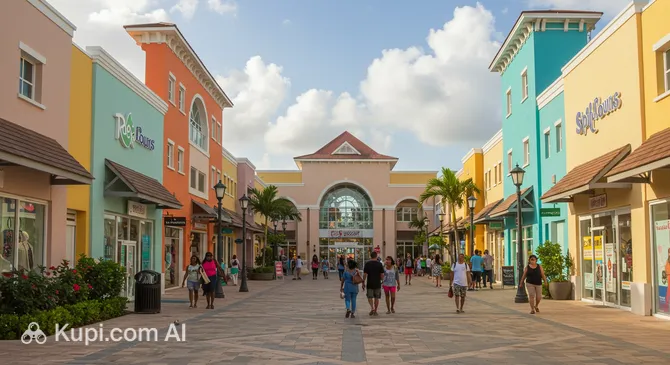
Montego Bay, affectionately known as "MoBay," is the capital of Saint James Parish and one of the most vibrant destinations in the Caribbean. Situated on the northwestern coast of Jamaica, this bustling city serves as a major gateway for travelers arriving by air or cruise ship. With a population of approximately 110,000 residents, it offers a lively mix of local culture, urban energy, and relaxing resort vibes, making it the tourism capital of the island.
Montego Bay. Illustration.
Source: Kupi.com AI
The city is renowned for its stunning coastline and warm tropical climate, which invites visitors to explore its natural beauty year-round. Exploring the history of Montego Bay reveals a fascinating journey from its days as a Spanish settlement to its status as a thriving sugar port and a modern holiday haven. The architecture and local landmarks still echo stories from the past, adding depth to a relaxing vacation.
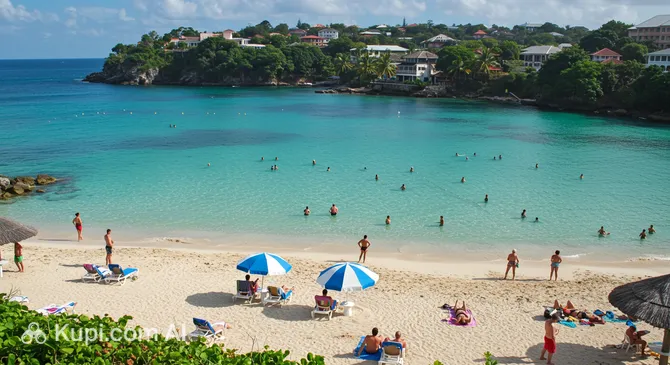
Travelers are often drawn to the famous Doctor's Cave Beach, known for its crystal-clear turquoise waters and healing mineral springs. For those seeking entertainment, the "Hip Strip" on Gloucester Avenue provides an exciting array of duty-free shops, restaurants, and nightlife. Whether you are touring the legendary Rose Hall Great House or snorkeling in the protected marine park, Montego Bay promises an unforgettable experience full of island hospitality.
Weather Overview
Montego Bay enjoys a warm, tropical climate that makes it an inviting destination at any time of the year. Temperatures are remarkably consistent, with average values hovering between 25°C in the slightly cooler winter months and rising to around 28°C during the peak of summer. The warmest period typically occurs in August, where daily highs can reach approximately 31°C, offering perfect conditions for beach activities.
While the city is known for its sunshine, rainfall is a common feature of the local weather pattern. The frequency of rain varies, with the wettest period occurring in late summer and early autumn; August and September can experience up to 28 wet days per month. Conversely, the beginning of the year is relatively drier, with January and February seeing fewer rainy days. For a more detailed breakdown of what to expect during your visit, you can consult the guide to weather in Montego Bay.
Average monthly temperature
Average monthly precipitation
Interesting Facts
Beyond the turquoise waters and bustling resorts, Montego Bay holds a treasure trove of history and folklore that often escapes the casual eye. This coastal city is not just a modern tourist hub but a place where legends of "white witches" and healing waters shaped its destiny.
Doctor's Cave Beach. Illustration.
Source: Kupi.com AI
Traveler photos:
The "Lard" Connection: It may come as a surprise, but the name "Montego Bay" is widely believed to be a corruption of the Spanish Bahía de Manteca, which translates to "Bay of Lard." In the 16th century, Spanish settlers utilized the port to export large quantities of lard derived from the wild boars that roamed the surrounding hills.
A Miracle Cure: The city's transformation into a world-class tourism destination began in the 1920s with a rumor of medical miracles. A renowned British osteopath declared that the waters at Doctor's Cave Beach possessed curative properties, attracting wealthy travelers from around the globe who came to bathe in the "healing" sea.
The White Witch Legend: Just a short drive from the city center lies the Rose Hall Great House, the setting for one of Jamaica's most chilling tales. Local folklore claims the house is haunted by Annie Palmer, the "White Witch," who is said to have practiced voodoo and ruled the plantation with an iron fist in the 19th century.
The Cage: In the heart of the city stands a small, stone structure known as "The Cage," built in 1806. Originally used as a temporary lock-up for disorderly sailors and vagrants, this historic building has survived centuries of change and now serves as a unique reminder of the town's colonial past amidst modern development.
How to Get There
Reaching this Caribbean paradise is remarkably convenient, primarily because the city hosts the island's busiest and most accessible air hub. Whether you are arriving from North America, Europe, or other parts of the Caribbean, you will find frequent connections directly to the coast. For a complete overview of all travel options, including ground transport details, you can read more about how to get to Montego Bay.
The most direct route is via Sangster International Airport (IATA: MBJ), which is located right in Montego Bay, approximately 3.7 km from the city center. As the leading tourism gateway for the island, it welcomes millions of visitors annually. Due to its close proximity, the journey to downtown or the main resort areas is very short, typically taking around 15 to 25 minutes by taxi or shuttle bus, allowing you to start your vacation almost immediately upon landing.
Another option for travelers is Norman Manley International Airport (IATA: KIN), situated in the capital city of Kingston. Although it is a major hub, it is located about 134.4 km away from Montego Bay. This route is less common for those solely visiting the north coast, as the transfer involves a cross-island drive that can take approximately 3.5 to 4 hours by road. However, it serves as a viable alternative if you plan to explore the southern coast or the Blue Mountains before heading north.
For clarity, here is a summary of the main airports in the region:
Montego Bay is a hub of activity, offering a diverse range of experiences from serene shorelines to energetic entertainment centers. The city's attractions cater to beach lovers, foodies, and thrill-seekers alike, ensuring that every visitor finds something to enjoy under the Jamaican sun.
One of the most iconic spots in the city is Doctor's Cave Beach. Famous for its crystal-clear turquoise waters and pristine white sands, this beach is more than just a place to swim; it is a part of local history, renowned for its mineral-rich waters believed to have healing properties. Visitors flock here to relax on the well-maintained shore, snorkel in the calm sea, or enjoy a drink at the beach bar, making it a quintessential stop for any traveler.
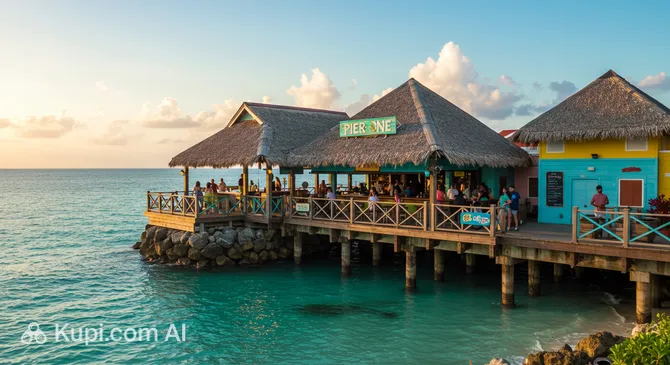
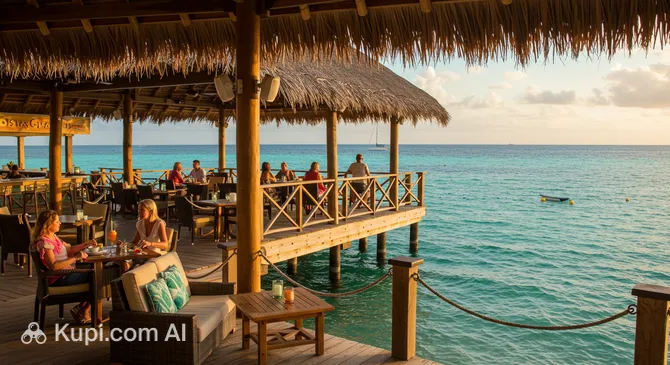
For those looking to combine dining with breathtaking views, Pier One is a must-visit destination. Located on a peninsula overlooking the harbor, this open-air restaurant and bar offers panoramic views of the Caribbean Sea and the city's sunset. It is a favorite among both locals and tourists for its fresh seafood and lively atmosphere, which transforms into a pulsating nightlife spot after dark.
Pier One. Illustration.
Source: Kupi.com AI
Traveler photos:
A newer addition to the city's landscape is Harmony Beach Park. This expansive public space is perfect for families and active travelers, featuring jogging trails, beautiful gardens, and a lovely stretch of sandy beach. It serves as a vibrant recreational hub where visitors can enjoy picnics, engage in sports, or simply take a leisurely stroll near the water in a safe and modern environment.
If you are seeking indoor entertainment, Coral Cliff offers a unique mix of gaming and leisure. Known as the "Gaming Lounge," it features slot machines and arcade games, but it also appeals to families with its live music and casual dining options. It is a great place to cool off and enjoy a fun-filled evening of games and entertainment right on the "Hip Strip."
Local Cuisine
The culinary landscape of Montego Bay is a vibrant reflection of Jamaica's soul, offering a tantalizing mix of spicy Caribbean flavors and fresh ocean bounty. Food here is not just sustenance; it is a celebration of culture, with the smoky aroma of pimento wood often wafting through the air. The most iconic dish to try is undoubtedly Jerk Chicken or Pork. Marinated in a fiery blend of Scotch bonnet peppers, allspice, and thyme, then slow-cooked over open flames, this signature meal can be found everywhere from roadside stands to upscale resorts.
For a true taste of the island's heritage, visitors should sample the national dish, Ackee and Saltfish. Typically served at breakfast, the buttery, yellow ackee fruit is sautéed with salted cod, onions, and peppers, creating a unique savory experience. Seafood lovers will also appreciate Escovitch Fish, a dish consisting of fried red snapper topped with a spicy pickled vegetable medley of carrots, onions, and peppers. Another local favorite is Curry Goat, a rich and tender stew often served with rice and peas, showcasing the Indian influence on Jamaican cuisine.
No meal in Montego Bay is complete without a refreshing beverage. Rum culture is deep-rooted here, with Rum Punch being a ubiquitous welcome drink, often made with locally produced Appleton Estate rum. For beer enthusiasts, an ice-cold Red Stripe is the standard choice to cool down on a hot day. Non-alcoholic options are equally delightful, including fresh coconut water sold by street vendors and the world-renowned Blue Mountain Coffee, celebrated for its smooth and mild flavor profile.
The dining scene in the city caters to all preferences, ranging from casual street food to unique atmospheric venues. For a memorable dinner on the water, you can visit the House Boat Grill, which offers a romantic setting and a menu highlighting fresh seafood and international fusion. It is an excellent spot to enjoy the sunset while dining in a converted vessel moored in the calm waters of the marine park.
House Boat Grill. Illustration.
Source: Kupi.com AI
Traveler photos:
If you are looking for a more laid-back vibe where you can mingle with locals, Martina's Juice Bar and Grill is a great option for grabbing a quick bite or a natural juice. Whether you are exploring the "Hip Strip" for tourist-friendly eateries or venturing into local neighborhoods for authentic pan chicken, Montego Bay promises a gastronomic adventure that is as bold and colorful as the city itself.
Travel Tips
Preparing for a trip to Montego Bay is exciting, but a few insider tips can make your Caribbean getaway even more relaxing and hassle-free. From navigating local transport to understanding island customs, keeping these practical suggestions in mind will help you enjoy the city like a pro.
Clothing and Gear: Pack lightweight, breathable fabrics like cotton and linen to stay cool in the tropical heat, and bring a light sweater for air-conditioned spaces or breezy evenings. Comfortable walking shoes are essential for exploring, while water shoes can be very useful for rocky beaches. Crucial tip: Do not pack any camouflage clothing or accessories, as wearing this pattern is strictly reserved for the military and is illegal for civilians in Jamaica.
Transportation: The safest and most convenient way to get around is by using official taxis, which are easily identified by their red license plates. While renting a car gives you freedom, remember that traffic flows on the left side of the road and local driving styles can be quite spirited. For short distances, stick to JUTA-certified drivers or hotel shuttles, and negotiate the fare before you start your journey if the vehicle lacks a meter.
Finances: The official currency is the Jamaican Dollar (JMD), though US dollars are widely accepted in most tourist areas, hotels, and restaurants. It is wise to carry smaller bills for tips and purchases at local craft markets, where credit cards might not be accepted. ATMs are readily available in the city and shopping plazas; however, be aware that if you pay in USD, your change will likely be given in local currency.
Health and Safety: Pharmacies are generally well-stocked, but it is smart to bring a personal kit with mosquito repellent and high-SPF sunscreen. While Montego Bay is a major tourist hub, exercise standard precautions: avoid walking alone in isolated areas at night and keep valuables secure. Stick to bottled water to stay hydrated, especially when you are outside the main resort complexes.
Communication: English is the official language, so you will have no trouble communicating, though you will often hear locals speaking Patois, a colorful Creole dialect. Learning a friendly greeting like "Wah gwaan" (What's up?) is a great icebreaker. Wi-Fi is standard in hotels and cafes, but for constant connectivity, you can easily purchase a local SIM card from providers like Digicel or Flow.
Local Etiquette: Jamaicans are warm and hospitable, and a simple "Good morning" or "Good afternoon" when entering a shop or taxi goes a long way. The pace of life is relaxed, often referred to as "island time," so patience is a virtue when waiting for service. Tipping is customary; check your bill to see if a service charge is included, otherwise, a tip of 10-15% is standard for good service.
What to Avoid: Refrain from taking photos of locals without asking for permission first, as many consider it intrusive. Additionally, avoid engaging with unlicensed street vendors or "hustlers" if you are not interested; a polite but firm "No, thank you" is respected, and walking away confidently is better than engaging in a long negotiation.
By keeping these tips in your back pocket, you are all set to soak up the sun and culture of Montego Bay with confidence. Embrace the laid-back rhythm of the island, respect the local customs, and you are sure to create wonderful memories in this Caribbean paradise.
Entertainment & Nightlife
As the sun dips below the horizon, Montego Bay transforms from a laid-back beach destination into a pulsating hub of Caribbean nightlife. The city is famous for its rhythmic energy, where the sounds of reggae, dancehall, and international beats fill the air. The epicenter of this nocturnal activity is undoubtedly the "Hip Strip" on Gloucester Avenue. This bustling corridor is lined with vibrant bars, open-air cafes, and clubs that cater to both energetic party-goers and those seeking a relaxed evening cocktail.
For travelers looking to immerse themselves in the local club scene, Elevate Lounge is a premier destination. Located conveniently on the Hip Strip, this modern venue is known for its stylish decor, state-of-the-art lighting, and themed nights that draw a fashionable crowd. It is the perfect spot to dance the night away to the latest hits spun by top local DJs.
Elevate Lounge. Illustration.
Source: Kupi.com AI
Traveler photos:
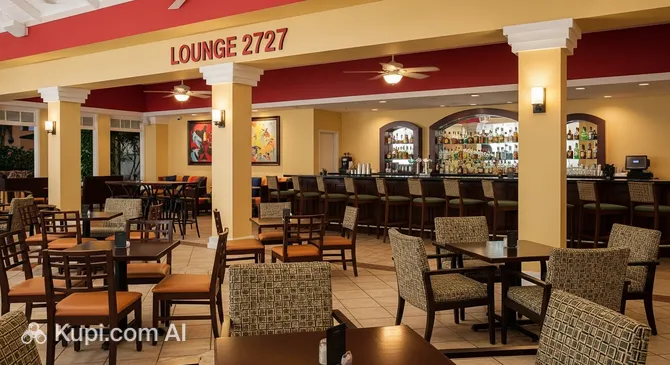
If you prefer a more lounge-style atmosphere where conversation flows as easily as the drinks, Lounge 2727 offers a sophisticated setting. Popular for its premium bar service and hookahs, it provides a great mix of relaxation and entertainment. It is an ideal place to start your evening or wind down after a busy day of exploring, offering a slightly more intimate vibe compared to the larger dance clubs.
Lounge 2727. Illustration.
Source: Kupi.com AI
Traveler photos:
Beyond the dedicated clubs, the nightlife in Montego Bay often revolves around open-air venues that take advantage of the warm tropical breeze. Pier One, located on the waterfront, is legendary for its Friday night parties which are a staple of the local social calendar. Visitors can also check out Coral Cliff, which features a gaming lounge and live entertainment, making it a versatile option for groups with diverse interests.
When planning a night out, it is best to head out around 10:00 PM when the venues start to fill up, though parties often continue until the early hours of the morning. Dress codes are generally "island chic" or smart-casual; while shorts are acceptable in many bars, some nightclubs may require long pants and closed shoes for men. Entry fees can vary depending on the event, and drink prices are comparable to international tourist destinations.
Safety is an important consideration for nightlife in any city. It is highly recommended to stick to the main tourist areas like the Hip Strip and avoid walking into unlit or residential neighborhoods at night. Always use official taxis with red license plates to move between venues or return to your hotel. Most resorts and restaurants can call a reputable taxi for you, ensuring a safe and hassle-free journey.
While the nights are electric, Montego Bay also offers plenty of daytime entertainment beyond the beaches. Visitors can explore local culture through shopping and leisure at places like the Fairview Shopping Centre, which offers a mix of modern retail stores, dining, and cinema. Whether you are browsing for souvenirs, enjoying a movie, or visiting local galleries and cultural centers, the city provides a well-rounded experience from dawn until dusk.
Parks & Museums
Parks & Museums:
Beyond the polished resorts and bustling "Hip Strip," Montego Bay offers a selection of green spaces and cultural venues that provide a deeper look into the island's life and history. Visitors willing to step off the beaten path will find public parks perfect for recreation and museums that safeguard the artistic and historical treasures of the region.
One of the newest and most significant additions to the city's landscape is Harmony Beach Park. Located conveniently near the city center, this facility is much more than just a place to swim; it serves as a central recreational hub for the community. The park features beautifully landscaped gardens, jogging trails, and multi-purpose courts, making it an excellent spot for a morning workout or a relaxing afternoon picnic on the grass. It represents a modern approach to public space in Jamaica, offering a safe and clean environment for families to enjoy the outdoors.
Harmony Beach. Illustration.
Source: Kupi.com AI
Traveler photos:
For a more unconventional natural experience, travelers often head to Dead End Beach. As the name suggests, this sandy stretch is located where the road abruptly stops near the airport. It is a favorite local hangout, particularly at sunset, and offers a unique thrill: watching airplanes descend low over the water as they approach the runway. Unlike the private resort beaches, this spot has a raw, authentic charm and is a great place to mingle with residents enjoying a casual swim.
Dead End Beach. Illustration.
Source: Kupi.com AI
Traveler photos:
Another lively spot that combines natural beauty with entertainment is Tropical Bliss Beach. While it functions as a beach club with music and dining, its setting offers stunning views of the Caribbean Sea and a chance to enjoy the coastal environment in a spirited atmosphere. For nature lovers interested in underwater ecosystems, the Montego Bay Marine Park protects the coral reefs and mangroves surrounding the city, offering opportunities for eco-conscious snorkeling and diving excursions.
On the cultural front, the heart of the city's artistic life is the Montego Bay Cultural Centre, located in the historic Sam Sharpe Square. Housed in a beautifully restored colonial building, this venue includes the National Museum West and the National Gallery West. Here, visitors can explore exhibitions detailing the history of St. James Parish, from the era of slavery and the Christmas Rebellion to modern-day developments, alongside rotating art displays featuring Jamaican artists.
Architecture enthusiasts should not miss the historic landmarks scattered throughout the downtown area. Sam Sharpe Square itself is a monument to the National Hero who led the 1831 slave rebellion, featuring bronze statues that tell the story of the struggle for freedom. Just a short distance away is the St. James Parish Church, regarded as one of the finest churches in Jamaica, known for its stained glass and classical Georgian architecture.
For a truly immersive cultural experience, consider a visit to the Rastafari Indigenous Village located on the outskirts of the city. This living museum offers a unique opportunity to learn about the Rastafarian way of life, including their philosophy, drumming, and traditional cuisine, providing a spiritual and educational contrast to the typical tourist activities.
Getting Around
Public transport in Montego Bay is primarily road-based, as the city does not have a metro, tram, or train system. The network is informal compared to many European or North American cities, relying heavily on a combination of buses, minibuses, and shared taxis. For visitors, understanding the distinction between the different types of vehicles is key to navigating the city efficiently and safely.
The most ubiquitous form of transport is the Route Taxi. These are standard passenger cars that operate on specific set routes, much like a bus, picking up and dropping off passengers along the way. You can identify them by their red license plates (a legal requirement for all public passenger vehicles) and the route information often printed on the side of the car. They are an affordable and authentic way to travel, though you will be sharing the vehicle with other passengers.
Larger minibuses, often referred to as "coasters," serve high-demand routes and connect the city center with outlying suburbs and nearby towns. There is also a limited scheduled bus service known as the Montego Bay Metro, which operates large buses on specific routes, primarily serving students and workers during peak hours. While these are reliable, their frequency is lower than the privately operated taxis and minibuses.
Regarding payment, the system is almost exclusively cash-based. There are no travel cards, mobile apps, or electronic ticket machines for local transit. Passengers pay the driver or the conductor directly, usually upon entering the bus or when exiting a route taxi. It is highly recommended to carry the local currency in small denominations, as drivers may not always have change for large bills. Fares for route taxis are fixed by the government, but it is wise to confirm the price before getting in.
For tourists who prefer a private and more comfortable experience, Charter Taxis are the best alternative. These do not stop for other passengers and will take you directly to your destination. Official tourist taxis are often operated by the Jamaica Union of Travelers Association (JUTA) and can be found at the airport and major hotels. While more expensive than route taxis, they offer air-conditioning and plenty of space for luggage. Always agree on the fare before starting your journey if the vehicle is not metered.
Car rentals are widely available at the airport and in the city for those who wish to explore at their own pace. However, visitors should be aware that traffic moves on the left side of the road, and local driving styles can be quite assertive. If you are staying within the main tourist area along Gloucester Avenue (the "Hip Strip"), walking is often the easiest option, as many shops, beaches, and restaurants are located close to one another.
Accommodation
Where to Stay:
Montego Bay offers a diverse array of accommodation options suited to every type of traveler, ranging from budget-friendly guesthouses to some of the most luxurious all-inclusive resorts in the Caribbean. As the tourism capital of Jamaica, the city is designed to cater to visitors, meaning you can find intimate villas tucked away in the hills, lively hotels right on the main strip, and sprawling beachfront complexes that offer every amenity imaginable.
For those who want to be in the heart of the action, the area along Gloucester Avenue, known as the "Hip Strip," is the most convenient location. Staying here places you within walking distance of popular beaches, shops, and nightlife. Conversely, travelers seeking tranquility and exclusivity often opt for the Rose Hall area or the Ironshore neighborhood to the east. These districts are home to many of the larger, self-contained resorts that feature private beaches, golf courses, and extensive grounds.
Among the notable places to stay, the Montego Bay Resort & Spa is a popular choice for those looking to combine relaxation with easy access to the city's amenities. Similarly, the Montego Bay Resort offers comfortable lodging that serves as an excellent base for exploring the north coast. These establishments typically provide a range of services, from swimming pools to on-site dining, ensuring a comfortable stay for families and couples alike.
Montego Bay Resort & Spa. Illustration.
Source: Kupi.com AI
Traveler photos:
Prices for accommodation can vary significantly depending on the season and the level of luxury. Budget travelers can find affordable rooms and hostels, while the high-end all-inclusive resorts command premium rates, especially during the peak winter season from mid-December to April. It is highly recommended to book your stay well in advance if you plan to visit during these months to secure the best rates and availability. Most bookings can be easily made through major online travel platforms or directly via the hotel websites.
Nearby Cities
For those looking to explore the surroundings, Montego Bay serves as an excellent base for day trips to several interesting nearby locations:
Although located on the opposite side of the island, Kingston is a compelling destination for travelers interested in the cultural heartbeat of Jamaica. As the capital city, it houses the famous Bob Marley Museum, the National Gallery, and the historic Devon House. A trip here allows visitors to experience the vibrant urban energy and musical heritage that define the nation, making the journey across the island well worth the effort.
Closer to the center of the island lies Spanish Town, the former capital of Jamaica from the 16th to the 19th century. This historic city is a treasure trove of colonial architecture, featuring the magnificent St. Jago de la Vega Cathedral, which is one of the oldest in the Caribbean. Walking through its streets offers a glimpse into the island's colonial past and its architectural evolution over the centuries.
City
Population
Distance
Lucea
6 002
27 km
Falmouth
7 779
28 km
Savanna La Mar
22 600
35 km
Negril
4 000
49 km
Black River
4 261
49 km
These nearby destinations offer a glimpse into the diverse culture and landscapes of the region, ranging from bustling urban centers to historic towns rich in heritage.
Shopping & Souvenirs
Shopping in Montego Bay offers a vibrant mix of experiences, ranging from upscale duty-free boutiques to lively local markets brimming with handmade treasures. Whether you are looking for luxury goods, authentic Jamaican crafts, or simply want to browse through modern retail spaces, the city provides ample opportunities to find the perfect souvenir or gift.
For a contemporary shopping experience, the Fairview Shopping Centre is a top choice. Located a short distance from the main tourist zones, this expansive complex features a variety of international and local stores, pharmacies, and dining options in a relaxed, open-air setting. It serves as a convenient hub for both travelers and residents, offering everything from fashion to daily necessities.
Fairview Shopping Centre. Illustration.
Source: Kupi.com AI
Traveler photos:
If you prefer to explore the downtown area, the Baywest Shopping Centre offers a bustling atmosphere near the waterfront. This multi-story mall is a great place to find clothing, electronics, and accessories while experiencing the local commercial rhythm. It provides a contrast to the resort-focused shops, giving visitors a taste of everyday life in the city.
Baywest Shopping Centre. Illustration.
Source: Kupi.com AI
Traveler photos:
For those seeking traditional island products, the "Hip Strip" on Gloucester Avenue is lined with shops specializing in duty-free jewelry, perfumes, and premium spirits. It is also the ideal place to purchase signature items like Blue Mountain Coffee, rum, and exotic spices. Additionally, the city's craft markets allow you to engage with local artisans and bargain for unique wood carvings, straw hats, and colorful artwork, ensuring you take home a piece of Jamaican culture.