Support

Jamaica

Cities in the country

About the Country

Jamaica is an island country in the Caribbean Sea, and the third-largest island of the Greater Antilles. This sunny island is known worldwide as the birthplace of reggae, the home of the legendary Bob Marley, and a place with a unique "irie" atmosphere of carefree positivity. Jamaica attracts travellers with its white-sand beaches, turquoise waters, and relaxed pace of life. For visitors from the UAE, travel involves connecting flights, as there are no direct routes. Airlines such as British Airways, Gulf Air and Kuwait Airways offer flights from Dubai to Kingston and Montego Bay with one or more stops.

Jamaican culture is a vibrant kaleidoscope of African, European, and Caribbean traditions. The country's capital, Kingston, is the cultural and economic hub where you can delve deeper into the island's history and modern life. For Muslim travellers, Kingston is home to the Central Masjid, the largest mosque in Jamaica, where the community is known for being welcoming. Jamaica's nature is equally impressive: from the famous Blue Mountains, where one of the world's best coffees is grown, to numerous waterfalls and lush tropical forests. The warm tropical climate makes the island an attractive year-round destination. While halal food is not widespread, it can be found in certain areas, particularly near mosques like the one in Mandeville which has a Jamaican takeaway that serves halal cuisine.
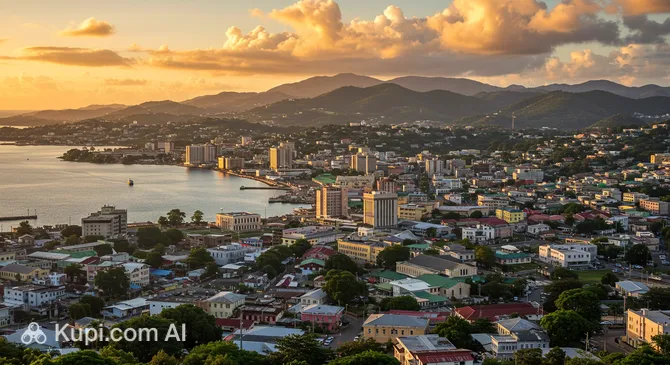
Kingston. Source: Kupi.com Binoculars

Jamaica offers a variety of experiences, from lively resorts like Montego Bay, with its well-developed tourist infrastructure, to secluded coves and natural wonders. A must-visit is the famous Dunn's River Falls, where you can climb the cascading tiers of water with experienced guides. It is one of the few travertine waterfalls in the world that flows directly into the sea. This is a place where everyone can find something for themselves, whether it's active recreation, exploring a unique culture, or simply relaxing on the Caribbean coast.
Currency

The national currency of Jamaica is the Jamaican dollar (international code JMD). Jamaican dollar banknotes are colourful and often feature portraits of national heroes and images of local landmarks. The coins also have a distinctive design that reflects the island's culture. For currency exchange, it is advisable to use official banks or licensed exchange offices (known as cambios), which can be found at airports, in cities, and in tourist areas. It is best to avoid exchanging money with street money changers, as this carries a risk of fraud or receiving an unfavourable exchange rate. For travellers from the UAE, it is recommended to exchange UAE Dirhams (AED) for a major currency like US Dollars (USD) before your trip, as exchanging AED directly in Jamaica may be difficult. As a rough guide, 1 AED is approximately 43 JMD, though rates will vary.

Credit cards, mainly Visa and MasterCard, are widely accepted in most hotels, restaurants, and large shops, particularly in tourist areas. However, for smaller purchases at markets, in local eateries, or for paying for taxis, it is recommended to have a sufficient amount of cash in Jamaican dollars. ATMs are also quite common, especially in cities like Kingston and Montego Bay, but it is wise to check with your bank in the UAE about potential fees for international cash withdrawals and transactions to avoid surprises.

Visa Requirements

When planning a trip to Jamaica, it is important to clarify the visa requirements in advance. For citizens of the United Arab Emirates, a visa is required to enter Jamaica for tourism or business. This can typically be obtained from the nearest Jamaican embassy or consulate before you travel. To enter the country, you will need a passport valid for at least six months beyond your intended period of stay, proof of onward or return travel, confirmation of your hotel booking, and potentially proof of medical insurance.

As visa regulations can change, it is strongly recommended to check the most current information on the official website of Jamaica's Ministry of Foreign Affairs or with the nearest embassy or consulate before your trip. This will help you avoid any unforeseen issues and ensure your journey is as smooth as possible.

We'll tell you if you need a visa

Specify where you are going, or
Your citizenship
Destination

Time Zones

When planning your trip to Jamaica, you will not need to worry about changing time zones within the country. The entire island observes a single time zone: Eastern Standard Time (EST), which is UTC-5. This means the time is the same across all parts of the island, whether you are in the vibrant Kingston, the resort hub of Montego Bay, or the tranquil Port Antonio.

For travellers from the UAE, it is useful to know that Jamaica is 9 hours behind UAE time. The UAE operates on Gulf Standard Time (GST), which is UTC+4. Importantly, neither Jamaica nor the UAE observes daylight saving time. This makes planning much simpler, as the time difference remains constant throughout the year, ensuring you can easily schedule calls home and coordinate your international flights.

How to Get There

The primary way to get to Jamaica is by air. For travellers originating from the UAE, this involves connecting flights, as there are currently no direct services available. The total journey time, including layovers, is typically upwards of 20 hours. Flights operated by major carriers such as Emirates, Etihad, and their international partners connect through hubs in the United States (like New York or Miami) or Europe (like London).

The island has several international airports, the main ones being Sangster International Airport in Montego Bay and Norman Manley International Airport in the capital, Kingston. These airports handle flights from numerous countries across North America, Europe, and the Caribbean.

Another popular way to arrive in Jamaica, especially for those wishing to combine their visit with a Caribbean cruise, is by sea. Many cruise lines include Jamaican ports like Ocho Rios and Montego Bay in their Western Caribbean itineraries. This offers a wonderful opportunity to see the island from a different perspective and enjoy a sea voyage.

When planning your trip to Jamaica, it is highly recommended to book flights and accommodation well in advance. This is particularly important if your travel falls within the peak tourist season (usually from December to April) or during major local festivals. Early booking not only secures your arrangements but can also lead to more favourable pricing.

Regarding entry requirements, UAE passport holders currently require a visa to enter Jamaica for tourism. However, policies are under review to simplify entry for GCC nationals. Residents from other countries are advised to check the specific visa regulations for their nationality with the nearest Jamaican embassy or consulate before travelling.

For your reference, here is a summary of the main international airports in Jamaica:

Airport Name City Passenger Traffic
Sangster International AirportMontego BayMajor
Norman Manley International AirportKingstonMedium
Boscobel AerodromeOcho RiosSmall

Jamaica is not only the birthplace of reggae and serene beaches, but also a country with a wonderful variety of cities and resorts, each offering its own unique experience. From lively tourist centres to quiet corners nestled in greenery, there is a place to suit any traveller looking to explore these Caribbean gems.

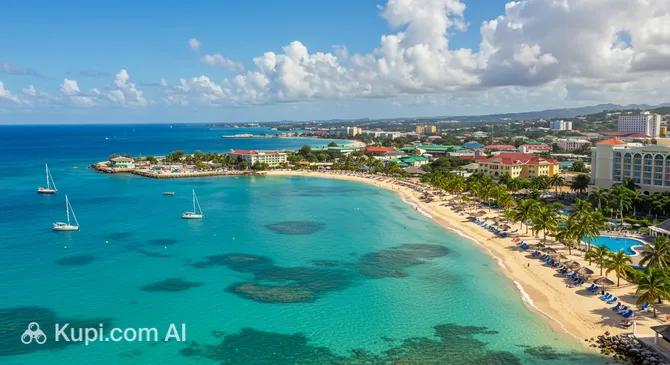
One of the most popular destinations is Montego Bay, known for its magnificent beaches, well-developed tourist infrastructure, and vibrant nightlife. This city is often the first introduction to Jamaica for many visitors. For travellers from the UAE, halal food options can be found in Montego Bay, though it is always best to confirm with restaurants in advance.

Montego Bay. Source: Kupi.com Binoculars

The nation's capital, Kingston, offers an immersion into the island's rich culture and history. Here you can visit museums, including the famous Bob Marley Museum, explore historic districts, and feel the authentic Jamaican rhythm of life. The city also has the largest mosque in the country, which welcomes visitors. For those seeking a relaxed holiday on the famous Seven Mile Beach, Negril is the ideal choice with its stunning sunsets and laid-back atmosphere. Meanwhile, Ocho Rios attracts nature lovers with its waterfalls, such as Dunn's River Falls, lush tropical gardens, and opportunities for active, family-friendly recreation. Each of these corners of Jamaica is ready to provide an unforgettable experience.

Top Attractions

Jamaica is not only the homeland of reggae and laid-back holidays, but also an island rich in amazing natural and man-made attractions. There is something for everyone here, from breathtaking waterfalls to serene beaches and cultural centres.

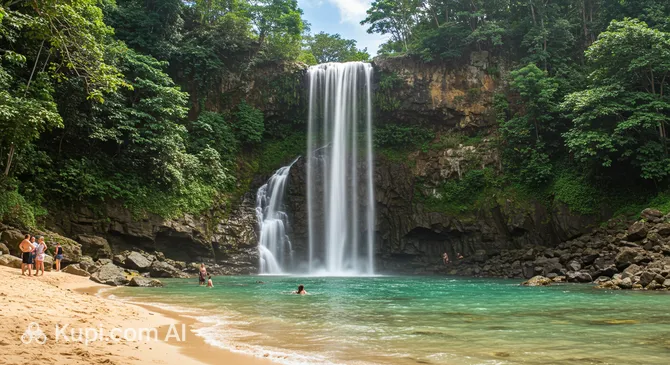
One of Jamaica's most famous natural attractions is undoubtedly Dunn's River Falls. It is an impressive cascading waterfall, approximately 180 metres high, that flows directly into the Caribbean Sea. Tourists from all over the world come here to make the exciting climb up its stone ledges, holding hands to form a human chain, or simply to cool off in its refreshing natural pools.

Dunn's River Falls. Source: Kupi.com Binoculars

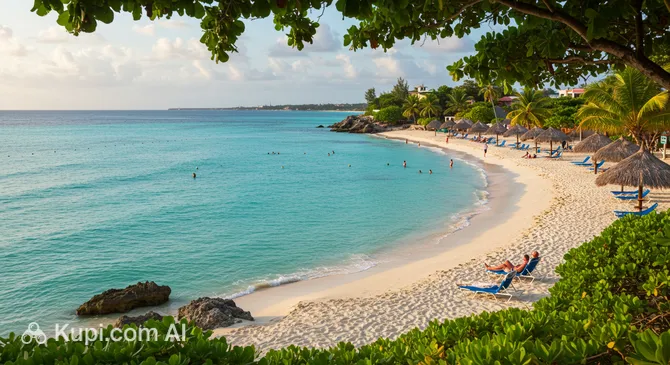
For connoisseurs of the perfect beach holiday, Jamaica offers the legendary Seven Mile Beach in Negril. This incredibly long stretch of fine white sand and crystal-clear turquoise water is rightly considered one of the best beaches not only in the Caribbean but in the entire world. Here, you can not only enjoy sunbathing and swimming but also take part in various water sports or simply relax in one of the many beachside cafes and restaurants, admiring the unforgettable Jamaican sunsets.

Seven Mile Beach. Source: Kupi.com Binoculars

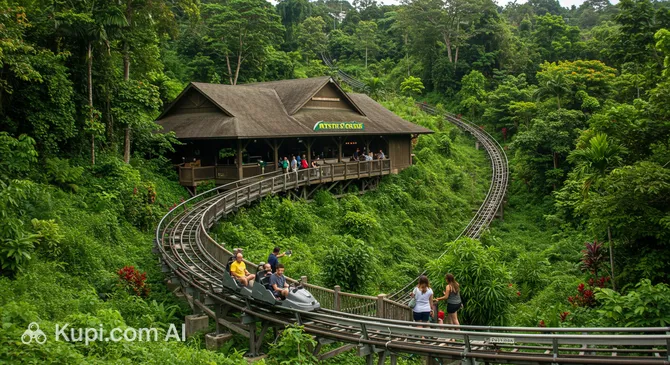
If you are looking for active entertainment and breathtaking views, be sure to visit the Mystic Mountain adventure park, located near Ocho Rios. Here you can ride a bobsleigh track inspired by the famous Jamaican Olympic team, ascend to the mountain's peak on a chairlift that glides over the dense rainforest canopy while enjoying panoramic views of the coast, or test your courage on a high-speed zip line.

Mystic Mountain. Source: Kupi.com Binoculars

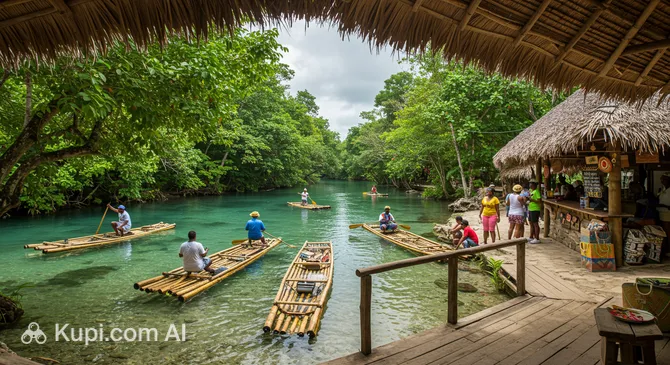
To immerse yourself in an atmosphere of tranquillity and enjoy the pristine beauty of Jamaican nature, go rafting on the Martha Brae River. The Martha Brae River Rafting Village offers a peaceful and romantic journey on traditional bamboo rafts, skilfully handled by local guides. This is an excellent opportunity to learn more about the region's rich flora and fauna, hear interesting local legends, and simply enjoy the peace and serenity away from the bustling tourist centres.

Martha Brae Rafting Village. Source: Kupi.com Binoculars

Best Time to Visit

Jamaica enjoys a tropical climate all year round, but the best time to visit depends on your preferences and holiday plans. The high season on the island traditionally runs from mid-December to mid-April. During this period, the weather is most favourable: plenty of sunshine, pleasant warmth, and relatively low humidity, which creates ideal conditions for beach holidays, water sports, and exploring Jamaica's natural beauty. However, be prepared for more tourists at the resorts and potentially higher prices for accommodation and flights during this time.

The low season, or off-season, covers the period from mid-April to mid-December. The main advantages of travelling at this time are fewer crowds and more attractive prices for hotels and tours. The weather during the low season can be more changeable. The official hurricane season in Jamaica lasts from June to November, with the highest probability of storms and rain in August, September, and October. Nevertheless, even during this period, there are often sunny days, and tropical showers are usually brief and refresh the air. Spring (April-May) and late autumn (October-November) can offer a good compromise between weather and cost.

When planning your trip, it is also worth considering cultural events. One of the most vibrant is the Reggae Sumfest festival, which takes place annually in July in Montego Bay and attracts global stars and thousands of reggae fans. Overall, Jamaica's climate is quite uniform, but if you plan to visit mountainous areas like the Blue Mountains, bear in mind that it can be cooler there, especially in the evenings. For most tourists seeking sun and sea, any season can be suitable, provided you take its specific characteristics into account.

Traditions

Jamaica is famous for its vibrant culture and friendly inhabitants. When greeting Jamaicans, a warm handshake is customary, often accompanied by a smile and direct eye contact, which symbolises sincerity. Informal greetings like "irie" (everything is good) or "respect" are widely used. Hospitality is highly valued here; if you are invited to someone's home, a small souvenir or a treat would be a pleasant gesture, although your gratitude and openness are what matter most. In conversation, try to be polite and patient, as the famous "island time" means a more relaxed pace of life, and rushing is not encouraged.

Regarding appearance, a casual style prevails in everyday life in Jamaica. However, when visiting churches or official institutions, it is advisable to choose more modest clothing that covers the shoulders and knees. On beaches and at resorts, the dress code is, of course, more relaxed, but outside of these areas, especially in smaller towns, it is best to avoid overly revealing outfits. At the dining table, there are no particularly strict rules, but locals will appreciate it if you enjoy the dishes offered. To show respect for the local culture, avoid openly criticising customs, always ask for permission before taking photographs of people, and address elders or people you do not know well respectfully, using "Mr.", "Mrs." or "Miss" before their name.

Understanding these cultural nuances will enrich your journey. Important national holidays that reflect the spirit of Jamaica include Emancipation Day (1 August), which commemorates the abolition of slavery, and Independence Day (usually 6 August), which is celebrated on a grand scale with colourful parades and music festivals. Observing these events will allow you to immerse yourself more deeply in the local traditions. Overall, Jamaicans are open and friendly, and showing genuine interest and respect for their way of life will make your stay on the island truly unforgettable.

Entertainment

Jamaica is not only about endless beaches and azure seas; it is a true kaleidoscope of entertainment to suit every taste. Lovers of active recreation will find a host of activities here: from diving and snorkelling in the crystal-clear waters of the Caribbean Sea to thrilling rafting, for example, at the Martha Brae River Rafting Village, and cave exploration. Popular resorts such as Montego Bay and Negril offer excellent conditions for water sports. Do not forget about hiking through tropical rainforests, where you can admire the famous Dunn's River Falls.

The cultural life in Jamaica is just as rich. The island is the birthplace of reggae, and its rhythms can be heard everywhere – from street musicians to concert venues. In the capital, Kingston, and other cities, you can visit museums dedicated to the island's history and culture, including the legacy of Bob Marley, as well as art galleries. As darkness falls, Jamaica comes alive: numerous restaurants and beach clubs offer a vibrant and carefree atmosphere, especially in tourist hubs like Montego Bay. For travellers seeking halal dining, options are most prevalent in urban centres like Kingston and Montego Bay.

For those seeking family entertainment, Jamaica offers relaxing beach holidays and opportunities to visit nature parks and attractions like Mystic Mountain in Ocho Rios, which has activities for all ages. Shopping in Jamaica is primarily about the colourful local markets, where you can buy handmade crafts, the world-renowned "Blue Mountain" coffee, and bright souvenirs. In major cities like Kingston, there are also modern shopping centres, such as MegaMart Kingston, for a more conventional shopping experience.

Currency rates

Planning a trip? That's wonderful! To ensure the financial aspects of your journey don't come as a surprise, it's important to remember that currency rates are constantly changing. Therefore, we highly recommend keeping track of the latest rates, both before you fly and throughout your trip. To do this, you can use the data provided below — we monitor currency rates 24/7 and aim to provide the most up-to-date information.

Reached the end of the page?

That means the route is fully explored