Support

Montserrat

Cities in the country

About the Country

Montserrat, a charming island in the Caribbean Sea, is often called the "Emerald Isle of the Caribbean" due to its lush greenery and historical links to Ireland. This small British Overseas Territory offers a unique blend of Caribbean relaxation and Celtic heritage, making it a truly special travel destination.

One of the most striking features of Montserrat is its volcanic history. The activity of the Soufrière Hills volcano in the late 20th century had a profound impact on the island, creating a so-called "exclusion zone" in the south and even leading to the relocation of the capital. Today, the administrative centre is the town of Brades, located in the safe northern part of the island. This event shaped not only the landscape but also the character of the local people, who are known for their resilience and optimism.
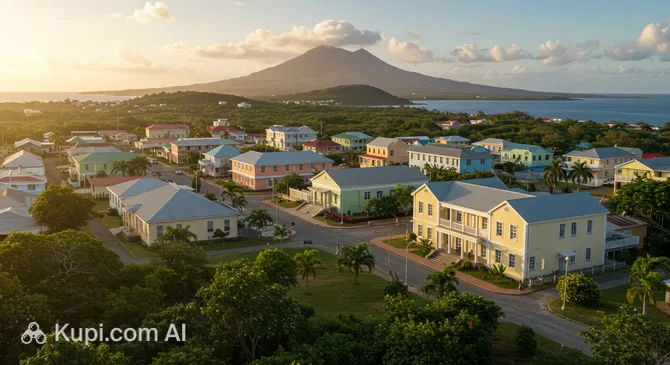
Brades. Source: Kupi.com Binoculars

Despite its challenges, Montserrat has retained its natural beauty and attracts tourists seeking a peaceful holiday and unusual experiences. Here, you can explore tropical rainforests, enjoy views of the volcano (from safe viewing platforms), go diving in crystal-clear waters, and observe rare bird species. The island offers a rare opportunity to see the Caribbean in its more authentic, untouched form, away from mass tourism, and to experience a unique atmosphere of peace and connection with nature.

Currency

The official currency of Montserrat is the East Caribbean dollar (XCD), which is also used in seven other countries and territories in the Caribbean. The currency is available in various denominations of banknotes and coins. Banknotes often feature an image of Queen Elizabeth II, alongside motifs that reflect the local nature and culture, which may be of interest to collectors.

It is recommended to exchange foreign currency for East Caribbean dollars at a bank upon arrival on the island. The East Caribbean dollar has been pegged to the US dollar since 1976 at a rate of US$1 = EC$2.70. ATMs are available, particularly in the Brades area and other populated centres. Credit cards such as Visa and MasterCard are generally accepted in most hotels, restaurants, and larger shops. However, it is always useful to carry some cash for smaller purchases, paying for services at small establishments, or for shopping at local markets.

Visa Requirements

When planning a trip to Montserrat, it is important to clarify the visa requirements in advance. For citizens of the United Arab Emirates, an electronic visa (eVisa) is required to travel to Montserrat. Travellers from many other countries, including the UK, EU nations, the USA, and Canada, are typically not required to have a visa for short-term tourist visits.

As Montserrat is a British Overseas Territory, visa applications are processed through the UK government's official channels. Besides a valid passport, you may also need to provide return tickets, proof of accommodation, and travel medical insurance. Since visa regulations can change, it is strongly recommended to check the most current information on the official UK government visa and immigration websites or with the Montserrat Immigration Department directly before your journey.

We'll tell you if you need a visa

Specify where you are going, or
Your citizenship
Destination

Time Zones

When planning a trip to Montserrat, you will not need to worry about changing time zones within the country. The entire territory of Montserrat operates on a single time zone – Atlantic Standard Time (AST), which is UTC-4. For travellers from the UAE, this means the local time is 8 hours behind Gulf Standard Time (GST).

The time is the same across all populated areas, including the de facto capital, Brades. As Montserrat does not use daylight saving time, the time zone remains consistent all year round, which simplifies planning your trip and activities on the island.

How to Get There

There are two main ways to get to the picturesque Caribbean island of Montserrat: by air or by sea. The island's main air gateway for international arrivals is John A. Osborne Airport (MNI), which serves the capital, Brades, and the surrounding areas. There are generally no direct flights to Montserrat from the UAE, Europe, Asia, or North America. Travellers from the UAE will need to take a connecting flight to a major Caribbean hub, most commonly V.C. Bird International Airport (ANU) in Antigua. From there, regular short flights complete the journey to Montserrat.

An alternative and quite popular way to arrive in Montserrat is by sea. A regular ferry service operates between Montserrat and the neighbouring island of Antigua, offering tourists not just a transfer but also the chance to enjoy a scenic sea journey. As this service can be seasonal, it is advisable to check the schedule before travelling. Occasionally, small cruise liners include Montserrat in their itineraries, but this is a less frequent way to reach the island. Given Montserrat's island location, land-based travel options such as international trains or buses are not available.

When planning your trip to Montserrat, it is highly recommended to book your airline or ferry tickets well in advance. This is especially true during the high tourist season when demand increases significantly. Early booking not only guarantees your seats but also often allows you to secure more favourable fares.

For clarity, here is a summary of the main airport:

Airport Name City Passenger Traffic
John A. Osborne AirportBradesLow

Montserrat, known as the "Emerald Isle of the Caribbean", offers travellers not so much traditional bustling resorts or metropolises, but rather a unique experience with small, yet incredibly colourful and resilient communities. Due to its unique recent history, life on the island is now concentrated in its northern part, which is where the main settlement is located.

Brades. Source: Kupi.com Binoculars

The key location is Brades, the de facto capital of Montserrat. This small but lively town has become the island's administrative and commercial centre. In Brades, tourists will find essential amenities, including government offices, banks, shops, and a few accommodation options. It is an excellent starting point for those who wish to understand modern Montserrat, its culture, and the spirit of its people.

Beyond Brades, the charm of Montserrat lies in its picturesque villages and the opportunity to explore the stunning nature of the island's northern part. While the island may not offer a long list of "popular cities" in the conventional sense, its main centre and the surrounding areas provide an unforgettable experience and a deep immersion into the unique character of Caribbean life.

Top Attractions

Montserrat, known as the ‘Emerald Isle of the Caribbean’, offers visitors a unique experience, largely shaped by its volcanic activity. The island's main attractions are a testament to the power of nature and examples of its incredible beauty, drawing travellers from across the globe.

Central to the island's history and landscape is the Soufrière Hills volcano. Its eruption, which began in 1995, dramatically changed the southern part of Montserrat. Today, this active stratovolcano is under constant observation, and safe viewing points have been established for visitors, such as the Montserrat Volcano Observatory and Jack Boy Hill. From here, you can witness breathtaking and sobering views of its peak and the aftermath of the eruptions.

One of the most striking attractions is Plymouth, the island's former capital. Following the eruption, the city was abandoned and buried under a layer of ash, earning it the name ‘the modern-day Pompeii of the Caribbean’. Visiting the exclusion zone, which includes Plymouth, is only possible as part of an organised tour and with official permission. These excursions offer a glimpse of streets and buildings frozen in time, standing as a silent monument to the destructive force of nature.

In contrast to the stark volcanic landscapes of the south, the northern part of the island offers idyllic natural havens. A prime example is Rendezvous Bay, famous for being the only white-sand beach on Montserrat. This secluded and picturesque spot is perfect for swimming and snorkelling in its crystal-clear waters. The beach can be reached by boat or kayak from Little Bay, or via a hiking trail, making the journey itself a small adventure.

Best Time to Visit

When planning a trip to Montserrat, it is important to consider its tropical climate, which is divided into two main seasons. The high season generally lasts from December to April. During this time, the weather is most favourable, with plenty of sunshine, pleasant warmth, and a low chance of rain. This creates ideal conditions for hiking along scenic trails, exploring the unique volcanic landscape from safe viewing points, and relaxing on the island's few but cosy beaches. It is during this period that the island hosts major cultural events. In March, the famous St. Patrick's Festival takes place, a unique celebration in the Caribbean that blends Irish heritage with the commemoration of a 1768 slave uprising. Additionally, the colourful Carnival, which marks the end of one year and the beginning of the next, runs from December to New Year's Day. The downsides of this period can be a higher number of tourists and, consequently, higher prices for accommodation and services.

The low season, or off-season, covers the period from June to November. The weather during these months becomes hotter and more humid, with an increased chance of rain, and the hurricane season runs from August to October. Despite this, a trip during the low season has its advantages: there are significantly fewer tourists, allowing you to enjoy the island's tranquil atmosphere, and accommodation prices can be lower. Nature is particularly lush and green at this time. In July, the Calabash Festival is held, dedicated to local crafts, culture, and the versatile calabash fruit. Your choice of when to visit Montserrat depends on your priorities. If ideal weather and major festivals are important to you, choose the high season. However, if you prefer solitude and are prepared for potential weather changes in exchange for more attractive prices, the off-season could be a good option.

Traditions

The culture of Montserrat is a unique blend of African, Irish, and Caribbean heritage, which is reflected in the island's daily life and traditions. Local residents, known as Montserratians, are typically friendly and welcoming. A simple greeting, such as "good morning" or "good afternoon," is always appreciated, and a handshake is the standard form of introduction when meeting someone new. Maintaining eye contact during a conversation is considered a sign of sincerity. If you are invited to someone's home, a small token of appreciation, like fruit or a souvenir from your country, will be gratefully accepted, although it is not strictly required.

Regarding clothing, a casual style is common on Montserrat. However, beachwear is appropriate only at beaches or by the pool. When visiting places of worship or official institutions, more modest attire that covers the shoulders and knees is recommended. At the dining table, standard European manners are customary. One of the most significant and unique festivals on the island is St. Patrick's Day, celebrated on 17 March. This is not only a tribute to the island's Irish heritage but also a day to commemorate a slave rebellion that occurred in 1768. The celebration includes music, dancing, and parades, showcasing the island's vibrant culture. Christmas is also an important festival with traditional street festivities known as "Jouvert".

To show respect for local customs, try to avoid loud behaviour in public places. It is considered impolite to point at people with a finger; it is better to use a nod of the head or a gesture with your whole hand. Always ask for permission before taking photographs of local residents. In general, Montserratians value politeness and tact, and showing an interest in their culture will be viewed positively, making your stay on the island even more pleasant.

Entertainment

Montserrat, known as the "Emerald Isle of the Caribbean", offers tourists a unique range of entertainment, much of which is linked to its natural beauty and volcanic history. Outdoor activities here primarily feature hiking along numerous trails that wind through lush tropical forests, offering breathtaking views of the Soufrière Hills volcano (from a safe distance). Water sports enthusiasts can enjoy diving or snorkelling in the crystal-clear waters, exploring coral reefs and a rich underwater world. Birdwatching is also popular, as the island is home to many rare species.

Cultural activities in Montserrat provide a deeper understanding of its history and traditions. While the island does not have large theatres or museums in the traditional sense, you can visit the Montserrat Cultural Centre to learn more about the island's past and present, including the volcano's impact. Nightlife here is quite relaxed, centred mainly around local bars and restaurants where you can enjoy Caribbean cuisine and live music in a laid-back atmosphere. When dining, it is advisable to enquire about halal options. For shopping, tourists in Montserrat typically buy local handicrafts, volcanic-themed souvenirs, and spices. The main shopping areas can be found in the Brades district. For a family holiday, the island offers a calm and safe environment, an opportunity to enjoy nature, visit its few but picturesque beaches, and discover unique flora and fauna.

Currency rates

Planning a trip? Wonderful! To ensure the financial aspects of your journey do not come as a surprise, it is important to remember that currency exchange rates are constantly changing. Therefore, we strongly advise you to monitor the latest rates both before departure and throughout your trip. For this, you can use the data provided below — we monitor currency exchange rates 24/7 and strive to provide the most up-to-date information.

Reached the end of the page?

That means the route is fully explored