Support

Little Cayman

About

Little Cayman is the epitome of a secluded tropical paradise, offering a serene escape from the hustle and bustle of modern life. As the smallest and least developed of the three islands that make up the Cayman Islands, it is a sanctuary of peace where nature takes center stage. This destination is defined by its unhurried pace, where the only traffic you might encounter is an iguana crossing the road, making it a dream location for relaxation and solitude.

Geographically, this slender strip of land stretches only about 10 miles long and roughly 1 mile wide, yet it packs an incredible amount of natural beauty into its small footprint. With a permanent population of approximately 200 residents, the island maintains a uniquely intimate and friendly atmosphere. The climate is typically tropical, offering warm sunshine and refreshing sea breezes year-round, which perfectly complements the island's laid-back lifestyle.
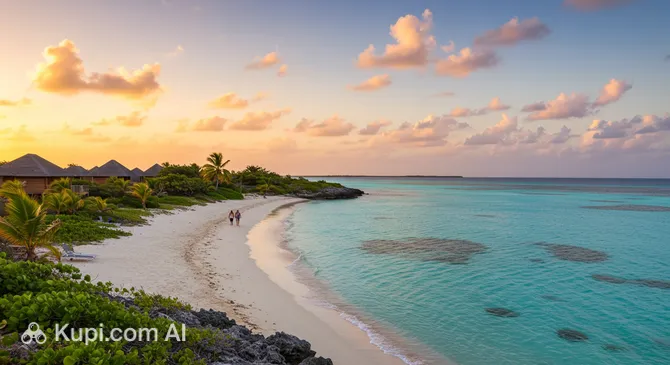
Little Cayman. Source: Kupi.Binoculars

Despite its diminutive size, the island is a giant in the world of scuba diving. It is world-renowned for the Bloody Bay Wall, a breathtaking marine park with a sheer coral drop-off that plunges thousands of feet into the abyss, attracting divers from every corner of the globe. Above the water, the Booby Pond Nature Reserve serves as a critical habitat for the largest breeding colony of Red-Footed Boobies in the Western Hemisphere. Visitors exploring the history of Little Cayman will discover that this quiet island has a rich past of discovery and resilience that adds depth to its tranquil charm.

Whether you are seeking world-class underwater adventures, exceptional birdwatching opportunities, or simply a hammock on a deserted beach, Little Cayman delivers an unforgettable experience. It is the ideal destination for travelers looking to disconnect from the digital world and immerse themselves in unspoiled Caribbean beauty.

Weather Overview

Little Cayman enjoys a consistently warm tropical climate, making it an inviting destination at any time of the year. To plan your trip effectively, it is helpful to check the weather in Little Cayman before you travel. Temperatures remain pleasant throughout the seasons, generally ranging from an average of 25.5°C in January to roughly 28.6°C in August.

The island experiences distinct variations in rainfall. The driest period typically occurs in March and April, which see only about 5 wet days per month. Conversely, the wet season brings more frequent showers, with October experiencing the highest frequency of rain at 23 wet days, followed by May with 20 wet days. Overall, visitors can expect warm tropical conditions year-round with a mix of sunny days and occasional showers, particularly in the late spring and autumn months.

Interesting Facts

Beyond the pristine beaches and world-class diving sites, Little Cayman holds several fascinating secrets that highlight its unique charm and ecological importance. This tiny island offers more than just relaxation; it is a place where nature dictates the rules and hidden gems await discovery.
  • Iguanas have the right of way. The island is home to the endemic Sister Islands Rock Iguana, a species found nowhere else on earth. These prehistoric-looking creatures are so cherished that they legally have the right of way on the roads, and drivers are accustomed to stopping and waiting for them to cross.

  • A landlocked mystery. Tarpon Lake is a fascinating mangrove pond located in the middle of the island. It is inhabited by a population of large tarpon that are completely landlocked; it is widely believed that their ancestors were trapped there during a hurricane storm surge decades ago and adapted to the environment.

  • Your own private island. Just off the south coast lies Owen Island, a small uninhabited islet that offers a true castaway experience. It is accessible only by kayak or sailboat, allowing visitors to enjoy a picnic on a deserted beach with a spectacular view of the larger island.

  • Zero traffic lights. To maintain its tranquil atmosphere, Little Cayman has no traffic lights, shopping malls, or fast-food franchises. The infrastructure is minimal, reinforcing the feeling of being in a remote sanctuary within the Cayman Islands.

How to Get There

Reaching this remote island sanctuary is an adventure in itself, typically involving a short and scenic inter-island flight. Since the island is small and secluded, there are no direct long-haul flights landing here; instead, travelers connect through larger neighboring hubs. For a detailed breakdown of routes and travel tips, you can read more about how to get to Little Cayman.

The island is served directly by Little Cayman Airport (LYB). Located on the island itself, this small airfield is the final destination for visitors. Unlike larger destinations, the airport is situated just minutes away from the main resort areas, making the transfer by taxi or shuttle incredibly quick—typically taking only 5 to 10 minutes. This convenient proximity means you can be on the beach shortly after landing.

Most international travelers will first arrive at Owen Roberts International Airport (GCM). It is important to note that this major airport is not in Little Cayman, but in George Town on Grand Cayman, roughly 145 km away. It serves as the primary international gateway to the country, welcoming flights from major global cities. From here, you must transfer to a domestic flight to reach your final destination.

Another convenient option for island-hoppers is Charles Kirkconnel International Airport (CYB). This airport is located on the neighboring island of Cayman Brac, just about 16 km from Little Cayman. It handles regional traffic and serves as a close connecting point for those exploring the Sister Islands.

For clarity, here is a summary of the main airports:

Airport Name City Passenger Traffic Km from City
Sangster International AirportMontego BayLarge259.2
Owen Roberts International AirportGeorge TownLarge145.5
Charles Kirkconnel International AirportCayman BracMedium16.4
Little Cayman AirportLittle CaymanSmall6.3
Cayo Largo Del Sur AirportCayo Largo265.0

Main Attractions

Little Cayman may be small, but its attractions are legendary among nature enthusiasts and those seeking tranquility. The island's charm lies not in man-made entertainment complexes, but in its pristine natural environments, from plunging coral walls to secluded sandy tips. Visitors here are treated to an intimate connection with the Caribbean environment in its most unspoiled form.

Bloody Bay Wall Marine Park is arguably the most famous attraction on the island and a bucket-list destination for divers worldwide. This spectacular underwater formation features a sheer coral wall that starts at a shallow depth of roughly 18 feet before dropping vertically into the deep blue abyss. Its accessibility makes it renowned not just for scuba divers, who can explore the vibrant sponge life and hanging gardens, but also for snorkelers who can witness the dramatic drop-off from the surface. The clarity of the water and the abundance of marine life, including turtles and eagle rays, make it a mesmerizing experience.

For beach lovers, Point of Sand offers the island’s finest stretch of coastline. Located at the eastern tip of Little Cayman, this secluded beach boasts pink-hued sand and crystal-clear shallow waters that are perfect for swimming and snorkeling. Unlike the rockier shores found elsewhere on the island, this spot provides a soft, sandy entry into the sea. It is an idyllic place for a quiet picnic with views of neighboring Cayman Brac, though visitors should always be mindful of the currents when swimming further out.

Nature lovers should not miss the Booby Pond Nature Reserve, a designated Ramsar site of international importance. This protected wetland is home to the Western Hemisphere's largest breeding colony of Red-Footed Boobies, as well as a significant population of Magnificent Frigatebirds. The National Trust for the Cayman Islands operates a visitor center here, featuring an observation deck equipped with high-powered telescopes. This vantage point allows guests to observe the fascinating aerial battles between the boobies and the frigatebirds without disturbing their natural habitat.

To gain insight into the island's heritage, a visit to the Little Cayman Museum is highly recommended. Situated in Blossom Village, this small but charming facility preserves the unique history of the community. Exhibits display artifacts related to the island's maritime past, the early days of settlement, and the local culture. It provides a welcoming educational break from the sun and offers a deeper appreciation for the resilience of the people who call this remote island home.

Local Cuisine

The local cuisine of Little Cayman is a delightful reflection of its island heritage, focusing heavily on fresh seafood caught daily from the surrounding Caribbean waters. While the dining scene is far smaller and quieter than that of Grand Cayman, it offers an authentic "sea-to-table" experience where quality ingredients take precedence over elaborate presentation. Visitors can expect hearty, flavorful meals often prepared with a home-cooked touch, blending traditional Caribbean spices with international influences.

Seafood lovers will find themselves in paradise here. A must-try delicacy is the conch, served in various forms such as golden-fried fritters, creamy chowders, or as a zesty marinated salad. Another unique culinary highlight is the lionfish. To combat this invasive species and protect the coral reefs, local chefs have turned this fish into a sustainable menu staple; its mild, white meat is delicious whether grilled, fried, or served as ceviche. For a taste of tradition, look for Cayman-style fish, typically prepared with sautéed onions, peppers, and tomatoes in a savory sauce.

To complement the tropical flavors, the island offers a refreshing selection of beverages. The Mudslide is the most iconic cocktail of the Cayman Islands, a rich and creamy blend of vodka, coffee liqueur, and Irish cream that serves as the perfect cooling treat. Rum punches are also ubiquitous, often made with secret house recipes. For those preferring non-alcoholic or lighter options, fresh fruit juices and Caybrew, the locally brewed beer of the islands, are popular choices to enjoy while watching the sunset.

The food culture on Little Cayman is distinctively communal and relaxed. Unlike destinations with bustling street food markets or rows of competing restaurants, dining here is primarily centered around the island's small resorts. Many of these lodges offer full-board meal plans featuring buffet or family-style dining, fostering a friendly atmosphere where guests share stories of their day's adventures. There is typically only one standalone restaurant and bar on the island, known as the "Hungry Iguana," which serves as a social hub for both locals and tourists seeking a casual meal and a game of dominoes.

Travel Tips

Visiting Little Cayman is a unique experience that requires a bit of preparation due to its remote nature and small size. These practical tips will help you adjust to the island's slow pace and ensure a smooth, relaxing vacation.

  1. Clothing and Essentials. Pack lightweight, breathable summer clothing and plenty of swimwear, as the dress code is extremely casual across the island. Since you will likely spend a lot of time outdoors, bring reef-safe sunscreen, insect repellent for the evenings, and a US-style power adapter (Type A or B) for your electronics.

  2. Getting Around. There is no public transportation, metro, or ride-hailing service here. The most popular way to explore is by bicycle, which many resorts provide for guests, though you can also rent scooters or a car if you prefer air-conditioned travel.

  3. Money Matters. The official currency is the Cayman Islands Dollar (KYD), but US Dollars are widely accepted at a fixed exchange rate. While most resorts and the few local businesses accept credit cards, it is crucial to carry some cash for small purchases, as ATM access is extremely limited on the island.

  4. Health and Safety. Little Cayman is exceptionally safe with a very low crime rate, but medical facilities are limited to a small health clinic that handles minor issues. Bring a full supply of any prescription medications and a basic first-aid kit, as there is no 24/7 pharmacy and serious medical emergencies require an airlift to the Cayman Islands capital, George Town.

  5. Communication. English is the primary language, making communication effortless for most international visitors. Wi-Fi is standard in hotels and resorts, but mobile signal can be spotty in remote areas; if you need constant data, check if your roaming plan works or buy a SIM card upon arrival in the country.

  6. Local Etiquette. The island culture is built on friendliness and community, so it is polite to wave or say "good morning" to everyone you pass on the road. Embrace the concept of "island time"—service is relaxed and unhurried, so patience and a smile go a long way.

  7. What to Avoid. Do not disturb the wildlife, especially the Sister Islands Rock Iguanas, which are a protected species and frequently cross the roads. Also, avoid expecting late-night shopping or parties; the island is quiet, and businesses often close early.

  8. Sunday Closures. Be aware that most shops, including the grocery store, are closed on Sundays. If you are staying in a villa or self-catering accommodation, make sure to purchase your food and supplies on Saturday.

By embracing the simplicity and tranquility of this destination, you are sure to have a rejuvenating trip. Keep these tips in mind to navigate the island like a pro and focus on enjoying the stunning natural beauty around you.

Entertainment & Nightlife

Nightlife in Little Cayman is refreshingly different from the high-energy party scenes found on larger Caribbean islands. Instead of crowded nightclubs, neon-lit strips, and loud music, the evening entertainment here revolves around relaxed social gatherings, spectacular stargazing, and sharing stories of the day's underwater adventures. The atmosphere is intimate and friendly, with the island's small population and visitors mingling in a few key spots where the "dress code" rarely requires more than shorts and flip-flops.

The hub of activity is undoubtedly Blossom Village. Since there are no sprawling nightlife districts, this small area serves as the community center. Here you will find the island's only standalone bar and restaurant, The Hungry Iguana. Known affectionately by locals as "The Iggy," it is the undisputed go-to spot for a cold beer, a game of dominoes, and mingling with residents. It offers a classic, unpretentious Caribbean vibe where the mood is always welcoming, and it is the closest thing the island has to a "nightclub," though the music is usually at a conversational volume.

Most other evening entertainment takes place within the island's diving lodges and resorts, which often welcome non-guests to their bars. Little Cayman Beach Resort features a lively pool bar that is popular for sunset drinks and occasional karaoke nights, drawing a crowd of divers recounting their sightings on the Bloody Bay Wall. Similarly, the bar at the Southern Cross Club offers a sophisticated yet laid-back setting right on the beach, perfect for enjoying a cocktail with sand between your toes. These venues typically close relatively early, often around 10:00 PM or 11:00 PM, reflecting the island's culture where mornings start early for boat trips.

Practical advice for a night out includes carrying a flashlight or using your phone's torch. Street lighting is minimal to nonexistent to protect nesting turtles and maintain the island's pristine dark skies, so walking between venues can be pitch black. There is no formal taxi service or public transport at night; most visitors walk, cycle, or arrange a ride with their resort shuttle. The island is incredibly safe for night walks regarding personal security, but you must be vigilant about your footing to avoid stepping on land crabs or the protected rock iguanas that may be crossing the road.

While the nights are tranquil, daytime entertainment offers a different kind of engagement. Without traditional amusement parks or cinemas, the island focuses on nature and culture. Visitors can explore the Little Cayman Museum to learn about the island's maritime history or spend time birdwatching at the nature reserves. The entertainment here is organic and unhurried, ensuring that whether it is day or night, true relaxation remains the main attraction.

Parks & Museums

Little Cayman is essentially one vast natural sanctuary, where the distinction between formal parks and wild landscapes is beautifully blurred. Instead of manicured city gardens, the island offers protected wetlands, rugged nature trails, and untouched reserves that allow visitors to step directly into the habitats of rare wildlife. The cultural scene is equally intimate, with small but meaningful venues dedicated to preserving the history and environmental heritage of this tight-knit community.

Salt Rocks Nature Trail is one of the island's premier locations for a terrestrial adventure. Located on the western end, this trail follows a historic path originally used for phosphate mining in the 19th century. Walking this route offers a dual experience: you are surrounded by native mahogany and orchids while treading on ground that reveals the island's geological past. It is also a prime spot for encountering the endemic Sister Islands Rock Iguana in its natural habitat, basking on the sun-warmed limestone. The trail is relatively easy to navigate, making it accessible for most walkers who want to see the terrestrial side of the island beyond the beaches.

While the Booby Pond Nature Reserve is famous for its birds, it stands out as a protected wetland park of global significance. Designated as a Ramsar site, this 200-acre sanctuary is not just a viewing point but a critical ecosystem consisting of old-growth mangrove forests. Unlike a typical park with benches and playgrounds, this reserve offers a raw look at a thriving wetland. Visitors can access the viewing platform to witness the dynamic interactions between the red-footed boobies and the magnificent frigatebirds, providing a front-row seat to one of nature's most dramatic aerial displays.

For a dose of culture, the Little Cayman Museum in Blossom Village is the island’s treasure chest of history. Though the building is modest, the collection inside is lovingly curated, featuring items that tell the story of the island's "stamps," maritime traditions, and early pioneer life. Exhibits often include artifacts from shipwrecks, traditional tools used by the early settlers, and photographs that document the slow, resilient development of the community. It is an essential stop for anyone wishing to understand the human element behind this remote paradise.

Adjacent to the nature reserve is the National Trust Visitors Centre, which functions as both an educational museum and a gateway to the island's environment. This facility focuses heavily on natural history, offering detailed displays about the local flora and fauna, including the life cycles of the turtles and iguanas protected on the island. It serves as an excellent orientation point for eco-tourists, providing context to the sights seen on dives and hikes. The centre also hosts a small library and gift shop, where purchases support local conservation efforts.

For a truly quiet and authentic experience, seek out the Jackson’s Bight area. Less frequented than other spots, this wetland interface on the north coast offers a serene environment for spotting the West Indian Whistling Duck. It is a favorite among serious birdwatchers and those looking to enjoy the sounds of nature without another soul in sight.

Getting Around

When planning a trip to Little Cayman, it is essential to understand that the transport "system" is defined by its simplicity and absence of modern congestion. Given the island's tiny population and small size, there is no public transportation network. You will not find buses, trains, metros, or scheduled shuttles here. Instead, getting around is an informal and relaxed affair that perfectly matches the island's laid-back atmosphere.

The primary mode of transport for most visitors is the humble bicycle. The island is flat and the roads are quiet, making cycling not only a practical way to get from point A to point B but also an enjoyable activity in itself. Many resorts and villas provide complimentary bicycles for their guests, while others offer them for a small daily rental fee. For those who prefer a bit more speed without the physical effort, electric scooters and mopeds are also popular alternatives available for rent near the airport or through local accommodations.

For travelers wanting to explore the far reaches of the island, such as the remote Point of Sand, renting a car is the best option. Rental agencies are located at the airport and typically offer Jeeps or SUVs, which are well-suited for the unpaved roads leading to secluded beaches. Since there is no public transit ticketing system, your travel budget should account for rental costs rather than bus passes. Major credit cards are widely accepted by rental agencies, though it is always wise to carry some cash for smaller incidental expenses.

Driving in Little Cayman comes with its own unique set of rules. As a British Overseas Territory, driving is on the left-hand side of the road. There are no traffic lights on the entire island, and the maximum speed limit is generally 25 mph (40 km/h). A critical rule of the road here is to yield to wildlife; the endemic Sister Islands Rock Iguanas frequently sunbathe on the asphalt and legally have the right of way. Drivers are expected to stop and wait patiently for them to move.

Regarding taxi services, do not expect to hail a cab on the street or use ride-sharing apps like Uber, as they do not operate here. A few independent taxi operators exist, but they are primarily used for pre-arranged airport transfers or specific trips organized through your hotel concierge. Walking is a feasible option within the main resort area of Blossom Village, but for any distance beyond that, securing a bike or a vehicle is highly recommended to fully enjoy the freedom of this secluded paradise.

Accommodation

Accommodation in Little Cayman is as relaxed and intimate as the island itself, offering a stark contrast to the sprawling high-rise developments found in many other Caribbean destinations. Visitors will not find massive hotel chains or all-inclusive mega-resorts here. Instead, the island specializes in boutique dive resorts, charming guest houses, and private villas or condominiums. The atmosphere is universally low-key, with properties designed to blend seamlessly into the natural landscape, often situated right on the beachfront to maximize the stunning ocean views.

The majority of places to stay are concentrated along the south coast, particularly around South Hole Sound and near Blossom Village. This area is convenient as it keeps you close to the airport, the island's general store, and the few local dining spots. Staying here offers easy access to the water for swimming and kayaking, while still being just a short boat ride away from the famous dive sites on the north shore. For those seeking absolute seclusion, there are a few private rental properties scattered towards the eastern end of the island near Point of Sand, offering a true "castaway" experience.

Given the island's reputation as a world-class diving destination, many accommodations operate as dedicated dive resorts. These properties typically offer comprehensive packages that include your room, meals, and daily boat dives. This "dive lodge" style of hospitality fosters a communal atmosphere where guests often eat together family-style and share stories of their underwater encounters. For travelers who prefer more independence, renting a condo or a beachfront villa is a popular choice, providing the freedom to cook your own meals and live like a local.

Booking Tip: Because the number of rooms on the island is very limited and the destination has a loyal following of returning visitors, accommodation can fill up quickly, especially during the peak winter season (December to April). It is highly recommended to book your stay several months in advance to secure your preferred dates and property.

Regarding costs, Little Cayman is generally considered a mid-range to luxury destination. While you won't find rock-bottom budget hostels, the value is often found in the inclusive nature of the resort packages, which cover diving and dining. Booking is typically done directly through the resort websites or specialized dive travel agents, though some private villas and condos can be found on major online rental platforms. Regardless of where you choose to stay, the experience is centered on tranquility, nature, and a warm, personal welcome.

Nearby Cities

For those looking to explore the surroundings, Little Cayman serves as an excellent base for day trips to several interesting nearby locations:

City Population Distance (km)
George Town 27,704 148
Cayman Brac 2,000 25

Cayman Brac is the closest neighbor and makes for the easiest excursion. Known for its dramatic limestone ridge called "The Bluff," it offers rugged terrain that appeals to hikers, rock climbers, and cave explorers, providing a striking contrast to the flat landscape of Little Cayman. For those seeking a more vibrant atmosphere, George Town on Grand Cayman is the bustling capital of the territory. A visit here offers access to duty-free shopping, historical museums, and a wider variety of dining options, showcasing the livelier side of island life.

These nearby destinations offer a glimpse into the diverse culture and landscapes of the region.

Shopping & Souvenirs

Shopping in Little Cayman reflects the island's overall character: small, intimate, and focused on essentials rather than excess. Visitors should not expect the duty-free luxury boutiques or sprawling retail complexes found on Grand Cayman. Instead, the shopping experience here is limited to a few charming spots where you can purchase daily necessities, groceries, and unique island mementos. It is a place where "retail therapy" means picking up a locally crafted ornament or a book on marine life rather than high-end fashion.

The primary commercial hub, if it can be called that, is located in Blossom Village. This small area near the airport houses the island's main grocery store and a hardware store, forming the "Village Square." This is where locals and tourists alike come to stock up on food, sunscreen, and other practical supplies. Nearby, you might find a liquor store, but the options are functional and compact, designed to serve the immediate needs of the community and visitors staying in self-catering villas.

There are absolutely no shopping malls on the island. Travelers accustomed to large department stores or international brand outlets will find none of that here. The retail infrastructure is intentionally minimal to preserve the island's undeveloped charm. If you are looking for extensive shopping, it is best to do so in George Town on the main island before transferring to Little Cayman.

While there are no bustling street markets, the National Trust Visitors Centre operates a small but delightful gift shop that serves as a cultural touchstone. This is one of the best places to browse for meaningful items. Additionally, most of the dive resorts have their own small boutiques or gift shops selling swimwear, t-shirts, and basic diving gear, acting as mini-markets for guests who may have forgotten an essential item.

When it comes to souvenirs, the best keepsakes are those that celebrate the island's natural beauty. Look for jewelry made from Caymanite, a semi-precious stone found only in the Cayman Islands, characterized by its beautiful earth-tone layers. Other popular items include locally produced hot sauces, books on Caribbean flora and fauna, and "Sister Islands" branded apparel. Purchasing gifts from the National Trust shop is particularly recommended, as the proceeds often go directly towards local conservation efforts.

Store hours are quite limited compared to larger destinations. Most shops open around 9:00 AM and close by 5:00 PM or 6:00 PM. A critical detail for planning is that most businesses, including the grocery store, are closed on Sundays. Payment is straightforward; the Cayman Islands Dollar (KYD) is the official currency, but US Dollars are universally accepted, as are major credit cards. However, it is always wise to carry some cash for smaller transactions.

One of the perks of shopping in the territory is that it is a tax-neutral jurisdiction. There is no sales tax or VAT added to the price of goods at the register, meaning the price you see is the price you pay. While there is no "tax refund" system for tourists because there is no tax to refund, visitors enjoy the benefit of tax-free shopping on all their purchases.

Reached the end of the page?

That means the route is fully explored