Support

Santiago de Cuba

About

Santiago de Cuba is the second-largest city in Cuba and beats to a distinct, vibrant rhythm that sets it apart from the rest of the island. Often referred to as the country's cultural capital, it is famous for its deep Afro-Cuban heritage, infectious music, and incredibly warm hospitality. The city's atmosphere is electric, characterized by colorful colonial architecture and a spirited population that takes pride in their unique identity.

Located on the southeastern coast of the island, the city is dramatically nestled between the azure waters of the Caribbean Sea and the majestic Sierra Maestra mountains. This unique geography creates a stunning backdrop for the urban landscape, which is home to approximately 507,000 inhabitants. The climate here is tropical and typically warmer than in the northern parts of the country, perfectly matching the fiery and energetic spirit of its people.

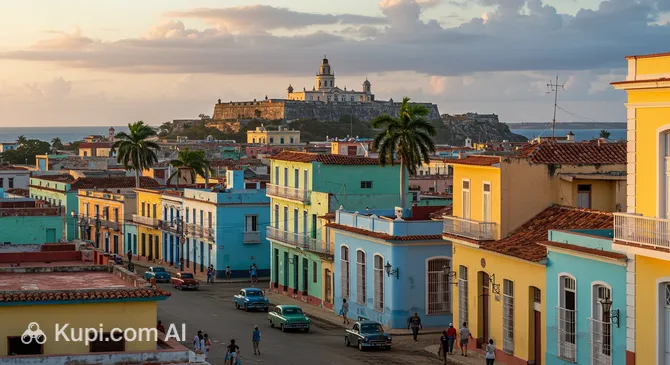
The history of Santiago de Cuba is woven into every street corner and historic facade. Founded in 1515, it served as the first capital of the island and has played a pivotal role in shaping the nation's narrative over the centuries. Visitors can explore this rich past at landmarks like the Castillo de San Pedro de la Roca (El Morro), a UNESCO World Heritage site that stands guard over the bay, offering breathtaking views and a glimpse into the era of pirates and privateers.

Beyond its historical allure, the city is celebrated as the birthplace of traditional musical styles like son and bolero. A visit to the legendary Casa de la Trova offers a chance to immerse yourself in these soulful melodies performed by local virtuosos. Whether you are exploring the bustling Parque Céspedes or admiring the sanctity of the Basilica of Our Lady of Charity in the nearby town of El Cobre, Santiago de Cuba promises an unforgettable journey filled with passion, culture, and discovery.

Weather Overview

The city enjoys a tropical climate characterized by consistent warmth throughout the year, making it an excellent destination for sun-seekers. The weather in Santiago de Cuba is generally hot, with average temperatures ranging from a comfortable 24.3°C in January to a peak of roughly 28.3°C in August. Even during the cooler winter months, minimum temperatures rarely dip below 20°C, ensuring pleasant evenings for strolling through the historic streets.

Rainfall patterns are distinct, dividing the year into drier and wetter periods. The winter months, specifically from December through March, are typically dry with only about 3 to 6 wet days per month. In contrast, the season from May to October brings more frequent showers, with October seeing up to 23 wet days. However, the summer heat remains intense, with maximum temperatures often reaching over 32°C, so travelers should be prepared for both sunshine and occasional tropical downpours during this time.

Interesting Facts

Beyond the well-trodden paths of the historic center, Santiago de Cuba hides intriguing stories that define its unique character. From its role in the global spirit industry to ancient architectural marvels, the city offers plenty of surprises for the curious traveler.

Plaza de Marte. Source: Kupi.Binoculars
  • The city is the actual birthplace of the world-famous Bacardí rum brand. In 1862, Facundo Bacardí Massó bought a small tin-roofed distillery in Santiago and developed a revolutionary charcoal filtration process, creating the first clear, mixable "white" rum that would eventually change cocktail culture globally.

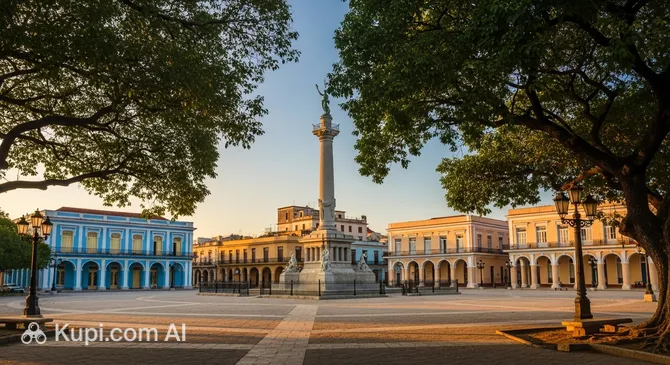
  • While it is now a bustling hub of social life, Plaza de Marte has a martial origin story reflected in its name, which honors Mars, the Roman god of war. In the colonial era, this square served as a military parade ground and was once the location where the city limits officially ended and the countryside began.

  • Santiago de Cuba houses what is widely considered the oldest standing residence in the entire country, the Casa de Diego Velázquez. Built in the early 16th century for the island's first governor, the structure miraculously survived centuries of earthquakes and hurricanes and now serves as a museum displaying colonial life.

  • The Tivoli neighborhood showcases a unique French influence that sets it apart from typical Spanish colonial settlements. This area was developed by French immigrants fleeing Haiti in the late 18th century, who brought their distinct architecture and customs, and who were also responsible for establishing the first coffee plantations in the nearby mountains.

How to Get There

Reaching this vibrant Caribbean city is relatively straightforward, with air travel being the most common method for international visitors. For a detailed breakdown of routes and transportation options, you can read more about how to get to Santiago de Cuba.

The most convenient entry point is the Antonio Maceo Airport (SCU), situated just 5.2 km from the city center. As a key transport hub for the region, it handles a significant volume of travelers and welcomes flights from various international destinations. Due to its close proximity, the transfer to the downtown area is quick; a taxi ride typically takes approximately 30 minutes, allowing you to start exploring almost immediately.

Another popular option is to fly into Frank Pais Airport (HOG) in the city of Holguin, which is located about 99 km away. This airport serves as a major gateway for the eastern provinces of Cuba. From Holguin, you can reach Santiago de Cuba by taxi or bus, a journey that usually takes around 2.5 to 3 hours, offering a chance to see the scenic countryside along the way.

For clarity, here is a summary of the main airports:

Airport Name City Passenger Traffic Km from City
Antonio Maceo Airport Santiago de Cuba High 5.2
Norman Manley International Airport Kingston High 251.2
Frank Pais Airport Holguin Medium 99.0
Ignacio Agramonte International Airport Camagüey Medium 261.3
Boscobel Ocho Rios Small 215.0

Main Attractions

Santiago de Cuba is a treasure trove of history and culture, offering visitors a chance to step back in time and experience the soul of the Caribbean. The city's main sights range from colonial fortresses and lively plazas to sacred pilgrimage sites, each telling a unique part of the island's story.

One of the most iconic landmarks is the Castillo de San Pedro de la Roca, often simply called El Morro. This UNESCO World Heritage site sits atop a promontory guarding the entrance to the bay. Built in the 17th century to protect against pirate attacks, the fortress is a masterpiece of military engineering. Today, it offers visitors spectacular views of the Caribbean Sea and houses a fascinating museum on piracy. The sunset ceremony, complete with cannon fire, is a highlight not to be missed.

In the heart of the city lies Parque Céspedes, a bustling square that serves as the social and political center of Santiago. Surrounded by historic buildings, including the majestic Cathedral of Our Lady of the Assumption and the Town Hall, this park is where locals gather to chat and listen to music. It is a perfect spot to soak in the local atmosphere, admire the colonial architecture, and feel the vibrant pulse of daily life in the city.

Another vital hub of activity is Plaza de Marte. Located at a higher point in the city, this expansive square is a favorite meeting place for residents and a gateway to the historic center. It features monuments dedicated to Cuban independence heroes and is often filled with the sounds of live music and impromptu gatherings. Its strategic location makes it an excellent starting point for exploring the surrounding streets, which are lined with shops, hotels, and restaurants.

For a deeper dive into the nation's past, a visit to the Cementerio Santa Ifigenia is essential. This necropolis is the final resting place of many of Cuba's most notable figures, including the national hero José Martí and the revolutionary leader Fidel Castro. The cemetery is renowned for its impressive marble mausoleums and the solemn Changing of the Guard ceremony that takes place every half hour at Martí's tomb, attracting tourists from around the world.

Finally, just a short trip outside the city limits stands the Basilica de Nuestra Señora de la Caridad del Cobre. Nestled in the foothills of the Sierra Maestra, this shrine is dedicated to Cuba's patron saint and is the most important pilgrimage site on the island. The church holds a deep spiritual significance for Cubans, and the collection of offerings left by devotees—ranging from Olympic medals to personal mementos—is a moving testament to their faith.

Local Cuisine

Local Cuisine:

The culinary landscape of Santiago de Cuba is a flavorful reflection of its diverse heritage, blending Spanish, African, and indigenous Taino influences into what is known as comida criolla. As the heart of the Oriente region, the local cuisine here has a distinct character compared to the rest of the island. Food is often prepared with more spices and a slightly sweeter touch, utilizing the abundance of tropical produce grown in the fertile lands surrounding the Sierra Maestra mountains.

A staple of the local diet is congrí, but unlike the black beans and rice found in Havana, the eastern version is typically made with red beans, giving it a unique color and taste. Visitors should not miss the chance to try lechón asado, succulent roast pork marinated in sour orange and garlic, often served with tostones (fried green plantains) or boiled cassava with mojo sauce. The region is also famous for its rich stews, such as ajiaco, which combines various meats and root vegetables into a hearty meal.

Santiago de Cuba Restaurant. Source: Kupi.Binoculars

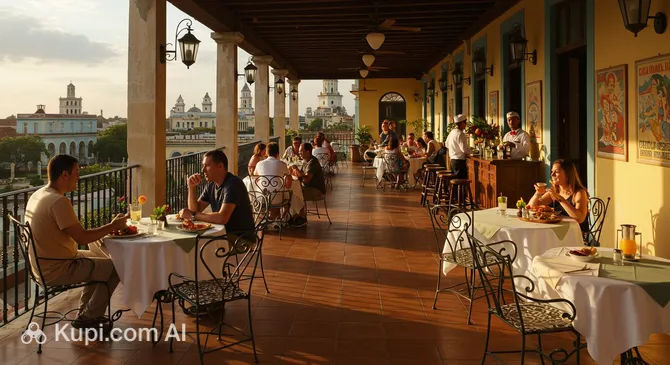
Dining in the city offers a mix of state-run establishments and thriving private restaurants known as paladares, where travelers can experience authentic home-style cooking. One notable spot to enjoy a meal is the Santiago de Cuba Restaurant. Venues like this often provide a cozy atmosphere where you can savor fresh seafood or traditional meat dishes while soaking in the local hospitality.

To complete the gastronomic experience, one must indulge in the city's legendary beverages. Santiago de Cuba is the cradle of light rum, and sipping a glass of aged ron is almost a rite of passage. Additionally, the nearby mountains produce some of the finest coffee in the country. A cup of strong, sweet Cuban coffee is the perfect way to end a meal or start a day of exploration in this vibrant Caribbean city.

Travel Tips

Visiting Santiago de Cuba is an immersion into a world of intense heat, rhythmic music, and steep, winding streets. To make the most of your journey to this vibrant Caribbean hub, a little preparation goes a long way. Here are some practical tips to help you navigate the city with ease and enjoy its unique cultural flavor.

  1. Clothing and Gear: Given the tropical climate, lightweight and breathable fabrics like cotton or linen are essential to cope with the heat and high humidity. Since the city is built on hills, comfortable, sturdy walking shoes are a must for exploring the steep streets and uneven pavements. Don't forget a hat, sunglasses, and high-SPF sunscreen. If you plan to visit religious sites like the Basilica of El Cobre, remember to dress modestly, covering your shoulders and knees.
  2. Transportation: Public buses, known as guaguas, are often overcrowded and difficult for visitors to navigate. The most convenient options for tourists are private taxis or classic cars; always negotiate the fare before getting in. For shorter distances, motorcycle taxis (moto-taxis) are a popular and affordable local way to get around, though they are for the adventurous. Renting a car can be expensive and fuel shortages may occur, so arranged transport is often more reliable.
  3. Finances: Cash is king in Santiago de Cuba. While the official currency is the Cuban Peso (CUP), many private businesses prefer foreign currency like Euros or USD. Bring plenty of cash in small denominations, as credit cards issued by US banks do not work, and non-US cards can be unreliable or subject to connection issues. ATMs are available but often empty or out of service. Tipping is customary and highly appreciated in restaurants, by musicians, and for hotel staff.
  4. Health and Safety: Santiago is generally safe for tourists, but petty theft can happen, so keep an eye on your belongings in crowded areas like Parque Céspedes. Avoid drinking tap water; always opt for sealed bottled water to prevent stomach issues. Pharmacies often face shortages, so it is crucial to bring a well-stocked personal medical kit with painkillers, stomach relief medicine, and any prescription drugs you need.
  5. Communication: Spanish is the primary language, and while staff in major hotels may speak English, it is less widely spoken in the streets than in Havana. Learning a few basic phrases or having an offline translation app will be very helpful. Internet access is not always available; you will typically need to buy ETECSA Wi-Fi cards to use in public parks or hotel lobbies. Downloading offline maps (like Maps.me) before you arrive is highly recommended for navigation.
  6. Local Etiquette: The people of Santiago, known as santiagueros, are incredibly warm and hospitable. Greetings are important; a simple "Buenos días" or a handshake goes a long way. The pace of life is slower here, so patience is key when waiting for service. Music is central to life, so don't be surprised if locals invite you to dance—joining in, even clumsily, is seen as a gesture of goodwill.
  7. What to Avoid: refrain from buying cigars from street vendors, as they are almost always counterfeits of inferior quality; buy from official La Casa del Habano shops instead. Also, avoid taking photos of military personnel or police, as this is strictly prohibited. Finally, be firm but polite with jineteros (street hustlers) who may try to steer you to specific restaurants or shops for a commission.
  8. Additional Tip: The sun in Santiago is notoriously strong, often feeling more intense than in other parts of the island. Plan your outdoor activities for the early morning or late afternoon to avoid the midday peak. Use the hottest hours of the day to visit museums, enjoy a long lunch, or rest in the shade, just as the locals do.

By keeping these practicalities in mind, you will be well-equipped to handle the heat and hustle of the city. Santiago de Cuba rewards the prepared traveler with genuine smiles, unforgettable history, and a rhythm that will stay with you long after you leave.

Entertainment & Nightlife

The nightlife in Santiago de Cuba is legendary, fueled by a rhythm that seems to pulse through the city's veins long after the sun goes down. As the birthplace of traditional Cuban music styles like son and bolero, the evening entertainment here is less about modern electronic beats and more about live bands, soulful singing, and spontaneous dancing. The atmosphere is electric yet welcoming, with venues ranging from intimate open-air patios to vibrant cabaret shows that rival those in Havana.

The heart of the action is undoubtedly Calle Heredia, a street that comes alive at night with music pouring out of every doorway. This area is home to the famous Casa de la Trova, a must-visit institution where legendary musicians and rising stars perform traditional melodies. Just a short distance away, Plaza de Marte transforms into a bustling social hub in the evenings. It serves as a meeting point for locals and tourists alike, surrounded by bars and cafes where you can enjoy a refreshing mojito while soaking in the lively street scene.

For those seeking a more formal evening out, the city offers spectacular cabaret experiences. The Tropicana Santiago is a highlight, offering a dazzling show with colorful costumes, intricate choreography, and a full orchestra under the stars. If you prefer a relaxed dinner followed by drinks, the Santiago de Cuba Restaurant provides a pleasant atmosphere to enjoy local cuisine before heading out to the clubs. Another popular spot is the Claustro del Maestro, a patio bar set in a colonial building that often hosts excellent live bands.

Practicality is key when navigating the nightlife here. Most clubs and music venues start to fill up around 10:00 PM, though the party often continues until the early hours of the morning. The dress code is generally "tropical casual"—smart but comfortable enough for the heat. While entrance fees (cover charges) are usually affordable, they must often be paid in cash. It is highly recommended to bring small bills for tips and drinks, as card machines are rare in night venues.

Safety in Santiago de Cuba is generally good, especially in the main tourist districts like the historic center and around the major plazas. However, as in any city, it is wise to stay in well-lit areas and avoid walking alone on deserted streets late at night. When returning to your accommodation, always use official registered taxis rather than unlicensed private cars. You can usually find them waiting near major hotels or main squares like Plaza de Marte.

While the nights are for music, daytime entertainment in the city offers a different kind of cultural richness. Visitors can explore the extensive history of the region at the Emilio Bacardí Moreau Museum, the oldest museum in Cuba, or wander through the picturesque Tivoli neighborhood. For families, the Parque de los Sueños (Park of Dreams) offers amusement rides and green spaces, providing a fun and relaxing break from the city's historical tours.

Parks & Museums

Santiago de Cuba offers a compelling mix of lush natural landscapes and profound historical depth, making it a destination where culture and nature seamlessly intertwine. From the verdant slopes of the Sierra Maestra to the halls of Cuba's oldest museums, the city invites visitors to explore its green soul and revolutionary spirit.

For nature lovers, the Baconao Park is an absolute must-visit. Designated a UNESCO Biosphere Reserve, this expansive area stretches along the coast and into the mountains, offering a diverse range of attractions. Visitors can wander through the Valle de la Prehistoria, a unique park filled with life-sized dinosaur sculptures that are a hit with families, or relax on the peaceful beaches that line the park's edge. It is a perfect escape from the city bustle, combining ecological tourism with whimsical art.

Another significant natural landmark is La Gran Piedra (The Big Rock), a colossal volcanic monolith perched high in the mountains. A climb up its 459 steps rewards adventurers with one of the most spectacular panoramic views in the Caribbean; on a clear day, you can see the coast of Jamaica. Surrounding the rock is a botanical garden featuring orchids and ferns that thrive in the cool, misty mountain air, providing a refreshing contrast to the tropical heat of the city below.

Closer to the city center, Plaza de Marte serves as a vital green lung and social hub. While it functions as a bustling urban square, its shaded benches and monuments offer a pleasant respite for pedestrians. Historically a parade ground, it now connects the old town with the newer districts, making it an excellent spot for people-watching and soaking in the local atmosphere.

When it comes to museums, the Museo Municipal Emilio Bacardí Moreau stands out as a cultural jewel. Founded by the famous rum magnate and former mayor, it is the oldest museum in Cuba. The eclectic collection ranges from indigenous artifacts and colonial weaponry to an unexpected exhibit of Egyptian mummies. The building itself is an architectural masterpiece, with a neoclassical facade that commands attention in the historic district.

To understand the city's vibrant soul, a visit to the Museo del Carnaval is essential. Housed in an 18th-century building, this museum celebrates the riot of color, music, and dance that defines Santiago's famous carnival. Displays include elaborate costumes, traditional instruments, and photographs that trace the history of this Afro-Cuban festival. It provides a fascinating insight into the folklore and traditions that are deeply ingrained in the local identity.

History enthusiasts will find the Museo Histórico 26 de Julio, located within the former Moncada Barracks, deeply moving. This site marks the beginning of the Cuban Revolution, and the bullet holes still visible on the exterior walls serve as a stark reminder of the failed 1953 assault led by Fidel Castro. Inside, exhibits detail the events of that fateful day and the subsequent struggle, offering a comprehensive look at the nation's political history.

Beyond the main museums, the city is dotted with architectural treasures like the Casa de Diego Velázquez. Considered the oldest house in Cuba, this structure showcases the Mudejar style with its wooden lattices and balconies. It operates as the Museum of Cuban Historical Environment, displaying furniture and decor from the 16th to the 19th centuries, effectively transporting visitors back to the colonial era.

For a truly authentic experience, seek out the Jardín de los Helechos (Fern Garden). Often overlooked by mainstream tourism, this botanical sanctuary houses an incredible variety of tropical ferns and orchids. It is a labor of love by local botanists and offers a tranquil, intimate setting where you can appreciate the delicate flora of the region away from the crowds.
Getting Around

Navigating Santiago de Cuba offers a distinct experience compared to many other major cities, as the public transport system is informal, heavily reliant on road vehicles, and lacks modern infrastructure like subways or trams. The city’s hilly terrain and narrow colonial streets have shaped a transportation network dominated by buses, shared taxis, and motorcycles. For visitors, understanding these local nuances is key to getting around efficiently, though it is worth noting that the system can be unpredictable and is often geared more towards residents than tourists.

The backbone of the public transit system consists of urban buses, affectionately known as guaguas. These cover various routes throughout the city and are incredibly affordable, costing just a few Cuban pesos. However, they are frequently overcrowded, lack air conditioning, and do not adhere to strict timetables. While they provide an authentic glimpse into local life, they are generally not recommended for travelers carrying luggage or those on a tight schedule due to the discomfort and the potential for long waits.

A more popular and reliable alternative for getting around is the network of máquinas or almendrones. These are classic American cars from the 1950s that operate as shared taxis along fixed routes. They function similarly to buses but are faster and slightly more expensive. You can flag them down on major avenues; if the car is not full and is heading in your direction, the driver will stop. It is a communal experience where you share the ride with locals, making it a practical way to travel between major districts.

One of the most defining features of transport in Santiago de Cuba is the prevalence of motorcycle taxis, simply called motos. Due to the steep hills and winding roads that can be difficult for larger vehicles to navigate, motorcycles are the quickest way to traverse the city. Riders waiting at street corners will take you directly to your destination for a negotiated fee. This is often the most efficient choice for short to medium distances, offering a breezy ride through the city's undulating landscape, though passengers should always request a helmet.

The payment system across all forms of public transport is exclusively cash-based. There are no travel passes, smart cards, or mobile apps for buying tickets. You must pay the driver or conductor directly in Cuban Pesos (CUP). For buses, exact change is expected as drivers rarely have coins to return. For private taxis, motorcycles, and shared cars, it is crucial to carry small bills, as breaking large denominations can be difficult. Prices for tourists using private services are often higher than for locals, so it is essential to agree on the fare before starting your journey.

For those seeking more comfort, official state taxis are available, typically painted yellow and equipped with taximeters and air conditioning. These can be found at designated ranks near hotels, the airport, and major squares like Plaza de Marte. They are significantly more expensive than the local options but offer a private, door-to-door service that adheres to international standards. Car rentals are also an option, though they can be costly and navigating the local traffic rules can be challenging for newcomers.

Practical advice for tourists includes avoiding public transport during peak rush hours, specifically early mornings and late afternoons, when vehicles are packed to capacity. If you choose to use the guaguas or shared taxis, keep your backpack on your front and be mindful of your pockets. For exploring the historic center, walking is often the best alternative, as many main attractions are clustered together. However, be prepared for the heat and the hills; combining walking with short motorcycle taxi rides is often the perfect strategy for conquering the city's unique geography.

Accommodation

Where to Stay:

Accommodation in Santiago de Cuba ranges from historic hotels steeped in old-world charm to the incredibly popular and authentic casas particulares (private homestays). Unlike typical resort destinations, the city’s lodging scene is deeply integrated into its urban fabric, allowing visitors to stay right in the heart of the action. Options cater to various budgets, though the focus here is often more on character and location than on ultra-modern luxury.

For those who want to be within walking distance of the main sights, the Historic Center is the most convenient area to stay. Lodging near Parque Céspedes or Calle Heredia places you steps away from museums, music venues, and the cathedral. If you prefer a quieter, more upscale atmosphere, the Vista Alegre neighborhood is an excellent choice. This district, known for its neoclassical mansions and tree-lined avenues, offers a more relaxed pace while still being accessible to the downtown area by taxi.

While the city has several state-run hotels, many of which occupy beautiful colonial buildings with rooftop terraces overlooking the bay, the most unique way to experience local hospitality is by booking a casa particular. These are private rooms rented out by local families, authorized by the government. Staying in a casa not only provides a comfortable and often very affordable place to sleep but also offers a chance to interact with residents, enjoy home-cooked Creole meals, and receive insider tips on navigating the city.

Booking Tips and Prices:

Prices in Santiago de Cuba are generally reasonable. Casas particulares are the budget-friendly option, often costing between $20 and $40 USD per night, while hotels can range from mid-range to higher prices depending on the amenities and history of the property. It is highly recommended to book your accommodation in advance, especially if you plan to visit during July for the Carnival or the Festival del Caribe, as the city fills up quickly. While hotels can be booked via major online platforms, casas can often be reserved through specialized websites or by direct contact. Note that for private homes, payment is frequently expected in cash upon arrival.

Nearby Cities

For those looking to explore the surroundings, Santiago de Cuba serves as an excellent base for day trips to several interesting nearby locations.

One of the most culturally significant destinations within reach is Bayamo. Known as the "Cradle of Cuban Nationality," this historic city is the birthplace of the national anthem and offers a charming, relaxed atmosphere. Visitors can take a ride in the city's famous horse-drawn carriages, explore the pedestrian-friendly historic center, and visit museums dedicated to the country's independence struggles. It provides a perfect blend of history and small-town colonial charm.

To the east lies Guantanamo, a city that offers a distinct architectural and cultural experience. While globally recognized by name, the city itself is a hub of Afro-Caribbean culture with a unique identity separate from the rest of the island. It serves as a gateway to the arid landscapes of the eastern province and offers travelers a chance to see a less-visited, authentic side of urban life in the region.

Another option for a shorter excursion is San Luis. Located very close to Santiago de Cuba, this town is deeply connected to the region's agricultural roots, particularly sugar cane and tobacco. It offers a glimpse into the rural life that supports the provincial economy and is an easy trip for those who do not wish to travel too far.

City Population Distance (km)
Bayamo 235107 92
Guantanamo 228436 74
Contramaestre 106002 53
Mayarí 102354 72
San Luis 88496 19

These nearby destinations offer a glimpse into the diverse culture and landscapes of the region.

Shopping & Souvenirs

Shopping in Santiago de Cuba offers a distinct experience that prioritizes cultural authenticity over modern commercialism. Unlike international shopping destinations filled with global chains, the retail scene here is characterized by bustling local markets, state-run department stores, and small private boutiques. Visitors will find that the true value lies in purchasing locally produced goods that reflect the region's rich heritage, particularly its music, spirits, and artisanal crafts.

The heartbeat of the city's commercial activity is Calle Enramadas (officially José Antonio Saco). This vibrant pedestrian boulevard stretches from Plaza de Marte down to the bay and is lined with the highest concentration of shops, cinemas, and businesses in the city. Walking down this street is an experience in itself, as it is always teeming with locals running errands and socializing. Here, you can find everything from clothing and electronics to traditional Cuban music stores like Artex, which are perfect for picking up CDs of local bands.

While Santiago de Cuba does not have large Western-style shopping malls, there are several noteworthy shopping centers and department stores. La Maison is a well-known establishment located in the Vista Alegre district, set within a beautiful colonial mansion. It functions as a fashion house and boutique, offering higher-end clothing, jewelry, and accessories, often hosting fashion shows in its gardens. For more general needs, the Tiendas Panamericanas scattered throughout the city offer toiletries, food, and household items.

For a more traditional atmosphere, the city's markets provide a glimpse into daily life. While many agricultural markets focus on fresh produce for residents, tourists will enjoy the artisanal markets often found along Calle Heredia or near the Cathedral in Parque Céspedes. These street stalls are the best places to find handmade souvenirs, including wood carvings, leather goods, and colorful paintings by local artists that capture the vibrant spirit of the Caribbean.

When it comes to souvenirs, Santiago de Cuba is famous for a few specific items. Rum is the top choice, as the city is the birthplace of light rum; look for the "Santiago de Cuba" brand, which is highly regarded by connoisseurs and difficult to find outside the country. Coffee is another must-buy, grown in the nearby Sierra Maestra mountains. Additionally, authentic Cuban cigars should be purchased only from official state-run shops, known as La Casa del Habano, to ensure quality and authenticity.

Store opening hours generally run from 9:00 AM to 5:00 PM or 6:00 PM on weekdays and Saturdays, with reduced hours or closures on Sundays. Payment methods can be a mix of cash and cards. Small private businesses and street vendors almost exclusively accept cash (Cuban Pesos), while larger state-run stores and hotels may require payment by card. It is advisable to carry small denominations of cash for souvenirs and tips, and to be prepared for the fact that tax-free shopping refunds are not typically available for tourists in Cuba.

Reached the end of the page?

That means the route is fully explored