Support

Les Cayes

About

Welcome to Les Cayes, a vibrant and culturally rich city located on the southern coast of the Tiburon Peninsula. Often referred to simply as "Aux Cayes," this bustling port city serves as the capital of the Sud Department and stands as one of the most important urban centers in Haiti. With a population of approximately 175,000 residents, it offers a lively mix of commerce, colonial architecture, and coastal charm, making it a key destination for travelers exploring the southern region.

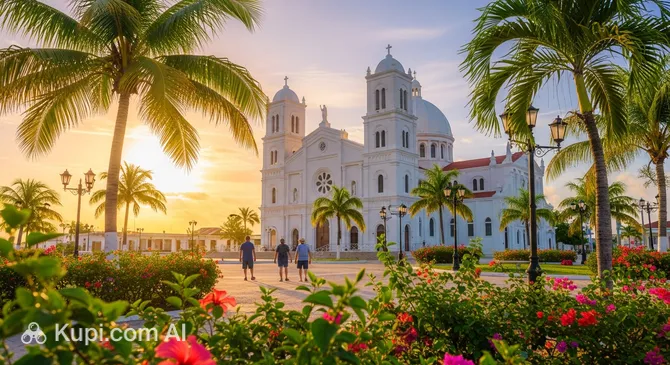
Les Cayes. Source: Kupi.Binoculars

The city is renowned for its relaxed atmosphere and lush surroundings. Visitors interested in the past will find the history of Les Cayes fascinating, as the city has played a pivotal role in regional events and was once a haven for Simón Bolívar. Today, it is also celebrated globally as the world's largest producer of vetiver, an aromatic grass whose essential oil is a key ingredient in many fine perfumes.

For those seeking natural beauty, Gelée Beach is a must-visit destination. It is one of the longest and most popular sandy stretches in the country, famous for its fresh seafood restaurants and vibrant festivals. Another serene highlight is the Botanical Garden of Les Cayes, a beautifully maintained sanctuary that showcases the diverse tropical flora of the island. Whether you are here to relax by the Caribbean Sea or explore local culture, Les Cayes invites you to discover its unique southern hospitality.

Weather Overview

Les Cayes enjoys a warm, tropical climate year-round, making it a pleasant destination for beachgoers and outdoor enthusiasts. The temperatures remain fairly consistent, rarely dropping below comfortable levels. To plan your activities effectively, it is helpful to check the detailed forecast for weather in Les Cayes before your trip.

Generally, you can expect average temperatures to range from a mild 23.8°C in the cooler months of January and February to a warmer 27.2°C in August. The days are typically sunny, with maximum temperatures reaching up to 29.6°C during the summer peak.

Rainfall patterns vary significantly throughout the year. The winter months are relatively dry, with December and January seeing about 9 to 10 wet days per month. In contrast, the autumn season brings more frequent showers; October is notably the wettest month, featuring approximately 24 wet days. Travelers should be prepared for regular rainfall, particularly if visiting between September and November.

Interesting Facts

Beyond the main attractions, Les Cayes holds many fascinating secrets that whisper of its influential past. From linguistic legends to famous historical figures, this city offers curious details for the inquisitive traveler.

  • The Origins of "Okay": A popular local legend suggests that the city plays a role in the etymology of the universal term "Okay." It is said that sailors trading in Haiti marked barrels of superior rum with the port's name, "Aux Cayes." The pronunciation allegedly evolved into "O.K.," becoming a synonym for high quality around the world.

  • Birthplace of a Naturalist: The renowned ornithologist and painter John James Audubon was born in Les Cayes in 1785. Before becoming famous for his comprehensive studies of North American birds, he spent his earliest years in this tropical setting, which may have sparked his lifelong passion for nature and wildlife.

  • A Pirate’s Neighbor: Just off the coast lies Île-à-Vache, a tranquil island that was once the stronghold of the infamous pirate Henry Morgan. While Les Cayes is a peaceful commercial hub today, its waters were once navigated by buccaneers who used the nearby island as a base for their Caribbean expeditions.

How to Get There

Reaching the southern metropolis of the Sud Department requires a bit of planning, but the journey offers scenic views of the peninsula. Whether you are arriving from international hubs or traveling domestically within Haiti, there are several options available. For a comprehensive guide on all transport methods, you can read more about how to get to Les Cayes and plan your route accordingly.

The most convenient entry point for domestic travelers is the local Les Cayes airport (IATA: CYA), which is situated directly in the city, approximately 8.2 km from the center. A taxi or shuttle from here typically takes around 32 minutes to reach the downtown area. However, most international visitors will likely land first at Toussaint Louverture International Airport (IATA: PAP) in Port-au-Prince. This major hub is located about 159.9 km from Les Cayes. From the capital, the journey by road—often via bus or private transfer—takes approximately 4 hours and 20 minutes, allowing travelers to experience the changing landscapes of the country.

For clarity, here is a summary of the main airports:

Airport Name City Passenger Traffic Km from City
Antonio Maceo Airport Santiago de Cuba Large 293.6
Toussaint Louverture International Airport Port-au-Prince Large 159.9
Cap Haitien Airport Cap-Haïtien Medium 235.8
Les Cayes Les Cayes 8.2

There are no railway stations serving Les Cayes or the immediate surrounding region. Travelers typically rely on the road network, utilizing local buses (often colorful "tap-taps"), coaches, or rental cars to navigate between cities. The drive from Port-au-Prince is the most common ground route, following the main highway south through the peninsula.

Main Attractions

Cathédrale Notre-Dame de l'Assomption

Situated in the heart of the city, this cathedral is the most iconic architectural landmark in Les Cayes. Its pristine white façade and distinct dome stand out against the cityscape, serving as a central gathering place for the community. Visitors are drawn to its peaceful interior and the vibrant plaza surrounding it, which offers a perfect glimpse into the daily spiritual and social life of the region.

Jardin Botanique des Cayes

Located at the northern entrance of the city in Bergeaud, this botanical garden is a premier destination for nature lovers and researchers alike. Spanning several hectares, it showcases the rich biodiversity of the island with dedicated sections for medicinal plants, ornamental flowers, and native trees. Beyond its beauty, the garden is a hub for conservation and education, offering guided tours that explain the ecological importance of Haiti's unique flora.

Saut-Mathurine

A short trip inland to the town of Camp-Perrin leads to Saut-Mathurine, one of the most spectacular waterfalls in the southern region. The water cascades from a significant height into a wide, turquoise natural pool, creating a refreshing mist and a thunderous sound that captivates visitors. Surrounded by lush tropical vegetation, it is an ideal spot for swimming, picnicking, and experiencing the raw beauty of the country's landscape.

Île-à-Vache

Just off the coast of Les Cayes, this tranquil island is a favorite excursion for those seeking untouched Caribbean beauty. Accessible by a short boat ride, Île-à-Vache is known for its stunning white-sand beaches, crystal-clear waters, and lack of motorized traffic, which preserves its peaceful atmosphere. It offers a perfect day-trip opportunity for snorkeling, hiking to panoramic viewpoints, or simply relaxing in a pristine setting away from the city bustle.

Local Cuisine

The culinary landscape of Les Cayes is a vibrant reflection of its coastal location and the rich agricultural traditions of the Sud Department. Food here is not just sustenance; it is a celebration of freshness and flavor. As a major port city, the local cuisine is heavily dominated by seafood, but it also features unique regional specialties that distinguish it from other parts of Haiti.

One dish that every visitor must try is Tonmtonm. This traditional delicacy is deeply rooted in the culture of the southern peninsula. It consists of breadfruit (l'arbre à pain) that is boiled and mashed into a smooth, dense consistency, similar to fufu. It is traditionally served with a savory, slippery okra sauce known as sauce kalalou (or gombo) and is famously swallowed without chewing. Another coastal favorite is Lambi (conch), which is often prepared grilled or in a spicy creole sauce, offering a tender and flavorful taste of the Caribbean Sea.

No meal in Les Cayes is complete without sampling the local beverages. For a refreshing non-alcoholic option, fresh fruit juices are abundant, with jus de grenadia (passion fruit) and corossol (soursop) being particularly popular. Those looking for something stronger should try the world-renowned Haitian rum, often enjoyed as a Rum Sour or simply on the rocks. The local lager, Prestige, is also a staple accompaniment to lunch or dinner, perfect for cooling down in the tropical heat.

The dining culture in Les Cayes is relaxed and communal, with a strong emphasis on outdoor eating. While there are formal restaurants in the city center, the true heart of the local food scene beats at Gelée Beach. Here, rows of seaside eateries serve heaping platters of Griot (marinated and fried pork), fried plantains, and fresh seafood right by the water. Street food is also a way of life; vendors on corners sell Fritay—an assortment of fried snacks including acra (malanga fritters) and marinade—making it easy to grab a delicious, quick bite while exploring the city.

Travel Tips

Planning a trip to Les Cayes offers a chance to experience the authentic soul of southern Haiti, but a little preparation goes a long way. Here are some practical tips to help you navigate the city with confidence and respect for the local culture.

  1. Clothing and Gear: The climate is tropical and humid, so pack lightweight, breathable fabrics like cotton or linen. Sudden showers are common, so a compact umbrella or a raincoat is essential. If you plan to visit the cathedral or other religious sites, remember to dress modestly by covering your shoulders and knees. Comfortable, closed-toe walking shoes are best for navigating the city streets.

  2. Transportation: For short distances, moto-taxis are the most common way to get around, but always agree on the price before hopping on and ask for a helmet. For longer trips or more comfort, tap-taps (colorful shared pickup trucks) are a cultural experience and very affordable, though often crowded. For the safest and most reliable option, especially at night, arrange a private driver through your hotel.

  3. Finances: The local currency is the Haitian Gourde (HTG). While US dollars are accepted in some larger establishments, cash is king in Les Cayes. Carry small denominations of Gourdes for street vendors, markets, and transport. Credit cards are rarely accepted outside of major hotels, and ATMs can be unreliable, so bring sufficient cash to exchange.

  4. Health and Safety: strictly avoid drinking tap water; rely only on bottled or purified water for drinking and brushing your teeth. Mosquitoes can be a nuisance and carry diseases, so bring a strong insect repellent. Pharmacies are available in the city center for basic needs, but it is wise to travel with your own essential medications.

  5. Communication: The main languages are French and Haitian Creole (Kreyòl). English is not widely spoken outside of tourism-specific businesses. Locals appreciate effort, so learning basic phrases like Bonjou (Good morning) and Mèsi (Thank you) can open many doors. Buying a local SIM card (Digicel or Natcom) is recommended for reliable internet access.

  6. Local Etiquette: Politeness is paramount in the Sud Department. Always greet people with a "Bonjour" or "Bonsoir" when entering a shop, boarding a vehicle, or starting a conversation. It is considered rude to jump straight into business or questions without this initial courtesy. Handshakes are the standard greeting for new acquaintances.

  7. What to Avoid: Do not take photographs of locals without their explicit permission. Many residents consider this intrusive and offensive. If someone declines, respect their wishes immediately. Also, avoid wearing flashy jewelry or displaying large amounts of cash in public to stay inconspicuous.

  8. Power Essentials: Electricity supply can be intermittent in the city. A practical "life hack" for Les Cayes is to carry a high-capacity power bank and a small flashlight. These will prove invaluable during temporary power outages or if you are out exploring after sunset.

By keeping these practical tips in mind, you will be well-equipped to enjoy the warmth and hospitality of Les Cayes without unnecessary stress. Embrace the relaxed pace of the southern coast, and you are sure to have a memorable and enriching adventure.

Entertainment & Nightlife

Nightlife in Les Cayes is defined by its infectious energy, rhythmic music, and the warm hospitality of the south. Unlike the high-paced clubbing scenes of larger international capitals, the evening entertainment here revolves around socializing, dancing to Kompa music, and enjoying the cool Caribbean breeze. The atmosphere is generally relaxed yet lively, with locals and visitors mingling in open-air venues and hotel bars that serve as the city's social hubs.

The heart of the action can often be found along the Boulevard des Quatre Chemins and the streets surrounding the city center. However, the most iconic spot for evening entertainment remains Gelée Beach. While famous for its daytime activities, on weekends and holidays, this area transforms into a vibrant strip where music blasts from speakers, and the air is filled with the scent of grilled seafood. It is the perfect place to experience the authentic local "ambiance" with a cold prestige beer or a rum cocktail in hand.

For a more structured night out, Le Recul Hotel & Bar is a well-known establishment frequented by a mix of locals and expatriates. It offers a comfortable setting to enjoy drinks and conversation, often serving as a meeting point before heading to livelier spots. Another popular venue is La Cayenne, which frequently hosts events, live bands, or DJ nights, providing a safe and spirited environment for dancing. Visitors looking for a waterfront vibe might enjoy the atmosphere at Breeze Marina, where the setting is slightly more upscale and serene compared to the bustling street bars.

When planning a night out, the best time to go is Friday or Saturday, when the city is most alive. The dress code is typically "casual chic"—Haitians take pride in their appearance when going out, so avoiding overly beach-wear attire in city bars is recommended. Prices for drinks and entry fees are generally very affordable compared to Western standards. Most venues stay open late, especially on weekends, with the party often continuing until the early hours of the morning.

Safety is an important consideration for nightlife in Haiti. While Les Cayes is considered calmer than the capital, it is advisable to stay in well-lit, populated areas and avoid walking alone on quiet streets late at night. The best way to get around is by arranging a private taxi or a trusted driver through your hotel. Moto-taxis are abundant and cheap, but for night travel, a car is generally the safer and more comfortable option.

Before the sun sets, the city offers modest daytime entertainment options. While there are no large amusement parks, the bustling Iron Market provides a sensory experience of local commerce and culture. Visitors can also explore small art galleries or simply enjoy the café culture near the central plaza, watching the daily life of the city unfold before the evening rhythm takes over.

Parks & Museums

While Les Cayes is primarily known as a bustling port city, it offers a refreshing selection of green spaces and cultural landmarks that provide a respite from the urban energy. The city's dedication to preserving its natural environment and historical heritage is evident in its well-maintained gardens and the remnants of its colonial past, offering visitors a blend of relaxation and education.

Jardin Botanique des Cayes

Undoubtedly the crown jewel of the city's green spaces, this botanical garden is a sanctuary of biodiversity located on the outskirts of Les Cayes. It is more than just a park; it is a research and conservation center dedicated to Haiti's native flora. Visitors can wander through themed sections, including an ethno-botanical garden that highlights plants used in traditional medicine. The tranquil pathways, shaded by towering tropical trees, make it an ideal spot for a peaceful afternoon walk or a picnic surrounded by nature.

Place d'Armes

In the heart of the city lies the Place d'Armes, the central public square that serves as the social living room for locals. Anchored by the majestic cathedral, this open space is lined with benches and shaded by mature trees, offering a perfect vantage point for people-watching. It is a vibrant hub where the community gathers, street vendors sell local treats, and the daily rhythm of Les Cayes unfolds. For tourists, it provides an authentic glimpse into the laid-back lifestyle of the Sud Department.

Fort des Oliviers

Although Les Cayes does not boast a wide array of traditional indoor museums, its history is etched into the landscape through sites like Fort des Oliviers. Located near the coast, the ruins of this ancient fortress stand as a silent witness to the city's strategic military importance in the 18th century. Exploring the remnants of the fortifications offers a tangible connection to the colonial era, serving as an open-air museum where visitors can imagine the battles and defense strategies of the past while enjoying views of the sea.

Fort Islet

Another significant historical site is Fort Islet, situated in the harbor area. While time and the elements have worn it down, it remains a point of interest for history enthusiasts. These fortifications are integral to understanding the city's development and its role in protecting the southern coast. Visiting these sites provides a narrative of resilience and history that complements the architectural beauty found in the city center.

For a truly authentic experience, venture slightly beyond the manicured parks to the mouth of the Ravine du Sud. This area, where the river meets the sea, offers a raw and scenic natural landscape often overlooked by typical tourists. It is a quiet spot to observe local fishermen at work and enjoy the untouched coastal beauty of Haiti away from the crowds.

Getting Around

Public transport in Les Cayes differs significantly from the structured systems found in major international capitals. There is no metro, tram, or large municipal bus network in the city. Instead, the system is informal, decentralized, and relies entirely on road vehicles. The most iconic and common form of transport is the tap-tap. These are privately owned pickup trucks or vans that follow generally fixed routes along major roads. They are the lifeline of the city, transporting locals and goods continuously throughout the day.

For more direct or short-distance travel, moto-taxis (motorcycle taxis) are the dominant alternative. They are ubiquitous and can navigate through traffic faster than larger vehicles. Moto-taxis are ideal for reaching specific destinations that are off the main routes or for quick trips across town. While they offer convenience, they are strictly for one or two passengers at a time and provide a door-to-door service that tap-taps cannot match.

The payment system in Les Cayes is entirely cash-based. There are no electronic travel cards, mobile apps, or pre-purchased tickets. Fares are paid directly to the driver or the conductor—who often hangs off the back of the vehicle—usually upon reaching your destination. The currency used is the local gourd, and prices are very affordable. A typical ride within the city costs a small amount, so it is essential to carry small denominations of cash, as drivers rarely have change for large bills.

Tourists should be aware that there are no official bus stops with timetables. To catch a tap-tap, you simply wait by the side of the road and wave when you see one approaching. To get off, you tap the side of the vehicle or verbally signal the driver. These vehicles operate from early morning until roughly sunset; service becomes scarce after dark. For moto-taxis, it is crucial to negotiate and agree on the fare before getting on the bike to avoid misunderstandings at the end of the trip.

If you prefer more comfort or privacy, standard taxis are available but do not typically roam the streets looking for passengers. They must usually be arranged in advance through a hotel or a local contact. Car rentals are an option, but driving can be challenging due to road conditions and local traffic habits, so hiring a car with a driver is often recommended. Modern ride-sharing apps are not active in the city, so relying on these traditional methods is necessary.

A unique feature of the transport experience here is the visual character of the tap-tap itself. Beyond its utility, it serves as a moving canvas of local folk art. Each vehicle is distinctively decorated with intricate designs, religious slogans, and vibrant colors, making the daily commute a visual experience. Riding one is not just a way to get from point A to point B; it is an authentic immersion into the community's rhythm and culture.

Accommodation

Accommodation in Les Cayes caters primarily to a mix of local travelers, business professionals, and adventurous tourists exploring the southern peninsula. The city does not feature the sprawling luxury resort chains found in other Caribbean destinations. Instead, it offers a collection of independent hotels, charming guesthouses, and functional inns that provide a more authentic and intimate experience. Visitors will typically find comfortable mid-range options that prioritize hospitality and basic amenities over opulence.

When choosing where to stay, location is a key factor. The city center is the most convenient area for those who want easy access to banks, markets, and transport hubs like the stations for buses and tap-taps. Staying here places you in the heart of the daily hustle and bustle. Alternatively, travelers seeking a more relaxed atmosphere often prefer accommodations near the coast or towards Gelée Beach. These areas offer a quieter environment with refreshing sea breezes, though they may require a short commute to reach the central commercial districts.

For the best experience, it is advisable to book your accommodation well in advance, especially if you plan to visit during major events like the Fête Notre-Dame in August or the carnival season. During these peak times, the city fills up quickly with visitors from Port-au-Prince and the diaspora, and finding a room on arrival can be difficult.

Regarding costs and logistics, prices in Les Cayes are generally moderate and affordable compared to international tourist hubs. While some of the larger, more established hotels accept credit cards and can be booked via major online platforms, many smaller guesthouses and inns still rely on direct bookings by phone or email. It is also prudent to carry sufficient cash (Haitian gourdes or US dollars), as card machines can be intermittent and smaller establishments may only accept cash payments.

Nearby Cities

For those looking to explore the surroundings, Les Cayes serves as an excellent base for day trips to several interesting nearby locations:

Camp Perrin

Located just a short drive inland, this town is a favorite escape for locals and visitors alike due to its cooler climate and lush, green landscapes. It is widely known as the gateway to the spectacular Saut-Mathurine waterfall. The area offers a refreshing change of pace with its serene atmosphere, making it perfect for eco-tourists and those wishing to hike or picnic in the hills of the Sud Department.

Saint-Louis-du-Sud

For history enthusiasts, a visit to this coastal destination is highly recommended. The town is steeped in colonial history and is home to the ruins of significant fortifications, including Fort des Oliviers and the fortress on Saint-Louis Island. Exploring these sites provides a fascinating insight into the region's strategic past while offering picturesque views of the bay.

Aquin

Situated to the east, this vibrant town is known for its lively cultural scene and traditional festivals. It sits near a beautiful bay and serves as a hub for experiencing the authentic coastal life of southern Haiti. Visitors often stop here to enjoy the local festivities or to access the pristine beaches located in the vicinity.

City Population Distance (km)
Aquin 104,216 39
Saint-Louis-du-Sud 59,042 23
Miragoâne 56,864 75
Cavaillon 46,037 15
Camp Perrin 46,000 18

These nearby destinations offer a glimpse into the diverse culture and landscapes of the region.

Shopping & Souvenirs

Shopping in Les Cayes is less about browsing high-end luxury boutiques and more about immersing yourself in the vibrant, authentic commercial rhythm of southern Haiti. As a major port city and the economic hub of the Sud Department, it offers a wide array of goods ranging from fresh agricultural produce to unique local crafts. The experience is colorful, bustling, and deeply connected to the daily life of the residents, providing travelers with a genuine taste of the region's culture.

The city's main commercial activity is concentrated in the Downtown area (Centre-Ville). The grid of streets surrounding the central plaza and the cathedral is lined with small independent shops, pharmacies, and hardware stores. Boulevard des Quatre Chemins serves as a major artery where you can find a variety of businesses, from clothing vendors to electronics shops. Walking through these streets offers a lively atmosphere where music often plays from storefronts and vendors display their wares on the sidewalks.

Travelers looking for large, Western-style shopping malls will not find them here. Instead, Les Cayes features smaller commercial plazas and well-stocked supermarkets that cater to modern needs. These establishments are the best places to purchase imported goods, toiletries, and packaged foods. They offer a more air-conditioned and orderly shopping environment compared to the open streets, making them convenient stops for stocking up on travel essentials.

The true heart of the shopping scene, however, is the Iron Market (Marché en Fer). This bustling marketplace is a sensory overload in the best possible way. Under its metal roof and spilling out into the surrounding alleys, you will find vendors selling everything from tropical fruits and aromatic spices to colorful fabrics and household items. It is an excellent place to observe local commerce in action. Bargaining is expected here, and engaging with the vendors is part of the experience.

When it comes to souvenirs, Les Cayes is famous for one product above all: vetiver. The city is the world's leading producer of vetiver oil, a key ingredient in many high-end perfumes. You can often find small bottles of the essential oil or scented crafts made from the fragrant roots. Other popular items to bring back include bottles of Haitian rum (Barbancourt is a national favorite), locally produced coffee, and handmade artisan goods such as wood carvings or vibrant paintings that reflect the Caribbean spirit.

Store hours in Les Cayes typically run from around 8:00 AM to 5:00 PM on weekdays and Saturdays. Many shops close for a lunch break in the middle of the day, and most businesses are closed on Sundays, except for some supermarkets or small convenience stalls. Payment is predominantly made in cash. While the US Dollar is widely accepted, it is highly recommended to carry Haitian Gourdes for smaller purchases, especially in markets and with street vendors. Credit cards are generally only accepted at larger supermarkets and hotels.

Tourists should be aware that there is no tax-free shopping or VAT refund system available for visitors in Les Cayes. The price you see or negotiate is the final price. It is advisable to carry small denominations of cash to make transactions smoother, as vendors often have difficulty providing change for large bills.
Reached the end of the page?

That means the route is fully explored