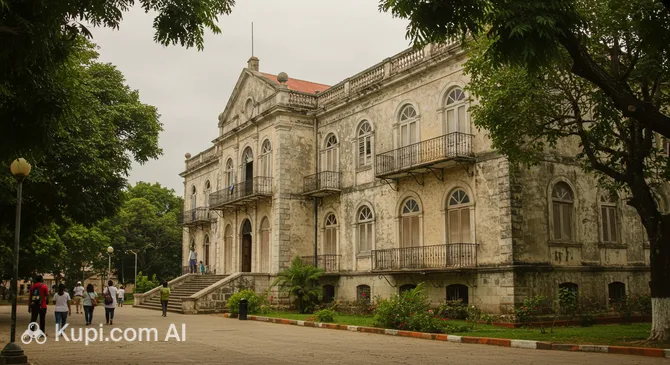
Port-au-Prince, the bustling capital of Haiti, is a city of profound energy and resilience. As the country's economic and cultural center, it offers a unique window into the soul of the nation, blending Caribbean vibrancy with a distinct heritage. Situated on the Gulf of Gonâve, the city serves as the primary port and gateway for travelers eager to understand the rich traditions of the island.
Geographically, the city is nestled in a natural amphitheater, rising from the waterfront towards the majestic mountains of the Ouest Department. With a population of approximately 987,000 inhabitants, it is a densely populated urban center characterized by a tropical wet and dry climate. The warmth of the local people matches the year-round sunny weather, creating a lively atmosphere that permeates the streets and markets.
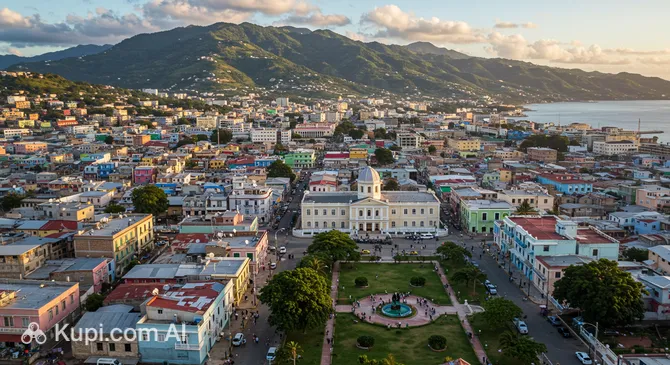
To truly appreciate the city, one must delve into the history of Port-au-Prince, which dates back to the colonial era and the struggle for independence. The city is home to several significant landmarks that narrate this past. The Musée du Panthéon National Haïtien (MUPANAH) is a must-visit attraction, housing important artifacts including the anchor of Christopher Columbus's ship, the Santa María. Nearby, the Champs de Mars serves as a central gathering place filled with statues of Haiti's founding fathers.
Another iconic feature is the Marché en Fer (Iron Market), a striking red metal structure that buzzes with commerce and local art. Visitors can find everything from intricate artistic flags to fresh produce here. Port-au-Prince remains a place of artistic expression and cultural depth, inviting adventurous travelers to witness its enduring spirit and explore its vibrant neighborhoods.