Support

El Catey

About

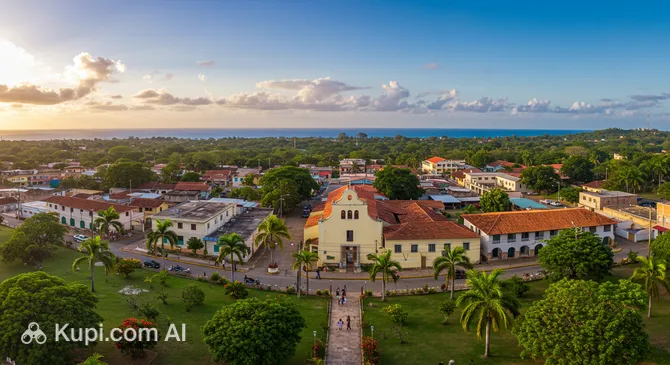
El Catey is a small yet significant locality nestled in the scenic Samaná Province. For many travelers arriving by air, it serves as the primary gateway to the spectacular Samaná Peninsula in the Dominican Republic. This area is renowned for its lush landscapes, rolling hills, and proximity to some of the country's most pristine coastlines.

El Catey. Source: Kupi.Binoculars

Geographically, the town is situated near the Atlantic coast, surrounded by verdant vegetation and extensive coconut plantations. The tropical climate ensures warm temperatures year-round, making it an inviting destination at any time. Although it is a modest community, the history of El Catey reflects the broader transformation of the region from a quiet agricultural hub to a vital access point for international tourism, particularly following the development of the local infrastructure and the Juan Bosch International Airport.

While the town itself is quiet and laid-back, its location is its greatest asset. It offers convenient access to the vibrant beach town of Las Terrenas, which is just a short drive away via a scenic highway. Visitors passing through El Catey are treated to breathtaking views of the peninsula's unique topography, where the mountains meet the sea. The surrounding area is a haven for nature lovers, offering opportunities to explore untouched beaches and dense tropical forests.

Whether you are landing here to begin your vacation or passing through on a road trip, El Catey offers a glimpse into the authentic lifestyle of the province. It is the perfect starting line for an unforgettable journey through one of the Caribbean's most beautiful regions.

Weather Overview

El Catey experiences a consistent tropical climate, characterized by warm temperatures and frequent rainfall throughout the year. Visitors can generally expect a humid atmosphere where the heat is often tempered by the region's coastal breezes. The thermometer shows little variation, ensuring a summer-like feel regardless of when you visit.

The average temperatures hover between 23.7°C in the cooler months like February and rise to around 27.1°C by September. Daytime highs can reach up to 29.7°C during the warmest season. For those planning a trip, it is helpful to consult the detailed guide on the weather in El Catey to pack appropriately.

Rain is a common occurrence in this part of the Samaná Province. The data indicates a high number of wet days, ranging from approximately 16 days in the drier months of January and March to over 20 days from July through December. While precipitation is frequent, it often comes in the form of passing tropical showers.

Interesting Facts

While often viewed merely as a transit gateway, El Catey possesses unique characteristics and scenic secrets that surprise many visitors.

  • A Runway in the Jungle: The approach to the local airport is widely considered one of the most picturesque in the region. The runway was constructed in the middle of vast coconut plantations, creating a visual effect where planes seem to be landing on a green carpet of palm trees before touching down.

  • The Scenic Boulevard: The road connecting El Catey to the northern coast is an engineering marvel known as the Boulevard Turístico del Atlántico. It features a dramatic winding section that offers breathtaking, panoramic views of the Atlantic Ocean and the Bay of Cosón, often forcing travelers to pull over just to take photos.

  • Strategic Whale Watch Hub: Although a small locality, El Catey plays a pivotal role during the winter months. It serves as the primary entry point for thousands of eco-tourists arriving specifically to witness the humpback whale migration in the nearby Samaná Bay, a phenomenon that defines the region's ecological identity.

How to Get There

Reaching this destination is relatively straightforward, with several international airports serving the region. For a complete overview of travel options, you can read more about how to get to El Catey in our detailed guide. The choice of arrival point often depends on your airline and flight schedule, as distances vary.

The closest option for many travelers is La Union Airport (IATA: POP), also known as Gregorio Luperón International Airport. It is located in the city of Puerto Plata, approximately 42 km from El Catey. The transfer from this airport is quite convenient, taking about 1 hour and 25 minutes by taxi or shuttle. With a moderate volume of passengers, it balances connectivity with a less chaotic atmosphere than the capital's hubs.

Another excellent alternative is Cibao International Airport (IATA: STI), situated in Santiago. This airport handles a significant amount of traffic and offers numerous connections. It is located about 45 km away, meaning the drive to El Catey typically takes around 1 hour and 30 minutes. It is a major entry point for the northern part of the country.

Interestingly, although Samaná El Catey International (IATA: AZS) carries the town's name and is located in El Catey itself, the specific coordinates of the main destination area place it about 61 km away from this transport hub. This airport is smaller and more specialized, often receiving seasonal charter flights. The journey from here usually takes approximately 1 hour and 50 minutes. It is a good option for those specifically looking to land directly in the province.

For clarity, here is a summary of the main airports:

Airport Name City Passenger Traffic Km from City
Las Americas International Airport Santo Domingo Very High 139.4
Cibao International Airport Santiago High 44.7
La Union Airport Puerto Plata Medium 42.1
La Romana Airport La Romana Low 185.5
Samaná El Catey International El Catey Low 60.8

The Dominican Republic does not have a passenger railway system that connects these cities. Therefore, once you land, the primary methods of reaching El Catey are by road. Renting a car, hiring a private transfer, or using local bus services are the standard ways to complete your journey. The roads offer scenic views of the lush countryside, making the drive an enjoyable part of the trip.

Main Attractions

While El Catey is primarily known as a transit hub due to its international airport, it serves as the doorstep to some of the most captivating sights in the Samaná Province. The immediate surroundings offer a blend of untouched nature, scenic drives, and vibrant coastal life, making it an excellent base for exploration.

One of the nearest and most spectacular natural treasures is Playa Cosón. Located just a short drive east of El Catey, this massive stretch of golden sand is often cited as one of the most beautiful beaches in the Caribbean. Unlike the crowded resort strips elsewhere, Cosón remains largely wild and serene, bordered by rows of leaning coconut palms and rolling green hills. It is the perfect spot for long, solitary walks, surfing the Atlantic waves, or enjoying fresh seafood at one of the rustic beach shacks right on the sand.

For those who appreciate panoramic vistas, the Mirador de Cosón is an unmissable stop. Situated on the winding Boulevard Turístico del Atlántico, this roadside lookout offers a breathtaking bird's-eye view of the coastline and the lush, mountainous interior of the peninsula. It is a favorite spot for photographers and travelers looking to capture the dramatic contrast between the deep blue ocean and the verdant tropical jungle that defines the region's geography.

Just a bit further along the coast lies the vibrant town of Las Terrenas. Although distinct from El Catey, it acts as the social and cultural heart of the area. Visitors flock here to experience a unique blend of Dominican laid-back vibes and European chic, reflected in the town's numerous bistros, bakeries, and beachfront bars. It is the ideal place to experience local nightlife, shop for artisan crafts, or simply soak up the energetic atmosphere after a day of tranquility in El Catey.

Nature enthusiasts often venture slightly inland to discover the majestic Salto del Limón. This towering 52-meter waterfall is one of the province's most iconic landmarks. Reaching the falls is an adventure in itself, typically involving a hike or a guided horseback ride through dense tropical forest and across riverbeds. The reward is a refreshing swim in the cool, emerald natural pool at the base of the cascade, surrounded by the sounds of the jungle.

Local Cuisine

The culinary landscape of El Catey and the surrounding Samaná Province is distinct from the rest of the Dominican Republic, largely due to one key ingredient: the coconut. While traditional Dominican staples like rice, beans, and meat are available, the local gastronomy here is defined by the rich, tropical flavors of the coast. The abundance of coconut plantations in the area means that this fruit finds its way into savory sauces, breads, and sweets, creating a unique regional flavor profile that travelers should not miss.

The absolute signature dish to try in this region is Pescado con Coco (Fish in Coconut Sauce). Freshly caught snapper or grouper is simmered in a creamy, flavorful sauce made from fresh coconut milk, garlic, cilantro, and tomato. It is typically served with tostones (fried green plantains) or rice to soak up the rich gravy. Another local favorite is Pan de Coco, a dense and slightly sweet coconut bread often sold by vendors along the roadside. It makes for a perfect quick snack while traveling through the province.

When it comes to beverages, the offerings are as refreshing as the ocean breeze. Given the location, fresh coconut water is ubiquitous; you can often stop at a roadside stall and have a vendor chop open a chilled coconut right in front of you. For something stronger, the Dominican Republic is famous for its rum, which is enjoyed neat or in cocktails. Adventurous visitors might try Mamajuana, a traditional spiced alcoholic drink made by soaking tree bark and herbs in rum, red wine, and honey, rumored to have medicinal properties.

The dining culture in El Catey is informal and authentic. Unlike the polished resort dining found in larger tourist hubs, the food scene here revolves around small comedores (local eateries) and roadside paradas. These stops are an essential part of the travel experience, offering home-cooked meals and fresh fruit to passersby. Eating here is about fresh ingredients and bold flavors rather than white-tablecloth service, providing a genuine taste of the Dominican countryside.

Travel Tips

Welcome to El Catey, the gateway to the stunning Samaná Peninsula! To help you transition smoothly from the airport to the relaxing beaches and ensure your trip is as stress-free as possible, here is a collection of practical advice tailored for this region.

  1. Clothing and Gear: Since the climate is tropical and humid year-round, pack lightweight, breathable fabrics like cotton and linen. While swimwear is essential for the coast, bring a light cover-up or casual clothes for dining and walking in towns. Don't forget a high-SPF sunscreen, a hat, and, most importantly, insect repellent, as mosquitoes can be active, especially around dusk and near the lush vegetation surrounding El Catey.

  2. Transportation: Public transport options like buses (guaguas) are limited and can be infrequent directly from the airport area. The most convenient way to explore the region is by renting a car, which gives you the freedom to visit secluded beaches. Alternatively, pre-arrange a private shuttle or use authorized airport taxis to reach nearby Las Terrenas. Ride-hailing apps are generally not reliable in this specific rural locality.

  3. Finances: The local currency is the Dominican Peso (DOP). While hotels and larger restaurants in tourist hubs accept credit cards, cash is king in El Catey and smaller villages. You will need pesos for small convenience stores, roadside fruit stands, and tips. It is wise to withdraw cash at the airport ATMs upon arrival, as machines can be scarce in rural areas.

  4. Health and Safety: The most important health rule is to never drink tap water; always rely on sealed bottled water for drinking and brushing your teeth. Pharmacies are not open 24/7 in El Catey, so it is best to bring a basic travel kit with painkillers and stomach relief medicine. In terms of safety, the area is generally peaceful, but avoid driving at night due to poor lighting and animals wandering onto the roads.

  5. Communication: Spanish is the official language. While staff at the international airport and major tourist resorts speak English, locals in the village of El Catey may not. Learning a few basic phrases like "Hola" (Hello) and "Gracias" (Thank you) goes a long way. For mobile data, purchase a local SIM card (Claro or Altice) at the airport, as Wi-Fi can be spotty outside of hotels.

  6. Local Etiquette: Dominicans are warm and polite people. It is customary to greet people with a "Buenos días" or "Buenas tardes" when entering a shop or boarding transport. When outside of the immediate beach areas, it is respectful to wear a shirt or cover-up; walking around town in just a bikini or swim trunks is generally frowned upon.

  7. What to Avoid: Avoid rushing or showing visible impatience. The pace of life here is slower—often referred to as "island time." Service in restaurants may take longer than you are used to, so relax and enjoy the rhythm rather than getting frustrated.

  8. Roadside Insight: If you are driving from El Catey towards the rest of the peninsula or Santo Domingo, be prepared for toll booths (peajes). The toll on the Boulevard Turístico is relatively high compared to other roads and often requires payment in cash (pesos) only. Ensure you have small bills handy immediately after leaving the airport to avoid delays.

By keeping these practical tips in mind, you will be well-prepared to navigate the local customs and logistics of El Catey. Embrace the laid-back atmosphere and the natural beauty, and your journey through the Dominican Republic is sure to be an incredible experience.

Entertainment & Nightlife

El Catey itself is a tranquil community where the evenings are defined by a peaceful, rural atmosphere rather than flashing neon lights. The nightlife within the immediate village limits is largely centered around local colmados—small grocery stores that double as neighborhood bars. Here, locals gather to enjoy an ice-cold Presidente beer, play dominoes, and listen to Bachata or Merengue music at a conversational volume. It offers an authentic, albeit quiet, glimpse into Dominican daily life, perfect for travelers seeking a relaxed evening under the stars.

For those in search of energetic parties, dance floors, and sophisticated cocktails, the real nightlife hub is located just a short drive away in the vibrant coastal town of Las Terrenas. This is where visitors landing in El Catey typically head for entertainment. The heart of the action was historically known as the Pueblo de los Pescadores (Fishermen’s Village). Although the original structures have evolved, this beachfront strip remains the epicenter of social life, lined with rows of open-air terraces, restaurants, and bars that come alive as soon as the sun sets.

The atmosphere in this neighboring district is a unique blend of Caribbean laid-back vibes and European chic. The crowd is diverse, featuring a mix of local Dominicans, expatriates, and tourists, creating a welcoming and cosmopolitan environment. The dress code is generally "beach casual" or "resort chic"—linen shirts and summer dresses are standard, while swimwear is reserved for the daytime. Most venues stay open late, with the energy peaking between 11:00 PM and 2:00 AM on weekends.

Among the specific venues worth visiting is El Mosquito Art Bar. Known for its artistic decor and beachfront location, it is a staple of the region's nightlife, often hosting DJs and offering a relaxed yet festive mood. Another popular spot is Etno Beach Club, which provides a more upscale lounge experience with fine cocktails and electronic beats right by the ocean. For those looking to dance to Latin rhythms, various smaller bars along the strip frequently play Salsa and Bachata, inviting everyone to the dance floor.

Regarding daytime entertainment, the area around El Catey offers low-key cultural experiences. Before the sun goes down, visitors can explore the local countryside, visit small roadside markets selling tropical fruits, or take a scenic drive to see the dramatic cliffs of the coast. While there are no large amusement parks or theaters in the village, the natural theater of the landscape—with its coconut groves and ocean views—provides plenty of amusement for nature lovers.

Safety and logistics are important considerations for a night out. If you are staying in El Catey and planning to party in Las Terrenas, it is essential to arrange transportation in advance. The road connecting the two (Boulevard Turístico) is in good condition but can be dark and winding. Do not walk between towns at night. The safest option is to hire a taxi or designate a sober driver if you have a rental car. Taxis can be expensive and hard to flag down on the street late at night in El Catey, so keeping the number of a reliable local driver is highly recommended.

Parks & Museums

El Catey serves as the gateway to a region where the landscape itself functions as a living museum. While the village is small and does not house traditional indoor galleries or urban parks, it offers immediate access to the protected natural monuments of the Samaná Province. Visitors landing here are essentially stepping into one of the most ecologically diverse areas in the Dominican Republic.

The most significant ecological treasure accessible from the area is Los Haitises National Park. Although physically located across the bay, it is the centerpiece of the region's natural heritage. This protected sanctuary is renowned for its series of 30-meter high rock formations (karsts) jutting out of the water and its dense mangrove forests. It also serves as an archaeological site, featuring caves adorned with ancient Taino petroglyphs and pictographs, allowing travelers to witness the pre-Columbian history of the island in its original setting.

For those interested in marine biology and local history, the Whale Museum (Museo de las Ballenas) is a cultural highlight located in the nearby town of Santa Bárbara de Samaná. Since the waters surrounding the peninsula are a designated sanctuary for thousands of humpback whales during the winter mating season, this museum provides essential context. It houses a massive 40-foot whale skeleton and offers educational exhibits on the migration patterns and conservation efforts protecting these marine giants.

Inland, the Salto del Limón Natural Monument acts as a protected reserve for the region's tropical flora. This area is not just about the famous waterfall; it is a preserved zone where visitors can observe native trees, birds, and the geological formations that define the peninsula's interior. It offers a stark, lush contrast to the coastal coconut plantations found around the airport.

Getting Around

Public transport in El Catey differs significantly from the structured systems found in major global metropolises. As a small rural locality rather than a bustling urban center, it does not possess a metro, tram, or municipal train network. Instead, the local transportation system is informal, relying primarily on road-based vehicles that serve the community and connect it to neighboring towns along the Samaná Peninsula.

The most common form of public transport is the guagua. These are privately owned minivans or small buses that operate on fixed routes along the main highways and roads. They do not have designated stops with signs or schedules; instead, they function on a hail-and-ride basis. To board one, you simply stand by the side of the road and wave your hand when you see a van approaching. They are an authentic and inexpensive way to travel to nearby destinations like Las Terrenas or Nagua, though they can be crowded and may not have air conditioning.

For short distances within the village or to reach areas not covered by the main road, motoconchos (motorcycle taxis) are the standard solution. You will see drivers waiting at intersections or wearing specific vests. This is the fastest way to navigate short trips, but it is less suitable for travelers with luggage. If you choose this mode of transport, always negotiate the price before getting on and ask for a helmet, although safety standards can vary compared to what international visitors might be used to.

The payment system for both guaguas and motoconchos is exclusively cash. There are no travel cards, electronic passes, or mobile apps for ticketing. You pay the conductor (in a guagua) or the driver (on a motorcycle) directly. It is essential to carry local currency in small denominations, as drivers often do not have change for large bills. Prices are generally very low compared to private transport, making it a budget-friendly option for backpackers.

For tourists arriving at the local airport or those carrying significant luggage, public transport is often impractical because guaguas generally do not enter the airport terminal grounds. In these cases, taxis are the primary alternative. Official taxis are available and offer a much higher level of comfort and convenience. While they are more expensive, they provide door-to-door service and are the most reliable way to reach your accommodation safely.

Given the rural nature of the area and the informality of public transit, many visitors find that renting a car is the most effective way to get around. Having your own vehicle allows you to explore the secluded beaches and scenic viewpoints of the province without being tied to the irregular timing of the local vans. However, if you do choose to use the local system, operate during daylight hours, as public transport frequency drops significantly after sunset.

Accommodation

Finding accommodation directly within the small village of El Catey can be somewhat challenging, as it is primarily a residential community and a transit hub rather than a dedicated resort destination. The local options are generally limited to modest guesthouses, small bed-and-breakfasts, or eco-lodges tucked away in the surrounding countryside. These establishments offer a quiet, authentic experience, often surrounded by lush vegetation and coconut groves, making them suitable for travelers seeking tranquility or a convenient stopover near the airport.

For the vast majority of tourists arriving at the local international airport, the preferred strategy is to stay in the nearby coastal towns which serve as the region's main accommodation hubs. Las Terrenas, located just a short scenic drive away, offers the widest variety of lodging. Here, visitors can find everything from luxury beachfront resorts and boutique hotels to budget-friendly hostels and private vacation rentals. Another popular area is the Samaná town center and its surroundings, which are famous for all-inclusive properties and charming bay-view villas.

When planning your stay, it is highly recommended to book well in advance, especially if you are visiting during the peak winter season (December to March). This period coincides with the famous humpback whale migration, drawing thousands of visitors to the province and causing the most desirable hotels and rentals to fill up quickly. During the low season, it is easier to find last-minute availability, but securing your spot early ensures better rates and choices.

The price range for accommodation varies significantly depending on the location and type of lodging. In the immediate rural areas around El Catey, prices tend to be in the budget to mid-range category, offering good value for basic amenities. In contrast, the coastal areas offer a full spectrum: budget hostels for backpackers, mid-range apartments for families, and high-end luxury villas for those willing to splurge. While major hotels and online platforms accept credit cards, smaller local guesthouses may prefer cash payment in Dominican Pesos.

Nearby Cities

For those looking to explore the surroundings, El Catey serves as an excellent base for day trips to several interesting nearby locations. The region offers a mix of vibrant coastal towns, agricultural hubs, and cultural centers that are easily accessible for a short visit.

One of the most popular destinations for a day trip is Sosúa. Known for its stunning crescent-shaped bay and calm, turquoise waters, it is a haven for snorkeling and diving enthusiasts. The town combines a lively beach atmosphere with a rich history, offering visitors a chance to relax by the sea or explore its unique Jewish heritage. For a different experience, San Francisco de Macorís offers a bustling urban environment. As the "Cocoa Capital" of the country, it provides insight into the agricultural heart of the Dominican Republic, perfect for those interested in seeing the authentic daily life of a major Dominican city.

City Population Distance (km)
San Francisco de Macoris 188,118 32
Moca 172,294 38
Tamboril 51,695 42
Sosua 49,593 37
Salcedo 39,557 30

These nearby destinations offer a glimpse into the diverse culture and landscapes of the region, allowing travelers to experience everything from pristine beaches to the energetic rhythm of inland cities.

Shopping & Souvenirs

Shopping in El Catey is a reflection of its character as a quiet, rural community rather than a bustling commercial center. Visitors should not expect sprawling shopping malls, designer boutiques, or high-end fashion districts within the village itself. Instead, the shopping experience here is authentic and local, focused primarily on daily essentials, fresh produce, and regional specialties. For those seeking a more extensive retail therapy session, the nearby town of Las Terrenas offers a much wider variety of stores and tourist-oriented shops.

There are no designated "shopping streets" in the traditional sense. The main commercial activity is concentrated along the primary road passing through the community and the highway leading towards the airport. Here, you will find small, family-run grocery stores known as colmados. These spots are the heart of the village's economy, selling everything from cold beverages and snacks to basic toiletries. They offer a glimpse into the daily life of the residents and are the best place to grab a quick refreshment.

Regarding shopping malls, El Catey does not have any. The closest approximation to a modern shopping environment can be found inside the Samaná El Catey International Airport (AZS). The terminal features a duty-free section where travelers can purchase perfumes, alcohol, tobacco, and chocolates before their flight. For a proper shopping center experience with clothing stores and supermarkets, one would need to travel to the larger towns in the Samaná Province or the major cities like San Francisco de Macorís.

The true highlight of shopping in this area is the roadside markets and stalls. As you drive along the roads surrounding El Catey, particularly the Boulevard Turístico del Atlántico, you will encounter numerous vendors selling fresh tropical fruits. This is the best place to buy mangoes, pineapples, avocados, and bananas directly from the harvest. These stalls are colorful, affordable, and offer produce that is significantly fresher and tastier than what is found in conventional supermarkets.

When it comes to souvenirs, the best items to bring back from El Catey are edible local treats. The region is famous for its coconut production, so look for Pan de Coco (coconut bread) sold by roadside bakers; it is dense, slightly sweet, and unique to the area. You might also find bottles of pure coconut oil or locally made sweets. If you are looking for traditional Dominican souvenirs like Larimar jewelry, amber, or wooden crafts, it is advisable to visit the artisan shops in Las Terrenas, as the selection in El Catey is very limited.

Store hours in El Catey are generally flexible. Small colmados often open early in the morning, around 8:00 AM, and stay open late into the evening, serving as social hubs. Roadside fruit stands typically operate during daylight hours. In terms of payment, cash is essential. While the airport duty-free accepts credit cards, the local village shops and street vendors deal almost exclusively in Dominican Pesos. It is highly recommended to carry small bills, as change for large denominations can be hard to come by.

Tax-free shopping is generally available for international tourists at the airport's duty-free zone. However, for purchases made in the local village shops or roadside stands, the concept of tax refunds does not apply. Prices are usually fixed at colmados, but a little friendly negotiation is often expected and welcomed when buying produce from street vendors.
Reached the end of the page?

That means the route is fully explored