Support

Punta Cana

About

Punta Cana is widely recognized as a slice of tropical paradise, renowned for its 32 kilometers of pristine white sandy beaches and crystal-clear turquoise waters. Located on the easternmost tip of the Dominican Republic, in the province of La Altagracia, this resort town offers a perfect blend of relaxation and adventure. It is situated where the Atlantic Ocean meets the Caribbean Sea, creating a unique coastal atmosphere that attracts millions of visitors seeking sun and serenity.

The region enjoys a tropical climate with warm temperatures year-round, making it an ideal destination for beach lovers at any time. With a local population of approximately 43,880, the area has grown significantly to accommodate its booming tourism industry. While it is famous for its modern luxury resorts, the history of Punta Cana is a fascinating tale of rapid transformation from an isolated coastline into one of the Caribbean's premier vacation spots.
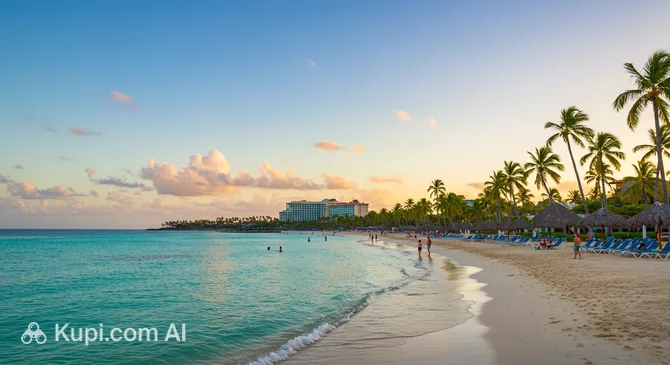
Punta Cana. Source: Kupi.Binoculars

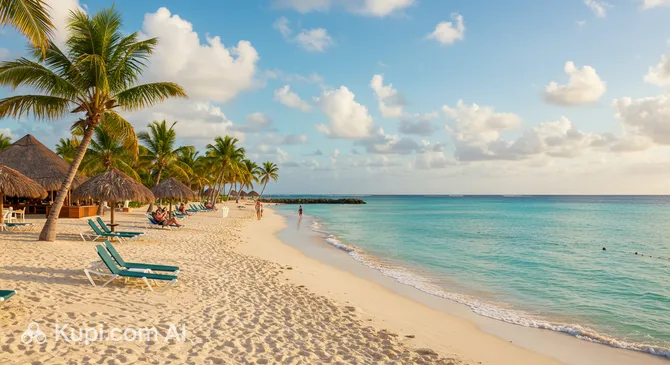
Travelers flock here not just for the sun, but for the incredible variety of activities available. Bavaro Beach is often cited as one of the best beaches in the world, featuring powdery sand and swaying palm trees. Beyond the shore, visitors can explore the Indigenous Eyes Ecological Park, a private nature reserve with freshwater lagoons perfect for a refreshing swim, or enjoy world-class golf courses designed by legends of the sport.

Whether you are looking to dive into vibrant coral reefs, dance the night away at energetic clubs, or simply unwind by the ocean, Punta Cana promises an unforgettable escape. Its welcoming spirit and breathtaking natural beauty make it a must-visit destination for anyone planning a Caribbean getaway.
Weather Overview

Punta Cana enjoys a consistent tropical climate, making it a fantastic destination for sun-seekers regardless of the season. The temperatures remain remarkably stable year-round, creating a warm and inviting atmosphere. When planning your trip, checking the weather in Punta Cana is helpful, though you can generally rely on pleasant conditions perfect for beach activities.

During the cooler months from December to March, the average temperature hovers around 25°C, with daily highs reaching roughly 26°C to 27°C. This period is often favored by travelers, particularly March, which is typically the driest month with about 15 wet days. As the season shifts towards summer, the heat increases slightly. By August and September, average temperatures peak at approximately 27.8°C, with maximums often nearing 30°C.

Rainfall is a common feature of this lush region, often occurring as brief, refreshing showers rather than day-long downpours. The summer and autumn months see a higher frequency of rain; for example, July and August can experience up to 25 wet days, although the overall precipitation volume remains moderate. Expect warm temperatures throughout the year with frequent rainfall, especially during the summer months, ensuring the landscape remains vibrant and green.

Interesting Facts

Beyond the pristine beaches and luxury resorts, this Caribbean gem holds several fascinating secrets that many visitors overlook. Here are a few surprising facts that add depth to the tropical allure of the region.

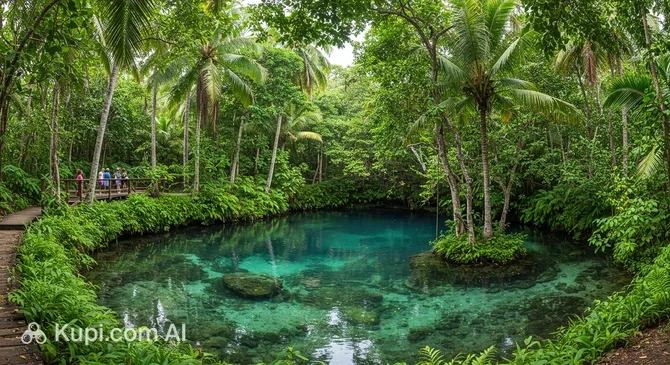
Indigenous Eyes Ecological Reserve. Source: Kupi.Binoculars
  • The area was not always known by its current elegant name. Originally, it was called Punta Borrachón, which translates to "Drunkard's Point." The name was wisely changed to Punta Cana in the 1970s, inspired by the abundance of "cana" palms that fringe the coastline.

  • The local airport holds a unique distinction in aviation history. It became the world's first privately owned international commercial airport. Its terminals are instantly recognizable for their traditional roofs covered in palm fronds, welcoming travelers with an open-air design that embraces the tropical climate.

  • Hidden within the resort area is the Indigenous Eyes Ecological Reserve, a protected park that offers more than just trails. It features 12 freshwater lagoons fed by an underground river, which the indigenous Taino people referred to as "eyes" because of their distinctive shape.

  • The region is a heavyweight in the world of professional golf, hosting the only PGA Tour event in the country. The Corales Golf Course is famous for its "Devil's Elbow," a challenging three-hole finish that requires players to hit over the ocean cliffs.

How to Get There

Reaching this tropical paradise is straightforward, thanks to its popularity as a major Caribbean destination. Most travelers arrive by air, landing directly in the region or in nearby cities and taking a scenic drive to their resorts. For a comprehensive guide on all transport options, you can read more about how to get to Punta Cana.

The most convenient entry point is the Punta Cana International Airport (IATA: PUJ). It is the busiest airport in the country and is located directly in Punta Cana, just 1.3 km from the city center. This proximity means your vacation begins almost immediately after landing; a taxi or transfer to most local hotels takes only about 20 minutes. As a major international hub with high passenger traffic, it receives direct flights from numerous cities around the world.

Another option is to fly into La Romana Airport (IATA: LRM), located in the city of La Romana. This airport is approximately 58 km away from Punta Cana. While it handles less traffic than the main hub, it is a viable alternative for certain charter flights. The journey from La Romana to Punta Cana by taxi or bus takes roughly 1 hour and 50 minutes, offering a chance to see more of the Dominican countryside.

For those who find better flight connections to the capital, the Las Americas International Airport (IATA: SDQ) in Santo Domingo is another significant gateway. Situated about 138 km from Punta Cana, this large international airport offers extensive flight options. However, travelers should be prepared for a longer transfer; the drive to Punta Cana typically takes around 3 hours and 45 minutes.

For clarity, here is a summary of the main airports:

Airport Name City Passenger Traffic Km from City
Punta Cana International Airport Punta Cana Large 1.3
Las Americas International Airport Santo Domingo Large 137.7
Rafael Hernandez Airport Aguadilla Medium 130.9
La Romana Airport La Romana Small 58.2
Samaná El Catey International El Catey Small 163.8

Main Attractions

Punta Cana is a destination defined by its stunning coastline and diverse entertainment options. While the endless stretch of sand is the main draw, the city offers a variety of specific sites that cater to relaxation, adventure, and sport. Here are some of the top places to include in your itinerary.

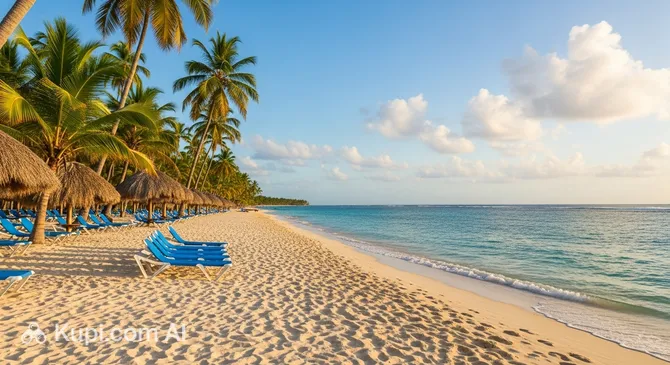
For a more secluded and upscale beach experience, Juanillo Beach is a perfect choice. Located in the exclusive Cap Cana area, this shoreline is known for its immaculately white sand and calm, shallow turquoise waters. It is significantly quieter than the bustling Bavaro area, making it ideal for families or couples seeking tranquility. Visitors can lounge under palm trees, enjoy fresh seafood at nearby beach clubs, or simply wade in the crystal-clear ocean without the crowds.

Juanillo Beach. Source: Kupi.Binoculars

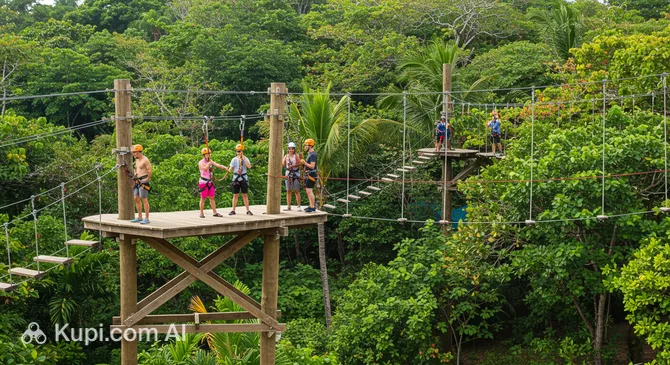
If you are looking to trade relaxation for adrenaline, the Bavaro Adventure Park offers an exciting open-air playground. This eco-park features a wide range of activities designed to get your heart racing, from ziplining across the canopy to driving buggies through rugged terrain. It also includes unique attractions like a dinosaur world for children and a flight simulator. It is a fantastic spot to spend an active day exploring the Dominican landscape in a fun and safe environment.

Bavaro Adventure Park. Source: Kupi.Binoculars

Golfers will be delighted by the La Cana Golf Club, a masterpiece designed by P.B. Dye. This 27-hole course is celebrated for its environmentally friendly maintenance and breathtaking scenery, with 14 holes offering views of the Caribbean Sea. It provides a challenging yet rewarding game for players of all skill levels, combining strategic layouts with the natural beauty of the coast. The clubhouse also offers a great place to relax after a round.

La Cana Golf Club. Source: Kupi.Binoculars

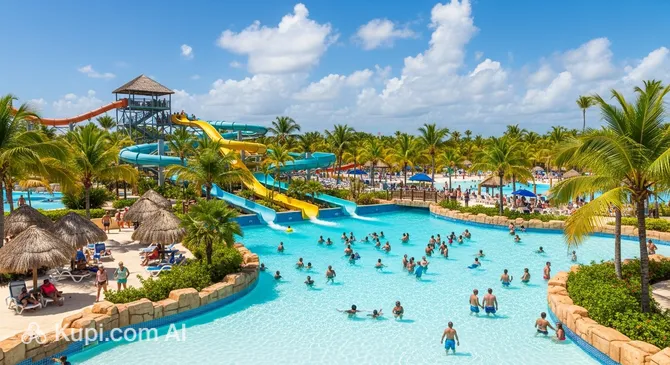
For a day of splashing fun, head to the El Dorado Water Park. This modern aquatic theme park is designed with the legend of the lost city of gold in mind, offering a mix of thrilling slides and relaxing lazy rivers. It is an excellent destination for families, providing entertainment for both thrill-seekers and those who prefer to float the day away under the tropical sun.

El Dorado Water Park. Source: Kupi.Binoculars

Local Cuisine

The culinary landscape of Punta Cana is a vibrant reflection of Dominican culture, offering a delicious fusion of Spanish, Taino, and African influences. As a premier coastal destination, the city is naturally a haven for seafood lovers. Fresh catches such as red snapper, grouper, and Caribbean spiny lobster are staples on many menus, often prepared al ajillo (in garlic sauce), with coconut milk, or simply grilled to highlight their natural flavors.

To truly experience the local gastronomy, you must try La Bandera Dominicana (The Dominican Flag). This traditional lunch dish consists of white rice, stewed red beans, and meat—usually chicken or beef—served with a side of fried green plantains known as tostones. Another hearty favorite is Mofongo, a mound of mashed fried plantains mixed with garlic and chicharrón (pork cracklings), often served with a savory broth or topped with shrimp.

The beverage scene is equally exciting, dominated by the country's world-famous rum. Brands like Brugal and Barceló are local icons, often enjoyed neat or in cocktails. A unique local specialty is Mamajuana, a potent drink made by soaking tree bark and herbs in rum, red wine, and honey; it is considered a national treasure and is rumored to have medicinal qualities. For a refreshing non-alcoholic option, ice-cold Presidente beer or fresh juices made from tropical fruits like chinola (passion fruit) are perfect for hot days.

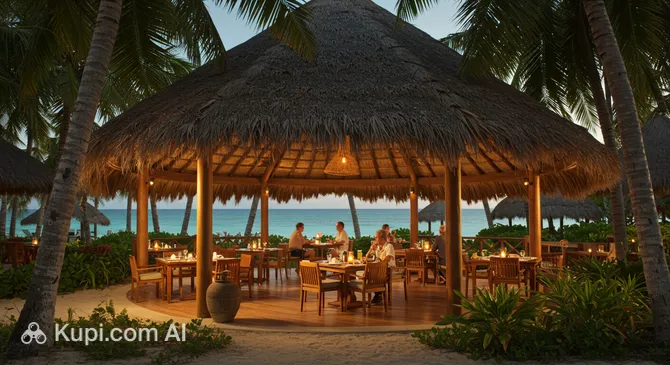
SBG Punta Cana. Source: Kupi.Binoculars

While many tourists dine within their all-inclusive resorts, the local restaurant scene offers excellent variety, from casual beach shacks to upscale establishments. For a sophisticated dining experience that combines great food with a lively atmosphere, SBG Punta Cana is a top choice, known for its international fusion menu. If you are in the mood for high-quality Italian cuisine, Ristorante SoloPasta is highly regarded for its fresh ingredients and comforting dishes.

For those seeking a more laid-back vibe to enjoy a drink, the Coconut Bar offers a quintessential tropical setting. Whether you are exploring a Gourmet Market for local snacks or sitting down for a full meal, Punta Cana's food culture invites you to savor the rich and bold flavors of the Caribbean.

Travel Tips

Welcome to Punta Cana! To ensure your tropical getaway is as smooth as the Caribbean breeze, here are some essential practical tips to help you navigate local customs and logistics with ease. A little preparation goes a long way in making your stay comfortable and stress-free.

  1. Clothing and Gear: The climate is warm and humid year-round, so pack lightweight, breathable fabrics like cotton or linen. Essential accessories include comfortable walking shoes, high SPF sunscreen, and a US-style power adapter (Type A/B) if you are coming from Europe. While beachwear is perfect for the day, remember that many all-inclusive resorts have a strict dress code for dinner, often requiring men to wear long trousers and closed-toe shoes.
  2. Transportation: Within resort complexes, walking or shuttle carts are the norm. For exploring outside, official taxis are the safest option, though they can be expensive; always agree on the fare before starting your journey. Ride-hailing apps are available and often cheaper, but be discreet when using them due to local friction with taxi drivers. Renting a car is generally not recommended unless you are comfortable with chaotic traffic and aggressive driving styles.
  3. Finances: The official currency is the Dominican Peso (DOP), but US Dollars are widely accepted and often preferred in tourist areas. It is best to use pesos for small purchases in local shops to get a better rate. Credit cards work in most hotels and malls, but always carry some cash for tips and markets. Tipping is customary; leaving a small amount for housekeeping, waiters, and guides is greatly appreciated.
  4. Health and Safety: Never drink tap water in the Dominican Republic; always stick to sealed bottled water for drinking and brushing your teeth to avoid stomach upsets. Pharmacies are widely available and well-stocked. In terms of safety, stay in well-lit, populated areas at night and be cautious with your belongings in public spaces. The specialized Tourist Police (POLITUR) are helpful and visible in main areas.
  5. Communication: Spanish is the official language. While English is widely spoken by staff in hotels and tourist zones, it is less common in rural areas or local towns. Learning a few basic phrases like "Hola" (Hello) and "Gracias" (Thank you) is a polite gesture that locals love. Wi-Fi is standard in resorts, but you can easily buy a local SIM card from providers like Claro or Altice for reliable mobile data.
  6. Local Etiquette: Dominicans are incredibly warm and hospitable people. It is polite to greet everyone with a "Buenos días" or "Buenas tardes" when entering a room, shop, or taxi. Life here moves on "island time," so service might be slower than you are used to—patience and a smile will get you better results than rushing.
  7. What to Avoid: Avoid buying excursions from unlicensed vendors roaming the beaches, as safety standards and quality cannot be guaranteed. It is also wise to avoid wearing flashy jewelry or carrying large amounts of cash when walking outside your resort to avoid attracting unwanted attention.
  8. Shopping Tip: If you visit local markets or souvenir stalls, haggling is part of the culture and is expected. However, do so respectfully and with a smile. Note that prices in shopping malls and supermarkets are fixed and non-negotiable.

By keeping these practical pointers in mind, you can focus entirely on relaxing and enjoying the vibrant culture and stunning natural beauty of the region. Have a safe, fun, and unforgettable trip to this Caribbean jewel!

Entertainment & Nightlife

When the sun sets over the Caribbean, Punta Cana shifts gears from a relaxed beach destination to a vibrant hub of nocturnal activity. The nightlife here is legendary, offering everything from high-energy dance clubs to chill beachfront lounges. The action is primarily concentrated in two main areas: the bustling Bavaro Strip, where you will find a mix of local bars and international discos, and the newer Downtown Punta Cana, which hosts large-scale entertainment venues and concerts.

For a unique blend of tropical relaxation and party vibes, Playa Blanca is a must-visit. Located within the exclusive Punta Cana Resort & Club area, this venue serves as a chic restaurant by day and transforms into a lively social spot in the evenings. It is famous for its beach parties and events, where you can dance on the sand with a cocktail in hand under the stars. The atmosphere here is sophisticated yet relaxed, attracting a stylish crowd looking to enjoy the ocean breeze.

Playa Blanca. Source: Kupi.Binoculars

If you prefer a more high-octane experience, the region is home to world-class nightclubs. While iconic spots like Coco Bongo offer Vegas-style shows with acrobats and musical tributes, unique venues like Imagine Cave Nightclub allow you to party inside a natural system of caves. For those seeking an upscale evening that combines fine dining with a club atmosphere, SBG Punta Cana in the BlueMall is a top choice, known for its "dining club" concept where the energy rises as the night progresses.

Practical Tips for Nightlife:

  • Timing: The party starts late in the Dominican Republic. Bars may fill up around 9:00 PM, but nightclubs typically do not get busy until after 11:30 PM or midnight.
  • Dress Code: While beach bars are casual, nightclubs and upscale venues like SBG often enforce a "smart casual" or "elegant" dress code. For men, this usually means long pants, closed-toe shoes, and a collared shirt.
  • Safety & Transport: It is generally safe to enjoy the nightlife, but it is advisable to stick to tourist-friendly areas. Avoid walking long distances on unlit roads at night. The best way to get around is by ordering an official taxi or arranging a private transfer. Ride-sharing apps are available but can sometimes face restrictions in certain zones.

Before the night fully kicks in, visitors often enjoy evening strolls or shopping trips. The Punta Cana Mall is a convenient spot near the airport to browse for souvenirs, enjoy a coffee, or grab a casual dinner. Similarly, Plaza Velero offers a selection of local shops and services. These commercial centers provide a more laid-back form of entertainment, perfect for families or those looking to unwind after a day in the sun before heading out for the night.

Punta Cana Mall. Source: Kupi.Binoculars

Whether you are looking to dance until dawn, sip premium rum in a cave, or enjoy a moonlit dinner by the sea, Punta Cana's diverse entertainment scene ensures that your nights are just as memorable as your days.

Parks & Museums

While Punta Cana is globally celebrated for its sun-drenched coastline, the city and its surrounding region also offer lush green spaces and cultural venues that provide a deeper look into the Dominican Republic's natural beauty and heritage. Beyond the resorts, visitors can discover protected ecological reserves and interactive cultural centers that celebrate the island's rich history and biodiversity.

One of the most significant natural treasures in the area is the Indigenous Eyes Ecological Reserve. This private protected area covers 1,500 acres of subtropical forest and is a haven for nature lovers. The reserve is famous for its twelve freshwater lagoons, fed by underground rivers, where visitors can swim in crystal-clear waters surrounded by mangrove forests. The park also features interpretative trails that showcase the native flora and fauna, making it a peaceful retreat from the bustling beaches.

Another impressive natural area is the landscape surrounding the Corales Golf Course. While primarily a world-class sporting venue, its design incorporates the dramatic natural geography of the region, featuring rocky cliffs and ocean views that rival any national park. The meticulously maintained grounds offer a stunning example of how the local environment blends with manicured green spaces, providing breathtaking vistas of the Caribbean Sea.

Corales Golf Course. Source: Kupi.Binoculars

For those interested in local culture, the ChocoMuseo is a delightful stop located in the Bavaro area. Although small, this "chocolate museum" offers an engaging experience where visitors can learn about the history of cacao in the Caribbean and the process of chocolate making. It is an interactive venue that often includes workshops, allowing guests to make their own chocolate bars—a perfect activity for families and foodies alike.

Another key cultural spot is Mundo Auténtico, which functions as a living museum of Dominican exports. Here, you can explore the history and production of the island's most famous goods: tobacco, rum, coffee, and chocolate. Guided tours often demonstrate the art of cigar rolling and offer tastings, providing insight into the industries that have shaped the local economy and culture for centuries.

For a more traditional historical experience, many travelers take a short trip to the nearby city of Higüey to visit the Basilica Cathedral of Our Lady of Altagracia. This imposing concrete cathedral is one of the most important religious sites in the Caribbean and a monument to Dominican architectural modernism. Its unique arch structure and religious significance make it a pivotal landmark for understanding the spiritual life of the region.

Insider Tip: If you visit the ecological reserves, try to arrive early in the morning. Not only will you beat the midday heat, but you will also have a better chance of spotting local wildlife, such as birds and lizards, before the trails get busy.

Getting Around

Navigating Punta Cana differs significantly from moving around a typical major metropolis. As a resort-focused destination sprawling along the coast, the city does not have a metro system, trams, or a centralized railway network. Instead, the public transport system is informal, relying primarily on privately owned buses and motorcycles. For many visitors, understanding these local nuances is key to exploring the area authentically and affordably.

The most common form of public transport is the guagua. These are minivans or small buses that operate along the main roads connecting the various beach areas, downtown, and residential zones. They are by far the most economical way to get around. While they do not have strict timetables, they run frequently during the day, often passing every 15 to 20 minutes. You will not find designated bus stops with maps; instead, you simply stand by the side of the road and wave your hand to flag one down.

For shorter distances, you will see motoconchos everywhere. These are motorcycle taxis where passengers ride on the back behind the driver. They are incredibly cheap and agile, able to weave through traffic faster than cars. However, they are generally not recommended for tourists due to safety concerns, lack of helmets, and aggressive driving styles. If you choose to use one, always agree on the price beforehand and hold on tight.

The payment system for public transport is entirely cash-based. There are no travel cards, passes, or mobile apps for ticketing on guaguas or motoconchos. You pay the conductor (who hangs out the side of the bus) or the driver directly upon boarding or exiting. It is essential to carry local currency (Dominican Pesos) in small denominations, as drivers often have limited change for large bills or foreign currency. A typical ride on a guagua costs very little, usually the equivalent of a dollar or two.

For those seeking more comfort and reliability, taxis are widely available at all hotels and major attractions. Official tourist taxis have fixed rates which can be quite high compared to local transport. A popular alternative is using ride-sharing apps like Uber, which operate in the area and often offer better rates and the convenience of paying via card through the app. However, be aware that local taxi unions can be territorial, so Uber drivers may ask you to meet them slightly outside a hotel lobby or main gate.

Car rentals are an option for travelers who want complete freedom to explore the province of La Altagracia, but driving here requires defensive skills due to unpredictable traffic habits. If you prefer a balance between independence and safety, many tourists opt to hire a private driver for the day. Regardless of how you choose to travel, keep in mind that public transport services like guaguas typically stop running or become very scarce after sunset, so plan to use taxis for any late-night outings.

Accommodation

Where to Stay:

Accommodation in Punta Cana is synonymous with the concept of the "all-inclusive" vacation. The coastline is dotted with sprawling resort complexes that function almost like self-contained cities, offering guests everything from multiple restaurants and pools to theaters and water parks without ever needing to leave the property. While these grand resorts are the most popular choice, the region also offers a growing number of boutique hotels, vacation apartments, and private villas for travelers seeking a more independent or intimate experience.

When choosing where to stay, location plays a key role in the vibe of your holiday. The Bavaro area is the bustling heart of the region, perfect for those who want to be close to the action, nightlife, and the most famous stretch of beach. For a more exclusive and tranquil atmosphere, the gated community of Cap Cana to the south offers luxury marinas and secluded shores. Alternatively, the northern area of Uvero Alto provides a quieter, more secluded retreat, often favored by honeymooners and those looking to escape the crowds.

The standard of hospitality here is world-class, with options ranging from family-friendly mega-resorts to sophisticated adults-only sanctuaries. For instance, the Zilara Cap Cana is a prime example of the high-end, adults-only experience available in the exclusive southern district, offering luxurious amenities and direct beach access. Similarly, the legendary Punta Cana resort complex continues to be a benchmark for Caribbean hospitality, providing extensive facilities that cater to both relaxation and recreation.

Zilara Cap Cana. Source: Kupi.Binoculars

Booking Tip: If you plan to visit during the peak season, which runs from December to April, it is highly recommended to book your accommodation several months in advance to secure the best rates and availability. This is especially true for the top-rated resorts, which can fill up quickly with international travelers escaping the winter cold.

In terms of pricing, Punta Cana caters to a wide spectrum of budgets, though it leans towards the mid-to-high range. While true budget hostels are rare near the beach, there are affordable guesthouses and apartments a bit further inland. Mid-range all-inclusive packages often provide excellent value by bundling food, drinks, and entertainment. Booking is typically done through major online travel platforms or directly via hotel websites, where you might sometimes find exclusive package deals or airport transfer inclusions.

Nearby Cities

For those looking to explore the surroundings, Punta Cana serves as an excellent base for day trips to several interesting nearby locations:

City Population Distance (km)
Higüey 251,243 37
San Pedro de Macorís 195,307 99
Boca Chica 142,019 131
La Romana 139,671 64
El Seibo 66,867 74

Just a short drive inland lies Higüey, the capital of the La Altagracia province and a significant cultural hub. It offers a genuine look into the daily lives of Dominican people, away from the polished resort areas. The city is most famous for the Basilica Cathedral of Our Lady of Altagracia, a striking modernist structure that stands as one of the most important religious sites in the Caribbean. Visitors often combine a trip to the cathedral with a stroll through the lively local markets to sample fresh produce and local snacks.

Another popular destination is La Romana, located along the southern coast. This city is a gateway to the famous Altos de Chavón, a magnificent replica of a 16th-century Mediterranean village perched on a cliff overlooking the Chavón River. Tourists flock here to wander the cobblestone streets, visit the amphitheater, and explore art galleries and museums. La Romana is also known for its sprawling sugar cane fields and the luxurious Casa de Campo complex.

For those interested in history and sports, San Pedro de Macorís offers a rich architectural heritage tied to the sugar boom of the early 20th century. Known as the "Cradle of Shortstops," the city has a legendary reputation for producing some of the world's finest baseball players. A visit here allows travelers to admire the neoclassical buildings in the historic center and learn about the deep-rooted traditions that have shaped the nation's identity.

These nearby destinations offer a glimpse into the diverse culture and landscapes of the region.

Shopping & Souvenirs

Shopping in Punta Cana offers a delightful mix of modern convenience and traditional Caribbean charm. While the city is not a sprawling metropolis filled with high-street fashion avenues, it provides a curated experience where visitors can find everything from luxury brands to authentic handcrafted goods. The shopping scene is designed primarily around the resort lifestyle, featuring open-air plazas, boutique stores, and vibrant beachfront markets that capture the colorful spirit of the Dominican Republic.

The main hub for commercial activity is the Bavaro area, where many of the shopping districts are located close to the major hotels. Here, you can wander through lively streets lined with souvenir shops, cigar lounges, and jewelry stores. Exploring these areas allows you to soak in the local atmosphere, often accompanied by the sound of merengue music and the scent of fresh coffee wafting from nearby cafes.

For a more structured retail experience, the city boasts several shopping centers. Punta Cana Mall is a well-known spot located near the airport, offering a variety of stores, supermarkets, and dining options in a relaxed setting. It is a convenient place to pick up essentials or browse for gifts. Another notable destination is Plaza Velero, which provides a selection of local businesses and services, making it a practical stop for tourists looking for specific items or a quick bite to eat.

Plaza Velero. Source: Kupi.Binoculars

If you prefer a more traditional browsing experience, the local markets are a must-visit. The Gourmet Market is an excellent place to discover high-quality local produce and edible treats. For handicrafts, the beachside markets, such as the one at Plaza Bibijagua, are famous for their colorful stalls. Here, you can find vibrant paintings, wood carvings, and handmade jewelry, all while enjoying the ocean breeze. Bargaining is common in these open-air markets, so feel free to negotiate the price with a smile.

When it comes to souvenirs, Punta Cana has several signature items that are worth bringing home. The Dominican Republic is renowned for Larimar, a semi-precious blue stone found only in this country, and Amber, which is considered some of the clearest in the world. Other popular gifts include premium hand-rolled cigars, bottles of aged rum, and bags of rich, organic coffee or cacao. These items truly represent the flavors and geology of the island.

Store opening hours generally run from 10:00 AM to 9:00 PM for larger malls and supermarkets, while smaller boutiques and souvenir shops may close earlier or take a break during the afternoon. Major credit cards are widely accepted in shopping centers and established stores. However, if you are visiting street markets or smaller vendors, it is advisable to carry cash, either in Dominican Pesos or US Dollars, to ensure smooth transactions.

Tourists should also be aware of tax-free shopping opportunities. Many large stores and malls participate in programs that allow foreign visitors to claim a refund on the ITBIS (sales tax) for purchases over a certain amount. Additionally, "Duty Free" shopping is extensively available, particularly for alcohol and tobacco products, ensuring you can stock up on local favorites at excellent prices before you leave.

Reached the end of the page?

That means the route is fully explored