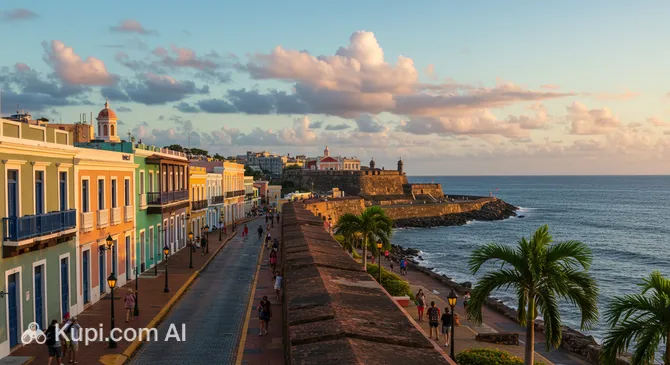
San Juan is the vibrant capital and most populous city of Puerto Rico, serving as the island's most important seaport and cultural center. This dynamic metropolis perfectly balances the allure of a tropical paradise with the energy of a modern urban hub, making it a top destination for travelers worldwide.
Located on the northeastern coast of the island, San Juan enjoys a warm maritime climate that invites exploration in any season. The city is a sprawling mosaic of neighborhoods, home to a large and diverse population that infuses the streets with life, music, and flavor.
San Juan. Illustration.
Source: Kupi.com AI
The city's past is deeply rooted in the colonial era. You can dive into the fascinating history of San Juan by wandering through the blue cobblestone streets of Old San Juan (Viejo San Juan). Here, the majestic Castillo San Felipe del Morro offers breathtaking views and a glimpse into the city's strategic importance over the centuries. Beyond the historic walls, the district of Condado beckons with its luxury resorts, pristine beaches, and bustling nightlife.
From its architectural treasures to its vibrant culinary scene, San Juan offers something for every type of traveler. Come and experience the warmth of its people and the unique magic that defines this Caribbean gem.
Weather Overview
San Juan is known for its tropical maritime climate, offering warm and humid weather throughout the year. Temperatures are remarkably consistent, with monthly averages hovering between 24°C and 28°C. The coolest month is typically February, while August tends to be the warmest, though the constant ocean breeze often helps temper the heat.
Precipitation is a common feature of the island's weather pattern, often manifesting as brief, refreshing showers rather than all-day downpours. The number of wet days ranges from roughly 15 in the drier months of January and March to a peak of 25 days in September. To help plan your activities, you can view the detailed report on the weather in San Juan. Expect consistently warm days year-round interspersed with frequent, short-lived rainfall.
Average monthly temperature
Average monthly precipitation
Interesting Facts
Beyond the sun-soaked beaches and colonial architecture, San Juan holds many fascinating stories that often escape the casual observer.
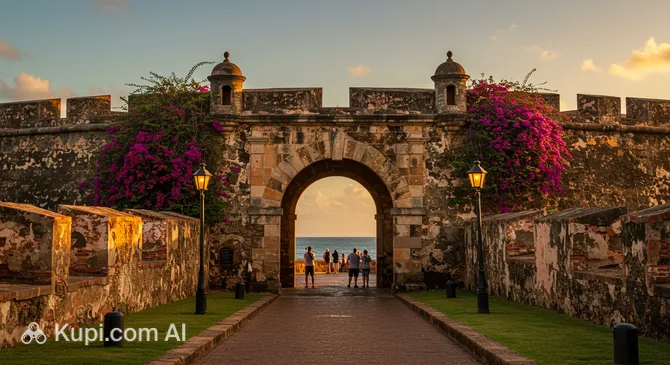
San Juan Gate. Illustration.
Source: Kupi.com AI
Traveler photos:
The streets of Old San Juan are famous for their blue cobblestones, known as adoquines. These unique stones were cast from furnace slag and brought over as ballast on Spanish ships centuries ago, giving the historic district its distinctive azure hue.
San Juan is widely considered the birthplace of the Piña Colada. One of the strongest claims to its invention comes from the Caribe Hilton, where bartender Ramón "Monchito" Marrero reportedly created the legendary pineapple and coconut cocktail in 1954.
The San Juan Gate serves as a dramatic reminder of the city's fortified past. It is the only remaining entrance of the original five that once pierced the massive defensive walls, historically serving as the main entry point for governors and religious processions arriving by sea.
Built in 1521, Casa Blanca is the oldest continuously occupied residence in the Western Hemisphere. It was originally constructed for the explorer Juan Ponce de León, although he died before he could ever live there.
The San Juan Bautista Cathedral is not only the second oldest cathedral in the Americas but also the final resting place of Juan Ponce de León, whose tomb was moved there in the early 20th century.
How to Get There
As a major Caribbean hub, reaching the capital of Puerto Rico is convenient for travelers from around the globe. While many visitors arrive via cruise ships docking at the historic port, air travel remains the most common method of entry. For a comprehensive guide on all transport options, you can read more about how to get to San Juan.
The primary gateway to the city is Luis Muñoz Marín International Airport (IATA: SJU). Located just 6.5 km from the city center, it is the busiest airport in the Caribbean region, handling a large volume of international and domestic flights. Travel time to the main tourist areas is short, typically taking around 30 minutes by taxi or shuttle, depending on traffic.
For those exploring other parts of the island first or seeking alternative flight connections, Rafael Hernandez Airport (IATA: BQN) is a viable option. However, please note that this airport is located in the city of Aguadilla, approximately 114 km from San Juan. The journey by car or taxi from Aguadilla to the capital takes significantly longer, usually around 3 hours. Another regional option is Mercedita Airport (IATA: PSE) in the city of Ponce, situated about 70 km away, which translates to a drive of roughly 2 hours.
For clarity, here is a summary of the main airports:
San Juan is a city where history and modernity coexist seamlessly, offering a wealth of experiences ranging from ancient fortifications to pulsating nightlife. The city's attractions are diverse, ensuring that every traveler finds something to captivate their imagination.
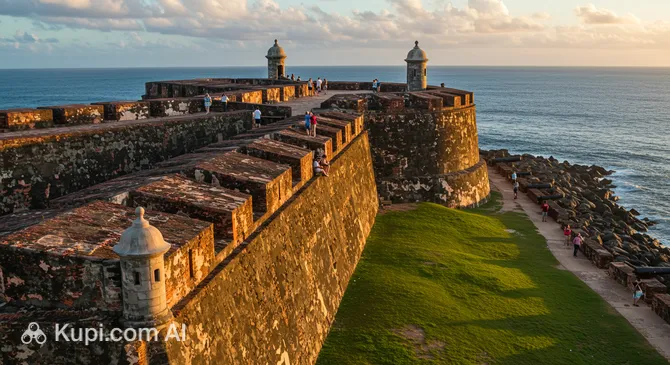
A visit to the capital would be incomplete without exploring Castillo San Felipe del Morro. Standing majestically at the entrance to San Juan Bay, this six-level citadel is a UNESCO World Heritage Site and a symbol of Puerto Rican resilience. Built by the Spanish in the 16th century, it offers visitors a chance to wander through historic barracks, dungeons, and tunnels. The vast green lawns leading up to the fort are perfect for flying kites, while the ramparts provide spectacular panoramic views of the Atlantic Ocean.
Castillo San Felipe del Morro. Illustration.
Source: Kupi.com AI
Traveler photos:
Complementing El Morro is the massive Castillo San Cristóbal, the largest fortification built by the Spanish in the New World. While El Morro defended against sea attacks, San Cristóbal was designed to protect the city from land-based invasions. Tourists are fascinated by its intricate network of tunnels and the famous "Devil's Sentry Box" (Garita del Diablo), which is steeped in local legend. The upper levels offer some of the best vantage points for viewing the city skyline and the coast.
For a taste of the island's spirited culture, Casa Bacardí is an essential stop. Located just across the bay, this world-renowned facility is often called the "Cathedral of Rum." Visitors can embark on guided tours to learn about the heritage of the Bacardí family and the rum-making process. The experience is heightened by opportunities to enjoy premium tastings, take mixology classes, and even bottle your own rum, making it a favorite for those who appreciate fine spirits.
Casa Bacardí. Illustration.
Source: Kupi.com AI
Traveler photos:
When the sun sets, the energy shifts to La Placita de Santurce. By day, it functions as a traditional market square with fresh produce, but by night, it transforms into one of the city's most vibrant nightlife hubs. The streets come alive with the sounds of salsa and laughter as locals and tourists mingle to enjoy street food, drinks, and dancing under the stars. It provides an authentic glimpse into the joyful lifestyle of San Juan's residents.
La Placita de Santurce. Illustration.
Source: Kupi.com AI
Traveler photos:
Those seeking relaxation and natural beauty should head to Escambrón Beach. Conveniently located near the historic district, this Blue Flag beach is known for its golden sands and calm, crystal-clear waters, which are protected by offshore coral reefs. It is an excellent spot for swimming and snorkeling, with a surrounding park that offers a peaceful escape from the urban bustle.
Local Cuisine
The culinary landscape of San Juan is a delicious reflection of its history, blending Taino, Spanish, and African influences into a style known as Cocina Criolla. For food lovers, the city offers an endless array of flavors, from humble roadside kiosks to high-end dining establishments. The heart of the local diet is rich, savory, and heavily reliant on fresh ingredients like plantains, seafood, and tropical fruits.
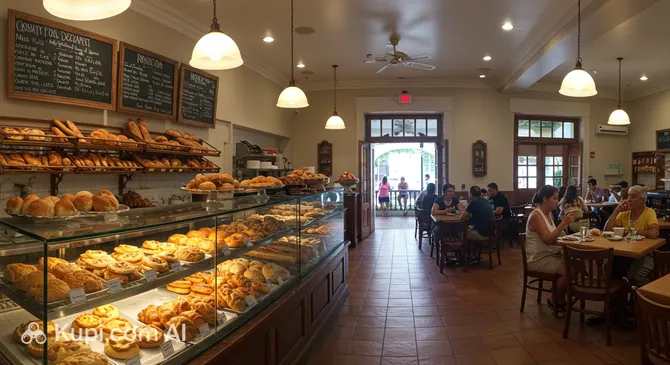
No visit to San Juan is complete without trying Mofongo, arguably the island's most iconic dish. It consists of fried green plantains mashed with garlic, olive oil, and pork cracklings (chicharrón), often shaped into a bowl and filled with stewed shrimp, steak, or chicken. For a lighter start to the day or a sweet treat, many locals head to bakeries like Panadería España. Here, you can enjoy a "Mallorca," a soft, sweet bread dusted with powdered sugar, often served as a sandwich with ham and cheese.
Panadería España. Illustration.
Source: Kupi.com AI
Traveler photos:
Street food culture is a vital part of the experience. Throughout the city, you will find stalls selling frituras, or fried snacks. Be sure to taste an alcapurria, a fritter made from grated taro root and green bananas filled with seasoned ground beef or crab. Another favorite is the bacalaito, a crispy, salted codfish pancake that pairs perfectly with a cold beer or a tropical juice.
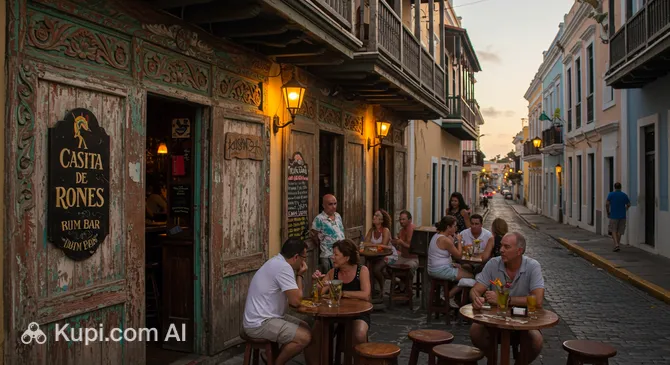
When it comes to drinks, San Juan is the undisputed capital of rum. While the Piña Colada is the most famous cocktail, the city's relationship with spirits goes much deeper. You can explore this heritage at La Casita de Rones, a venue dedicated to the island's official spirit, offering tastings and cocktails in a historic setting near the bay.
La Casita de Rones. Illustration.
Source: Kupi.com AI
Traveler photos:
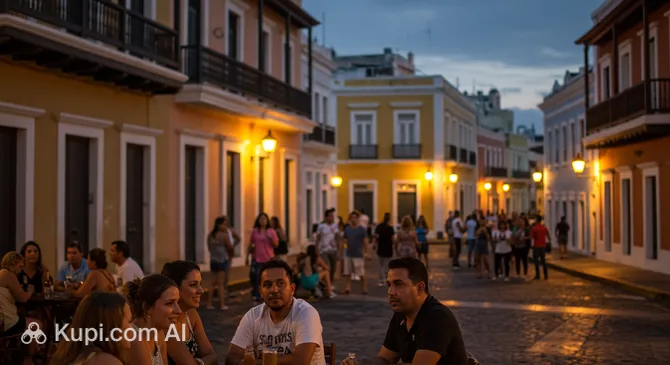
For a truly authentic atmosphere, locals flock to open-air spots to socialize. Places like El Watusi Corner exemplify the neighborhood bar culture, where people gather on the sidewalk to enjoy affordable drinks and vibrant conversation. Whether you are browsing the fresh produce at Santurce Market Square or dining in a colonial courtyard, the food scene in San Juan is as warm and inviting as its people.
Travel Tips
Welcome to San Juan! To ensure your Caribbean getaway is as relaxing as it is exciting, we have compiled some essential practical advice. These tips will help you navigate the capital with the ease of a local, allowing you to focus on the rhythm of the city.
Clothing and Gear: The climate is tropical and humid, so pack lightweight, breathable fabrics like cotton or linen. Comfortable walking shoes are absolutely essential, especially for navigating the uneven blue cobblestones of Old San Juan. While beachwear is perfect for the coast, it is considered inappropriate in the city center, shops, and restaurants. If you plan to visit religious sites, dress modestly by covering your shoulders and knees.
Transportation: Within the main tourist areas like Old San Juan, Condado, and Isla Verde, ride-hailing apps like Uber are the most convenient and reliable way to get around. Public buses (AMA) can be infrequent and slow. renting a car is generally not recommended for staying strictly within the city due to heavy traffic and limited parking, but it is necessary if you plan to explore the rest of Puerto Rico.
Finances: The official currency is the US Dollar (USD). Credit and debit cards are widely accepted almost everywhere, from high-end restaurants to supermarkets. ATMs are plentiful throughout the city. Tipping is part of the culture and follows the standard US practice; it is customary to leave 15-20% for good service in restaurants, bars, and for taxi drivers.
Health and Safety: San Juan is generally safe for tourists, particularly in popular zones, but standard urban precautions apply. Avoid walking alone on beaches at night and stay in well-lit areas. Tap water is subject to US standards and is safe to drink, though many visitors prefer bottled water for taste. Pharmacies like Walgreens and CVS are common and easy to find for any medical needs.
Communication: Spanish and English are both official languages. You will find that English is widely spoken in tourism, hospitality, and business sectors. However, learning a few basic phrases like Hola (Hello) and Gracias (Thank you) is appreciated. For mobile data, most major US carriers work here without roaming charges, making connectivity seamless for many travelers.
Local Etiquette: Puerto Ricans are warm and polite. A common and charming custom is to say "Buen provecho" (enjoy your meal) to strangers when you enter a restaurant or pass a table where people are eating. Greetings often involve a handshake or a kiss on the cheek, even among new acquaintances in social settings.
What to Avoid: Do not explore the neighborhood of La Perla (located just outside the city walls) on your own, especially at night, unless you are attending a specific event or are with a local guide. Also, avoid getting frustrated with "island time"; service may be more relaxed and slower than what you are used to, so patience is key.
Additional Tip: San Juan comes alive late in the evening. Locals typically eat dinner around 8:00 PM or later. If you want to experience the true nightlife atmosphere, pace yourself during the day so you can enjoy the music and social scene that stretches well into the night.
By keeping these practical tips in mind, you will be well-prepared to embrace the warmth and energy of this beautiful city. Enjoy your journey through the historic streets and sunny shores of San Juan!
Entertainment & Nightlife
As the sun sets over the Caribbean, San Juan transforms into a pulsating hub of energy, music, and social connection. The city's nightlife is legendary, offering everything from sophisticated cocktail lounges and high-energy nightclubs to laid-back street parties. Whether you want to dance to salsa until dawn or enjoy a quiet drink with an ocean view, the capital has a district to match your mood.
The nightlife scene is spread across several key neighborhoods, each with its own distinct vibe. Old San Juan is perfect for a romantic evening or a bar-hopping adventure along San Sebastián Street, where you can find historic taverns and cozy speakeasies. For a more upscale experience, the Condado district offers trendy hotel bars and oceanfront clubs where the dress code is "dress to impress." Meanwhile, the hipster-friendly Calle Loíza is the place to go for craft beers, artistic crowds, and an alternative atmosphere.
For those looking to dive into the local scene, Kaiju Noodle Bar is a popular spot that blends great food with a lively nocturnal ambiance, often attracting a cool, young crowd. If you prefer a more refined setting to enjoy premium spirits and cigars, Montecristo House Puerto Rico offers an elegant lounge experience perfect for conversation and relaxation.
Kaiju Noodle Bar. Illustration.
Source: Kupi.com AI
Traveler photos:
Music is the heartbeat of the island, and you can catch world-class performances at the José Miguel Agrelot Coliseum. Known locally as the "Choliseo," this major arena hosts international superstars and is the epicenter of big-ticket entertainment in Puerto Rico. When planning your night out, keep in mind that the action starts late. Most bars don't fill up until after 10:00 PM, and clubs often peak around 1:00 AM.
While the nights are electric, San Juan also boasts a rich array of daytime entertainment. Art enthusiasts should visit the Puerto Rico Museum of Art in Santurce, which houses an impressive collection of local and international works. For theater lovers, the Luis A. Ferré Fine Arts Center offers a diverse program of plays, concerts, and ballets. Families traveling with children can cool off at the Aquasol Children's Water Park, a fun-filled destination perfect for a sunny afternoon.
Regarding safety and logistics, ride-sharing services like Uber are the safest and most convenient way to get around at night, as parking can be scarce and taxi availability varies. While main tourist areas like Condado and Old San Juan are well-patrolled and safe for walking, it is always wise to stay in well-lit areas and avoid deserted streets. Prices vary significantly; expect to pay premium rates in resort areas, while local spots in Santurce offer more budget-friendly options.
Parks & Museums
San Juan offers a refreshing balance of urban energy and natural tranquility, boasting lush green spaces and institutions that preserve its rich heritage. From serene botanical collections to galleries housed in colonial buildings, the city provides ample opportunities to connect with nature and history.
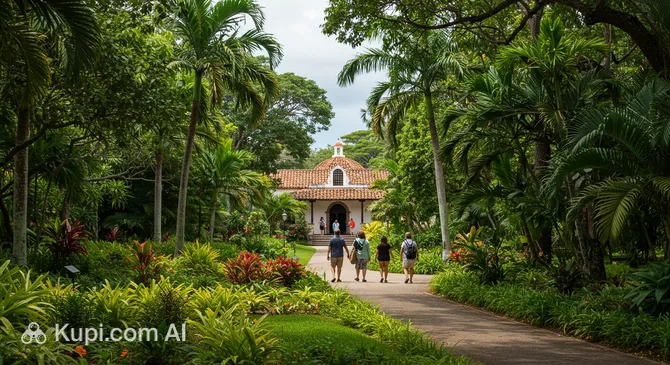
Nature lovers should not miss the University of Puerto Rico Botanical Garden. This sprawling oasis serves as a living laboratory of tropical flora, featuring themed areas such as a sculpture garden, a palm garden, and a mesmerizing orchid collection. It is a perfect spot for a peaceful walk away from the city noise. For a more urban experience, Parque de las Palomas offers a unique charm in Old San Juan. Situated atop the city walls near the Capilla del Cristo, this small park is famous for its hundreds of friendly pigeons and offers stunning views of the bay through historic embrasures.
University of Puerto Rico Botanical Garden. Illustration.
Source: Kupi.com AI
Traveler photos:
Families and outdoor enthusiasts often gather at Luis Muñoz Marín Park, a large recreational area known for its open green spaces, playgrounds, and walking paths. It is an excellent venue for a relaxing afternoon picnic or a leisurely bike ride, providing a green lung in the heart of the metropolitan area.
To dive deeper into the region's cultural identity, a visit to the Museum of the Americas is essential. Located on the second floor of a historic military building, it presents comprehensive exhibits on the indigenous, African, and European heritage that shaped the continent. For those interested in modern expression, the Museum of Contemporary Art of Puerto Rico (MAC) in Santurce displays thought-provoking works by Caribbean and Latin American artists within a beautifully restored Georgian-style school building.
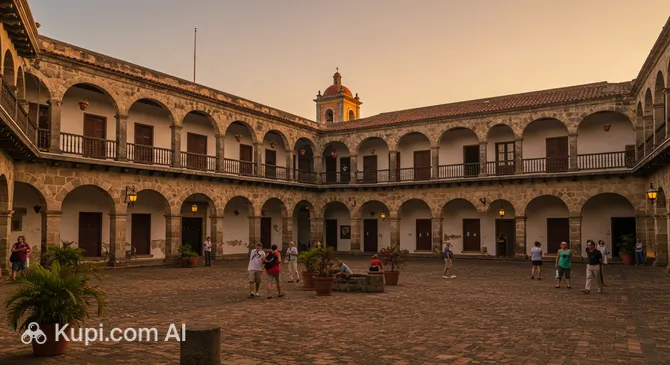
The city's architectural legacy is best appreciated through the San Juan National Historic Site, which encompasses the massive defensive walls and forts that once protected the city. A standout landmark within this historic zone is the Ballajá Barracks. Once housing Spanish troops, this impressive structure with its vast open-air courtyard has been transformed into a vibrant cultural hub, housing the Museum of the Americas and often hosting artisan markets.
Ballajá Barracks. Illustration.
Source: Kupi.com AI
Traveler photos:
For a truly authentic moment, grab a bag of dried corn to feed the birds at Parque de las Palomas, or simply sit in the courtyard of the Ballajá Barracks to enjoy the cool breeze and the grandeur of colonial architecture.
Getting Around
Navigating San Juan is an adventure in itself, offering a mix of modern transit options and traditional Caribbean methods. The city's public transport system is managed by the Department of Transportation and Public Works and primarily consists of a heavy rail metro system, a network of public buses, and a popular ferry service.
The Tren Urbano is a modern, single-line rapid transit system that connects the district of Santurce with the southern suburbs of Guaynabo and Bayamón. While it does not reach Old San Juan or the airport directly, it is efficient, clean, and reliable for reaching destinations like the financial district or the university area. The train operates daily, typically from 5:30 AM to 11:30 PM.
For broader coverage, the AMA buses (Autoridad Metropolitana de Autobuses) serve various routes throughout the metropolitan area. Locals often refer to the bus as the "guagua." While the network is extensive, buses can be infrequent and schedules are not always strictly adhered to, so patience is often required. Bus stops are marked with signs that say "Parada," but it is customary to wave at the driver to ensure they stop.
A highlight for visitors is the free trolley service in Old San Juan. These open-air trolleys are perfect for navigating the hilly, cobblestone streets of the historic district without getting tired. They run on different routes, stopping at key landmarks such as El Morro and San Cristóbal forts. No tickets are needed; you simply hop on and off at designated stops.
The payment system for public transport is affordable and relatively straightforward. To use the Tren Urbano and AMA buses, you typically need a stored-value magnetic card, which can be purchased from vending machines at any train station. The standard fare for the train is approximately $1.50, while bus fares are around $0.75. If you are taking the bus without a card, you must pay with coins (exact change only), as drivers do not carry cash.
Another unique transport feature is the Cataño Ferry (La Lancha), which departs from Pier 2 in Old San Juan. For a very low fare (less than a dollar), it takes passengers across the bay to the Cataño waterfront. It is not only a practical commute for locals but also offers tourists a scenic, short boat ride with excellent views of the city walls from the water.
For those who prefer more direct and private transport, taxis and ride-sharing apps like Uber are widely available and popular. Taxis in major tourist zones (like the airport, cruise piers, and hotels) often operate on a fixed-rate system based on zones, so clarify the price before getting in. Uber is often cheaper and very convenient for moving between districts like Condado, Isla Verde, and Old San Juan.
Car rentals are an option, but they are generally recommended only if you plan to leave the city to explore the rest of the island. Traffic in San Juan can be heavy, and parking in the historic center is extremely limited and expensive. Most tourists find that a combination of walking, ride-sharing, and occasional public transit is the best way to enjoy the city.
Accommodation
Where to Stay:
San Juan offers a diverse array of accommodation options that cater to every type of traveler, from backpackers seeking adventure to luxury seekers looking for Caribbean indulgence. The city's lodging landscape is a mix of historic charm and modern sophistication, featuring everything from budget-friendly hostels and vacation rentals to boutique hotels and sprawling beachfront resorts.
The choice of where to stay largely depends on the experience you desire. Visitors captivated by history and culture often prefer Old San Juan, where boutique hotels are housed in restored colonial buildings with Spanish courtyards. This area is incredibly walkable and places you right in the heart of the city's heritage. For those who want a blend of city energy, upscale dining, and beach access, the Condado district is the top choice. Often compared to Miami Beach, it is lined with high-end hotels, casinos, and vibrant nightlife.
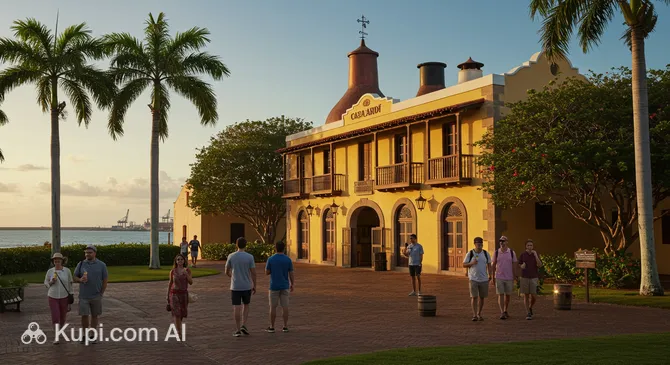
Travelers prioritizing sun, sand, and relaxation typically head to the Isla Verde area, located near the airport. This district is famous for its wide, sandy shores and large-scale resorts. A prime example of the accommodation style here can be found at Isla Verde Beach, where resorts offer direct ocean access and extensive amenities. Another legendary option for a resort experience is the Caribe, a historic property nestled between Old San Juan and Condado, known for its secluded beach and tropical gardens.
Caribe. Illustration.
Source: Kupi.com AI
Traveler photos:
Booking Tip: San Juan is a year-round destination, but the peak tourist season runs from mid-December to mid-April. During these months, and especially around holidays, hotels can fill up quickly. It is highly recommended to book your accommodation at least two to three months in advance to secure the best rates and availability.
The price range for accommodation varies significantly. Budget travelers can find hostels and guesthouses for reasonable rates, particularly in the Santurce neighborhood. Mid-range options are plentiful throughout the city, while oceanfront resorts in Condado and Isla Verde command premium prices. Most properties can be easily booked through major online travel platforms, though booking directly with the hotel can sometimes offer additional perks or flexible cancellation policies.
Nearby Cities
For those looking to explore the surroundings, San Juan serves as an excellent base for day trips to several interesting nearby locations. The island's compact size allows travelers to easily venture out and experience different facets of Puerto Rican life, from coastal adventures to cultural immersion in the interior.
One of the most popular excursions is to Fajardo, located on the eastern tip of the island. Known as a hub for nautical tourism, it is famous for Laguna Grande, one of the few bioluminescent bays in the world where the water glows at night. It is also the primary departure point for catamaran trips to pristine cays and snorkeling spots.
For a taste of the island's inland heritage, Caguas offers a distinct change of pace. Often called the "Heart of Puerto Rico," this city features the beautiful William Miranda Marín Botanical and Cultural Garden and a variety of museums that celebrate the region's Creole roots. It provides a lush, green contrast to the coastal capital.
Just to the east lies Carolina, known as the "Land of Giants." While it is home to the international airport, it also boasts some of the metropolitan area's finest beaches and the impressive Museo del Niño, making it a convenient and fun destination for families.
City
Population
Distance
Cano Martin Pena
12 112
2 km
Trujillo Alto
44 203
7 km
Catano
23 536
8 km
Carolina
139 735
11 km
Guaynabo
70 542
11 km
These nearby destinations offer a glimpse into the diverse culture and landscapes of the region, all within a short drive from the city center.
Shopping & Souvenirs
Shopping in San Juan is a delightful mix of modern retail therapy and traditional Caribbean charm. As the commercial hub of the region, the city offers everything from massive shopping centers to quaint artisan shops hidden within colonial buildings. Whether you are looking for designer fashion or unique handmade crafts, the capital provides a diverse array of options to satisfy every shopper.
For a scenic shopping experience, the cobblestone streets of Old San Juan are the perfect starting point. Calle del Cristo and Calle de la Fortaleza are lined with factory outlets, jewelry stores, and boutiques selling local art. If you prefer luxury brands, head to Ashford Avenue in the Condado district. Often referred to as the "Rodeo Drive of Puerto Rico," this strip is a prime destination for luxury boutiques, high-end fashion, and exclusive designer shops, catering to a sophisticated clientele.
When it comes to large-scale retail, the city is home to the largest shopping mall in the Caribbean, Plaza Las Américas. This massive complex houses over 300 stores, including major US department stores, a cinema, and a wide variety of dining options. It is a favorite destination for both locals and tourists seeking air-conditioned comfort and endless variety.
Plaza Las Américas. Illustration.
Source: Kupi.com AI
Traveler photos:
Another popular spot for shoppers is Plaza del Sol. While slightly smaller, it offers a great selection of brands and is well-known for its vibrant atmosphere. These malls are not just places to buy goods but are social hubs where families and friends gather, especially on weekends.
Plaza del Sol. Illustration.
Source: Kupi.com AI
Traveler photos:
For a more authentic local vibe, markets play a significant role in the city's commerce. The Santurce Market Square (La Placita) is excellent for finding fresh produce, spices, and local treats during the day. Additionally, artisan markets frequently pop up in Old San Juan, particularly near the cruise ship piers and major plazas, where you can buy directly from local craftsmen.
If you are hunting for the perfect souvenir, San Juan has several iconic items worth bringing home. The vejigante mask, made from coconut or papier-mâché and painted in bright colors, is a symbol of Puerto Rican folklore. Other popular gifts include santos (hand-carved wooden religious figures), intricate mundillo lace, and of course, premium local coffee and rum. A bottle of locally aged spirit or a bag of rich Arabica beans makes for a delicious reminder of your trip.
Store hours in San Juan are generally convenient for visitors. Major malls typically operate from 9:00 AM to 9:00 PM on weekdays and Saturdays, with slightly reduced hours on Sundays (usually 11:00 AM to 5:00 PM). Smaller boutiques in Old San Juan generally open around 10:00 AM and close by 6:00 PM. Payment is hassle-free, as the US Dollar is the official currency and credit cards are accepted almost everywhere.
Regarding taxes, be aware that Puerto Rico has a sales tax (IVU) of approximately 11.5%, which is added at the register. While there is no general tax-free shopping for tourists in the city, visitors can take advantage of duty-free shops at the airport upon departure for tax-exempt purchases of liquor, perfumes, and tobacco.