Support

Culebra

About

Welcome to Culebra, a breathtaking island municipality located approximately 17 miles east of the Puerto Rican mainland. Known for its stunning white sand beaches and crystal-clear turquoise waters, this destination offers a tranquil escape from the hustle and bustle of everyday life. As part of Puerto Rico, it captures the essence of the Caribbean with a distinctively laid-back atmosphere often referred to as "Isla Chiquita" by locals.

Despite its small size, Culebra boasts a vibrant, close-knit community with a population of around 1,800 residents. The island is actually an archipelago, surrounded by more than 20 cays and vibrant coral reefs that teem with marine life. Its tropical marine climate ensures warm, sunny weather year-round, making it a perfect spot for sun-seekers and nature enthusiasts seeking an intimate connection with the environment.

Culebra. Source: Kupi.Binoculars

The island is not just about scenic beauty; it also possesses a fascinating past. You can delve deeper into the history of Culebra to learn how it transformed from a refuge for pirates and a military site into the peaceful sanctuary it is today. This unique heritage has left behind intriguing landmarks, such as the iconic painted tanks found on Flamenco Beach, which stand as artistic symbols of the island's resilience.

Visitors are primarily drawn to the island's natural wonders, most notably Flamenco Beach, which is frequently ranked among the best beaches in the world due to its soft sands and calm waters. The Culebra National Wildlife Refuge protects large seabird colonies and nesting sea turtles, offering incredible opportunities for wildlife viewing. Whether you are snorkeling among colorful reefs or simply relaxing on the shore, the island provides an unforgettable experience.

If you are looking for an idyllic retreat where time seems to slow down, Culebra is the ultimate destination. We invite you to pack your bags and discover the pristine beauty and warm hospitality of this Caribbean paradise.

Weather Overview

Culebra enjoys a warm, tropical climate year-round, making it an inviting destination for beachgoers regardless of the season. The island experiences very stable temperatures, with monthly averages hovering comfortably between 24.8°C in the winter months and rising to around 27.5°C in September. Even during the cooler period of January and February, the minimum temperatures rarely drop below 24°C, ensuring a pleasant atmosphere for outdoor activities.

Rainfall is a frequent part of the local weather pattern, characterized by a high number of "wet days" ranging from about 17 days in April to 27 days in August. However, the precipitation volume often remains low, suggesting that rain typically comes in the form of short, passing tropical showers rather than prolonged storms. Expect consistent warmth throughout the year with regular, brief intervals of rain that keep the island lush.

For those looking to time their visit perfectly, the period from March to April generally sees slightly fewer rainy days compared to the late summer peak. To help you plan your trip with the most accurate expectations, you can consult the detailed guide to the weather in Culebra.

Interesting Facts

Beyond the pristine shores and turquoise waters, Culebra holds fascinating secrets that reveal its unique character and history. From military remnants to ecological wonders, there is much more to this "Little Island" than meets the eye.
  • The island was used as a gunnery and bombing practice range by the U.S. Navy for decades until 1975. Today, iconic rusted military tanks, now covered in colorful graffiti, remain on the sands of Flamenco Beach, serving as striking artistic landmarks and symbols of peace.

  • Culebra is geologically unique because it has no natural rivers or streams. This lack of freshwater runoff prevents sediment from clouding the ocean, resulting in world-renowned water clarity with visibility often exceeding 60 feet, perfect for snorkeling and diving.

  • President Theodore Roosevelt established the Culebra National Wildlife Refuge in 1909, making it one of the oldest refuges in the system. It was created specifically to protect the thousands of sea birds that nest on the archipelago's coastline and surrounding cays.

  • The island is a sanctuary for the majestic Leatherback sea turtle, the largest turtle species in the world. During the nesting season, these giants return to the local beaches to lay their eggs, and local volunteer groups work tirelessly to protect the nests until the hatchlings emerge.

Flamenco Beach. Source: Kupi.Binoculars

How to Get There

Reaching this Caribbean gem involves a bit of planning, but the journey is part of the adventure. Since Culebra is an island municipality, visitors typically arrive by small aircraft or ferry. For a detailed breakdown of routes and schedules, you can read more about how to get to Culebra to help organize your trip.

The island is served directly by Benjamin Rivera Noriega Airport (IATA: CPX). This small regional airport is located just 1.6 km from the town center, making it the most convenient arrival point. It primarily handles short-haul flights from the Puerto Rican mainland. The travel time from the airport to most accommodations on the island is very short, taking approximately 5 to 10 minutes by taxi or shuttle.

Most international travelers will first fly into Luis Muñoz Marín International Airport (IATA: SJU) in the city of San Juan. This major hub is located approximately 76 km from Culebra. From here, travel options vary significantly in duration. A connecting flight directly to Culebra takes only about 30 minutes. Alternatively, taking ground transport to the ferry terminal in Ceiba followed by the ferry ride typically results in a total travel time of around 2 to 3 hours.

Another nearby option is Cyril E. King Airport (IATA: STT) in Charlotte Amalie, located about 34 km away. While geographically close, reaching Culebra from here typically requires a combination of ferry and flight transfers. The approximate transit time for this distance is roughly 70 minutes.

For clarity, here is a summary of the main airports:

Airport Name City Passenger Traffic Km from City
Luis Muñoz Marín International Airport San Juan High 76.3
Cyril E. King Airport Charlotte Amalie Medium 33.7
Terrance B. Lettsome International Airport Tortola Medium 80.3
Benjamin Rivera Noriega Airport Culebra Small 1.6
Antonio Rivera Rodriguez Airport Vieques Small 29.5

Culebra does not have a railway station, as there is no train system on the island or connecting it to the mainland. Transportation within the island is best managed by renting a golf cart, jeep, or using local public cars (públicos). Visitors arriving from the main island of Puerto Rico who do not fly typically drive or take a shuttle to the ferry terminal in Ceiba to complete their journey by sea.

Main Attractions

Culebra offers a mix of pristine natural wonders and charming local spots that capture the island's laid-back vibe. From world-famous shorelines to unique dining experiences where you can connect with marine life, here are some of the top places to visit during your stay.

Undoubtedly the most famous landmark on the island is Flamenco Beach. Consistently ranked among the top beaches globally, this horseshoe-shaped bay dazzles visitors with its blindingly white sand and calm, shallow turquoise waters. Beyond swimming and sunbathing, it is known for the historical military tanks left on the sand, now covered in colorful graffiti, which serve as unique photo opportunities and symbols of the island's resilience.

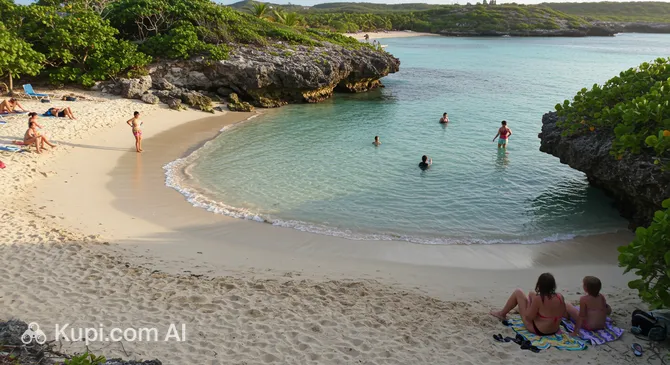
For those interested in underwater exploration, Tamarindo Beach is a must-visit destination. While the shore is a mix of pebbles and sand, the real magic lies beneath the surface. The calm waters here are part of a protected marine reserve and are famous for their high population of sea turtles. Snorkelers often spot these gentle giants grazing on seagrass just a few meters from the shore, along with stingrays and colorful fish.

Tamarindo Beach. Source: Kupi.Binoculars

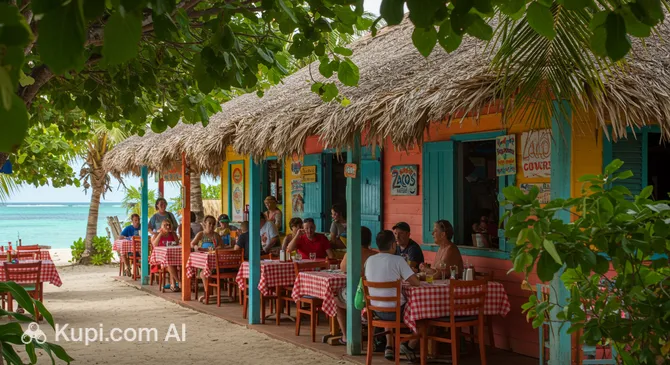
After a day in the water, the Dinghy Dock Restaurant offers a quintessential Culebra experience. Located directly on the water in the main town, this open-air eatery allows boaters to pull right up to the deck. It is famous not only for its fresh seafood and relaxed atmosphere but also for the large tarpon that swim in the illuminated water below, waiting for scraps dropped by diners.

Dinghy Dock Restaurant. Source: Kupi.Binoculars

If you are craving vibrant flavors in a casual setting, stop by Zaco's Tacos. This popular spot is a favorite among locals and tourists alike for its creative tacos and refreshing margaritas. It provides a lively yet laid-back environment perfect for unwinding and enjoying the island's culinary side after a long day of beach hopping.

Zaco's Tacos. Source: Kupi.Binoculars

Local Cuisine

The culinary scene in Culebra perfectly mirrors the island's personality: laid-back, unpretentious, and full of flavor. You will not find fast-food chains or high-end luxury dining here; instead, the island offers a charming selection of locally owned eateries, food trucks, and waterfront decks where the atmosphere is as memorable as the meal. The cuisine is a delightful mix of traditional Puerto Rican staples, fresh Caribbean seafood, and American comfort food, all served with warm island hospitality.

Given its location, it is no surprise that fresh seafood is the star of many menus. Local fishermen provide a daily bounty that often includes mahi-mahi, snapper, grouper, and the Caribbean spiny lobster. A classic dish to look out for is whole fried red snapper, typically seasoned with adobo and served with a side of salad or plantains. Conch is another local favorite, often prepared as a refreshing salad (ensalada de carrucho) marinated in citrus juices, onions, and peppers.

Visitors eager to taste authentic Puerto Rican flavors should try mofongo, a garlicky mash of fried green plantains often stuffed with seafood, chicken, or skirt steak. It is a hearty and savory dish that defines the island's gastronomy. Side dishes usually feature tostones (crispy fried plantains) or amarillos (sweet ripe plantains), along with the ubiquitous rice and beans, which serve as the backbone of many local meals.

Dining out in Culebra often comes with a view. Popular spots like Dinghy Dock Restaurant allow you to enjoy fresh catches right on the water, where you can watch tarpon swimming below the deck while you eat. For those looking for a break from traditional creole flavors, places like Zaco's Tacos offer creative fusion options, combining fresh ingredients with vibrant spices in a casual setting that captures the island's youthful spirit.

To complement the food, the drink of choice is often a cold Medalla Light, Puerto Rico's national beer, which is perfect for the warm tropical weather. Rum cocktails are also a staple, with many bartenders serving their own versions of rum punch or the "Bushwacker," a frozen chocolatey cocktail that serves as a delicious dessert and nightcap rolled into one.

Travel Tips

Welcome to Culebra! To ensure your visit to this pristine Caribbean sanctuary is as relaxing and trouble-free as possible, we have compiled a list of essential practical advice. A little preparation will help you fully embrace the island's laid-back rhythm and natural beauty.

  1. Clothing and Gear: Pack lightweight, breathable fabrics like linen or cotton to stay cool in the tropical heat. Since you will likely spend most of your time near the water, bring plenty of swimwear and a high-quality reef-safe sunscreen to protect both your skin and the delicate coral reefs. A hat and sunglasses are essential, and while flip-flops are perfect for the beach, sturdy sandals or water shoes are recommended for exploring rocky areas.

  2. Transportation: The most popular way to explore the island is by renting a golf cart or a Jeep. Since public transportation is limited to shared publico vans that mostly run between the town and Flamenco Beach, having your own vehicle gives you the freedom to visit secluded spots. Book your rental well in advance, especially during peak seasons, as inventory can run out quickly.

  3. Finances: The official currency is the US Dollar (USD). While credit cards are accepted at many restaurants and larger businesses, Culebra is still very much a cash economy for smaller kiosks, roadside stands, and taxi vans. ATMs are scarce (mostly located in the main town of Dewey), so it is wise to arrive with sufficient cash for tips and small daily expenses.

  4. Health and Safety: Culebra is generally very safe, but standard travel precautions apply. The sun here is extremely strong, so stay hydrated and seek shade during midday. There is a small clinic on the island for minor issues, but pharmacy hours can be limited and they may close early or on weekends. Bring a basic travel kit with mosquito repellent, pain relievers, and any prescription medications you need.

  5. Communication: Spanish is the primary language, but English is widely spoken and understood, particularly in tourism-related businesses. If you have a US cell phone plan, your service will likely work just like on the mainland without roaming charges. Wi-Fi is available in most hotels and restaurants, though speeds can sometimes be slower than what you are used to back home.

  6. Local Etiquette: The island runs on "island time," so patience is key. Service may be slower than in big cities, so relax and enjoy the view rather than rushing. It is polite to greet people with a friendly "Buenos días" or "Buenas tardes" when entering a shop or passing locals on the street. This simple gesture goes a long way in connecting with the community.

  7. What to Avoid: Do not touch, chase, or feed the marine wildlife, especially the sea turtles. Harassing them is illegal and disrupts their natural behavior. Also, avoid walking on coral reefs while snorkeling; even a slight touch can damage these fragile ecosystems that have taken decades to grow.

  8. Supplies and Groceries: Since everything is imported by ferry, grocery prices can be higher than on the mainland, and selection varies. If you have specific dietary needs or want to save money, consider bringing some non-perishable snacks or essentials with you from the main island of Puerto Rico.

By keeping these tips in mind, you are all set for an unforgettable adventure in Culebra. Embrace the slow pace, respect the stunning natural environment, and enjoy every moment in this little slice of paradise!

Entertainment & Nightlife

If you are accustomed to the high-energy nightclubs and neon lights of big cities, the nightlife in Culebra will come as a refreshing change of pace. Entertainment here is defined by the island's laid-back, "barefoot" lifestyle. Instead of velvet ropes and dress codes, you will find open-air bars, impromptu karaoke sessions, and friendly gatherings where locals and visitors mingle under the stars. The atmosphere is incredibly safe, welcoming, and centered almost entirely around the main town of Dewey.

The heart of the evening action is located in Dewey, particularly along the waterfront and the streets near the ferry terminal. This is the only district that can be described as bustling, though in a very relaxed Caribbean way. As the sun sets, the "nightlife" typically involves grabbing a cold beer or a rum punch and watching the colors fade over the harbor. The dress code everywhere is strictly casual; shorts, t-shirts, and sandals are the standard attire for even the most popular spots.

For a quintessential evening experience, head to the Dinghy Dock Restaurant. While it is a prime dining spot, it transitions effortlessly into a social hub at night. The entertainment here is unique: as you sip your drink on the deck, you can watch massive tarpon swimming in the illuminated water below. It is a favorite gathering place for sailors and travelers to swap stories, offering a lively yet wholesome vibe that captures the essence of the island.

Just a short walk away, Zaco's Tacos offers a slightly more energetic atmosphere. Known for its vibrant decor and excellent margaritas, it attracts a younger crowd and those looking to unwind after a day in the sun. It is a great place to start your night, enjoy some music, and socialize before the town quiets down. While Culebra is not famous for late-night dance clubs, you might occasionally stumble upon live bands or salsa music spilling out from local guest houses like Mamacita's, which sits right along the canal.

Practicality is key when enjoying a night out here. Most venues close relatively early compared to the mainland, often winding down between 10:00 PM and midnight, though weekends can stretch a bit later. Since the streets outside of Dewey are unlit and very dark, driving a golf cart—the primary mode of transport—requires caution. Taxis can be scarce late at night, so if you are staying in a remote villa, it is wise to have a designated driver or arrange your return transport in advance.

While the nights are for relaxing, daytime entertainment in Culebra is almost exclusively focused on the natural world. There are no large amusement parks or shopping malls. Instead, visitors spend their days exploring the Culebra National Wildlife Refuge, hiking to secluded coves, or visiting the small Museo Histórico de Culebra to learn about the island's military past. The true show here is nature itself, from the sunrise over Zoni Beach to the underwater spectacle of the coral reefs.

Parks & Museums

While Culebra does not feature the manicured urban parks or sprawling museum complexes found in large metropolitan cities, it is in itself a living, breathing sanctuary of nature and history. The island's "green spaces" are wild, protected reserves that cover a significant portion of the land, while its cultural heritage is preserved in intimate venues that tell the story of a resilient community.

The most significant natural area is undoubtedly the Culebra National Wildlife Refuge. Encompassing nearly a quarter of the main island and all of the surrounding cays, this federally protected sanctuary is a haven for biodiversity. It serves as a critical nesting ground for seabirds, including terns and boobies, as well as for endangered sea turtles. Visitors can explore various sections of the refuge, which offer pristine hiking trails through dry subtropical forests and access to secluded shorelines where nature remains entirely undisturbed.

Within the embrace of the island's natural reserves lies Flamenco Beach, which functions as a public park and campground. Unlike typical wild beaches, this area is managed to allow for camping, providing a unique opportunity to sleep under the stars just steps from the ocean. It is surrounded by lush vegetation and rolling hills, offering a perfect blend of recreational facilities and raw natural beauty.

Another key ecological site is the Luis Peña Channel Natural Reserve, located on the western side of Culebra. This marine reserve was the first of its kind in Puerto Rico, designated as a "no-take" zone to allow fish and coral populations to regenerate. Access to the water here, particularly from Tamarindo Beach, provides snorkelers and kayakers with an underwater museum of vibrant coral gardens and marine life, reflecting the island's commitment to conservation.

For a dive into the island's human history, the Museo Histórico de Culebra (Culebra Historical Museum) is the primary cultural institution. Housed in a historic stone building in the town of Dewey—originally a naval ammunition warehouse known as "El Polvorín"—the museum offers a compelling look at the island's past. Exhibits range from Taino archaeological artifacts and the era of Spanish colonization to the transformative period of the U.S. Navy's presence. It is a small but powerful place that helps visitors understand the local identity and the community's successful struggle for peace.

Architectural and historical enthusiasts should not miss the Culebrita Lighthouse (Faro de Culebrita). Located on the nearby islet of Culebrita, this structure dates back to the Spanish colonial era in the late 19th century. Although it is in a state of disrepair and requires a boat trip and a hike to reach, the lighthouse remains a majestic symbol of the region's maritime history. Standing at the top offers panoramic views of the Virgin Islands and the surrounding Caribbean Sea.

For an authentic and lesser-known experience, adventurous travelers can hike the trails leading to Brava Beach or Resaca Beach. These paths take you through the dense vegetation of the wildlife refuge, leading to wild, powerful coastlines that are often completely empty. These areas are crucial nesting sites for leatherback turtles, offering a profound connection to the island's wild spirit away from the more popular tourist spots.

Getting Around

Navigating Culebra is a unique experience that reflects the island's small size and relaxed pace of life. Unlike major metropolitan areas, there is no complex network of subways, trams, or large city buses here. Instead, the public transportation system consists almost entirely of shared passenger vans, locally known as públicos. These vans serve as the primary link between the main entry points—the ferry terminal and the airport—and the island's most popular destinations, such as the town of Dewey and Flamenco Beach.

The públicos operate somewhat informally compared to rigid city schedules. They typically line up at the ferry dock or airport to meet arriving passengers and depart once they are full. While there are no designated bus stops with signs, these vans follow standard routes to the main beaches and the town center. If you are staying in a rental property off the main road, you can often flag one down or arrange for a pick-up, but they do not function like traditional door-to-door taxis in every part of the island.

Regarding payment, the system is strictly cash-only. There are no travel cards, mobile apps, or electronic ticket machines available for public transport. Fares are fixed and generally very affordable, usually costing just a few dollars per person for a one-way trip to Flamenco Beach or the town center. It is essential to carry small bills (US Dollars), as drivers may not always have change for larger denominations. Do not expect to use credit cards or contactless payments for these rides.

For tourists, the most popular alternative to public vans is renting a vehicle. Due to the island's hilly terrain and the desire for freedom to explore secluded spots, golf carts are the preferred mode of transport for visitors. They are fun, open-air, and fuel-efficient. Jeeps are also available and are a better choice if you plan to visit steeper or unpaved areas where a golf cart might struggle. Bicycles can be rented, but be prepared for a workout, as the roads can be steep and winding.

A few practical tips will help you manage transportation smoothly. First, the públicos generally stop running in the late afternoon or early evening, coinciding with the departure of beachgoers and the last ferry arrivals. If you plan to stay out late for dinner, you should arrange transportation in advance or have your own rental vehicle. Second, if you decide to rent a golf cart or jeep, it is highly recommended to book weeks or even months in advance, especially during peak travel seasons, as the inventory on the island is limited and often sells out completely.

Finally, while rideshare apps are standard in many parts of the world, they are generally non-existent or unreliable on the island. Do not rely on booking an Uber or Lyft to get around. By carrying cash and embracing the local rhythm of shared vans and golf carts, you will find getting around to be a charming part of your island adventure.

Accommodation

Where to Stay:

Accommodation in Culebra is a reflection of the island's overall character: intimate, unpretentious, and closely connected to nature. You will not find high-rise resorts, all-inclusive complexes, or major international hotel chains here. Instead, the lodging landscape is dominated by charming, family-run guesthouses, boutique inns, and a wide array of private vacation rentals. From hilltop villas with sweeping ocean views to cozy "casitas" tucked away in the hills, the options are designed to help you slow down and disconnect.

The majority of accommodation options are concentrated in and around the main town of Dewey. Staying here offers the most convenience, as you will be within walking distance of the ferry terminal, grocery stores, and popular dining spots like Zaco's Tacos. For those seeking a quieter experience with stunning scenery, the areas around Fulladoza Bay and Ensenada Honda offer beautiful waterfront properties that are often equipped with private docks, making them perfect for boaters or those looking for a serene retreat.

For travelers on a budget or those seeking a true adventure, camping is a popular and iconic choice on the island. The campground at Flamenco Beach is the only designated camping area and offers a unique opportunity to sleep just steps away from one of the world's most beautiful shorelines. Waking up to the sound of the waves and the sunrise over the ocean is an unforgettable experience, though campers should be prepared for basic facilities and bring their own gear.

When planning your stay, it is crucial to book well in advance. Because the island is small and inventory is limited, the best villas and guest houses often fill up months ahead of time, especially during the peak winter season (December to April) and holiday weekends. Prices can vary significantly, with budget-friendly options being scarce during high season. While many properties are listed on major online booking platforms, some smaller local inns may require direct contact. Regardless of where you choose to stay, renting a vehicle is highly recommended to explore the island freely.

Nearby Cities

For those looking to explore the surroundings, Culebra serves as an excellent base for day trips or connecting to the wider region. While the island itself is a secluded paradise, several interesting locations on the main island of Puerto Rico are within easy reach.

The closest major hub is Fajardo, located on the eastern tip of the mainland. Known as the boating capital of the region, it is famous for its extensive marinas and vibrant nautical atmosphere. Visitors often head here to explore the famous Laguna Grande, one of the few bioluminescent bays in the world, or to enjoy fresh local cuisine at its many seafood restaurants in the Las Croabas area.

For a bustling urban experience, the capital city of San Juan is accessible via a short flight or a combination of ferry and ground transport. As the cultural and historical heart of Puerto Rico, it offers a stark contrast to the quiet island life. Travelers can wander through the colorful cobblestone streets of Old San Juan, visit the historic forts of El Morro and San Cristóbal, or enjoy world-class shopping and dining before returning to the tranquility of Culebra.

Another notable nearby destination is Carolina, situated just east of the capital. It is home to the Luis Muñoz Marín International Airport and the popular Isla Verde beach strip. While often seen as a transit point, it offers beautiful urban beaches, high-end resorts, and a lively atmosphere that attracts sun-seekers and water sports enthusiasts.

City Population Distance (km)
San Juan 1,915,105 82
Bayamón 170,028 93
Carolina 139,735 71
Fajardo 75,549 39
Caguas 74,502 79

These nearby destinations offer a glimpse into the diverse culture and landscapes of the region, allowing visitors to easily combine a relaxing island retreat with urban exploration.

Shopping & Souvenirs

Shopping in Culebra is a reflection of the island's overall atmosphere: small-scale, relaxed, and personal. Visitors should not expect sprawling shopping malls, high-end luxury boutiques, or extensive duty-free complexes. Instead, the retail experience here is focused on essentials, unique local crafts, and charming gift shops that capture the spirit of the Caribbean. It is the perfect place to find a meaningful keepsake or pick up beach necessities, but it is not a destination for heavy retail therapy.

The primary hub for commerce is the main town of Dewey. Since the island is small, most shops are concentrated within a few blocks of the ferry terminal. You can easily stroll through the town center, where you will find a handful of boutiques selling beachwear, island-inspired clothing, and accessories. This area is walkable and offers a friendly vibe where shop owners are often happy to chat about their products and life on the island.

Travelers looking for large shopping centers will not find them here. Culebra does not have any shopping malls or department stores. The retail landscape is dominated by independently owned small businesses. If you need specific items like electronics or specialized gear, it is best to purchase them on the main island of Puerto Rico before traveling to Culebra.

While there are no large open-air bazaars, the local "colmados" (small grocery stores) and mini-markets serve as the community's lifeline for food and supplies. For a more unique experience, keep an eye out for pop-up artisan stands or small galleries in Dewey that feature work by local artists. These spots are often the best places to find authentic, handmade items rather than mass-produced trinkets.

When it comes to souvenirs, the best items to bring back are those that reflect the island's artistic and natural beauty. Look for handmade jewelry crafted from sea glass found on local shores, as well as original paintings, ceramics, and wood carvings created by resident artists. T-shirts and hats with Culebra logos are also popular and practical reminders of your trip.

Store hours on the island can be somewhat unpredictable and often operate on "island time." Generally, shops open around 9:00 AM or 10:00 AM and may close by 5:00 PM or 6:00 PM. Some smaller businesses might close for a midday break or have reduced hours on Sundays. Regarding payment, cash is king in Culebra. While some larger gift shops and grocery stores accept credit cards, many smaller vendors and kiosks only take cash (US Dollars). It is highly recommended to carry sufficient cash with you, as ATM availability can be limited.

Puerto Rico imposes a sales and use tax (IVU) on most goods and services. Visitors should be aware that the advertised price on the shelf usually does not include this tax, which will be added at the register. Unlike some international destinations, there is no specific tax-refund system for tourists on general goods in Culebra.

Reached the end of the page?

That means the route is fully explored