Support

Oranjestad

About

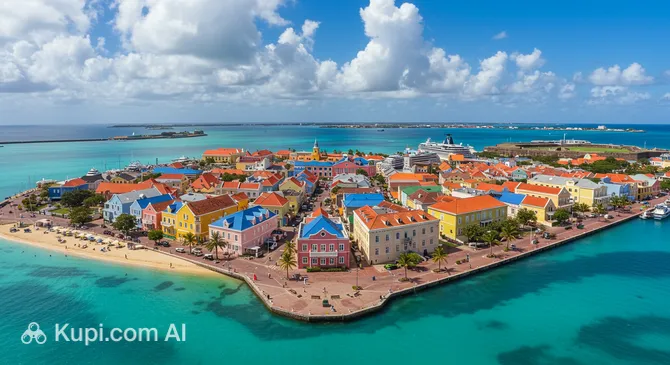
Welcome to Oranjestad, the charming and historic capital of Sint Eustatius. This unique town offers a distinct atmosphere that sets it apart from typical Caribbean destinations, blending a rich colonial past with a laid-back island vibe. Unlike bustling resort cities, Oranjestad feels like a peaceful village where time moves a little slower, allowing visitors to truly appreciate the surroundings.

Geographically, the town is fascinating because it is divided into two distinct sections: Lower Town, which sits along the waterfront, and Upper Town, located atop the cliffs overlooking the sea. As a key destination in the Caribbean Netherlands, it enjoys a tropical climate tempered by cooling trade winds. With a small population of just over 1,000 residents, the community is tight-knit and welcoming, making every visitor feel like a guest rather than a tourist.

Oranjestad. Source: Kupi.Binoculars

The history of Oranjestad is incredibly significant; during the 18th century, this port was known as the "Golden Rock" and was one of the busiest trading hubs in the world. Today, remnants of this prosperous era can still be seen. Fort Oranje, beautifully restored with its cannons pointing out to sea, offers spectacular panoramic views and stands as a testament to the island's strategic importance.

For nature lovers and adventurers, the town serves as the perfect gateway to the Quill, a dormant volcano with a lush rainforest in its crater. Meanwhile, divers are drawn to the waterfront where the ruins of old warehouses and city walls are now submerged, creating a unique underwater playground teeming with marine life. Whether you are exploring the cobblestone streets of Upper Town or diving into the blue waters below, Oranjestad promises an unforgettable journey into the past and a relaxing escape in the present.

Weather Overview

Oranjestad enjoys a consistently warm tropical climate, making it an inviting destination for travelers throughout the year. The temperatures remain remarkably stable, generally hovering between 24°C and 28°C, so you can expect comfortable warmth regardless of when you visit. For a more detailed breakdown of what to expect during your stay, you can consult the guide to the weather in Oranjestad.

The coolest period is typically around February, with average temperatures dipping slightly to 24.8°C, while the heat peaks in September at approximately 27.6°C. Rainfall is a frequent companion on the island, with the number of "wet days" increasing in the late summer and autumn months, reaching up to 20 days in September. Despite the frequency of rain, the recorded precipitation volume is often quite low, suggesting that showers are likely brief or light rather than prolonged downpours.

Interesting Facts

Beyond the scenic views and quiet streets, Oranjestad holds a treasure trove of historical secrets and unique local legends that surprise many visitors. Here are a few fascinating details about this historic capital:

  • The First Salute: Oranjestad played a pivotal role in American history. On November 16, 1776, the cannons at Fort Oranje fired a salute to the visiting American brig Andrew Doria. This act is celebrated as the first formal recognition of the United States as a sovereign nation by a foreign power.

  • Legend of the Blue Beads: The island is famous for "Statia Blue Beads," five-sided glass beads made in the 17th century that occasionally wash up on the shore or are found by divers. According to local lore, these beads do not belong to you; the island simply lends them, and finding one means you are destined to return to Sint Eustatius one day.

  • A Bustling Past: During its peak as the "Golden Rock," the harbor of Oranjestad was incredibly busy. Historical accounts suggest that ships were packed so tightly in the bay that one could practically walk from vessel to vessel without touching the water, handling more cargo than the ports of New York or Boston at the time.

  • Historic Synagogue Ruins: The town contains the ruins of Honen Dalim, built in 1739. It is one of the oldest synagogues in the Western Hemisphere. Although it no longer has a roof, the yellow brick walls and the path leading to it remain a striking landmark of the island's diverse heritage.

How to Get There

Reaching this hidden gem in the Caribbean is part of the adventure, offering scenic approaches and connections through neighboring islands. For a detailed guide on planning your journey, you can read more about how to get to Oranjestad.

The most direct entry point is the city's own F D Roosevelt Airport (EUX). Located just 1.1 km from the center of Oranjestad, this small regional facility handles approximately 32,000 passengers annually. Because it is situated so close to the town, the journey is incredibly short; a taxi or transfer typically takes just 3-5 minutes, allowing you to settle into your accommodation almost immediately after landing.

Another significant hub in the region is Robert L. Bradshaw International Airport (SKB), located in the city of Basseterre. It is approximately 33.6 km from Oranjestad. As a larger international airport with an annual passenger traffic of around 350,000, it offers more frequent connections from major global cities. However, since it is located on the neighboring island of St. Kitts, travelers arriving here will need to arrange a connecting flight or boat transfer to reach Sint Eustatius.

You might also transit through St. Barthelemy Airport (SBH), situated in Gustavia, about 48.3 km away. This airport serves roughly 200,000 passengers per year and is known for its stunning approach. Like other regional options, it requires a subsequent connection to reach Oranjestad.

For clarity, here is a summary of the main airports:

Airport Name City Passenger Traffic Km from City
Robert L. Bradshaw International Airport Basseterre Medium 33.6
St. Barthelemy Airport Gustavia Medium 48.3
Newcastle Airport Charlestown Small 51.5
F D Roosevelt Airport Oranjestad Small 1.1
J. Yrausquin Airport Saba Small 31.3

Main Attractions

Oranjestad is a treasure trove of history and nature, offering visitors a chance to step back in time while enjoying the scenic beauty of the Caribbean. The town's attractions are concentrated and easy to explore on foot, making for a relaxed yet enriching sightseeing experience. Here are some of the key places you should not miss during your visit.

Fort Oranje is undoubtedly the centerpiece of the town and a must-visit for every traveler. Perched on the cliffs of Upper Town, this well-preserved 17th-century fortification offers the best vantage point on the island. Visitors can walk along the ramparts, admire the restored cannons pointing toward the sea, and enjoy breathtaking panoramic views of the bay below. It is not only a scenic spot but also a place of immense historical weight, being the site where the famous "First Salute" to the American flag was fired in 1776.

For those interested in the island's rich heritage, the St. Eustatius Historical Foundation Museum is an essential stop. Housed in the 18th-century Simon Doncker House, the museum provides a comprehensive look into the island's past, from its pre-Columbian inhabitants to its heyday as the "Golden Rock" of the Caribbean. The collection includes authentic period furniture, colonial artifacts, and archaeological finds, giving tourists a tangible sense of what life was like during the height of the island's trading power.

Just a short distance from the fort lies the striking ruin of the Dutch Reformed Church. Built in 1755, this structure stands as a romantic reminder of the island's colonial history. Although the roof is long gone, the massive stone walls and the impressive tower remain intact. Visitors can often climb the tower for a unique perspective of Oranjestad and the surrounding ocean. The site is peaceful and photogenic, perfect for a quiet moment of reflection amidst the historical architecture.

While technically a natural feature, The Quill National Park is inextricably linked to the town, looming majestically in the background. The trailheads are easily accessible from Oranjestad, inviting adventurers to hike up the dormant volcano. The journey to the rim rewards hikers with stunning views, but the real magic lies inside the crater, which shelters a lush, verdant rainforest. It is a world away from the dry coastal areas and offers a unique opportunity to explore diverse flora and fauna just minutes from the city center.

Local Cuisine

The culinary scene in Oranjestad is a delightful reflection of the island's multicultural history, blending spicy Caribbean flavors with Dutch traditions and African influences. The food here is unpretentious, hearty, and relies heavily on fresh, locally sourced ingredients. Whether you are dining in a historic courtyard in Upper Town or enjoying a meal by the water in Lower Town, the experience is defined by warm hospitality and the fresh catch of the day.

Seafood lovers will find themselves in paradise, as the ocean provides a daily bounty. A true highlight of the local menu is the Statia Spiny Lobster. Known for its sweet, tender meat, it is often grilled simply with garlic butter or served in a rich creole sauce, allowing the natural flavors to shine. Another signature dish worth trying is Goat Stew (often called "goat water" in the region, though preparations vary). This savory, slow-cooked meal is typically seasoned with local herbs and spices, resulting in tender meat that falls off the bone, usually served alongside rice and peas.

For a truly authentic taste of the island, look for dishes accompanied by Fungi. Similar to polenta or cou-cou, this cornmeal-based side dish is a staple in the Dutch Caribbean and pairs perfectly with stewed fish or saltfish. It is a comfort food that locals have enjoyed for generations. If you are looking for a quick snack or breakfast item, Johnny Cakes—fried dough biscuits—are a delicious treat often eaten with cheese or meat.

When it comes to beverages, the island offers refreshing options to cool down in the tropical heat. You will frequently find homemade fruit punches made from tamarind, passion fruit, or mango. On the stronger side, Rum Punch is the standard cocktail of choice, often mixed with nutmeg and fruit juices. Dining in Oranjestad is generally a relaxed affair; there are no large fast-food chains here. Instead, you will find charming, family-run establishments where the owner might be the one cooking your meal, ensuring a personal and memorable dining experience.

Travel Tips

Visiting Oranjestad is less like touring a standard tourist hub and more like being welcomed into a friendly, close-knit community. To help you settle into the relaxed "Statia" rhythm and make the most of your stay on the Golden Rock, here are some practical tips to keep in mind.

  1. Dress for the Terrain: While lightweight, breathable clothing is perfect for the warm tropical climate, do not forget to pack sturdy hiking boots or sneakers. If you plan to hike The Quill, the terrain can be rocky and slippery inside the crater. For walking around town, comfortable shoes are a must, especially given the steep incline of the "Old Slave Road" connecting Upper and Lower Town.

  2. Getting Around: There is no public bus system in Oranjestad. The town itself is walkable, though the hills can be challenging in the heat. To explore the rest of the island, renting a car or a scooter is highly recommended. Taxis are available but are generally unmetered, so it is wise to confirm the fare with the driver before starting your journey.

  3. Currency and Cash: Although Sint Eustatius is a Dutch municipality, the official currency is the US Dollar (USD). While hotels and larger restaurants accept credit cards, many smaller shops and local snack bars operate on a cash-only basis. There are only a few ATMs on the island, so carrying sufficient cash for daily expenses is a smart strategy.

  4. Stay Connected: English is the primary language spoken by locals, so communication is effortless for English speakers, even though Dutch is the official language of administration. Wi-Fi is available in most hotels and restaurants, but mobile data speeds can vary. If you need constant connectivity, check if your provider has roaming agreements or consider buying a local SIM card upon arrival.

  5. Health and Safety: Oranjestad is incredibly safe, with very low crime rates, but standard precautions like locking your car and valuables should still be taken. The sun is strong, so high-SPF sunscreen and staying hydrated are non-negotiable. For medical needs, the Queen Beatrix Medical Centre provides general care, but serious emergencies may require an airlift to a neighboring island.

  6. The Greeting Culture: Local etiquette places a high value on politeness. It is customary to greet people you pass on the street with a friendly "Good morning," "Good afternoon," or "Good night." Entering a shop or restaurant without acknowledging the staff and other patrons is considered rude. A simple smile and a greeting go a long way here.

  7. Adjust to "Statia Time": Avoid rushing or expecting instant service. Life in Oranjestad moves at a slower, more deliberate pace. Service in restaurants may take longer than you are used to, but this is part of the island's charm. getting impatient or demanding will not speed things up and may offend the laid-back locals.

  8. Shop Opening Hours: Be aware that businesses often close for a lunch break between 12:00 PM and 2:00 PM, and many shops close by 6:00 PM. On Sundays, the town is very quiet, and most supermarkets and stores will be closed, so plan your shopping needs accordingly.

By embracing these simple guidelines, you will find it easy to blend in and enjoy the genuine hospitality that Oranjestad is famous for. Slow down, respect the local customs, and let the island's peaceful atmosphere recharge your spirit.

Entertainment & Nightlife

Entertainment in Oranjestad is defined by the island’s laid-back, friendly culture rather than high-energy nightclubs or neon-lit strips. As the sun sets, the town shifts from a bustling historic hub into a quiet, intimate setting where "nightlife" means gathering with friends, enjoying a cold drink, and soaking in the cool Caribbean breeze. The local concept of "liming"—hanging out and relaxing in a social setting—is the order of the day here. Visitors should expect a warm, community-focused atmosphere where tourists and locals mingle freely, sharing stories over music and food.

The nightlife scene is primarily split between Lower Town along the waterfront and Upper Town in the center of the community. In Lower Town, the vibe is romantic and historic, dominated by the sound of the waves. A standout venue here is the Mooshay Bay Publick House, located within the historic Old Gin House hotel. Housed in an 18th-century cotton gin with exposed brick walls and mahogany furniture, it offers a sophisticated yet cozy pub atmosphere perfect for evening cocktails. It is a favorite spot for divers and expats to recount the day's underwater adventures.

In contrast, Upper Town offers a more authentic local experience. On weekends, particularly Friday nights, the area around the center becomes livelier. Cool Corner is a legendary local institution situated in the heart of town. It is a casual bar and eatery where the music is often upbeat, and the atmosphere is unpretentious and vibrant. It is the place to go if you want to meet residents and experience the true pulse of Statia. Another popular spot is Ocean View Terrace, located near the government buildings. As the name suggests, it offers breezy open-air seating and often hosts themed nights, karaoke, or live bands, making it a great place to enjoy the evening air.

Practicality is key when planning a night out in Oranjestad. Most venues do not stay open until dawn; bars typically wind down around midnight or 1:00 AM, though weekends can stretch a bit later. The dress code is universally casual—shorts and polo shirts are acceptable almost everywhere. It is important to note that while some larger hotels accept cards, many smaller bars and local spots operate on a cash-only basis, so keeping some US Dollars on hand is essential. Prices are generally reasonable, with beers and mixed drinks costing less than on more commercialized Caribbean islands.

Safety is rarely a concern in Oranjestad, as it is one of the safest towns in the Caribbean. Walking at night is generally secure, but the streets can be dimly lit. The main challenge is the physical journey between Upper and Lower Town; the historic "Old Slave Road" is steep and uneven. While walking down is manageable, walking up at night can be strenuous and dark. It is advisable to arrange a taxi if you are moving between the two districts late at night. Taxis are not always waiting on the street, so having a driver's number or asking your bartender to call one for you is the best approach.

Before the sun goes down, Oranjestad offers a different kind of entertainment focused on nature and heritage. Daytime hours are best spent exploring the underwater world, as the island is a premier diving destination with sites like the Chien Tong shipwreck. For those staying on land, the St. Eustatius Historical Foundation Museum offers fascinating insights into the island's colonial past. Alternatively, active travelers can spend the day hiking the trails of the Quill to explore the rainforest within the crater, ensuring you have plenty of stories to share when you settle into a bar later that evening.

Parks & Museums

While Oranjestad is not a city of sprawling urban manicured lawns, it is enveloped by a dramatic natural landscape that serves as a living park for its residents and visitors. The town's approach to green spaces is defined by untamed beauty and historical preservation, while its museums offer intimate and deeply personal glimpses into a past that once shaped the entire Caribbean region.

For nature enthusiasts, the crown jewel of the area is undoubtedly the Miriam C. Schmidt Botanical Garden. Located on the southern slopes of The Quill, this sanctuary is dedicated to preserving the native flora of Sint Eustatius. Although it has faced challenges from tropical storms in recent years, it remains a vital space for biodiversity, featuring sections for fruit trees, sensory plants, and an orchid wall. It is a peaceful retreat where the sound of wind in the trees replaces the noise of the town, offering spectacular views across the channel to the neighboring island of St. Kitts.

Another significant natural area is Zeelandia Beach, situated on the Atlantic side of the island. Unlike the calm waters of the Caribbean side, this area is a raw and powerful display of nature with rough waves and dark volcanic sand. While swimming here is dangerous and often prohibited due to strong currents, it is a magnificent spot for walking and nature observation. It serves as a critical nesting ground for sea turtles, making it a protected and cherished ecological site where visitors can witness the wilder side of the island's geography.

In the heart of the town lies Wilhelmina Park, a more traditional urban green space. It acts as a central meeting point for the community, shaded by trees and surrounded by historic architecture. It is a simple yet charming spot to sit on a bench, enjoy the ocean breeze, and watch the slow-paced life of the capital unfold. The park often hosts local events and gatherings, serving as the social "living room" of Oranjestad.

When it comes to culture, the St. Eustatius Historical Foundation Museum is the definitive custodian of the island's heritage. Housed in the 18th-century Simon Doncker House, the museum is not just a collection of artifacts but a narrative of the "Golden Rock" era. Visitors can explore exhibits detailing the pre-Columbian history of the island, the height of the slave trade, and the colonial wars. The period rooms are furnished to reflect the lifestyle of wealthy merchants, providing a tangible connection to the people who once walked these streets.

For a more personal perspective on local history, the Berkel’s Family Museum offers a unique experience. Located at the Lynch Plantation, this private museum was established by the Berkel family to preserve the history of domestic life on the island. Unlike the grand narratives of trade and war, this collection focuses on the everyday tools, agricultural equipment, and household items used by Statia's residents over the last century. It is a heartfelt tribute to the resilience and ingenuity of the local community, often guided by family members who share personal stories associated with the objects.

History in Oranjestad is also etched into the landscape itself at Fort de Windt. While primarily a historical site, its location at the southern tip of the island offers a park-like setting with some of the most stunning panoramic views available. The small battery, with its cannons still watching over the sea, is surrounded by grassy areas perfect for a picnic or a quiet sunset. It is less frequented than the main fort in town, offering a sense of solitude and a direct connection to the maritime history of the Caribbean.

For a truly authentic experience, take a walk along the shore of Lower Town specifically to look for "blue beads." These pentagonal glass beads were used as currency among enslaved people in the 17th century. They occasionally wash up on the black sand beaches after storms. Finding one is considered a sign of good luck and, according to legend, ensures that you will one day return to this captivating island.
Getting Around

When planning a trip to Oranjestad, it is important to adjust your expectations regarding public transportation. Unlike larger international cities, this small island capital does not possess a formal public transport network. There are no subways, trams, trains, or scheduled public bus services operating within the town or connecting it to other parts of Sint Eustatius. The island’s small size and population mean that mass transit infrastructure is simply not necessary.

For visitors without a rental vehicle, taxis serve as the primary substitute for public transport. Taxis here do not typically cruise the streets looking for passengers to hail them. Instead, they operate more like a private hire service. You will usually find them waiting at the airport upon arrival, but for travel around town or to get back to your hotel after dinner, you will likely need to call a driver or have your hotel reception or restaurant staff arrange one for you.

Regarding payment, the system is entirely traditional. Since there is no electronic ticketing infrastructure, travel passes, transport apps, or smart cards do not exist here. Cash is the only accepted method of payment for taxi fares. The official currency is the US Dollar (USD). Taxis are generally unmetered; instead, fares are based on fixed rates for specific destinations. It is standard practice to confirm the price with the driver before getting into the vehicle to avoid any misunderstandings.

Because the "public" transport options are limited to taxis, many tourists opt for alternatives to maintain their independence. Renting a car is the most popular choice for those who want to explore the island at their own pace. For short distances within Oranjestad, scooters and even golf carts are occasionally available for rent and can be a fun way to navigate the narrow streets. Walking is also a viable option given the town's compact size, though visitors should be prepared for the steep physical challenge of the pedestrian path connecting Lower Town to Upper Town.

Practical advice for navigating the system centers on planning ahead. Taxi services are not 24/7 operations in the strict sense; finding a ride late at night can be difficult if you have not made a prior arrangement. If you plan to stay out late at a bar or restaurant, ensure you have a taxi driver’s phone number or a scheduled pickup time. Additionally, always carry small denominations of US currency, as drivers may not always have ample change for large bills.

Accommodation

Finding accommodation in Oranjestad is a refreshingly simple experience compared to the overwhelming choices in larger Caribbean destinations. The town does not feature massive all-inclusive chain hotels or high-rise resorts. Instead, the lodging landscape is characterized by intimate boutique hotels, historic inns, and charming guesthouses. The options here focus on quality and atmosphere, often reflecting the island's colonial heritage or its reputation as a premier diving destination.

When choosing where to stay, the decision largely comes down to which part of the town appeals to you more: Lower Town or Upper Town. Lower Town is situated directly along the waterfront and is the ideal location for history buffs and divers. Staying here means you are steps away from the dive shops and the sound of the ocean, often housed in beautifully restored 18th-century ruins. On the other hand, Upper Town, located atop the cliffs, offers a breezier environment with stunning panoramic views and closer proximity to the airport, shops, and the main administrative center.

One of the most unique aspects of staying in Oranjestad is the opportunity to sleep in living history. Several accommodations are converted from colonial-era buildings, such as old cotton gins or warehouses, blending antique charm with modern comfort. For those seeking more contemporary amenities, there are newer developments on the outskirts of town that offer resort-style facilities, including swimming pools and extensive gardens. Vacation rentals and apartments are also available for visitors planning longer stays or those who prefer a self-catering option.

Booking Tips and Prices:

Due to the small size of the island and the limited number of rooms, it is highly recommended to book your accommodation well in advance. This is particularly important during the peak winter season or when special diving events are taking place. Last-minute availability can be scarce.

Regarding costs, prices in Oranjestad are generally in the mid-range to upper-mid-range category. While you can find modest guesthouses that are budget-friendly, the unique historic hotels and newer resorts tend to command higher rates. Payment is typically made in US Dollars. Many hotels cater specifically to divers, so it is worth checking if your accommodation offers "stay and dive" packages, which can provide significant value for your trip.

Nearby Cities

For those looking to explore the surroundings, Oranjestad serves as an excellent base for day trips to several interesting nearby locations:

The closest and most visually striking neighbor is the island of Saba, known as the "Unspoiled Queen" of the Caribbean. Rising steeply from the ocean, this volcanic island is a paradise for eco-tourists and hikers, offering lush rainforest trails and the challenge of climbing Mount Scenery. It provides a green, mountainous contrast to the landscape of Sint Eustatius and is easily accessible for a memorable excursion.

Located on Saba is its charming capital, The Bottom. Despite its name, this picturesque town sits in a valley high above sea level. It is characterized by traditional Caribbean cottages with red roofs and white facades, surrounded by well-tended gardens. A visit here offers a peaceful retreat and a chance to experience the unique culture of a sister community within the Caribbean Netherlands.

City Population Distance (km)
Kralendijk 10620 821
Saba 2000 32
The Bottom 462 33

These nearby destinations offer a glimpse into the diverse culture and landscapes of the region.

Shopping & Souvenirs

Shopping in Oranjestad is a reflection of the island's quiet and unhurried lifestyle. Travelers should not expect sprawling shopping malls, designer boutiques, or duty-free luxury avenues typical of larger Caribbean destinations. Instead, the retail experience here is intimate, functional, and centered around local necessities and unique island keepsakes. The options are limited but charming, offering a chance to interact with friendly shop owners and discover authentic goods rather than mass-produced items.

The primary commercial hub is located in Upper Town, where the majority of the island's businesses are concentrated. There is no single "shopping street" in the traditional sense; however, the area around the main administrative buildings and the streets leading toward Fort Oranje contain the most activity. Here, you will find a few supermarkets, hardware stores, and general retailers that supply the community. A stroll through these streets offers a glimpse into daily life on the island, far removed from the commercial tourism of neighboring St. Maarten.

It is important to note that there are no shopping malls in Oranjestad. The retail landscape is dominated by small, independent family-run businesses. If you are looking for extensive retail therapy or high-end fashion, this is not the destination for it. Most visitors find that the charm lies in the simplicity of the stores, which often serve multiple purposes, selling everything from groceries to household goods under one roof.

While there isn't a large permanent market hall, you can often find fresh local produce sold at small stands or from the back of trucks in Upper Town, particularly in the mornings. These impromptu markets offer fresh fruits like mangoes, papayas, and vegetables grown on the island's fertile volcanic soil. It is a great way to taste the local flavors and support the small-scale farmers of Sint Eustatius.

For souvenirs, the most iconic item to look for is jewelry featuring the Statia Blue Bead. While the original 17th-century glass beads are historical artifacts found by lucky divers or beachcombers, local artisans craft beautiful jewelry using replicas or incorporated glass that pays homage to this legend. Other worthwhile purchases include locally made jams, honey, and artwork depicting the island’s colonial architecture or marine life. There are a few gift shops in Upper Town where visitors can find postcards, books about the island's history, and varied gifts.

When planning your shopping trips, be mindful of the local schedule. Business hours typically run from 8:00 AM to 6:00 PM, but many smaller shops and even some offices observe a strict lunch break, closing their doors between 12:00 PM and 2:00 PM. Additionally, Sundays are very quiet, with almost all businesses closed, so it is wise to stock up on any essentials on Saturday.

The official currency is the US Dollar (USD). While the larger supermarkets and hotels generally accept credit cards, cash is the preferred method of payment for smaller souvenir shops, market stalls, and cafes. It is advisable to carry small denominations of cash, as getting change for large bills can sometimes be difficult in smaller establishments.

Reached the end of the page?

That means the route is fully explored