Support

The Valley

About

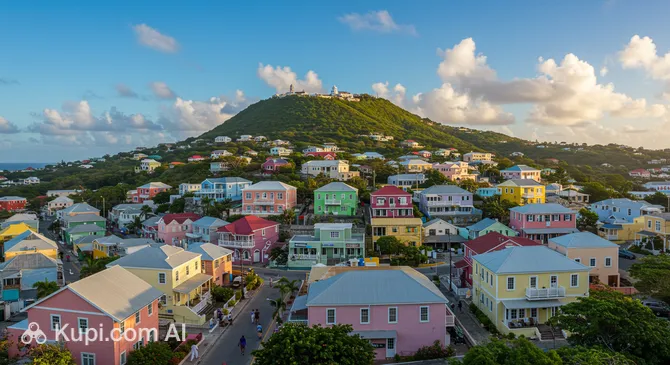
Welcome to The Valley, the charming and intimate capital of Anguilla. Unlike the bustling metropolises often associated with capital cities, this unique destination retains a warm, village-like atmosphere that perfectly reflects the laid-back spirit of the Caribbean. As the island's administrative and commercial hub, it serves as the beating heart of local life, offering visitors a genuine glimpse into the culture and community of this beautiful territory.

The Valley. Source: Kupi.Binoculars

Geographically situated in the middle of the island, The Valley is characterized by its warm tropical climate and lush surroundings. Despite its status as the capital, it remains a small and accessible town with a population of approximately 1,000 residents. This modest size allows travelers to explore the area easily on foot, discovering hidden gems and interacting with friendly locals along the way.

For those interested in the past, the town offers several significant landmarks that showcase the rich history of The Valley. One of the most notable sites is the Wallblake House, a beautifully restored plantation home that stands as the oldest structure of its kind on the island. Additionally, nature lovers and sightseers often head to nearby Crocus Hill, the highest point in Anguilla, which provides breathtaking panoramic views of the town and the shimmering sea beyond.

Whether you are here to admire colonial architecture, enjoy the local cuisine, or simply soak up the sun, The Valley offers a delightful starting point for your island adventure. We invite you to wander its colorful streets and experience the authentic charm that makes this capital truly special.

Weather Overview

Travelers can expect a consistent tropical climate when visiting this destination, making it a reliable choice for sun-seekers. The weather in The Valley is characterized by warm temperatures year-round, with very little fluctuation between the seasons.

Temperatures are pleasant and stable, with average daily values ranging from a comfortable 24.8°C in February to a warmer 27.5°C in September. Even during the coolest months, the minimum temperature rarely drops below 24°C, while the warmest days in late summer can reach averages of roughly 28°C.

Precipitation patterns are defined more by the frequency of rain than the volume. While the total rainfall remains quite low, the number of rainy days varies significantly. March is typically the driest month with only about 9 wet days, whereas September sees the highest frequency with up to 22 wet days. Expect warm, sunny periods throughout the year, interspersed with occasional brief showers, particularly during the autumn months.

Interesting Facts

Beyond the main attractions, The Valley holds many fascinating secrets that reveal the deep-rooted heritage and community spirit of Anguilla. From preserved colonial estates to vibrant culinary traditions, this small capital is full of surprises for the curious traveler.
  • While many visitors admire the Wallblake House, few realize its true significance lies in its completeness. It is one of the rare plantation houses in the Caribbean where the entire complex of outbuildings, including the original kitchen, stable, and workers' quarters, has survived virtually intact alongside the main residence.

  • The town serves as the epicenter of the island's street food culture, particularly in the area known as "The Strip." Here, the aroma of grilled meats fills the air as locals gather at open-air favorites like Ken's BBQ, a legendary spot famous for its authentic ribs and chicken served right from the grill.

  • Architecture enthusiasts should look closely at the facade of St. Gerard's Roman Catholic Church. The building features a distinctive design intricately crafted using stones, pebbles, and coral rock gathered directly from the island's natural landscape, giving it a unique texture and appearance.

  • Although Crocus Hill is celebrated for its panoramic views, it also shelters a piece of the past often overlooked by casual sightseers. The hill is home to the ruins of the Old Court House, standing as a silent, historic sentinel overlooking the bay and the town below.

Ken's BBQ. Source: Kupi.Binoculars

How to Get There

Reaching this Caribbean gem is a straightforward and scenic experience, whether you are arriving directly by air or connecting via a neighboring island. For a complete overview of all travel options, including ferries and charters, you can read our detailed guide on how to get to The Valley.

The most convenient entry point is Clayton J. Lloyd International Airport (IATA: AXA), which is located directly in The Valley. As the island's main airport, it sits just 1.1 km from the town center. Due to this close proximity, a taxi ride to the heart of the city takes only a few minutes, offering unmatched convenience for visitors arriving directly on the island.

For many international travelers, the journey begins at Princess Juliana International Airport (IATA: SXM), located in the city of Philipsburg on the nearby island of Sint Maarten. Although it is approximately 20 km away from The Valley, this major hub receives flights from across the globe. From here, passengers can take a short flight or a popular sea shuttle to reach Anguilla. Another nearby option is Esperance Airport (IATA: SFG) in Grand Case, roughly 12.7 km away, which primarily serves regional connections.

For clarity, here is a summary of the main airports:

Airport Name City Passenger Traffic Km from City
Princess Juliana International Airport Philipsburg Large 20.0
St. Barthelemy Airport Gustavia Medium 41.1
Esperance Airport Grand Case Medium 12.7
Clayton J. Lloyd International Airport The Valley Medium 1.1
J. Yrausquin Airport Saba Small 65.3

The Valley does not have a railway station, and there are no train services on the island of Anguilla. Transportation within the territory is primarily road-based. Visitors rely on taxis, rental cars, or private transfers to navigate between the airport, the ferry terminals, and their accommodations.

Main Attractions

While The Valley functions as the administrative hub of Anguilla, it also offers delightful opportunities for recreation and culinary exploration. The town provides a convenient base for discovering some of the island's most relaxing coastal spots and authentic dining experiences, all located within a short distance of the main streets.

For a sophisticated blend of leisure and gastronomy, Da'Vida is a standout destination. Situated directly on the waterfront, this establishment operates as both a restaurant and a beach club, allowing guests to spend an entire day lounging by the sea before enjoying a meal. With amenities that often include spa services and live music, it offers a refined atmosphere where visitors can unwind in comfort, transitioning seamlessly from a sunny afternoon to an elegant evening.

Da'Vida. Source: Kupi.Binoculars

The venue overlooks Crocus Bay Beach, a serene stretch of coastline favored for its calm, turquoise waters. Unlike the island's busier shores, this bay offers a peaceful environment ideal for swimming and snorkeling. It also serves as the primary departure point for excursions to Little Bay, a hidden cove surrounded by high cliffs. Travelers can easily hire a water taxi from the beach to reach this secluded gem, making Crocus Bay a strategic starting point for aquatic adventures.

For those seeking a more casual and communal atmosphere, Ken's BBQ provides a distinct contrast to the upscale resorts. Operating under a large tent, this roadside eatery is a hub of social activity where visitors can dine alongside residents. The setting is unpretentious and lively, focusing on the simple joy of sharing a hearty meal outdoors. It is a practical choice for a filling lunch or dinner, known for its efficient service and the welcoming, open-air environment that defines the local dining scene.

Local Cuisine

The culinary landscape of The Valley offers an authentic taste of Anguilla, blending fresh Caribbean ingredients with hearty, home-cooked traditions. As the island's administrative center, the town serves as a hub for local dining, where flavors are bold, spices are aromatic, and the atmosphere is delightfully unpretentious. Unlike the resort-heavy areas, the capital provides a genuine opportunity to eat where the residents eat, ensuring a true connection to the island's culture.

One cannot visit without trying the island's signature Johnny cakes. These fried cornmeal dumplings are a beloved staple, crisp on the outside and soft on the inside, enjoyed at breakfast or as a side dish with any meal. Another gastronomic highlight is Goat Water, a rich and savory stew that is a cherished local favorite rather than a daily meal. This hearty dish is simmered for hours with onions, peppers, and thyme, and is traditionally served alongside the official national dish of Anguilla, Pigeon Peas and Rice. For seafood enthusiasts, the local catch features spiny lobster and the sweet, tender meat of Anguillian crayfish, usually grilled simply with garlic butter to let the natural flavors shine.

To wash down these savory meals, the classic choice is a refreshing Rum Punch, with almost every establishment boasting its own unique "secret" recipe that balances sweetness with a kick of spice. For a non-alcoholic alternative, travelers should try Mauby, a traditional Caribbean drink made from the bark of the Colubrina tree, known for its distinctive herbal and slightly bitter-sweet taste. Freshly squeezed fruit juices, such as tamarind or passion fruit, are also widely available and perfect for the tropical heat.

The heart of the food scene in The Valley is undoubtedly the area affectionately known as "The Strip." Here, the culture revolves around open-air dining and street food stands that come alive with activity, particularly on weekends. It is the perfect place to experience the island's love for barbecue. A prime example of this vibrant atmosphere is Ken's BBQ, a popular gathering spot where the scent of smoky ribs and chicken draws crowds of locals and visitors alike, offering a delicious and affordable feast right off the grill.

For those seeking a more relaxed, seaside dining experience while remaining within the capital's district, Da'Vida provides an excellent alternative. Located at Crocus Bay, it allows guests to savor local ingredients and fresh seafood in a refined setting by the water. Whether grabbing a quick bite from a roadside vendor or enjoying a sunset dinner, the culinary offerings in The Valley promise a memorable journey for the palate.

Travel Tips

To ensure your visit to The Valley is as relaxing and seamless as the island atmosphere itself, a little preparation goes a long way. These practical tips are designed to help you navigate local customs and logistics, allowing you to focus entirely on enjoying the capital's unique charm.

  1. Clothing and Gear: Given the tropical climate, pack lightweight, breathable fabrics like cotton and linen to stay cool. While beachwear is perfect for the coast, it is considered inappropriate in town; always cover up with a sarong or casual clothes when leaving the sand. Bring comfortable walking shoes for exploring the streets and a light sweater for breezy evenings. Don't forget a universal travel adapter if your devices don't use the standard Type A or B plugs (US style).

  2. Transportation: Public transport in the form of buses or trains does not exist here. The best way to get around is by taxi, which operates on fixed rates based on zones, or by renting a car for more freedom. If you choose to drive, remember that traffic flows on the left side of the road, and you will need to purchase a temporary local driving permit from the rental agency.

  3. Finances: The official currency is the Eastern Caribbean Dollar (XCD), but US Dollars are widely accepted and often preferred by tourists. Major credit cards work in hotels and larger restaurants, but it is wise to carry cash for smaller local spots like barbecue stands or souvenir shops. ATMs are available in The Valley if you need to withdraw local currency.

  4. Health and Safety: The Valley is home to the island's main hospital, the Princess Alexandra Hospital, ensuring medical assistance is close by if needed. Pharmacies are available in the town center but may close early on weekends. The tap water is generally safe, but most visitors prefer bottled water. Be sure to pack insect repellent to protect against mosquitoes, especially during dawn and dusk.

  5. Communication: English is the official language, so you will have no trouble communicating with locals. Wi-Fi is readily available in most hotels, cafes, and restaurants. If you need constant connectivity, you can purchase a local SIM card from providers like Flow or Digicel, which have stores in town.

  6. Local Etiquette: Anguillians are known for their warmth and politeness. It is customary to greet everyone you meet—whether a shopkeeper or a passerby—with a friendly "Good Morning" or "Good Afternoon" before starting a conversation. Skipping this greeting can be seen as rude or dismissive.

  7. What to Avoid: Do not rush. Service in restaurants and shops often moves at "island time," which is slower and more relaxed than in major cities. embracing this pace rather than showing impatience will make your experience much more enjoyable. Also, strictly avoid sunbathing topless or nude, as it is illegal and culturally offensive.

  8. Shopping Tip: Keep in mind that many shops and businesses in Anguilla operate on limited hours compared to larger destinations. Sundays are particularly quiet, with most businesses closed, so plan your shopping and errands for weekdays or Saturday mornings.

Armed with these practical insights, you are ready to immerse yourself in the authentic rhythm of The Valley. We hope these tips help you feel less like a tourist and more like a welcome guest in this friendly Caribbean community.

Entertainment & Nightlife

Nightlife in The Valley is refreshing, authentic, and distinctively Caribbean. Rather than neon-lit nightclubs and thumping techno beats, the evening entertainment here revolves around "liming"—the local art of relaxing, socializing, and enjoying good company. The atmosphere is warm and welcoming, with a focus on open-air venues where the sound of laughter mixes with the rhythms of soca, reggae, and calypso music.

The heartbeat of the town's nightlife is undoubtedly the area known locally as "The Strip." Located near the People's Market, this bustling street comes alive after dark, particularly on weekends. It is a vibrant mix of food trucks, open-air bars, and roadside grills where locals and visitors mingle freely. One of the most popular starting points for an evening out is Ken's BBQ. While famous for its food, it also serves as a social hub where people gather under the tent to eat, drink, and chat before moving on to nearby bars. The vibe here is casual and energetic, making it the perfect place to immerse yourself in the local community.

For those seeking a more refined evening experience, the short trip to nearby Crocus Bay offers a sophisticated alternative. Here, venues like Da'Vida provide an elegant setting right by the water. Often featuring live bands or mellow background music, it is an ideal spot for enjoying sunset cocktails or a romantic dinner. The dress code in such establishments tends to be "island chic"—smart casual attire is recommended, whereas the street parties on The Strip are completely informal.

Practicality is key to enjoying nights in The Valley. Most activity peaks on Friday and Saturday nights, while Sundays are generally quieter. As public transport is not available at night, it is essential to arrange a taxi in advance or have a rental car. The town is generally very safe for walking, but street lighting can be dim in some areas, so it is advisable to stay on main roads and keep a taxi number handy. Prices for drinks and entertainment are reasonable, often lower than in the exclusive resort areas.

Before the sun goes down, The Valley offers a different kind of entertainment. Daytime visitors can explore the island's heritage at the historic Wallblake House or browse the local art galleries that showcase the talent of Anguillian artists. While the town does not have large amusement parks, the charm of its colonial architecture and the bustle of its daytime markets provide plenty of cultural engagement for curious travelers.

Parks & Museums

Parks and Museums:

While The Valley functions primarily as the administrative center of Anguilla, it is also the custodian of the island's cultural heritage and a gateway to some of its most intriguing natural landscapes. The capital does not boast vast urban parks or sprawling museum complexes; instead, it offers intimate, well-preserved historical sites and access to lush, hidden valleys that provide a deeper understanding of the island's past and ecology.

For nature enthusiasts, the area surrounding Katouche Bay offers a stark contrast to the island's typical dry scrubland. Often referred to as the "rainforest" of Anguilla, this lush valley is located just a short distance from the town center. It features hiking trails that wind through dense vegetation, leading explorers to fascinating geological formations like the Iguana Cave. Another key natural area is Crocus Hill. As the highest point on the island, it is not only a scenic lookout but also a place of natural beauty where visitors can enjoy cooling trade winds and a peaceful atmosphere above the bustle of the capital.

In terms of culture and history, the Wallblake House serves as the town's premier heritage attraction. Built in 1787, it is the only surviving plantation house on the island where the entire complex of outbuildings remains intact. Operating as a museum, it offers guided tours that showcase the colonial architecture and provide a poignant glimpse into Anguilla's plantation era. Art lovers should seek out the Savannah Gallery, located in the historic Lower Valley area. Housed in a traditional charming building, this gallery features a diverse collection of Caribbean art, including paintings, sculptures, and crafts from both local and regional artists.

The streets of The Valley are lined with other significant architectural landmarks that tell the story of the community. The Ebenezer Methodist Church stands out with its distinctive stone facade and gothic-influenced windows, serving as a testament to the island's religious heritage. Nearby, the ruins of the Old Court House on Crocus Hill offer a silent reminder of the colonial administration that once overlooked the bay.

For a truly authentic experience, consider visiting the headquarters of the Anguilla National Trust, located right in The Valley. While not a museum in the traditional sense, it is an excellent resource for travelers. Here, you can learn about ongoing conservation efforts, pick up trail maps, or book guided eco-tours that explore the island's unique biodiversity, often led by experts who share stories you won't find in standard guidebooks.

Although the city is small, its proximity to the coast means that green spaces often merge with blue ones. Crocus Bay Beach acts as a natural park for the town's residents, offering a serene spot for a sunset walk or a quiet afternoon picnic by the water, just minutes away from the main government buildings.

Getting Around

Public transport in The Valley differs significantly from what travelers might expect in larger international capitals. There is no scheduled public bus system, metro, tram, or railway network serving the town or the surrounding areas. Instead, the transportation infrastructure relies entirely on road-based options, with taxis and private vehicle rentals serving as the primary means of getting around for both locals and visitors.

For those who do not wish to drive, taxis effectively function as the main transit service. Unlike in busy metropolises, cabs are rarely hailed directly from the street. They are typically found at designated stands, particularly at the airport, or arranged via telephone dispatch. These vehicles, often spacious vans or sedans, provide a reliable way to navigate between the town center, nearby beaches, and accommodation, offering a personalized service rather than a fixed-route schedule.

Regarding payment, there are no travel cards, transit passes, or mobile ticketing apps available. Transactions are almost exclusively conducted in cash. Taxis operate on a zone-based system with fixed rates regulated by the authorities, rather than using meters. Prices are generally quoted and paid in United States Dollars (USD), which are widely accepted and often preferred over the local currency. It is always advisable to confirm the fare with the driver before beginning your journey to ensure clarity.

Since self-driving is the most popular alternative, renting a car is highly recommended for those desiring flexibility. To do this, visitors must obtain a temporary local driving permit, which can be easily purchased at the rental agency for a small fee upon presenting a valid driver's license from home. Practical advice for drivers includes remembering that traffic flows on the left-hand side of the road and that the speed limit is generally low, reflecting the relaxed pace of life.

For shorter distances within the compact center of The Valley, walking is a feasible option, although pedestrians should be mindful as sidewalks can be intermittent. Cycling is another eco-friendly alternative, with rental bikes available for those wishing to explore the flat terrain at a leisurely speed. While the city lacks historic trams or cable cars, the driving experience is characterized by a distinct lack of traffic lights, relying instead on roundabouts and courteous driving, which contributes to a stress-free environment.

Accommodation

Accommodation:

Finding a place to stay in The Valley offers a different experience compared to the sprawling luxury resorts found along Anguilla’s famous coastlines. As the island's administrative and commercial center, the capital focuses more on functionality and community than on large-scale tourism. Consequently, the accommodation landscape here is characterized by intimate, smaller-scale options rather than massive hotel chains. Visitors will primarily find charming guesthouses, bed and breakfasts, and apartment rentals that provide a cozy, home-away-from-home atmosphere.

For travelers prioritizing convenience and cultural immersion, staying in the heart of the town is an excellent choice. This central location places you within walking distance of historic landmarks, local eateries, and government offices, making it ideal for business travelers or those who wish to experience the daily rhythm of local life. Alternatively, the area around Crocus Hill and nearby Crocus Bay offers a more scenic setting. Accommodations in this vicinity often boast elevated views of the ocean and the town below, providing a peaceful retreat that is still just minutes away from the main streets.

In terms of pricing, lodging in The Valley is generally more affordable than the high-end beachfront villas located elsewhere on the island. The options here typically fall into the budget to mid-range categories, making the capital a strategic base for value-conscious travelers who want to explore the entire island without paying premium resort rates. While you may not find ultra-luxury amenities within the town limits, the trade-off is often a more personalized service and a genuine connection with hosts.

Booking accommodation in The Valley can usually be done through major online travel platforms, though many smaller guesthouses also accept direct reservations via email or phone. A helpful tip for potential visitors is to book well in advance if traveling during key cultural events, such as the Anguilla Summer Festival in August. During these peak times, the limited number of rooms in the capital fills up quickly as locals and visitors flock to the center of the action.

Nearby Cities

Thanks to its central location and compact size, The Valley serves as an excellent base for exploring not only the rest of Anguilla but also the fascinating destinations on neighboring islands. A short drive or a quick boat ride can transport travelers to entirely different atmospheres, ranging from quiet fishing villages to bustling international shopping hubs.

Within the territory itself, a visit to Island Harbour is highly recommended for those interested in local culture. Located on the island's eastern end, this charming fishing village is considered the maritime heart of the country. It is the ideal place to watch colorful boats bring in the daily catch or to enjoy fresh crayfish and lobster at the water's edge. Another key settlement is Blowing Point on the southern coast. While best known as the ferry terminal connecting the island to the world, it offers spectacular views across the channel and serves as the gateway for day trips to St. Martin.

For a complete change of pace, many tourists take advantage of the proximity to Saint Martin / Sint Maarten to enjoy an international day trip. Ferries depart regularly from Blowing Point, reaching the French capital of Marigot in about 20 minutes. Marigot is famous for its distinct French flair, offering visitors the chance to shop for luxury fashion, browse vibrant open-air markets, and indulge in authentic French pastries and cuisine. History buffs can also hike up to Fort St. Louis for a commanding view of the bay.

Alternatively, travelers can venture to the Dutch side of the neighboring island to visit Philipsburg. This busy port city offers a stark contrast to the tranquility of The Valley, known for its lively boardwalk, casinos, and extensive duty-free shopping along Front Street. It is a favorite destination for those looking to purchase jewelry, electronics, and liquor before returning to the peaceful relaxation of the British territory in the evening.

Shopping & Souvenirs

Shopping in The Valley offers a distinct departure from the duty-free mega-malls and luxury avenues found on neighboring Caribbean islands. Instead of high-end designer boutiques and sprawling commercial centers, the capital of Anguilla provides a more intimate and functional retail experience. Visitors here will find a selection of locally owned businesses, quaint gift shops, and essential stores that cater to the daily needs of residents while offering tourists a chance to discover unique, locally made treasures.

There is no single "Golden Mile" or main shopping street in the traditional sense. Retail establishments are generally scattered throughout the town center, often located within small commercial plazas or standalone buildings along the main roads. Exploring these areas requires a bit of wandering, which aligns perfectly with the town's relaxed pace. Visitors can browse through small boutiques selling resort wear, colorful fabrics, and beach accessories, often discovering hidden gems tucked away between government buildings and local eateries.

Large-scale shopping malls do not exist in The Valley. The retail landscape is instead defined by small shopping complexes and arcades that house a mix of offices, banks, and stores. These centers are practical and convenient, typically featuring a pharmacy, a stationery shop, or a clothing store. For grocery needs, there are well-stocked supermarkets where travelers can purchase international brands as well as local Caribbean snacks and beverages.

The most vibrant shopping experience in the capital is undoubtedly The People's Market. Located in the heart of town, this open-air market is a hub of community life. Under the shade of large trees, local farmers and vendors set up stalls to sell fresh produce, including mangoes, avocados, and root vegetables. It is not just a place to buy food; it is a cultural touchstone where visitors can engage with friendly locals, soak up the lively atmosphere, and perhaps pick up some homemade hot sauces or jams.

When it comes to souvenirs, The Valley focuses on quality over quantity. The best items to bring back are those that reflect the island's culture and craftsmanship. Look for locally produced sea salt, artisanal jams and jellies, and the island's famous hot pepper sauces. Art enthusiasts will appreciate the town's connection to the creative community, with several galleries and shops offering prints, pottery, and wood carvings created by talented Anguillian artists.

Business hours in The Valley are generally consistent, with most shops opening from 8:00 AM or 9:00 AM until 5:00 PM, Monday through Saturday. It is important to note that Sunday is a day of rest, and almost all retail businesses will be closed. Regarding payment, the US Dollar (USD) is widely accepted and often the preferred currency for tourists, although the Eastern Caribbean Dollar (XCD) is the official tender. Major credit cards are accepted in supermarkets and larger stores, but carrying cash is recommended for smaller vendors and the market.

Regarding taxation, visitors should be aware that a Goods and Services Tax (GST) is applicable on most purchases and services in Anguilla. This tax, typically set at 13%, may either be included in the marked price or added at the register, depending on the store's policy. Consequently, the price you see on the shelf may not always be the final price you pay. Travelers should budget accordingly, as there is generally no tax refund scheme available for tourists on standard retail goods.
Reached the end of the page?

That means the route is fully explored