Support

St. John's

About

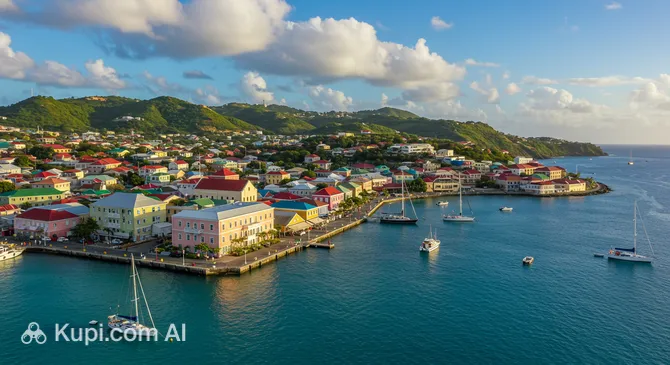
Welcome to St. John's, the vibrant capital and commercial heart of Antigua and Barbuda. Situated on the northwest coast of the island of Antigua, this bustling city serves as the primary gateway for travelers, especially those arriving by sea at its busy deep-water harbor. With a population of approximately 22,000 residents, it is the largest city in the nation and pulses with a lively Caribbean energy.

St. John's. Source: Kupi.Binoculars

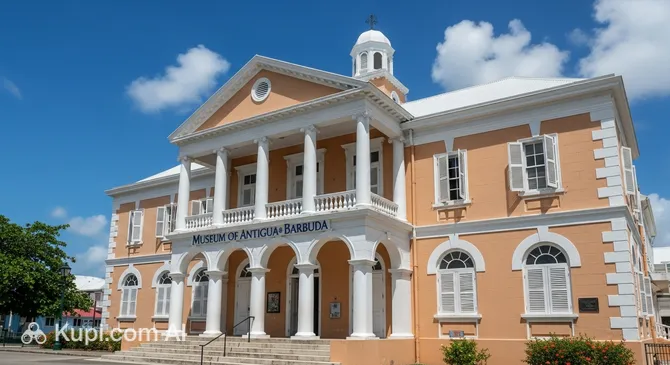
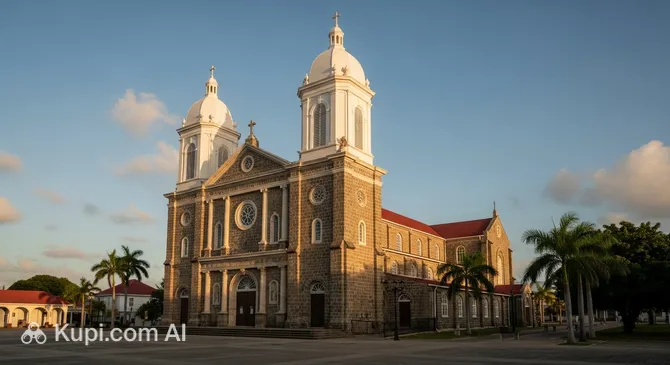
The city is a colorful tapestry of colonial architecture and modern island life. Its skyline is dominated by the majestic white baroque towers of St. John's Cathedral, a stunning landmark that stands as a testament to the rich history of St. John's. Visitors can explore the city's heritage further at the Museum of Antigua and Barbuda, which is housed in the colonial Court House, the oldest building in use in the city.

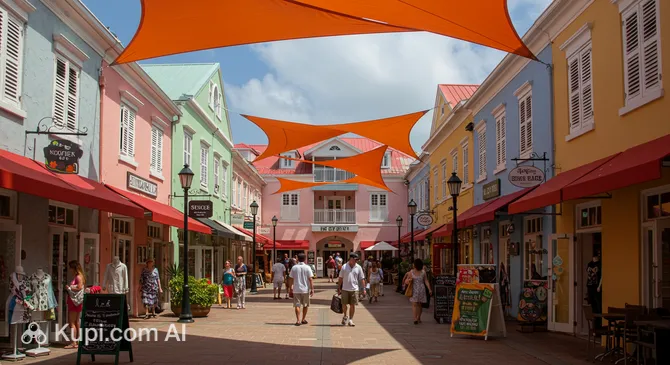
Beyond its historical sites, St. John's is a premier destination for shopping and dining. Travelers flock to Heritage Quay for duty-free luxury goods and to the charming, restored buildings of Redcliffe Quay for unique boutiques and local crafts. Whether you are strolling through its spirited streets or enjoying the waterfront views, St. John's offers a warm and inviting introduction to the beauty of the islands.

Weather Overview

Travelers visiting this Caribbean hub can look forward to a consistently warm and inviting climate throughout the year. The average temperatures in the city are remarkably stable, generally hovering between a comfortable 25.0°C in cooler months like February and rising to around 27.8°C in September. Daily maximums often reach up to 28.8°C, ensuring plenty of sunshine for exploring the island's beaches and historic sites.

Precipitation patterns suggest that while rainfall volume is relatively low, showers can be a frequent occurrence. The number of wet days typically ranges from 13 to 20 per month, with the period from September to October seeing the highest frequency of rain. To help you pack appropriately for your trip, it is helpful to review the current weather in St. John's. Generally, you should expect warm tropical days with the possibility of brief, passing showers.

Interesting Facts

Beyond the bustling cruise ship docks and duty-free shops, St. John's holds architectural marvels and historical layers that often go unnoticed by the casual visitor. Here are a few intriguing details that reveal the deeper character of this Caribbean capital.
  • The majestic St. John's Cathedral is an architectural curiosity designed to survive natural disasters. It was constructed as a "building within a building," featuring an interior structure of pitch pine meant to move independently within the heavy stone exterior, protecting it from earthquake damage.

  • At the cathedral's south gate, you can find statues of St. John the Divine and St. John the Baptist. Local lore suggests these figures were not originally commissioned for the church but were captured from a French ship destined for Martinique during the Napoleonic Wars.

  • The scenic Redcliffe Quay, now famous for its vibrant boutiques and cafes, stands as one of the best-preserved examples of Georgian architecture in the Caribbean. Its historic buildings were originally warehouses and strictly commercial zones in the 18th century, contrasting with the residential nature of the upper town.

  • Guarding the entrance to the harbor, Fort James still possesses its original artillery. Visitors can see the massive cannons, which date back to the reign of King George III and weigh approximately two and a half tons each, pointing out towards the sea.

Fort James. Source: Kupi.Binoculars

How to Get There

Reaching this Caribbean destination is straightforward, with the local international airport serving as the main entry point for visitors from around the globe. For a detailed overview of all travel options and routes, you can read more about how to get to St. John's.

The most convenient way to arrive is via V.C. Bird International Airport (ANU), which is located directly in St. John's. Situated just 5.0 km from the city center, it is the primary hub for the island and handles a significant number of international flights. Once you land, the journey to the downtown area is quick and easy; a trip by taxi or bus typically takes approximately 30 minutes. This airport is well-equipped to welcome tourists and offers various transport connections upon arrival.

Travelers exploring the wider region might also pass through other Caribbean hubs, though these require a connecting flight or boat transfer to reach Antigua. For instance, the city of Pointe-à-Pitre is home to Pointe-à-Pitre International Airport (PTP), located about 98 km away on the island of Guadeloupe. Similarly, Robert L. Bradshaw International Airport (SKB) serves the city of Basseterre, approximately 97 km from St. John's. While these airports are significant regional transit points, direct arrival into V.C. Bird remains the standard choice for visiting St. John's.

For clarity, here is a summary of the main airports:

Airport Name City Passenger Traffic Km from City
Pointe-à-Pitre International Airport Pointe-à-Pitre High 98.6
V.C. Bird International Airport St. John's Medium 5.0
Robert L. Bradshaw International Airport Basseterre Medium 97.2
Newcastle Airport Charlestown Small 81.6
F D Roosevelt Airport Oranjestad Small 129.6

Main Attractions

St. John's is a city where history and modern island life intersect, offering visitors a mix of cultural heritage and lively commercial hubs. A great starting point for understanding the island's past is the Museum of Antigua and Barbuda. Housed in the colonial Court House built in 1747, which is the oldest building in the city, the museum provides a fascinating look into the region's geological origin and its human history. Exhibits range from Arawak and Carib artifacts to displays on the sugar plantation era and colonial life, making it an essential stop for history enthusiasts.

Museum of Antigua and Barbuda. Source: Kupi.Binoculars

Dominating the city skyline with its twin white baroque towers is St. John's Cathedral. Perched on a hilltop, this Anglican church offers not only spiritual solace but also panoramic views of the city and the harbor below. The current structure, built in the 19th century to replace earlier versions destroyed by earthquakes, is a masterpiece of stone and pitch pine. Walking up the hill to visit this landmark is a rite of passage for many visitors, rewarded by the striking architecture and the peaceful atmosphere of the surrounding cemetery.

For those looking to experience the bustling energy of the port, Heritage Quay is the center of action. Located right at the waterfront where cruise ships dock, this two-story open-air shopping complex is a paradise for duty-free shopping. Tourists flock here to browse a wide selection of jewelry, electronics, and local souvenirs. Beyond the shops, the area is vibrant with the sounds of steel drum bands and offers easy access to nearby casinos and restaurants, encapsulating the lively spirit of a Caribbean port city.

Heritage Quay. Source: Kupi.Binoculars

Another significant landmark near the Public Market Complex is the VC Bird Monument. This colorful statue honors Sir Vere Cornwall Bird, the first Prime Minister of Antigua and Barbuda and a pivotal figure in the nation's independence movement. It stands as a proud symbol of national identity and offers tourists a chance to connect with the modern political history of the island. The monument is often a point of interest during walking tours of the city, providing context to the names and faces seen throughout the capital.

Local Cuisine

The culinary landscape of St. John's is a delicious reflection of its cultural heritage, blending West African, British, and Creole influences into vibrant and flavorful cuisine. Seafood plays a starring role on most menus, with fresh catches like lobster, conch, and red snapper arriving daily at the harbor. The food here is characterized by its rich seasoning, often featuring a mix of garlic, thyme, and Scotch bonnet peppers that give local dishes a distinct, savory kick.

Visitors eager to taste the essence of the island should try the national dish, Fungie and Pepperpot. Fungie is a cornmeal and okra dish, similar in texture to polenta, while Pepperpot is a hearty vegetable stew often cooked with salted meat or beef. Another breakfast or lunch favorite is Ducana, a sweet dumpling made from grated sweet potato and coconut, boiled in a banana leaf and typically served with salty saltfish and chop-up (a mash of eggplant, spinach, and okra).

When it comes to beverages, the local choice is undeniably Wadadli, a pale lager named after the indigenous name for the island. It is a refreshing companion to the warm tropical weather. For something stronger, rum is the spirit of choice, often served in a classic Rum Punch dusted with nutmeg. Non-alcoholic options are equally delightful, with fresh juices made from tamarind, passion fruit, or sea moss being popular refreshers available at many street stalls.

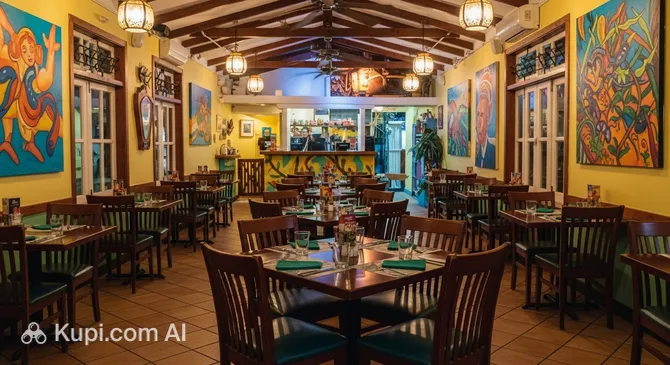
The dining scene in St. John's ranges from casual street food vendors near the public market to charming sit-down establishments. For a legendary seafood experience and an extensive collection of rums, visitors often head to Papa Zouk. Known for its rustic atmosphere and famous bouillabaisse, this spot offers a genuine taste of the island's nightlife and hospitality.

Papa Zouk. Source: Kupi.Binoculars

If you are looking for a quick, delicious, and budget-friendly meal, Roti King is a local favorite. Specializing in the beloved Caribbean staple, this eatery serves soft, warm flatbreads filled with savory curried meats or vegetables, making it the perfect pit stop for travelers exploring the city center.

Travel Tips

To help you navigate the bustling streets of St. John's and enjoy a stress-free vacation, we have compiled a set of essential practical tips. These guidelines will ensure you are well-prepared for the local customs, climate, and daily rhythm of this vibrant Caribbean capital.

  1. Clothing and Gear: The climate is tropical and warm year-round, so pack lightweight, breathable fabrics like cotton or linen. While beachwear is perfect for the coast, it is culturally inappropriate to wear swimsuits or revealing clothing in the city center or shops; always cover up when leaving the beach. Important: It is illegal for civilians to wear camouflage clothing in Antigua and Barbuda, so leave any army-print gear at home to avoid confiscation or fines.

  2. Transportation: The most affordable way to get around is by using the local privately-owned minivans, often referred to as "buses." They operate from the West Bus Station (for routes to the south and west) and the East Bus Station (for the east and north). Taxis are widely available and do not use meters; instead, they follow fixed government rates, so confirm the fare before starting your journey. If you choose to rent a car, remember that driving is on the left side of the road, and you will need to purchase a temporary local driving permit.

  3. Finances: The official currency is the Eastern Caribbean Dollar (XCD or EC$), which is pegged to the US Dollar. US dollars are widely accepted by taxi drivers and many businesses, though change is usually given in EC$. Major credit cards are accepted in hotels, large restaurants, and duty-free shops at Heritage Quay, but you will need cash for street vendors, local buses, and smaller eateries. ATMs are readily available throughout the city.

  4. Health and Safety: St. John's is generally safe for tourists, but it is wise to stick to well-lit, populated areas at night and avoid carrying large amounts of cash. Pharmacies are available in the city center for basic needs, and the main hospital, Mount St. John's Medical Centre, is located nearby for emergencies. Tap water is generally safe to drink, but most visitors prefer bottled water to avoid any minor stomach upsets.

  5. Communication: English is the official language, so you will have no trouble communicating. However, locals often speak a distinct Antiguan Creole dialect among themselves. Wi-Fi is commonly available in hotels, cafes, and the cruise ship terminal area. If you need constant connectivity, you can purchase a prepaid SIM card from local providers like Flow or Digicel, which have stores in the city center.

  6. Local Etiquette: Antiguans are polite and value proper greetings. It is customary to say "Good morning," "Good afternoon," or "Good evening" when entering a shop, boarding a bus, or starting a conversation with a local. Skipping this step can be considered rude. Also, keep in mind that things often move on "island time," so patience and a relaxed attitude are appreciated in service situations.

  7. What to Avoid: Avoid taking photographs of local residents without asking for their permission first, as this is considered intrusive. Additionally, do not expect shops to be open late; many local businesses in St. John's close around 4:00 PM or 5:00 PM, and the city becomes much quieter in the evening after cruise ships depart.

  8. Market Tip: For a truly authentic experience, visit the Public Market Complex early on a Friday or Saturday morning. This is when the market is liveliest, overflowing with fresh exotic fruits like the famous Antiguan black pineapple, spices, and local crafts, offering a perfect glimpse into daily life.

By keeping these practical points in mind, you will be able to explore St. John's with confidence and ease. Embrace the island's laid-back atmosphere and warm hospitality for a truly memorable Caribbean getaway.

Entertainment & Nightlife

While St. John's is the bustling commercial hub by day, its nightlife transforms into a more relaxed and intimate affair. The city is not known for sprawling mega-clubs; instead, the evening entertainment scene revolves around lively rum bars, waterfront dining, and the social atmosphere of the quays. Travelers looking for a night out can expect a laid-back Caribbean vibe where the focus is on good conversation, rhythmic music, and savoring local spirits under the stars.

The heart of the evening action is often found near the waterfront districts. Redcliffe Quay and the surrounding streets offer a charming setting for an evening stroll, where restored Georgian buildings house distinct bars and restaurants. Although the city center quiets down significantly after the cruise ships depart, this area remains a pocket of activity where visitors can enjoy cocktails and the cool sea breeze. For those seeking a bit more excitement, the area near Heritage Quay is home to casinos that offer gaming and entertainment late into the night.

Redcliffe Quay. Source: Kupi.Binoculars

For a truly authentic taste of St. John's after dark, a visit to Papa Zouk is essential. This legendary rum shop and seafood restaurant is a cultural institution, boasting one of the largest collections of rums in the Caribbean. The atmosphere is unpretentious and vibrant, often filled with the sounds of Zouk music and a mix of locals and tourists enjoying their famous "ti' punch." It is the perfect spot to immerse yourself in the local social scene without the need for a dress code beyond casual comfort.

When planning a night out, it is important to keep practicalities in mind. The dress code in St. John's is generally "smart casual"—beachwear is for the beach, so opt for light trousers or a sundress for the evening. Prices for drinks and food are reasonable, though imported spirits can be pricier. As the streets can become quite empty and dark after business hours, it is highly recommended to use taxis to get between venues rather than walking, especially if you are venturing outside the main waterfront areas. Taxis are reliable, but it is wise to arrange a pickup or have a driver's number handy.

Before the sun sets, the city offers plenty of daytime diversions to fill your itinerary. History buffs can explore the Museum of Antigua and Barbuda to delve into the island's past, or visit the historic Fort James at the harbor entrance for stunning views. Whether you are shopping for duty-free goods or exploring colonial landmarks, the transition from a busy day of sightseeing to a relaxed evening of rum and rhythm makes St. John's a delightful destination.

Parks & Museums

While St. John's is often celebrated for its lively harbor and shopping districts, the city also offers pockets of greenery and profound historical depth for those who take the time to look. The capital's cultural landscape is defined by its colonial heritage, where centuries-old structures stand alongside tropical vegetation, providing visitors with a chance to step back in time and enjoy the island's natural beauty.

For a deep dive into the nation's past, the Museum of Antigua and Barbuda is the premier cultural institution in the city. Housed in the historic colonial Court House, which dates back to 1747, the building itself is a primary exhibit. Inside, visitors can explore a comprehensive collection that spans the geological formation of the islands to their independence. Highlights include Arawak pottery, artifacts from the sugar plantation era, and the bat of legendary cricketer Viv Richards, making it a fascinating stop for anyone interested in the island's diverse heritage.

Another significant cultural landmark is the St. John's Cathedral. Although it is an active place of worship rather than a traditional museum, its historical and architectural significance is immense. The cathedral's twin baroque towers dominate the skyline, and the surrounding cemetery serves as a quiet park-like space filled with old tombstones that tell the stories of the island's former residents. The interior, with its pitch pine structure designed to withstand earthquakes, is a marvel of colonial engineering.

St. John's Cathedral. Source: Kupi.Binoculars

In terms of green spaces, the Antigua and Barbuda Botanical Gardens offer a peaceful retreat from the bustling city streets. Located near the factory road area, this small but charming garden is a haven for native plant species and tropical flowers. It provides a shaded environment perfect for a leisurely walk, allowing tourists to learn about the local flora while enjoying a quiet moment away from the cruise ship crowds.

Nature and history combine spectacularly at Fort James, located at the entrance to the harbor. While famous for its cannons and ruins, the area surrounding the fort functions as a scenic park and recreational spot. Visitors can wander along the grassy headlands, enjoying panoramic views of the Caribbean Sea and the incoming ships. The adjacent beach is also a popular spot for locals and tourists alike to relax by the water after exploring the fortifications.

For a glimpse into the nation's political history in an open-air setting, the VC Bird Monument stands as a colorful tribute to the country's first Prime Minister. Located near the public market, this statue is more than just a photo opportunity; it is a focal point for understanding the modern identity of Antigua and Barbuda. An insider tip for culture lovers is to visit the nearby Public Market on a Saturday morning. While not a museum, it is a living exhibition of local culture, where the sights, smells, and sounds of the island come alive in a truly authentic way.

Getting Around

Public transport in St. John's is a unique and authentic Caribbean experience, primarily relying on a network of privately owned minibuses. There are no subways, trams, or large municipal buses in the city. Instead, you will find a fleet of vans, typically Japanese models, that serve as the backbone of local mobility. These minibuses are an affordable and efficient way to travel not only around the capital but also to various beaches and villages across the island. You can easily identify them by their license plates, which almost always begin with the word BUS.

The system operates out of two main terminals located on the outskirts of the city center. The West Bus Station, situated near the Public Market, is the hub for routes heading to the southern and western parts of the island, including popular destinations like Jolly Harbour and English Harbour. Conversely, the East Bus Station, located on Independence Avenue near the Recreation Ground, serves routes going to the north and east, such as the airport area and Willikies. If you are unsure which station you need, locals are generally very helpful and can point you in the right direction.

Payment for transport is straightforward and cash-based; there are no travel cards, apps, or electronic ticket machines. Fares are fixed by the government and are relatively low, making this a budget-friendly option. You pay the driver directly, usually upon exiting the vehicle. While the official currency is the Eastern Caribbean Dollar (EC$), US dollars are widely accepted. However, it is highly recommended to carry small denominations of EC$ coins or notes, as drivers may not always have change for large foreign bills.

Operating hours for the bus system are geared towards the working day. Buses run frequently from around 6:00 AM to 7:00 PM on weekdays and Saturdays. Service becomes significantly less frequent in the evenings and is very limited or sometimes non-existent on Sundays and public holidays. Since buses typically wait until they are full before departing from the terminal, departure times can be flexible. If you are planning a late dinner or a Sunday excursion, you should not rely solely on the bus network.

For times when buses are unavailable or for more direct travel, taxis are the best alternative. Taxis in St. John's do not use meters; instead, they operate on fixed rates for specific destinations. You can identify licensed taxis by their yellow license plates starting with TX. Always confirm the fare with the driver before getting into the car. Additionally, car rentals are a popular choice for those wanting total freedom, though you will need to obtain a temporary local driving permit and be comfortable driving on the left side of the road.

Accommodation

Where to Stay:

Accommodation in St. John's caters to a variety of travelers, ranging from those visiting for business to tourists seeking a central base for island exploration. Unlike the sprawling all-inclusive resorts found on the distant coasts of Antigua, the city itself primarily offers mid-range hotels, charming guesthouses, and smaller inns. These options provide a more authentic and intimate experience, allowing visitors to immerse themselves in the daily rhythm of the capital rather than staying within a secluded resort bubble.

The most convenient area to stay is arguably near the waterfront district. Locations close to the harbor offer easy access to the main shopping complexes and a variety of dining options. Staying here places you within walking distance of key landmarks and the ferry terminal, making it an excellent choice for those who plan to hop between islands or enjoy the city's evening atmosphere. For budget-conscious travelers, the city center further inland offers simpler guesthouses and apartments, providing a practical and affordable solution near the bus terminals.

If you are planning a trip, especially during the peak winter season from December to April, it is highly recommended to book your accommodation well in advance. During these months, the island sees a surge in visitors, and the most desirable rooms in the capital can fill up quickly. Conversely, traveling during the summer or shoulder seasons can often yield better rates and more flexibility with last-minute bookings.

In terms of pricing, St. John's is generally more affordable than the exclusive resort areas elsewhere on the island. You can expect to find decent budget and mid-range options that offer clean, comfortable amenities without the premium price tag of beachfront luxury. Most established hotels and guesthouses can be booked via major online travel platforms, though some smaller, family-run establishments may prefer direct inquiries via email or phone.

Nearby Cities

For those looking to explore the surroundings, St. John's serves as an excellent base for day trips to several interesting nearby locations:

City Population Distance (km)
Barbuda 1600 58

One of the most compelling excursions from the capital is a visit to the sister island of Barbuda. Accessible via a short flight or a ferry ride from St. John's harbor, this island offers a stark contrast to the bustle of Antigua. It is renowned for its pristine, undeveloped beauty, particularly the stunning 17-mile stretch of pink sand beach. Nature lovers will appreciate the Frigate Bird Sanctuary in the Codrington Lagoon, which houses one of the largest colonies of these magnificent birds in the world. It is a perfect retreat for those seeking tranquility and untouched nature.

On the southern coast of Antigua, approximately a 40-minute drive from St. John's, lies the historic town of English Harbour. This area is famous for Nelson's Dockyard, a UNESCO World Heritage site and the only working Georgian naval dockyard in the world. Visitors can explore restored 18th-century buildings, visit the museum, and enjoy the vibrant yachting atmosphere. Nearby, the Shirley Heights lookout offers breathtaking panoramic views of the harbor and is a popular spot for sunset gatherings.

Another accessible destination is Jolly Harbour, located on the west coast just a short drive south of the capital. This large marina community features a variety of restaurants, shops, and a beautiful beach with calm, turquoise waters. It serves as a great hub for boat tours and water sports, offering a modern resort-style atmosphere that complements the historic charm of other parts of the island.

These nearby destinations offer a glimpse into the diverse culture and landscapes of the region.

Shopping & Souvenirs

Shopping in St. John's is a delightful mix of high-end luxury and authentic island charm, making it a favorite pastime for many visitors. The city is renowned as a duty-free haven, attracting travelers looking for bargains on international brands, but it also boasts a vibrant community of local artisans. Whether you are searching for exquisite jewelry, designer clothing, or unique handmade crafts, the capital offers a diverse retail experience that caters to both cruise ship passengers and long-stay tourists.

The main shopping districts are conveniently concentrated near the waterfront and the central grid of the city. High Street and St. Mary's Street are bustling thoroughfares lined with a variety of shops selling everything from clothing and fabrics to household goods. Walking these streets provides a more local experience compared to the port area, allowing visitors to mingle with residents and discover smaller, independent stores that have been serving the community for decades.

For a more polished and tourist-centric experience, the city features two distinct shopping complexes located right at the harbor. Heritage Quay is the primary destination for duty-free shopping. This modern, open-air mall offers a wide array of electronics, perfumes, liquors, and fine jewelry at tax-free prices. Just a short walk away is the historic Redcliffe Quay, set within beautifully restored 18th-century warehouses. In contrast to its neighbor, this area focuses on upscale boutiques, art galleries, and specialty shops selling unique island fashion and gifts in a scenic, tree-shaded atmosphere.

To experience the authentic pulse of the island, a visit to the Public Market Complex at the southern end of the city is essential. While the main market is famous for its vibrant displays of exotic fruits and vegetables, there is also a dedicated area often referred to as the Vendor's Mall. Here, you can browse stalls overflowing with local handicrafts, straw goods, and colorful t-shirts. It is the perfect place to practice your bargaining skills and chat with friendly local vendors.

When it comes to souvenirs, St. John's offers plenty of distinctively Antiguan treasures to take home. Local rum, such as English Harbour or Cavalier, is a top choice, as is the island's famous Susie's Hot Sauce, which adds a spicy kick to any meal. Other popular items include beautiful pottery, hand-printed linens, and intricate straw hats or bags woven by local craftspeople. These items not only make great gifts but also support the local economy.

Most shops in St. John's operate from Monday to Saturday, typically opening around 8:00 AM or 9:00 AM and closing by 4:00 PM or 5:00 PM. On Sundays, the city is generally very quiet, although some shops in the quays may open if a cruise ship is in port. Major credit cards are widely accepted in the shopping malls and larger stores, but it is advisable to carry Eastern Caribbean Dollars (EC$) or small denominations of US dollars for purchases at the market or smaller street stalls.

One of the biggest draws for tourists is the opportunity for tax-free shopping. At designated duty-free stores, particularly in Heritage Quay, visitors can purchase goods without local taxes. To qualify for these savings, you may be asked to present a valid passport and your travel ticket, so it is a good idea to have these documents handy when you plan to make significant purchases.

Reached the end of the page?

That means the route is fully explored