Support

Grand Bourg

About

Grand-Bourg serves as the vibrant heart and main entry point to the idyllic island of Marie-Galante. As the administrative capital and largest town on the island, it offers a perfect blend of lively Caribbean culture and a relaxed, welcoming atmosphere. Visitors are often charmed by its authentic character, where daily life revolves around the bustling port and the scenic waterfront.

Geographically, the town is situated on the southwestern coast of Marie-Galante, which is part of the overseas French region of Guadeloupe. With a population of approximately 5,500 residents, Grand-Bourg maintains a cozy, small-town feel while providing essential services and connections to the main island of Grande-Terre. The climate is typically tropical, offering warm temperatures and sunny skies that are perfect for exploring the outdoors.
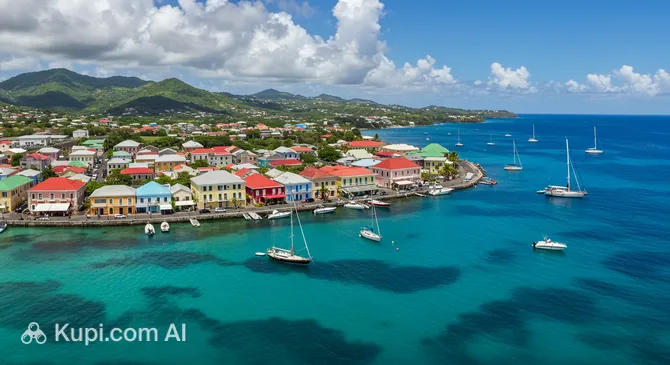
Grand Bourg. Source: Kupi.Binoculars

The town is not just a transit hub; it is a destination rich in heritage. Those who wish to delve into the history of Grand-Bourg will find fascinating landmarks that tell the story of the island's colonial past and sugar cane industry. One of the most prominent architectural sights is the Church of the Immaculate Conception, known for its distinctive belfry and beautiful interior.

Beyond its historical sites, Grand-Bourg is famous for its vibrant market, where locals sell fresh exotic fruits, spices, and the island's renowned rum. Just a short distance from the town center, visitors can explore the Château Murat, a former sugar plantation that now houses a museum dedicated to local arts and traditions. Whether you are waiting for a ferry or planning a longer stay, Grand-Bourg invites you to slow down and enjoy the unique rhythm of Marie-Galante.

Weather Overview

Grand-Bourg enjoys a warm, tropical climate that remains invitingly consistent throughout the year. Visitors can look forward to steady warmth, with average temperatures generally ranging from a comfortable 24.4°C in February to a peak of around 27.1°C in September. This stability makes the town a reliable destination for those seeking sun and heat, regardless of the season.

While the temperature is pleasant, rainfall is a frequent companion on the island. The region experiences a high number of wet days year-round, reaching up to 28 days of precipitation in August. However, these are often typical tropical showers that pass quickly. For a more detailed breakdown of what to expect during your specific travel dates, you can view the full report on the weather in Grand Bourg. In general, expect warm days with regular chances of rain, so packing breathable clothing along with a light rain jacket is always a good idea.

Interesting Facts

Beyond the main attractions, Grand Bourg holds many fascinating secrets that reveal the depth of its cultural and historical identity. This charming town is not just a port of entry but a custodian of unique traditions and architectural gems that often escape the casual observer.
  • The Legend of the Punch Pond: Just a short distance from the town lies the historic "Mare au Punch." Local lore recounts that in 1849, following the abolition of slavery, freed workers celebrated by pouring massive quantities of sugar and rum from the nearby Pirogue plantation into the pond, symbolically turning it into a giant bowl of punch.

  • A Modernist Makeover: Much of the town's distinctive look is due to the work of architect Ali Tur in the early 20th century. After a hurricane devastated the area in 1928, Tur rebuilt key structures, including the town hall and the church, using reinforced concrete in a unique style that blends Art Deco influences with tropical functionality.

  • Gateway to the "Big Pancake": Grand Bourg is the capital of Marie-Galante, an island affectionately nicknamed "La Grande Galette" because of its remarkably flat, round shape. This unique geography allowed trade winds to sweep across the entire landmass, historically powering over 100 windmills—the highest density in the Caribbean—many of which can still be seen in the surrounding countryside.

  • The 59-Degree Tradition: The rum culture in Grand Bourg is distinctively potent. Unlike many other regions, the local "Rhum Agricole" found in the town's markets is traditionally bottled at 59% alcohol by volume. This specific strength is a matter of island pride and is considered by connoisseurs to preserve the full aromatic profile of the sugar cane.

How to Get There

Reaching Grand Bourg is the first step of your adventure on the charming island of Marie-Galante. Since the island is a dependency of Guadeloupe, most travelers arrive via the main archipelago before making the short sea crossing. For a comprehensive guide on all available transport methods, including ferry schedules and tips, you can read more about how to get to Grand Bourg.

The city of Grand Bourg does not have its own international airport, but you can fly into Pointe-à-Pitre International Airport (IATA: PTP) in the city of Pointe-à-Pitre, which is approximately 48 km away from Grand Bourg. This large international hub is the primary gateway for visitors. From the airport, you will need to take a taxi to the ferry terminal (Gare Maritime de Bergevin) to catch a boat to Marie-Galante. The total travel time, including the transfer and crossing, is typically around 90 minutes.

Another option for regional travelers is Melville Hall Airport (IATA: DOM), located in Dominica about 37 km from Grand Bourg. Although geographically close, this route involves traveling between different islands. Alternatively, Martinique Aimé Césaire International Airport (IATA: FDF) in Fort-de-France serves as a major hub for the southern Caribbean, situated roughly 147 km away.

For clarity, here is a summary of the main airports in the region:

Airport Name City Passenger Traffic Km from City
Pointe-à-Pitre International Airport Pointe-à-Pitre Large 48.2
Martinique Aimé Césaire International Airport Fort-de-France Large 146.9
V.C. Bird International Airport St. John's Medium 147.8
Melville Hall Airport Dominica Small 37.2
Newcastle Airport Charlestown Small 199.8

Main Attractions

Grand-Bourg may be a small administrative center, but it punches above its weight when it comes to cultural and historical points of interest. The town serves as a living museum of Marie-Galante's heritage, offering visitors a chance to explore colonial architecture, vibrant local commerce, and relaxing coastal spots all within a short distance of the ferry terminal.

Habitation Murat (Château Murat)
Often cited as the most important heritage site on Marie-Galante, this former sugar plantation is located just a short drive from the town center. Once the largest plantation on the island, it has been transformed into a fascinating eco-museum. Tourists are drawn here to see the beautifully restored ruins, the impressive windmill, and the colonial mansion. Inside, the museum houses collections detailing the island's history, from the sugar cane era to local arts and traditions, making it an essential stop for history buffs.

Church of the Immaculate Conception
Dominating the town's skyline, this church is a masterpiece designed by the renowned architect Ali Tur. Built in the early 1930s after a cyclone destroyed the previous structure, it is a prime example of religious architecture adapted for the tropics. Visitors admire its striking reinforced concrete design, the intricate high altar made of polychrome marble, and the wooden barrel-vaulted ceiling which creates a serene and airy atmosphere perfect for reflection.

Grand-Bourg Market
For a taste of authentic island life, the daily market situated near the church is an unmissable stop. It is the beating heart of the town where vibrant colors and exotic scents fill the air. Travelers love browsing the stalls for locally grown spices, bottles of "sirop de batterie" (sugar cane syrup), and fresh tropical fruits. It is also the perfect place to engage with friendly locals and pick up handcrafted souvenirs or a bottle of the island's famous agricultural rum.

Plage de Grand-Bourg
Located directly in the town, this beach offers a convenient escape for those looking to cool off after a morning of sightseeing. Protected by a coral reef, the turquoise waters are calm and shallow, making it safe and enjoyable for families and casual swimmers. It provides a picturesque setting with views of the fishing boats bobbing in the harbor and the neighboring island of Dominica visible on the horizon.

Local Cuisine

The culinary scene in Grand Bourg offers a genuine taste of the French Caribbean, deeply rooted in the agricultural traditions of Marie-Galante. Unlike the more tourist-centric menus found elsewhere, the food here is robust, rustic, and incredibly flavorful. Visitors can expect authentic Creole cuisine prepared with fresh ingredients sourced directly from the island's farms and the surrounding sea, making every meal a celebration of local heritage.

The undisputed star of the local gastronomy is Bébélé, a hearty soup that is unique to Marie-Galante and a must-try for any adventurous eater. This rich dish traditionally combines tripe, green bananas, breadfruit, and dumplings (dombrés) in a savory broth. Another island specialty is Chaudage, a savory stew often made with beef, pork, or poultry and cooked slowly to perfection. For seafood lovers, the daily catch brings fresh options like grilled lobster or a spicy fish court-bouillon, often served with a side of rice and beans or gratin made from local root vegetables.

For a quick and delicious bite, the street food culture in Grand Bourg is vibrant and satisfying. You will often find vendors selling Bokits, a beloved Guadeloupean sandwich made from fried dough stuffed with various fillings such as saltfish, chicken, cheese, or ham. Similar to the bokit but made with toasted brioche bread, the Agoulou is another generous snack perfect for fueling your exploration of the town. These affordable treats are best enjoyed near the waterfront, soaking in the lively atmosphere of the port.

No culinary journey here would be complete without sampling the island's legendary liquid gold: Rhum Agricole. Marie-Galante is famous for producing some of the strongest and most aromatic rums in the Caribbean, often bottled at 59% alcohol by volume. Locals typically enjoy it as a Ti' Punch, a simple yet potent cocktail made with white rum, a squeeze of lime, and a touch of raw cane sugar or syrup. For a non-alcoholic refreshing alternative, freshly squeezed tropical fruit juices like guava, passion fruit, and soursop are widely available.

Dining in Grand Bourg is generally a relaxed affair, ranging from casual street stalls to welcoming family-run restaurants known as "Lolos". These establishments, often located near the church or the market, offer a warm, unpretentious environment where you can dine alongside residents. The town's market itself is a gastronomic hub where you can buy bottles of Sirop de Batterie (a concentrated sugar cane syrup) and Kilibibi, a sweet powder made from roasted corn and sugar, allowing you to take a piece of Marie-Galante's flavor home with you.

Travel Tips

Planning a trip to Grand Bourg serves as the perfect introduction to the relaxed rhythm of Marie-Galante, but a little preparation goes a long way in ensuring a smooth experience. To help you make the most of your visit to this charming administrative capital, here are some practical tips covering everything from local customs to essential logistics.

  1. Pack for the Tropics and Respect Local Dress Codes
    The climate is warm and humid year-round, so bring lightweight, breathable fabrics like cotton or linen to stay cool. A hat, sunglasses, and high-SPF sunscreen are essential for protection against the strong Caribbean sun. While beachwear is perfect for the coast, remember to cover up when walking through the town center or visiting religious sites like the Church of the Immaculate Conception; wearing swimwear in shops or on the street is considered disrespectful.

  2. Prioritize Car or Scooter Rentals for Transport
    While Grand Bourg is walkable, exploring the rest of the island from here requires wheels. Public transportation is limited and schedules can be unpredictable. To truly experience the freedom of Marie-Galante, renting a car or a scooter is highly recommended. Several rental agencies are located right near the ferry terminal, but it is wise to book in advance, especially during the peak tourist season.

  3. Carry Cash for Daily Expenses
    The official currency is the Euro (€). While larger restaurants and the main supermarkets in Grand Bourg accept credit cards (Visa and Mastercard are most common), many smaller shops, market vendors, and rural eateries operate on a cash-only basis. There are ATMs available in the town center, so it is a good idea to withdraw sufficient funds before heading out on day trips to more remote areas.

  4. Health and Safety Precautions
    Grand Bourg is generally very safe, but standard travel precautions apply; do not leave valuables visible in your rental car. Regarding health, mosquitoes can be a nuisance and carry tropical viruses, so carry a good insect repellent, especially for the evenings. Pharmacies are easily found in the town, usually marked by a green cross, and the island's main hospital is located just on the outskirts of Grand Bourg should you need medical assistance.

  5. Brush Up on Your French
    The official language is French, and while many locals also speak Antillean Creole, English proficiency varies. In tourist-facing businesses, you will likely find English speakers, but in smaller local spots, it is less common. Learning a few basic phrases—such as "Bonjour" (Good morning), "S'il vous plaît" (Please), and "Merci" (Thank you)—will be greatly appreciated and can open doors to friendlier interactions.

  6. Master the Art of the Greeting
    Politeness is paramount in local culture. When entering a shop, boarding a bus, or approaching a counter, always acknowledge the person with a polite "Bonjour" or "Bonsoir". Skipping this greeting is seen as rude and may result in indifferent service. Islanders are generally warm and welcoming, and a simple greeting sets the tone for a positive exchange.

  7. Respect the "Island Time" Pace
    Avoid showing impatience or rushing service staff. Life in Grand Bourg moves at a slower, more relaxed pace known as "island time." Service in restaurants may take longer than you are used to, but this is part of the local charm. getting frustrated or demanding quick service is considered impolite and counterproductive; instead, sit back and enjoy the atmosphere.

  8. Mind the Siesta Hours
    Be aware that many shops and businesses in Grand Bourg close for a lunch break, typically between 12:30 PM and 2:30 PM, and Sundays are very quiet with most places closed entirely. Plan your shopping and errands for the morning hours, particularly if you want to visit the market, which is most vibrant in the early hours before the midday heat sets in.

By keeping these practical tips in mind, you will be well-equipped to navigate Grand Bourg like a pro and connect more deeply with its friendly residents. Embrace the slower pace, savor the local culture, and enjoy a hassle-free adventure in this delightful corner of the French Caribbean.

Entertainment & Nightlife

Entertainment and nightlife in Grand-Bourg reflect the authentic and relaxed soul of Marie-Galante. Unlike the high-energy party hubs found on larger Caribbean islands, the evening scene here is characterized by a "douceur de vivre" (sweetness of life). Nightlife revolves around socializing, savoring excellent local cuisine, and enjoying the island's famous rum. The atmosphere is casual and welcoming, with locals and visitors mingling in open-air venues to the sounds of Zouk, Kompa, or reggae.

The most bustling area after dark is typically the waterfront district near the marina and the streets surrounding the church. Here, the transition from day to night is marked by the opening of "Lolos" (small traditional restaurants) and local bars. The dress code is almost universally casual; light, comfortable clothing is appropriate everywhere, though a neat appearance is appreciated if you are dining out. Most bars and restaurants open for the evening around 7:00 PM, with kitchens often closing by 9:30 PM or 10:00 PM, so it is wise to start your evening early.

For those seeking a pleasant place to unwind, La Charrette is a charming spot within the town limits. It is a restaurant and bar known for its cozy, rustic decor and welcoming vibe, making it perfect for enjoying a cocktail and a long dinner. Visitors also enjoy strolling along the marina, where several smaller bars offer a front-row seat to the harbor views, allowing you to sip a "Ti' Punch" while watching the boats gently bob in the water.

Practicalities are important when planning a night out in Grand-Bourg. Cash is essential, as many smaller bars and late-night snack vendors do not accept cards. Prices are generally reasonable, with a beer or a local drink costing a few euros. Transportation can be a challenge at night; taxis are not readily available to flag down on the street. If you plan to stay out late or visit a venue outside the immediate town center, you must arrange your return transport with a taxi driver in advance or have a designated driver for your rental car.

In terms of safety, Grand-Bourg is a peaceful town. Walking around the main lit areas near the port and restaurants is generally safe at night. However, street lighting can be sparse in backstreets, so it is advisable to stick to main roads and avoid unlit areas. The vibe is friendly, but standard travel common sense applies regarding personal belongings.

While the nights are laid-back, daytime entertainment in Grand-Bourg offers a mix of culture and leisure beyond the historical sites. The town is home to a local cinema, which serves as a cultural hub screening a variety of films, offering a nice break from the sun. Additionally, the town comes alive during various cultural festivals throughout the year, where the streets fill with music, parades, and street food vendors, showcasing the vibrant spirit of the island community.

Parks & Museums

Grand-Bourg offers a fascinating blend of natural beauty and cultural heritage, serving as a gateway to the rich history of Marie-Galante. While the town itself is compact, its surroundings feature serene green spaces and significant heritage sites that function as open-air museums, allowing visitors to immerse themselves in the island's colonial past and lush tropical environment.

Place de l'Église and Town Square
In the heart of the town, the square surrounding the Church of the Immaculate Conception acts as the central green lung of Grand-Bourg. It is a shaded, inviting space where locals gather and where the slow pace of island life is most palpable. The area is dotted with tropical trees and benches, offering a cool respite from the midday sun and a perfect vantage point to admire the surrounding modernist architecture.

Mare au Punch
Located just outside the main town area, this historic pond is a site of great natural and cultural significance. Surrounded by lush vegetation, it offers a peaceful setting for a walk or a picnic. Beyond its scenic value, the site is legendary for the events of 1849, adding a layer of historical intrigue to the natural landscape. It serves as a quiet reminder of the island's past, nestled within the verdant countryside.

Plage des Trois Îlets
While often overshadowed by the main town beach, this coastal area offers a more secluded natural experience. Framed by sea grape trees and coconut palms, it is a pristine stretch of coastline that feels like a natural park by the sea. It is an excellent spot for nature lovers to observe coastal birds and enjoy the tranquility of the Caribbean Sea away from the bustle of the port.

Ecomusée de Marie-Galante (Habitation Murat)
This is the premier cultural institution in the area, housed within the restored colonial mansion of the former Murat plantation. As a dedicated museum of arts and popular traditions, it hosts an impressive collection of artifacts that narrate the island's history from the pre-Columbian era to the height of the sugar industry. Visitors can explore documents, period tools, and exhibits on the architecture of Guadeloupe, making it an essential educational stop.

Habitation Roussel-Trianon
Although not a traditional museum with glass cases, this historic site functions as an open-air museum of industrial history. It is famous for its well-preserved stables and the remains of its windmill and sugar factory. Walking through the grounds allows tourists to visualize the scale of the sugar operations that once defined the economy of Grand-Bourg, offering a tangible connection to the 18th and 19th centuries.

Town Hall (Mairie de Grand-Bourg)
Architecturally significant, the Town Hall is another gem designed by Ali Tur in the 1930s. It stands as a monument to the reconstruction era following the 1928 hurricane. The building is admired for its clean lines, ventilated façade, and the way it integrates modern concrete construction with the tropical climate, representing a key chapter in the town's architectural evolution.

For a truly authentic experience, take a walk along the coastal path leading away from the marina towards the mangroves. This lesser-known route offers a quiet glimpse into the local ecosystem and provides stunning, unobstructed views of the sunset over the channel between Marie-Galante and Guadeloupe.

Getting Around

The public transport system in Grand Bourg is modest and reflects the relaxed pace of life on the island. Visitors expecting the extensive infrastructure of a large metropolis, such as metros, trams, or trains, will not find them here. Instead, the town relies primarily on a network of small buses and minivans that connect Grand Bourg with the other main municipalities on the island, specifically Saint-Louis and Capesterre. These vehicles serve as the main mode of shared transit for locals and adventurous tourists alike.

The central hub for these buses is the "Gare Routière," located conveniently near the ferry terminal. This proximity makes it relatively easy for travelers arriving by boat to find onward transport, although the frequency of service can vary. The buses do not operate on a strict, minute-by-minute timetable found in bigger cities. Instead, they often depart when the vehicle is full or according to the arrival of ferries. Patience is a virtue here, as waiting times can be unpredictable.

Payment for public transport is straightforward and old-fashioned. There are no digital travel cards, mobile apps, or pre-paid passes. Fares are settled directly with the driver upon boarding or disembarking. It is essential to carry small denominations of cash, particularly coins and small notes in Euros, as drivers may not always have change for larger bills. The cost of a ride is generally quite affordable, usually ranging between a few euros depending on the distance traveled.

For tourists planning to use the bus system, practical timing is crucial. Service is most reliable in the mornings and early afternoons, primarily catering to school schedules and workers. Be aware that public transport options dwindle significanty in the late afternoon, often ceasing entirely by 5:00 PM or 6:00 PM. Furthermore, service on Sundays and public holidays is extremely limited or non-existent, so you should not rely on buses for weekend excursions.

Given the limitations of the public bus network, most visitors find that alternative transport methods offer far more freedom. Renting a car or a scooter is the most popular and practical way to explore the area surrounding Grand Bourg. Several rental agencies are located within walking distance of the port. This option allows you to visit secluded beaches and historic sites that are not serviced by public routes and to travel according to your own schedule.

Taxis are another alternative, though they operate differently than in many other places. You typically cannot hail them on the street. Instead, you will find them waiting at the ferry terminal upon the arrival of boats, or you must book them by phone in advance. Taxis are reliable but can be expensive for longer journeys. If you plan to dine out late in the evening, arranging a taxi beforehand is mandatory, as finding a ride spontaneously at night is nearly impossible.

Accommodation

Accommodation in Grand-Bourg reflects the authentic and tranquil character of Marie-Galante itself. Unlike the bustling resort hubs found on the main island of Guadeloupe, you will not find massive all-inclusive hotel chains or high-rise luxury complexes here. Instead, the city offers a charming selection of small, family-run hotels, guest houses, and vacation rentals that allow visitors to immerse themselves in the local rhythm of life. The focus is on hospitality, intimacy, and a genuine Creole atmosphere.

For travelers who prioritize convenience, staying in the town center near the ferry terminal and the Church of the Immaculate Conception is the most practical option. This area places you within walking distance of the market, restaurants, and the port, making it ideal if you prefer not to rent a car immediately or want to be close to the evening activity. Alternatively, those seeking peace and quiet often choose accommodations slightly on the outskirts or near the beaches, where "Gîtes" (holiday cottages) and villas offer more privacy and often come with garden views or direct access to the sea.

The most popular form of lodging in and around Grand-Bourg is the Gîte or vacation rental. These are widely available and range from simple studios to elaborate villas with pools. They are perfect for families or travelers planning a longer stay, as they typically include kitchen facilities, allowing you to cook with fresh ingredients bought at the local market. Traditional hotels are fewer in number but provide comfortable, mid-range amenities, usually featuring air conditioning and on-site dining options that serve local specialties.

Booking Tips and Practicalities
Because the inventory of rooms is relatively small compared to the demand—especially during the peak tourist season from December to April and the French summer holidays—it is highly reliable to book your accommodation well in advance. Last-minute finds can be rare, particularly during local festivals. While many properties are listed on major online booking platforms, some smaller guesthouses may require direct contact via email or phone. Prices are generally moderate and offer good value, but be prepared that some smaller establishments might prefer cash payments or local checks, so it is wise to clarify payment methods before arrival.

Nearby Cities

For those looking to explore the surroundings, Grand Bourg serves as an excellent base for day trips to several interesting nearby locations:

One of the most accessible and vibrant destinations is Pointe-à-Pitre, the economic capital of Guadeloupe located on the main island of Grande-Terre. A ferry ride connects visitors to this bustling city, where they can explore the colorful spice markets, admire colonial architecture, and visit the renowned Memorial ACTe museum, which traces the history of slavery and indigenous peoples.

For a change of pace and breathtaking scenery, Terre-de-Haut in the Les Saintes archipelago is a must-visit. Famous for having one of the most beautiful bays in the world, this charming island offers visitors the chance to tour the historic Fort Napoléon, wander through quaint village streets, and relax on pristine beaches. It is an ideal spot for photography and enjoying a distinct, picturesque island vibe.

Another excellent option is Saint-François, situated on the eastern tip of Grande-Terre. Known for its upscale marina, international golf course, and stunning lagoons, it attracts travelers looking for water sports, fine dining, and a lively resort atmosphere.

City Population Distance (km)
Pointe-à-Pitre 250952 46
Saint-François 2933 41
Terre-de-Haut 1700 29
Terre-de-Bas 1600 35
La Desirade 1600 56

These nearby destinations offer a glimpse into the diverse culture and landscapes of the region, making them perfect additions to your travel itinerary.

Shopping & Souvenirs

Shopping in Grand Bourg offers a quaint and authentic experience that mirrors the relaxed pace of Marie-Galante. Visitors will not find sprawling shopping complexes or international luxury chains here. Instead, the retail scene is intimate and locally focused, providing a delightful opportunity to engage with residents and discover products that are unique to the island's culture and agriculture. The experience is less about consumerism and more about connecting with the local way of life.

The commercial heart of the town lies in the grid of streets surrounding the church and extending towards the ferry terminal. This compact area is easily walkable and lined with small boutiques, pharmacies, and convenience stores. A stroll through these streets reveals colorful storefronts selling tropical clothing, beachwear, and books, often housed in traditional buildings that add to the charm of the excursion. It is the perfect place to find a new swimsuit or a hat to protect against the Caribbean sun.

It is important for tourists to manage their expectations regarding large-scale retail. Grand Bourg does not have shopping malls or department stores. For daily necessities, groceries, and picnic supplies, there are a few well-stocked supermarkets and smaller "libre-service" shops located in and around the town center. These establishments provide everything needed for a self-catering stay but lack the fashion and entertainment options found in larger malls on the main island.

The absolute highlight of the local retail scene is the vibrant market located near the church. This bustling open-air hub is where the true spirit of the island comes alive. Every morning, vendors display an array of exotic fruits, vegetables, and fresh fish caught just hours before. It is not just a place to buy food; it is a sensory experience filled with the scent of spices like cinnamon and nutmeg, and the sound of friendly bargaining in Creole. It is the best place to find authentic ingredients and observe daily island life.

When looking for gifts to take home, the local Rhum Agricole is the undisputed top choice; Marie-Galante is renowned for producing some of the world's finest and strongest rums. Other authentic keepsakes include bottles of "sirop de batterie" (a rich sugar cane concentrate), kilibibi (a traditional sweet treat made from roasted corn and sugar), and locally made pottery or madras fabric items. These goods directly support the local economy and carry the genuine flavor of the destination.

Business hours typically follow a traditional schedule that respects the heat of the day. Shops generally open around 8:00 AM, close for a long lunch break (siesta) from approximately 12:30 PM to 2:30 PM, and reopen until 5:00 PM or 6:00 PM. On Saturdays, shops often close in the early afternoon, and Sundays are very quiet with almost everything closed. The currency is the Euro (€). While supermarkets and larger shops accept credit cards, it is essential to carry cash for the market and smaller vendors.

As Guadeloupe is an overseas region of France, the tax system differs slightly from the mainland, but the concept of "Tax-Free" shopping (détaxe) is rarely applicable in the small, local shops of Grand Bourg. Prices displayed usually include all taxes. Visitors should assume the price on the tag is final, although friendly negotiation is sometimes acceptable at market stalls if you are buying multiple items.

Reached the end of the page?

That means the route is fully explored