Support

Castries

About

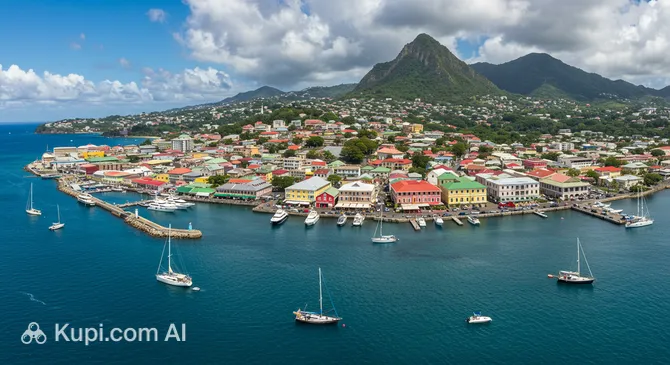
Welcome to Castries, the vibrant capital and bustling port city of Saint Lucia. Situated on the island's northwestern coast within the Castries Quarter, this energetic urban center is home to approximately 70,000 residents, making it the most populous area on the island. With its stunning natural harbor and lively streets, Castries offers a unique blend of modern Caribbean life and colonial charm.

Castries. Source: Kupi.Binoculars

While the city is a major hub for commerce and tourism today, it has a storied past. Visitors interested in the local heritage can delve into the history of Castries to learn how it has rebuilt and reinvented itself over the centuries, particularly after several devastating fires. Despite these challenges, the city has preserved significant landmarks that tell the story of its evolution.

Travelers are often drawn to the colorful Castries Market, a perfect spot to find fresh tropical fruits, spices, and local handicrafts. Another highlight is Derek Walcott Square, a peaceful green space named after the island's Nobel laureate, surrounded by historic buildings like the impressive Cathedral of the Immaculate Conception. For panoramic views of the harbor and the city below, a trip up to the historic Morne Fortune is highly recommended.

Whether you are arriving by cruise ship or staying on the island, Castries invites you to experience its warm hospitality and rich culture. It is an excellent starting point for your Caribbean adventure, offering a genuine taste of authentic island life.

Weather Overview

Castries experiences a consistent tropical climate with warm temperatures prevailing throughout the year. The city's weather is characterized by steady heat, with average monthly temperatures generally hovering between 25°C and 28°C. Travelers looking for specific forecasts before their trip can consult the detailed guide to the weather in Castries to plan accordingly.

While temperatures remain stable, rainfall frequency varies across the seasons. The months from February to May are typically the driest, recording between 13 and 15 wet days per month. In contrast, the period from June to November sees a significant increase in shower activity, with August and July experiencing rain on up to 25 or 26 days. September is usually the warmest month, reaching average highs of around 29.3°C, while January and February are slightly cooler.

Expect warm and humid conditions year-round with frequent tropical showers during the summer and autumn months, while the beginning of the year offers a slightly drier window for exploration.

Interesting Facts

Beyond the main attractions, Castries holds many fascinating secrets and historical curiosities that often escape the casual observer. This resilient city offers more than just scenic views, boasting a legacy of rebuilding and cultural distinction that makes it unique in the Caribbean.
  • Castries is often called a city that rose from the ashes, having been rebuilt four times following devastating fires in 1796, 1813, 1927, and 1948. This turbulent history explains the city's modern grid pattern and the interesting mix of architectural styles, as very few original colonial structures survived the flames.

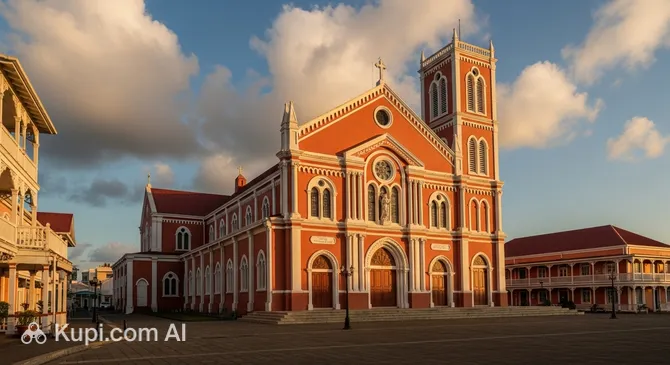
  • The Cathedral Basilica of the Immaculate Conception is not only the largest church in the Caribbean, measuring 200 feet by 100 feet, but it also houses a culturally significant masterpiece. The interior features vibrant murals by renowned Saint Lucian artist Dunstan St. Omer, which famously depict the Holy Family and saints with black faces to honor the island's heritage.

  • Saint Lucia holds the world record for the highest number of Nobel laureates per capita, and Castries is central to this achievement. The city's main square, formerly Columbus Square, was renamed Derek Walcott Square to honor the island’s Nobel Prize-winning poet, while Sir Arthur Lewis, a Nobel laureate in Economics, also hailed from this small island nation.

  • Before it was named Castries in 1756 after a French marshal, the settlement was known as "Carenage," meaning "safe anchorage." The city sits on a submerged volcanic crater, creating a natural deep-water harbor that has been a strategic prize for centuries and now allows massive cruise ships to dock right next to the town.

Cathedral Basilica of the Immaculate Conception. Source: Kupi.Binoculars

How to Get There

Reaching this vibrant Caribbean capital is quite convenient, with options suiting both regional island-hoppers and international travelers. Most visitors arrive by air, landing at one of the two airports serving the island, while cruise ship passengers dock directly at the city's harbor. For detailed information on routes and transportation, you can read more about how to get to Castries.

The most central entry point is George F. L. Charles Airport (IATA: SLU), located just 1.1 km from the heart of the city. This facility mainly handles inter-island flights and is ideal for those connecting from nearby Caribbean destinations. Because it is situated virtually within the urban area, the transfer is exceptionally quick; a taxi or bus ride is just a very short drive, allowing you to start exploring almost immediately upon arrival.

For those arriving on larger international flights from North America or Europe, the main hub is Hewanorra Airport (IATA: UVF). This airport handles the majority of the island's long-haul traffic and accommodates larger aircraft. While the direct distance is approximately 31 km, the airport is located on the southern tip of the island. The journey to Castries involves navigating winding scenic roads and typically takes approximately 90 minutes by taxi or shuttle.

For clarity, here is a summary of the main airports:

Airport Name City Passenger Traffic Km from City
Martinique Aimé Césaire International AirportFort-de-FranceHigh64.2
Hewanorra AirportCastriesMedium31.0
Argyle International AirportKingstownMedium95.9
George F. L. Charles AirportCastriesMedium1.1
Melville Hall AirportDominicaLow173.2

Main Attractions

Exploring Castries offers a delightful mix of historical architecture, scenic viewpoints, and culinary landmarks that define the city's character. From spiritual centers to colonial estates, the main attractions provide a deep dive into the culture and lifestyle of Saint Lucia.

Standing as a monumental figure in the city center is the Cathedral Basilica of the Immaculate Conception. Located adjacent to Derek Walcott Square, this cathedral is a focal point for visitors and locals alike. Its expansive interior is renowned for its unique vibrancy, offering a serene escape from the bustling market streets nearby. A walk through the nave reveals the celebrated artistic touches that make this religious site a true icon of the island's identity.

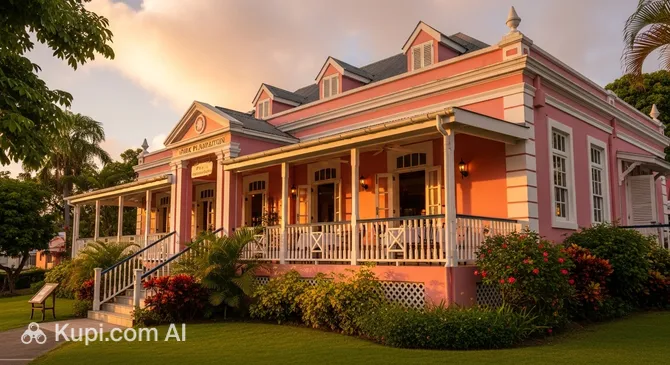
For a perfect combination of heritage and breathtaking scenery, the Pink Plantation is a standout destination. Situated in a beautifully preserved colonial house on the Morne Fortune hillside, this spot is much more than just a dining venue. Visitors are treated to lush tropical gardens, a gallery showcasing local ceramics, and sweeping views of the harbor below. It is an ideal place to appreciate the island's history while enjoying a relaxed and picturesque atmosphere.

Pink Plantation. Source: Kupi.Binoculars

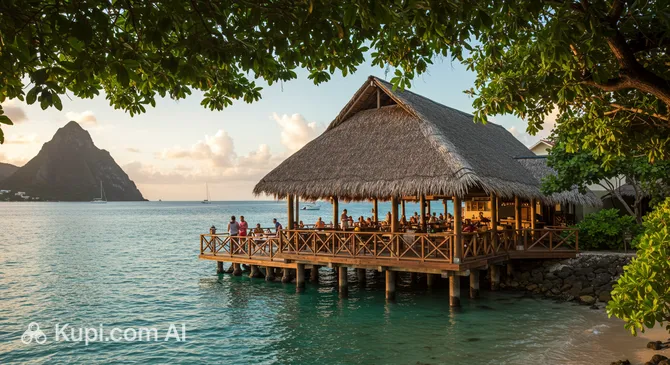
Another institution that has woven itself into the fabric of the city is The Coal Pot Restaurant. Located right at the water's edge near the Vigie Marina, this establishment is steeped in history. Its stone walls and open-air design have welcomed generations of travelers, offering a charming maritime setting. It remains a favorite stop for those wanting to experience the authentic waterfront vibe of Castries while enjoying the fresh coastal breeze.

The Coal Pot Restaurant. Source: Kupi.Binoculars

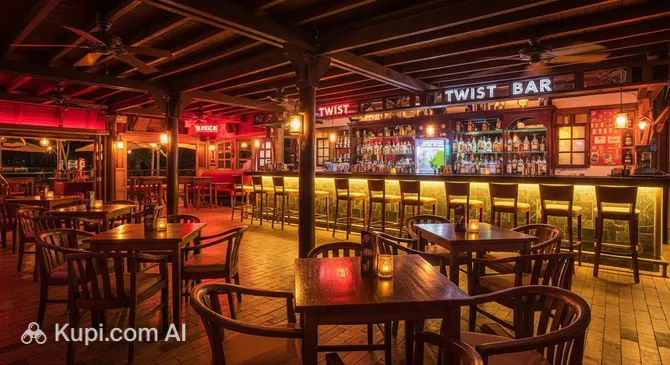
For those interested in the local social scene, Twist Bar provides a modern and lively experience. It is a popular gathering spot to unwind and enjoy the evening energy of the city. With its friendly service and vibrant setting, it offers a glimpse into the contemporary lifestyle of Castries residents.

Local Cuisine

The culinary landscape of Castries is a vibrant reflection of Saint Lucia's Creole heritage, blending African, French, and British influences into dishes full of flavor and soul. The city's food scene ranges from bustling market stalls serving quick bites to elegant waterfront establishments, offering visitors a true taste of the island's culture.

At the heart of the local diet is the national dish, green figs and saltfish. Despite the misleading name, "green figs" are actually unripe bananas, which are boiled and served with flaked salted cod, peppers, onions, and herbs. Another must-try staple is bouyon, a hearty, thick soup traditionally made with meat, dumplings, and ground provisions like yam and dasheen. Seafood lovers will delight in the fresh catch of the day, with grilled mahi-mahi and stewed kingfish being popular choices often accompanied by breadfruit or fried plantains.

When it comes to beverages, the island offers distinctive flavors. Mornings often begin with a cup of cocoa tea, a rich drink made from local cocoa sticks and spiced with cinnamon and nutmeg. For refreshment in the tropical heat, Piton Beer is the local lager of choice, while rum punch remains the classic Caribbean cocktail, featuring a potent mix of strong rum and fruit juices.

For an authentic dining experience, the Castries Market is the go-to spot for street food delicacies like accra (fish cakes) and bakes. Travelers looking for a historic atmosphere often visit The Coal Pot Restaurant. Famous for its longevity and charm, this venue specializes in preparing fresh seafood in traditional clay pots, allowing diners to enjoy the culinary history of the island right by the water.

Those seeking a meal with a panoramic backdrop should head to the Pink Plantation. This colonial-style house offers not only breathtaking views of the harbor but also a menu filled with authentic Creole dishes made from fresh local ingredients. It is a perfect place to enjoy a leisurely lunch surrounded by lush gardens.

Twist Bar. Source: Kupi.Binoculars

As the sun sets, the city offers spots to unwind with a drink in hand. Twist Bar is a popular local hangout where visitors can mingle with residents, enjoy creative cocktails, and soak in the lively evening atmosphere of the capital.

Travel Tips

To help you make the most of your visit to this energetic Caribbean capital, we have compiled a set of essential guidelines. These practical tips will ensure your time in Castries is smooth, safe, and culturally respectful, allowing you to focus on the sights and sounds of the city.

  1. Clothing and Gear: Given the tropical climate, pack lightweight, breathable fabrics like cotton or linen to stay cool. A compact umbrella or rain jacket is essential, especially between June and November when showers are frequent. Comfortable walking shoes are a must for exploring the hilly terrain and uneven sidewalks. If you plan to visit the Cathedral Basilica, remember to dress modestly; shoulders and knees should be covered.
  2. Transportation: The most authentic and affordable way to get around is by minibus; look for vans with green license plates starting with "M". They follow specific routes and are often lively with local music. Taxis are widely available (look for "TX" plates), but they are not metered, so you must agree on the fare before starting your journey. If you rent a car, be aware that you will need to purchase a temporary local driving permit, usually available at the rental agency.
  3. Finances: The official currency is the Eastern Caribbean Dollar (XCD or EC$). While US dollars are widely accepted by taxis and many shops, you will likely receive change in local currency. It is best to carry cash, particularly small bills, for purchases at the Castries Market and street stalls. Credit cards are generally accepted at hotels, larger restaurants, and supermarkets. ATMs are easily found around the city center.
  4. Health and Safety: Pharmacies are available in the city center, though few are open 24/7. Tap water is generally safe, but travelers with sensitive stomachs may prefer bottled water. Mosquito repellent is highly recommended to protect against insect-borne viruses. As in any busy port city, stay vigilant; avoid walking in unlit or deserted areas at night and keep your valuables secure in crowded places like the market.
  5. Communication: English is the official language and is spoken by everyone, so you will have no trouble communicating. However, locals often speak Saint Lucian Kwéyòl (Creole) among themselves. Learning a few phrases like "Bonjou" (Good morning) or "Sa ka fèt?" (How are you?) is a great way to break the ice. Wi-Fi is common in cafes and hotels, and you can purchase a local SIM card from providers like Flow or Digicel in town for data access.
  6. Local Etiquette: Politeness is paramount in Saint Lucian culture. Always greet people with a "Good morning" or "Good afternoon" upon entering a shop, boarding a bus, or starting a conversation; skipping this step is considered rude. When visiting the market, always ask for permission before taking photographs of vendors or their stalls.
  7. What to Avoid: Do not wear camouflage clothing. It is strictly illegal for civilians to wear camouflage patterns in Saint Lucia, including children, and such items may be confiscated at the airport. Also, avoid aggressive bargaining; while some negotiation is normal in the market, it should always be done respectfully and with a smile.
  8. Market Day Tip: For the most vibrant experience, visit the Castries Market on a Saturday morning. This is when farmers from all over the island bring their fresh produce, and the atmosphere is at its liveliest. It is the perfect time to buy local spices, hot sauces, and fresh coconut water.

By keeping these tips in mind, you will be well-prepared to navigate the streets of Castries with confidence. Enjoy the warmth of the island, not just from the sun, but from the welcoming spirit of its people.

Entertainment & Nightlife

Nightlife in Castries presents a tale of two worlds. The downtown commercial center tends to quiet down significantly after business hours, with most shops and offices closing by late afternoon. However, the wider Castries Quarter and its scenic outskirts offer a lively array of entertainment options, ranging from laid-back waterfront spots to elegant resort lounges. While the city center itself sleeps, the energy shifts to the hotels, marinas, and neighboring districts where the island spirit comes alive after dark.

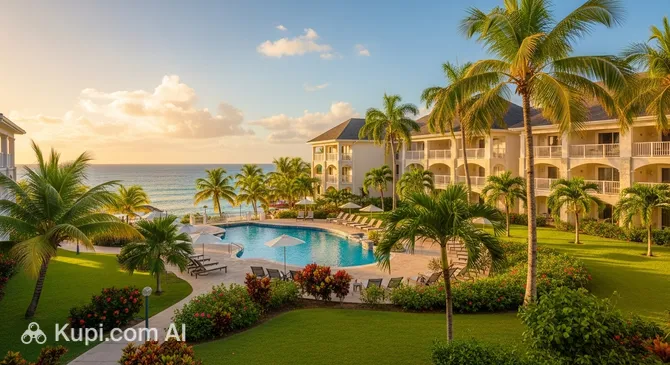
For a sophisticated evening within the Castries area, many visitors gravitate towards the venues that offer stunning views and curated cocktail menus. Calabash Cove Resort & Spa is a prime example, where guests can enjoy a sunset drink at the C-Bar. The atmosphere here is relaxed and romantic, often accompanied by live music or soft tunes, making it an ideal spot for couples or those looking to unwind in style without the noise of a crowded club.

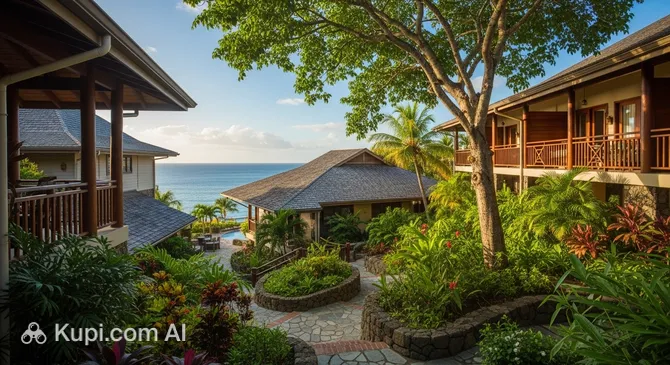
Calabash Cove Resort & Spa. Source: Kupi.Binoculars

Another excellent venue for evening entertainment is StolenTime Saint Lucia. Located near the golden sands of Vigie Beach, this spot often hosts evening programs that may include steel pan bands or cultural shows, offering a taste of Caribbean rhythm in a safe and comfortable environment. If you prefer a more local and casual setting to mix with residents, Twist Bar in the Grand Riviere area provides a friendly vibe, affordable drinks, and a chance to experience the "lime"—the local art of hanging out and socializing.

For those seeking high-energy nightclubs and bustling bars, the action is typically found just a short drive north in Rodney Bay Village. Although technically outside the city limits, it serves as the primary nightlife hub for anyone staying in Castries. Friday nights are particularly legendary due to the nearby Gros Islet Street Party. This weekly event transforms the streets into a massive open-air festival with giant speakers, grilled street food, and dancing that lasts well into the night.

Practical Advice for a Night Out:

  • Best Time to Go: Friday nights are the peak of the week for entertainment. Most bars and lounges are open daily, but the atmosphere is most vibrant on weekends.
  • Safety: It is not recommended to walk around the commercial streets of downtown Castries late at night, as they can be deserted and poorly lit. Always use a licensed taxi to travel between your accommodation and nightlife venues.
  • Transport: Taxis are the safest and most convenient way to get around at night. It is wise to arrange a pickup time with your driver or ask the venue to call a reputable service for you.
  • Dress Code: The vibe is generally "island casual." Smart casual attire is appropriate for resort bars and dinners, while shorts and t-shirts are perfectly acceptable for street parties and local pubs.

During the daylight hours, entertainment in Castries is more low-key and centers around leisure and culture. The area around Pointe Seraphine is a hub for duty-free shopping, catering to the cruise ship crowds with a variety of boutiques and cafes. While the city lacks large amusement parks, the bustling harbor serves as the starting point for many catamaran cruises and boat tours, which are a favorite daytime activity for visitors wanting to see the island from the water.

Parks & Museums

While Castries is primarily known as a bustling port city, it offers a selection of green spaces and cultural venues that provide a deeper look into the island's heritage and natural beauty. From manicured city squares to hilltop gardens and artistic enclaves, the capital presents several spots where visitors can appreciate the quieter, more reflective side of Saint Lucia.

The heart of the city's green space is Derek Walcott Square. Located in the center of town, this peaceful park is a tribute to one of the island's two Nobel laureates. It is shaded by a massive, 400-year-old samaan tree, which spreads its branches wide to offer cool relief from the tropical sun. The square is not just a place to relax; it is a monument to national pride, featuring busts of both Sir Derek Walcott and Sir Arthur Lewis, making it a perfect spot for a history-infused stroll.

Just a short drive up the winding roads from the center lies Morne Fortune, known as the "Hill of Good Luck." While famous for its military history, this area functions as a sprawling outdoor museum and park. Visitors can explore the grounds of the 18th-century Fort Charlotte and the beautifully maintained gardens surrounding the Government House. The lush vegetation here is matched only by the panoramic views of the harbor, offering a scenic blend of nature and history.

For art lovers, Eudovic's Art Studio is a cultural gem located in the Goodlands area south of the city. As one of the Caribbean's leading wood sculptors, Vincent Eudovic creates abstract masterpieces from local wood roots like Laurier Cannelle. A visit here allows tourists to watch artisans at work and explore a gallery filled with sculptures that capture the fluid forms of nature, offering a unique insight into the island's artistic expression.

Another venue that seamlessly blends art, history, and nature is the Pink Plantation. Housed in a preserved colonial mansion, this location features a ceramic gallery showcasing the work of local artist Michelle Elliot. Beyond the art, the property is surrounded by exquisite tropical gardens filled with wild orchids and palms, making it a delightful retreat for those who appreciate both creativity and botany.

Architecturally, the city's most significant landmark is the Cathedral Basilica of the Immaculate Conception. While it is an active place of worship, it stands as a monument to the city's resilience and cultural fusion. The interior is a visual marvel, featuring a wooden ceiling and colorful murals that blend biblical themes with local Caribbean imagery, serving as a testament to the island's unique identity.

Insider Tip: For a truly authentic experience, visit the inner courtyard of the Castries Central Market. While often busy with commerce, the peripheral stalls frequently display works by lesser-known local painters and crafters, giving you a chance to chat directly with the artists about their inspirations.

Getting Around

The public transport system in Castries is straightforward and relies almost exclusively on a network of privately owned minibuses. There are no metros, trams, or trains in the city. These minibuses, typically 14-seater vans, are the heartbeat of local mobility, easily identifiable by their green license plates starting with the letter "M" and a route band displayed on the windshield. They offer a reliable, frequent, and authentic way to travel around the city and to outlying districts.

The minibus network operates on a hub-and-spoke model, with Castries serving as the central hub for the entire island. Specific route numbers designate destinations; for instance, the popular Route 1A takes passengers from Castries to Gros Islet and Rodney Bay. Designated bus terminals are located at strategic points in the city center, primarily along Jeremie Street and Darling Road, depending on your intended direction. While there is no official app for tracking schedules, the buses on major routes depart as soon as they are full, which usually happens very quickly during peak hours.

Payment is strictly cash-based, and utilizing the local Eastern Caribbean Dollar (XCD) is highly recommended, although US dollars are sometimes accepted at a less favorable exchange rate. Fares are fixed by the government and are very affordable, typically ranging from EC$1.50 for short trips within the city limits to EC$2.50 or more for longer journeys to the north. You do not need to buy a ticket in advance; instead, you pay the driver or the conductor upon exiting the vehicle. It is polite and practical to carry small bills or coins, as drivers may not have change for large denominations.

Operating hours generally run from early morning, around 6:00 AM, until approximately 10:00 PM or 11:00 PM for popular routes. However, service drops off significantly on Sundays and public holidays, and buses can be scarce late at night. To catch a bus outside of the main terminals, simply stand by the side of the road and wave your hand as one approaches. When you are ready to disembark, alerting the driver by saying "Stopping, driver!" or pressing a buzzer if available is the standard protocol.

For those seeking more comfort or traveling with heavy luggage, taxis are the primary alternative. Licensed taxis are identified by light blue number plates beginning with "TX". Unlike in many other cities, these taxis are not metered. Standard fares exist for common destinations, but it is essential to confirm the price with the driver before getting into the car to avoid misunderstandings. Taxis are readily available at the cruise port, near the market, and outside major hotels.

A unique and scenic feature of transport in Castries is the water taxi service. These small boats often operate between the cruise ship terminal and popular beaches like Vigie Beach, offering a quick way to bypass city traffic while enjoying views of the harbor. While more expensive than a minibus, they provide a fast and enjoyable travel experience. Car rentals are also an option, but visitors should be prepared for driving on the left side of the road and navigating narrow, winding streets that can be congested during rush hour.

Accommodation

Where to Stay:

Accommodation in Castries caters to a diverse range of travelers, offering everything from practical business hotels and modest guesthouses to upscale resorts located on the scenic outskirts of the city. While the immediate downtown area is primarily a commercial and transit hub, the surrounding neighborhoods and hillsides provide comfortable and often picturesque lodging options. Visitors can choose between staying near the bustling harbor for easy access to ferries and markets or opting for the quieter, beach-adjacent areas just a short drive from the center.

For those prioritizing convenience and proximity to transport links, the Vigie area is a popular choice. Located near the George F. L. Charles Airport and Vigie Beach, this district offers a relaxed atmosphere while remaining within minutes of the city center. It is an excellent strategic base for business travelers or those planning to hop between islands. Conversely, the northern outskirts of Castries, leading towards the resort hubs, offer more secluded and luxurious environments, often perched on hillsides with sweeping views of the Caribbean Sea.

Travelers seeking a refined resort experience often look to the properties nestled along the coast just outside the main city grid. Calabash Cove Resort & Spa is a well-known destination for those desiring privacy and luxury. Situated on a hillside overlooking Bonaire Bay, it provides a tranquil escape with cottages and swim-up suites, making it a favorite for couples and honeymooners.

Another prominent option is StolenTime Saint Lucia, an all-inclusive wellness resort located on the beachfront near the airport. Formerly known as The BodyHoliday, this property focuses on relaxation and rejuvenation, offering extensive spa treatments and fitness activities in a sophisticated setting.

StolenTime Saint Lucia. Source: Kupi.Binoculars

Booking Tips and Prices:

The cost of accommodation in and around Castries varies significantly. Budget travelers can find affordable guesthouses and apartments for approximately $60 to $100 USD per night, while mid-range hotels typically charge between $150 and $250 USD. Luxury resorts and all-inclusive packages can range from $400 to over $1,000 USD per night, depending on the season.

It is highly advisable to book your stay well in advance, especially if you plan to visit during the peak tourist season from December to April or during the Saint Lucia Jazz & Arts Festival in May. Most properties can be booked easily through major online travel platforms or directly via their websites. For smaller guesthouses, contacting the owner directly can sometimes secure a better rate or clarify specific amenities.

Nearby Cities

For those looking to explore the surroundings, Castries serves as an excellent base for day trips to several interesting nearby locations. Just a short drive north is Gros Islet, a major tourist destination famous for its lively Friday night street parties and the historic Pigeon Island National Landmark. Traveling south, visitors can explore Micoud, a quiet coastal village rich in Amerindian history, or continue to Vieux Fort, the island's second-largest town, known for its expansive sandy beaches and the panoramic views from the Moule a Chique Lighthouse.

City Population Distance (km)
Gros Islet 21,660 9
Micoud 16,620 23
Vieux Fort 15,750 32
Bisee 12,980 2

These nearby destinations offer a glimpse into the diverse culture and landscapes of the region.

Shopping & Souvenirs

Shopping in Castries offers a delightful contrast between modern duty-free luxury and vibrant local commerce. As a major cruise port, the city is well-equipped to cater to international visitors, providing everything from high-end jewelry and perfumes to authentic island handicrafts. Whether you are looking for a tax-free bargain or a unique piece of Saint Lucian culture to take home, the capital provides a diverse retail experience within a compact and walkable area.

The city's retail heartbeat is centered around Jeremie Street and William Peter Boulevard. Jeremie Street is bustling and energetic, flanked by the central market and numerous smaller shops selling clothing, electronics, and household goods. In contrast, William Peter Boulevard offers a slightly more relaxed atmosphere with banks, department stores, and boutiques. Walking these streets gives you a genuine feel for the daily commercial life of the island's residents.

For visitors seeking international brands and luxury items, the city boasts two main duty-free shopping complexes. Pointe Seraphine Duty Free Shopping Complex is the most prominent, located directly at the cruise ship terminal. It features a collection of upscale stores offering designer watches, jewelry, crystal, and leather goods in a pleasant, open-air harbor setting. Another key location is La Place Carenage, situated on the opposite side of the harbor near the ferry terminal, which also offers duty-free shopping alongside souvenir stores and art galleries.

No shopping trip to Castries is complete without visiting the historic Castries Central Market on Jeremie Street. While it is famous for its fruit and vegetable stalls, the market also houses a dedicated craft section. Here, you can browse through aisles of colorful stalls where local artisans sell handmade items. Just across the street is the Vendors’ Arcade, another excellent spot specifically focused on handicrafts, textiles, and tourist-friendly goods, often with a bit more space to browse than the main market.

When looking for the perfect souvenir, Saint Lucia offers several signature products. Spices such as nutmeg, cinnamon, and vanilla are fresh, aromatic, and widely available. Cocoa sticks, used to make traditional cocoa tea, are a unique local treat. Bottles of local rum or the island's famous hot sauces make for excellent gifts. Additionally, look for items made from madras cloth—the national fabric—or hand-carved wooden figures, which showcase the island's rich artistic heritage.

Store opening hours in Castries are generally from 8:30 AM to 4:00 PM or 5:00 PM on weekdays. On Saturdays, many shops close earlier, typically around 1:00 PM, and most businesses are closed on Sundays, although duty-free centers may remain open if cruise ships are in port. Regarding payment, the Eastern Caribbean Dollar (XCD) is the local currency, but US Dollars are widely accepted, especially in tourist areas. Credit cards are commonly used in malls and duty-free shops, but carrying cash is essential for the market and smaller street vendors.

Tourists can take advantage of tax-free shopping at designated duty-free stores, particularly at Pointe Seraphine and La Place Carenage. To qualify for these tax exemptions on goods like alcohol, tobacco, and luxury items, you will typically need to present your passport and a valid travel ticket (such as a cruise card or airline ticket) at the point of purchase.
Reached the end of the page?

That means the route is fully explored