Support

Pointe-à-Pitre

About

Welcome to Pointe-à-Pitre, the vibrant economic heart and bustling main port of Guadeloupe. Located at the junction of the two main islands, Grande-Terre and Basse-Terre, this city offers a fascinating blend of French colonial charm and energetic Caribbean soul. It serves as the commercial center of the archipelago, providing a lively urban contrast to the serene beaches found elsewhere on the islands.
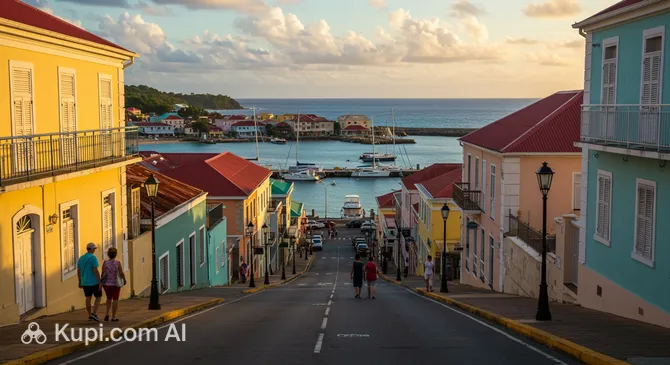
Pointe-à-Pitre. Source: Kupi.Binoculars

Geographically, the city sits on the southwest coast of Grande-Terre, facing the Petit Cul-de-Sac Marin. With a metropolitan population of over 250,000 residents, it is a dynamic hub where culture and commerce intersect. The city is renowned for its lively atmosphere, characterized by colorful streets, busy harbors, and a warm, tropical climate that invites exploration year-round.

Architecture enthusiasts will appreciate the well-preserved 19th-century buildings featuring wrought-iron balconies and vibrant facades. The iconic Place de la Victoire serves as a central gathering spot surrounded by historical landmarks. For those wishing to understand the deeper context of this unique destination, exploring the history of Pointe-à-Pitre reveals a rich tapestry of events that have shaped its current identity.

No visit is complete without experiencing the sensory delight of the Saint-Antoine Market, often called the Spice Market, where the air is filled with the scents of vanilla, cinnamon, and tropical fruits. Another essential stop is the Mémorial ACTe, a modern architectural masterpiece and cultural center dedicated to the memory of the slave trade, offering a powerful and educational experience.

Whether you are arriving by cruise ship or staying on the island, Pointe-à-Pitre offers an authentic taste of local life. Its mix of history, shopping, and Creole culture makes it a compelling stop for any traveler seeking to discover the true spirit of the French Caribbean.
Weather Overview

Travelers visiting this Caribbean hub can expect a warm, tropical climate year-round, making it an inviting destination at any time. The temperatures remain remarkably consistent, generally fluctuating between 23°C and 29°C, creating a comfortable atmosphere for exploring the city's markets and historic sites. Even in the cooler months like January and February, the average temperature stays around a pleasant 24.5°C to 24.8°C.

While warmth is guaranteed, humidity and rainfall are also part of the local experience. The weather in Pointe-à-Pitre often features frequent showers, with the number of wet days peaking in July at 26 days. However, these tropical rains are typically short-lived bursts rather than day-long downpours. September is usually the warmest month, with averages reaching 27.4°C, while May tends to be the driest period in terms of frequency, offering slightly fewer rainy days.

Interesting Facts

Beyond the main attractions, Pointe-à-Pitre holds many fascinating secrets and historical curiosities that often escape the casual observer. Here are a few intriguing details to deepen your understanding of this vibrant city.
  • The city's name is widely believed to originate from a Dutch fisherman named Peter, or "Pitre" in the French creolized spelling, who settled on the promontory in the 17th century. Consequently, the name translates roughly to "Peter's Point," marking the humble beginnings of what would become a major economic hub.

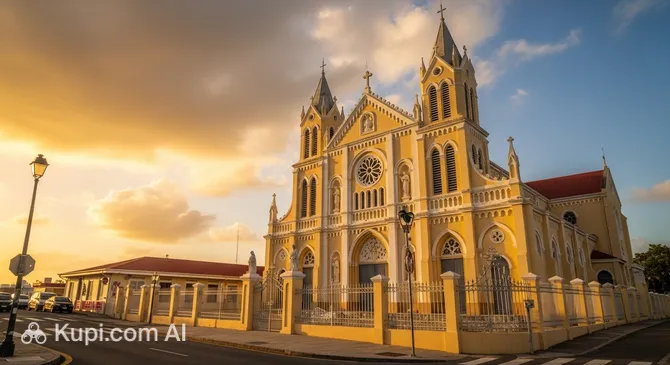
  • The Saint Peter and Saint Paul Catholic Church, Pointe-à-Pitre is an architectural marvel designed specifically to withstand the region's earthquakes and hurricanes. Its distinctive iron structure, riveted together without masonry, is often mistakenly attributed to Gustave Eiffel, though it was actually the work of architect Charles Trouillé.

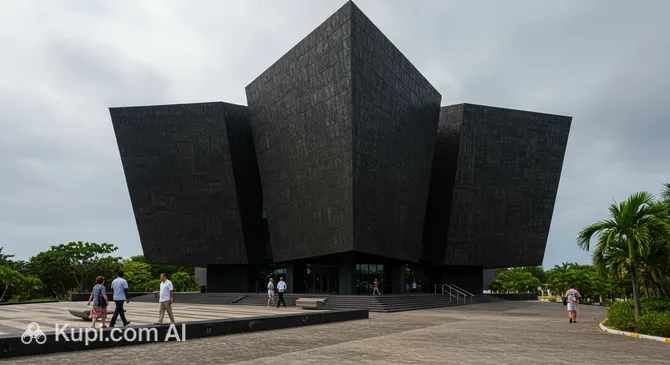
  • The striking Memorial ACTe stands on the historic site of the former Darboussier sugar factory, which was once the largest employer in the city. The building's modern silver latticework is symbolic, representing the roots of a banyan tree enclosing a "black box" of memory dedicated to the history of the slave trade.

  • At the lively Pointe-à-Pitre Spice Market, you will encounter the "Doudous," traditional market women who are considered the guardians of local culinary heritage. They are famous not only for their spices but also for their colorful traditional attire and warm, spirited interactions with visitors.

Saint Peter and Saint Paul Catholic Church, Pointe-à-Pitre. Source: Kupi.Binoculars

How to Get There

Reaching this vibrant Caribbean destination is relatively straightforward, with air travel being the most common method for international visitors. Whether you are coming from Europe, North America, or neighboring islands, planning your arrival is simple. You can find more detailed information on all ways to reach the city to help organize your trip.

The city is served by its own major hub, Pointe-à-Pitre International Airport (IATA: PTP), also known as Pointe-à-Pitre Le Raizet Airport. Located just 3.2 km north of the city center, it is the main entry point for the archipelago and handles the majority of tourist traffic. Because the airport is practically within the city limits, the transfer to downtown is exceptionally quick. A taxi or rental car ride typically takes only about 10 to 15 minutes, making it a very convenient landing spot for travelers eager to start their vacation immediately. You can find more specific details about the facility on the Pointe-à-Pitre International Airport page.

For clarity, here is a summary of the main airports in the wider region:

Airport Name City Passenger Traffic Km from City
Pointe-à-Pitre International Airport Pointe-à-Pitre Large 3.2
V.C. Bird International Airport St. John's Medium 103.2
Robert L. Bradshaw International Airport Basseterre Medium 173.2
Melville Hall Airport Dominica Small 80.5
Newcastle Airport Charlestown Small 155.2

Main Attractions

Pointe-à-Pitre is a city that thrives on its vibrant street life and historical depth, offering visitors a chance to dive straight into the culture of Guadeloupe. From bustling markets to solemn memorials, the city's landmarks provide a rich sensory experience that defines the spirit of the archipelago.

One of the most significant cultural sites in the entire Caribbean is the Memorial ACTe. Located on the waterfront of the former Darboussier sugar factory, this Caribbean Centre of Expressions and Memory of the Slave Trade and Slavery is a stunning piece of contemporary architecture. Inside, visitors explore a vast permanent exhibition that traces the history of slavery from antiquity to the present day. It is not just a museum but a place of remembrance and research, offering a powerful and emotional journey that is essential for understanding the region's past.

Memorial ACTe. Source: Kupi.Binoculars

For a lively taste of local daily life, the Darse Market is a must-visit spot located right by the harbor. Unlike the more tourist-focused stalls elsewhere, this market is where local fishermen bring their fresh catch and farmers sell heaps of tropical fruits and vegetables directly from their boats or trucks. The atmosphere here is authentic and energetic, making it the perfect place to see the variety of local produce, from yams and breadfruit to freshly caught snapper.

Darse Market. Source: Kupi.Binoculars

Another architectural gem that dominates the cityscape is the Saint Peter and Saint Paul Catholic Church, Pointe-à-Pitre. Standing proudly near the Place de la Victoire, this church attracts attention with its bright yellow facade and distinctive iron structure. Inside, the high vaulted ceilings and natural light create a peaceful sanctuary away from the busy streets. It remains an active place of worship and a beautiful example of colonial-era adaptation to the tropical environment.

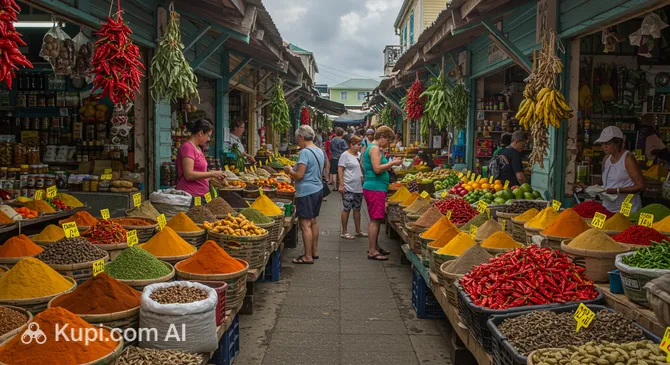
Finally, no trip to the city is complete without wandering through the Pointe-à-Pitre Spice Market (Marché Saint-Antoine). Under its historic metal roof, you will find a kaleidoscope of colors and scents. Vendors offer everything from aromatic spices like Colombo powder and vanilla to homemade punches and traditional madras fabrics. It is the ideal location to pick up souvenirs and engage with the friendly stallholders who are the heartbeat of the city's commerce.

Local Cuisine

The culinary landscape of Pointe-à-Pitre is a tantalizing fusion of French gastronomic techniques and bold Caribbean flavors. Food here is not just sustenance; it is a vibrant expression of the island's history and culture. The city's location on the waterfront ensures a steady supply of fresh seafood, while the fertile volcanic soil of the archipelago provides an abundance of aromatic spices and tropical fruits.

For a true taste of the streets, you must try the Bokit. This iconic Guadeloupean sandwich is made from dough that is deep-fried until golden and crispy, then filled with a variety of ingredients such as saltfish, chicken, cheese, or vegetables. It is a staple of local life, perfect for a quick and satisfying meal while exploring. Another popular snack is Accras de morue, spicy cod fritters that are crispy on the outside and soft on the inside, often served as an appetizer.

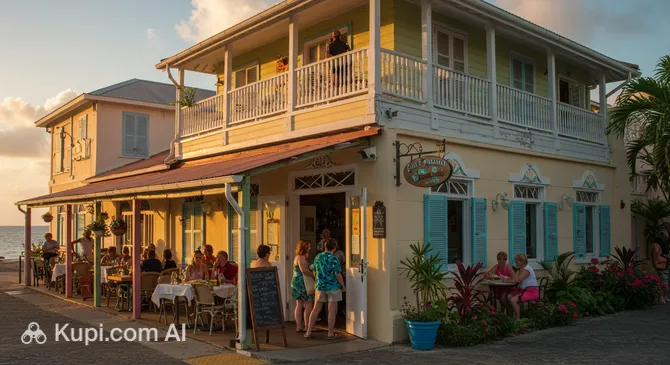
When sitting down for a more substantial meal, the star of the show is often Colombo. This curry-like dish, traditionally made with chicken, goat, or pork, is simmered with a blend of spices including turmeric, coriander, and cumin, reflecting the island's Indian influences. Seafood lovers should look for Court-bouillon, a rich and tangy fish stew prepared with tomatoes, onions, and local peppers. For those seeking a refined dining experience that highlights these local ingredients, Chez Margaux offers a delightful setting to enjoy expertly prepared dishes.

Chez Margaux. Source: Kupi.Binoculars

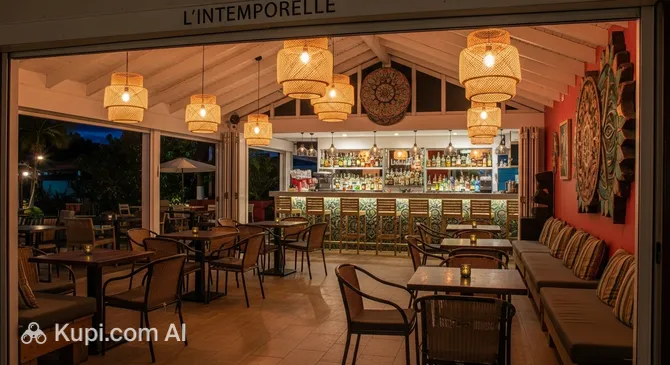
No culinary journey in Pointe-à-Pitre is complete without exploring the local beverage culture. The island is famous for its rum, and the signature drink is the Ti' Punch. Simple yet potent, it is made with white agricultural rum, a squeeze of lime, and a touch of cane sugar syrup. For a non-alcoholic refreshing option, freshly squeezed juices made from guava, passion fruit, or soursop are widely available. To enjoy a drink in a relaxed atmosphere, you might visit L'Intemporelle, a bar known for its welcoming vibe.

L'Intemporelle. Source: Kupi.Binoculars

The food culture in the city ranges from the bustling energy of the markets to elegant dining rooms. While the markets offer the raw ingredients and quick bites, restaurants like Le Comptoir des Saveurs Jarry provide a space to savor the evolution of Creole cuisine. Whether you are grabbing a Bokit from a street vendor or enjoying a multi-course dinner, the flavors of Pointe-à-Pitre are sure to leave a lasting impression.

Travel Tips

Preparing for your journey to Pointe-à-Pitre means packing for tropical weather and adjusting to the relaxed yet polite island pace. These practical insights will ensure your visit to this bustling city in Guadeloupe is as smooth and enjoyable as possible.

  1. Clothing and Gear: The climate is warm and humid, so pack lightweight, breathable fabrics like cotton or linen. Since tropical showers can occur suddenly, carrying a compact umbrella or a light rain jacket is essential. While sandals are great for the beach, bring comfortable walking shoes for navigating the city's uneven sidewalks. Remember that beachwear is not appropriate for the city center; dress modestly when exploring town or visiting religious sites like the Saint Peter and Saint Paul Church.

  2. Transportation: The city center is compact and best explored on foot, especially around the markets and Place de la Victoire. For longer distances, the Karu'lis bus network is a reliable and affordable public transport option. Taxis are available but can be expensive and usually need to be booked in advance or found at designated stands rather than hailed on the street. If you rent a car to explore the rest of the island, be aware that traffic entering and exiting Pointe-à-Pitre can be very heavy during rush hours.

  3. Finances: The official currency is the Euro (€). Major credit cards (Visa, MasterCard) are widely accepted in supermarkets, restaurants, and larger stores. However, cash is king at the local markets, such as the Spice Market, and for small purchases from street vendors. ATMs are plentiful throughout the city. Tipping is not mandatory as a service charge is often included, but rounding up the bill or leaving a few euros for good service is appreciated.

  4. Health and Safety: Pharmacies are easily identified by a flashing green cross and are well-stocked with French medications; many are open during regular business hours, with some having rotating on-call schedules for nights. Tap water is generally safe to drink, adhering to French sanitary standards, though many tourists prefer bottled water. While the city is bustling by day, some areas of the downtown center can become deserted and less safe after dark; it is advisable to stick to the lively Marina area in the evenings and avoid walking alone in unlit streets.

  5. Communication: The official language is French, and most locals also speak Creole. While you may find English speakers in major hotels and tourist attractions, it is not universally spoken in local shops or markets. Learning a few basic French phrases—such as "Parlez-vous anglais?" (Do you speak English?)—will go a long way. SIM cards can be purchased at local shops (Orange, Digicel) for data access, and free Wi-Fi is often available in cafes and public spots.

  6. Local Etiquette: Politeness is paramount in the local culture. Always greet people with a friendly "Bonjour" (Good morning) or "Bonsoir" (Good evening) when entering a shop, boarding a bus, or approaching a vendor. Skipping this greeting is considered rude and may result in colder service. Handshakes are common for formal introductions, while friends often greet with a kiss on the cheek (la bise).

  7. What to Avoid: Do not take photographs of people, especially the market vendors (the "Doudous"), without asking for their permission first. Many locals value their privacy and may find unsolicited photography offensive. It is respectful to ask, and often buying a small item first helps build rapport.

  8. Market Tip: To experience the markets at their best, arrive early in the morning, ideally before 10:00 AM. This is when the produce is freshest, the fish has just been brought in, and the temperature is cooler. It is also the best time to engage with vendors before the midday rush begins.

With these tips in hand, you are ready to immerse yourself in the colorful energy and rich heritage of Pointe-à-Pitre. Embrace the local customs, interact warmly with the residents, and enjoy a memorable and authentic Caribbean adventure.

Entertainment & Nightlife

Entertainment and Nightlife:

While Pointe-à-Pitre is a hive of commercial activity during the day, its character shifts dramatically after sunset. The historic city center tends to become very quiet once the shops close, and the focus of entertainment moves to the outskirts and waterfront areas. For visitors seeking a vibrant evening atmosphere, the key is to know exactly where to go, as the nightlife is concentrated in specific lively pockets rather than spread throughout the downtown streets.

The primary hub for evening entertainment is the Marina de Bas-du-Fort, located just a short drive from the city center on the border with Le Gosier. This marina is the beating heart of the area's nightlife, offering a safe and pedestrian-friendly promenade lined with numerous bars, restaurants, and lounges. The atmosphere here is relaxed yet festive, drawing a mix of locals, yacht crews, and tourists. You can stroll along the docks, admiring the boats before settling into an open-air terrace to enjoy the tropical breeze.

For those looking for a sophisticated place to enjoy a cocktail and soak up the local vibe, L'Intemporelle is a notable venue. It offers a welcoming setting that captures the essence of a relaxed Caribbean evening. The music in the marina area ranges from international pop and jazz to local Zouk and Caribbean rhythms, catering to a diverse crowd. The dress code is generally "smart casual"—light and comfortable, but neat enough for a nice night out.

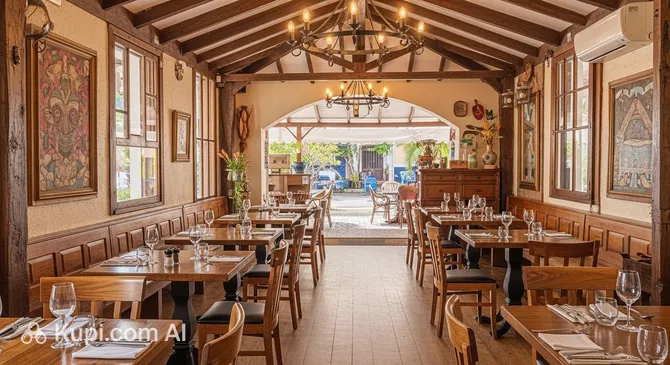
Another area that comes alive, particularly for dining and after-work socializing, is the district of Jarry. Although technically an industrial and commercial zone in the neighboring municipality of Baie-Mahault, it is seamlessly connected to Pointe-à-Pitre and serves as a major culinary destination for the city's residents. Here, you can find excellent venues like Le Comptoir des Saveurs Jarry, which offers a refined atmosphere perfect for a long dinner that transitions into a pleasant evening. The crowd here tends to be local professionals unwinding after a busy day.

Le Comptoir des Saveurs Jarry. Source: Kupi.Binoculars

Practical Nightlife Tips:

  • Timing: Bars and clubs usually start filling up around 9:00 PM or 10:00 PM. On weekends, the fun can last until 2:00 AM or later, especially at the Marina.
  • Safety: It is strongly advised not to walk through the empty streets of downtown Pointe-à-Pitre (such as around Place de la Victoire) late at night, as the area is deserted and unlit. Always take a taxi directly to your destination.
  • Transport: Public buses do not run late into the night. You should pre-book a taxi or have a rental car if you plan to stay out late. The Marina has ample parking and a taxi rank.

During the daylight hours, entertainment in Pointe-à-Pitre takes a more cultural turn. The city offers engaging daytime activities such as visiting the immersive Memorial ACTe museum or exploring the vibrant shopping streets like Rue Frébault. For families or those seeking leisure, the waterfront promenades offer a pleasant space for a walk before the heat of the day sets in.

Parks & Museums

While Pointe-à-Pitre is primarily known as a bustling commercial port, it serves as the cultural guardian of Guadeloupe, housing some of the archipelago's most significant museums and historical squares. The city offers a fascinating journey through time, from the colonial era to the present day, with green spaces that serve as gathering points for the local community.

The most prominent green space in the city is the iconic Place de la Victoire. This vast square, facing the harbor, is shaded by majestic royal palms and sandbox trees, offering a welcome respite from the tropical heat. It is a place steeped in history, having witnessed many of the island's major events since the French Revolution. Today, it is a popular spot for locals to relax, surrounded by colonial-style buildings and cafes, making it an excellent starting point for a walking tour.

Just a short walk along the waterfront leads to the Morne de la Mémoire, a landscaped garden area located near the Memorial ACTe. This contemplative space offers panoramic views of the bay and the Petit Cul-de-Sac Marin. It serves as a quiet tribute to the ancestors and provides a serene atmosphere where visitors can admire the local flora while looking out over the Caribbean Sea.

For culture seekers, the unrivaled highlight is the Memorial ACTe. This world-class center is dedicated to the history of slavery and the slave trade. Unlike a traditional museum, it is a dynamic hub of expression and memory, housing permanent and temporary exhibitions that use cutting-edge technology to tell powerful stories. The architecture itself is a work of art, and the "Garden of Meditation" on the site offers a bridge between the past and the future.

Another essential cultural stop is the Musée Saint-John Perse, located in the historic district. Housed in the beautifully restored Maison Souques-Pagès, a 19th-century colonial residence with a metallic structure, the museum is dedicated to the Nobel Prize-winning poet and diplomat Alexis Léger (Saint-John Perse). Inside, visitors can explore a typical Creole interior from the late 1800s, complete with period furniture and costumes, offering a glimpse into the lifestyle of the era.

In terms of architectural heritage, the Saint Peter and Saint Paul Catholic Church, Pointe-à-Pitre is a defining landmark. Its iron framework, designed to resist hurricanes and earthquakes, supports a stunning high-ceilinged interior filled with light. The church is not only a religious center but also a testament to the ingenuity of colonial architecture in the tropics.

For a unique perspective on the city's artistic soul, keep an eye out for the vibrant street art that adorns many walls in the downtown area. Pointe-à-Pitre has become a canvas for local and international muralists, transforming ordinary streets into an open-air gallery. A casual stroll through the older neighborhoods often reveals striking murals that depict scenes of daily life and Caribbean folklore.

Getting Around

The public transport system in Pointe-à-Pitre is primarily reliant on a bus network known as Karu'lis. This modern orange and white fleet connects the city center with the surrounding urban areas, including the airport and nearby municipalities like Le Gosier and Les Abymes. There is no metro, tram, or train service within the city, so buses are the main motorized option for getting around the downtown area and its immediate suburbs without a car.

For payment, the system operates on a zone-based fare structure, though most tourist trips within the city fall into a single zone. You can purchase a Ticket Unité (single ticket) directly from the driver upon boarding, but be aware that this is often more expensive than buying it in advance. The price is typically around €1.20 to €2.00 depending on the purchase method. For those planning multiple trips, reloadable smart cards and pass options are available, offering a more economical rate per journey.

Travelers should note that tickets can be bought at automatic vending machines located at major stops or at the central bus station, the Gare Routière de Bergevin. It is highly recommended to have small change in Euros if you plan to pay on the bus. Upon boarding, you must validate your ticket or scan your card at the terminals provided. A crucial piece of advice for tourists is to be mindful of the schedule: buses generally run from early morning, around 5:30 AM, until approximately 7:30 PM. Service is significantly reduced on Saturday afternoons and is very limited or non-existent on Sundays and public holidays.

Given that bus services end relatively early in the evening, taxis are the primary alternative for night travel. Unlike in many large capitals, taxis here do not typically cruise the streets looking for passengers. You will need to find a designated taxi rank, such as the one near Place de la Victoire, or book one by phone in advance. Taxis are metered, but it is often wise to confirm the approximate fare with the driver before starting your journey. Ride-sharing apps are not widely established, so traditional taxis remain the standard.

Since Pointe-à-Pitre is a major port city, water transport is also a key feature. The Gare Maritime serves as the hub for ferries connecting to nearby islands like Marie-Galante and Les Saintes, as well as international destinations. While not used for intra-city transit, these ferries are an integral part of the local transport infrastructure for any visitor planning to explore beyond the city limits.

Accommodation

Accommodation in Pointe-à-Pitre largely reflects its status as a commercial hub and a major transit point rather than a typical beach resort destination. The options here are practical and convenient, catering primarily to business travelers, cruise ship passengers, and visitors looking for a central base to explore the island's culture. Instead of sprawling all-inclusive resorts, you will mostly find mid-range city hotels, functional guest houses, and an increasing number of private apartment rentals.

For those who prioritize convenience, staying in the City Center (Downtown) is the best choice. This area places you within walking distance of the ferry terminals, the vibrant markets, and the main shopping streets. It is an ideal location if you have an early boat to catch to Marie-Galante or Les Saintes. However, travelers should be aware that the downtown area can be quite noisy during the day and becomes very quiet at night once the shops close.

A more popular area for tourists seeking a relaxed atmosphere is the Marina de Bas-du-Fort district. Located on the outskirts of the city, bordering Le Gosier, this area offers a more resort-like feel with improved security and a lively nightlife scene. Hotels here often provide views of the yachts and easy access to a wide variety of restaurants and bars. It serves as a perfect compromise, offering proximity to the city's attractions while providing a comfortable environment for evening leisure.

Booking Tips and Prices: Prices in Pointe-à-Pitre are generally more affordable compared to the beachfront resorts in nearby towns. Budget and mid-range options are the norm, with prices rising slightly during the peak winter season or major festivals like Carnival. It is highly recommended to book your accommodation in advance, especially if your visit coincides with cruise ship arrivals, as the best city-center rooms can fill up quickly. Most properties are listed on major online booking platforms, making it easy to secure your stay before arrival.

Nearby Cities

For those looking to explore the surroundings, Pointe-à-Pitre serves as an excellent base for day trips to several interesting nearby locations:

Just a short drive east lies Saint-François, a popular resort town known for its upscale marina, 18-hole golf course, and the stunning Raisins Clairs beach. It offers a perfect mix of leisure and activity, with numerous restaurants and water sports opportunities available along the coast.

For a complete change of scenery, travelers can take a ferry from the city's ferry terminal to Terre-de-Haut in the Les Saintes archipelago. Famous for having one of the most beautiful bays in the world, this charming island features traditional red-roofed houses, the historic Fort Napoléon, and excellent snorkeling spots like Pain de Sucre.

Another accessible island destination is Grand Bourg on Marie-Galante, often called the "Big Pancake" due to its flat terrain. This town serves as the gateway to an authentic, rural side of the region, where visitors can explore historic sugar plantations such as Château Murat and enjoy pristine, uncrowded beaches.

City Population Distance (km)
Grand Bourg 5500 46
Saint-François 2933 28
Terre-de-Haut 1700 41
Terre-de-Bas 1600 44
La Desirade 1600 53

These nearby destinations offer a glimpse into the diverse culture and landscapes of the region.

Shopping & Souvenirs

Shopping in Pointe-à-Pitre offers a vibrant mix of French sophistication and colorful Caribbean culture. As the commercial capital of Guadeloupe, the city is a bustling hub where visitors can find everything from high-end French perfumes and fashion to locally crafted artisanal goods. The experience is less about polished mega-malls and more about lively streets, atmospheric markets, and discovering unique treasures that reflect the island's dual heritage.

The heartbeat of the city's retail scene is undoubtedly Rue Frébault. This pedestrian-friendly thoroughfare is lined with a variety of boutiques selling jewelry, shoes, and clothing. It is the perfect place to browse for duty-free luxury goods, particularly French cosmetics and perfumes, which are often priced lower here than in mainland France. Adjacent streets like Rue Saint-John Perse and Rue Nozières also bustle with activity, offering a mix of fabric shops and local variety stores.

For a more concentrated shopping experience, the Centre Saint-John Perse is a convenient stop, especially for those arriving by sea. Located near the cruise ship terminal, this complex features a selection of shops offering clothing, souvenirs, and accessories in a comfortable, sheltered environment. While the largest shopping malls like Destreland are located in the neighboring suburbs, this center provides a good range of options right in the heart of the city.

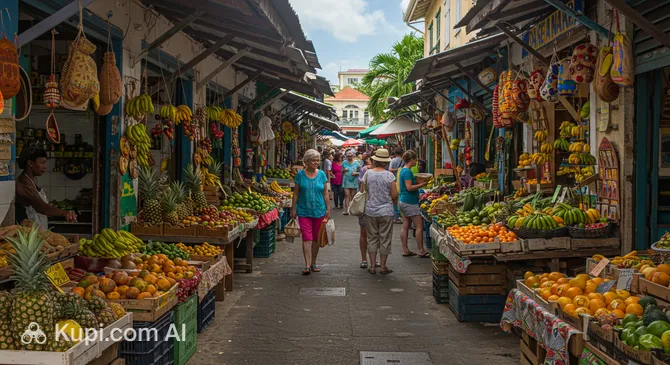
The true soul of shopping in Pointe-à-Pitre, however, lies in its traditional markets. The most famous is the Pointe-à-Pitre Spice Market (Marché Saint-Antoine). Housed under a historic 19th-century metal hall, this market is a sensory explosion of scents and colors. Here, you can buy bags of aromatic spices, homemade rum punches, and traditional dolls. Just a short walk away, the Darse Market offers a more raw and authentic vibe, specializing in fresh fruits, vegetables, and the catch of the day sold directly by fishermen at the harbor's edge.

Pointe-à-Pitre Spice Market. Source: Kupi.Binoculars

When looking for souvenirs to bring home, local products are the best choice. Madras fabric, with its distinctive colorful checks, is a staple of Creole culture and is sold by the meter or made into clothing and accessories. Culinary gifts are also highly popular; look for vanilla beans, Colombo powder (a local curry blend), and bottles of rhum agricole. Hand-painted crafts and jewelry made from local seeds or shells also make for meaningful keepsakes.

Visitors should be mindful of local business hours. Most shops open around 8:30 AM or 9:00 AM and close for a lunch break between 1:00 PM and 2:30 PM, reopening until about 6:00 PM. Saturday mornings are extremely busy, but many shops close on Saturday afternoons, and almost everything is closed on Sundays. The official currency is the Euro (€). While credit cards are widely accepted in boutiques and malls, carrying cash is essential for purchasing small items at the markets.

Regarding taxes, Guadeloupe offers an interesting advantage for shoppers. As an overseas region, it has a different tax structure than mainland France. Visitors from non-EU countries may be eligible for a VAT refund (détaxe) on large purchases made in a single store, typically over a certain threshold (often €175). Look for the "Tax Free" sign in shop windows, particularly in the jewelry and perfume stores along Rue Frébault, and ask the staff for the necessary paperwork at the time of purchase.

Reached the end of the page?

That means the route is fully explored