Support

Saba

About

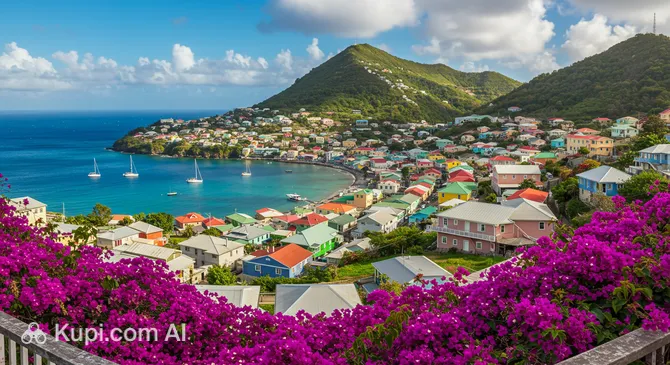
Welcome to Saba, known affectionately as "The Unspoiled Queen" of the Caribbean. This breathtaking destination stands out for its dramatic silhouette, rising steeply from the azure sea, and offers a serene atmosphere far removed from mass tourism. As a special municipality of the Caribbean Netherlands, it combines Dutch organization with warm Caribbean hospitality, creating a unique environment for visitors.

Geographically, Saba is a small volcanic island dominated by the potentially active volcano, Mount Scenery. Despite its compact size of just five square miles, it boasts a vibrant and tight-knit community with a population of approximately 2,000 people. The climate is tropical but delightfully cooled by trade winds, while the higher elevations feature lush cloud forests that provide a refreshing escape from the heat.

Saba. Source: Kupi.Binoculars

Those interested in the history of Saba will discover a fascinating heritage shaped by the island's rugged terrain, which historically limited access and helped preserve its pristine nature and local traditions. Today, the island is world-renowned for the Saba Marine Park, a protected underwater paradise that attracts divers from around the globe to explore its spectacular coral pinnacles. On land, the climb to the summit of Mount Scenery offers the chance to stand at the highest point in the entire Kingdom of the Netherlands.

With its charming villages featuring distinctive white cottages with red roofs and green shutters, Saba invites you to slow down and appreciate the beauty of nature. Whether you are an avid hiker, a diving enthusiast, or simply seeking a peaceful retreat, this remarkable island offers an unforgettable experience.

Weather Overview

The climate of this Caribbean gem is pleasantly tropical and consistent, making it a comfortable destination to visit at almost any time of year. Temperatures remain remarkably stable, generally ranging from an average of 24.9°C in the cooler month of February to around 27.5°C in September, which is typically the warmest period. Because of the island's unique topography, the higher elevations often feel cooler and fresher than the coast.

Rainfall patterns vary slightly throughout the year, though showers are often short-lived. March is usually the driest month, seeing rain on only about 7 days, while September tends to be the wettest, with precipitation occurring on up to 21 days. When planning your outdoor activities or hikes up Mount Scenery, checking the detailed forecast for the weather in Saba can help you choose the best days for exploration. Overall, you can expect warm conditions year-round with a mix of sunshine and occasional tropical showers.

Interesting Facts

Beyond the main attractions, Saba holds many fascinating secrets and unique distinctions that surprise even the most seasoned travelers. Here are some intriguing facts about this remarkable island:

  • The Road That Couldn't Be Built: For years, Dutch engineers claimed that building a road on Saba's steep, volcanic terrain was impossible. Undeterred, a local man named Josephus "Lambee" Hassell took a correspondence course in civil engineering and, along with fellow islanders, built "The Road" by hand over several decades. Today, this engineering marvel is a testament to local determination.

  • World's Shortest Commercial Runway: The Juancho E. Yrausquin Airport is famous for having the shortest commercial runway in the world, measuring only about 400 meters (1,312 feet). Flanked by high cliffs on one side and the sea on the other, landing here is considered a thrilling experience and is restricted to specialized STOL (Short Take-Off and Landing) aircraft.

  • The Wandering Beach: Unlike most Caribbean destinations, Saba is known for having virtually no permanent sandy beaches. However, at Wells Bay, a "wandering beach" of black sand occasionally appears and disappears depending on the tides and seasonal storms, making a swim there a rare and lucky event.

  • Famous Saba Lace: In the late 19th century, a local woman named Mary Gertrude Johnson introduced a unique form of drawn-thread work known as "Spanish Work." This evolved into Saba Lace, which became a major export for the island; at one point, it was even sold by mail order in the United States and remains a cherished cultural handicraft today.

How to Get There

Reaching this secluded Caribbean paradise requires a bit of planning, as there are no direct long-haul flights to the island. Most travelers first fly to the neighboring island of Sint Maarten and then take a short connecting flight or a ferry. You can find more about how to get to Saba and the specific schedules on our detailed transport page. The journey itself is often considered part of the adventure, offering stunning views of the archipelago.

The primary international gateway for visitors is Princess Juliana International Airport (IATA: SXM). It is important to note that this major hub is not located on Saba, but in the city of Philipsburg on the island of Sint Maarten, approximately 47 km away. This airport handles a large volume of passenger traffic and receives flights from major cities in North America and Europe. From here, you can transfer to a local flight, which takes about 15 minutes, or take a taxi to the ferry terminal (approx. 20 minutes) for a 90-minute boat ride to Saba.

Directly on the island, you will arrive at J. Yrausquin Airport (IATA: SAB). Famous for having the world's shortest commercial runway, landing here is a unique experience reserved for small specialized aircraft. The airport is small and efficient, handling regional traffic. It is located just 1.7 km from the island's main settlements. A taxi ride from the airport to the villages of Windwardside or The Bottom typically takes about 10 to 15 minutes through the winding scenic roads.

For clarity, here is a summary of the main airports in the region:

Airport Name City Passenger Traffic Km from City
Princess Juliana International Airport Philipsburg Large 46.8
St. Barthelemy Airport Gustavia Medium 50.8
Esperance Airport Grand Case Medium 55.1
F D Roosevelt Airport Oranjestad Small 31.0
J. Yrausquin Airport Saba Small 1.7

Main Attractions

Saba may be small, but it is packed with dramatic natural beauty and historical sites that captivate every visitor. The island's attractions are largely defined by its volcanic origins and preserved ecosystems, offering adventures that range from strenuous hikes to immersive underwater explorations. Without the distraction of large-scale commercial tourism, these sites allow for a genuine connection with nature and local culture.

Mount Scenery is undoubtedly the island's most iconic landmark. As the highest point in the entire Kingdom of the Netherlands, this potentially active volcano towers over the island. Reaching the summit involves a hike up 1,064 stone steps, a path that takes you through changing vegetation zones. You start in a tropical environment and ascend into a mystical cloud forest filled with giant elephant ear plants and mahogany trees. The reward at the top is a breathtaking panoramic view of Saba and the neighboring islands, making the effort truly worthwhile.

For those who prefer the ocean depths, the Saba Marine Park offers a world-class diving experience. Encircling the entire island, this protected marine reserve is famous for its underwater "pinnacles"—volcanic rock formations that rise from the deep sea floor. These structures are covered in vibrant corals and sponges, attracting an abundance of marine life, including sea turtles, sharks, and colorful tropical fish. Even if you are not a diver, snorkeling in the designated shallow areas reveals a thriving underwater world.

A testament to the island's rugged history is The Ladder. Before the construction of the port at Fort Bay, these 800 steep stone steps carved into the cliffside were the only way to access the island from the sea. For centuries, everything from food and furniture to pianos was manually carried up this path. Today, visitors can walk these historic steps down to the water's edge to imagine the arduous journey of the past and enjoy spectacular views of the coastline.

In the heart of the popular village of Windwardside, you will find the Harry L. Johnson Museum. Housed in a traditional 19th-century sea captain's cottage, this charming museum offers a glimpse into Saba's domestic history. The exhibits include period furniture, navigational instruments, and artifacts from the Amerindian settlements that once existed on the island. Surrounding the cottage is a lovely garden, perfect for a quiet stroll among local flora.

Finally, for a relaxing encounter with nature, the Tide Pools at Flat Point are a unique geological feature worth visiting. Located near the airport, these natural pools are formed by volcanic lava flows meeting the sea. At low tide, the jagged black rocks trap crystal-clear seawater, creating calm, warm pools where you can sit and soak while watching the Atlantic waves crash against the outer rocks. It is a raw and beautiful spot that highlights the island's dramatic volcanic landscape.

Local Cuisine

The culinary landscape of Saba is a delightful reflection of its history and geography, blending hearty Caribbean traditions with international and Dutch influences. Despite the island's small size, visitors are often surprised by the quality and variety of dining options available. The food scene here relies heavily on the freshness of ingredients, particularly the bounty of the surrounding sea, making it a true paradise for seafood lovers.

One of the most celebrated delicacies you must try is the Saba Lobster. These spiny lobsters are caught locally in the deep waters surrounding the island and are renowned for their sweet, firm meat. You will often find them grilled simply with garlic butter or lime to let the natural flavors shine. Another unique and sustainable option appearing on many menus is Lionfish. By ordering this delicious, delicate white fish, you are not only enjoying a fantastic meal but also helping to protect the local coral reefs from this invasive species.

For a taste of authentic Caribbean comfort food, look for Curried Goat (often listed as Cabrito). Slow-cooked with a rich blend of island spices, potatoes, and sometimes served with rice and peas, this dish captures the rustic soul of the region. The island's volcanic soil also produces excellent organic vegetables, which local chefs incorporate into daily specials, ensuring that even simple side dishes are bursting with flavor.

No gastronomic journey here is complete without sampling the island's signature drink, Saba Spice. This sweet, rum-based liqueur is brewed in local homes using secret family recipes that have been passed down for generations. Infused with aromatic spices such as fennel, cinnamon, cloves, and brown sugar, it has a distinct, warming character. It is typically served as an after-dinner digestif or mixed into cocktails, and a bottle makes for a perfect souvenir to take home.

Dining in Saba is a relaxed and intimate affair, centered mostly in the villages of Windwardside and The Bottom. There are no fast-food chains here; instead, you will find charming family-run restaurants, breezy outdoor terraces, and cozy hotel dining rooms. The atmosphere is casually elegant, where it is common for the chef or owner to come out and chat with guests. Due to the small community, many establishments host popular weekly theme nights—such as "Steak Night" or "Pizza Night"—which serve as social hubs for both locals and tourists to mingle under the stars.

Travel Tips

Planning a trip to Saba is unlike preparing for any other Caribbean vacation; this unique volcanic island requires a bit of specific know-how to fully enjoy its rugged beauty. To help you navigate the "Unspoiled Queen" with ease, here are some practical tips that will ensure your adventure is smooth, comfortable, and respectful of the local way of life.

  1. Clothing and Gear: Functionality comes first on Saba. Since the island is famous for its vertical terrain and hiking trails, sturdy hiking boots or trail shoes are absolutely essential. Bring breathable tropical clothing for the day, but do not forget a light jacket or sweater; the evenings in Windwardside can feel surprisingly cool, and the cloud forest at the top of Mount Scenery is often misty and brisk. A reusable water bottle is also a must to stay hydrated on the steep slopes.

  2. Transportation: There is no public bus system on the island. The primary way to get around is by taxi, and the drivers are excellent guides who know every curve of "The Road." Car rentals are available, but be aware that the roads are narrow, steep, and winding, which can be daunting for inexperienced drivers. Interestingly, hitchhiking is a common and socially acceptable practice here; locals often offer rides to pedestrians trekking up the long hills.

  3. Finances: The official currency of Saba is the US Dollar (USD). While major credit cards are accepted at hotels, dive shops, and larger restaurants, you will need cash for taxis, small grocery stores, and local handicraft shops. There are only a couple of ATMs on the island (typically in Windwardside and The Bottom), so it is wise to arrive with some cash on hand to cover immediate small expenses.

  4. Health and Safety: Saba is one of the safest destinations in the Caribbean, with virtually no crime, allowing you to explore with peace of mind. For medical needs, the A.M. Edwards Medical Center is located in The Bottom. Tap water comes from cisterns (rainwater collection); while generally safe for locals, tourists are usually advised to drink bottled or filtered water to avoid any adjustment issues. There are no poisonous snakes or dangerous predators on the island.

  5. Communication: You will have no trouble communicating, as English is the native language of most Sabans and is spoken everywhere, despite Dutch being the official language for government matters. Wi-Fi is readily available in hotels and most restaurants. If you need mobile data, you can purchase a local SIM card, but check if your roaming plan covers the Caribbean Netherlands first.

  6. Local Etiquette: The community is small and tight-knit, making friendliness a social rule. It is customary to greet everyone you pass on the street or in a shop with a "Good morning" or "Good afternoon." Failing to acknowledge someone is considered rude. The pace of life is slow and relaxed ("island time"), so patience and a smile go a long way in all interactions.

  7. What to Avoid: Do not touch, stand on, or collect coral and marine life. The Saba Marine Park is strictly protected, and conservation is taken very seriously here. Also, avoid expecting a typical "beach holiday"—Saba has no permanent sandy beaches, so planning for days of sunbathing on the sand will lead to disappointment; focus on hiking and diving instead.

  8. Grocery Planning: If you are staying in a self-catering cottage, be aware that grocery supplies arrive by boat, usually once a week (often on Wednesdays). Fresh produce and specific items can sell out quickly after the boat arrives. Plan your shopping around this schedule to get the best selection of fruits and vegetables.

By keeping these practicalities in mind, you will quickly slide into the easygoing rhythm of island life. Saba rewards those who come prepared with warm hospitality and unforgettable natural encounters, making your visit truly special from the moment you land on its dramatic shores.

Entertainment & Nightlife

Entertainment and nightlife on Saba reflect the island's overall character: intimate, friendly, and delightfully unhurried. You will not find thumping nightclubs, neon-lit strips, or 24-hour parties here. Instead, the evening scene is defined by "liming"—the Caribbean art of relaxing and socializing with friends. The atmosphere is welcoming and inclusive, where tourists, locals, and the island’s medical student population mingle effortlessly in cozy bars and open-air terraces.

The hub of social activity after dark is primarily located in Windwardside. This charming village hosts the highest concentration of restaurants and bars, making it the go-to destination for an evening out. A secondary, slightly quieter scene can be found in The Bottom, where students from the medical school often gather. In both locations, the dress code is universally casual; shorts and t-shirts are acceptable almost anywhere, though a light sweater is recommended for the cooler evening breezes at this altitude.

For a taste of the local vibe, The Swinging Doors in Windwardside is an absolute institution. Famous for its specialized BBQ nights and "steak night," this spot is as much a community meeting hall as it is a bar. It is the perfect place to strike up a conversation with residents while enjoying a cold beer or a glass of the local Saba Spice. Another popular venue is the Long Haul Grill, which tends to attract a livelier crowd, including many students. It is known for its energetic karaoke nights and casual food, offering a fun environment to unwind after a day of hiking.

If you prefer a more relaxed setting with a view, Tropics Café at Juliana’s Hotel offers poolside drinks and outdoor film screenings on certain nights. It is an excellent spot to sip a cocktail while watching the stars above the Caribbean Sea. Most venues close relatively early compared to major cities, with last calls often around 10:00 PM or midnight, though lively nights can stretch a bit later on weekends.

Practicalities for a night out are simple but important. Prices are generally moderate, comparable to North American standards, and carrying cash (USD) is advisable as not all smaller bars may accept cards for small tabs. Getting around at night requires some planning; while Windwardside is walkable, the streets are steep and can be dark. If you are moving between villages, you must arrange a taxi in advance, as drivers do not cruise for passengers late at night. Safety is rarely a concern, as Saba is exceptionally safe, but navigating the winding roads on foot in the dark is not recommended.

Regarding daytime entertainment, the island focuses on natural wonders rather than man-made diversions. There are no shopping malls, amusement parks, or large cinemas on Saba. Cultural enrichment can be found at the Harry L. Johnson Museum or by visiting local artisan glass and jewelry studios. However, the primary "entertainment" is the island itself—exploring the cloud forests, diving the pinnacles, or simply enjoying the tranquility that has earned Saba its reputation as the Unspoiled Queen.

Parks & Museums

While Saba is not a destination filled with sprawling urban parks or massive museum complexes, it is effectively one large, living nature reserve dotted with intimate cultural treasure troves. The island’s approach to preservation is holistic, treating its entire volcanic landscape and surrounding waters as protected sanctuaries. For culture seekers, the experience is personal and authentic, with small museums and galleries housed in historic cottages that reflect the island's Dutch heritage and maritime past.

The crown jewel of the island's green spaces is the Mount Scenery National Park. This protected area encompasses the upper reaches of the volcano and offers a fascinating ecological journey. As you ascend, the vegetation shifts dramatically from dry tropical forest to a mystical Elfin Forest (cloud forest) at the summit. Here, the trees are draped in moss, bromeliads, and wild orchids, creating a cool, damp, and verdant environment that feels worlds away from the Caribbean heat. It is a haven for nature lovers, offering a chance to spot the endemic Saba Anole and rare bird species in their undisturbed habitat.

Equally significant is the Saba Marine Park, which is not a traditional park with gates, but a protected underwater zone that encircles the entire island. Established in 1987, it is one of the few self-sustaining marine parks in the world. The park is meticulously managed to preserve the coral reefs and marine life, with a system of permanent mooring buoys to prevent anchor damage. For visitors, this means pristine snorkeling and diving sites where sea turtles, nurse sharks, and vibrant schools of fish thrive in crystal-clear waters, just a stone's throw from the shore.

In terms of culture, the Dutch Museum Saba in Windwardside is a fascinating stop for history buffs. Housed in a traditional Saban cottage, this unique private museum showcases a remarkable collection of antiques and artifacts dating from 1600 to 1850. The highlight is an impressive display of rare Dutch tiles, alongside period engravings, porcelain, and furniture. It provides a distinct perspective on the island's connection to the Netherlands and the lifestyle of the early European settlers.

Another cultural landmark is the Harry L. Johnson Museum, located in a 19th-century sea captain's cottage. While it serves as a window into the domestic life of the past, it is also surrounded by a delightful Victorian garden that functions as a mini-park in itself. Inside, visitors can explore rooms preserved with period correctness, old photographs, and Amerindian artifacts found on the island. It is an excellent place to learn about the history of the "Saba Lace" industry, which once sustained the local economy.

For art enthusiasts, the Five Square Art Gallery offers a vibrant look at the island's creative spirit. This gallery features works by local artists and craftspeople, including paintings of Saba's iconic landscapes and intricate handmade jewelry. It is also one of the best places to see and purchase authentic Saba Lace (Spanish Work), a delicate needlecraft that is a significant part of the island's intangible cultural heritage.

For a truly unique experience, seek out the JoBean Glass Art Studio. Located in a lush setting, this studio allows you to watch glass beads being created in a flame or even take a workshop to make your own souvenirs. It is a wonderful way to engage with the local artistic community while enjoying the serene natural surroundings of the island.
Getting Around

When planning how to get around Saba, it is important to adjust your expectations regarding public transit. Unlike larger cities or islands, Saba does not have a public bus system, metro, trams, or trains. The island's small size and steep, winding geography make such infrastructure impractical. Instead, the transport "system" relies almost entirely on a network of reliable taxis and the friendly nature of the local community.

The main form of public transport is the taxi service. These are typically large vans capable of navigating the island's famous "Road." Taxis do not roam the streets looking for fares; instead, they operate from designated stands at the airport and the harbor, or they must be called by phone. The drivers are local experts who often double as impromptu tour guides, sharing stories and history as they drive you between the villages of Windwardside, The Bottom, and the port.

Regarding payment, simplicity is key. There are no travel passes, transport cards, or mobile ticketing apps in Saba. Payment is made directly to the driver, almost exclusively in cash (USD). Fares are government-regulated and fixed based on your destination, so there is no need to haggle or worry about a meter running. While prices are reasonable, they are per person or per ride depending on the group size, so it is always wise to confirm the fare before starting your journey.

For tourists, the best practical advice is to carry small denominations of US dollars, as drivers may not always have change for large bills. Since taxis stop running relatively early in the evening, if you plan to dine out late or have an early morning flight, you must book your ride in advance. You can easily arrange this through your hotel reception or by getting the phone number of a driver you like upon your arrival.

Alternatives to taxis include car rentals and hitchhiking. Renting a car gives you freedom, but it is only recommended for confident drivers comfortable with extremely steep inclines, sharp hairpin turns, and narrow lanes. Interestingly, hitchhiking is a widely accepted and safe practice on Saba. It is considered a normal part of the island's "public transport"; locals frequently offer rides to pedestrians trudging up the steep hills, providing a genuine way to connect with the community.

A special feature of transport here is the infrastructure itself. "The Road," which connects the island's settlements, is an engineering marvel built by hand by locals after engineers deemed it impossible. Traveling along this concrete ribbon, which snakes dramatically up and down the volcanic slopes, is an attraction in its own right, offering breathtaking views of the Caribbean Sea at every turn.

Accommodation

Accommodation on Saba offers a refreshing departure from the typical Caribbean resort experience. You will not find sprawling all-inclusive complexes or high-rise hotel chains here. Instead, the island's lodging landscape is defined by charm and intimacy, consisting primarily of boutique hotels, eco-lodges, and traditional Saban cottages. These options are designed to blend seamlessly with the dramatic topography, often featuring balconies that offer stunning views of the Caribbean Sea or the lush slopes of Mount Scenery.

When choosing where to stay, most visitors gravitate towards the village of Windwardside. Sitting at a higher elevation, this area is known for its cool breezes and picturesque streets lined with white cottages. It is the most convenient base for tourists, as it houses the majority of the island's restaurants, gift shops, and dive centers, and provides easy access to popular hiking trails. Alternatively, The Bottom, the island's capital, offers a quieter and slightly warmer atmosphere. It is an excellent choice for those seeking tranquility or for visitors with business at the government offices or the medical school.

The style of accommodation is distinctly personal. Many properties are family-owned and operated, ensuring a warm, hospitable environment where hosts are often available to share local tips. Options range from historic sea captains' cottages converted into cozy guest houses to modern, cliffside villas that provide luxury and privacy. For diving enthusiasts, it is common to find hotels that partner with dive shops to offer specialized "dive and stay" packages, making the logistics of your trip seamless.

Because Saba is a small destination with a limited inventory of rooms, it is highly recommended to book your stay well in advance. The island is popular year-round, and the best cottages can fill up quickly, especially during the peak winter months. Prices typically range from mid-level to upscale; while ultra-budget hostels are rare, the cost usually reflects the high quality of service and the unique, secluded setting. Most bookings can be made via major online platforms, though contacting properties directly is also a popular method to secure specific rooms or packages.

Nearby Cities

For those looking to explore the surroundings, Saba serves as an excellent base for day trips to several interesting nearby locations. While the island itself is small, its position in the Caribbean Netherlands allows for convenient visits to neighboring islands and distinct local settlements that offer a change of pace and scenery.

Oranjestad, the capital of the nearby island of Sint Eustatius (Statia), is a fantastic option for a day trip filled with history. Known as the "Historical Gem," this town features the impressive Fort Oranje and numerous 18th-century ruins that tell the story of its past as a bustling trading hub. A short flight or boat ride transports you to this quiet island, where you can hike the Quill volcano or dive into its rich maritime heritage.

Within Saba itself, a visit to The Bottom is essential for understanding the island's administrative heart. Located just a short drive from Windwardside, it is the seat of government and home to the Saba University School of Medicine. Here, visitors can walk the historic "Ladder"—the original stone steps leading up from the sea—and enjoy a different perspective of the island's lush geography.

City Population Distance (km)
Kralendijk 10,620 814
Oranjestad 1,038 32
The Bottom 462 2

These nearby destinations offer a glimpse into the diverse culture and landscapes of the region, ranging from immediate neighbors to the wider Caribbean Netherlands.

Shopping & Souvenirs

Shopping

General Overview: Shopping in Saba is a refreshing departure from the commercialized experience found on many other Caribbean islands. Instead of duty-free mega-malls and luxury brand outlets, the island offers a curated selection of quaint boutiques, art galleries, and family-run shops. The focus here is on authenticity and craftsmanship, with a strong emphasis on locally made products. Visitors can expect a relaxed browsing experience where they are likely to meet the artists and makers behind the goods they purchase.

Main Shopping Areas/Streets: The heart of the island's retail activity is the picturesque village of Windwardside. Here, amidst the white cottages and tropical gardens, you will find the highest concentration of gift shops, galleries, and dive stores. A leisurely walk through the village streets allows you to explore unique stores selling everything from handmade jewelry to hiking gear. The Bottom, while primarily the administrative center, also offers a few essential shops and grocery markets, though it is quieter than its uphill neighbor.

Shopping Malls: It is important for travelers to manage their expectations: there are no shopping malls on Saba. The island's charm lies in its lack of large-scale commercial development. You will not find escalators, food courts, or international chain stores here. The retail landscape is defined entirely by independent small businesses that reflect the island's unique character.

Markets: Unlike larger destinations with sprawling flea markets, Saba's market scene is intimate and community-focused. While there is no permanent daily market hall, the arrival of the supply boat (typically on Wednesdays) turns local grocery stores into bustling hubs of activity as fresh produce hits the shelves. Occasionally, the community organizes artisan fairs or pop-up markets where you can buy homemade jams, hot sauces, and crafts directly from local families.

Souvenirs: The island is famous for two distinct local products that make perfect gifts. The first is Saba Lace (also known as Spanish Work), a unique form of drawn-thread needlework that has been crafted by island women since the late 19th century. The second is Saba Spice, a sweet, aromatic rum-based liqueur infused with spices like fennel, cinnamon, and cloves, brewed in local homes. Additionally, the island has a thriving community of glass artists, so look for beautiful handmade glass beads and jewelry inspired by the colors of the Caribbean.

Opening Hours and Payment: Stores on Saba operate on "island time," generally opening around 8:00 AM or 9:00 AM and closing by 5:00 PM or 6:00 PM. It is common for smaller shops to close for a lunch break or to have limited hours on Sundays. The official currency is the US Dollar (USD). While hotels and larger gift shops accept credit cards, many smaller boutiques and artisan stalls prefer cash. There are ATMs available in the main villages, but carrying small bills is always recommended for smoother transactions.

Reached the end of the page?

That means the route is fully explored