Support

Vieques

About

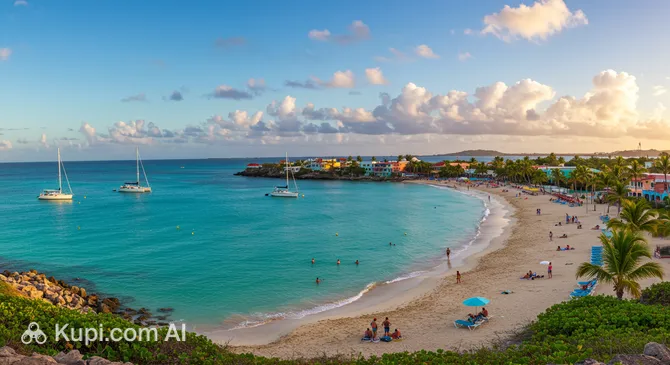
Vieques is an enchanting island municipality located just off the eastern coast of Puerto Rico. Known affectionately as "Isla Nena" (Little Girl Island), this destination offers a serene escape defined by its untouched natural beauty and relaxed Caribbean atmosphere. With a population of approximately 9,000 residents, the island maintains a distinct small-town charm where time seems to slow down, making it an ideal retreat for travelers seeking tranquility away from the bustling crowds of the main island.

Vieques. Source: Kupi.Binoculars

The island possesses a fascinating past that has significantly shaped its current landscape and culture. For many years, large portions of the land were restricted, which paradoxically helped preserve much of its natural environment from large-scale commercial development. Visitors interested in the local heritage can explore the history of Vieques to understand how these events have influenced the community and conservation efforts. One of the most iconic and charming features of the island is the presence of free-roaming wild horses, which can often be seen grazing near beaches or wandering through the streets.

Nature enthusiasts are drawn to Vieques primarily for its spectacular ecological wonders. The island is world-famous for Mosquito Bay, widely recognized as the brightest bioluminescent bay on the planet, where the waters glow with an ethereal blue light at night. By day, visitors can bask on pristine shores such as the popular Sun Bay or trek to the dramatic Black Sand Beach (Playa Negra). Whether you are kayaking through glowing waters or snorkeling in crystal-clear reefs, Vieques offers a truly magical and authentic travel experience.

Weather Overview

Vieques enjoys a consistent tropical climate, offering warm and inviting conditions for travelers throughout the year. The temperatures are remarkably stable, rarely fluctuating drastically between seasons, which makes the island a reliable destination for sun-seekers. For a more detailed breakdown to help plan your daily activities, you can consult the guide to the weather in Vieques.

The data indicates that the island stays warm, with average temperatures ranging from a comfortable 24.3°C in February to a peak of 27.3°C in September. Nights remain mild, with minimum temperatures usually hovering between 23°C and 26°C. Rainfall is a frequent occurrence, with the number of wet days spanning from 19 in March to 28 in July, though the recorded precipitation intensity is generally low, often noted between 2mm and 7mm.

Expect consistent warmth year-round with a high probability of rain on any given day, particularly during the summer months.

Interesting Facts

Beyond the bioluminescent bays and pristine beaches, Vieques holds many fascinating secrets that add depth to its tropical allure. This small island is not just a scenic retreat but a place rich in history and unique quirks that surprise many visitors.

  • The Last Spanish Fort: The island is home to Fortín Conde de Mirasol, which holds the distinction of being the last military fort built by the Spanish Empire in the Americas. Construction began in the mid-19th century, and today it serves as a museum offering commanding views of the Puerto Rico mainland and neighboring islands.

  • Ancient Inhabitants: Long before modern history, the island was inhabited by ancient cultures. In 1990, archaeologists discovered the skeletal remains known as the "Puerto Ferro Man," dating back approximately 4,000 years, providing evidence of one of the earliest known settlements in the Caribbean.

  • A Traffic-Light-Free Zone: One of the most relaxing aspects of local life is the complete absence of traffic lights. Navigating the island is a laid-back affair where drivers rely on courtesy and hand signals, reinforcing the slow-paced, small-town atmosphere.

  • The 300-Year-Old Ceiba: Nature lovers can visit a majestic Ceiba tree located in a park on the north side of the island. Estimated to be over three centuries old, this massive tree is a beloved natural landmark and a symbol of resilience for the local community.

How to Get There

Reaching this serene Caribbean escape is part of the adventure, involving a short journey by air or sea from the main island of Puerto Rico. While the island feels wonderfully secluded, it is relatively accessible for travelers. Most visitors arrive via a connecting flight from San Juan or a ferry ride from the east coast of the mainland. You can read more about how to get to Vieques to plan the logistics of your trip in detail.

The most direct way to land on the island is through the Antonio Rivera Rodriguez Airport (IATA: VQS), which is conveniently located within the municipality of Vieques, just 5.4 km from the main areas. It is a small regional hub, so the arrival process is quick and stress-free. From here, a taxi ride to the central parts of the island typically takes around 10 to 15 minutes. While it is a small facility, it serves as the primary gateway for those choosing to fly directly onto the island.

For international travelers, the journey usually begins at the Luis Muñoz Marín International Airport (IATA: SJU) in the city of San Juan, located approximately 68.8 km away. Since Vieques is an offshore municipality, you cannot take a taxi directly from San Juan to Vieques. Instead, travelers arriving at this large international hub typically transfer to a smaller aircraft for a short hop to Vieques or take ground transport to the ferry terminal in Ceiba. Another option for regional travelers is the Cyril E. King Airport (IATA: STT) in Charlotte Amalie, about 54.6 km away, which also serves as a key transit point in the area.

For clarity, here is a summary of the main airports:

Airport Name City Passenger Traffic Km from City
Luis Muñoz Marín International Airport San Juan Large 68.8
Cyril E. King Airport Charlotte Amalie Medium 54.6
Henry E. Rohlsen Airport Saint Croix Medium 83.0
Benjamin Rivera Noriega Airport Culebra Small 25.1
Antonio Rivera Rodriguez Airport Vieques Small 5.4

Vieques does not have a railway system, and there are no train stations on the island. Transportation is primarily reliant on the airport and the maritime ferry terminal. Once on the island, renting a jeep or golf cart is the most popular way to navigate the diverse terrain and reach the secluded beaches.

Main Attractions

Vieques is a treasure trove of natural wonders and historical landmarks, offering visitors a chance to explore untouched Caribbean beauty. From glowing waters to colonial fortifications, the island's attractions are diverse and captivating. While the list of must-see spots is extensive, a few key locations stand out for their unique character and popularity among travelers.

Undoubtedly the most famous attraction is Mosquito Bay, often cited as the brightest bioluminescent bay in the world. A visit here is a magical experience, best enjoyed at night during a new moon. Tour operators guide visitors into the bay on clear-bottom kayaks or electric boats, where the water lights up with a neon blue glow at the slightest agitation. This natural phenomenon, caused by a high concentration of microscopic dinoflagellates, is the highlight of any trip to the island.

Rising Roost. Source: Kupi.Binoculars

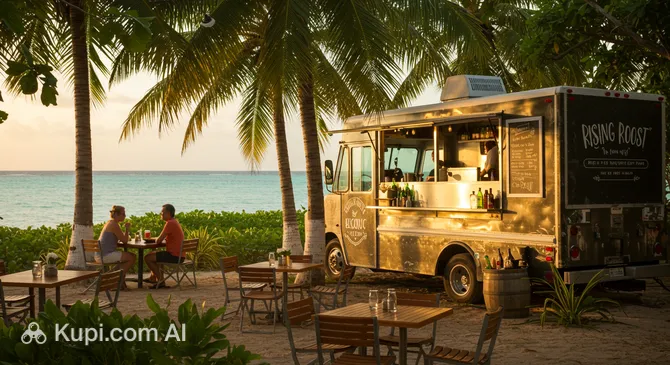
For those looking to enjoy the island's culinary and social scene, Rising Roost is a charming stop to include in your itinerary. This popular establishment offers a welcoming atmosphere where visitors can relax and enjoy fresh, locally inspired offerings. It serves as a perfect spot to recharge after a morning of exploring the nearby beaches or before heading out for an evening adventure.

History buffs should not miss Fortín Conde de Mirasol, the last Spanish fort built in the Americas. Located on a hill above the town of Isabel Segunda, the fort offers sweeping views of the ocean and the main island of Puerto Rico. Inside, a museum showcases the island's complex history, including indigenous artifacts and exhibits on the military era, providing deep context to the culture of Vieques.

Finally, a visit to Sun Bay (Balneario Sombe) is essential for beach lovers. As the island's most popular public beach, it features a mile-long crescent of white sand lined with palm trees and calm turquoise waters. It is one of the few beaches with facilities like bathrooms and lifeguards, making it ideal for families and those looking for a relaxing day by the sea.

Local Cuisine

The culinary landscape of Vieques is a delightful reflection of its island heritage, blending traditional Puerto Rican criollo flavors with an abundance of fresh seafood. Dining here is generally a relaxed affair, where the focus is on locally sourced ingredients and authentic seasonings. Visitors should not miss the opportunity to try Mofongo, the quintessential Puerto Rican dish made from fried green plantains mashed with garlic and pork cracklings, often served with a side of broth or topped with succulent shrimp, lobster, or conch caught right off the coast.

Another staple of the local diet involves the varied use of crab and lobster. Arepas, fried dough discs often stuffed with seafood salad, make for a perfect savory snack after a day at the beach. For a truly unique taste of Vieques, ask for dishes featuring jueyes (land crabs), which are a local specialty often prepared in rice dishes or salads.

When it comes to drinks, Vieques has a signature beverage that every visitor must try: Bilí. This is a homemade infusion of white rum, brown sugar, and quenepas (Spanish limes), fermented to create a sweet and fruity liqueur. It is deeply rooted in the island's culture and can be found in many local bars and even roadside stalls. Of course, classic Caribbean cocktails like Piña Coladas and various rum punches are also widely available to help you cool off in the tropical heat.

The dining scene is split largely between the two main towns, Isabel Segunda and Esperanza. The Malecón (boardwalk) in Esperanza is particularly popular among tourists for its open-air restaurants that offer stunning ocean views and sunsets while you eat. For a change of pace, you might visit Rising Roost, a welcoming spot known for its fresh, wholesome menu items that cater to travelers looking for a lighter or brunch-style meal. Whether you choose a seaside table or a rustic street food kiosk, the food in Vieques offers a flavorful journey into the heart of the Caribbean.

Travel Tips

Welcome to Vieques! To ensure your adventure on this pristine Caribbean island is as relaxing as the breeze at Sun Bay, we have compiled some essential practical advice to help you navigate local life smoothly. These tips will help you prepare for the unique logistics of an island municipality and make the most of your stay.

  1. Clothing and Essentials: Pack light, breathable summer clothing and plenty of swimwear, as the climate is tropical and humid. Crucially, bring high-quality insect repellent, as mosquitoes and sand flies (often called "no-see-ums") can be very active, especially around dusk and near the mangroves. While flip-flops are perfect for the beach, bring sturdy shoes if you plan to hike to remote spots like the Black Sand Beach.

  2. Transportation: Public transportation is limited to "publicos" (shared vans) that mostly serve locals, and ride-hailing apps do not operate on the island. The absolute best way to explore is to rent a Jeep or a golf cart. Jeeps are highly recommended as they can handle the potholes and unpaved dirt roads leading to the best secluded beaches. Be sure to book your rental vehicle months in advance, as supply is limited and often sells out.

  3. Finances: The official currency is the US Dollar (USD). While many restaurants and larger businesses accept credit cards, cash is still king at small kiosks, food trucks, and for buying fresh produce. ATMs are available, primarily in the main town of Isabel Segunda, but they can occasionally run out of money or experience network issues, so it is wise to arrive with enough cash for your first few days.

  4. Health and Safety: Vieques is generally a safe and friendly destination, but you should take standard precautions like locking your rental car and never leaving valuables visible inside while you are at the beach. There is a hospital located in Isabel Segunda for medical emergencies, and pharmacies are available, though they typically close in the early evening and are not open 24/7.

  5. Communication: Spanish is the primary language, but English is widely spoken and understood, particularly in tourism hubs like Esperanza. Since Vieques is part of Puerto Rico, most major US cell phone carriers work here without roaming charges, though signal reception can be spotty in remote areas of the national wildlife refuge.

  6. Local Etiquette: The island runs on "island time," meaning service in restaurants may be slower than what you are used to; patience and a smile go a long way. It is customary and polite to greet people with a "Buenos días" (Good morning) or "Buenas tardes" (Good afternoon) when entering a shop or passing locals on the street.

  7. What to Avoid: Do not try to pet, feed, or ride the wild horses you see roaming the streets and beaches. They are a beloved icon of the island, but they are feral animals and can be unpredictable. Additionally, never wear sunscreen, bug spray, or lotions if you are entering the Bioluminescent Bay, as these chemicals can kill the fragile dinoflagellates that create the glow.

  8. Fuel Management: If you are renting a car, be aware that there are only a couple of gas stations on the island, and they do not stay open late (often closing by 6:00 PM or 7:00 PM). A useful local tip is to never let your tank get too low and to refuel during the day to avoid being stuck without gas for an evening outing.

By keeping these practical tips in mind, you will be well-equipped to embrace the laid-back rhythm and natural splendor of Vieques without any logistical hiccups. Enjoy the glowing waters, the free-roaming horses, and the warm hospitality that make this island a truly unforgettable escape!

Entertainment & Nightlife

Nightlife in Vieques is a reflection of the island's overall character: laid-back, unpretentious, and deeply connected to the outdoors. You will not find thumping mega-clubs or velvet ropes here. Instead, the evening scene revolves around open-air bars, oceanfront dining, and socializing under the stars. The atmosphere is universally casual, where flip-flops and shorts are the standard dress code, and the soundtrack is often the rhythm of the waves mixed with Caribbean beats or live acoustic music.

The epicenter of evening entertainment is undoubtedly the Malecón (boardwalk) in the town of Esperanza. As the sun sets, this waterfront strip comes alive with locals and tourists gathering to watch the sky turn orange and pink. This is where you will find the highest concentration of bars and restaurants, making it easy to bar-hop on foot. The vibe is friendly and communal, with crowds often spilling out onto the street to chat and enjoy the cool sea breeze.

For a lively night out, Lazy Jacks is a staple on the Malecón. It is well-known for its energetic atmosphere, often hosting karaoke nights, sports screenings, and a mix of travelers sharing stories over cold beers. Just a few steps away, Bananas offers a classic island bar experience, serving as a long-standing gathering spot where you can enjoy tropical cocktails like the famous "Bushwacker" on a breezy patio. For those seeking a slightly more upscale or modern setting, the rooftop at El Blok provides panoramic views and a chic environment to sip craft cocktails while lounging by the architectural concrete curves of the hotel.

While Esperanza hosts the tourist buzz, the town of Isabel Segunda on the north side offers a more local experience. Here, the nightlife is quieter and centered around neighborhood pubs and plazas where residents gather. If you venture here, bring cash, as smaller local spots may not accept cards. Prices across the island are generally moderate, with beers costing a few dollars and specialty cocktails ranging from $10 to $15.

Practical logistics are crucial for a smooth night out. Public transportation does not exist at night, and taxis are notoriously difficult to find after dark. If you are staying far from the Malecón, it is essential to have a rental car or arrange a ride in advance, but always designate a sober driver as the roads are unlit and winding. In terms of safety, the main areas like the Malecón are safe for walking at night, but it is wise to stick to well-populated zones and avoid wandering onto unlit beaches or deserted side streets.

During the daylight hours, entertainment shifts towards nature and culture. Apart from the world-class beaches, visitors can explore the Fortín Conde de Mirasol, which serves as the island's main museum and cultural center. Art enthusiasts can also find small galleries and workshops scattered around the towns, showcasing local crafts and jewelry. Whether day or night, the entertainment here is about slowing down and savoring the island's unique rhythm.

Parks & Museums

While Vieques is globally renowned for its bioluminescent waters and pristine coastlines, the island also boasts a remarkable collection of protected green spaces and cultural institutions that tell the story of its unique heritage. Beyond the sandy shores, visitors can explore vast wildlife refuges and historic landmarks that serve as custodians of the island's natural beauty and colonial past.

The crown jewel of the island's natural areas is the Vieques National Wildlife Refuge. Covering more than 60% of the municipality's landmass, this immense protected area is the largest of its kind in the Caribbean. It is a haven for nature lovers, offering a diverse landscape that ranges from subtropical dry forests and salt flats to mangroves and lagoons. The refuge is crisscrossed with trails perfect for hiking and birdwatching, where visitors might spot endangered species and migratory birds in their natural habitat. It also provides access to some of the island's most secluded and spectacular beaches, ensuring they remain undeveloped and wild.

For a more contained but equally impressive natural experience, El Parque de la Ceiba offers a serene retreat on the north side of the island. The park is centered around the majestic Ceiba tree, a natural monument estimated to be over three centuries old. The surrounding area has been landscaped into a peaceful park where locals and tourists alike come to relax in the shade of the ancient tree's massive, buttressed roots. It serves as a living symbol of resilience and a quiet spot for contemplation away from the town center.

In terms of culture and history, the Fortín Conde de Mirasol is the island's most significant architectural landmark and museum. Perched on a hill overlooking Isabel Segunda, this restored 19th-century colonial fort houses the Vieques Museum of Art and History. Inside, visitors can wander through galleries displaying indigenous Taino artifacts, historical documents, and rotating art exhibitions by local and Caribbean artists. The museum provides essential context to the island's identity, bridging the gap between its colonial history and contemporary culture.

Another vital institution is the Vieques Conservation & Historical Trust (VCHT), located in the village of Esperanza. This facility acts as a small but informative museum and education center dedicated to the preservation of the island's complex ecosystems, particularly the famous bioluminescent bay. The center features a small aquarium, archaeological exhibits, and educational displays that explain the science behind the glowing waters and the importance of environmental conservation on the island.

History enthusiasts will also appreciate the Punta Mulas Lighthouse, located near the ferry dock in Isabel Segunda. Built in 1896, it is one of the oldest lighthouses in Puerto Rico and has been beautifully restored to house a small museum. The exhibits here focus on maritime history and the island's connection to the sea, offering a fascinating glimpse into the life of a lighthouse keeper in the Caribbean at the turn of the 20th century.

For a truly authentic experience, adventurous travelers should look for the ruins of the Playa Grande Sugar Mill. Hidden within the vegetation on the western side of the island, these crumbling brick structures are remnants of the sugar cane industry that once dominated the local economy. Exploring these ruins offers a quiet, atmospheric journey back in time, often missed by the average tourist.

Getting Around

Navigating Vieques requires a shift in expectations, as the island does not possess a conventional public transport network found in major cities. There are no subways, trams, or scheduled municipal bus services. Instead, the local transportation system relies almost entirely on a network of independent "públicos" (public vans) and taxis. These shared vans are the closest equivalent to a bus system, primarily operating between the main transport hubs—the ferry terminal and the airport—and the two principal towns, Isabel Segunda and Esperanza.

For visitors arriving by ferry or plane, finding a ride is generally straightforward upon arrival. Drivers typically wait at the dock or terminal entrance to fill their vans with passengers heading in the same direction. However, these vehicles do not run on a fixed timetable; they depart when full or when the ferry arrives. If you are planning to travel between towns or to specific beaches later in the day, you cannot simply wait at a bus stop. You must arrange a pickup in advance by calling a local driver or having your hotel or restaurant call one for you.

The payment system is exclusively cash-based. There are no travel cards, digital passes, or mobile ticketing apps available for local transport. Fares are generally fixed per person rather than by distance metered, with prices typically ranging from $3 to $5 for a trip between the main towns or to popular beaches like Sun Bay. It is essential to carry small bills (US Dollars), as drivers may not always have change for large denominations. Tipping is appreciated, especially if the driver helps with heavy luggage.

Given the limitations of the public van system, most tourists opt for personal rentals to explore the island freely. Renting a vehicle is widely considered the most practical solution. Golf carts are a popular and fun choice for navigating the paved roads around Esperanza and Isabel Segunda, offering an open-air experience that suits the island's slow pace. However, for those wishing to reach the more secluded beaches located within the wildlife refuge, a four-wheel-drive Jeep is strongly recommended, as many of the access roads are unpaved and can be rough.

Ride-sharing apps like Uber or Lyft do not operate on the island, so do not rely on your phone to summon a car. Bicycles and scooters are available for rent and can be a pleasant way to see the immediate surroundings, but the hilly terrain and lack of dedicated bike lanes make them less suitable for cross-island travel. Ultimately, while the public vans are useful for simple point-to-point transfers, having your own rental vehicle provides the freedom necessary to fully experience the diverse landscapes of the island.

Accommodation

Finding the perfect place to stay in Vieques is largely about choosing the vibe that suits your vacation style. Unlike many Caribbean destinations dominated by massive all-inclusive resorts and high-rise hotel chains, the accommodation landscape here is defined by intimate guesthouses, stylish boutique hotels, and a vast array of private vacation rentals. The options range from budget-friendly hostels for backpackers to luxurious, eco-chic villas tucked away in the hills, ensuring there is something for every type of traveler.

When selecting a location, most visitors choose between the two main towns or the secluded interior. Esperanza, located on the southern shore, is the most popular area for tourists. It offers easy access to the Malecón, walkable beaches, and a lively dining scene, making it ideal for those who want to be in the heart of the action. On the northern side, Isabel Segunda provides a more authentic, local experience. It is generally quieter, closer to the ferry terminal, and often offers more affordable rates, though having a rental car is recommended if you stay here to reach the southern beaches.

For those seeking tranquility and privacy, the island's interior and scattered hilltops offer stunning vacation rentals and eco-lodges. These properties often feature sweeping ocean views and a sense of isolation that allows you to fully disconnect. Since the closure of the island's major large-scale resort years ago, the trend has shifted heavily towards unique, design-forward accommodations that blend seamlessly with the natural environment, often utilizing concrete, wood, and open-air architecture.

Booking Tip: Because Vieques is a small island with limited inventory, the best accommodations often book up months in advance, particularly during the high season from December to April. It is highly recommended to secure your lodging as soon as your travel dates are confirmed. While many properties are listed on major online booking platforms, some smaller local guesthouses may offer better rates or specific availability if you contact them directly.

Price ranges vary significantly depending on the season and the type of property. You can find comfortable budget rooms and hostels for a modest price, while mid-range boutique hotels and private villas command higher rates, especially those with pools or ocean views. Regardless of where you choose to stay, the hospitality in Vieques is typically warm and personal, reflecting the island's friendly "small town" atmosphere.

Nearby Cities

For those looking to explore the surroundings, Vieques serves as an excellent base for day trips to several interesting nearby locations:

City Population Distance (km)
San Juan 1,915,105 73
Bayamón 170,028 82
Carolina 139,735 62
Fajardo 75,549 33
Caguas 74,502 64

While Vieques offers plenty of tranquility, a short journey by ferry or plane connects visitors to the vibrant energy of the main island of Puerto Rico. Fajardo is the closest major hub on the east coast and is renowned as a center for recreational boating and sailing. It offers excellent marinas, seafood restaurants, and access to other nearby cays, making it a popular stop for those interested in maritime activities.

Further west lies the capital, San Juan, a bustling metropolis that provides a stark contrast to the quiet life on Vieques. Visitors can wander through the cobblestone streets of Old San Juan to admire colorful colonial architecture and massive fortifications like El Morro. It is the cultural and historic heart of the region, offering world-class dining, shopping, and museums.

Carolina, located just east of the capital, is another accessible destination, known primarily for its beautiful stretch of urban beaches at Isla Verde. It hosts the main international airport and offers a mix of resort-style relaxation and city conveniences, perfect for a quick change of pace.

These nearby destinations offer a glimpse into the diverse culture and landscapes of the region.

Shopping & Souvenirs

Shopping in Vieques is a delightful reflection of the island's unhurried pace and artistic spirit. You will not find sprawling shopping malls, international luxury chains, or duty-free complexes here. Instead, the retail scene is defined by colorful boutiques, small family-run shops, and art galleries that showcase the creativity of local artisans. For visitors, this means the shopping experience is less about commercial consumption and more about discovering unique, handcrafted treasures that capture the essence of the Caribbean.

The island's shopping activity is concentrated primarily in the two main towns: Isabel Segunda and Esperanza. In Isabel Segunda, the atmosphere is more traditional and functional, catering to the daily needs of residents while hiding a few gem-like galleries and gift shops near the main plaza. Here, you can find everything from practical beach gear to locally made crafts. On the other side of the island, the Malecón in Esperanza offers a more tourist-oriented experience. As you stroll along the waterfront boardwalk, you will encounter several open-air boutiques selling tropical fashion, swimwear, and island-inspired home décor, all within earshot of the ocean waves.

It is important to manage expectations regarding large-scale retail; there are no shopping malls on Vieques. The closest you will come to a "department store" experience are the larger pharmacies or general stores in Isabel Segunda that sell a bit of everything. This absence of big-box retail preserves the island's small-town charm and encourages visitors to support independent local businesses.

While there is no permanent central market hall, the island has a vibrant culture of roadside commerce that mimics a decentralized market. Driving around, particularly near the main towns, you will often spot vendors selling fresh tropical fruits, homemade sweets, and locally grown produce from the back of trucks or small stands. These impromptu stops are excellent places to buy mangoes, papayas, or bananas for a beach snack.

When looking for souvenirs, the best items to bring back are those that are made on the island. Vieques is famous for its sea glass jewelry, crafted from glass smoothed by the ocean waves over decades. Local art is also a fantastic buy, with many galleries featuring paintings, ceramics, and prints inspired by the island's flora and fauna. For a culinary memento, look for bottles of Bilí (the local drink made from fermented quenepas) or locally produced hot sauces and honey.

Store hours on the island operate on "island time." Generally, shops in Isabel Segunda are open from around 9:00 AM to 5:00 PM, while boutiques in Esperanza may open later in the morning and stay open into the evening to cater to the dinner crowd. Sunday hours can be limited or non-existent for many businesses. As for payment, while many established boutiques accept credit cards, cash is essential for smaller vendors, fruit stands, and some souvenir shops. It is wise to carry small bills to ensure smooth transactions.

Travelers should be aware that Puerto Rico applies a sales and use tax (IVU) of 11.5% on most goods and services. There is no tax-free refund system for international tourists on the island, so the price you see—plus tax—is the price you pay. However, the unique quality of the handmade goods often makes them well worth the cost.
Reached the end of the page?

That means the route is fully explored