Support

Gustavia

About

Gustavia is the picturesque capital and main harbor of Saint Barthelemy, offering a unique blend of Caribbean relaxation and European sophistication. As the heartbeat of the island, this charming town is instantly recognizable by its iconic red-roofed buildings that cluster around a U-shaped harbor, often filled with magnificent yachts and fishing boats. Despite its small size, with a population of approximately 3,000 residents, Gustavia pulses with a vibrant energy, serving as the cultural and commercial center of the island.

The town's atmosphere is distinct from many of its Caribbean neighbors, largely due to its fascinating past. Originally a French settlement, it was ceded to Sweden in the late 18th century in exchange for trading rights in Gothenburg, before returning to French control nearly a century later. You can delve deeper into this intriguing period and the town's heritage by exploring the history of Gustavia. This Swedish legacy is still visible today in the street names, the architecture, and the remnants of the old fortifications that guard the harbor.
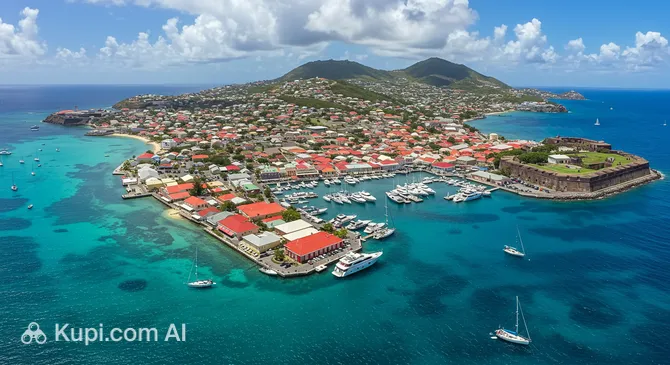
Gustavia. Source: Kupi.Binoculars

Travelers are drawn to Gustavia not just for its beauty, but for its world-class amenities and attractions. The town is a premier destination for luxury shopping, featuring high-end boutiques and duty-free shops that line the waterfront. For those interested in sightseeing, the ruins of Fort Gustav offer panoramic views of the harbor and the neighboring islands, while the nearby Shell Beach provides a perfect spot for a quick swim or a sunset cocktail within walking distance of the town center.

Whether you are strolling along the quay to admire the boats, dining at one of the exquisite French restaurants, or simply soaking up the tropical sun, Gustavia promises an unforgettable experience. It is the perfect starting point for your island adventure, combining the warmth of the tropics with a touch of old-world elegance.
Weather Overview

Gustavia enjoys a consistently warm tropical climate, inviting visitors to explore its charms throughout the year. The temperatures remain remarkably stable, generally hovering between an average of 24.8°C in the cooler month of February and peaking at around 27.4°C in August and September. This gentle warmth makes the town an ideal destination for those seeking a comfortable island escape regardless of the season.

While the heat is constant, the rainfall patterns do vary, with late summer and early autumn typically bringing more frequent showers. For a more detailed breakdown to help plan your activities, you can check the current weather in Gustavia. Expect warm and pleasant conditions year-round, though travelers should note that September is usually the wettest month with about 23 rainy days, whereas March offers the driest conditions with significantly fewer wet days.

Interesting Facts

Beyond its reputation as a playground for the rich and famous, Gustavia holds several historical quirks and cultural treasures that often escape the casual observer. The town's unique heritage creates a fascinating tapestry where Caribbean vibes meet Scandinavian history.
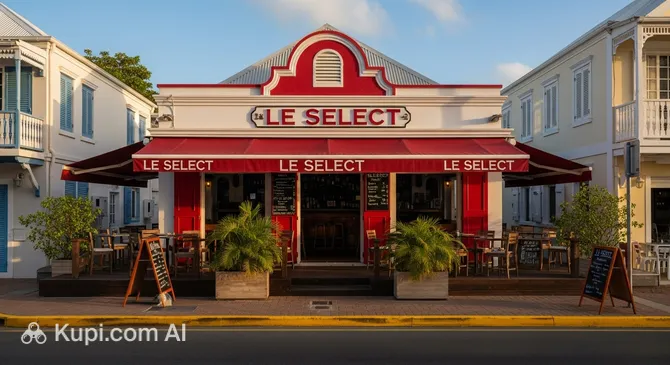
Le Select. Source: Kupi.Binoculars
  • Music history enthusiasts might be surprised to learn that Le Select, a legendary bar in the heart of town, is widely rumored to be the inspiration for Jimmy Buffett's hit song "Cheeseburger in Paradise," making it a pilgrimage site for fans.

  • Although the official language is French, you will notice that street signs throughout the town are bilingual, displaying names in both French and Swedish (ending in "gatan") to honor the century-long period when the island was a colony of Sweden.

  • A massive 10-ton anchor rests prominently in the harbor, yet its origins remain a mystery; it is believed to belong to an 18th-century warship, but no one knows exactly which vessel it came from or how it ended up there.

  • Gustavia is one of the few places in the Caribbean that has been a free port since 1785, a status originally granted by King Gustav III of Sweden to boost trade, which laid the foundation for the island's modern reputation as a duty-free shopping haven.

How to Get There

Reaching this exclusive Caribbean destination typically involves a connection through a larger neighboring island, adding a sense of adventure to your arrival. While the journey requires a bit of planning, the stunning approach is part of the experience. You can find detailed information on all available routes and transfer options in our guide to more about how to get to Gustavia.

The most convenient entry point is the local St. Barthelemy Airport (IATA: SBH), also known as Rémy de Haenen Airport. Located just outside the town center, it is approximately 1.2 km from the heart of Gustavia. Due to the short runway, only small propeller aircraft can land here, offering a thrilling descent over the hills. Once you land, the town is just a stone's throw away; a taxi or shuttle ride typically takes less than 10 minutes, making it an incredibly quick transfer to your accommodation.

Most international travelers will first arrive at Princess Juliana International Airport (IATA: SXM) in the city of Philipsburg on the neighboring island of Sint Maarten. This major hub handles large commercial jets from around the world and is situated about 31.5 km from Gustavia. Since it is on a separate island, you cannot take a taxi directly to Gustavia; instead, you must connect via a short 15-minute commuter flight or take a ferry ride, which usually lasts between 45 to 60 minutes.

Another regional option is Esperance Airport (IATA: SFG), located in Grand Case on the French side of Saint Martin, roughly 30.6 km away. This smaller airport primarily serves regional flights and is a common departure point for short hops to St. Barts. Like Princess Juliana, arriving here requires a subsequent transfer by plane or boat to reach Gustavia.

For clarity, here is a summary of the main airports in the vicinity:

Airport Name City Passenger Traffic Km from City
Princess Juliana International Airport Philipsburg Large 31.5
St. Barthelemy Airport Gustavia Medium 1.2
Esperance Airport Grand Case Medium 30.6
Clayton J. Lloyd International Airport The Valley Medium 40.3
F D Roosevelt Airport Oranjestad Small 46.3

Main Attractions

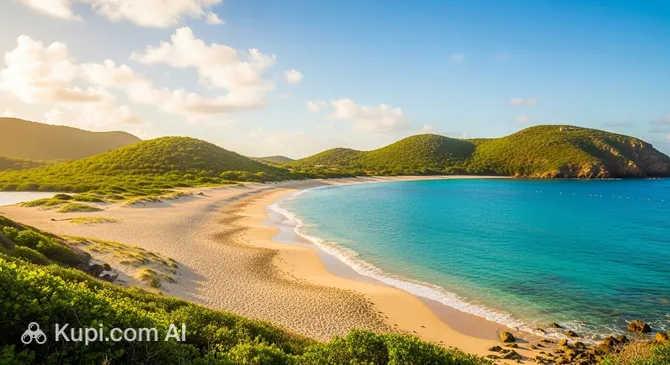
While Gustavia is famous for its harbor and shopping, it also serves as the gateway to some of the island's most stunning natural and culinary treasures. Just a short drive from the town center lies Gouverneur Beach, widely considered one of the most beautiful spots on the island. This secluded cove is framed by lush green hills and offers pristine white sand meeting crystal-clear turquoise waters. It is a favorite among tourists for its unspoiled beauty and tranquility, providing a perfect escape from the busier parts of the island.

Gouverneur Beach. Source: Kupi.Binoculars

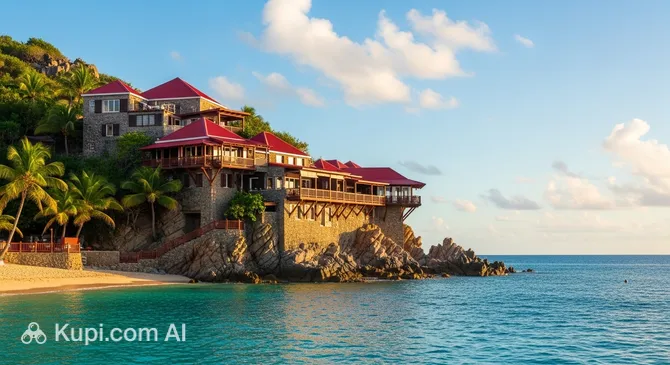
For a taste of the island's legendary luxury, a visit to Eden Rock is essential. Perched dramatically on a rocky promontory surrounded by white sandy beaches and coral reefs, this iconic location is more than just a hotel; it is a symbol of St. Barts' high-end lifestyle. Visitors are drawn here to enjoy world-class dining with spectacular ocean views, making it a top choice for a romantic evening or a sophisticated lunch by the water.

Eden Rock. Source: Kupi.Binoculars

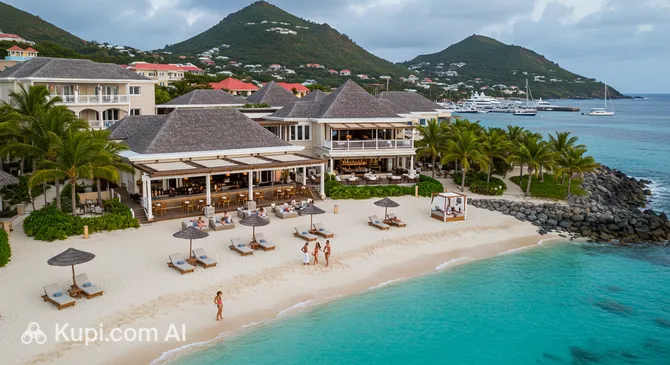
Travelers seeking a vibrant party atmosphere will find their haven at Nikki Beach. Known globally for its chic beach club vibe, this spot combines music, dining, and entertainment right on the sand. It is famous for its energetic daily events, celebrity sightings, and festive mood, offering a stark but exciting contrast to the island's quieter retreats.

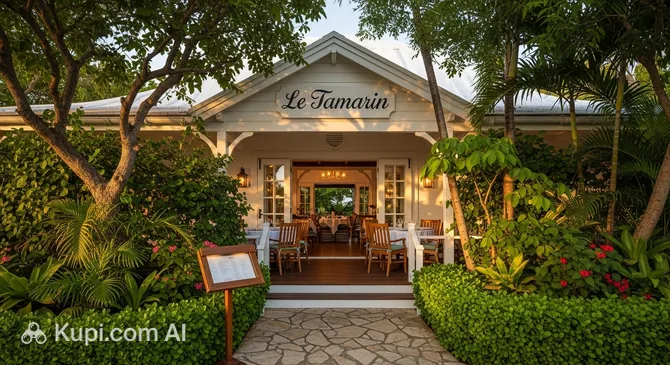
If you prefer a dining experience immersed in nature, Le Tamarin offers a magical garden setting that feels worlds away from the coast. Centered around a magnificent ancient tamarind tree, this restaurant is celebrated for its relaxed yet elegant ambiance. It is a wonderful place to unwind and enjoy a fusion of French and Caribbean cuisine amidst tropical foliage and soft lighting.

For a more casual and authentic local vibe, Le Piment is a popular stop for both residents and visitors. Located in a convenient spot, this tapas bar and restaurant is known for its friendly service and hearty dishes. It provides a welcoming atmosphere where you can enjoy a laid-back meal and mingle with locals, offering a refreshing break from the island's more exclusive venues.

Local Cuisine

The culinary landscape of Gustavia is widely regarded as one of the most sophisticated in the Caribbean, earning the island the title of the region's culinary capital. Here, the food scene is a delightful fusion where French gastronomic traditions meet fresh West Indian ingredients. Travelers can expect to find the same high-quality cheeses, charcuterie, and wines as in Paris, but enjoyed against a backdrop of tropical breezes and swaying palms. The dining culture is taken very seriously, with chefs often flying in fresh produce from France to complement the local catch.

Seafood is naturally the star of many menus. You should definitely try the locally caught spiny lobster (langouste), often grilled simply with butter and garlic to let the fresh flavors shine. Another favorite is Mahi-Mahi (often listed as dorade), served grilled or prepared as a refreshing tartare with lime and exotic fruits. For a true taste of the Caribbean, look for accras de morue, which are savory saltfish fritters typically served as an appetizer with a spicy dipping sauce. These bite-sized treats are a staple of Creole cuisine and offer a perfect savory start to any meal.

When it comes to drinks, the French influence is undeniable. Wine lists in Gustavia are extensive and impressive, featuring vintages that rival top restaurants in Europe. However, for a more local experience, you must try the Ti' Punch. This simple yet potent cocktail is the national drink of the French Caribbean, made with white agricultural rum (rhum agricole), a squeeze of fresh lime, and a touch of cane syrup or raw sugar. It is traditionally sipped slowly as an aperitif before lunch or dinner.

Le Tamarin. Source: Kupi.Binoculars

The dining atmosphere in Gustavia ranges from ultra-luxurious waterfront establishments to charming, hidden garden retreats. Locals and tourists alike flock to places that offer a unique ambiance, such as Le Tamarin. Set amidst a lush tropical garden around a centuries-old tree, it exemplifies the island's ability to combine elegant dining with nature. Whether you are grabbing a quick baguette sandwich from a bakery or sitting down for a multi-course gourmet dinner, the quality of food in Gustavia is consistently exceptional.

Travel Tips

To ensure your visit to Gustavia is as seamless and enjoyable as possible, we have compiled a set of practical tips to help you navigate the local customs and logistics. While this charming harbor town is incredibly welcoming, knowing a few insider details about transportation, currency, and etiquette will allow you to relax and experience the island like a true insider.

  1. Clothing and Gear: Embrace a style often described as "casual chic." During the day, lightweight, breathable fabrics like linen and cotton are essential for the tropical heat. For footwear, leave the high heels at home; the cobblestone streets and hilly terrain make stylish flat sandals or loafers a much better choice. In the evenings, the dress code remains relaxed but elegant. Don't forget to pack a European-style power adapter (Type C or E) for your electronics, as the standard voltage is 220V.
  2. Transportation: The most popular and practical way to explore Gustavia and the rest of the island is by renting a car. Opt for a small vehicle, such as a Mini Cooper or a Suzuki Jimny, which are perfectly suited for the narrow, winding, and often steep roads. Public transport is virtually non-existent, and while taxis are available, they can be expensive and are not always easy to flag down on the street, so booking them in advance is recommended.
  3. Finances: The official currency is the Euro (€). While the US Dollar is widely accepted in many establishments, you may receive change in Euros, and the exchange rate offered by vendors might not be favorable. It is best to carry some local currency for small purchases. Major credit cards are accepted almost everywhere, and you will find ATMs in Gustavia for withdrawing cash. Tipping is appreciated; although a service charge is often included in the bill ("service compris"), leaving a small extra amount for good service is customary.
  4. Health and Safety: Gustavia is an incredibly safe destination with very low crime rates, making it comfortable to walk around day or night. For medical needs, the island's main hospital, Hôpital de Bruyn, is located right in Gustavia, and there are pharmacies identified by a green cross that are well-stocked with French medications. The sun can be intense, so high-SPF sunscreen and staying hydrated are non-negotiable health precautions.
  5. Communication: As a French overseas collectivity, the official language is French. However, English is widely spoken and understood by virtually everyone in the tourism and service industries, so you will have no trouble communicating. That said, learning a few basic French phrases is polite; a friendly "Bonjour" (Good day) or "Merci" (Thank you) is always well-received. Wi-Fi is readily available in most hotels, cafes, and restaurants.
  6. Local Etiquette: Politeness is highly valued in the local culture. It is customary to greet shopkeepers and staff with a "Bonjour" immediately upon entering a store or restaurant. This small gesture sets a positive tone for your interaction. The vibe is sophisticated yet laid-back, so while people are friendly, they also appreciate a respectful and unobtrusive demeanor.
  7. What to Avoid: Do not walk around the town center in swimwear or shirtless. While Gustavia is a beach destination, wearing bikinis or swim trunks is strictly for the beach or poolside. When strolling through the streets or entering shops and restaurants, it is considered disrespectful to be underdressed; always wear a cover-up, a tunic, or a shirt.
  8. Shopping Hours: Be aware of the traditional "lunch break." Many boutiques and smaller shops in Gustavia close for a couple of hours in the middle of the day, typically between 12:00 PM and 2:00 PM or 3:00 PM. Plan your shopping excursions for the morning or late afternoon to avoid finding closed doors.

By keeping these simple tips in mind, you will be well-prepared to blend in with the relaxed rhythm of Gustavia. Whether you are navigating the charming streets in your rental car or enjoying a seamless transaction at a local boutique, a little preparation ensures that your focus remains entirely on the stunning beauty and unique atmosphere of this Caribbean gem.

Entertainment & Nightlife

Entertainment in Gustavia shifts gears as the sun goes down, transforming the town from a laid-back harbor into a sophisticated nightlife hub. The scene here is distinctively high-end yet relaxed, often centered around "casual elegance" rather than boisterous clubbing. The evening typically begins with sunset cocktails on the decks of yachts or waterfront terraces, evolving into long, lively dinners that seamlessly transition into parties. The energy is concentrated around the Quai de la République and the streets radiating from the harbor, where music spills out from open-air venues into the warm tropical night.

For those seeking the iconic St. Barts party atmosphere, Nikki Beach is a must-visit destination. Although famous for its vibrant daytime beach club vibe, its events often dictate the pulse of the island's entertainment, drawing a glamorous crowd of celebrities and jet-setters. It is the place to see and be seen, offering an energetic mix of dining, fashion, and music that captures the essence of the island's luxury lifestyle.

Nikki Beach. Source: Kupi.Binoculars

If you prefer a more authentic and grounded experience, Le Select offers a legendary alternative to the velvet-rope exclusivity found elsewhere. As the island's oldest bar, it is a cultural institution where the dress code is non-existent and the vibe is purely Caribbean rock 'n' roll. Sitting in its plastic chairs with a cold beer is a rite of passage, providing a perfect spot to start the night and mingle with a diverse mix of locals and sailors.

For a chic evening with exceptional drinks, the bars at Eden Rock provide a stunning backdrop of illuminated coral reefs and turquoise waters. It is an ideal setting for a romantic night out or sophisticated socializing. Alternatively, those staying within the town center will find Le Piment to be a consistent favorite. This venue bridges the gap between a restaurant and a bar, offering a buzzing atmosphere where the party often continues late into the night, fueled by great tapas and a friendly crowd.

Practical Advice for Night Owls:
Nightlife in Gustavia tends to start late, with venues filling up around 10:00 PM or later. Be prepared for premium pricing, as drinks and cover charges reflect the island's exclusive status. The town is incredibly safe for walking at night, but transportation can be a challenge if you are not driving. Taxis are limited and do not roam the streets looking for fares; it is essential to have your bartender or restaurant staff call one for you in advance. If you are driving, be mindful that the roads are narrow and winding.

While the nights are for socializing, daytime entertainment offers a culturally enriching change of pace. Visitors can explore the island's heritage at the Wall House Museum (Musée Territorial) or simply enjoy the architectural charm of the town's Swedish colonial buildings. For adventure seekers, the harbor serves as the launching point for sailing charters and diving expeditions, allowing you to explore the vibrant marine world before the sun sets and the music begins again.

Parks & Museums

While Gustavia is renowned for its high-end shopping and harbor, the town also offers serene green spaces and cultural institutions that tell the story of its rich heritage. Visitors looking to look beyond the boutiques will find that the capital preserves its history with pride, offering intimate museums and scenic natural areas that provide a delightful contrast to the bustling waterfront.

One of the most unique natural attractions located directly within the town is Shell Beach (Anse de Grand Galet). Just a short walk from the harbor, this spot is famous not for soft white sand, but for the millions of tiny, crushed seashells that cover its shore. It is a geological marvel and a peaceful retreat where the water is calm and clear, making it perfect for a refreshing dip or a relaxed afternoon of beachcombing. Another significant green area is the trail leading to Fort Karl. Although the fort itself is in ruins, the surrounding area serves as a natural parkland offering a relatively easy hike. The grassy path leads to a vantage point that provides breathtaking views over Shell Beach and the neighboring islands, making it a favorite spot for nature lovers seeking solitude.

For a deep dive into the island's fascinating past, the Wall House Museum (Musée Territorial) is the cultural cornerstone of Gustavia. Housed in a beautifully restored historic building on the far side of the harbor, the museum details the island's history from the indigenous Arawak people to the Swedish colonial era and the French periods. The exhibits include costumes, photographs, and artifacts that offer context to the unique architecture and street names you see around town. Additionally, Gustavia is something of an open-air gallery itself, with numerous fine art galleries clustered near the waterfront. These venues exhibit contemporary works by internationally acclaimed artists, reflecting the island's status as a hub for global culture.

The town's architectural landscape is dotted with significant landmarks that serve as open-air historical sites. The Swedish Clock Tower is perhaps the most iconic, sitting atop a hill and overlooking the red roofs of the town; it remains a lasting symbol of the island's Scandinavian heritage. Nearby, the site of Fort Gustav, marked by a lighthouse and old cannons, offers not only a lesson in military history but also one of the best panoramic views of the harbor. Exploring these sites allows visitors to trace the defensive layout of the old port while enjoying the fresh trade winds.

For a truly authentic experience, take a walk to the Anglican Church area in the late afternoon. The stone walls and quiet streets here feel worlds away from the luxury shops, and if you look closely at the rocky hillsides and old masonry around the forts, you might spot the local Lesser Antillean iguanas basking in the sun—a small but delightful encounter with the island's native wildlife.

Getting Around

Travelers accustomed to extensive urban transit networks should be aware that Gustavia does not possess a public transport system in the traditional sense. Due to the town's small size and the island's topography, there are no public buses, trams, metros, or trains operating within the city or connecting it to other parts of the region. The absence of scheduled public transit is part of the destination's exclusive and secluded charm, meaning visitors must rely on alternative methods to navigate the area.

The closest equivalent to public transportation is the local taxi service. Taxis are available but are somewhat limited in number, so you cannot simply rely on flagging one down on the street corner. There is a designated taxi station located on the Quai de la République, right on the waterfront near the ferry arrival point. This is the main hub where drivers congregate, waiting for passengers arriving by boat or looking for transport to their accommodation.

Regarding payment and fares, there are no travel passes, transit cards, or mobile ticketing apps to worry about. Taxi fares are regulated and generally fixed based on the destination rather than a meter, but prices can be quite high compared to other destinations. It is important to note that rates typically increase by approximately 50% between 8:00 PM and 6:00 AM, as well as on Sundays and public holidays. While many drivers accept US Dollars, paying in Euros is standard, and carrying cash is highly recommended as not all vehicles are equipped with credit card terminals.

For those seeking independence, renting a vehicle is the most popular alternative and is widely considered the best way to get around. Numerous rental agencies are located in Gustavia, offering everything from small cars and jeeps to scooters and quad bikes. Small vehicles are strongly advised due to the narrow, winding streets and limited parking spaces. If you choose to rent a scooter or motorbike, ensure you are comfortable driving on steep hills and sharp turns.

Within the town center itself, walking is the most practical and enjoyable option. Gustavia is compact and pedestrian-friendly, allowing you to easily stroll between the harbor, boutiques, restaurants, and historical sites like Fort Gustav without the need for a vehicle. For travel outside the town, if you do not wish to rent a car, you must plan your taxi journeys in advance. It is standard practice to ask your hotel concierge or restaurant staff to book a taxi for you beforehand to avoid long waits.

A unique feature of Gustavia's transport infrastructure is its role as a maritime hub. The ferry terminal in the harbor acts as a major gateway, with regular high-speed ferry services connecting the town to neighboring islands. While not internal city transport, these ferries are a vital public link for day-trippers and arrivals. Tickets for these vessels can be purchased directly at the ferry dock counters or booked online in advance.

Accommodation

Where to Stay:

Accommodation in Gustavia reflects the island's reputation for exclusivity and elegance. Travelers will not find sprawling all-inclusive mega-resorts or budget hostels here. Instead, the lodging landscape is dominated by intimate boutique hotels, luxury villas, and high-end apartments. The focus is on privacy, personalized service, and exceptional comfort, catering primarily to a discerning clientele seeking a sophisticated Caribbean retreat.

When choosing a location, visitors typically decide between the convenience of the harbor and the seclusion of the hillsides. Staying near the waterfront places you within walking distance of the finest restaurants, designer boutiques, and the bustling port activity, making it ideal for those who want to be in the heart of the action without relying constantly on a car. Conversely, the residential areas in the hills overlooking the town offer breathtaking panoramic views of the red-roofed buildings and the sea, providing a tranquil atmosphere that feels worlds away from the busy quay.

For travelers interested in a lively resort atmosphere, Nikki Beach stands out as a premier example of the island's high-end hospitality. Known for combining vibrant entertainment with luxury, it attracts visitors looking for a dynamic stay where the party and relaxation blend seamlessly. While options directly within the historic town center are limited to smaller, heritage-style properties, the surrounding areas offer a variety of stunning accommodations that capture the essence of St. Barts luxury.

Booking accommodation in Gustavia requires significant foresight. Prices are among the highest in the Caribbean, particularly during the peak season from December to April. It is not uncommon for the most desirable properties and villas to be fully booked six months to a year in advance, especially around the Christmas and New Year holidays. To secure your preferred dates, it is essential to book as early as possible. While major online travel platforms are effective, many visitors also rely on specialized villa rental agencies to find the perfect private home for their stay.

Nearby Cities

Because Saint Barthelemy is a small island, staying in Gustavia places you within easy reach of its other charming settlements, each offering a distinct vibe. Just a short drive over the hill lies Saint-Jean, the island's second-busiest hub. It is famous for its chic boutiques, vibrant beach restaurants, and the thrilling spectacle of small planes descending over the sand to land. For a glimpse into the island's traditional soul, a visit to Corossol is essential. This quiet fishing village is known for its colorful boats and the heritage of weaving intricate hats and crafts from dried palm fronds.

Another area worth exploring is Lorient, one of the island's oldest villages. It offers a more relaxed, residential atmosphere and is a favorite spot for surfers and families seeking a quieter beach experience. Beyond the shores of St. Barts, the ferry terminal in Gustavia serves as a gateway to neighboring islands perfect for day trips. You can hop on a ferry to Sint Maarten / Saint Martin to enjoy duty-free shopping and bustling casinos on the Dutch side or French gastronomy in Marigot. Alternatively, the nearby island of Anguilla is easily accessible and offers pristine, flat white sand beaches that provide a tranquil contrast to the mountainous terrain of St. Barts.

Shopping & Souvenirs

Shopping in Gustavia is widely considered one of the premier experiences in the Caribbean, rivaling the luxury avenues of Paris and Milan but set against a relaxed tropical backdrop. The city is renowned as a duty-free port, making it a magnet for visitors seeking high-end goods at competitive prices. From haute couture and exquisite jewelry to charming local boutiques, the town offers a diverse retail landscape where international luxury brands sit comfortably alongside unique island designers.

The heart of the high-end shopping scene is concentrated along the waterfront, particularly on the Quai de la République. This promenade is lined with flagship stores of the world's most prestigious fashion houses, offering the latest collections in a scenic open-air setting. Just a block away, Rue du Général de Gaulle and Rue du Roi Oscar II provide a delightful mix of trendy boutiques, home decor shops, and concept stores that are perfect for leisurely browsing through racks of linen clothing and swimwear.

While Gustavia does not have massive enclosed shopping malls in the traditional sense, it features elegant open-air shopping plazas that serve a similar purpose. The most notable is Le Carré d'Or (The Golden Square), a sophisticated complex located near the harbor. This beautifully designed area gathers several luxury boutiques and jewelers around a charming courtyard, allowing visitors to hop from one exclusive brand to another in a compact and stylish environment.

For a taste of authentic local commerce, the Marché aux Poissons (Fish Market) at the entrance of the harbor is a cultural landmark. While it is not a place for souvenirs, visiting in the early morning offers a glimpse of the island's daily life as fishermen bring in their fresh catch. For other goods, small artisanal pop-up markets occasionally appear during festivals, but the town generally relies more on permanent specialty food shops and delis for local gastronomic products rather than large flea markets.

When looking for the perfect keepsake, visitors should seek out products that embody the island's chic lifestyle. The most iconic souvenir is undoubtedly the locally made skincare and beauty line, Ligne St Barth, famous for its oils and lotions made from tropical ingredients like avocado and vanilla. Other popular items include intricate straw hats and bags woven in the traditional style, locally blended rum, and high-quality French wines or cigars that take advantage of the favorable import laws.

Travelers should be mindful of the island's distinct approach to opening hours. Most shops operate from roughly 10:00 AM to 1:00 PM, close for a long lunch break (often referred to as "la sieste"), and reopen from 3:00 PM or 4:00 PM until 7:00 PM. Regarding payment, the Euro is the official currency, but US Dollars are widely accepted in most stores, often at a set exchange rate. Major credit cards are welcomed almost everywhere, making transactions seamless for international visitors.

One of the most attractive aspects of shopping in Gustavia is its status as a tax-free zone. There is no sales tax or VAT charged on purchases, which can result in significant savings, particularly on luxury items, watches, and jewelry compared to prices in the United States or Europe. This financial advantage, combined with the exceptional variety of goods, makes shopping here not just a pastime, but a key part of the travel itinerary.

Reached the end of the page?

That means the route is fully explored