Support

Terre-de-Haut

About

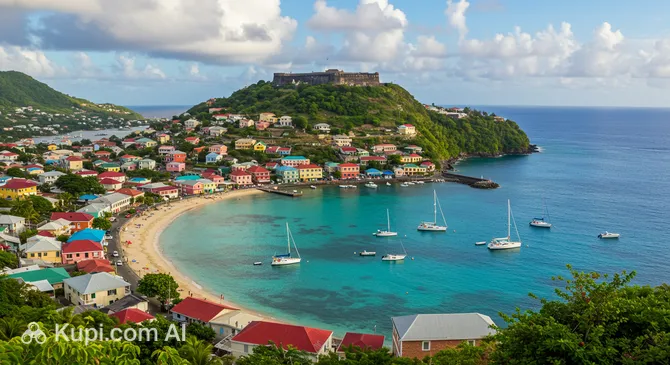
Welcome to Terre-de-Haut, the most populous and visited island of the Îles des Saintes archipelago. Renowned for having one of the most beautiful bays in the world, this charming destination offers a unique blend of French sophistication and relaxed Caribbean vibes. The atmosphere here is distinctively quaint, with red-roofed houses, colorful fishing boats, and a rhythm of life that feels wonderfully removed from the bustle of the modern world.

Geographically, the island is located just south of the main island of Guadeloupe. Despite its small size and a population of approximately 1,700 residents, it is a vibrant hub of activity and culture. The climate is typically tropical, offering warm temperatures and sunny skies that are perfect for outdoor exploration. One of the island's defining features is the near absence of cars; visitors and locals alike mostly get around on scooters or electric golf carts, preserving the peaceful ambiance.

Terre-de-Haut. Source: Kupi.Binoculars

The history of Terre-de-Haut is deeply intertwined with maritime traditions and colonial defense. A testament to this past is the impressive Fort Napoléon, which sits atop a hill overlooking the bay. It not only offers breathtaking panoramic views but also houses a museum and a beautiful exotic garden. For beach lovers, the Pain de Sucre (Sugar Loaf) is an iconic landmark, featuring a small but stunning beach with exceptional snorkeling opportunities in its translucent waters.

Whether you are looking to explore historical fortifications, enjoy fresh seafood in a seaside bistro, or simply relax on the golden sands of Plage de Pompierre, Terre-de-Haut is an idyllic escape. Its friendly community and spectacular natural scenery make it a must-visit stop for anyone traveling through the French Caribbean.

Weather Overview

Visitors to Terre-de-Haut can expect a warm, tropical climate that remains invitingly stable throughout the year. The weather is characterized by consistent temperatures and a regular pattern of rainfall, typical of the region. To help plan your activities around the forecast, you can consult the detailed guide to the weather in Terre-de-Haut.

Temperatures on the island are delightful and vary little, with daily averages fluctuating gently between 24.1°C in the cooler months like February and roughly 26.9°C in September. The nights are pleasant, rarely dropping below 23°C, while daytime highs typically peak around 28°C, ensuring perfect conditions for beach days and outdoor exploration.

Rainfall is a frequent companion, with the number of wet days ranging from 17 to 26 per month, particularly increasing from July through December. However, the recorded precipitation volume is quite low, suggesting that while rain occurs often, it is likely light or brief. Expect warm, sunny periods interspersed with regular showers regardless of when you visit.

Interesting Facts

Beyond the picture-perfect beaches and bistro-lined streets, Terre-de-Haut holds cultural nuances and historical quirks that surprise many visitors. From unique fashion statements to sweet culinary traditions, the island's character goes far deeper than its scenic surface.
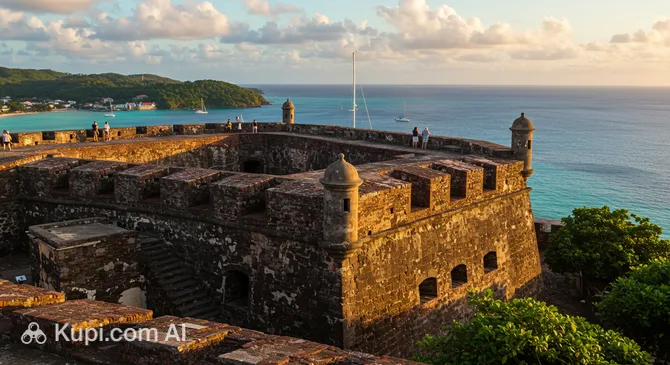
Fort Napoleon of the Saintes. Source: Kupi.Binoculars
  • The island is famous for a distinct piece of headwear known as the Salako. This flat, wide-brimmed hat, traditionally covered in white fabric and lined with turquoise, was not originally Caribbean but was modeled after hats brought back by local sailors from 19th-century Indochina.

  • While exploring the historic grounds, you might encounter the endemic Lesser Antillean Iguana. These prehistoric-looking creatures have found a safe haven in the gardens of Fort Napoleon of the Saintes, where they roam freely among the cacti and offer a stark contrast to the colonial architecture.

  • Gastronomy here features a legendary treat called the Tourment d'Amour (Agony of Love). Local lore suggests these soft, coconut-filled tarts were originally baked by the wives of sailors to greet their husbands upon their return from the sea, providing a sweet comfort after the hardships of fishing.

  • Unlike many other Caribbean destinations, the local population traces its lineage primarily to Breton and Norman fishermen who settled here centuries ago. This heritage is visible in the design of the traditional fishing boats, known as saintoises, which are built specifically to handle the currents of the archipelago.

How to Get There

Reaching this idyllic island destination typically involves a combination of air and sea travel, as there is no direct international airlift to the small archipelago itself. Most visitors arrive via the main island of Guadeloupe before catching a ferry to the Saintes. For a comprehensive guide on all available transport options, including ferry schedules and tips, you can read more about how to get to Terre-de-Haut.

The city of Terre-de-Haut does not have its own international airport, but you can fly into Pointe-à-Pitre International Airport (PTP) in the city of Pointe-à-Pitre, which is approximately 44.5 km from Terre-de-Haut. This is the primary gateway for travelers from Europe and North America. From the airport, you will need to take a taxi or bus to a ferry terminal (usually in Trois-Rivières or Pointe-à-Pitre itself) to complete the journey. The total travel time, including the transfer to the coast, is estimated to be around 90 minutes.

Another significant regional hub is Martinique Aimé Césaire International Airport (FDF), located in Fort-de-France, about 154.3 km away. While it is further afield, it serves as a major connection point for the French Caribbean. Travelers arriving here would typically take an inter-island flight to Guadeloupe or a high-speed ferry to reach the archipelago.

For clarity, here is a summary of the main airports:

Airport Name City Passenger Traffic Km from City
Pointe-à-Pitre International Airport Pointe-à-Pitre Large 44.5
Martinique Aimé Césaire International Airport Fort-de-France Large 154.3
V.C. Bird International Airport St. John's Medium 142.3
Melville Hall Airport Dominica Small 46.6
Newcastle Airport Charlestown Small 183.1

There are no railway stations on Terre-de-Haut or on the main islands of Guadeloupe, as the region does not have a public train network. Transportation relies entirely on road vehicles and maritime connections. Once you arrive on the main island of Guadeloupe by plane, your journey to Terre-de-Haut will continue via a passenger ferry, which is a scenic and popular way to approach the bay.

Main Attractions

Terre-de-Haut offers a delightful mix of history, nature, and gastronomy, making it a joy to explore. A visit to the island would be incomplete without seeing Fort Napoleon of the Saintes. Perched high above the bay, this 19th-century fortification is not only a historical monument but also a cultural center. Inside, you will find a museum dedicated to the naval history of the Saintes and a stunning exotic garden filled with cacti and local iguanas. The views from the ramparts are widely considered some of the best in the Caribbean.

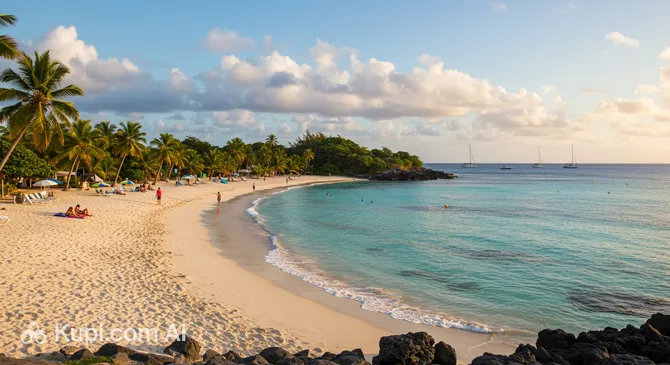
For those seeking relaxation by the sea, Pompierre Beach is a must-visit destination. Protected by a coral reef, the water here is calm and crystal clear, making it perfect for swimming and snorkeling. The beach is lined with coconut palms that provide welcome shade, and it is famous for the friendly goats that often wander nearby, adding to the island's rustic charm.

Pompierre Beach. Source: Kupi.Binoculars

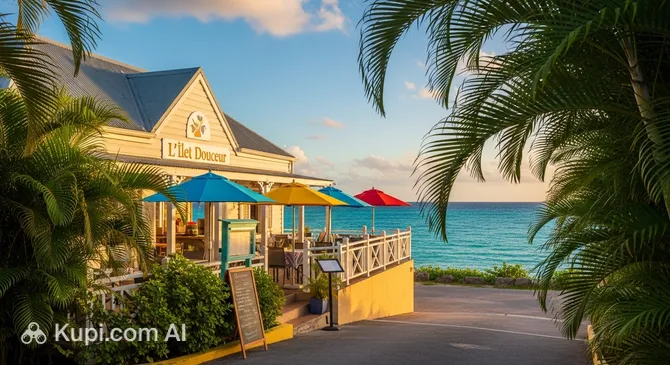
To experience the authentic flavors of the island, travelers should make a stop at L'Îlet Douceur. This establishment is renowned for its preparation of the Tourment d'Amour, the island's signature tart made with coconut, banana, or guava. It serves as a sweet reminder of the local culinary traditions and offers a cozy atmosphere to enjoy a treat after a day of sightseeing.

L'Îlet Douceur. Source: Kupi.Binoculars

Another excellent spot for food lovers is Au bon Vivre, a restaurant celebrated for its refined approach to local cuisine. Located in a charming setting, it offers a menu that blends fresh Caribbean ingredients with French culinary techniques. It is a popular choice for visitors looking to enjoy a memorable lunch or dinner in the heart of the village.

Local Cuisine

The culinary landscape of Terre-de-Haut is a delightful reflection of its mixed heritage, blending the rustic traditions of Breton fishermen with the spicy, vibrant flavors of Creole cooking. Naturally, the ocean serves as the island's primary pantry, and seafood lovers will find themselves in paradise here. Fresh catches such as mahi-mahi (locally known as dorade), tuna, and lobster arrive daily at the harbor and are often grilled simply with lime and garlic or simmered in rich, aromatic stews.

One distinct specialty you must try is the crêpe de poisson (fish pancake). Unlike the thin French crêpes you might expect, these are savory, breaded, and fried pancakes filled with a seasoned fish mixture. They are a popular snack unique to the Saintes archipelago and can be found at small takeaway stands and local bakeries. Another savory favorite is accras de morue, crispy cod fritters that are a staple appetizer across the French Caribbean, perfect for nibbling on with a cool drink.

No gastronomic tour of the island is complete without tasting the legendary Tourment d'Amour. While you may have heard the romantic legends behind it, the taste is what truly matters. It is a small, round tart featuring a shortcrust base, a layer of tropical fruit jam—traditionally coconut, though guava and banana are also popular—and a soft sponge cake topping. For the most authentic experience, look for locals selling them fresh from baskets near the ferry dock or visit renowned spots like L'Îlet Douceur.

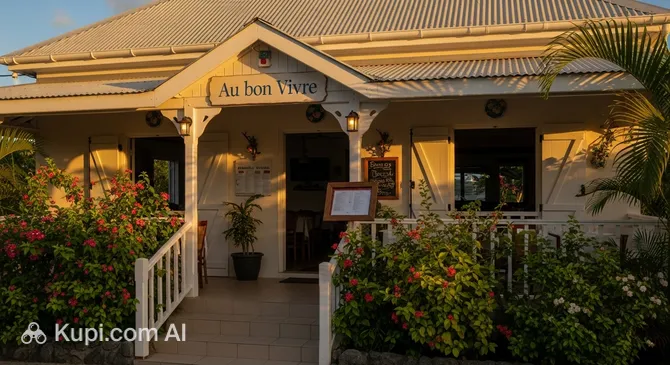
The dining scene in Terre-de-Haut is relaxed and unpretentious, with many restaurants offering open-air seating to take advantage of the warm breeze. You will find a range of options from casual beach shacks to more refined establishments. A prime example of the island's gastronomic quality is Au bon Vivre, where the menu creatively combines local ingredients with French gastronomy, offering a sophisticated yet comfortable dining experience in the heart of the village.

Au bon Vivre. Source: Kupi.Binoculars

To wash down these delicious meals, the drink of choice is almost invariably Ti' Punch. This simple yet potent cocktail is made with white agricultural rum (rhum agricole), a squeeze of fresh lime, and a dash of cane sugar syrup. It is traditionally served as an aperitif before lunch or dinner. For a non-alcoholic refreshing option, fresh fruit juices made from passion fruit, mango, or soursop are widely available and incredibly refreshing in the tropical heat.

Travel Tips

Planning a trip to Terre-de-Haut is the start of a wonderful adventure in the French Caribbean, but a little preparation goes a long way on this unique island. To help you navigate the local customs, transport quirks, and island rhythm, here are some practical tips to ensure your stay is as relaxing and enjoyable as possible.

  1. Clothing and Gear: Pack lightweight, breathable fabrics like cotton or linen to stay cool in the tropical heat. Since the island is hilly and you will likely be walking or riding scooters, bring comfortable walking shoes or sturdy sandals rather than high heels. Don't forget high-SPF sunscreen, a hat, and sunglasses, as the Caribbean sun is strong. If you plan to visit the church or walk through the village, it is polite to cover up swimwear with a sarong or casual clothes.

  2. Transportation: Terre-de-Haut is famous for being largely car-free. The best way to get around is by renting an electric golf cart or a scooter immediately upon arrival near the ferry dock. In peak season, it is wise to book these in advance. Alternatively, the island is small enough to explore on foot or by electric bike, but be prepared for some steep climbs, especially up to Fort Napoléon.

  3. Finances: The official currency is the Euro (€). While major restaurants and hotels accept credit cards (Visa and Mastercard), many smaller shops, bakeries, and the famous ladies selling Tourment d'Amour tarts only take cash. There is only one ATM on the island, located near the town hall, and it can occasionally run out of money or be out of service, so it is highly recommended to bring sufficient cash from the main island of Guadeloupe.

  4. Health and Safety: The island is generally very safe with a low crime rate. There is a pharmacy and a small medical dispensary in the village for minor health issues. For serious emergencies, patients are transferred to the main hospital in Basse-Terre or Pointe-à-Pitre. Be mindful of mosquitoes, which can carry dengue fever; bring effective insect repellent and use it, especially in the evenings.

  5. Communication: The official language is French, and many locals speak Creole among themselves. While staff in tourism-focused businesses often speak some English, it is not universally spoken. Learning a few basic French phrases like "Bonjour" (Hello), "Merci" (Thank you), and "L'addition, s'il vous plaît" (The bill, please) will go a long way. Free Wi-Fi is available in most hotels and restaurants, and European SIM cards usually work here without roaming charges (check your provider).

  6. Local Etiquette: Politeness is central to the local culture. Always say "Bonjour" when entering a shop, boarding a bus, or even passing someone on a quiet street; failing to do so is considered rude. Life here moves at a slower pace, known as "island time," so be patient with service in restaurants and enjoy the relaxed atmosphere.

  7. What to Avoid: Do not walk around the village streets in just your swimsuit or bikini. While beachwear is fine on the sand, it is considered disrespectful to wear it in town, shops, or restaurants. Also, avoid touching or feeding the iguanas you see; they are wild animals and, in some cases, protected species.

  8. Additional Tip: Be aware of the lunchtime siesta. Many shops and smaller businesses close between 12:30 PM and 2:30 PM or 3:00 PM. Plan your shopping or errands for the morning or late afternoon. If you are a day-tripper, try to catch the earliest ferry to enjoy the island before the crowds arrive, or stay overnight to experience the magical tranquility after the last boat leaves.

By keeping these simple tips in mind, you will be well-equipped to blend in with the locals and fully embrace the charm of Terre-de-Haut. Whether you are zooming around on a golf cart or savoring a sunset dinner, a respectful and prepared approach will make your visit truly unforgettable.

Entertainment & Nightlife

Nightlife in Terre-de-Haut is a reflection of its overall pace: unhurried, intimate, and charmingly authentic. You will not find neon-lit mega-clubs or thumping bass lines here. Instead, the evening entertainment focuses on long, convivial dinners, relaxed cocktails by the water, and socializing in the open air. The atmosphere is distinctively Caribbean "cool," where the dress code is casual, and the soundtrack is often the gentle lapping of waves against the shore or the rhythm of local Zouk music.

The hub of evening activity is concentrated in Le Bourg, the main village. As the sun sets, the streets near the ferry dock come alive with locals and visitors gathering to share stories of the day. The nightlife scene is essentially a string of bistro-style restaurants and small bars lining the waterfront. It is the perfect setting to sip a Ti' Punch or a cold beer while watching the lights of the boats bobbing in the bay.

Dining is the main event of the night. For a sophisticated evening meal, Au bon Vivre is a standout choice. With its refined courtyard setting and fusion of French and Creole flavors, it offers a wonderful ambiance for a romantic dinner or a relaxed gathering with friends. It is advisable to book tables in advance, especially during the high season, as the best venues fill up quickly.

If you are looking for a sweet treat to cap off your evening or an early twilight snack, L'Îlet Douceur is a delightful stop. While primarily known for its daytime treats like the famous Tourment d'Amour, it contributes to the village's cozy vibe. After dinner, many visitors simply stroll along the main street, stopping at small local bars where the vibe is welcoming and the drinks are strong.

Practical Advice for the Evening:

  • Timing: The island wakes up early, and consequently, nights end relatively early. Most kitchens close by 9:00 PM or 9:30 PM, and bars may wind down around midnight. Do not expect to party until dawn.
  • Transport: Since the ferries stop running in the late afternoon, you are likely staying on the island overnight. Walking is the primary way to get around the village at night. If your accommodation is far from Le Bourg, ensure your rental golf cart is charged, or arrange a taxi in advance, as they are not readily available to flag down on the street late at night.
  • Safety: Terre-de-Haut is incredibly safe. You can walk through the village and along the main roads at night without worry. However, street lighting can be sparse in more remote areas, so carrying a flashlight or using your phone's light is a good idea to avoid tripping on uneven paths.

While the nights are quiet, the daytime entertainment offers a wealth of cultural and natural exploration. There are no large amusement parks or multiplex cinemas; the island itself is the attraction. History buffs should visit Fort Napoleon of the Saintes. Operating as a museum, it provides a fascinating look into the naval battles of the past and the island's colonial history, all set within a beautifully preserved fortress surrounded by botanical gardens.

Parks & Museums

Terre-de-Haut may be small, but it punches well above its weight when it comes to preserving its natural beauty and historical heritage. The island serves as a living gallery where lush botanical landscapes seamlessly blend with colonial history, offering visitors a chance to explore verdant gardens and cultural exhibits against the backdrop of the Caribbean Sea.

One of the most remarkable green spaces on the island is actually part of its most famous historical site. The Jardin Exotique (Exotic Garden) surrounds the ramparts of Fort Napoleon of the Saintes. This beautifully curated botanical garden is a haven for succulents and cacti from around the world, thriving in the dry, sunny climate. As you stroll through the prickly pear and aloe plants, you are likely to encounter the local rock iguanas basking on the warm stones, making it a unique mix of flora and fauna conservation.

For a more coastal natural experience, Pompierre Beach functions almost like a public park. Unlike the wilder coastlines, this bay is protected by a coral reef and lined with a dense grove of coconut palms that provide ample shade for picnics. It is a favorite spot for families and nature lovers who come to relax in the grassy areas behind the sand, where friendly goats often roam freely, adding a touch of rustic charm to the scenery.

Hikers seeking a challenge should explore the natural area around Le Chameau, the island's highest peak. Rising over 300 meters, this forested hill offers a steep but rewarding trek through local vegetation. While not a manicured park, it is a significant natural landmark that rewards those who reach the summit with a breathtaking 360-degree view of the archipelago, far removed from the busy village streets.

In terms of museums, the cultural heart of the island is undoubtedly the museum housed within Fort Napoleon. The upper level of the fortress has been transformed into a comprehensive museum dedicated to the history of Les Saintes. Exhibits cover everything from the famous naval Battle of the Saintes in 1782 to the local fishing traditions and the unique environment of the archipelago. It provides essential context for understanding why this small island played such a pivotal role in colonial maritime history.

While formal museums are scarce on such a small island, the village of Le Bourg itself acts as an open-air gallery of culture and architecture. A walk through its streets reveals the well-preserved "Case Créole" houses with their vibrant colors and intricate woodwork. You should also visit the Church of Notre-Dame de l'Assomption. Built with volcanic stone and wood, its simple yet elegant interior and the votive offerings from sailors reflect the deep spiritual connection the community has with the ocean.

For an authentic insider experience, try to visit the Fort Napoleon museum right when it opens in the morning. Not only will you beat the heat and the day-tripper crowds, but the iguanas in the garden are also most active and visible as they warm up in the morning sun, offering perfect photo opportunities in a quiet atmosphere.

Getting Around

The public transport system in Terre-de-Haut is quite distinct from what you might find in a typical city. Due to the island's small size and hilly terrain, there is no conventional network of metros, trams, or scheduled city buses. Instead, the local transportation infrastructure is designed primarily around the arrival of ferries and the needs of day-trippers, relying heavily on collective shuttle vehicles and individual rentals rather than a standardized public transit authority.

The closest equivalent to public transport is the fleet of collective minibuses, often referred to as "navettes" or taxis. These vehicles usually congregate near the ferry dock in the main village, waiting for boats to arrive. They operate on a shared basis, transporting groups of passengers to specific popular destinations such as Fort Napoléon, Pompierre Beach, or the calmer bays on the other side of the island. These shuttles generally do not follow a strict timetable; instead, they depart when they are full or when a group requests a ride.

Regarding payment, the system is straightforward and traditional. There are no electronic travel cards, mobile apps, or validated tickets. Fares are paid directly to the driver in cash, specifically in Euros. Prices are generally fixed per person for specific routes—for example, a trip from the dock to the fort has a set standard rate. It is highly advisable to carry small bills and coins, as drivers may not always have change for large denominations, and credit cards are rarely accepted for these short trips.

For tourists who prefer more independence, renting a vehicle is the most popular alternative and essentially serves as the island's primary mode of transit. Upon disembarking at the harbor, you will see numerous rental agencies offering electric golf carts and scooters. These golf carts are the signature vehicle of Terre-de-Haut, allowing visitors to navigate the steep roads comfortably and quietly. Electric bicycles are also becoming increasingly common and offer an eco-friendly way to tackle the island's hills without the physical exertion of a standard bike.

Practical advice for navigating the island includes planning your transport based on the ferry schedule. The collective minibuses are most active in the morning and early afternoon when visitors are arriving. If you plan to stay late into the evening or visit very secluded areas, these shuttles may be scarce. In such cases, having a rental vehicle is essential. Additionally, if you choose to rent a scooter or golf cart, be aware that a valid driver's license is typically required, and traffic laws regarding speed limits and alcohol consumption are strictly enforced by the local gendarmerie.

Walking is also a viable and pleasant option for exploring the central village of Le Bourg, where shops, restaurants, and the church are clustered together. However, reaching the scenic viewpoints or distant beaches on foot can be strenuous due to the tropical heat and steep inclines. Therefore, most visitors opt for a "mixed" approach: walking within the village and using a shuttle or rental to reach the outlying attractions.

Accommodation

Accommodation:

Accommodation in Terre-de-Haut reflects the island's charming and intimate character. You will not find massive all-inclusive resorts or high-rise international hotel chains here. Instead, the lodging landscape is dominated by small, family-run boutique hotels, cozy guesthouses (often called gîtes), and private vacation rentals. These options offer a more personal experience, often allowing visitors to interact with local hosts and enjoy a home-away-from-home atmosphere. Many properties feature Creole-style architecture with wooden verandas and lush tropical gardens.

When choosing where to stay, location plays a key role in your experience. The most convenient area is the main village, Le Bourg. Staying here places you within walking distance of the ferry dock, the majority of restaurants, and the bakery for your morning croissants. It is the lively heart of the island where you can easily soak up the local culture. Alternatively, if you prefer tranquility and breathtaking scenery, look for accommodations perched on the hillsides or near beaches like Pompierre. These spots offer stunning panoramic views of the bay but typically require renting a golf cart or scooter to access the village amenities comfortably.

Booking Tips and Prices:

Due to the island's small size and high popularity, especially among day-trippers who decide to stay overnight, accommodation can fill up very quickly. It is highly recommended to book well in advance, particularly if you plan to visit during the peak season (December to April) or during local festivals. Prices in Terre-de-Haut tend to be higher than on the main island of Guadeloupe, reflecting the exclusive nature of the destination. While there are some mid-range options, budget backpacker hostels are rare. Most bookings can be made through major online platforms, but many smaller gîtes also accept direct inquiries. Be sure to check payment methods, as some smaller hosts may prefer cash or local checks upon arrival.

Nearby Cities

For those looking to explore the surroundings, Terre-de-Haut serves as an excellent base for day trips to several interesting nearby locations. While the island itself is a captivating destination, the neighboring islands and towns offer distinct atmospheres, from bustling markets to tranquil rural landscapes, allowing visitors to experience the full diversity of the Guadeloupe archipelago.

Just a stone's throw away lies Terre-de-Bas, the sister island of Terre-de-Haut. Accessible by a short boat ride, it offers a stark contrast to its busier neighbor. Terre-de-Bas is renowned for its peace and quiet, lush hiking trails, and authentic craft traditions, particularly the production of the famous Salako hat. It is the perfect spot for travelers seeking solitude and a deeper connection with nature, featuring beautiful uncrowded beaches like Grande Anse.

For a change of pace, a trip to Pointe-à-Pitre on the main island of Guadeloupe provides a vibrant urban experience. As the economic capital, it is a hub of activity featuring colorful spice markets, colonial architecture, and the impressive Mémorial ACTe museum, which is dedicated to the history of slavery. It offers a rich cultural immersion and extensive shopping opportunities that differ greatly from the village life of Les Saintes.

Another fascinating option is Grand Bourg, the main town on the island of Marie-Galante. Known as the "Big Pancake" due to its flat shape, Marie-Galante is famous for its pristine white sand beaches and historic rum distilleries. A visit here feels like stepping back in time, with a relaxed rural rhythm and some of the best rum production in the Caribbean.

City Population Distance (km)
Pointe-à-Pitre 250,952 41
Grand Bourg 5,500 29
Saint-François 2,933 54
Terre-de-Bas 1,600 7
La Desirade 1,600 76

These nearby destinations offer a glimpse into the diverse culture and landscapes of the region.

Shopping & Souvenirs

Shopping in Terre-de-Haut is a delightful and stress-free experience that perfectly mirrors the island's laid-back lifestyle. You will not find sprawling shopping malls, international chain stores, or luxury fashion houses here. Instead, the retail scene is characterized by quaint, colorful boutiques, family-run shops, and open-air stalls that focus on local craftsmanship, beachwear, and artisanal products. It is the kind of place where you can chat with the shop owner and discover unique items that tell a story of the archipelago's culture.

The main shopping activity is concentrated in the heart of the village, Le Bourg. The narrow streets radiating from the ferry dock, particularly Rue Jean Calot and the surrounding lanes, are lined with vibrant wooden houses converted into shops. This area is easily walkable and offers a variety of clothing stores selling tropical fashions, sarongs, and jewelry made from local shells or sea glass. Strolling through these streets is as much about soaking up the atmosphere as it is about buying goods.

Since Terre-de-Haut is a small island community, there are no shopping malls or large department stores. The commercial landscape is strictly small-scale. For those needing groceries or daily essentials, there are a few small minimarkets and bakeries in the village, but the focus for visitors is almost exclusively on independent boutiques and souvenir stands.

While there isn't a massive central market hall, the area near the pier often functions as an informal marketplace. Here, you will find local women greeting arriving ferries with baskets of fresh pastries and homemade goods. It is a lively spot to interact with locals. Occasionally, fishermen sell their fresh catch directly by the water, although this is more for residents than for tourists looking for souvenirs.

When it comes to souvenirs, the most iconic item to bring back is undoubtedly the Salako. This traditional flat hat, covered in white fabric with a turquoise underside, is a symbol of the Les Saintes archipelago and makes for a striking wall decoration or a practical sunshade. Another "must-buy" is the edible souvenir: the Tourment d'Amour. These delicious soft tarts filled with coconut, banana, or guava are a local specialty. You can purchase them fresh from street vendors near the harbor or visit renowned local spots like L'Îlet Douceur to buy a box to take home.

Other popular keepsakes include Madras fabric items, locally produced rum punches, and artisanal soaps. Art lovers will also find several small galleries and workshops where local painters and sculptors display works inspired by the vibrant colors of the Caribbean sea and the island's fishing boats.

Visitors should be mindful of the local approach to business hours. Many shops in Terre-de-Haut observe a traditional midday siesta, closing around 12:30 PM and reopening after 3:00 PM or 4:00 PM. It is best to plan your shopping for the morning or late afternoon. Regarding payment, while some larger boutiques accept credit cards, cash (Euros) is essential for smaller transactions, especially when buying tarts from street vendors or small trinkets. ATMs are scarce, so arriving with sufficient cash is highly recommended.

As a territory of France, the tax rules in Guadeloupe generally follow French regulations, meaning VAT is included in the price. Formal tax-free shopping (détaxe) for tourists is not a widespread practice in the small shops of Terre-de-Haut. Travelers should expect to pay the marked price, which is usually fixed, although polite bargaining might be acceptable at informal market stalls if buying multiple items.
Reached the end of the page?

That means the route is fully explored