Support

Fort-de-France

About

Welcome to Fort-de-France, the captivating capital and cultural heart of Martinique. This bustling port city offers a unique blend of French sophistication and vibrant Caribbean energy, making it a must-visit destination for travelers seeking both urban excitement and tropical charm. As the largest city in the French West Indies, it serves as the island's economic and commercial hub, bustling with activity against a backdrop of rolling hills and the azure sea.

Situated on the west coast, the city overlooks a magnificent bay that is often cited as one of the most beautiful in the world. The climate here is typically tropical, inviting visitors to explore the outdoors year-round. The history of Fort-de-France is deeply woven into its streets, reflected in the diverse architectural styles that range from traditional colonial buildings to modern structures.
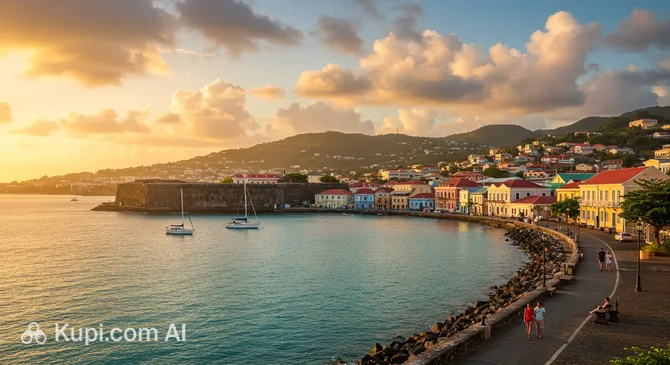
Fort-de-France. Source: Kupi.Binoculars

Travelers will find plenty to admire, starting with the iconic Schoelcher Library, a stunning architectural gem built in a Byzantine-Romanesque style. A stroll through La Savane, the city's central park, offers a relaxing escape with its statues and palm trees, while the imposing Fort Saint-Louis stands guard over the harbor, offering a glimpse into the military past and panoramic views of the bay.

Whether you are wandering through colorful markets filled with exotic spices and fruits or enjoying the local Creole cuisine at a waterfront restaurant, Fort-de-France promises an unforgettable experience. It is the perfect starting point for your Caribbean adventure, inviting you to immerse yourself in its lively atmosphere and rich heritage.
Weather Overview

Fort-de-France enjoys a warm and consistent tropical climate, making it an inviting destination throughout the year. The temperatures are remarkably stable, with monthly averages hovering between 25.1°C in February and 27.4°C in September. Even during the cooler months, minimum temperatures rarely dip below 23.7°C, while daily highs in the warmest periods can reach approximately 28.9°C.

While the heat remains constant, rainfall patterns shift with the seasons. The city experiences a distinct wetter period from July to November, where travelers might encounter up to 23 wet days per month. Conversely, the beginning of the year is drier; months like April typically see only about 10 wet days. To help you pack accordingly for your trip, you can check the detailed report on the weather in Fort-de-France.

Expect warm temperatures year-round with frequent rainfall in the late summer and autumn, while the winter and spring months offer slightly cooler and drier conditions.

Interesting Facts

Beyond its vibrant markets and bustling streets, Fort-de-France holds fascinating stories that add depth to its tropical charm. Here are some intriguing details that make this Caribbean capital truly unique.
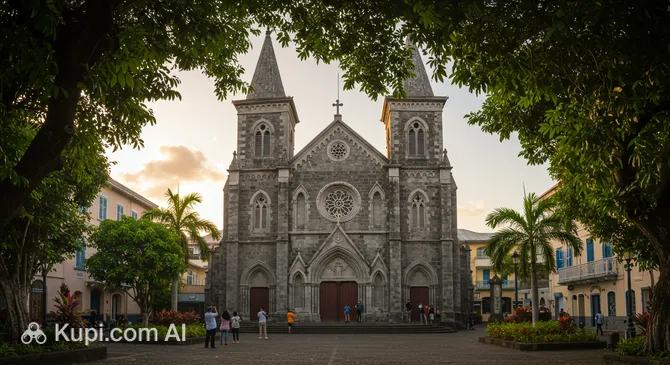
St. Louis Cathedral. Source: Kupi.Binoculars
  • The St. Louis Cathedral is a masterpiece of disaster-proof engineering. After previous wooden and masonry churches were destroyed by fire and earthquakes, this striking structure was built using a prefabricated metal frame, earning it the nickname the "Iron Cathedral."

  • One of the city's most beautiful buildings, the Schoelcher Library, is a traveler in its own right. It was originally constructed in Paris for the 1889 World Exposition, then dismantled piece by piece and shipped across the ocean to be reassembled in Martinique.

  • The Bay of Fort-de-France is officially recognized as one of the most beautiful bays in the world, holding membership in the exclusive "Club des Plus Belles Baies du Monde." You can best admire this stunning panorama while strolling along the Fort-de-France Waterfront Promenade.

  • Fort Saint-Louis is not merely a historical monument; it remains an active naval base for the French Navy. Despite its military function, parts of the fort are accessible to visitors, who are often surprised to find a thriving population of Green Iguanas roaming the ancient stone ramparts.

How to Get There

Reaching the vibrant capital of Martinique is a straightforward experience, with air travel being the primary method for international visitors. Whether you are arriving directly from Europe, North America, or neighboring Caribbean islands, you can find all ways to reach the city and plan your journey effectively.

The main gateway for travelers is Martinique Aimé Césaire International Airport (IATA: FDF), which handles the majority of traffic to the island. Located just 7.4 km from the heart of Fort-de-France, it offers quick access to the capital. The journey by taxi or shuttle bus is convenient and typically takes around 30 minutes, depending on traffic conditions. As a major regional hub, this airport connects the island with numerous international destinations.

For those exploring the wider Caribbean region, George F. L. Charles Airport (IATA: SLU) is another nearby transport node, although it requires an inter-island connection. It is important to note that this airport is located in Castries, Saint Lucia, approximately 65 km away across the sea. Visitors transiting through here would need to arrange a connecting flight or a ferry service to complete their journey to Fort-de-France.

For clarity, here is a summary of the main airports in the vicinity:

Airport Name City Passenger Traffic Km from City
Martinique Aimé Césaire International Airport Fort-de-France High 7.4
George F. L. Charles Airport Castries Medium 65.3
Hewanorra Airport Castries Medium 97.4
Melville Hall Airport Dominica Low 107.0
Argyle International Airport Kingstown Medium 160.4

Main Attractions

Fort-de-France is a city where history and island culture converge, offering visitors a variety of captivating landmarks to explore. From architectural marvels to scenic coastal views, the city's main sights provide a perfect introduction to the charm of Martinique.

A true icon of the city is the St. Louis Cathedral. This striking religious monument is renowned for its unique iron architecture, designed by Gustave Eiffel's contemporaries to withstand the island's tropical elements. Visitors are captivated by its soaring steeple and the ethereal light that filters through its vibrant stained-glass windows, creating a serene sanctuary in the heart of the bustling capital.

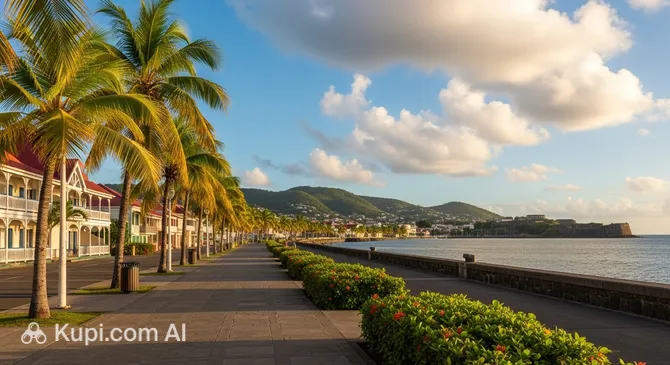
For a relaxing experience by the sea, the Fort-de-France Waterfront Promenade is an unmissable stop. This beautifully maintained esplanade stretches along the bay, offering panoramic views of the Caribbean Sea and the majestic Fort Saint-Louis. It is an ideal place for a leisurely walk, where tourists can enjoy the fresh ocean breeze, watch ferries glide across the water, and admire the sunset over the horizon.

Fort-de-France Waterfront Promenade. Source: Kupi.Binoculars

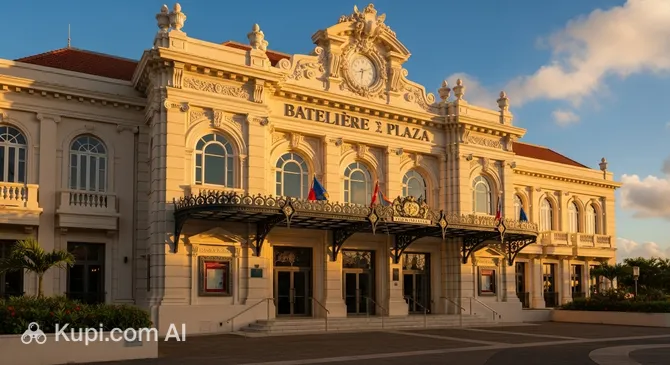
Those seeking entertainment and nightlife often head to the Batelière Plaza Casino. Located just a short drive from the city center, this venue provides a lively atmosphere for an evening out. Whether you are interested in trying your luck at the gaming tables or simply soaking up the vibrant energy, it serves as a popular hub for leisure and excitement after a day of sightseeing.

Batelière Plaza Casino. Source: Kupi.Binoculars

Local Cuisine

The culinary scene in Fort-de-France is a vibrant reflection of its history, blending French gastronomy with spicy Creole traditions. Visitors can expect a feast of flavors, where fresh local ingredients are transformed into mouthwatering dishes that define the island's identity. The city is a fantastic place to embark on a gastronomic journey, ranging from street food to refined dining.

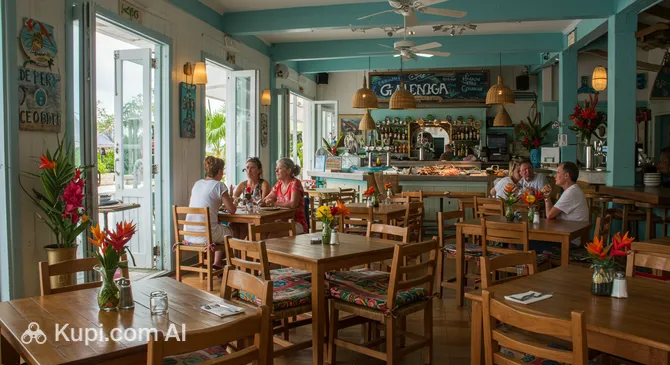
One cannot visit the city without trying the famous Colombo, a curry-like stew made with chicken, pork, or fish, seasoned with a unique blend of spices including turmeric, coriander, and cumin. Another staple is Accras de Morue, delicious salt cod fritters that are crispy on the outside and soft on the inside, often served as an appetizer. For seafood lovers, the daily catch is often grilled or served in a rich court-bouillon sauce. If you are looking for a place to enjoy refined seafood dishes, Galanga Fish Bar is a popular choice among locals and tourists alike.

Galanga Fish Bar. Source: Kupi.Binoculars

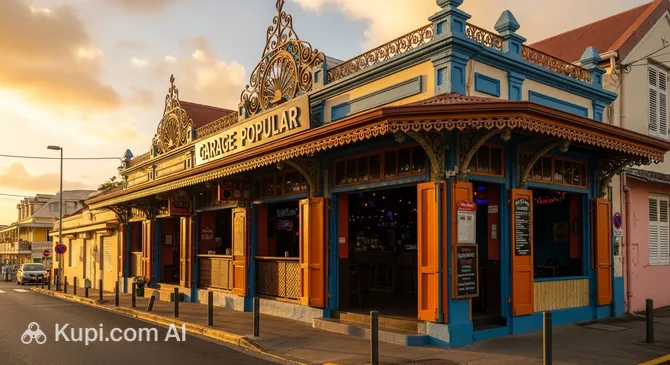
No meal in Martinique is complete without a taste of the island's world-renowned Rhum Agricole. The signature drink is the Ti' Punch, a simple yet potent mix of white rum, sugar cane syrup, and a squeeze of lime. It is customary to sip this slowly as an aperitif before a meal. For those preferring non-alcoholic options, the abundance of tropical fruits means fresh juices like guava, passion fruit, and soursop are readily available and incredibly refreshing. To soak up the local vibe with a drink in hand, you might head to Garage Popular, known for its eclectic decor and welcoming spirit.

Garage Popular. Source: Kupi.Binoculars

The food culture in Fort-de-France is centered around conviviality and freshness. The covered market, known as the Grand Marché, is a sensory explosion where vendors sell spices, vanilla, and homemade meals. It is the perfect spot to grab an authentic and affordable lunch alongside the locals. Beyond the markets, the city offers a diverse range of dining experiences, from casual street food stalls selling bokit sandwiches to trendy establishments like MIZA - L'Entrepôt, which combines good food with a stylish setting.

Travel Tips

Preparing for your journey to Fort-de-France ensures you can fully relax and enjoy the unique Caribbean rhythm of this vibrant capital. To help you navigate the city with confidence and ease, we have compiled a list of essential practical tips for your stay in Martinique.

  1. Clothing and Gear: Given the tropical climate, pack lightweight, breathable fabrics like cotton or linen to stay cool. However, sudden tropical showers are common, so carrying a compact umbrella or a light rain poncho is highly recommended. Comfortable walking shoes are a must for exploring the hilly streets and markets. If you plan to visit religious sites like the St. Louis Cathedral, remember to dress modestly by covering your shoulders and knees. Don't forget a travel adapter for Type C or E plugs (standard European 2-pin sockets).
  2. Transportation: The city center is best explored on foot, but for longer distances, the public transport system, including the Mozaïk bus network and the TCSP (high-level service bus), is reliable and affordable. To avoid heavy traffic and parking issues, consider using the Vedettes Tropicales, a ferry service connecting Fort-de-France to nearby resort areas like Les Trois-Îlets; it is both a practical commute and a scenic ride. Taxis are available but can be expensive, so agree on a fare beforehand or check the meter.
  3. Finances: As an overseas region of France, the official currency is the Euro (€). Credit cards (Visa and Mastercard) are widely accepted in hotels, restaurants, and larger shops. However, you will need cash for small purchases, street food, and vendors at the Grand Marché. ATMs are plentiful throughout the city. Service charges are typically included in the bill, but it is polite to round up the amount or leave a small tip for good service.
  4. Health and Safety: Pharmacies are easily recognized by a green cross sign and are well-stocked with high-standard French medications. While tap water is generally safe to drink, many tourists prefer bottled water. Mosquito repellent is essential to protect against dengue fever. Fort-de-France is generally safe during the day, but like any major city, it is wise to stay in well-lit, populated areas at night and keep an eye on your belongings in crowded markets.
  5. Communication: The official language is French, and most locals also speak Antillean Creole. While English is spoken in major tourist establishments, it is not universally understood by everyone. Learning a few basic French phrases—especially greetings—will go a long way. Wi-Fi is available in most hotels and cafes, and you can easily purchase a local SIM card (e.g., Orange, Digicel) for mobile data.
  6. Local Etiquette: Politeness is paramount in Martinican culture. It is customary to say "Bonjour" (Good morning) or "Bonsoir" (Good evening) when entering a shop, boarding a bus, or starting a conversation. Skipping this greeting can be considered rude. Life here moves at a more relaxed island pace, so patience and a friendly attitude are always appreciated.
  7. What to Avoid: Do not wear swimwear or beach attire while walking around the city center or visiting shops; this is considered disrespectful. Also, avoid taking photographs of locals without asking for their permission first, as many people value their privacy.
  8. Market Mornings: To experience the city at its most authentic, visit the markets early in the morning, ideally between 6:00 AM and 9:00 AM. This is when the produce is freshest, the atmosphere is liveliest, and the temperatures are still pleasant before the midday heat sets in.

By keeping these practicalities in mind, you will be well-equipped to embrace the local lifestyle and make the most of your time in Fort-de-France. Enjoy the warm hospitality, the delicious flavors, and the colorful streets of this fascinating Caribbean city!

Entertainment & Nightlife

As the sun sets over the Caribbean Sea, Fort-de-France transitions from a bustling commercial hub into a city with a distinct and inviting nightlife. While it may not have the non-stop party reputation of some other island capitals, it offers a sophisticated and lively scene focused on conviviality, music, and good company. The evening entertainment here is characterized by open-air bars, chic lounges, and venues that blend French elegance with the warmth of the West Indies.

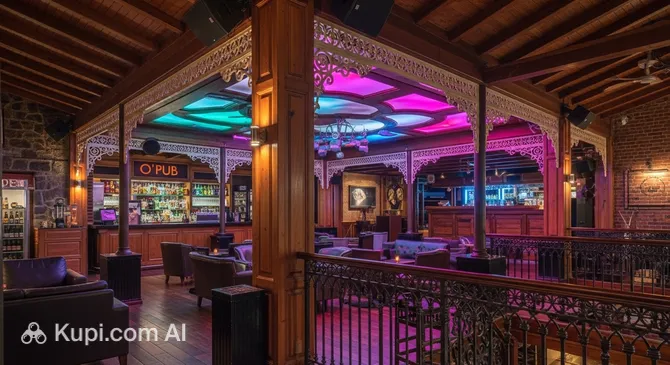
The nightlife is primarily concentrated in the city center and around the La Savane park area, where locals and tourists gather to unwind. For a vibrant atmosphere that captures the pulse of the city, O'PUB Fort-de-France is a popular destination. This venue is well-regarded for its energetic vibe, making it a perfect spot to enjoy music, a wide selection of beverages, and the opportunity to mingle with a diverse crowd.

O'PUB Fort-de-France. Source: Kupi.Binoculars

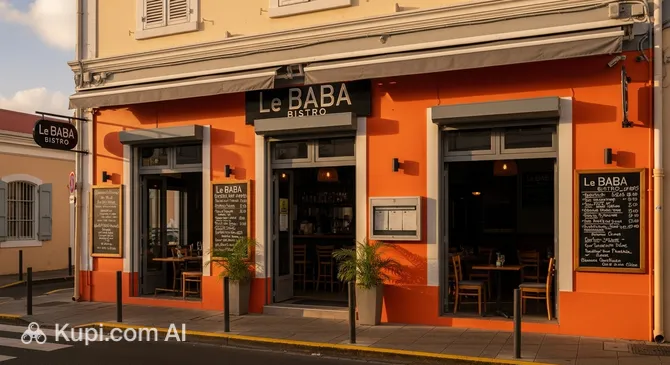
For those seeking a more relaxed setting, Le BABA Bistro offers a charming environment to spend the evening. It is an ideal place to sip on creative cocktails and enjoy conversation in a stylish bistro atmosphere. If you are looking for something with an artistic flair, the previously mentioned Garage Popular remains a favorite among residents for its eclectic decor and casual, friendly spirit.

Le BABA Bistro. Source: Kupi.Binoculars

When planning a night out, keep in mind that the dress code is typically "casual chic." Men often wear collared shirts and long trousers, while women opt for smart summer dresses; beachwear is not appropriate for evening venues. Most bars and lounges start to fill up around 9:00 PM or 10:00 PM. Prices are generally comparable to mainland France, with cocktails averaging between 8 and 12 euros.

Safety is an important consideration for nightlife in the capital. While the main areas near bars and restaurants are generally safe, it is advisable to avoid walking alone in poorly lit or deserted streets after dark. The best way to get around at night is by taxi. Since hailing a cab on the street can be difficult late at night, it is highly recommended to have your hotel or the restaurant call one for you.

Before the evening festivities begin, Fort-de-France offers plenty of daytime cultural entertainment. Visitors can explore the city's rich history at local museums or catch a performance at the renowned Aimé Césaire Theater, which sits in the old city hall. For a more casual experience, simply wandering through the lively streets and parks provides a colorful backdrop to the day.

Parks & Museums

Beyond its lively streets and markets, Fort-de-France offers a wealth of green spaces and cultural institutions that provide a deeper understanding of Martinique's heritage. The city serves as a gateway to both the island's lush natural beauty and its complex history, making it a fascinating destination for nature lovers and history buffs alike.

La Savane is the beating heart of the city's outdoor life. This sprawling 12-acre park, located just steps from the harbor, is a favorite gathering spot for locals and visitors. Dotted with royal palms and tamarind trees, it offers a shaded retreat from the tropical sun. It is an excellent place to observe daily life, grab a snack from a street vendor, or simply relax on a bench. Just adjacent to this green oasis is the Fort-de-France Waterfront Promenade, a scenic walkway that connects the park to the sea, offering stunning views of the bay and the imposing Fort Saint-Louis.

For a truly immersive nature experience, a short trip to the Jardin de Balata (Balata Gardens) is essential. Although located just outside the city center in the hills, it is inextricably linked to the capital's tourism. This botanical masterpiece features thousands of tropical plant species, including vibrant bromeliads, bamboo groves, and porcelain roses. A highlight for many is the treetop walkway, which provides a bird's-eye view of the lush canopy and the distant Caribbean Sea.

To delve into the island's past, the Departmental Museum of Archaeology and Prehistory is a key stop. Located overlooking La Savane, this museum houses an impressive collection of artifacts from the Arawak and Carib civilizations, the island's earliest inhabitants. The exhibits provide a fascinating insight into their daily lives, beliefs, and craftsmanship long before the arrival of Europeans.

Another cultural gem is the Regional Museum of History and Ethnography. Housed in a beautiful colonial villa, the museum explores the Creole culture and the colonial history of Martinique. Through furniture, clothing, and jewelry, it recreates the atmosphere of the 19th century, offering a glimpse into the domestic lives of the island's diverse population during that era.

Architecturally, the city is defined by its unique blend of styles. The Schoelcher Library remains one of the most photographed buildings, celebrated for its intricate colorful façade and Byzantine-Egyptian influences. Nearby, the St. Louis Cathedral stands as a testament to resilience and innovation, with its iron framework designed to withstand the tropics while providing a spiritual anchor for the community.

For a lesser-known cultural experience, look for the small art galleries tucked away in the side streets near the canal. These intimate spaces often showcase contemporary works by Martinican artists who blend traditional Caribbean themes with modern techniques, offering a fresh perspective on the island's vibrant artistic identity.

Getting Around

Navigating Fort-de-France is relatively straightforward, with a public transport system that has been significantly modernized in recent years. The city relies primarily on a comprehensive bus network and a highly efficient maritime ferry service. While there is no underground metro or rail system, the introduction of high-level service buses has greatly improved connectivity between the city center, the airport, and the surrounding suburbs.

The backbone of the modern transport network is the TCSP (Transport Collectif en Site Propre), a rapid transit bus system that functions similarly to a tram. These long, dedicated-lane buses run on two main lines (A and B) and connect the capital with the town of Le Lamentin and the airport area. They are fast, air-conditioned, and unaffected by the city's frequent traffic jams. For travel within the narrower streets and residential neighborhoods, the Mozaïk bus network operates numerous routes, providing extensive coverage throughout the municipal area.

For a more scenic and often faster alternative, especially if you are staying in the popular resort areas across the bay, the Vedettes Tropicales ferry service is an excellent choice. These maritime shuttles connect the Fort-de-France waterfront with destinations like Les Trois-Îlets, Pointe du Bout, and Anse Mitan. The ride takes about 15 to 20 minutes, offering beautiful views of the bay and avoiding the heavy road traffic entering the capital.

The payment system is integrated, but methods vary slightly depending on the mode of transport. For the TCSP rapid buses, you must purchase tickets before boarding at the automatic vending machines located at every station; these machines accept cash and credit cards. A single trip costs approximately 1.45 EUR. For the standard Mozaïk buses, tickets can sometimes be bought on board, but it is advisable to have exact change. There are also various travel passes available, such as weekly or monthly cards, which can be purchased at the central bus station at Pointe Simon.

Tourists should be aware of the operating hours, which can be quite different from major European or North American cities. Public transport generally starts early in the morning, around 5:00 AM, but services wind down relatively early in the evening, often stopping between 7:00 PM and 8:00 PM. On Sundays and public holidays, the frequency of buses is significantly reduced, so it is wise to check schedules in advance or plan alternative transport.

If you prefer more flexibility, taxis are available at designated stands, particularly near the cruise port, the airport, and the central park, La Savane. Taxis are not always metered, so it is standard practice to confirm the fare with the driver before starting your journey. While car rentals are very popular for exploring the island, driving within Fort-de-France itself can be challenging due to narrow one-way streets and heavy congestion during rush hours. For short distances within the downtown area, walking is often the most efficient and enjoyable way to get around.

Accommodation

Finding accommodation in Fort-de-France offers a different experience compared to the beach resort areas of Martinique. As the island's administrative and economic capital, the city primarily hosts business hotels and functional city lodgings rather than sprawling all-inclusive resorts. Travelers can expect a range of options including reputable mid-range hotels, smaller boutique establishments, and an increasing number of private apartment rentals that provide a more residential feel.

The most convenient area for tourists to stay is undoubtedly the city center (Centre-Ville), particularly near the La Savane park and the waterfront. Staying here places you within walking distance of major historical sites, markets, and the ferry terminal, making it easy to explore the capital on foot or take a boat across the bay to the beaches. For those seeking a quieter environment with panoramic views, there are accommodations located in the residential hills overlooking the city, though these typically require a rental car or taxi for easy access.

It is worth noting that many leisure travelers choose to stay in the resort towns across the bay, such as Les Trois-Îlets, and commute to Fort-de-France by ferry for day trips. However, choosing a hotel within the city itself offers a unique advantage: the opportunity to experience the authentic evening atmosphere of the capital, enjoy its dining scene without rushing for the last boat, and wake up to the vibrant rhythm of local life.

Booking Tips and Prices: Accommodation prices in Fort-de-France are generally moderate but can rise significantly during peak seasons, particularly around Carnival in February or March and the December holidays. It is highly recommended to book your stay several months in advance if you plan to visit during these festive periods. Most hotels and rentals can be easily booked through major online travel platforms. While budget hostels are less common, affordable guesthouses and apartment rentals offer cost-effective alternatives for budget-conscious travelers.

Nearby Cities

Fort-de-France serves as an excellent strategic base for exploring the diverse landscapes of Martinique. Its central location allows travelers to easily reach several fascinating communes that offer a contrast to the bustling city life, ranging from seaside resorts to lush inland retreats.

Just a short drive west of the capital lies Schoelcher, a vibrant university town named after the famous abolitionist Victor Schoelcher. It offers a more relaxed atmosphere with lovely coastal spots like Madiana Beach. Visitors often head here to enjoy the sunset or to experience a suburban vibe that seamlessly blends with the energy of the nearby capital.

Across the bay, easily accessible by the scenic ferry ride mentioned earlier, is the popular resort town of Les Trois-Îlets. This destination is a favorite for day-trippers seeking beautiful beaches such as Anse Mitan and cultural attractions like the Pottery Village. It is also historically significant as the birthplace of Empress Joséphine, with a museum dedicated to her memory located at the La Pagerie estate.

For those who prefer the tranquility of nature, a trip inland to Saint-Joseph provides a refreshing change of scenery. Nestled in the heart of the island's lush vegetation, this commune is known for its rivers and the Coeur Bouliki forest. It is a fantastic spot for hiking, picnicking by the water, and immersing oneself in the dense tropical rainforest, all within a reasonable driving distance from Fort-de-France.

Shopping & Souvenirs

Shopping in Fort-de-France offers a delightful mix of European elegance and Caribbean vibrancy. As the commercial hub of Martinique, the city is the best place on the island to find everything from the latest French fashion and luxury perfumes to authentic local crafts and spices. Whether you are looking for high-end boutiques or bustling traditional markets, the capital provides a diverse retail experience that reflects its dual heritage.

The heart of the shopping action is located in the Centre-Ville (City Center), where a grid of lively streets invites pedestrians to explore. Rue Victor Hugo is the most famous thoroughfare, lined with upscale shops selling designer clothing, jewelry, and cosmetics. Parallel to it, Rue de la République and Rue Antoine Siger offer a variety of shoe stores, bookstores, and souvenir shops. Wandering through these streets provides a true taste of the city's bustling atmosphere.

For those who prefer a modern indoor shopping experience, the Centre Commercial Perrinon is conveniently located in the downtown area. It features a selection of international brands, a supermarket, and air-conditioned comfort. Just a short drive from the city center, in the suburb of Le Lamentin, lies La Galleria, the largest shopping mall on the island. It hosts a vast array of major retailers, electronics stores, and a food court, making it a popular destination for serious shoppers.

No shopping trip to Fort-de-France is complete without visiting the Grand Marché (also known as the Covered Market or Spice Market) on Rue Isambert. This vibrant marketplace is a feast for the senses, filled with the aroma of cinnamon, nutmeg, and vanilla. Here, friendly vendors sell mounds of exotic fruits, homemade rum punches, and local handicrafts. It is the perfect spot to engage with locals and discover the island's culinary secrets.

When it comes to souvenirs, Rhum Agricole is the island's most famous export; you can find excellent varieties at supermarkets or specialty shops. Other popular items include Madras fabric, which is used in traditional Creole attire, and locally made gold jewelry, particularly the "grain d'or" (gold bead) designs. Packets of Colombo spice mix and jars of tropical fruit jams also make for delicious and easy-to-carry gifts.

Store opening hours in Fort-de-France typically run from 8:30 AM to 5:00 PM or 6:00 PM on weekdays. Many smaller shops close for a lunch break between 1:00 PM and 2:30 PM. On Saturdays, shops generally close earlier, around 1:00 PM, and most businesses are closed on Sundays. The official currency is the Euro (€). While credit cards are widely accepted in malls and boutiques, it is essential to carry cash for purchases at the markets and smaller stalls.

Regarding taxes, tourists should note that Martinique benefits from a lower VAT rate compared to mainland France. Additionally, visitors—especially those arriving by cruise ship—can take advantage of duty-free shopping outlets located near the cruise terminal and in designated stores in the city center. These shops often offer attractive prices on perfumes, cosmetics, and spirits, provided you can show a valid passport and travel ticket.

Reached the end of the page?

That means the route is fully explored