Support

Kingstown

About

Kingstown is the vibrant capital and chief port of Saint Vincent and the Grenadines. Known locally as the "City of Arches" due to its distinctive colonial architecture featuring magnificent stone arches, this bustling town serves as the commercial center for the islands. Visitors are often drawn to its energetic atmosphere, where the charm of the Caribbean meets a busy harbor life.

Located in the Saint George Parish on the southwestern coast of Saint Vincent, the city is home to approximately 25,000 residents. Its geography is defined by a dramatic backdrop of steep hills and ridges that slope down towards the sea, creating a scenic amphitheater effect around the bay. The warm, tropical climate makes it a pleasant destination year-round, although the lush green surroundings hint at the refreshing rainfall that keeps the island vibrant.
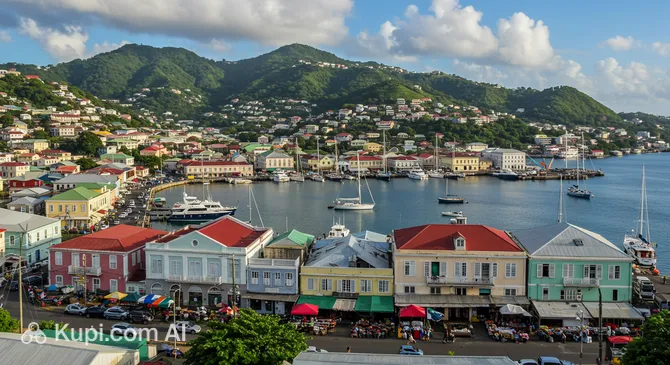
Kingstown. Source: Kupi.Binoculars

The history of Kingstown is deeply reflected in its streets and landmarks. Walking through the town, travelers can admire well-preserved 19th-century buildings and historic churches that tell the story of its colonial past. Among the most notable sites is St. George’s Cathedral, an architectural gem that stands as a testament to the city's heritage.

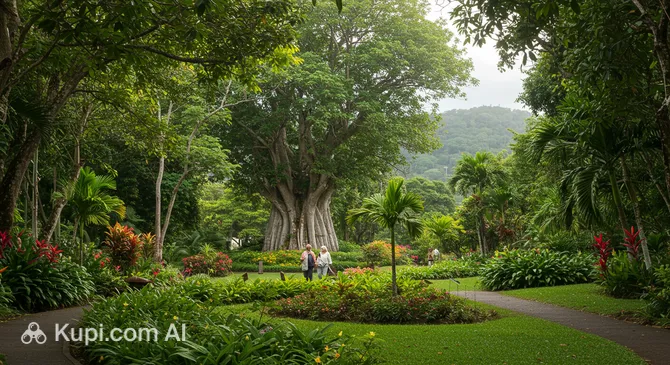
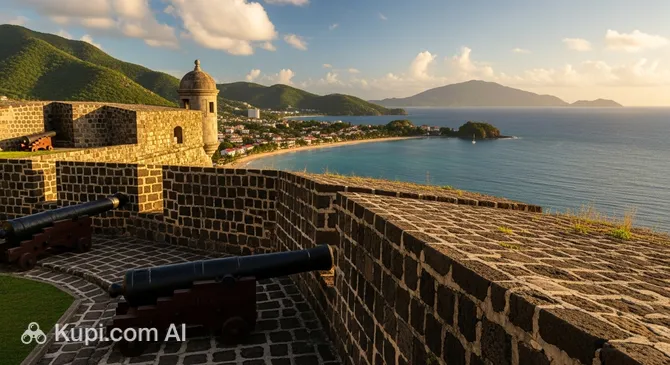
For those looking to explore local attractions, the St. Vincent Botanical Gardens are a must-visit. Established in 1765, they are believed to be the oldest of their kind in the Western Hemisphere and offer a peaceful retreat with exotic flora. Another significant landmark is Fort Charlotte, perched 600 feet above the bay, offering panoramic views of the Grenadines on a clear day.

Whether you are wandering through the colorful market stalls filled with fresh tropical fruits or watching the ferries depart for the smaller islands, Kingstown offers an authentic slice of island life. It is an excellent starting point for any adventure in this beautiful archipelago.
Weather Overview

Kingstown enjoys a consistent tropical climate, offering warm and pleasant conditions for visitors throughout the year. The temperatures remain remarkably stable, with the average hovering between a mild 25.1°C in February and reaching up to 27.3°C in September. This steady warmth makes the city an inviting destination regardless of the season, as extreme fluctuations are rare.

While the heat is constant, the rainfall patterns vary, creating distinct wetter and drier periods. The months from February through May are generally the driest, typically recording about 12 wet days per month. Conversely, the latter half of the year sees an increase in rain frequency; August is notably the wettest month, with precipitation occurring on up to 25 days. For a more comprehensive breakdown of the seasons, you can check the detailed weather in Kingstown to help plan your trip.

Interesting Facts

Beyond the busy harbor and colonial facades, Kingstown holds several historical curiosities that offer a deeper glimpse into its past. Here are a few intriguing details about this Caribbean capital that might surprise you.
Botanical Gardens of St. Vincent. Source: Kupi.Binoculars
  • The historic Fort Charlotte features a surprising strategic quirk in its design. While most coastal forts were built primarily to repel naval attacks, many of the cannons here are actually pointed inland. This orientation was intentional, designed by the British to defend against land-based uprisings from the local Black Carib population and other internal threats.

  • The Botanical Gardens of St. Vincent share a direct link to the famous Mutiny on the Bounty. The gardens house a breadfruit tree that is said to be a descendant of the original plant brought to the island by Captain William Bligh in 1793. He successfully transported the crop here on his second voyage to provide a sustainable food source for the colony.

  • Kingstown is home to St. Mary's Cathedral of the Assumption, a building renowned for its wonderfully eclectic architecture. The church displays a rare fusion of styles, combining Moorish arches and Romanesque courtyards with Gothic elements, creating a visually distinct landmark that stands out against the town's more traditional Georgian colonial buildings.

How to Get There

Reaching this vibrant Caribbean capital is a straightforward experience, with air travel being the most common method for international visitors. The island is well-connected to major hubs in the region, making the journey part of the adventure. For a comprehensive guide on all transport options and routes, you can read more about how to get to Kingstown.

The most direct way to arrive is via Argyle International Airport (IATA: SVD), which serves as the main gateway for Saint Vincent and the Grenadines. Located just 8.2 km from the heart of Kingstown, this modern international airport handles flights from North America, Europe, and neighboring Caribbean islands. A trip from the airport to the city center typically takes around 32 minutes by taxi or shuttle, offering scenic views of the coast along the way.

Travelers might also connect through nearby regional hubs on adjacent islands. Hewanorra Airport (IATA: UVF) in Castries, Saint Lucia, is a significant transit point located approximately 69.9 km away across the water. Similarly, Martinique Aimé Césaire International Airport (IATA: FDF) in Fort-de-France, about 160 km to the north, is another option for connecting flights. These airports often serve as stopovers for passengers before they take a short inter-island flight or ferry to reach Kingstown.

For clarity, here is a summary of the main airports:

Airport Name City Passenger Traffic Km from City
Martinique Aimé Césaire International Airport Fort-de-France Large 160.1
Hewanorra Airport Castries Medium 69.9
Argyle International Airport Kingstown Medium 8.2
George F. L. Charles Airport Castries Medium 98.4
Maurice Bishop International Airport St. George's Small 141.7

Main Attractions

Kingstown offers a compelling mix of historical sites and cultural experiences that reflect its rich Caribbean heritage. The city’s attractions range from colonial fortifications with sweeping views to lush green spaces that have thrived for centuries. Exploring these landmarks provides a deeper understanding of the island's past and its vibrant present.

One of the most significant landmarks is Fort Charlotte, a massive fortification perched on a ridge 600 feet above the bay. Completed in the early 19th century, it now serves as a fantastic vantage point for panoramic photos. From the old officers' quarters and ramparts, visitors can enjoy breathtaking views of the capital, the busy harbor, and the island chain of the Grenadines stretching out into the distance. The fort also houses a collection of paintings that depict the history of the Black Caribs, offering a cultural narrative alongside the scenery.

Fort Charlotte. Source: Kupi.Binoculars

For a peaceful escape from the bustling streets, the Botanical Gardens of St. Vincent is an essential stop. Founded in 1765, this 20-acre sanctuary is a haven for nature enthusiasts, featuring wide lawns and a stunning variety of tropical trees and flowers. A major highlight within the grounds is the Nicholas Wildlife Aviary, which is dedicated to the conservation of the majestic St. Vincent Parrot (Amazona guildingii), the country's national bird. The gardens offer a serene atmosphere perfect for a leisurely stroll among exotic palms and vibrant hibiscus.

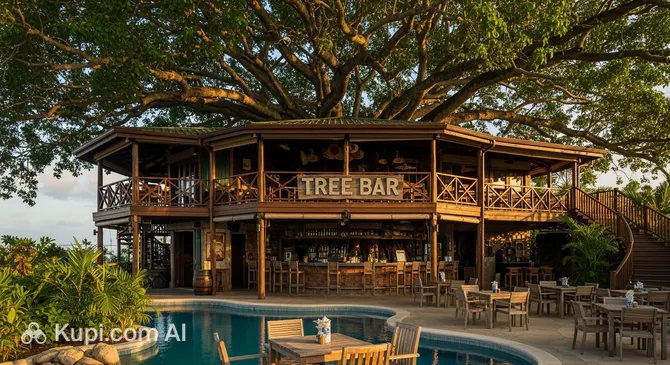
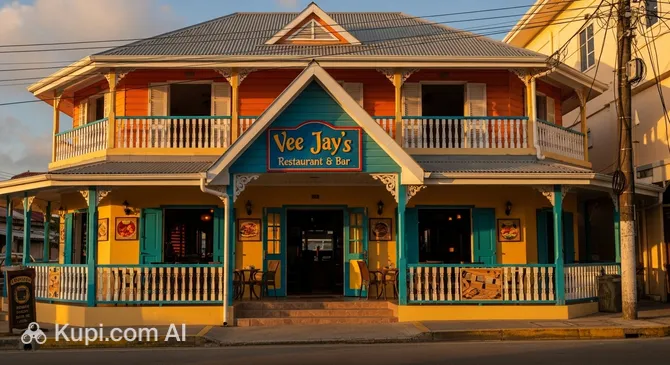
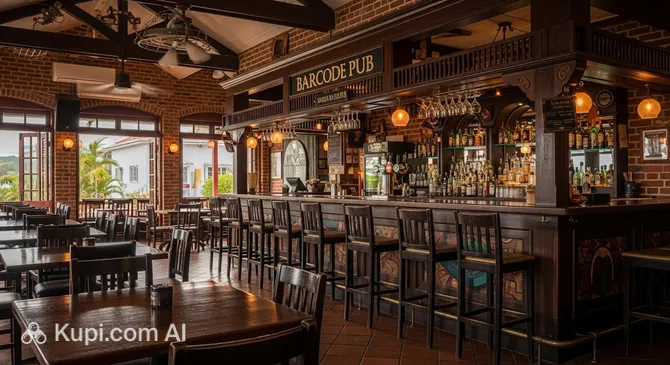
To experience the local flavor and hospitality, exploring the city's dining and social scene is highly recommended. Vee Jay's Restaurant & Bar is a favorite among locals for authentic Vincentian cuisine, serving traditional dishes like roti and callaloo soup in a friendly setting. For those looking to unwind with a drink, Tree Bar and Barcode Pub are excellent spots to enjoy the island's nightlife. These establishments provide a relaxed environment to mingle with residents and enjoy the cool Caribbean breeze after a day of sightseeing.

Tree Bar. Source: Kupi.Binoculars

Local Cuisine

The culinary landscape of Kingstown is a vibrant reflection of the island's fertile volcanic soil and the bounty of the surrounding Caribbean Sea. The food here is unpretentious, hearty, and deeply flavorful, relying on fresh spices and locally harvested ingredients. The undisputed star of the local cuisine is the national dish: Roasted Breadfruit and Fried Jackfish. You will find this staple everywhere, where the breadfruit is typically roasted over an open charcoal fire until the skin is charred, revealing a soft, savory interior that pairs perfectly with the crispy, seasoned fish.

Beyond the national dish, seafood lovers are in for a treat with an abundance of fresh catches like mahi-mahi, tuna, and lobster. A must-try specialty is Callaloo soup, a thick and nutritious dish made from dasheen leaves, okra, coconut milk, and often crab or salted meat for flavor. Visitors should also look for dishes featuring arrowroot, a tuber that Saint Vincent is famous for producing. Madongo dumplings, made from arrowroot flour, nutmeg, and cinnamon, offer a unique texture and taste that are distinct to the region.

Vee Jay's Restaurant & Bar. Source: Kupi.Binoculars

No culinary exploration of Kingstown is complete without sampling the local beverages. Hairoun is the island's own lager, a golden and refreshing beer that is a source of local pride. For those who prefer spirits, Sunset Very Strong Rum is legendary, though its high alcohol content means it should be sipped with caution or mixed into a cocktail. On the non-alcoholic side, Sea Moss is a popular, creamy drink made from dried seaweed and spices, often enjoyed for its supposed energy-boosting properties.

The dining scene in Kingstown revolves around casual eateries and the bustling energy of the streets. The Kingstown Market is a hub of activity where you can find fresh tropical fruits and quick bites. For a sit-down meal that captures the essence of Vincentian home cooking, Vee Jay's Restaurant & Bar is a favorite among locals and tourists alike, known for its delicious rotis and daily Creole specials. If you are in the mood for a quick and satisfying comfort meal, the Fried Chicken Restaurant offers the kind of crispy, seasoned poultry that is a beloved staple across the Caribbean.

Travel Tips

Kingstown is a bustling Caribbean capital with a unique rhythm, and a few practical insights will help you navigate its energetic streets with ease. From handling local currency to hopping on a colorful minivan, these tips ensure you make the most of your visit to this vibrant port city.

  1. Clothing and Gear: Given the tropical climate, lightweight and breathable fabrics like cotton or linen are essential. Pack a compact umbrella or rain jacket, as showers can be sudden. Comfortable walking shoes are a must for navigating the city's uneven sidewalks and hilly terrain. If you plan to visit religious sites like St. George’s Cathedral, remember to dress modestly, covering shoulders and knees. For electronics, bring a universal travel adapter; the standard voltage is 230V, and Type G plugs (British style) are most common.
  2. Transportation: The most authentic and affordable way to get around is by using the privately owned minivans, often distinguished by "H" on their license plates. They are colorful, play loud music, and can be flagged down anywhere along their route. Taxis are also available but are generally unmetered, so you must agree on the fare before starting your journey. If you choose to rent a car, remember that driving is on the left side of the road.
  3. Finances: The official currency is the Eastern Caribbean Dollar (XCD), though US dollars are widely accepted at a fixed rate. While major hotels and restaurants in Kingstown accept credit cards, cash is king at the local markets and smaller shops. ATMs are readily available in the city center. Tipping is appreciated; around 10-15% is standard in restaurants if a service charge hasn't already been added.
  4. Health and Safety: Kingstown is generally safe, but like any capital city, it is wise to stay vigilant. Avoid walking alone in poorly lit or deserted areas at night. Pharmacies are available in the town center for basic needs, and the Milton Cato Memorial Hospital is located in Kingstown for more serious medical assistance. Always keep an eye on your belongings in crowded areas like the market.
  5. Communication: English is the official language, making communication easy for most travelers. However, locals often speak with a distinct Vincentian Creole dialect that can be fast-paced. Don't hesitate to ask someone to repeat themselves politely. Wi-Fi is common in hotels and cafes, and you can easily purchase a local SIM card from providers like Flow or Digicel in town for data access.
  6. Local Etiquette: Vincentians are polite and friendly people. It is customary to greet others with a "Good morning," "Good afternoon," or "Good night" when entering a shop, boarding a bus, or starting a conversation. Skipping this greeting can be seen as rude. Life here moves at "island time," so patience and a relaxed attitude will go a long way in your interactions.
  7. What to Avoid: Do not wear camouflage clothing or carry items with camouflage patterns. It is strictly illegal for civilians to wear camouflage in Saint Vincent and the Grenadines, and the police enforce this rule. Also, avoid taking photos of locals without asking for their permission first.
  8. Market Day Tip: To see Kingstown at its most vibrant, visit the central market on a Friday or Saturday morning. This is when farmers from across the island bring their fresh produce, and the energy is infectious. It is the perfect place to buy fresh fruits or spices, but be prepared for a busy crowd and have small change ready.

With these tips in hand, you are ready to embrace the lively spirit of Kingstown without the stress of the unknown. Enjoy the warmth of the locals, the fresh flavors of the market, and the authentic island atmosphere that makes this city so special.

Entertainment & Nightlife

Entertainment in Kingstown is defined less by flashy nightclubs and velvet ropes, and more by the authentic Caribbean tradition of "liming"—the art of hanging out, sharing drinks, and enjoying good company in a relaxed atmosphere. While the capital is a hive of commercial activity during the day, the pace shifts in the evening. The nightlife scene here is unpretentious, driven by the rhythm of soca and reggae music, and centered around lively bars and rum shops where locals and visitors mingle freely.

The heart of the action often takes place in specific pubs rather than a designated nightlife district. For a spirited night out, Barcode Pub is a standout venue. Popular with a younger crowd and locals looking to unwind, this spot is known for its energetic vibe, DJ sets, and well-stocked bar. It is a great place to experience the local party culture firsthand, especially on weekends when the music pumps late into the night.

Barcode Pub. Source: Kupi.Binoculars

Another excellent option for evening entertainment is the Tree Bar. As the name suggests, it offers a laid-back, open-air setting that is perfect for enjoying the cooling trade winds. It is a favorite stop for "after-work" drinks that often turn into longer sessions. If you prefer to start your evening with a hearty meal before transitioning to drinks, Vee Jay's Restaurant & Bar provides a welcoming environment where you can enjoy local cuisine and cocktails in the heart of the city.

The atmosphere in Kingstown’s venues is generally casual. There is rarely a strict dress code; smart-casual attire is sufficient for almost any bar. Prices are very reasonable compared to more tourist-heavy destinations in the Caribbean, with local beers and rum mixes being the most affordable choices. The crowd is typically friendly and welcoming, but it is helpful to be open to the loud, upbeat music that is a staple of Vincentian social life.

While the nightlife is fun, safety should be a priority. Kingstown can be very quiet and dark in certain areas after the shops close. It is advisable not to walk alone at night, particularly away from the main lighted streets. The best way to get around after dark is by taxi. Unlike the daytime minivans, night transport is less frequent, so having the number of a reliable taxi service or arranging a ride beforehand is highly recommended.

During the daylight hours, entertainment in Kingstown takes on a different character. Cultural enthusiasts can explore the small but fascinating museums or take a historical walk up to the forts. For a more bustling experience, simply navigating the vibrant market streets offers a sensory overload of sights and sounds that serves as its own form of daily theater.

Parks & Museums

Kingstown may be a bustling commercial hub, but it also serves as a gateway to some of the island's most serene green spaces and significant cultural repositories. The city's layout allows travelers to easily transition from the energetic harbor streets to quiet gardens and historical halls that preserve the rich heritage of Saint Vincent and the Grenadines.

For nature lovers, the crown jewel of the city is undoubtedly the Botanical Gardens of St. Vincent. Located just on the outskirts of the city center, this sprawling 20-acre site is the oldest of its kind in the Western Hemisphere and offers a lush, tranquil escape from the urban noise. Visitors can wander through well-maintained pathways lined with towering palms, vibrant hibiscus, and rare spices. A major highlight here is the Nicholas Wildlife Aviary, where you can observe the magnificent Saint Vincent Parrot (Amazona guildingii) in a protected environment, adding a splash of vibrant color to the sea of green.

Another essential outdoor stop is Fort Charlotte. While primarily a historical fortification, its location on a ridge 600 feet above the sea makes it one of the most scenic lookout points in the area. The grounds around the fort serve as an open-air park where visitors can enjoy cooling trade winds and unmatched panoramic views of Kingstown, the harbor, and the distant Grenadines. It is an ideal spot for a scenic walk, combining physical activity with breathtaking natural beauty.

When it comes to museums, the National Museum of St. Vincent and the Grenadines is a key cultural institution. Often housed within the historic Old Public Library or Carnegie Building, this museum provides a fascinating look into the island's past. The collections typically include pre-Columbian artifacts, such as stone tools and pottery from the indigenous Arawak and Carib peoples, as well as exhibits detailing the colonial era and the island's journey to independence. It is a small but meaningful venue for understanding the deep roots of Vincentian society.

Art and history converge uniquely inside the officers' quarters at Fort Charlotte, which hosts a permanent display of paintings by Lindsay Prescott. These murals vividly depict the history of the Black Caribs (Garifuna) and their struggle against European colonization. Unlike a traditional gallery, this site-specific exhibition offers a poignant narrative context, allowing visitors to learn about the island's resistance heroes while standing on the very grounds they once defended.

Kingstown is also known for its remarkable religious architecture, which stands as a testament to its colonial history. St. George’s Cathedral, an Anglican church built in the early 19th century, is renowned for its Georgian architecture and beautiful stained-glass windows, including a famous red-robed angel commissioned by Queen Victoria. Nearby, St. Mary’s Cathedral of the Assumption offers a striking contrast with its eclectic blend of Romanesque, Gothic, and Moorish styles, featuring dark volcanic stone and airy courtyards that feel like a step back in time.

For a truly authentic cultural experience, seek out the Rastafarian Cultural Centre or local craft markets in the city. These spaces often function as living galleries where you can see local artisans at work and learn about the spiritual and artistic traditions that shape modern Vincentian identity. A visit here offers a more personal connection to the local community than a standard museum tour.

Getting Around

Public transport in Kingstown is a lively, informal, and efficient experience that revolves almost entirely around privately owned minivans. Unlike major metropolitan areas with complex metro or tram networks, Kingstown relies on a road-based system that is both a practical necessity and a cultural hallmark. For visitors, navigating this system is the most authentic way to explore the city and its surroundings alongside the locals.

The primary mode of transport is the ubiquitous minivan, often referred to simply as a "bus." These vans are easily recognizable by their colorful custom paint jobs, distinctive names plastered across the windshields, and license plates beginning with the letter "H". They operate on fixed routes but without fixed schedules, leaving as soon as they are full. The central hubs for these buses are distinct landmarks in themselves: the Leeward Bus Terminal serves routes heading along the western coast, while the bustling "Little Tokyo" terminal near the fish market serves the Windward (eastern) side and interior routes.

The payment system is strictly cash-based; there are no travel cards, apps, or electronic passes. Fares are government-regulated and very affordable, typically costing just a few Eastern Caribbean Dollars (XCD) for trips within the city and immediate suburbs. You pay the conductor—or the driver if there is no conductor—usually upon exiting the vehicle. It is highly recommended to carry small bills and coins, as breaking large denominations can be difficult for the operators.

For tourists wishing to use these buses, the process is straightforward but requires a bit of confidence. To catch a bus away from the terminals, simply stand by the roadside and wave your hand; they will stop almost anywhere if there is space. When you want to disembark, you can press a button if available, but the local custom is often to knock firmly on the side of the van or the window, or simply call out "Stop!" to the driver. Be prepared for a sensory experience: these buses are famous for playing loud Soca or Reggae music and driving at a brisk pace.

Transport operating hours are an important consideration. Buses run frequently from early morning until sunset, roughly around 6:00 PM to 7:00 PM. After dark, the frequency drops significantly, and finding a bus can become a challenge. On Sundays and public holidays, service is very limited, so it is wise to make alternative travel arrangements if you plan to move around on these days.

Taxis offer a more private alternative and are readily available throughout Kingstown, particularly near the port and the airport. They are not metered, so it is essential to negotiate and agree on the fare before entering the vehicle. Taxis also carry "H" license plates but are standard sedans or larger vans without the flashy artwork of the buses. For those looking to explore the nearby Grenadine islands, the ferry terminal at the Grenadines Wharf is the hub for regular ferry services, acting as a "water bus" system connecting the capital to Bequia and beyond.

Car rentals are available for those who prefer self-driving, though the narrow, winding roads and steep hills can be challenging for those unaccustomed to island driving. To rent a car, you will need to obtain a temporary local driving license, which is usually facilitated by the rental agency. However, given Kingstown's compact size, walking is often the best option for exploring the downtown area, while the minivans provide a cheap and adventurous way to reach the outskirts.

Accommodation

Accommodation in Kingstown reflects the city's character as a bustling commercial and transit hub rather than a typical beach resort destination. Instead of sprawling all-inclusive complexes, travelers will find a selection of functional business hotels, charming historic guesthouses, and intimate boutique properties. These options are designed primarily for those who value convenience and authenticity, making the city an excellent base for business travelers, island hoppers catching ferries to the Grenadines, and visitors eager to explore the island's rich heritage.

Staying in the city center places you in the heart of the action, with easy access to key transport links and cultural sites. Many hotels are situated just a short walk or taxi ride from the ferry terminal, which is ideal for travelers with early morning boat departures to Bequia or Mustique. Locations near the waterfront often provide lively views of the harbor, allowing guests to watch the arrival of cruise ships and local fishing boats while enjoying the cooling sea breeze.

For those seeking a touch of history, there are accommodations housed in restored colonial-era buildings that offer a distinct sense of place. These properties often feature traditional West Indian architecture, with wooden verandas and high ceilings, providing a cozy and atmospheric alternative to modern structures. While they may not have the extensive facilities of large resorts, they typically offer essential amenities such as air conditioning, Wi-Fi, and personalized service that reflects the warm hospitality of Saint Vincent and the Grenadines.

Travelers looking for a quieter environment might consider properties located on the hillsides surrounding the town. These spots often command spectacular panoramic views over the rooftops towards Fort Charlotte and the bay, offering a peaceful retreat from the energetic streets below. Additionally, just a short drive from the city center lies the Villa and Indian Bay area, where visitors can find more resort-style accommodations with direct beach access while still being close enough to Kingstown for daily exploration.

It is advisable to book your accommodation well in advance if you plan to visit during major cultural events, particularly the annual Vincy Mas carnival in June and July. During this festive season, the city fills up with returning diaspora and international visitors, and finding a room in Kingstown can be challenging. Regardless of when you visit, staying in the capital offers a unique opportunity to immerse yourself in the authentic daily life of the island, with the vibrant market, the Botanical Gardens of St. Vincent, and local dining spots right on your doorstep.

Nearby Cities

For those looking to explore the surroundings, Kingstown serves as an excellent base for day trips to several interesting nearby locations:

Just a few kilometers southeast of the capital lies Calliaqua, a historic town that offers a glimpse into the island's past as a former main port. It is a convenient stop for those heading to the popular Villa and Indian Bay beaches. For a true maritime adventure, a short ferry ride will take you to Bequia, the largest of the Grenadine islands. Known for its rich boat-building tradition and relaxed atmosphere, it is an idyllic spot to spend a day wandering along the Belmont Walkway or swimming in the crystal-clear waters of Princess Margaret Beach.

City Population Distance (km)
Calliaqua 24205 4
Bequia 5300 16
Clifton 3000 66
Canouan 2000 49
Mustique 500 31

These nearby destinations offer a glimpse into the diverse culture and landscapes of the region.

Shopping & Souvenirs

Shopping in Kingstown is a vibrant and sensory experience that offers a genuine slice of Caribbean life. As the commercial heart of Saint Vincent and the Grenadines, the city is not defined by sprawling modern malls, but rather by bustling markets, historic street-side vendors, and small boutiques tucked beneath the city's famous stone arches. Exploring the local shops is an excellent way to interact with residents and discover unique island products.

The epicenter of local commerce is the Kingstown Market. Located near the waterfront, this lively multi-story complex and its surrounding streets come alive with color and activity, especially on Fridays and Saturdays. Here, farmers from the countryside display mounds of fresh tropical fruits, vegetables, and provisions. It is the best place to purchase aromatic spices such as nutmeg, cinnamon, and cloves, which are staples of the island's agriculture.

For those seeking authentic souvenirs, the city offers a variety of locally made handicrafts. Street vendors and small craft shops often sell intricate straw work, including hats, baskets, and mats, as well as handmade jewelry created from coconut shells and sea glass. A particularly unique item to look for is arrowroot flour. Saint Vincent is one of the world's few commercial producers of this fine starch, making it a distinctive culinary gift to take home.

Visitors arriving by cruise ship will find a selection of duty-free shops conveniently located near the cruise terminal. These outlets offer standard tax-free goods such as jewelry, watches, perfumes, and spirits. However, wandering further into the town center reveals general stores and fabric shops where you can find colorful Caribbean textiles and local music. When shopping in the markets or smaller establishments, it is advisable to carry the local Eastern Caribbean Dollar (XCD) in cash, as credit cards may not be accepted by smaller vendors.

Reached the end of the page?

That means the route is fully explored