Support

Scarborough

About

As the administrative capital and cultural heartbeat of Tobago, Scarborough offers travelers a lively mix of local commerce, colonial heritage, and scenic beauty. Serving as the main port of entry for cruise ships and ferries, this vibrant town is the perfect starting point for exploring the twin-island republic of Trinidad and Tobago. Visitors here are greeted by a bustling atmosphere that perfectly balances the laid-back Caribbean rhythm with the energy of a working town.

Scarborough. Source: Kupi.Binoculars

Geographically, Scarborough is situated on the southwestern coast of the island, overlooking a deep-water harbor known as Rockly Bay. With a population of approximately 17,500 residents, it is home to nearly one-third of Tobago's people, making it the most significant urban center on the island. The climate is typically tropical, ensuring warm and sunny weather that complements the town's colorful architecture and lush surroundings.

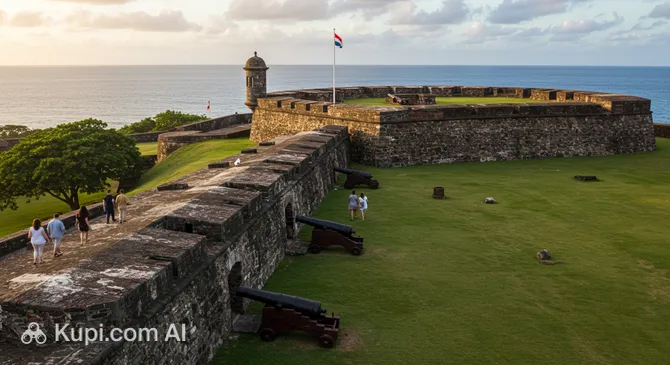
The town is steeped in the past, and exploring the history of Scarborough is essential for any visitor. Dominating the skyline is the majestic Fort King George, an 18th-century fortification that offers panoramic views of the town and the ocean beyond. Within the fort's walls, you can visit the Tobago Museum to view Amerindian artifacts and military relics that tell the story of the island's colonial struggles.

Beyond its historical sites, Scarborough is known for its green spaces and local flavor. The Scarborough Botanical Gardens provide a peaceful retreat with diverse tropical flora, while the bustling public market is the best place to experience local life, buy fresh exotic fruits, and taste traditional street food. Whether you are interested in heritage tourism or simply want to soak up the authentic island vibe, Scarborough welcomes you with open arms.

Weather Overview

Scarborough enjoys a tropical climate characterized by consistent warmth and varying rainfall patterns throughout the year. Temperatures remain pleasant and stable, with average daily values hovering between 25°C and 27°C. September tends to be the warmest month with an average temperature of 27.5°C, while February is slightly cooler at 25.5°C, making the town a comfortable destination regardless of the season.

Rainfall plays a significant role in the local environment, dividing the year into distinct phases. The weather in Scarborough generally sees a drier period from February to April, where the number of wet days drops to around 12 or 13 per month. In contrast, the season from June through November is noticeably wetter, with July often experiencing up to 27 wet days, though showers are typically followed by sunshine.

Expect consistent tropical warmth year-round with a distinct increase in rainfall and humidity from June to December, while the early months of the year offer drier conditions.

Interesting Facts

Beyond the bustling streets and scenic harbor, Scarborough holds several historical nuances and fascinating details that often escape the casual observer. These insights offer a deeper glimpse into the town's evolution from a colonial outpost to a vibrant capital.

Fort King George. Source: Kupi.Binoculars
  • Although it is the administrative center today, Scarborough was not the original capital of Tobago; it only took over that title from Georgetown in 1769 due to its more favorable geographic position for trade and defense.

  • The historic Fort King George features several restored buildings, including the former Barrack Guard House which now hosts the Tobago Museum and its collection of Amerindian artifacts, distinct from the nearby Military Hospital which houses the Fine Arts Centre.

  • The lush Scarborough Botanical Garden sits on land that was formerly a sugar estate, transforming an industrial agricultural site into a sanctuary of biodiversity established in the late 19th century.

  • The city's deep-water harbor, which welcomes massive cruise liners today, is a relatively modern engineering feat constructed in the 1990s that dramatically reshaped the waterfront and the local economy.

How to Get There

Reaching this Caribbean gem is relatively straightforward, whether you are arriving from international destinations or the neighboring island of Trinidad. For a comprehensive guide on travel options, you can read more about how to get to Scarborough to help plan your journey.

The most convenient entry point is A.N.R. Robinson International Airport (TAB), which is situated directly on the island of Tobago. It is located approximately 12 km from the heart of Scarborough. This airport handles both direct international flights and the frequent "airbridge" service from Trinidad. Once you land, the journey to the town center is quick and scenic, taking roughly 40 minutes by taxi or shuttle bus depending on traffic.

Another major hub for travelers is Piarco International Airport (POS) in Port of Spain. Although it is about 93 km away from Scarborough, it is located on the sister island of Trinidad. Consequently, you cannot drive directly from this airport to Scarborough; travelers typically take a short connecting flight or transfer to the ferry terminal in Port of Spain for a scenic boat ride to Tobago. Piarco is a large hub with significant annual passenger traffic, offering a wide range of global connections.

For clarity, here is a summary of the main airports in the region:

Airport Name City Passenger Traffic Km from City
Piarco International Airport Port of Spain High 93.2
Grantley Adams International Airport Bridgetown High 248.5
A.N.R. Robinson International Airport Scarborough Medium 11.9
Argyle International Airport Kingstown Medium 222.8
Maurice Bishop International Airport St. George's Small 146.4

Scarborough does not have a railway station, as there is no passenger train service on the island of Tobago. Transportation within the town and across the island is primarily conducted by road. Visitors typically rely on rental cars, taxis, or the local bus service to get around. Additionally, the inter-island ferry docks directly at the port in Scarborough, making it a central hub for those arriving by sea from Trinidad.

Main Attractions

Scarborough offers a delightful mix of historical landmarks and scenic spots that reflect the island's rich heritage and vibrant culture. Whether you are a history buff, a nature lover, or simply looking for the perfect photo opportunity, the town's top attractions provide a memorable glimpse into life on Tobago.

Standing guard over the town is the historic Fort King George, the most significant fortification on the island. Built in the 1770s, this well-preserved site allows visitors to step back in time while enjoying commanding views of the coastline. The grounds are home to the Tobago Museum, which houses a fascinating collection of Amerindian artifacts and military memorabilia, making it a must-visit for anyone interested in the colonial history of the Caribbean.

For a peaceful escape from the bustling streets, the Scarborough Botanical Garden offers a lush sanctuary right in the city. Established in the late 19th century, this verdant park features a wide variety of tropical plants, towering trees, and colorful blooms. It is an ideal spot for a leisurely stroll or a quiet picnic, allowing tourists to appreciate the island's biodiversity in a calm and shaded setting.

Scarborough Botanical Garden. Source: Kupi.Binoculars

A more modern addition to the waterfront is the iconic I Love Tobago Sign. Located strategically near the port area, this vibrant landmark has quickly become a favorite stop for visitors arriving by cruise ship or ferry. With the ocean as a backdrop, it provides the perfect setting for a souvenir photo to commemorate your trip to this beautiful island capital.

I Love Tobago Sign. Source: Kupi.Binoculars

Local Cuisine

The culinary landscape of Scarborough is a vibrant reflection of Tobago’s rich cultural heritage, blending African, Indian, and Creole influences into every bite. The undisputed star of the local dining scene is the iconic Curry Crab and Dumplings. This signature dish features crab simmered in a rich, spicy coconut curry sauce, served alongside dense flour dumplings. It is a messy, hands-on gastronomic experience that is considered a rite of passage for any visitor to the island.

Beyond the famous crab, the town offers a variety of hearty meals that are perfect for fueling your exploration. Roti, a soft flatbread wrapped around curried meat or vegetables, is a lunchtime staple, while Pelau—a savory one-pot dish of caramelized chicken, rice, pigeon peas, and coconut milk—offers a comforting taste of home-style cooking. Being a port town, Scarborough also excels in fresh seafood, with grilled mahi-mahi and kingfish frequently appearing on menus.

To wash down the spicy flavors, locals turn to refreshing beverages that beat the tropical heat. Rum punch is the quintessential island cocktail, often made with strong local rum, fruit juices, and a dash of nutmeg. For non-alcoholic options, fresh coconut water is widely available from street vendors, as is Mauby, a unique fermented drink made from tree bark that has a distinctive bitter-sweet flavor profile.

The food culture in Scarborough is casual and community-oriented, ranging from bustling street food stalls near the market to lively sit-down establishments. For a popular mix of good food and a vibrant social atmosphere, many visitors head to Barcode. This well-known spot is a favorite for both locals and tourists looking to enjoy hearty servings and cold drinks in a lively setting.

Barcode. Source: Kupi.Binoculars

Travel Tips

To ensure your visit to Scarborough is as smooth and enjoyable as possible, a little preparation goes a long way. These practical tips are designed to help you navigate the local customs, logistics, and environment, allowing you to focus on soaking up the relaxed Caribbean atmosphere of Tobago's capital.

  1. Clothing and Gear: Pack lightweight, breathable fabrics like cotton and linen to stay comfortable in the tropical heat. Since Scarborough is hilly—especially if you plan to walk up to Fort King George—sturdy, comfortable walking shoes are essential. Don't forget a hat, sunglasses, and high-SPF sunscreen. If you are visiting during the wet season (June to December), a compact umbrella or a light rain poncho is a must. For electrical devices, bring a Type A or B adapter (the flat-pin style used in the US), as this is the standard on the island.

  2. Transportation: The most convenient way to explore Scarborough and the rest of Tobago is by renting a car, which gives you the freedom to travel at your own pace. Taxis are also widely available; look for cars with "H" on their license plates. For a budget-friendly local experience, you can use "maxi-taxis" (shared minibuses) or route taxis, but be aware they operate on set routes rather than door-to-door. Ride-hailing apps are not standard here, so keep cash handy for fares.

  3. Finances: The official currency is the Trinidad and Tobago Dollar (TTD). While US dollars are often accepted by taxi drivers and tour operators, you will likely receive change in local currency. Major credit cards are accepted at hotels, supermarkets, and larger restaurants, but cash is king at the Scarborough Market and smaller street stalls. ATMs are readily available in the town center, particularly near the port and main banks.

  4. Health and Safety: Scarborough is generally safe, but standard travel precautions apply. Avoid walking in unlit or isolated areas at night and keep valuables secure. Pharmacies are available in the town center for basic needs, but they may close by early evening and on Sundays. For emergencies, the Scarborough General Hospital is located nearby at Signal Hill. Mosquito repellent is highly recommended to protect against insect bites, especially around dusk.

  5. Communication: English is the official language, so you will have no trouble communicating. However, locals often speak with a distinct Tobagonian Creole accent and use colloquialisms; if you don't understand, simply ask politely for clarification. Wi-Fi is common in hotels and cafes. If you need constant connectivity, you can purchase a prepaid SIM card from local providers like bmobile or Digicel in town—just bring your passport for registration.

  6. Local Etiquette: Tobagonians are warm and polite people, and greetings are taken seriously. Always say a proper "Good morning," "Good afternoon," or "Good evening" when entering a shop, boarding a taxi, or starting a conversation with a stranger. Skipping this step can be seen as rude. Also, adopt a relaxed mindset; service is often conducted on "island time," so patience is appreciated.

  7. What to Avoid: Never wear camouflage clothing. It is strictly illegal for civilians to wear camouflage patterns in Trinidad and Tobago, and this law is enforced; you may be asked to change or have the items confiscated. Additionally, avoid taking photos of locals without asking for their permission first, as a sign of respect.

  8. Market Day Tip: If your schedule permits, try to visit the Scarborough Market on a Friday or Saturday morning. This is when the market is at its liveliest, with vendors selling the freshest produce, spices, and homemade treats. It’s a fantastic opportunity to mingle with residents and experience the true pulse of the town.

By keeping these tips in mind, you will be well-equipped to navigate Scarborough with confidence and ease. Embracing the local rhythm and respecting the island's customs will not only make your trip smoother but also open doors to genuine interactions and unforgettable memories in this charming port town.

Entertainment & Nightlife

Entertainment in Scarborough reflects the town's character: it is authentic, community-driven, and deeply rooted in local culture. Unlike the high-energy party strips found in other parts of the Caribbean, the evening scene here is more relaxed, favoring lively conversation and social gatherings over all-night clubbing. Visitors will find that a night out in the capital offers a genuine connection with the island's residents and their way of life.

For a taste of the local social scene, Barcode is a standout destination. While it is well-regarded for its dining, in the evenings it transforms into a vibrant hangout spot where locals and tourists alike come to unwind. The atmosphere is casual yet energetic, often featuring music and televised sports, making it the perfect place to enjoy a cold drink and immerse yourself in the friendly island vibe.

The arts play a significant role in the town's entertainment landscape, with the Shaw Park Cultural Complex serving as the premier venue for major events. This modern facility hosts a variety of performances, from theatrical productions and concerts to cultural showcases. It is the cultural heartbeat of the area, providing a contemporary space where visitors can appreciate the rich artistic talent of Tobago.

The town truly comes alive during the annual Tobago Heritage Festival, typically held in July and August. Scarborough often serves as a central stage for this island-wide celebration, featuring colorful street parades, traditional folk dancing, and dramatic reenactments. It is a spectacular time to visit, offering a front-row seat to the rhythms, costumes, and storytelling that define the island's history.

Parks & Museums

Scarborough seamlessly intertwines its colonial past with the island's natural beauty, offering visitors a curated selection of green spaces and cultural institutions. From well-preserved fortifications to tranquil gardens, the city provides ample opportunities to explore the heritage and biodiversity of Tobago without venturing far from the town center.

For nature enthusiasts, the Scarborough Botanical Garden is a primary destination. Situated on a hillside just outside the main commercial area, this verdant retreat was established in 1899 and covers roughly 17 acres of rolling terrain. It is home to an impressive collection of indigenous and exotic plants, including vibrant orchids and towering palms. The garden offers a quiet respite from the bustling streets, with shaded pathways that are perfect for a relaxing afternoon walk amidst the sounds of local birdlife.

Another significant outdoor space is the Scarborough Esplanade. Located along the waterfront, this paved promenade is a favorite among locals for evening strolls and social gatherings. It features beautifully landscaped areas, gazebos, and commanding views of the harbor, making it an excellent spot to watch the ferries dock or simply enjoy the cooling sea breeze. The area often hosts cultural events and markets, serving as a lively communal hub by the sea.

The city's cultural landscape is anchored by the Tobago Museum, housed within the Barrack Guard House at Fort King George. This museum is a treasure trove of the island's history, displaying a fascinating array of Amerindian artifacts, colonial military relics, and antique maps. The collection provides deep insight into the various European powers that fought for control of Tobago, as well as the indigenous cultures that inhabited the island long before their arrival.

Fort King George itself acts as an open-air museum and architectural landmark. Built by the British in the 1770s, it remains the best-preserved colonial fortification on the island. Beyond the museum, the grounds feature original cannons, the officers' mess, and a lighthouse. Visitors are drawn here not only for the history but for the spectacular panoramic views over the town and Rockly Bay, which are particularly striking at sunset.

For a unique insider experience, look for the small art galleries and craft shops often tucked away near the port and the uptown area. These smaller venues frequently showcase the work of local painters and sculptors who capture the vibrant spirit of Caribbean life. Visiting these spots offers a more intimate glimpse into the contemporary artistic community of Scarborough, distinct from the historical focus of the main museums.

Getting Around

Public transportation in Scarborough is entirely road-based, as the city does not have a metro, tram, or railway system. The network is informal yet efficient, relying primarily on government-operated buses, privately owned minibuses known as "Maxi Taxis," and shared route taxis. For visitors, this system offers an authentic and inexpensive way to navigate the city and connect to nearby beaches or villages.

The most formal option is the bus service provided by the Public Transport Service Corporation (PTSC). These large, blue and white buses are air-conditioned and operate on fixed schedules starting from the main terminal near Sangster’s Hill. While they are the most affordable mode of travel, their frequency can be lower than private options. For a faster and more flexible alternative, tourists often use Maxi Taxis—minibuses that ply specific routes and stop on demand to pick up or drop off passengers.

A unique and popular feature of local transport is the "Route Taxi." These are standard sedans that function like shared buses, picking up multiple passengers along a set route until the vehicle is full. You can identify legitimate taxis, both shared and private, by their license plates, which start with the letter "H" (for Hire). They are widely available in the town center and are a convenient way to make short trips around the hilly terrain of the capital.

Regarding payment, cash is the primary medium of exchange. For Maxi Taxis and route taxis, you pay the driver directly upon entering or exiting; it is essential to carry small bills and coins, as drivers may not have change for large denominations. PTSC buses, however, typically require a pre-purchased ticket. These tickets can be bought at the main bus terminal or designated vendors in town. Fares are exceptionally low, often costing just a few dollars for a one-way trip.

For those preferring more independence, car rentals are a widely recommended alternative. Several agencies operate within Scarborough and near the port, allowing visitors to explore at their own pace. Private taxis (charters) are also available for door-to-door service, but unlike route taxis, these are not shared, and the fare should be negotiated or agreed upon before starting the journey. Ride-sharing apps are not a standard part of the local transport landscape, so relying on official "H" plated vehicles or rental cars is the best practice.

Travelers should note that while transport is plentiful during the day, services taper off significantly after sunset. If you plan to be out late, it is advisable to arrange a private taxi pick-up in advance. Additionally, bus schedules can sometimes be subject to "island time," so patience is key. Flagging down a route taxi or Maxi is done simply by extending your hand as the vehicle approaches; if they have space, they will stop for you.

Accommodation

Accommodation in Scarborough caters largely to a mix of business travelers, ferry passengers, and tourists seeking a more authentic, local experience away from the typical beach resorts. Unlike the tourist-heavy southwestern tip of the island, the capital does not feature sprawling all-inclusive complexes. Instead, the city and its immediate surroundings offer a selection of charming guesthouses, intimate bed and breakfasts, and mid-range hotels that provide a comfortable base for exploration.

For travelers prioritizing convenience, staying near the port area is a practical choice, especially if you are arriving late by ferry from Trinidad or planning an early morning departure. This central location places you within walking distance of the market, the ferry terminal, and the main transport hubs. However, for a more scenic and relaxed stay, the nearby suburb of Bacolet is highly recommended. Located just a short drive or walk from the town center, Bacolet is known for its boutique hotels, colonial-style villas, and peaceful bays, offering a touch of old-world charm and ocean views while remaining close to the capital's amenities.

Price points in Scarborough are generally more affordable compared to the popular resort strip in Crown Point. Visitors can typically find excellent value for money, with options ranging from budget-friendly rooms to mid-range suites. While many of the larger properties are listed on major online booking platforms, some smaller, family-run establishments may offer better rates through direct booking or their own websites.

Booking Tip: Although Scarborough is less crowded than the main beach districts, it is the administrative center of the island. Accommodation can fill up quickly during business conferences, the Tobago Heritage Festival, or when the ferry schedule brings an influx of visitors. It is advisable to book your room in advance, particularly if you are traveling during the peak winter season or around major local holidays.

Nearby Cities

For those looking to explore the surroundings, Scarborough serves as an excellent base for day trips to several interesting nearby locations. Since Scarborough is located on the island of Tobago, visiting these neighboring cities typically involves a scenic ferry ride or a short flight to the sister island of Trinidad, offering a perfect opportunity to experience the diverse character of the twin-island republic.

Port of Spain is the bustling capital of the nation and a cultural powerhouse. A day trip here allows visitors to explore the famous Queen's Park Savannah, admire the colonial-era "Magnificent Seven" mansions, and wander through the Royal Botanic Gardens. It offers a vibrant urban contrast to the relaxed atmosphere of Scarborough.

Chaguanas, located in central Trinidad, is a lively commercial hub known for its rich East Indian heritage. It is an excellent destination for shopping and tasting authentic street food. Key attractions include the Lion House, immortalized by Nobel laureate V.S. Naipaul, and the bustling local markets that are full of color and activity.

Arima holds a special place in the country's history as the home of the Santa Rosa First Peoples Community. As one of the oldest settlements, it offers a unique glimpse into the indigenous heritage of the islands. It also serves as a gateway for nature lovers heading to the Northern Range.

City Population Distance (km)
Chaguanas 101297 105
Port of Spain 81142 103
Arima 65623 86
Couva 48858 114
Princes Town 28335 124

These nearby destinations offer a glimpse into the diverse culture and landscapes of the region.

Shopping & Souvenirs

As the commercial hub of Tobago, Scarborough offers a shopping experience that is far more authentic and local than the high-end luxury avenues found in other Caribbean destinations. While you won't find sprawling designer outlets here, the city provides a vibrant mix of functional stores, colorful street vendors, and duty-free shops. It is the best place on the island to stock up on essentials, discover unique island crafts, and engage with the friendly local trading community.

The heartbeat of the city's retail scene is concentrated in Lower Scarborough, particularly along the streets radiating from the port. Carrington Street and Milford Road are bustling thoroughfares lined with a variety of shops selling everything from clothing and electronics to household goods. Walking through this area offers a lively atmosphere where the sounds of local music and the chatter of shoppers create a distinct island energy.

For a more modern, air-conditioned shopping experience, most visitors head to the Gulf City Lowlands Mall. Although it is located just a short drive outside the immediate town center, it serves as the primary shopping complex for the capital and the entire island. Here, you can find a cinema, a food court, banking facilities, and a range of international and regional fashion brands, making it a convenient one-stop destination for tourists.

No shopping trip to Scarborough is complete without visiting the Scarborough Market. This is the cultural soul of the town, where farmers and artisans gather to sell their goods. It is an explosion of colors and scents, offering mounds of fresh tropical fruits, vegetables, and locally butchered meats. Beyond fresh produce, it is an excellent spot to find homemade pepper sauces, spices, and traditional sweets, providing a true taste of Tobago's culinary heritage.

When looking for souvenirs to take home, focus on locally made products that reflect the island's culture. Popular items include Tobago cocoa and chocolate, which are world-renowned for their quality. You should also look for batik fabrics, handmade straw hats, and leather crafts. Culinary treats like "bene balls" (sesame seed treats), tamarind balls, and bottles of local rum or Angostura bitters are also favorite gifts among travelers.

Store opening hours in Scarborough generally follow a traditional schedule. Most shops open around 8:00 AM or 9:00 AM and close by 4:00 PM or 5:00 PM on weekdays. On Saturdays, many businesses operate on a half-day schedule, closing by early afternoon, and Sundays are typically very quiet with most stores closed, except for the larger mall and supermarkets. While major stores and the mall accept credit cards, cash is essential for street vendors, the market, and smaller local shops.

Tourists visiting Scarborough, particularly those arriving by cruise ship, can take advantage of duty-free shopping available at the port complex and designated stores in town. These outlets offer significant savings on jewelry, perfumes, leather goods, and alcohol. To qualify for tax-free purchases, you may be required to show your passport and travel documents, so it is wise to keep them handy when planning a shopping spree.

Reached the end of the page?

That means the route is fully explored