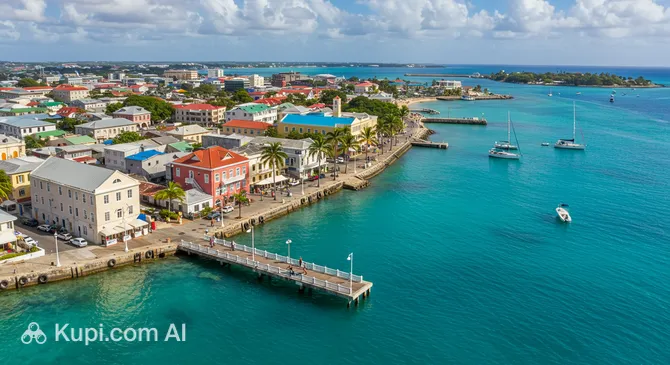
Welcome to Bridgetown, the vibrant capital and commercial hub of Barbados. This bustling port city serves as the cultural heart of the island, offering a unique blend of colonial charm and modern Caribbean energy. Located in the parish of Saint Michael on the southwestern coast, Bridgetown is home to approximately 110,000 residents, making it the most populous city in the nation.
The city is renowned for its significant heritage and well-preserved architecture. Visitors interested in the history of Bridgetown will be delighted to explore the area designated as a UNESCO World Heritage site, which includes the historic garrison and the majestic Parliament Buildings. Another iconic landmark is the Chamberlain Bridge, which spans the Careenage, a picturesque marina often filled with catamarans and fishing boats.
Bridgetown. Illustration.
Source: Kupi.com AI
Whether you are eager to shop for duty-free goods on Broad Street, explore the local markets, or simply admire the colonial facades, Bridgetown offers an unforgettable experience. It is the perfect starting point for your island adventure, inviting travelers to immerse themselves in a rich tapestry of history, culture, and tropical beauty.
Weather Overview
Bridgetown enjoys a tropical climate characterized by consistent warmth and varying rainfall patterns throughout the year. Visitors can look forward to steady temperatures, with monthly averages hovering between 25.4°C in February and 27.5°C in September. The city rarely feels cold, as minimum temperatures generally stay above 24.6°C, while daytime highs peak around 28.6°C during the warmest months.
Precipitation is more seasonal, with distinct drier and wetter periods. The months of February through May are typically the driest, featuring fewer rainy days. Conversely, the second half of the year brings more frequent showers; for instance, August can have up to 25 wet days. To help plan your activities around the rain, check the detailed forecast for weather in Bridgetown. Overall, expect warm conditions year-round with a higher chance of rain from June to November.
Average monthly temperature
Average monthly precipitation
Interesting Facts
Beyond the main attractions, Bridgetown holds many fascinating secrets that reveal its deep historical roots and unique global connections. Dig a little deeper into the city's past to uncover these surprising details that most visitors might miss.
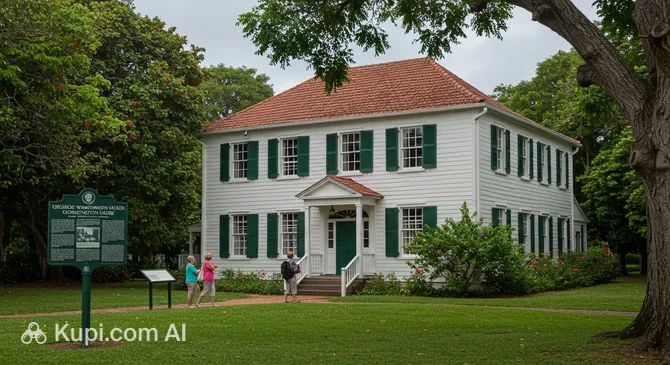
Did you know that the first U.S. President, George Washington, only visited one foreign country in his entire life? That destination was Barbados, where he stayed for two months in 1751 at the property now preserved as the George Washington House.
The city is home to a rare piece of Victorian engineering known as Blackwood's Screw Dock. Constructed in 1893, it is widely considered the only dry dock of its kind remaining in existence in the world today.
Before it became the bustling capital we know, the area was originally named "Indian Bridge." Early British settlers gave it this name after discovering a rude bridge constructed by the indigenous Arawak people over the river, which was already in place upon their arrival.
Underneath the historic Garrison Savannah lies a hidden network of tunnels. These subterranean passages were originally built to facilitate the safe and secretive movement of soldiers and are now a curious feature for history buffs.
George Washington House. Illustration.
Source: Kupi.com AI
Traveler photos:
How to Get There
Reaching the vibrant capital of Barbados is a straightforward experience, primarily served by air travel due to the island's location in the eastern Caribbean. Whether you are arriving from North America, Europe, or neighboring islands, you can find more about how to get to Bridgetown and plan your journey with ease.
The primary gateway for all international visitors is Grantley Adams International Airport (IATA: BGI). Located approximately 13.3 km from the city center, it is the main hub for the country and welcomes a high volume of passengers annually. The airport is well-connected to the capital; a trip by taxi or bus typically takes around 40 minutes, depending on traffic. For those exploring the wider region, other major Caribbean hubs include Martinique Aimé Césaire International Airport (IATA: FDF) in Fort-de-France and Hewanorra Airport (IATA: UVF) in Castries. Please note that these airports are located on neighboring islands, so reaching Bridgetown from them requires a connecting flight.
For clarity, here is a summary of the main airports in the region:
Bridgetown offers a diverse array of activities that cater to history buffs, nature lovers, and those simply looking to relax by the sea. The city's attractions reflect its rich colonial heritage and its status as a vibrant Caribbean hub. From exploring the origins of rum to diving deep beneath the ocean waves, there is something here for every traveler to enjoy.
For a deep dive into the island's past, a visit to the Barbados Museum & Historical Society is essential. Housed in a 19th-century British military prison within the UNESCO World Heritage Garrison area, this museum offers a comprehensive look at the island's social and military history. Visitors can explore galleries filled with Amerindian artifacts, vintage maps, and exhibits on the African heritage that shaped the nation, making it a fascinating stop for anyone wanting to understand the cultural fabric of Barbados.
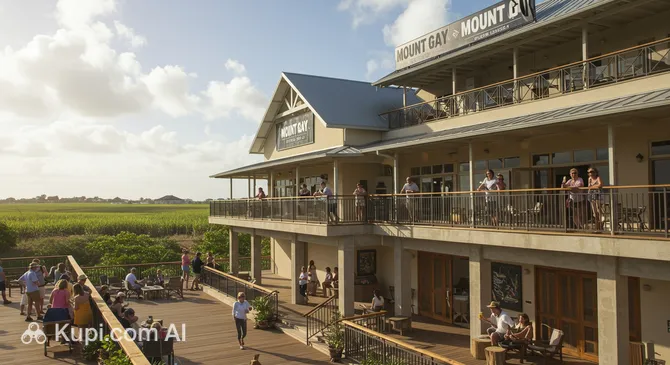
No trip to the island is complete without experiencing its most famous export. The Mount Gay Visitor Centre invites guests to discover the story behind the world's oldest running rum distillery. Tourists can take guided tours to learn about the intricate process of rum-making, from fermentation to bottling, and, of course, enjoy a tasting session of the premium spirits. It is a spirited journey that highlights the island's culinary traditions.
Mount Gay Visitor Centre. Illustration.
Source: Kupi.com AI
Traveler photos:
If you prefer underwater adventures without getting wet, the Atlantis Submarine offers a unique perspective of the Caribbean Sea. This submarine tour takes passengers deep below the surface to view vibrant coral reefs, tropical fish, and even sunken shipwrecks. It is an unforgettable experience that provides a window into the marine life surrounding the island, suitable for families and those who do not dive.
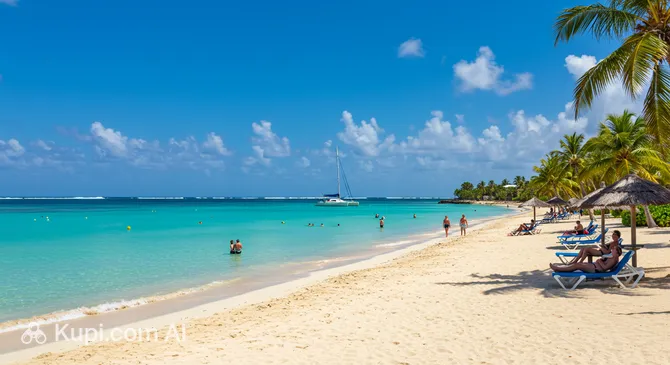
For those seeking sun and sand, Brownes Beach is one of the most popular spots in the city. Located on the stunning Carlisle Bay, this stretch of powdery white sand and calm, turquoise waters is perfect for swimming and sunbathing. The bay is also famous for the sea turtles that frequent the shallows, offering snorkelers a magical opportunity to swim alongside these gentle creatures just a short distance from the shore.
Brownes Beach. Illustration.
Source: Kupi.com AI
Traveler photos:
Local Cuisine
The culinary landscape of Bridgetown is a tantalizing reflection of Barbados' rich history, blending African, Indian, Irish, Creole, and British influences into a unique flavor profile known as Bajan cuisine. Seafood is naturally the star of the show here, with fresh catches arriving daily at the local markets. The food scene is vibrant and unpretentious, inviting visitors to dive into spicy, hearty meals that are full of character and soul.
No visit to the city is complete without trying the national dish of Barbados: Cou-cou and Flying Fish. This meal consists of cornmeal cooked with okra and water, creating a texture similar to polenta, served alongside steamed or fried flying fish in a rich, aromatic gravy. Another local favorite is Pudding and Souse, a traditional Saturday lunch staple featuring pickled pork served with spiced sweet potato pudding. For a quick snack, look for Bajan fish cakes—savory, deep-fried balls of salted cod and herbs, often dipped in a spicy pepper sauce.
When it comes to beverages, Barbados is famously known as the birthplace of rum, and Bridgetown is the perfect place to sample it. A glass of Rum Punch—a sweet and potent mix of rum, lime juice, sugar, and spices—is the quintessential island cocktail. For a non-alcoholic option, adventurous travelers should try Mauby, a refreshing but bitter drink made from the bark of the Mauby tree, boiled with spices like cinnamon and anise. It is an acquired taste that locals adore.
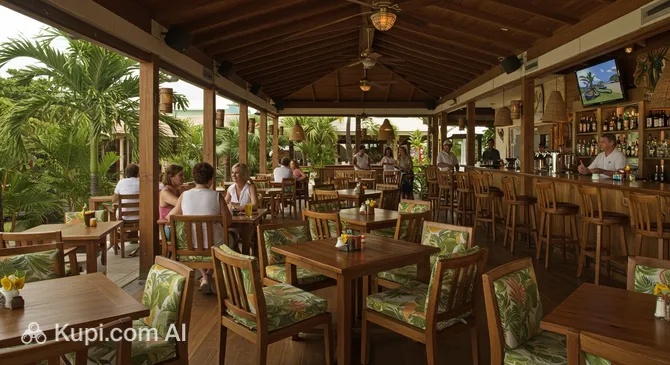
The dining culture in Bridgetown ranges from upscale waterfront restaurants to the beloved "rum shops"—casual roadside bars where locals gather to talk, play dominoes, and eat. These spots offer an authentic slice of Bajan life. If you are looking for a lively atmosphere to enjoy authentic local flavors, Shaker's Bar & Grill is a popular choice among both residents and tourists for its hearty meals and welcoming vibe.
Shaker's Bar & Grill. Illustration.
Source: Kupi.com AI
Traveler photos:
Street food is also a significant part of the experience, especially around the bustling transport hubs and markets. Vendors sell everything from roasted breadfruit to "cutters"—sandwiches made with Bajan salt bread and filled with fish, ham, or cheese. Whether you are sitting down for a fine dining experience or grabbing a bite on the go, the flavors of Bridgetown promise to be a highlight of your Caribbean journey.
Travel Tips
To ensure your visit to Bridgetown is as relaxing and trouble-free as the island breeze, a little preparation goes a long way. These practical tips will help you navigate the local customs, stay safe, and make the most of your Caribbean getaway.
Clothing and Gear: Given the tropical climate, pack lightweight, breathable fabrics like cotton or linen to stay cool. While beachwear is perfect for the coast, it is considered inappropriate in the city center, shops, and churches; always cover up with a sarong or shirt when leaving the sand. Note: Leave any camouflage-patterned clothing or bags at home, as wearing camouflage is strictly reserved for the military and is illegal for civilians in Barbados.
Transportation: Getting around is an adventure in itself. You can choose between the large blue government buses, the yellow private mini-buses, or the white "ZR" vans, which are faster and often play loud local music. If you prefer a taxi, be aware that they are not metered; you must agree on the fare with the driver before starting your journey. Driving is on the left side of the road if you choose to rent a car.
Finances: The local currency is the Barbados Dollar (BBD), which is pegged to the US Dollar at a rate of roughly 2:1. US dollars are widely accepted across the city, though you may receive change in local currency. Major credit cards are welcomed in most hotels, restaurants, and larger stores, but carrying some cash is useful for small vendors and transport. ATMs are readily available throughout Bridgetown.
Health and Safety: Barbados is unique in that its tap water is pure and safe to drink, so you can refill your bottle without worry. For medical needs, pharmacies are easy to find in the city center, and the Queen Elizabeth Hospital is located nearby. While the city is generally safe, exercise standard precautions: avoid walking alone in poorly lit areas or on deserted beaches at night.
Communication:English is the official language, making communication effortless for most travelers. However, locals often speak in "Bajan," an English-based creole dialect that can be fast and expressive. A polite "Excuse me?" is all it takes if you miss something. Wi-Fi is widely available in hotels, cafes, and public spots like Independence Square.
Local Etiquette: Bajans are known for their politeness and hospitality. It is customary to greet people with a "Good morning," "Good afternoon," or "Good evening" when entering a shop, boarding a bus, or starting a conversation. skipping this greeting can be seen as rude. When visiting religious sites, modest dress (covered shoulders and knees) is expected.
What to Avoid: Do not sunbathe topless, as it is against the law in Barbados and frowned upon culturally. Additionally, avoid sitting under Manchineel trees (often marked with red paint rings) on the beach during rain; their sap and fruit are toxic and can cause severe skin blistering.
Local Insight: For an authentic slice of local life, visit the Cheapside Market on a Saturday morning. It is the best place to buy fresh tropical fruits, spices, and local crafts while mingling with residents, offering a vibrant contrast to the duty-free shopping on Broad Street.
Armed with these tips, you are all set to explore the historic streets and sunny shores of Bridgetown with confidence. Embrace the laid-back Bajan rhythm, respect the local traditions, and enjoy every moment of your stay in this welcoming capital.
Entertainment & Nightlife
When the sun sets over the Caribbean Sea, Bridgetown transforms into a lively hub of activity, offering a nightlife experience that centers around the local concept of "liming"—the Bajan art of relaxing, socializing, and enjoying good company. The city's evening scene is less about high-intensity mega-clubs and more about open-air bars, beachside gatherings, and vibrant rhythms that spill out onto the streets. Whether you are looking for a sophisticated cocktail lounge or a casual spot to enjoy live soca music, the capital has plenty to offer.
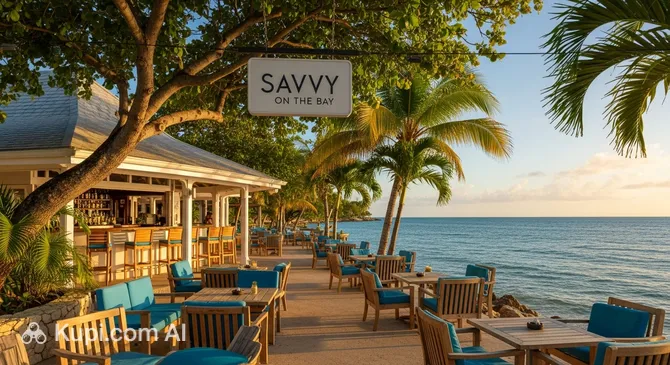
One of the most popular areas for an evening out is Bay Street and the Carlisle Bay waterfront. Here, you will find places like Savvy On The Bay, a fantastic beachside venue that perfectly captures the island's laid-back spirit. It is a bustling spot where locals and tourists mingle, enjoying food trucks, cold drinks, and often live entertainment under the stars. The atmosphere is welcoming and energetic, making it an ideal place to start your night or spend the entire evening.
For sports enthusiasts who do not want to miss a game while on vacation, Bubba's Sports Bar is a go-to destination. Known for its lively crowd and numerous screens, it offers a more familiar pub-style environment where you can enjoy a cold beer and hearty food. If you prefer a quieter, more intimate setting for dinner and drinks, Sage Bistro provides a charming atmosphere with a focus on fresh, local ingredients, perfect for a relaxing night out.
Savvy On The Bay. Illustration.
Source: Kupi.com AI
Traveler photos:
Practicalities are important for enjoying the nightlife safely and comfortably. The dress code in most Bridgetown bars is "elegantly casual"—shorts are fine for beach bars, but long pants and collared shirts are often preferred for indoor venues and clubs. Prices can vary, but many places offer "Happy Hour" specials, usually between 5:00 PM and 7:00 PM. Regarding safety, while the main nightlife areas are generally secure, it is advisable to stay in well-lit, populated zones. Avoid walking alone on the beaches at night, and always use a licensed taxi to return to your accommodation; you can easily identify them by the "Z" on their license plates.
Beyond the nightlife, Bridgetown offers engaging daytime entertainment options that cater to different paces of life. Visitors can enjoy a scenic stroll along the Richard Haynes Boardwalk, which offers stunning ocean views and access to several restaurants and bars. For a more adventurous day on the water, consider booking a trip with Silver Moon Catamaran Cruises. These excursions provide a luxurious way to see the coastline, swim with turtles, and enjoy the sun before returning to the city for the evening festivities.
Parks & Museums
Beyond its busy commercial streets, Bridgetown offers several serene green spaces and cultural landmarks where visitors can unwind and connect with the island's heritage. These areas provide a perfect counterpoint to the city's bustle, inviting you to enjoy nature and explore the architectural legacy of the capital.
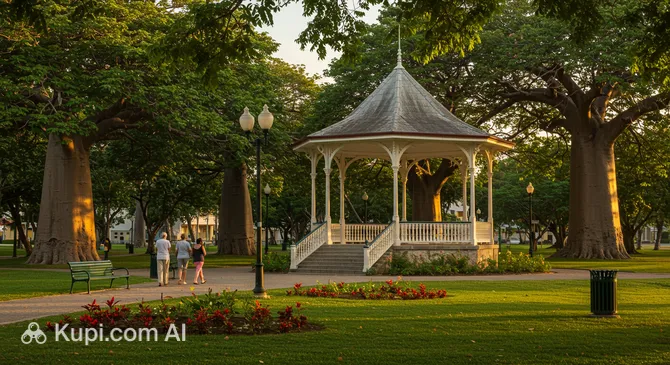
One of the most delightful escapes in the city is Queen's Park. Located just a short walk from the center, this lush retreat was once the grounds of the British Commander's residence. Today, it is a public sanctuary famous for its giant baobab tree, which is estimated to be over a thousand years old and stands as a magnificent natural monument. The park also features a classic bandstand and plenty of shaded areas, making it an ideal spot for a leisurely afternoon stroll or a quiet picnic.
Queen's Park. Illustration.
Source: Kupi.com AI
Traveler photos:
A significant area for outdoor recreation is the Garrison Savannah. While it is renowned internationally for horse racing, this expansive green space serves as a community hub on non-race days. It is a favorite location for joggers, kite flyers, and families enjoying the open air within the UNESCO World Heritage site. Just a stone's throw away lies Pebbles Beach, where the calm waters offer a refreshing dip after a walk around the historic track.
For those interested in the spiritual and architectural history of the city, Bridgetown serves as an open-air museum. The Nidhe Israel Synagogue is a must-visit site; dating back to the 17th century, it is one of the oldest synagogues in the Western Hemisphere and highlights the deep roots of the Jewish community in Barbados. Nearby, St. Michael's Cathedral stands with quiet dignity. Rebuilt in the late 18th century after a hurricane, its graveyard contains the tombs of many notable historical figures, offering a poignant connection to the city's past.
Contemporary culture is also alive and well in the city. The Artsplash Café operates as a vibrant community art center. It is not just a place for healthy food but a hub for creativity, hosting a gallery that showcases works by local artists. With regular art classes and a welcoming atmosphere, it provides a modern cultural experience that complements the city's historical depth.
Getting Around
Public transport in Bridgetown is lively, affordable, and an experience in itself. Unlike major metropolitan cities with subways or trams, the capital relies entirely on a road-based network. For tourists, this offers a unique opportunity to travel alongside locals and see the island from a different perspective. The system is divided into three distinct types of vehicles, all of which share the same route numbers and standard fares, but offer very different ride experiences.
The most recognizable option is the Transport Board bus. These are large buses painted blue with a yellow stripe. They are government-run, generally operate on a fixed schedule, and are considered the safest and most comfortable choice for visitors, especially families. They stop only at designated bus stops, which are marked with red and white signs labeled "To City" or "Out of City."
For a faster pace, look for the privately owned minibuses, which are yellow with a blue stripe. These are medium-sized vehicles that often play local music and tend to be more flexible with stops. Then there are the famous ZR vans (pronounced "Zed-Rs"), white minivans with a maroon stripe. ZRs are known for their high speed, loud soca or reggae music, and tightly packed seating. While they provide a thrilling and authentic Bajan cultural experience, they might not be suitable for those seeking a quiet or spacious journey.
Navigating the network is relatively simple as all routes converge in the capital. There are two main bus terminals in Bridgetown: the Fairchild Street Terminal, which serves the south and east of the island, and the Princess Alice Terminal, which serves the north and west coasts. If you are unsure which bus to take, terminal staff and drivers are typically very helpful in directing you to the right bay.
The payment system is straightforward. The fare is standardized across all three types of transport, currently set at 3.50 BBD per ride, regardless of the distance. On the government-run blue buses, you must have the exact fare in coins to drop into the fare box as you enter; drivers do not carry change. On the yellow minibuses and ZR vans, a conductor is usually present to collect fares, and they can provide change for small bills.
Operating hours vary, with services generally running from early morning around 5:30 AM until late evening. However, frequency drops significantly after 7:00 PM and on Sundays. If you are planning a late night out, it is advisable to arrange alternative transport, as buses can become scarce.
Taxis are a popular alternative, especially for airport transfers or late-night travel. They are easily identified by the letter "Z" on their license plates. Taxis in Bridgetown are not metered; instead, there are standard rates for specific distances. It is essential to confirm the price with the driver before getting into the vehicle to avoid misunderstandings. Car rentals are also widely available for those who prefer independence, though remember that driving is on the left.
Accommodation
Where to Stay:
Accommodation in Bridgetown and its immediate surroundings caters to a wide spectrum of travelers, ranging from budget-conscious backpackers to those seeking all-inclusive luxury. The city provides a mix of historic guesthouses, modern apartments, and beachfront resorts. While the heart of the commercial district is dominated by business hotels, the coastal edges of the parish offer more scenic and relaxing stays, often just a short distance from the bustling center.
One of the most popular areas for tourists to stay is the Garrison Historic Area and the stretch along Carlisle Bay. This location offers the best of both worlds: it is within walking distance of the capital's main sights and right on the edge of pristine swimming beaches. Staying here allows for easy access to museums and race days at the savannah, followed by a quick dip in the ocean.
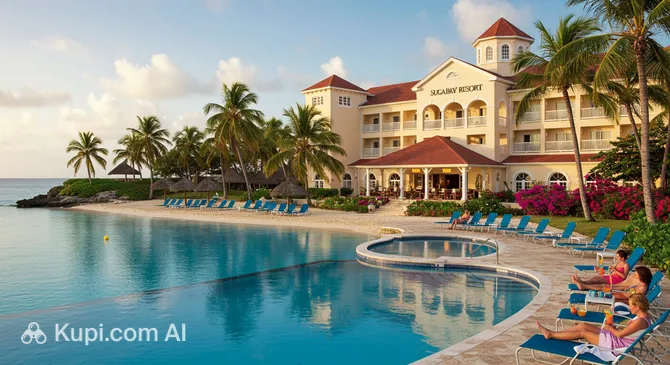
For visitors seeking a resort experience close to the city, there are several well-regarded options. The Savannah Beach Club is a standout choice, blending nearly two centuries of colonial architecture with modern Caribbean hospitality. It sits directly on the beachfront, offering a historic atmosphere with contemporary comforts. Another excellent option in the vicinity is Sugar Bay, an all-inclusive resort known for its family-friendly amenities and protected lagoon, making it perfect for a stress-free tropical getaway.
Sugar Bay. Illustration.
Source: Kupi.com AI
Traveler photos:
Booking Tips: Barbados is a year-round destination, but the peak tourist season runs from mid-December to mid-April. During these months, demand is high, and the most desirable properties can fill up quickly. It is highly recommended to book your accommodation at least three to four months in advance if you plan to visit during this period to secure your preferred spot and rate.
Prices and Reservations: The cost of accommodation varies widely. You can find affordable guesthouses and vacation rentals for a modest nightly rate, while beachfront resorts and luxury hotels command premium prices, especially in the winter season. Most properties are listed on major online booking platforms, but for smaller, family-run guesthouses, contacting them directly can sometimes yield better personalized service or rates.
Nearby Cities
For those looking to explore the surroundings, Bridgetown serves as an excellent base for day trips to several interesting nearby locations:
Just a short drive north along the Platinum Coast lies Holetown, the site of the first British settlement in Barbados. This area in the parish of St. James is a fascinating mix of history and modern luxury. Visitors can explore the historic St. James Parish Church or enjoy the upscale shopping and dining at the Limegrove Lifestyle Centre. The nearby Folkestone Marine Park offers excellent snorkeling opportunities, making it a great spot for both culture and water activities.
To the south of the capital is the vibrant fishing village of Oistins in Christ Church. It is renowned for its bustling fish market and the famous "Friday Night Fish Fry," where locals and tourists gather for fresh seafood, music, and dancing. Even on quieter days, Oistins provides an authentic glimpse into Bajan life, and the nearby Miami Beach offers calm waters perfect for a relaxing swim.
Further north, Speightstown offers a more tranquil and traditional experience. Known as "Little Bristol," this town in St. Peter retains much of its colonial charm with historic architecture and the engaging Arlington House Museum. It is less commercialized than other areas, providing a peaceful atmosphere for strolling along the esplanade or enjoying a quiet lunch by the sea.
These nearby destinations offer a glimpse into the diverse culture and landscapes of the region, all within easy reach of the capital.
Shopping & Souvenirs
Shopping in Bridgetown is a delightful mix of high-end retail and authentic Caribbean commerce, offering everything from luxury diamonds to handmade crafts. The city is widely recognized as a tax-free haven, making it a prime destination for visitors looking to purchase international brands at competitive prices. Whether you are searching for designer jewelry, the latest electronics, or unique island mementos, the capital provides a diverse range of options to suit every budget.
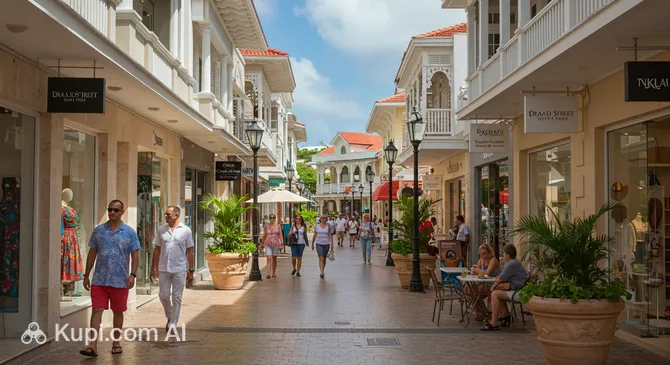
The heart of the city's retail scene beats along Broad Street. This bustling main avenue is lined with department stores and specialized boutiques, hosting the famous Broad Street Duty Free shops. Here, tourists can browse an extensive selection of perfumes, cosmetics, watches, and fine china. Just parallel to this is Swan Street, a lively pedestrian-only zone that offers a completely different vibe. It is packed with smaller vendors selling clothing, shoes, and household goods at bargain prices, pulsating with the sounds of local music and chatter.
Broad Street Duty Free. Illustration.
Source: Kupi.com AI
Traveler photos:
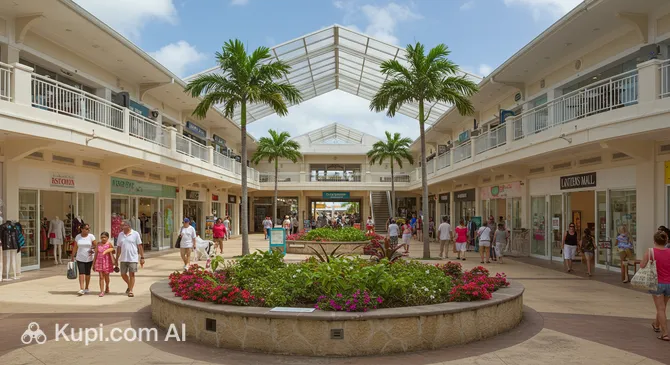
For a more modern, plaza-style experience, visitors often head towards the outskirts of the city center or the nearby coastal areas. Lanterns Mall is a popular spot that combines shopping with convenience, offering a variety of boutiques, a food court, and essential services in a contemporary setting. Similarly, the Quayside Centre Shopping Plaza provides a relaxed atmosphere where you can shop for beachwear and souvenirs, then enjoy a meal at one of the onsite eateries.
Lanterns Mall. Illustration.
Source: Kupi.com AI
Traveler photos:
If you are looking for authentic local artistry, Pelican Village is the place to go. Located near the cruise terminal, this brightly colored craft center is home to artisans creating pottery, straw works, mahogany carvings, and paintings. For a taste of local life, the Cheapside Market remains the city's premier spot for fresh produce. While primarily a fruit and vegetable market, it is an excellent place to buy fresh spices and hot sauces directly from the growers.
When it comes to souvenirs, Barbados offers several signature items that are worth taking home. A bottle of premium rum is a classic choice, given the island's history as the birthplace of the spirit. Other popular gifts include Bajan seasoning (a blend of fresh herbs and spices), locally made jewelry, and hand-woven baskets. These items not only make great gifts but also serve as a lasting reminder of the island's culture.
Most shops in Bridgetown are open from Monday to Friday, typically between 8:30 AM and 5:00 PM, and on Saturdays until 1:00 PM or 2:00 PM. Almost all stores are closed on Sundays, although some shops in the cruise terminal or malls may have extended hours. Major credit cards are widely accepted, but it is always useful to carry some cash for smaller market stalls.
One of the biggest draws for tourists is the tax-free shopping available at designated stores. To take advantage of duty-free prices on goods like jewelry, electronics, and alcohol, you will generally need to present your passport and a valid departure ticket at the point of purchase. In some cases, you can take the goods with you, while for consumable items like alcohol, the shop may arrange for your purchase to be delivered directly to the airport or cruise ship for pickup upon departure.