Support

Port of Spain

About

Port of Spain is the vibrant heart of the southern Caribbean and a city that pulses with energy day and night. As the bustling capital of Trinidad and Tobago, it serves as a fascinating melting pot of cultures, flavors, and rhythms. This metropolis is not just an administrative center but a lively destination where modern skyscrapers stand alongside historic colonial architecture, creating a truly unique urban atmosphere that captivates visitors from the moment they arrive.

Geographically, the city is situated on the northwest coast of the island of Trinidad, overlooking the calm waters of the Gulf of Paria. With a population of approximately 81,000 residents, it acts as the country's primary hub for retail, government, and commerce. Travelers can expect a warm, tropical climate year-round, making it an inviting spot for exploring the outdoors or enjoying the city's dynamic street life.

Port of Spain. Source: Kupi.Binoculars

The city offers a wealth of sights for tourists, blending natural beauty with architectural heritage. To better appreciate the diverse influences that have shaped this metropolis, it is worth delving into the history of Port of Spain, which reveals a rich past of Spanish and British rule. A must-visit location is the massive Queen's Park Savannah, often called the city's "lungs," which is bordered by the famous "Magnificent Seven" colonial mansions. Nearby, the Royal Botanic Gardens offer a serene escape with exotic plants and trees, standing as one of the oldest botanical gardens in the West Indies.

Whether you are visiting to experience the world-renowned Carnival, sample the delicious local street food, or simply soak up the multicultural vibe, Port of Spain promises an unforgettable experience. It is a city that welcomes travelers with open arms, inviting you to discover the authentic spirit of the Caribbean.

Weather Overview

Travelers visiting the capital can expect a tropical climate defined by consistent warmth and distinct wet and dry periods. Temperatures in the city remain pleasant year-round, typically hovering between 25°C and 28°C. The heat is rarely oppressive, as average highs generally stay around 29°C, while nighttime lows seldom dip below 24°C, ensuring a comfortable atmosphere for evening strolls along the waterfront.

The precipitation patterns are the main variable to consider when planning a trip. The drier season runs roughly from January through May, with April being the driest month, featuring only about 8 wet days. In contrast, the second half of the year brings more frequent rainfall. From June to December, the city experiences its wet season, with July seeing rain on up to 28 days. Despite the showers, the sun often shines, and the warmest average temperatures usually occur in September, reaching around 27.6°C.

Regardless of when you choose to visit, it is wise to pack light, breathable clothing and an umbrella for sudden showers. For a more detailed breakdown of what to expect during your specific travel dates, you can check the current weather in Port of Spain to help finalize your itinerary. Overall, expect warm days throughout the year with a distinct increase in rainfall from June onwards.

Interesting Facts

Beyond its lively streets and festivals, Port of Spain holds several fascinating secrets and historical quirks that surprise many visitors. Here are a few unique insights into the capital's character that go beyond the typical guidebook descriptions.
  • The city is home to what is frequently cited as the world's largest roundabout. The road encircling Queen's Park Savannah operates as a massive one-way traffic loop, stretching approximately 3.5 kilometers (2.2 miles) around the recreational park.

  • Woodford Square is historically nicknamed "The University of Woodford Square." In the mid-20th century, it became the birthplace of the nation's political consciousness, where the country's first prime minister, Dr. Eric Williams, held public lectures to educate citizens on history and independence.

  • The Port of Spain Lighthouse, which once stood at the water's edge to guide ships, is now located well inland. Extensive land reclamation projects over the decades have pushed the coastline forward, leaving the historic beacon stranded in the middle of a busy traffic intersection.

  • The Royal Botanic Gardens, established in 1818, are among the oldest in the Western Hemisphere. Uniquely, the site also encompasses the President's House, meaning the head of state lives within the grounds of this historic public garden.

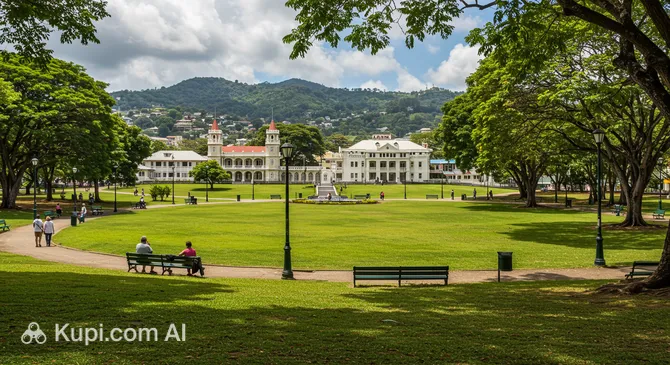
Queen's Park Savannah. Source: Kupi.Binoculars

How to Get There

Reaching the capital of Trinidad and Tobago is a straightforward experience, with the country's primary aviation hub located just a short drive away. Most international visitors arrive by air, landing on the island of Trinidad before making their way to the city center. For a complete guide on all available transport options, including ground transfers and inter-island connections, you can read more about how to get to Port of Spain.

The most significant entry point is Piarco International Airport (POS), which serves as the main gateway to the country. Although the airport is not located within the city limits, it is situated in the nearby town of Piarco, approximately 20 km east of Port of Spain. It is one of the busiest and most modern airports in the Caribbean, handling a large volume of passenger traffic annually. The journey from the airport to the city center typically takes about 50 minutes by taxi or rental car, depending on traffic conditions.

Another important hub is the A.N.R. Robinson International Airport (TAB), located in Scarborough on the sister island of Tobago, about 92 km from Port of Spain. While this airport primarily serves Tobago, it is a crucial link for travelers planning to visit both islands. Connections between the two islands are frequent, with options including a short 20-minute flight to Piarco or a scenic journey via the inter-island ferry service.

For clarity, here is a summary of the main airports:

Airport Name City Passenger Traffic Km from City
Piarco International AirportPort of SpainLarge20.1
Santiago Marino International AirportPorlamarMedium270.4
A.N.R. Robinson International AirportScarboroughMedium91.6
Maurice Bishop International AirportSt. George'sSmall151.7
Jose Tadeo Monagas International AirportMaturin206.7

The city of Port of Spain does not have a railway station, and there is no active passenger train service operating on the island of Trinidad. Public transport relies heavily on the road network. Visitors typically get around using taxis, ride-share apps, or the popular "maxi-taxis" (minibuses) that connect the capital with other parts of the island. There is also a water taxi service that connects Port of Spain with the southern city of San Fernando.

Main Attractions

Port of Spain is a city where history, nature, and modern entertainment converge, offering visitors a diverse range of experiences. Beyond the well-known historic sites, the capital boasts several dynamic attractions that highlight the local culture and biodiversity, making it a rewarding destination for travelers of all ages.

A top choice for families and nature enthusiasts is the Emperor Valley Zoo. Located just north of the city center, adjacent to the Royal Botanic Gardens, this is the primary zoological facility in Trinidad and Tobago. The zoo is home to a mix of international animals, such as lions and giraffes, as well as native Caribbean species like the ocelot and the red howler monkey. It provides a lush, green environment that serves as an educational hub and a peaceful retreat from the urban bustle.

Emperor Valley Zoo. Source: Kupi.Binoculars

For a taste of the city's modern lifestyle, travelers should visit MovieTowne Mall. Situated on the waterfront at Invaders Bay, this complex is a premier destination for shopping, dining, and entertainment. It features a large multiplex cinema and a vibrant strip of restaurants and bars that offer both local and international cuisine. The mall is a popular gathering spot for locals, especially in the evenings, offering a lively atmosphere with views of the sea.

To truly experience the musical soul of the island, a stop at Kaiso Blues Cafe is essential. This intimate venue is dedicated to showcasing the rich musical heritage of Trinidad, hosting live performances that range from calypso and soca to jazz and blues. It is a fantastic place to enjoy a drink, listen to talented local artists, and immerse yourself in the creative energy that defines Port of Spain's cultural scene.

Local Cuisine

The culinary landscape of Port of Spain is a delicious reflection of the island's multicultural heritage, blending African, Indian, Chinese, European, and Middle Eastern influences into a unique Creole fusion. Food here is not just sustenance; it is a way of life. The city is renowned for its vibrant street food culture, which is arguably the best way to taste the authentic flavors of Trinidad. Locals and tourists alike flock to vendors at all hours for quick, flavorful, and affordable bites.

No visit to the capital is complete without trying Doubles, the quintessential Trinidadian street food. Usually eaten for breakfast but available throughout the day, it consists of two pieces of fried flatbread (bara) filled with curried chickpeas (channa) and topped with various chutneys like tamarind, cucumber, and spicy pepper. Another staple is the Roti, particularly the "Dhalpuri" or "Buss-up-shut" varieties, served with curried chicken, goat, or vegetables. For a hearty one-pot meal, look for Pelau, a savory dish of caramelized chicken, rice, pigeon peas, and coconut milk.

As the sun sets, the "Savannah Strip" along the perimeter of Queen's Park Savannah transforms into a bustling open-air night market. This is the prime spot to sample local favorites like steaming cups of corn soup, spicy gyros, and pholourie (fried dough balls served with tamarind sauce). It is a lively gastronomic hub where the cool evening breeze complements the hot, spicy flavors of the food.

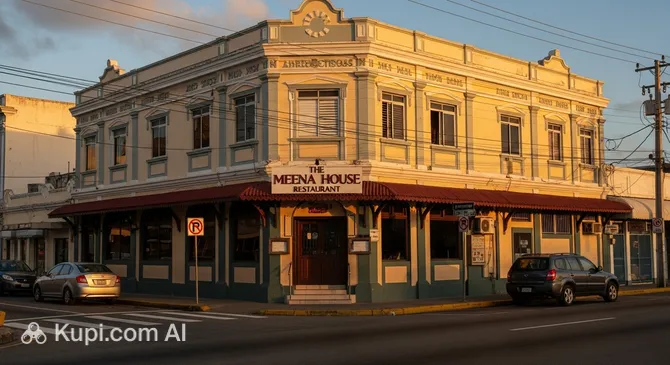
The Meena House. Source: Kupi.Binoculars

For those seeking a sit-down dining experience, the city offers a range of options from casual eateries to upscale restaurants. The Meena House is a notable venue where visitors can enjoy refined dishes in an elegant setting. Alternatively, Lola's Food Company provides a delightful atmosphere for brunch or lunch, serving creative plates that highlight fresh ingredients.

The beverage culture in Port of Spain is equally spirited. Trinidad is famous for its rum, and a classic Rum Punch made with lime and nutmeg is a must-try. Beer enthusiasts can enjoy the popular local lagers, Carib and Stag, or explore the growing craft scene at places like Tommy's Brewing Company. For a non-alcoholic option, try Mauby, a refreshing fermented drink made from the bark of the Colubrina tree, known for its distinct bitter-sweet aftertaste.

Travel Tips

Welcome to Port of Spain! To ensure your visit to this energetic Caribbean capital is as smooth and enjoyable as possible, we have compiled a list of essential practical tips to help you navigate the city like a pro.

  1. Clothing and Gear: Given the tropical climate, pack lightweight, breathable fabrics like cotton or linen to stay cool. However, rain showers can be sudden and heavy, so carrying a compact umbrella or a light rain poncho is a must. Comfortable walking shoes are essential for exploring. Important: Do not pack or wear any camouflage clothing; it is strictly prohibited for civilians in Trinidad and Tobago and can lead to confiscation or fines.

  2. Transportation: The city is well-connected by "Maxi-taxis" (minibuses), which are a staple of local transport; look for the ones with a red band specifically for the Port of Spain area. For a more direct and private option, use ride-hailing apps like TTRideShare or look for official taxis, which are identified by license plates starting with 'H'. Traffic in the capital can be dense, especially during rush hours, so plan your travel time accordingly.

  3. Finances: The local currency is the Trinidad and Tobago Dollar (TTD). While credit cards are widely accepted in malls, hotels, and restaurants, cash is king for street food vendors and smaller shops. ATMs are widely available throughout the city. Tipping is appreciated; if a service charge isn't already added to your bill, leaving about 10-15% is standard for good service.

  4. Health and Safety: Pharmacies are plentiful, with chains like SuperPharm often open late or 24 hours. As in any major city, exercise caution: stick to well-lit, populated areas at night and avoid displaying expensive jewelry or electronics. It is also wise to use insect repellent to protect against mosquitoes, especially if you are visiting parks or gardens.

  5. Communication: English is the official language, so you will have no trouble communicating. However, locals often speak quickly in a melodious Creole dialect. You can easily purchase a local SIM card from providers like Digicel or bmobile at the airport or retail stores (bring your passport). Wi-Fi is generally available in most hotels and cafes.

  6. Local Etiquette: Trinidadians are warm and friendly. It is customary to greet people with a "Good morning," "Good afternoon," or "Good evening" when entering a room, a taxi, or a shop. The local concept of "liming" refers to hanging out and relaxing with friends; if you are invited to a lime, expect a casual, social atmosphere.

  7. What to Avoid: Avoid walking alone in the Queen's Park Savannah or other parks after dark; it is safer to visit these areas during the day or when there are crowds. Also, refrain from taking photographs of locals without asking for their permission first, as a sign of respect.

  8. Local Tip: For the best nightlife and dining experience, head to Ariapita Avenue, known locally as "The Avenue." It is the pulse of the city's social scene, lined with bars, restaurants, and street food vendors, making it the perfect place to experience a Friday night "lime" like a true local.

Armed with these tips, you are ready to dive into the rhythm of Port of Spain. Embrace the warmth of the people, enjoy the vibrant culture, and have a safe and memorable trip!

Entertainment & Nightlife

When the sun sets, Port of Spain transforms into the pulsating heart of Caribbean nightlife. The city is renowned for its high energy and the local tradition of "liming"—the art of hanging out, drinking, and socializing with friends. The atmosphere is generally casual yet spirited, with music ranging from the infectious beats of Soca and Calypso to international pop and dancehall filling the air.

The epicenter of the action is undoubtedly Ariapita Avenue, often simply referred to as "The Avenue." This long strip is densely packed with bars, pubs, and nightspots, making it perfect for bar-hopping. On Friday and Saturday nights, the sidewalks bustle with locals and tourists alike. Another key district is St. James, situated on the Western Main Road. Known as "the city that never sleeps," St. James offers a more gritty, authentic vibe where bars and street food vendors remain open until the early hours of the morning.

For those seeking a unique venue that blends entertainment with artistic expression, The Big Black Box is a standout choice. Located in the Woodbrook area, this versatile space hosts everything from live concerts and open-mic nights to alternative parties, often attracting a creative and bohemian crowd.

The Big Black Box. Source: Kupi.Binoculars

If you prefer a more polished clubbing experience, VAS Lounge offers a stylish setting to enjoy cocktails and dancing. The venue typically features modern decor and a vibrant atmosphere, making it a popular spot for dressing up and enjoying a night out with friends. Most clubs and lounges open around 10:00 PM, but the party usually hits its peak after midnight.

While the city is famous for its nocturnal energy, daytime entertainment also has its charms. Apart from the historical sites, visitors can enjoy a relaxed shopping experience. The Shoppes of Maraval provides a pleasant environment to browse local boutiques and enjoy a coffee away from the downtown rush. There are also several cinemas and small galleries scattered throughout the city for a quieter afternoon.

Practical Nightlife Tips:

  • Safety: While areas like Ariapita Avenue are well-populated and generally safe due to the crowds, it is important to stay aware of your surroundings. Avoid walking into unlit side streets.
  • Transport: Do not walk long distances at night. It is highly recommended to use a registered taxi or a ride-share app like TTRideShare to get between venues or back to your accommodation.
  • Dress Code: The dress code is mostly smart-casual. While some upscale clubs may require shoes and trousers for men, many bars on The Avenue are relaxed about attire.

Parks & Museums

Parks & Museums:

Port of Spain is a city that breathes through its expansive green spaces and historical squares. While the capital is a bustling commercial hub, it balances its urban energy with beautifully maintained parks that offer both locals and visitors a refreshing escape. These areas are not only sites of natural beauty but also hold deep historical significance, serving as open-air galleries of the island's past.

One of the most picturesque spots is the Royal Botanic Gardens. Located just north of the city center, this site is a paradise for nature lovers and one of the oldest botanical gardens in the region. Spanning roughly 61 acres, it showcases a stunning collection of approximately 700 trees, including many indigenous and exotic species from around the world. Visitors can wander through landscaped pathways, admire the orchid collections, and enjoy a peaceful retreat away from the city noise. It is a perfect location for a leisurely walk or a quiet afternoon picnic surrounded by tropical flora.

Royal Botanic Gardens. Source: Kupi.Binoculars

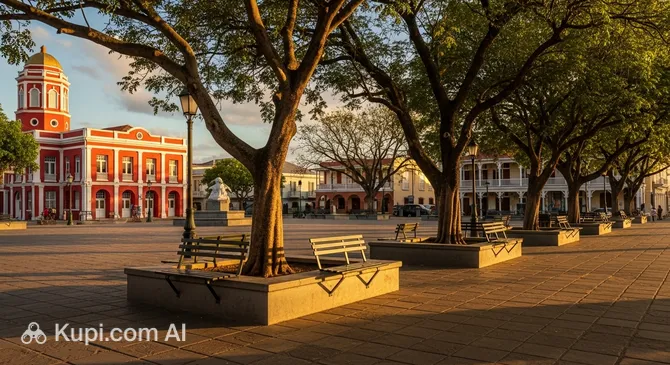
In the heart of the downtown district lies Woodford Square, a green oasis surrounded by some of the city's most important architectural landmarks. This square is more than just a park; it is a central gathering place shaded by large trees and centered around a late-Victorian fountain. It provides a stark, calm contrast to the busy streets nearby and offers a great vantage point to view the impressive Red House (Parliament) and the Holy Trinity Cathedral. It is an ideal spot to sit on a bench and observe the daily rhythm of the capital.

Woodford Square. Source: Kupi.Binoculars

Dominated by open space, Queen's Park Savannah remains the city's premier recreational ground. While it is famous for its size, its perimeter offers a unique cultural experience. A walk around the Savannah presents a view of the "Magnificent Seven," a row of extravagant colonial-style mansions that reflect the city's wealthy plantation-era history. Although not traditional museums, these architectural marvels provide a visual journey through the 20th-century heritage of Trinidad, making a lap around the park a historical tour in itself.

Getting Around

Navigating Port of Spain is an authentic Caribbean experience in itself, as the city does not rely on a metro or tram system. Instead, the public transport network is almost entirely road-based, driven by a mix of government-operated buses and privately owned shared vehicles. The system is bustling and can seem chaotic at first, but it is generally efficient, affordable, and covers most areas of interest to visitors.

The most popular and iconic way to get around is by using "Maxi-Taxis." These are privately owned minibuses that operate on fixed routes but can stop anywhere to pick up or drop off passengers. In the capital, you will primarily see maxis with a Red Band (serving the East-West corridor) or a Yellow Band (serving the western suburbs like St. James and Carenage). They are frequent, run late into the night, and offer a great way to mingle with locals.

Another common option is the shared "Route Taxi." These look like regular sedan cars but carry an "H" on their license plate, indicating they are registered for hire. Like Maxi-Taxis, they follow specific routes and pick up multiple passengers along the way. They are slightly more expensive than minibuses but are generally faster and more comfortable. If you prefer a private ride, you must specifically request a "private charter," as the default assumption is that the ride is shared.

For a more structured service, the Public Transport Service Corporation (PTSC) operates large blue and white buses. The central hub for these buses is the City Gate terminal (Public Transport Centre), located at the southern end of the city near the waterfront. While these buses are air-conditioned and cheaper than maxis, their schedules can be less frequent. A special highlight of the city's transport network is the Water Taxi Service. Departing from the terminal near the waterfront, these ferries connect the capital to the southern city of San Fernando, offering a scenic and traffic-free journey across the Gulf of Paria.

When it comes to payment, cash is king. For Maxi-Taxis and Route Taxis, you pay the driver directly upon entering or exiting. It is highly recommended to carry small bills and coins, as drivers may not always have change for large denominations. There are no travel cards or digital passes for these private services. However, for the government-run PTSC buses, you must purchase a ticket in advance at the terminal, as drivers do not accept cash on board.

For tourists who prefer modern convenience, ride-sharing apps have become increasingly popular and reliable in the city. Local apps like TTRideShare function similarly to international counterparts, allowing you to book a private car with a transparent price and credit card payment options. This is often the safest and most convenient choice for getting around at night or when visiting areas off the main routes. Traditional car rentals are available, but driving in the city requires patience due to heavy traffic and complex one-way systems.

A final tip for visitors: always ensure you are entering a legitimate taxi by checking the license plate for the letter "H". While "PH" (Private Hire) cars are common, they are unregulated. Operating hours for public transport are generally from early morning until late evening, but availability drops significantly after 9:00 PM, so plan your return journey accordingly or book a ride-share if you are out late.

Accommodation

Where to Stay:

Port of Spain provides a diverse array of accommodation options suited to both business travelers and vacationers. As the commercial hub of the country, the city is well-stocked with large international brand hotels, particularly near the waterfront. However, for those seeking a more intimate or budget-friendly experience, there are numerous smaller guesthouses, boutique inns, and bed-and-breakfasts scattered throughout the leafy residential districts.

Choosing the right neighborhood is key to enjoying your stay. Visitors looking for luxury and modern amenities often prefer the Waterfront and downtown area, which offers easy access to the ferry terminal and major business centers. For travelers who want to be in the heart of the cultural scene, the districts of Woodbrook and Newtown are excellent choices. Staying here places you within walking distance of the vibrant nightlife on Ariapita Avenue and a plethora of dining spots. Alternatively, the areas surrounding Queen's Park Savannah offer a scenic and central location, blending lush green views with easy access to the city's main sights.

A critical tip for anyone planning a trip to Port of Spain is to be mindful of the Carnival season, which typically falls in February or March. During this period, the city transforms into a massive festival, and accommodation is in extremely high demand. Prices can triple, and rooms are often booked out six months to a year in advance. If you plan to visit during this time, securing your reservation as early as possible is essential to guarantee a place to stay.

Outside of the peak Carnival season, prices are generally stable. Budget travelers can find guesthouses and simpler lodgings for reasonable rates, while mid-range and luxury hotels are priced similarly to other major Caribbean capitals. Booking is easily done through major online travel platforms, though many smaller guesthouses also accept direct bookings via email or phone. It is also worth checking if your accommodation offers parking if you intend to rent a car, as street parking in popular areas can be limited.

Nearby Cities

For those looking to explore the surroundings, Port of Spain serves as an excellent base for day trips to several interesting nearby locations. The island's relatively compact size allows travelers to experience different atmospheres within a short drive.

One of the most popular destinations is Chaguanas, located just south of the capital. As the largest borough in the country, it is a bustling commercial center famous for its vibrant East Indian culture. Visitors flock here to explore the lively markets, shop for traditional goods, and taste some of the best street food on the island. It is an energetic town that offers a distinct contrast to the administrative vibe of Port of Spain.

Further down the coast is San Fernando, the second-largest city in Trinidad. Known as the industrial capital, it is built around the prominent San Fernando Hill. This landmark is a favorite spot for tourists, offering a recreational park at the summit with breathtaking panoramic views over the city and the Gulf of Paria. The city also features the scenic Harris Promenade, a central hub for social and cultural events.

To the east lies the Royal Chartered Borough of Arima. This town holds a special place in the nation's history as the home of the Santa Rosa First Peoples Community, preserving the heritage of the island's indigenous population. It is often referred to as the gateway to the east and provides a more laid-back, community-focused atmosphere compared to the western cities.

City Population Distance (km)
Chaguanas101,29719
San Fernando82,99742
Arima65,62325
Couva48,85825
Princes Town28,33546

These nearby destinations offer a glimpse into the diverse culture and landscapes of the region, making them well worth a visit for anyone wishing to see more of Trinidad beyond the capital.

Shopping & Souvenirs

Shopping in Port of Spain offers a dynamic mix of experiences, ranging from bustling street markets and historic commercial districts to modern, air-conditioned shopping complexes. As the retail hub of the country, the city caters to all tastes and budgets, offering everything from high-end international brands to locally crafted goods. Whether you are looking for the latest fashion or authentic Caribbean souvenirs, the capital provides a vibrant backdrop for retail therapy.

The heart of the city's traditional shopping scene is located downtown, particularly along Frederick Street and Henry Street. These busy thoroughfares are lined with arcades, fabric shops, shoe stores, and variety stores. For a more chaotic but authentic local experience, Charlotte Street is famous for its street vendors selling fresh produce, clothing, and household items at bargain prices. Walking through these streets offers a sensory immersion into the daily life of the locals.

For those seeking a more relaxed and contemporary environment, the city boasts several excellent malls. MovieTowne Mall at Invaders Bay is a premier destination, featuring a wide array of fashion boutiques, electronics stores, and lifestyle shops alongside its entertainment facilities. It is a favorite spot for families and tourists who want to combine shopping with dining by the waterfront.

MovieTowne Mall. Source: Kupi.Binoculars

Another notable location is the Shoppes of Maraval, situated in the northern suburbs. This open-air plaza offers a quieter, more upscale atmosphere with a selection of specialty boutiques, gourmet shops, and cafes. It is an ideal stop for visitors staying near the hills who prefer a less crowded shopping experience compared to the downtown rush.

Travelers looking for unique keepsakes should explore the local markets and craft centers. The Port of Spain Central Market is the place to go for exotic fruits, vegetables, and spices, offering a true taste of the island's agriculture. For souvenirs, look for items that reflect Trinidad's culture, such as locally produced Trinitario chocolate, award-winning rums, and bottles of the world-famous Angostura Bitters. Miniature steelpans and handmade carnival masks are also popular gifts that capture the artistic spirit of the nation.

Most shops in the city operate from Monday to Saturday, typically opening around 8:00 AM or 9:00 AM and closing by 5:00 PM or 6:00 PM. However, larger shopping malls usually stay open later, often until 7:00 PM or 8:00 PM. While credit cards are widely accepted in malls, supermarkets, and hotels, it is advisable to carry cash (Trinidad and Tobago Dollars) when shopping at street stalls or smaller vendors downtown.

International visitors should also be aware of the tax-free shopping opportunities. Trinidad and Tobago operates a system where tourists can claim a refund on Value Added Tax (VAT) for goods purchased at participating merchants. Look for the "Tax Free Shopping" signage in store windows, and be sure to ask for the necessary forms and receipts to present at the airport upon departure.

Reached the end of the page?

That means the route is fully explored