Support

Ciudad Guayana

About

Welcome to Ciudad Guayana, a dynamic and strategically important metropolis located in the Bolívar state. As one of the most significant urban centers in the country, it serves as a bustling industrial hub and a major river port. The city is uniquely composed of two distinct towns, San Félix and Puerto Ordaz, which are connected by bridges over the Caroní River. This fusion creates a fascinating atmosphere where modern urban planning meets the raw power of nature, making it a compelling stop for travelers exploring Venezuela.

Geographically, Ciudad Guayana is defined by the spectacular confluence of two great rivers: the Orinoco and the Caroní. This natural meeting point provides stunning river views and a tropical savanna climate that remains warm year-round. With a population of approximately 900,000 residents, it is a lively city that acts as the gateway to the southern region of the country, including the famous Gran Sabana and the majestic Angel Falls.
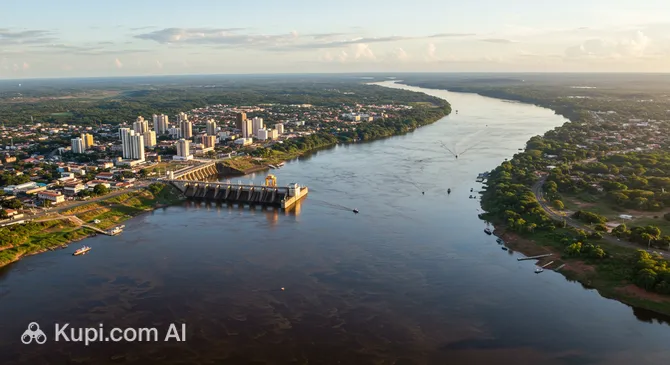
Ciudad Guayana. Source: Kupi.Binoculars

Unlike many other cities in the region with colonial roots, this metropolis is relatively young and was carefully planned to support the nation's industrial growth. Its development is a testament to modern engineering and vision. Visitors interested in how this unique urban center came to be can explore the history of Ciudad Guayana to understand its rapid transformation from small settlements into a powerhouse of the south.

For tourists, the city offers an array of natural attractions right within its limits. Parque La Llovizna is a must-visit, featuring a series of breathtaking waterfalls and lush islands on the Caroní River, perfect for walking and photography. Similarly, Parque Cachamay offers distinctive rapids and green spaces that provide a refreshing escape from the urban environment. Whether you are passing through on your way to the table mountains or staying to enjoy the river parks, Ciudad Guayana invites you to experience its unique blend of industry and natural beauty.
Weather Overview

Travelers visiting this region can expect a tropical climate characterized by consistent warmth throughout the year. Temperatures remain relatively stable, with daily averages generally hovering between 26°C and 28°C. The heat is most intense around April, where daytime highs can reach up to 33°C, while nighttime lows rarely drop below 22°C, ensuring balmy evenings regardless of the season.

Precipitation patterns are the main distinguishing factor between the seasons. The beginning of the year, particularly from January to April, constitutes the dry season, featuring minimal rainfall and clear skies. In contrast, the wet season typically begins in May and extends through November, with June and July being the rainiest months, often experiencing over 25 wet days each. For a more detailed forecast and monthly breakdown, you can consult the guide to the weather in Ciudad Guayana before packing for your trip.

Interesting Facts

Beyond the main attractions and industrial prowess, Ciudad Guayana holds fascinating secrets that reveal its character as a carefully designed metropolis amidst the wild tropics. From its academic origins to the engineering marvels integrated into daily life, there is much more to this city than meets the eye.
  • A City Designed by Academics: Unlike many cities that grew organically over centuries, the modern section of Puerto Ordaz was meticulously planned in the 1960s. The urban design was developed with the assistance of the Joint Center for Urban Studies of MIT and Harvard University. This collaboration aimed to create a model industrial city that respected the natural topography, resulting in the organized avenues and residential sectors seen today.

  • A Dam Within City Limits: It is one of the few places in the world where a major hydroelectric dam is located entirely within the urban boundary. The Macagua Dam (Antonio José de Sucre Hydroelectric Plant) spans the Caroní River right in the city, allowing residents to drive across the dam structure during their daily commute and visit the Ecomuseum built directly inside the facility.

  • The Bicolor Phenomenon: While the meeting of rivers is common, the confluence here offers a striking visual anomaly. The dark, tea-colored waters of the Caroní River and the sediment-rich, ochre waters of the Orinoco River flow side-by-side without mixing for several kilometers. This distinct separation creates a natural two-tone water surface that is clearly visible from the city's bridges.

How to Get There

Reaching this major industrial hub is relatively straightforward, as it is well-connected to the rest of the country by air and road. The city serves as a primary gateway to the southern regions of Venezuela, making it a frequent stop for travelers. For a detailed breakdown of all transport options and routes, you can read more about how to get to Ciudad Guayana.

The most convenient and direct way to arrive is via the Manuel Carlos Piar Guayana Airport (IATA: PZO). Located within Ciudad Guayana itself, this airport is the main entry point for the region and sits just 14.9 km from the city center. It handles a significant amount of domestic traffic, particularly from the capital, serving approximately 1 million passengers annually. A taxi or private transfer from the terminal to the downtown area typically takes around 45 minutes.

If direct flights are unavailable, another option is the Jose Tadeo Monagas International Airport (IATA: MUN), located in the neighboring city of Maturin. It is important to note that this airport is approximately 162.6 km away from Ciudad Guayana. Travelers choosing this route should plan for an overland journey of about 4.5 hours by taxi or bus to reach their final destination. While less convenient than flying directly into Puerto Ordaz, it remains a viable alternative for regional connectivity.

For clarity, here is a summary of the main airports in the vicinity:

Airport Name City Passenger Traffic Km from City
Piarco International Airport Port of Spain Large 285.6
Manuel Carlos Piar Guayana Airport Ciudad Guayana Medium 14.9
General Jose Antonio Anzoategui International Airport Barcelona Medium 295.5
Jose Tadeo Monagas International Airport Maturin 162.6

Main Attractions

Ciudad Guayana is renowned for its seamless integration of urban life with spectacular natural landscapes. The city's main appeal lies in its river parks, where the raw power of the Caroní River creates breathtaking scenery. Visitors can explore a variety of green spaces that showcase waterfalls, rapids, and lush vegetation, alongside fascinating cultural sites that highlight the region's industrial heritage.

Parque La Llovizna is arguably the city's most iconic landmark. Located on a series of islands in the Caroní River, this expansive park brings visitors face-to-face with the thundering La Llovizna waterfall. A network of walkways and bridges allows you to get incredibly close to the cascading water, often resulting in a refreshing mist that gives the park its name. It is an ideal spot for hiking, birdwatching, and enjoying a picnic amidst the sound of rushing water.

Another natural gem is Parque Cachamay, famous for its impressive rapids that stretch along the riverbank. The park offers a more relaxed atmosphere with paved paths perfect for jogging or a leisurely stroll. The roaring waters of the Cachamay falls provide a stunning backdrop, and the abundant vegetation offers plenty of shade, making it a favorite recreational area for locals and tourists alike.

For those interested in the intersection of art, technology, and nature, the Ecomuseo del Caroní is a fascinating stop. Uniquely situated within the structure of the Macagua Dam, this museum offers insights into the hydroelectric power generation that fuels the country, as well as exhibitions on local history and art. Its location alone makes it an architectural marvel worth visiting.

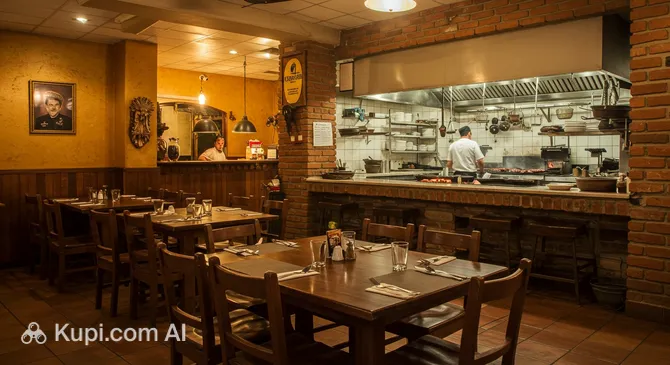
After exploring the parks, visitors can enjoy the local culinary scene, which is an attraction in itself. La Casona de la Carne is a well-regarded establishment where travelers can savor traditional grilled dishes and hearty meals. It reflects the region's love for quality meats and provides a comfortable setting to recharge after a day of sightseeing.

La Casona de la Carne. Source: Kupi.Binoculars

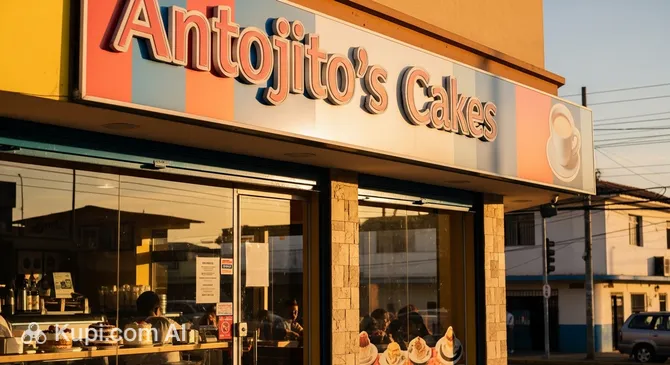
For a lighter treat, Antojito's Cakes offers a delightful selection of desserts and pastries. It is a charming spot to enjoy a coffee and a sweet snack, adding a touch of local flavor to your tour of the city.

Antojito's Cakes. Source: Kupi.Binoculars

Local Cuisine

The culinary scene in Ciudad Guayana is a flavorful reflection of its geography, sitting at the crossroads of the vast Venezuelan plains and the mighty Orinoco and Caroní rivers. The region's gastronomy is defined by fresh freshwater fish, high-quality beef from nearby cattle ranches, and some of the country's most famous dairy products. For food lovers, the city offers a mix of rustic traditional flavors and modern dining experiences.

One dish that every visitor must try is the Lau Lau. This large freshwater catfish, native to the Orinoco River, is prized for its rich, fatty texture and delicate flavor. It is typically prepared grilled or "a la plancha" and served with fresh salad and boiled yucca or potatoes. Another river delicacy is the Sapoara, a fish so legendary that local folklore says if you eat its head, you will never leave the region. These fish dishes are staples in riverside restaurants where the view complements the meal.

No description of the local food is complete without mentioning Queso Guayanés. This soft, fresh white cheese is a regional icon known for its unique elasticity and salty, creamy taste. It is softer than the similar queso de mano and is best enjoyed fresh, often served as a filling for arepas (cornmeal cakes) or cachapas (sweet corn pancakes). Locals often buy it daily from specialized markets to ensure maximum freshness.

Given the proximity to the cattle-grazing lands of Bolívar state, red meat is also a major part of the diet. Steakhouses are common, serving hearty portions of grilled beef. A prime example of this carnivorous tradition can be found at La Casona de la Carne, where visitors can enjoy expertly prepared cuts in a welcoming atmosphere. It represents the city's love for social dining over a substantial meal.

To finish on a sweet note, the city has a vibrant culture of bakeries and pastry shops. Locals enjoy spending their afternoons with a coffee and a slice of cake. Places like Antojito's Cakes are popular spots to indulge in elaborate desserts, reflecting the modern urban lifestyle of Puerto Ordaz. For a drink, nothing beats a cold local beer to combat the tropical heat, or a fresh fruit juice made from passion fruit or mango.

Travel Tips

Planning a trip to Ciudad Guayana involves preparing for its tropical environment and unique urban layout, where nature and industry coexist. To help you navigate this dynamic metropolis and ensure your visit is both enjoyable and smooth, here is a collection of practical advice for travelers.

  1. Clothing and Gear: Due to the hot and humid tropical climate, lightweight and breathable fabrics like cotton or linen are essential. Since the city's main attractions are its river parks, bring comfortable, sturdy walking shoes for hiking trails in Parque La Llovizna or Parque Cachamay. Don't forget a hat, sunglasses, and high-SPF sunscreen. If you are visiting during the rainy season (May to November), a compact umbrella or raincoat is a must.

  2. Transportation: The most convenient and safe way for tourists to get around is by using taxi services or private transfers. While public buses exist, they can be crowded and confusing for visitors. Ride-hailing apps have become increasingly popular and reliable in Venezuela; check for locally operating apps like Ridery or Yummy Rides upon arrival. If you rent a car, ensure you have a working GPS, as navigating the bridges between Puerto Ordaz and San Félix can be tricky for first-timers.

  3. Finances: While the local currency is the Venezuelan Bolívar (VES), US Dollars in cash are widely accepted and often preferred for many transactions. It is highly recommended to bring small denomination bills ($1, $5, $10, $20) that are in good condition, as torn or old notes may be rejected. International credit cards might not work in all establishments, so carrying sufficient cash is crucial. Tipping around 10% for good service in restaurants is customary.

  4. Health and Safety: Always drink bottled water and avoid tap water to prevent stomach issues. Given the city's location near major rivers, insect repellent is vital to protect against mosquitoes, especially during the late afternoon. For medical needs, look for major pharmacy chains like Farmatodo, which often have 24-hour branches. regarding safety, it is advisable to stay in well-lit, populated areas and avoid displaying expensive electronics or jewelry in public.

  5. Communication: The primary language is Spanish, and English is not widely spoken outside of major hotels or high-end restaurants. Learning a few basic phrases or having a translation app on your phone will be very helpful. You can purchase a local SIM card (from providers like Movistar or Digitel) at the airport or shopping malls to stay connected, as reliance on public Wi-Fi alone can be limiting.

  6. Local Etiquette: Venezuelans are generally warm and polite. A simple greeting like "Buenos días" (Good morning) or "Buenas tardes" (Good afternoon) when entering a shop or getting into a taxi is expected and appreciated. Handshakes are common, while close acquaintances may greet with a cheek kiss. Dress is casual but neat; swimwear is strictly for the pool or beach areas and not for walking around the city.

  7. What to Avoid: Avoid walking alone at night in unfamiliar neighborhoods. It is generally recommended for tourists to focus their accommodation and evening activities in the Puerto Ordaz section of the city, which has more tourism infrastructure, rather than San Félix. Also, avoid taking photos of military installations or strategic industrial sites without permission.

  8. Power Supply Tip: Electrical fluctuations can occur. It is a smart idea to bring a portable power bank to keep your phone charged while you are out exploring the parks. Additionally, a surge protector for your sensitive electronics (laptops, cameras) is a good precaution to use at your hotel.

By keeping these practical tips in mind, you will be well-equipped to enjoy the stunning waterfalls, warm hospitality, and unique character of Ciudad Guayana. A little preparation goes a long way in making your journey to the gateway of the Venezuelan south a memorable adventure.

Entertainment & Nightlife

Entertainment and nightlife in Ciudad Guayana are predominantly concentrated in the Puerto Ordaz section of the city, specifically within the Alta Vista district. This area acts as the modern commercial heart of the metropolis and offers the safest and most vibrant options for an evening out. The atmosphere here is generally more relaxed and social compared to the frenetic energy of the capital, with a focus on gathering with friends in secure environments such as hotel lounges, upscale restaurants, and bars located within shopping complexes.

A typical night out for locals often centers around a long, enjoyable dinner. Given the region's reputation for high-quality beef, steakhouses are a staple of the evening economy. A great place to start your night is La Casona de la Carne, where you can experience the local passion for grilled meats in a lively setting. After dinner, the nightlife transitions to various "tascas" (traditional bars) and modern pubs scattered along the main avenues. The music scene is heavily influenced by Latin rhythms, so expect to hear plenty of salsa, merengue, and reggaeton at most venues.

For those seeking a more low-key evening or a sweet treat, the city has a charming selection of cafes and bakeries. Antojito's Cakes is a popular spot that offers a cozy atmosphere, perfect for enjoying a dessert and coffee while winding down. Apart from dining and drinking, the Orinokia Mall serves as a major entertainment hub. It houses a modern cinema multiplex and a sprawling food court, making it a bustling center of activity where families and groups of friends congregate well into the evening in a safe, air-conditioned environment.

Regarding practicalities, safety is a primary consideration when enjoying the nightlife. It is highly recommended to stick to the well-lit, populated areas of Puerto Ordaz and avoid wandering into the San Félix area at night. For transportation, avoid hailing cabs on the street or walking long distances between venues. Instead, use trusted ride-hailing apps like Ridery or Yummy Rides, or ask your hotel or restaurant to call a verified taxi. The dress code is typically smart-casual; locals tend to dress neatly for a night out, with long pants and collared shirts being the norm for men. Prices are generally affordable, but it is advisable to carry small denominations of US dollars in cash, as international cards may not work everywhere.

During the daytime, entertainment options aside from the natural parks are largely found in the city's shopping centers. Malls like Orinokia and Ciudad Alta Vista offer not only retail therapy but also bowling alleys, arcades, and movie theaters, providing a welcome escape from the midday tropical heat.

Parks & Museums

Ciudad Guayana is often celebrated as a "garden city," where urban planning has successfully integrated vast green spaces and cultural venues into the daily life of its residents. Beyond the famous waterfalls, the city boasts a variety of parks, galleries, and historical sites that offer a deeper look into the region's biodiversity and rich heritage, making it a rewarding destination for nature lovers and history buffs alike.

Parque Loefling is a hidden gem often overshadowed by its larger neighbor, Parque Cachamay. This zoological park is dedicated to the conservation of local fauna and flora, offering a more intimate encounter with nature. Visitors can walk along wooden boardwalks through mangrove forests and observe native species such as capybaras, monkeys, and babas (small caimans) in environments that closely mimic their natural habitats. It is an excellent spot for families and wildlife enthusiasts looking to see the animals of the Venezuelan Guayana up close.

Another significant space is Parque La Fundación, located in the San Félix sector. This park holds immense historical value as it marks the site where the modern city of Ciudad Guayana was officially founded in 1961. It features a large plaza, sculptures, and murals that commemorate the city's industrial birth and the integration of its two main communities. It serves as a peaceful recreational area where tourists can reflect on the rapid transformation of this metropolis while enjoying the open air.

For those interested in the arts, the Sala de Arte Sidor is a key cultural reference in Puerto Ordaz. Sponsored by the region's major steel company, this gallery hosts rotating exhibitions featuring prominent Venezuelan artists, ranging from sculpture to avant-garde painting. It plays a crucial role in the city's cultural scene, providing a sophisticated space for artistic dialogue in the heart of an industrial hub.

While the Ecomuseo del Caroní is famous for its location inside the dam, it is also the city's premier art venue. Its galleries regularly display significant works of kinetic art and modern installations that contrast beautifully with the colossal industrial architecture surrounding them. It is a place where engineering and aesthetics meet, offering a cultural experience that is unique to this part of the world.

A short drive from the city center leads to one of the region's most important historical landmarks: Los Castillos de Guayana. Located on the banks of the Orinoco River, these two colonial fortresses—San Francisco de Asís and San Diego de Alcalá—were built by the Spanish in the 17th and 18th centuries to defend against pirates and privateers. Exploring the well-preserved stone walls and cannons offers a journey back in time, accompanied by panoramic views of the river and the surrounding lagoons.

For a truly authentic experience, visit the Plaza del Agua in the evening. This public space features a hydroelectric-themed fountain system that lights up at night, creating a relaxing atmosphere. It is a favorite gathering spot for locals to unwind, enjoy the breeze, and appreciate the city's connection to the water resources that power the entire nation.

Getting Around

The public transport system in Ciudad Guayana relies entirely on road-based networks, as there are no metro, tram, or railway services available for inner-city travel. The primary mode of transportation consists of a mix of government-operated buses and a vast fleet of privately owned minibuses. For a visitor, the layout of the city—divided by the Caroní River into Puerto Ordaz and San Félix—makes understanding these routes essential for navigating between the two distinct sectors.

The most organized and comfortable option for getting around is the Bus Rapid Transit (BTR) system, locally known as Transbolívar. These modern, red articulated buses operate on dedicated lanes along the city's main avenues. They are air-conditioned, generally safer, and stop only at designated stations, making them the most reliable choice for public transit. In contrast to the BTR, there are countless private minibuses and vans, often referred to as "camionetas" or "busetas." These vehicles cover a much wider network of neighborhoods but can be crowded, lack air conditioning, and often do not have fixed stops, picking up and dropping off passengers on demand.

Payment for transport varies by the type of service. For the Transbolívar system, payment is typically managed through a rechargeable card, although availability of these cards for short-term visitors can be inconsistent. On the other hand, private minibuses and vans operate exclusively on a cash basis. Fares are extremely low by international standards, but you must pay in the local currency, the Bolívar. It is crucial to carry small denomination bills, as drivers rarely have change for larger notes or foreign currency.

For tourists, the most highly recommended alternative to public buses is the use of taxis or ride-hailing apps. Services like Ridery and Yummy Rides operate effectively within the city, offering a secure and traceable way to travel. Unlike hailing a cab on the street, these apps allow you to pay via credit card or digital methods, avoiding the hassle of carrying large amounts of cash. Traditional taxi lines can also be found at major hotels and shopping malls like Orinokia, and they usually offer fixed rates for specific destinations.

A unique feature of local transport is the "Carrito por Puesto" system. These are shared taxis, often older American sedans, that run along fixed routes similar to buses but carry four to five passengers. They depart once the vehicle is full and offer a faster alternative to buses for a slightly higher price. While they are a quintessential part of the local experience, they can be confusing for those unfamiliar with the routes and are less recommended for first-time visitors compared to private taxis.

When planning your movements, be aware that public transport operating hours are somewhat limited compared to other major global cities. Buses and shared taxis begin running very early, often around 5:00 AM, but service drops off significantly after sunset. By 7:00 PM or 8:00 PM, finding a bus becomes difficult and less safe. Therefore, if you are dining out or exploring in the evening, you should always pre-arrange a private taxi or use a ride-hailing app to ensure a safe return to your accommodation.

Accommodation

Finding the right place to stay in Ciudad Guayana is relatively straightforward, as the city offers a range of accommodation options designed primarily to serve business travelers and industry professionals. This focus ensures that tourists can find reliable, modern facilities that prioritize comfort and connectivity. The selection spans from budget-friendly guesthouses, known locally as "posadas," to upscale hotels that offer resort-style amenities, including swimming pools and on-site dining.

When choosing a location, it is highly recommended to focus your search within the Puerto Ordaz section of the city. This area is the modern heart of the metropolis and offers the best infrastructure, safety, and proximity to shopping centers and restaurants. Specifically, the Alta Vista district is a favorite among visitors because it places you within walking distance of major malls like Orinokia and a variety of evening entertainment options. In contrast, while San Félix is rich in history, it generally lacks the tourism infrastructure and security features found in Puerto Ordaz, making it less suitable for overnight stays.

Since many hotels cater to corporate clients, the standard of service is generally high. Travelers can expect spacious rooms, air conditioning—which is essential in this tropical climate—and Wi-Fi access. Crucially, many of the well-established hotels in Puerto Ordaz are equipped with their own power generators and water tanks, ensuring a comfortable stay even if there are fluctuations in local utility services.

Regarding costs and booking, prices are typically very reasonable by international standards, with mid-range and even luxury options remaining quite affordable for foreign tourists. While major hotels can often be booked through standard international travel websites, many smaller establishments and posadas operate primarily through direct contact. It is common practice to check availability and finalize reservations via WhatsApp or Instagram. It is advisable to book your accommodation in advance, especially if you plan to arrive on a weekday when business travel is at its peak.

Nearby Cities

For those looking to explore the surroundings, Ciudad Guayana serves as an excellent base for day trips to several interesting nearby locations:

City Population Distance (km)
Ciudad Bolivar 567953 104
Maturin 514046 163
El Tigre 213524 183
Anaco 162704 232
San Felix 100000 2

Ciudad Bolívar is arguably the most compelling destination for a cultural and historical day trip. Located just over an hour's drive away, it sits at the narrowest point of the Orinoco River, historically known as "Angostura." The city boasts a beautifully preserved colonial center, featuring colorful architecture, the historic Cathedral, and the Plaza Bolívar, which is surrounded by museums detailing the nation's independence struggles. Visitors can also admire the Angostura Bridge, the first suspension bridge built over the Orinoco, offering panoramic views of the mighty river.

Although technically part of the greater metropolitan area, San Félix offers a distinct atmosphere from the modern planning of Puerto Ordaz. A short trip across the river allows travelers to visit the Malecón of San Félix, a riverside promenade where locals gather to watch the sunset and the movement of boats. This area provides a more traditional Venezuelan experience and is home to the historic Plaza Bolívar of San Félix, offering a glimpse into the older roots of the region before the industrial boom.

For those willing to travel a bit further, Maturin serves as the capital of the neighboring Monagas state. Known as the "Green City" due to its abundant vegetation and tree-lined avenues, it offers a change of pace with its own array of parks and the impressive Cathedral of Our Lady of Carmen. While the journey takes longer, it provides an opportunity to see the transition from the Guayana shield landscapes to the eastern plains of the country.

These nearby destinations offer a glimpse into the diverse culture and landscapes of the region.

Shopping & Souvenirs

Shopping in Ciudad Guayana offers a distinct contrast between modern retail experiences and traditional local commerce. For the average tourist, the primary focus is on the Puerto Ordaz section of the city, which boasts large, air-conditioned shopping centers that rival those found in the capital. These malls are not just places to buy goods; they serve as social hubs where locals gather to escape the tropical heat, dine, and enjoy entertainment. While the city is heavily industrial, visitors can still find unique regional items that reflect the rich resources and indigenous cultures of the Bolívar state.

The main commercial activity for visitors is concentrated in the Alta Vista district in Puerto Ordaz. This area is effectively the downtown of the modern city, characterized by wide avenues and a high density of retail businesses. It is considered one of the safest and most accessible areas for tourists to walk around and browse. Here, you will find everything from electronics and fashion to pharmacies and banks, all located within a relatively compact zone.

For a comfortable and comprehensive shopping experience, the city's malls are the best destination. The Orinokia Mall is the premier shopping center in the region, known for its modern architecture and vast selection of international and national brands. It is a sprawling complex where you can find clothing, sportswear, and technology, alongside a large food court and cinema. Another key location is the Ciudad Alta Vista complex (comprising Alta Vista I and II), which is connected by a pedestrian bridge over the avenue. These malls are popular meeting points and offer a reliable mix of retail stores and services.

While the malls offer convenience, the local markets provide a glimpse into the authentic life of the Guayana region. The Mercado Municipal de San Félix is a bustling, chaotic, and vibrant hub where fresh produce and the catch of the day from the Orinoco and Caroní rivers are sold. It is famous for its fish section, where you can see the legendary Sapoara. However, this market is best visited during the day and ideally with a local guide, as it can be overwhelming for first-time visitors.

When looking for souvenirs to take home, the region's natural wealth takes center stage. Ciudad Guayana is located in a state rich in minerals, and as such, gold jewelry is a popular purchase. There are reputable jewelers in the major malls selling locally crafted pieces, often referred to as "Oro Cochano." Additionally, you can find beautiful indigenous handicrafts, such as baskets and woven items made by the Warao and Ye'kwana tribes, often sold in specialty shops or at stands near major tourist parks like La Llovizna. Culinary souvenirs, such as local hot sauces (picante) or artisanal chocolates, are also excellent gifts.

Stores in the major shopping malls typically open around 10:00 AM and close between 8:00 PM and 9:00 PM. Street-side shops usually close earlier, around 6:00 PM. Regarding payment, the most widely accepted method for tourists is US Dollars in cash. While prices may be listed in Bolívars, the dollar is the de facto currency for most significant transactions. It is crucial to carry small bills ($1, $5, $10, $20) in good condition, as change is often scarce, and torn or marked bills may be rejected. International credit cards are not universally accepted, so relying on cash is the safest strategy.

Tax-free shopping or VAT refund schemes for tourists are not currently a standard feature in Venezuela. The price you see on the tag generally includes the value-added tax (IVA), and visitors should not expect to reclaim this at the airport upon departure.

Reached the end of the page?

That means the route is fully explored
