Support

Maturin

About

Welcome to Maturin, the vibrant capital of the Monagas state and one of the most important cities in the eastern region of Venezuela. Often referred to as the "Sultana del Guarapiche," this bustling urban center is known for its strategic economic importance and its surprisingly lush, green avenues. The city serves as a major gateway to the surrounding natural wonders, offering a blend of modern dynamism and tropical charm.

Geographically, Maturin sits on the banks of the Guarapiche River, enjoying a warm tropical savanna climate that keeps the atmosphere lively year-round. With a population exceeding half a million inhabitants, it is a significant hub for the region. Visitors often remark on the city's "green tunnels," formed by the expansive canopies of trees that line many of its main streets, providing welcome shade and a unique aesthetic.
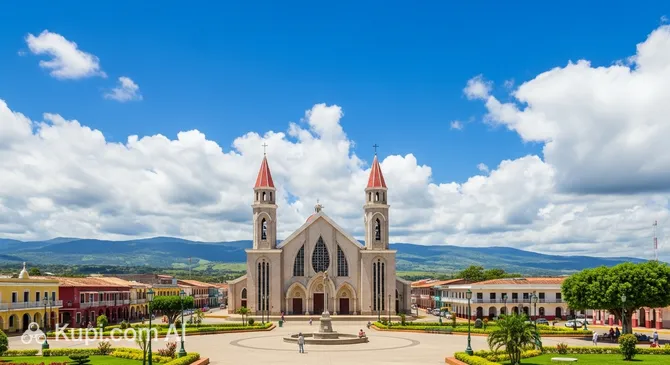
Maturin. Source: Kupi.Binoculars

While the city is a modern powerhouse today, the history of Maturin reveals a resilient past dating back to its colonial foundations in the 18th century. Exploring the city allows travelers to connect with the heritage of the eastern plains, known locally as the Llanos Orientales.

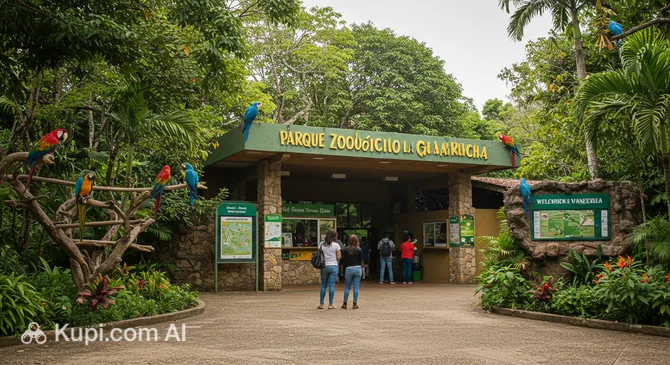
Among the top attractions, the Cathedral of Our Lady of Mount Carmel stands out as an architectural marvel. It is considered one of the largest and most modern cathedrals in Latin America, featuring impressive stained glass windows and a striking façade. For those seeking relaxation, the La Guaricha Zoological Park offers a pleasant escape within the city, featuring native wildlife and recreational areas for families.

Whether you are interested in unique modern architecture or simply want to experience the warm hospitality of the Monagas region, Maturin is a destination that invites you to explore its streets and culture. It is an excellent stop for anyone venturing into the heart of the country's eastern territories.
Weather Overview

Travelers visiting this region can expect a warm, tropical climate that remains fairly consistent throughout the year. The weather in Maturin is characterized by steady heat, with average temperatures generally hovering between 25°C and 28°C. April is typically the warmest month, seeing highs reach approximately 31.8°C, while January offers slightly cooler conditions with averages around 25.4°C.

Rainfall is a frequent occurrence, particularly during the middle of the year. The period from June to August is the wettest in terms of frequency, with precipitation recorded on up to 29 days in July. In contrast, March is usually the driest month, though visitors should still be prepared for occasional showers. Overall, expect warm days year-round with a high chance of rain, especially during the summer months.

Interesting Facts

Beyond the main attractions, Maturin holds many fascinating secrets and cultural highlights that define its unique character in the Monagas state. Here are a few intriguing details about the city:

  • The city's name pays homage to a brave indigenous leader, Cacique Maturín, who is celebrated in local history for his resistance against Spanish forces on the banks of the Guarapiche River.

  • Maturin hosts one of the most vibrant and famous carnival celebrations in eastern Venezuela, transforming the streets into a colorful spectacle of parades and music that rivals the festivities in larger metropolises.

  • Located right in the city center, La Guaricha Zoo is a beloved local landmark that features not only native wildlife but also a nostalgic miniature train and an artificial lagoon.

La Guaricha Zoo. Source: Kupi.Binoculars

How to Get There

Reaching this eastern Venezuelan city is quite convenient, primarily due to its local air connections and accessible road network. Whether you are traveling from within the country or arriving from abroad, there are several routes to consider. For a detailed overview of all transport options, you can read more about how to get to Maturin.

The most direct way to arrive is via the Jose Tadeo Monagas International Airport (MUN), which is located within the city limits. It is situated just 4.3 km from the center, meaning a taxi ride to your hotel typically takes only about 25 minutes. This airport handles domestic flights and serves as the primary gateway for visitors.

If direct flights are unavailable, you might consider flying into neighboring cities. The Manuel Carlos Piar Guayana Airport (PZO) in Ciudad Guayana is approximately 166.7 km away. From there, the journey by road to Maturin takes around 4.5 hours. Another viable option is the General Jose Antonio Anzoategui International Airport (BLA) in Barcelona, located roughly 169.4 km from the city, with a similar transfer time of about 4.5 hours by car or bus.

For clarity, here is a summary of the main airports in the region:

Airport Name City Passenger Traffic Km from City
Piarco International Airport Port of Spain High 224.4
Manuel Carlos Piar Guayana Airport Ciudad Guayana Medium 166.7
General Jose Antonio Anzoategui International Airport Barcelona Medium 169.4
Santiago Marino International Airport Porlamar Medium 155.7
Jose Tadeo Monagas International Airport Maturin 4.3

Maturin does not have a passenger railway service, so if you are not flying, road transport is the standard alternative. The city is well-connected by highways to other major urban centers in eastern Venezuela. Extensive bus networks and private car services operate regularly, offering scenic routes through the plains of Monagas for those arriving by land.

Main Attractions

Maturin offers a variety of interesting places that reflect both its cultural heritage and its modern development. From lush green spaces to impressive architectural feats, the city provides several noteworthy stops for visitors exploring the Monagas state.

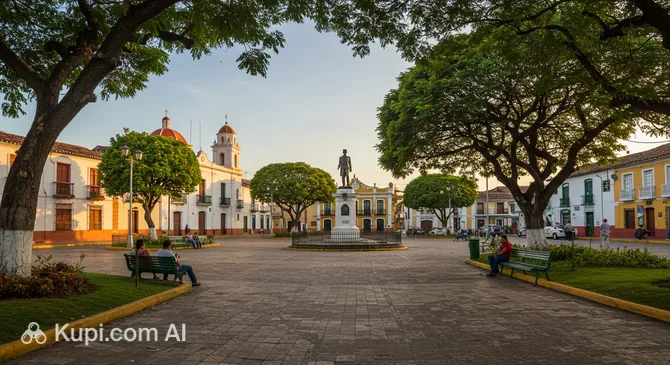
One of the central points of interest is Bolívar Square. As in many Venezuelan cities, this plaza serves as the social and historical heart of the town. It is a pleasant place to walk and enjoy the shade provided by the tall trees, offering a respite from the tropical heat. The square is surrounded by important government buildings and is a key spot for observing the daily rhythm of local life, making it a perfect starting point for any walking tour.

Bolívar Square. Source: Kupi.Binoculars

For those traveling with family or seeking a connection with nature within the urban area, La Guaricha Zoo is a must-visit destination. This park is not just a place to see animals; it acts as a recreational lung for the city. Visitors can observe a variety of wildlife native to the Venezuelan plains and other regions. The park also features an artificial lagoon and walking paths, making it an ideal location for a relaxing afternoon stroll away from the city noise.

La Guaricha Zoo. Source: Kupi.Binoculars

No tour of the city would be complete without admiring the Cathedral of Our Lady of Mount Carmel. This religious edifice is an architectural icon of the region and is widely recognized for its Romanesque-inspired design. Its two towering domes and the artistic stained glass windows create a majestic atmosphere, marking it as one of the most significant modern churches in the country.

Sports enthusiasts will also appreciate the Estadio Monumental de Maturín. Known as the "Jewel of the East," it is the largest football stadium in Venezuela. Its massive structure and vibrant atmosphere during matches make it a symbol of the city's passion for sports and a landmark of modern engineering in the region.

Local Cuisine

The culinary landscape of Maturin is deeply rooted in the traditions of the Venezuelan Llanos (plains), meaning that hearty, meat-based dishes are the stars of the table. Because Monagas is a major cattle-raising region, the absolute must-try dish here is Carne en Vara. This consists of high-quality cuts of beef skewered on long wooden poles and slow-roasted over a wood fire. The result is tender, smoky meat that is typically seasoned only with salt to highlight its natural flavor, often served in open-air rustic restaurants known as carneras.

Another staple of the local diet is the Cachapa, a thick, sweet corn pancake that is cooked on a griddle and folded over a generous slice of queso de mano, a soft, fresh white cheese typical of the region. Meals are frequently accompanied by Casabe, a large, thin, and crispy flatbread made from cassava (yuca). This indigenous heritage food is valued for its crunch and neutrality, making it the perfect side for savory stews and grilled meats.

To beat the tropical heat, locals turn to refreshing beverages. Papelón con limón is the quintessential drink, made from hardened sugar cane pulp dissolved in water and mixed with plenty of lime juice and ice. You will also find a wide variety of fresh fruit juices made from tropical bounties like passion fruit, mango, and guava. In the evenings, social gatherings are often accompanied by cold, locally produced beers which pair perfectly with the savory local cuisine.

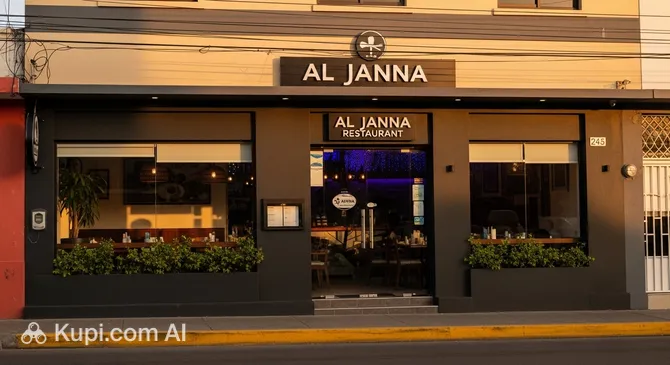
The dining scene in the city is diverse, ranging from casual street food stalls selling empanadas to more formal establishments. While traditional Venezuelan food is the highlight, the city also hosts a variety of international options reflecting its cosmopolitan growth. For a distinct dining experience, visitors can try Al Janna Restaurant, which offers a taste of the diverse flavors present in the city. Another popular spot for a sit-down meal is Qing Wan Yi Restaurant, catering to those looking for variety beyond the local grill.

Al Janna Restaurant. Source: Kupi.Binoculars

Whether you are enjoying a rustic lunch at a roadside grill or a dinner in the city center, the food culture in Maturin is characterized by generous portions and a welcoming atmosphere. It is a place where food is meant to be shared, reflecting the warm hospitality of the people of Monagas.

Travel Tips

To ensure your visit to the "Sultana del Guarapiche" is as smooth and enjoyable as possible, it is helpful to know a few practical details about local life in Monagas. These tips will help you navigate the city with confidence, allowing you to focus on the lush landscapes and warm hospitality that Maturin has to offer.

  1. Clothing and Gear: Given the tropical savanna climate, lightweight and breathable fabrics like cotton or linen are your best friends here. Since rain is frequent, especially from June to August, packing a compact umbrella or a light rain poncho is essential. Comfortable walking shoes are a must for exploring the city center, and if you plan to visit religious sites like the Cathedral, modest attire covering shoulders and knees is recommended.
  2. Transportation: The most convenient and safe option for tourists is to use taxi services or recognized ride-hailing apps available in Venezuela. Public buses exist but can be crowded and confusing for those unfamiliar with the routes. If you take a street taxi, it is customary to agree on the fare before starting the journey, as meters are rarely used.
  3. Finances: While the local currency is the Venezuelan Bolívar (VES), US dollars in cash are widely accepted and often preferred for daily transactions. Bring small denominations ($1, $5, $10) in good condition, as getting change for large bills can be difficult. International credit cards may not work everywhere, so having a cash reserve is crucial. Tipping is appreciated in restaurants and by service staff.
  4. Health and Safety: As in many tropical destinations, it is advisable to drink only bottled or purified water. Insect repellent is highly recommended, particularly if you visit parks like La Guaricha or areas near the river. Pharmacies are widely available, with chains like Farmatodo often open 24/7. Stick to well-lit, busy areas at night and keep your valuables discreet.
  5. Communication: Spanish is the primary language, and English is not widely spoken outside of major hotels or by tour guides. Learning a few basic phrases or having an offline translation app on your phone will be very helpful. You can purchase a local SIM card (from providers like Digitel or Movistar) at authorized stores using your passport to stay connected.
  6. Local Etiquette: Venezuelans are generally warm and polite. It is customary to greet people with a "Buenos días" (Good morning) or "Buenas tardes" (Good afternoon) when entering a shop or getting into a taxi. Handshakes are standard for introductions, while friends often greet with a cheek kiss. Politeness and a smile go a long way in social interactions.
  7. What to Avoid: Avoid discussing sensitive political topics with strangers, as this can be a polarizing subject. Additionally, refrain from photographing military installations or police checkpoints to prevent any misunderstandings with authorities.
  8. Stay Powered Up: It is a good idea to carry a portable power bank for your devices. This ensures you can keep your phone charged for maps and photos throughout the day, especially if you are out exploring for long periods.

By keeping these practical points in mind, you will be well-prepared to experience the best of Maturin. Embrace the local rhythm, enjoy the shade of the mango trees, and get ready for a memorable adventure in eastern Venezuela.

Entertainment & Nightlife

As the sun sets over the eastern plains, Maturin transforms into a lively urban center with a vibrant nightlife scene. Fueled by its status as a commercial and university hub, the city offers a variety of options ranging from relaxed dinners to energetic dance floors. The nightlife is concentrated primarily along the major thoroughfares, particularly Avenida Alirio Ugarte Pelayo and Avenida Bolívar, where neon lights beckon locals and visitors alike to enjoy the tropical evenings.

A typical night out often begins with a late dinner, as dining is an integral part of the social culture here. For a flavorful start to the evening, Al Janna Restaurant is a popular choice, offering a lively atmosphere perfect for gathering with friends. Those looking for a different culinary experience before hitting the town might visit Qing Wan Yi Restaurant, which provides a comfortable setting for a hearty meal. These establishments often stay open late, serving as the launching pad for the night's adventures.

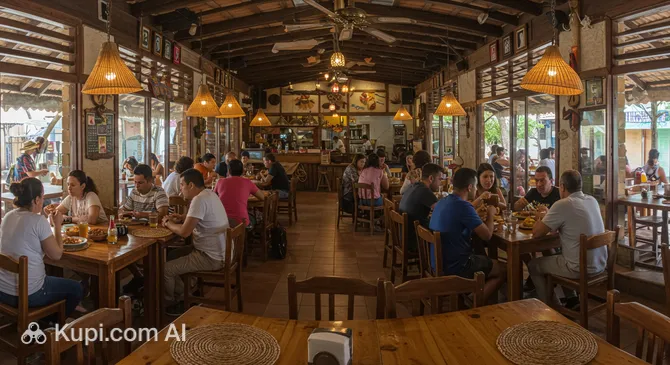
Qing Wan Yi Restaurant. Source: Kupi.Binoculars

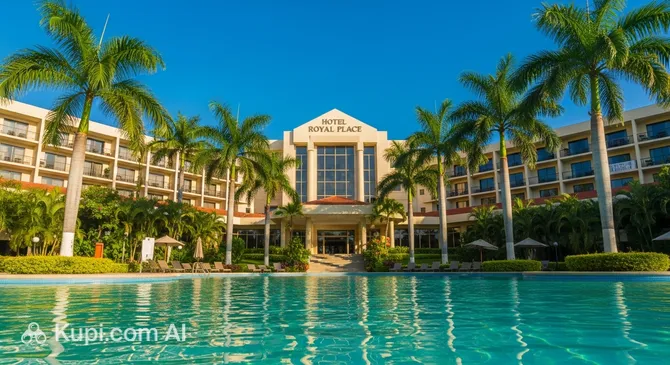
The bar and club scene in Maturin caters to a mix of tastes, from casual open-air tascas where beer flows freely to more sophisticated air-conditioned lounges. The crowd is generally well-dressed, adhering to a "smart casual" dress code, with many locals taking the opportunity to dress up. Music is the heartbeat of the night, with venues playing a high-energy mix of salsa, merengue, reggaeton, and international pop. For a more upscale and secure environment, many travelers prefer the bars and lounges located within major hotels, such as the area around Hotel Royal Place, which offers a refined setting for cocktails and conversation.

Hotel Royal Place. Source: Kupi.Binoculars

Practicality and safety are key to enjoying Maturin after dark. The action usually picks up after 9:00 PM, with clubs peaking around midnight. Prices are generally reasonable, though imported spirits can command a premium. For transportation, it is strongly advised to avoid walking alone at night and to skip hailing taxis on the street. Instead, rely on radio taxis, hotel-arranged transport, or reputable ride-hailing apps to move safely between venues. Sticking to well-lit, busy areas and commercial centers is the best practice for a worry-free night.

During the daylight hours, entertainment shifts towards the city's modern shopping centers, which serve as the primary hubs for leisure. Malls like Centro Comercial La Cascada and Petroriente are not just for shopping; they house modern cinema complexes, food courts, and family entertainment zones. These air-conditioned havens provide a welcome escape from the midday heat and are bustling with activity on weekends, offering a glimpse into the modern lifestyle of the Monagas region.

Parks & Museums

While Maturin is widely recognized for its dynamic industrial activity, the city also prides itself on offering serene green spaces and a growing cultural scene that invites visitors to slow down and explore. The local government and community have made significant efforts to maintain parks and cultural centers that reflect the identity of the Monagas state, providing a refreshing contrast to the bustling city streets.

One of the most emblematic natural areas is the Parque Andrés Eloy Blanco. Spanning several hectares, this park serves as a vital green lung for the southern part of the city. It is a favorite spot for locals to engage in morning jogs, outdoor exercises, or simply to enjoy a peaceful walk among the trees. The park's wide paths and open areas make it an excellent location for travelers seeking a quiet moment away from the urban noise without leaving the city limits.

For a more immersive experience with nature, La Guaricha Zoo remains the city's premier recreational facility. Beyond its role as a zoo, it functions as a sprawling urban park featuring an artificial lagoon where visitors can enjoy boat rides. The park is designed to be a family-friendly environment, offering shaded walkways and a chance to see native fauna up close, making it a cornerstone of leisurely life in Maturin.

In the heart of the downtown area, Bolívar Square offers a different kind of greenery. More than just a plaza, its dense canopy of trees provides a cool refuge from the tropical heat. It serves as a historical garden where visitors can admire the surrounding architecture while resting on the benches, observing the daily flow of local life in a setting that blends civic history with nature.

On the cultural front, the city is home to the impressive Museo Mateo Manaure, located within the expansive Complejo Cultural de Maturín. Named after the renowned Venezuelan artist considered a master of abstraction, this modern museum is an architectural landmark in itself. The five-story building features large exhibition halls dedicated to contemporary art, showcasing both Manaure’s kinetic works and pieces by other national artists. It stands as a testament to the region's commitment to the arts and is a must-visit for culture enthusiasts.

For an authentic local experience, take a stroll around the Cultural Complex in the late afternoon. The area often buzzes with activity from the nearby art and music schools, and you might stumble upon an impromptu performance or a temporary art exhibit. It is a fantastic way to connect with the creative spirit of the "Sultana del Guarapiche" beyond the usual tourist trails.

Getting Around

Public transportation in Maturin is entirely road-based, as the city does not have a metro, tram, or railway system. For visitors, the most visible and common form of collective transport is the network of privately owned minibuses and vans, locally known as busetas or carritos. These vehicles traverse the main avenues and connect residential neighborhoods with the city center and commercial districts. Additionally, there is a more organized bus service known as TransMonagas, which operates modern red buses along strategic corridors, offering a more comfortable and spacious alternative to the smaller vans.

The payment system for public transit is predominantly cash-based and relatively informal compared to European or North American standards. There are no integrated travel cards or digital pass apps for tourists to use across different transport lines. Fares are generally very affordable, but you must pay in the local currency. You pay the driver directly upon boarding or just before disembarking. It is crucial to carry small denomination bills, as drivers often struggle to make change for larger notes.

For tourists, navigating the bus system can be somewhat chaotic due to the lack of clearly marked stops and fixed timetables. While locals often flag down buses anywhere along the route, it is advisable for visitors to wait at designated stops or areas where groups of people are gathering. Transport services operate most reliably during daylight hours, typically starting around 6:00 AM. However, frequency drops significantly after 6:00 PM or 7:00 PM. It is highly recommended not to rely on public buses late at night.

Given the complexities of the bus network, taxis are widely considered the best option for visitors prioritizing comfort and safety. You can find taxi stands at major hotels, shopping malls like Centro Comercial La Cascada, and the airport. Unlike in many other cities, taxis here rarely use meters. It is standard practice to negotiate and agree on the fare with the driver before getting into the car. Ride-hailing apps have also gained popularity in the region, offering a more transparent way to book rides and pay, often allowing for digital payments or foreign currency transactions which can be more convenient than handling local cash.

Alternatives such as bike rentals or city-wide scooter sharing schemes are not currently a standard part of the transport landscape in Maturin. Walking is a pleasant option for short distances within specific areas, such as around Bolívar Square or inside the large shopping complexes, but due to the tropical heat and the distances between attractions, motorized transport is usually necessary for getting around the city efficiently.

Accommodation

Accommodation in Maturin largely reflects its status as a bustling commercial and industrial hub of eastern Venezuela. The city offers a range of options primarily designed to cater to business travelers, though tourists will also find comfortable places to stay. The selection spans from modest, budget-friendly guesthouses known locally as posadas to modern, mid-range hotels that provide international standards of comfort. While ultra-luxury resorts are not the norm, visitors can expect clean, well-equipped facilities with air conditioning—a necessity in this tropical climate.

When choosing a location, the northern section of the city is often considered the most desirable area for visitors. This zone, particularly around the Avenida Alirio Ugarte Pelayo, is modern, safer, and close to major shopping centers like Centro Comercial La Cascada. Staying here offers easy access to entertainment and dining options. Alternatively, the city center near the cathedral and government buildings provides a more immersive, albeit busier, local experience, placing you within walking distance of historical sites.

For travelers seeking a higher level of amenities and service, the city boasts several well-regarded establishments. A prominent example is the Hotel Royal Place, which is known for offering a comprehensive resort-style experience within the urban environment. Establishments in this category typically feature swimming pools, on-site restaurants, and secure parking, making them excellent choices for families or those looking to relax after a day of exploration.

Regarding prices and booking, Maturin is generally affordable compared to other Caribbean destinations. Budget options are very accessible, while the top-tier hotels fall into a mid-range price bracket by international standards. It is highly recommended to book your accommodation in advance, especially if you plan to visit during the Carnival season or if there is a major oil industry convention in town. While major hotels appear on international booking platforms, many smaller posadas rely on direct bookings via phone or WhatsApp. Additionally, be prepared to pay in cash (US Dollars are widely accepted) as international card terminals can sometimes be unreliable.

Nearby Cities

For those looking to explore the surroundings, Maturin serves as an excellent base for day trips to several interesting nearby locations:

City Population Distance (km)
Ciudad Guayana 900,000 163
Cumana 374,706 133
El Tigre 213,524 148
Carupano 173,877 101
Anaco 162,704 144

Traveling south from Maturin, visitors can reach Ciudad Guayana, a major industrial and natural hub located at the confluence of the Orinoco and Caroní rivers. This city is famous for its stunning parks, such as La Llovizna and Cachamay, where powerful waterfalls cascade through lush tropical greenery. It serves as a gateway to the majestic Gran Sabana and offers a unique blend of modern urban planning and raw natural beauty.

To the north lies the historic city of Cumana, the capital of the Sucre state. Renowned as the first European settlement on the South American mainland, it boasts significant colonial architecture, including the Castle of San Antonio de la Eminencia. Beyond its history, the city is a coastal destination offering access to the warm waters of the Caribbean Sea and serving as a jumping-off point for the Mochima National Park.

Another coastal option is Carupano, situated further east along the shore. Known for its vibrant culture and famous Carnival celebrations, it provides a relaxed atmosphere with beautiful beaches and proximity to the scenic Paria Peninsula. These nearby destinations offer a glimpse into the diverse culture and landscapes of the region.

Shopping & Souvenirs

Shopping in Maturin reflects the city's status as a commercial hub for eastern Venezuela. Visitors will find a mix of modern retail experiences and traditional local commerce. While it may not be a global fashion destination, the city offers a variety of options ranging from large, air-conditioned shopping malls featuring international brands to bustling street markets where local culture comes alive. Whether you are looking for clothing, electronics, or regional handicrafts, the city provides ample opportunities to browse and buy.

The heart of the city's commercial activity is centered around Avenida Bolívar. This major thoroughfare and the surrounding downtown streets are lined with a multitude of independent shops, pharmacies, and shoe stores. Walking through this area offers a glimpse into the daily life of the locals. It is a busy district where you can find everything from affordable textiles to household goods, often accompanied by the energetic atmosphere of street vendors selling snacks and small trinkets.

For a more comfortable and modern shopping experience, especially during the heat of the day, the city's shopping malls are the go-to destinations. Centro Comercial La Cascada is one of the most prominent and largest malls in the region. It features a wide array of clothing stores, a food court, and entertainment facilities, making it a popular meeting point for families. Another key location is Monagas Plaza, known for its variety of boutiques and services. Petroriente is also a well-frequented spot, offering a mix of retail and leisure options in a secure environment.

To experience the local flavors and vibrant trade of the region, a visit to the Mercado Municipal de Maturín (often called the Mercado Viejo) is essential. This market is a sensory experience filled with fresh produce, local cheeses, and meats. It is here that you can truly appreciate the agricultural richness of Monagas. While primarily a food market, it is also a good place to find affordable everyday items and observe the traditional way of trading that has existed for generations.

When it comes to souvenirs, the region is famous for its craftsmanship and local delicacies. Look for items made by the indigenous Warao people, such as beautifully woven baskets and chinchorros (traditional hammocks), which are both practical and artistic. Additionally, the Monagas state is known for its cashew nuts (merey), often sold in various forms, including sweets and jams. Bringing back a jar of dulce de merey is a delicious way to share a taste of Maturin with friends back home.

Standard shopping hours in Maturin typically run from 9:00 AM to 7:00 PM for street shops, while shopping malls often stay open until 8:00 PM or 9:00 PM. On Sundays, many smaller businesses may close, but the major malls usually remain open with slightly reduced hours. Regarding payment, the US Dollar in cash is the most widely accepted and preferred method for transactions. While some larger stores accept international debit or credit cards, it is not guaranteed, so carrying small denominations of cash is highly recommended to ensure smooth purchases.

Tourists should be aware that Venezuela does not currently operate a standard tax-free or VAT refund scheme for international visitors. The price you see on the tag is generally the final price you pay. Bargaining is not common in malls or established stores, but it can be acceptable in informal markets or with street vendors if done respectfully.

Reached the end of the page?

That means the route is fully explored