Support

Barcelona

About

Barcelona is a vibrant and historically rich city that serves as the capital of the Anzoátegui state. Often overshadowed by its Spanish namesake, this bustling metropolis in Venezuela offers a unique blend of colonial architecture, modern urban life, and proximity to the stunning Caribbean coast. With a population of approximately 448,000 residents, it stands as a significant cultural and economic hub in the eastern part of the country.
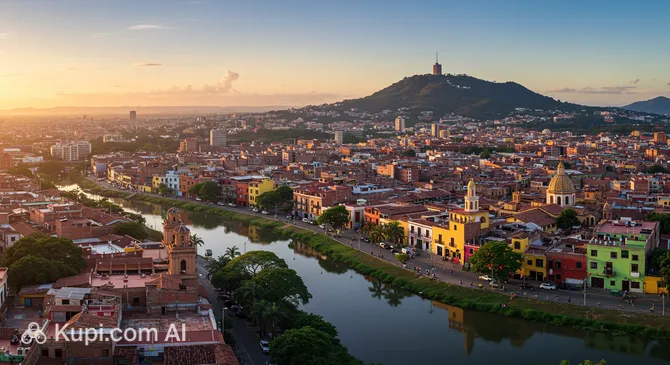
Geographically, the city is situated along the banks of the Neverí River, just a short distance from the ocean. This location blesses the area with a warm, tropical climate year-round, making it an inviting destination for sun-seekers. The city forms a major metropolitan area alongside neighboring Puerto La Cruz and Lechería, creating a dynamic region where urban amenities meet coastal relaxation.

The city preserves a fascinating heritage that dates back to the 17th century. Visitors interested in the past can delve deeper into the history of Barcelona by exploring its well-preserved historic center. Key landmarks include the Cathedral of San Cristóbal, known for its distinctive yellow facade, and the Casa Fuerte, a national monument that played a crucial role in the country's independence movement. These sites offer a glimpse into the colonial era and the resilience of the local people.

Beyond its historical streets, Barcelona acts as a gateway to some of the region's most beautiful natural attractions. It is an excellent starting point for trips to the nearby Mochima National Park, famous for its crystal-clear waters, coral reefs, and idyllic islands. Whether you are strolling through the plazas of the old town or heading out for a day at the beach, Barcelona provides a captivating mix of culture and adventure for every traveler.
Weather Overview

Visitors to this region can expect a consistently warm tropical climate, making it a year-round destination for those who enjoy heat. The weather in Barcelona remains stable regarding temperatures, which generally hover between 25°C and 28°C on average. Even during the "cooler" months like January, daily highs often reach 27.5°C, while the warmest period around September sees average temperatures climbing to 27.5°C with peaks up to 30°C.

Rainfall patterns define the seasons more than temperature changes. The beginning of the year, particularly from January to April, is typically dry, with very few wet days recorded. In contrast, the middle of the year brings a shift; from June to August, travelers should be prepared for more frequent precipitation, with data showing over 20 wet days per month during this period. Despite the rain, the air remains warm, maintaining the city's tropical atmosphere.

Interesting Facts

Beyond the main attractions, Barcelona holds many fascinating secrets that reveal its deep historical roots and unique character. This city offers more than just a gateway to the coast; it possesses a distinct identity shaped by centuries of cultural evolution and geographical quirks.
  • A Saint from Rome: The city's cathedral houses a rare and somewhat surprising religious relic: the embalmed remains of Saint Celestine (San Celestino). Brought from Italy in the 18th century, the martyr's reliquary has been venerated here for hundreds of years, making the church a unique pilgrimage site in the region.

  • A Convent Turned Fortress: The iconic Casa Fuerte, a symbol of the city's resilience, was not originally built for military purposes. It began its existence as the Convent of San Francisco. It was only later transformed into a fortification during the 19th century, serving as a dramatic example of how the city's architecture adapted to its turbulent history.

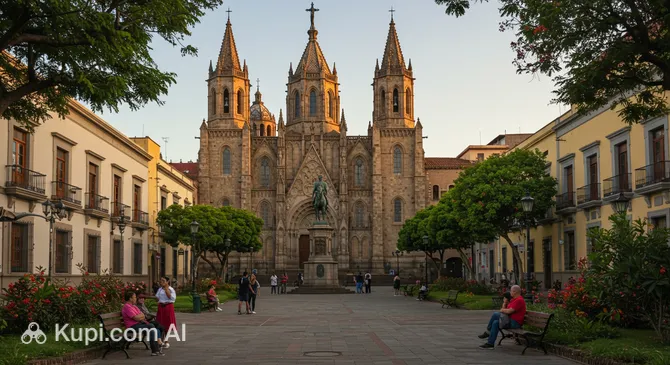
  • A Tale of Two Squares: While most Venezuelan cities center their social life around a single main plaza, this city features a dual arrangement. The historic Plaza Boyacá was the traditional colonial heart, but the Bolívar Square of Barcelona serves as a complementary hub, offering a lush green space that honors the national hero and balances the urban layout.

  • Catalan Origins: The city was founded in the 17th century by Joan Orpí, a conquistador of Catalan origin. He named the settlement "Nueva Barcelona" as a tribute to the capital of Catalonia in Spain, a connection that remains evident in the city's name and its foundational history.

Bolívar Square of Barcelona. Source: Kupi.Binoculars

How to Get There

Reaching this destination is relatively straightforward, primarily due to its own airport and solid connections to the capital. Whether you are arriving from international origins or traveling domestically, you have several options to consider. For a detailed guide on all transport modes, you can read more about how to get to Barcelona.

The most convenient entry point is General Jose Antonio Anzoategui International Airport (IATA: BLA). Strategically located within Barcelona itself, it is only about 4.3 km from the city center. This proximity makes the final leg of your journey very quick; a taxi or bus ride typically takes around 25 to 30 minutes depending on traffic. The airport handles a significant volume of passengers, serving as a key regional hub for the area.

For many international travelers, the journey may begin at Simon Bolivar International Airport (IATA: CCS), the country's primary gateway. The city of Barcelona does not house this major hub; it is located in the city of Caracas, approximately 259 km away. If you land here, you can connect to a domestic flight or travel by road. A trip by bus or taxi from Caracas to Barcelona is a longer journey, taking approximately 7 hours.

For clarity, here is a summary of the main airports:

Airport Name City Passenger Traffic Km from City
Simon Bolivar International Airport Caracas Large 259.1
General Jose Antonio Anzoategui International Airport Barcelona Medium 4.3
Manuel Carlos Piar Guayana Airport Ciudad Guayana Medium 294.2
Santiago Marino International Airport Porlamar Medium 115.2
Jose Tadeo Monagas International Airport Maturin 172.7

The city of Barcelona does not have a railway station, and trains are not a common method of intercity travel in this part of Venezuela. Visitors typically rely on the robust network of buses, private transfers, or domestic flights to move between regions.

Main Attractions

While the historic center offers a glimpse into the colonial past, the wider metropolitan area of Barcelona provides a variety of modern entertainment and leisure options. From bustling shopping centers to scenic public spaces, the city and its surroundings cater to diverse tastes, ensuring that visitors have plenty to explore beyond the museums and old churches.

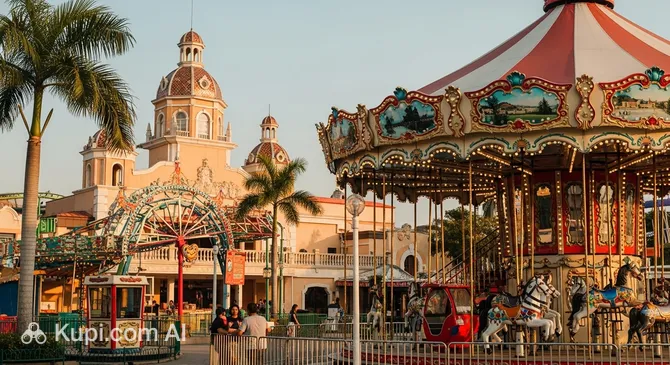
One of the most distinctive spots in the region is the Plaza Mayor Amusement Park. This location is far more than a simple fairground; it is a sprawling complex known for its unique architecture that mimics a Mediterranean village, complete with canals and waterways. Tourists flock here not just for the rides, but to enjoy a scenic walk by the water, dine at open-air cafes, or take a boat ride. It is a perfect place for families and anyone looking to experience a lively, picturesque atmosphere that feels distinct from the typical urban grid.

Plaza Mayor Amusement Park. Source: Kupi.Binoculars

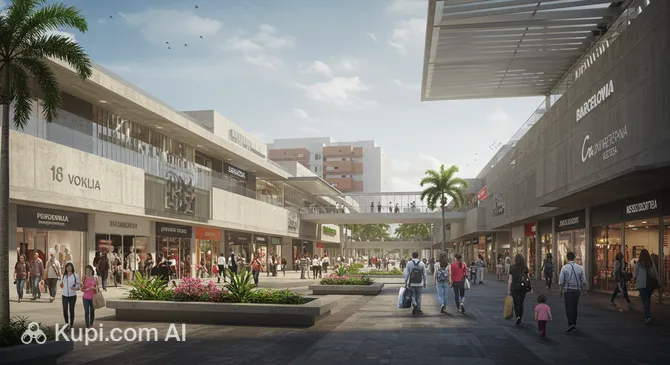
For those who enjoy combining retail therapy with architectural beauty, the Ciudad Puente Real Shopping Center is a must-visit destination. Unlike standard modern malls, this center was designed with a colonial aesthetic that mirrors the region's history, featuring colorful facades and open corridors. It serves as a major social hub where visitors can find a wide array of shops, a cinema, and a food court, making it an excellent stop for an afternoon of relaxation and entertainment in a comfortable, air-conditioned environment.

Ciudad Puente Real Shopping Center. Source: Kupi.Binoculars

Returning to the heart of the city, the Bolívar Square of Barcelona stands as a central gathering point for locals and tourists alike. While many cities in Venezuela have a square dedicated to the Liberator, this one is particularly notable for its spacious design and the imposing statue of Simón Bolívar. Surrounded by important government buildings and shaded by large trees, it offers a peaceful respite from the city noise and serves as an excellent starting point for a walking tour of the surrounding historic district.

Local Cuisine

The culinary scene in Barcelona reflects its location in the Venezuelan East (El Oriente), offering a delightful fusion of fresh Caribbean seafood and hearty traditional staples. Visitors should definitely try the region's signature dish, Pastel de Chucho. This unique casserole layers stewed stingray (or other white fish) with sweet fried plantains, cheese, and vegetables, creating a perfect balance of savory and sweet flavors that defines the local palate.

Street food is an essential part of the daily routine here, and no trip is complete without tasting the local fried goods. Locals frequently start their day with deep-fried empanadas made from corn flour. While cheese and beef are common fillings, the most authentic choice in this coastal state is cazón (seasoned school shark). These are often served with typical sauces and sometimes accompanied by casabe, a crisp, flatbread made from cassava that has been a dietary staple in the region since pre-colonial times.

To beat the tropical heat, residents rely on refreshing beverages. Papelón con limón, a drink made from raw sugarcane pulp and lime juice, is a favorite non-alcoholic thirst quencher found almost everywhere. For something stronger, the country is world-renowned for its rum, which is often enjoyed on the rocks or mixed in cocktails. An ice-cold local beer is also a standard accompaniment to a heavy lunch or a relaxing evening.

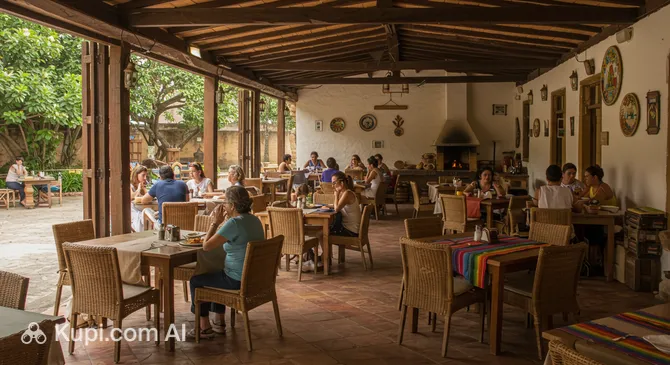
El Gran Llanero Restaurant. Source: Kupi.Binoculars

Dining options in the city range from casual roadside stalls to established family eateries. For those looking to experience traditional meat dishes and local hospitality, places like El Gran Llanero Restaurant are popular choices for a hearty meal. Another spot to enjoy authentic flavors in a comfortable setting is Restaurant Nacional, where visitors can sample a variety of regional preparations in a welcoming atmosphere.

Travel Tips

Visiting Barcelona, Venezuela, offers a unique opportunity to explore the country's eastern coast and its rich history, but like any destination, it requires some local know-how to ensure a smooth trip. These practical tips are designed to help you navigate the city comfortably, manage your logistics effectively, and enjoy the warm hospitality of the Anzoátegui region.

  1. Clothing and Gear: Given the tropical climate with temperatures often exceeding 27°C, pack lightweight, breathable fabrics like cotton or linen to stay cool. A hat, sunglasses, and high-SPF sunscreen are essential for protection against the strong Caribbean sun. Comfortable walking shoes are a must for exploring the historic center. If you plan to visit religious sites like the Cathedral of San Cristóbal, remember to dress modestly, covering shoulders and knees. Also, bring a universal travel adapter (Type A or B, similar to the US) for your electronics.

  2. Transportation: While public buses and "busetas" (minibuses) connect Barcelona with neighboring Puerto La Cruz and Lechería, they can be crowded and confusing for first-time visitors. The safest and most convenient option for tourists is to use official taxi lines found at hotels or shopping centers. Ride-hailing apps have become increasingly popular and reliable in major Venezuelan cities; check for locally operating apps like Ridery or Yummy Rides upon arrival. Car rental is available but is generally recommended only if you are comfortable with chaotic traffic patterns; hiring a local driver is often a more relaxing alternative.

  3. Finances: The official currency is the Venezuelan Bolívar (VES), but the US Dollar (USD) is widely accepted and often preferred for most transactions. It is crucial to bring cash in small denominations (e.g., $1, $5, $10 bills), as finding change for large bills can be difficult. Ensure your dollar bills are in near-perfect condition, as torn or marked notes are frequently rejected. International credit cards may not work in all establishments, so cash is your most reliable backup. Tipping around 10% in restaurants is standard and appreciated.

  4. Health and Safety: Stick to bottled water for drinking and brushing your teeth to avoid stomach issues. Pharmacies are widely available, with large chains like Farmatodo often open 24/7 and stocking most necessities, including snacks and toiletries. Regarding safety, exercise common sense: avoid wearing flashy jewelry or displaying expensive electronics in public streets. It is advisable to stay in well-lit, populated areas, especially at night, and to consult your hotel reception about safe zones for walking.

  5. Communication: Spanish is the primary language, and English proficiency among locals may be limited outside of major hotels and tourist agencies. Learning a few basic phrases like "Buenos días" (Good morning) and "Por favor" (Please) will go a long way. It is highly recommended to download an offline map and a translation app before you arrive. For mobile data, you can purchase a SIM card from providers like Digitel or Movistar at official stores or the airport, provided you have your passport.

  6. Local Etiquette: Venezuelans are generally warm, polite, and hospitable. When entering a shop or getting into a taxi, it is customary to greet the person with a friendly "Buenos días" or "Buenas tardes." Handshakes are the standard greeting for strangers. Locals are often very helpful and willing to give directions, so don't hesitate to ask politely if you are lost.

  7. What to Avoid: Avoid discussing sensitive political topics with strangers, as this can be a polarizing subject. Additionally, refrain from taking photographs of military installations, police checkpoints, or government buildings, as this is strictly prohibited and can lead to unnecessary trouble with authorities.

  8. Power and Connectivity: Be prepared for occasional power fluctuations or outages. Carrying a fully charged power bank for your phone is a practical "life hack" that locals swear by. This ensures you stay connected and can access your maps or ride-hailing apps even if the electricity dips temporarily during your outings.

By keeping these practicalities in mind, you can focus on the best parts of your journey: the colonial architecture, the nearby beaches, and the vibrant culture of the Venezuelan East. A little preparation will ensure your visit to Barcelona is both safe and memorable.

Entertainment & Nightlife

Entertainment and nightlife in Barcelona offer a distinct mix of traditional evenings in the historic center and vibrant modern experiences in the wider metropolitan area. While the old town tends to be quieter after dark, the city serves as a launchpad to the bustling nightlife of the "Greater Barcelona" region, particularly where it merges with neighboring Lechería and Puerto La Cruz. The atmosphere here is distinctly Caribbean—laid-back, warm, and fueled by music and socializing.

The undisputed heart of nightlife for locals and visitors alike is the complex surrounding the Plaza Mayor Amusement Park. While it functions as a family destination during the day, as the sun sets, this Mediterranean-style complex transforms into a lively hub of activity. The canals and walkways are lined with numerous bars, open-air terraces, and nightclubs that cater to a diverse crowd. Here, you can sip cocktails by the water, listen to live Latin music, or dance until the early hours in a safe, patrolled environment. The dress code is generally "smart casual"—locals like to dress up a bit for a night out, so avoid beachwear if you plan to enter the clubs.

For a more relaxed evening, perhaps involving a movie or a late-night snack, the Ciudad Puente Real Shopping Center is a popular choice. Modern malls in Venezuela often serve as safe havens for nightlife, hosting cinemas and food courts that remain open late. It is a great place to experience the local social dynamic in a comfortable, air-conditioned setting before heading to more energetic venues.

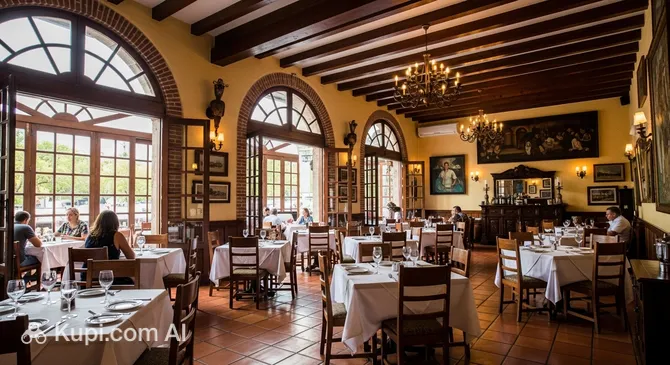
Dining is an integral part of the night out. Before hitting the bars, many travelers opt for a substantial meal at traditional establishments. Restaurant Nacional is one such venue where you can enjoy a leisurely dinner with authentic local dishes. The culture here dictates late dining, with many restaurants filling up around 8:00 PM or 9:00 PM.

Restaurant Nacional. Source: Kupi.Binoculars

When planning a night out, safety and logistics are paramount. Public transportation is not recommended at night. Instead, rely on trusted taxi lines from your hotel or use popular ride-hailing apps like Ridery, which are widely used and offer tracked journeys. Stick to well-lit areas like the Plaza Mayor complex or established commercial centers. Prices for drinks and cover charges are generally affordable by international standards, with many places accepting US dollars, though having small bills is essential.

During the daylight hours, the entertainment focus shifts to culture and history. The city is home to the Teatro Cajigal, a beautiful 19th-century theater that occasionally hosts performances and is a sight to behold for architecture lovers. Museums such as the Museo de Anzoátegui offer a deep dive into the region's colonial past and indigenous roots. Whether you prefer a quiet afternoon exploring museums or a high-energy night by the canals, the city provides a varied itinerary to suit different moods.

Parks & Museums

Barcelona offers a compelling mix of green urban spaces and deep-rooted cultural heritage, making it a rewarding destination for history buffs and nature lovers alike. While the city is often seen as a gateway to the coast, its own streets contain significant parks and museums that tell the story of the region's colonial past and its vibrant present.

The heart of the city's outdoor life is the Bolívar Square of Barcelona. Far more than just a transit point, this spacious plaza is a lush sanctuary filled with tall trees that offer welcome shade from the tropical sun. It serves as the civic center, surrounded by government buildings and historical architecture. Locals gather here to socialize, making it an excellent spot for tourists to observe daily life, enjoy a quiet walk, or simply rest on a bench while admiring the statue of the Liberator.

For a more extensive natural escape within the metropolitan area, the Parque Andrés Eloy Blanco is a key destination. This expansive urban park is a favorite among residents for jogging, picnics, and outdoor sports. It provides a vast green lung for the city, featuring paved paths, sports courts, and ample open space. It is the perfect place to experience the community atmosphere of the city away from the busy commercial districts.

Delving into the cultural side, the Museo de Anzoátegui (also known as the Museum of Tradition) is an essential stop. Housed in a beautifully restored colonial building dating back to the 17th century, the structure itself is a primary exhibit. Inside, visitors can explore a vast collection of religious art, colonial weaponry, and artifacts that trace the history of the state. It offers a tangible connection to the era when the city was a budding settlement in the New World.

Another profound historical site that functions as an open-air museum is the Casa Fuerte. Originally built as the Convent of San Francisco, it was transformed into a fortress during the War of Independence. Today, the site stands as a national monument preserving the ruins of the original structure. Walking among the weathered stone walls and statues of independence heroes is a moving experience that highlights the city's strategic importance and the sacrifices made during the 19th century.

Architecturally, the Cathedral of San Cristóbal remains the city's crowning jewel. Located near the main squares, this church is celebrated not just for its religious significance but for its distinct colonial design. It famously houses the embalmed remains of San Celestino, a martyr whose reliquary has been a point of veneration since the 18th century. The interior provides a cool, serene atmosphere that contrasts sharply with the bustling streets outside.

For a truly authentic experience, take a moment to visit the Ermita de El Carmen. This smaller, often overlooked church features neoclassic lines and holds historical value related to the independence struggles. A visit here is often quieter than the main cathedral, offering a peaceful glimpse into the spiritual life of the locals and a chance to admire well-preserved religious art without the crowds.

Getting Around

Navigating the public transport system in Barcelona involves understanding a mix of modern government initiatives and traditional, informal networks. The city does not have an underground metro or tram system. Instead, the backbone of public transit is the Bus Rapid Transit (BTR) system, locally known as TransAnzoátegui or "Cacique Cayaurima." These large, red articulated buses run on dedicated lanes, connecting Barcelona effectively with the neighboring cities of Lechería, Puerto La Cruz, and Guanta. Complementing the BTR are the ubiquitous busetas (minibuses) and carritos (sedans or vans operating as shared taxis), which cover a vast web of local routes that reach into neighborhoods not served by the main lines.

The payment system varies significantly depending on the mode of transport you choose. For the BTR buses, a rechargeable smart card is officially required, which can be purchased at main stations, although availability can sometimes vary. In contrast, the privately run busetas and carritos operate exclusively on a cash basis. Fares are very affordable by international standards. It is critically important to carry small denominations of the local currency, the Venezuelan Bolívar, as drivers rarely have change for high-value notes or foreign currency. Payment is typically made directly to the driver or a collector assistant upon entering or exiting the vehicle.

For tourists wishing to use public transport, timing and awareness are key. The system is most active starting from early morning, around 5:30 AM, but service frequency drops sharply after sunset. Most buses and BTR routes stop operating by 7:00 PM or 8:00 PM, so this is not a viable option for nightlife. Bus stops for the BTR are well-marked platforms, but for busetas, stops can be more fluid; you may need to wave a bus down to board and call out "La parada, por favor" (The stop, please) when you are ready to get off. Be mindful of your belongings in crowded spaces and try to travel during daylight hours.

Given the complexity of bus routes and the lack of strict schedules, many visitors find alternatives more convenient. Taxis are widely available and are generally the preferred method for tourists. You can find them at established "líneas" (taxi stands) outside shopping malls like Ciudad Puente Real or major hotels. Note that taxis here do not use meters; you must negotiate and agree on the fare with the driver before getting into the car to avoid misunderstandings.

A highly recommended alternative that combines safety with ease of use is the growing market of ride-hailing apps. Platforms such as Ridery and Yummy Rides operate in the Anzoátegui region, offering a reliable service similar to international equivalents. These apps allow you to book a ride with a fixed price, track your journey, and often pay via the app or in cash, removing the stress of haggling or carrying large amounts of local currency. Car rentals are available but are generally not recommended for those unfamiliar with the aggressive local driving style.

While the city lacks historic trams or cable cars, the BTR system itself is a notable feature for the region. It represents a significant effort to modernize transit in the metropolitan area and offers the most straightforward, air-conditioned way to travel between the historic center of Barcelona and the coastal beaches of Puerto La Cruz. For a visitor looking to move between these twin cities inexpensively during the day, the BTR is the most practical public transport choice.

Accommodation

Accommodation options in Barcelona and its immediate surroundings cater to a variety of needs, ranging from functional business hotels to modest, family-run guesthouses known as "posadas." While the city center focuses more on commercial and administrative activities, it offers several reliable mid-range hotels that provide essential amenities like air conditioning and Wi-Fi. For travelers seeking luxury resorts or high-end apartment rentals, the search often extends slightly north to the neighboring district of Lechería, which is part of the same metropolitan area and easily accessible by taxi.

When choosing an area to stay, convenience depends largely on the purpose of your visit. Staying in the historic center or near Bolívar Square places you within walking distance of colonial landmarks, museums, and government buildings, making it ideal for those interested in culture and history. Alternatively, the area known as Nueva Barcelona offers a more modern environment with closer proximity to shopping malls like Ciudad Puente Real and better access to the main avenues leading to the coast.

The price range for accommodation in the region is generally affordable by international standards. Budget travelers can find comfortable rooms in local posadas for very reasonable rates, while mid-range business hotels offer a higher standard of service and security without breaking the bank. True luxury options are less common within the city limits of Barcelona itself but are readily available in the nearby coastal zones, where prices reflect the resort-style amenities.

A crucial tip for booking is to plan well in advance, especially if you are traveling during Venezuelan national holidays or the carnival season, when local demand spikes. While some larger hotels appear on major international booking platforms, many smaller establishments and posadas rely on direct bookings via WhatsApp or Instagram. It is also worth noting that paying directly at the hotel often allows for better rates, particularly if you are paying in US dollars.

Nearby Cities

Nearby Cities:

Barcelona is strategically positioned on the northeastern coast of Venezuela, serving as a gateway to the Anzoátegui state and beyond. Its location allows for convenient travel to neighboring coastal towns as well as key industrial cities further inland. The most immediate destination is Puerto La Cruz, situated just 8 km away. These two cities are so closely linked that they form a single metropolitan hub, offering visitors easy access to ferry terminals, beaches, and vibrant nightlife.

Traveling eastwards along the coast for approximately 63 km, you will reach Cumana, the capital of the Sucre state. It is celebrated as the oldest European-founded city in South America and boasts a wealth of colonial history. For those willing to venture across the water, Porlamar on Margarita Island is a top attraction. Although it lies about 126 km away, it is easily accessible via the ferry services from Puerto La Cruz, making it a popular weekend getaway for shopping and beach relaxation.

Heading south into the interior plains, the scenery shifts from coastal views to the vast savannas known as "Los Llanos." This route leads to Anaco and El Tigre, located 82 km and 148 km away, respectively. These cities are vital centers for the region's energy industry and offer a different perspective on the local economy and lifestyle compared to the coastal capital.

City Population Distance (km)
Puerto La Cruz 306,261 8
Cumana 374,706 63
Anaco 162,704 82
Porlamar 120,924 126
El Tigre 213,524 148

Shopping & Souvenirs

Shopping in Barcelona offers a mix of modern convenience and traditional commerce, reflecting the city's dual nature as a historic capital and a growing metropolitan hub. While it may not be a global fashion destination, the city provides a variety of options ranging from bustling pedestrian streets filled with local vendors to air-conditioned malls that offer a respite from the tropical heat. Visitors can find everything from international brands and electronics to unique local handicrafts that capture the spirit of Eastern Venezuela.

For a truly authentic local experience, the heart of commercial activity in the city center is the Bulevar 5 de Julio. This pedestrianized street is always teeming with life, lined with countless small shops selling clothing, shoes, and accessories at affordable prices. It is a vibrant, somewhat chaotic sensory experience where music blares from storefronts and street vendors display their wares. Walking here offers a glimpse into the daily life of the residents and is the best place to find bargains on everyday items.

Travelers looking for a more relaxed and upscale atmosphere should head to the Ciudad Puente Real Shopping Center. This is not just a place to buy goods; it is an architectural landmark in its own right, designed to resemble a colonial village with colorful facades and open-air corridors. It houses a wide selection of boutiques, shoe stores, and technology shops, along with a cinema and food court. It is a favorite meeting point for families and offers a comfortable environment to browse for fashion or gifts.

Another significant commercial hub is the complex surrounding the Plaza Mayor Amusement Park. While famous for its recreational canals and rides, the area is also home to a large shopping center known as Centro Comercial Plaza Mayor. Here, visitors can explore a variety of retail outlets set against a picturesque backdrop of Mediterranean-style architecture. It is an excellent location to combine shopping with a leisurely walk by the water or a meal at one of the many terrace restaurants.

When it comes to souvenirs, visitors should look for goods that represent the region's culture. Venezuela is world-famous for its cacao and chocolate, and you can find high-quality bars in local supermarkets or specialty shops. Rum is another top purchase, with premium aged varieties available at prices significantly lower than abroad. For traditional crafts, look for chinchorros (woven hammocks) and basketry, which are typical of Eastern Venezuela and make for beautiful, functional keepsakes.

Store opening hours generally run from 9:00 AM to 7:00 PM, though shopping malls like Ciudad Puente Real often stay open later, until 8:00 PM or 9:00 PM. Street shops in the center may close earlier, around 6:00 PM, and some smaller businesses might close for a lunch break between 1:00 PM and 3:00 PM, although this is less common in major commercial areas.

Regarding payment, the US Dollar is the most widely accepted currency for shopping. It is highly recommended to carry cash in small denominations ($1, $5, $10), as stores frequently lack change for larger bills. International credit cards can be unreliable due to terminal compatibility issues, so cash remains the safest option. There is no tax-free shopping scheme for tourists in Venezuela; the price you see usually includes the Value Added Tax (IVA), and refunds are not available upon departure.

Reached the end of the page?

That means the route is fully explored