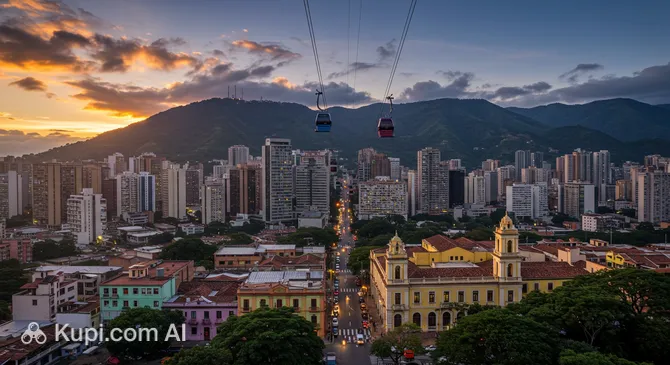
Caracas, the bustling capital of Venezuela, is a city of dramatic contrasts and vibrant energy. Nestled in a long, narrow valley adjacent to the Caribbean coast, it is separated from the sea by the imposing Cerro El Ávila. This stunning mountain backdrop defines the city's landscape and provides a constant connection to nature amidst the urban environment.
Caracas. Illustration.
Source: Kupi.com AI
With a population of over 2.2 million people, Caracas is the cultural and economic heart of the nation. Thanks to its elevation of about 900 meters (3,000 feet), the city enjoys a pleasant, spring-like climate year-round, often referred to as the "City of Eternal Spring." The history of Caracas is deeply intertwined with the liberation of South America, as it is the birthplace of the renowned leader Simón Bolívar. Visitors can explore this rich heritage in the historic center, where colonial buildings stand alongside modern skyscrapers.
Travelers are often drawn to the Waraira Repano National Park (El Ávila), accessible by a scenic cable car ride that offers breathtaking panoramic views of the metropolis on one side and the Caribbean Sea on the other. Whether you are interested in exploring world-class museums, enjoying the local gastronomy, or simply admiring the mountain scenery, Caracas offers a unique and memorable experience for every visitor.
Weather Overview
Caracas is famous for its exceptional climate, often described as "eternal spring" due to its valley location and elevation. The weather in Caracas remains remarkably consistent throughout the year, making it a comfortable destination to visit at any time. Humidity is generally moderate, and fresh mountain breezes often cool the city in the evenings, creating a pleasant atmosphere for exploring.
Temperatures are stable, with average daily highs typically ranging from 27°C to 29°C and lows rarely dropping below 19°C. May is generally the warmest month, with an average temperature of around 25.2°C, while December and January are slightly cooler and fresher. This stability means you rarely need heavy winter clothing, though a light jacket is recommended for cooler nights or air-conditioned indoor spaces.
While temperatures stay steady, rainfall patterns vary across the seasons. The year usually begins with drier conditions from January to March, seeing minimal precipitation. In contrast, the period from June through November brings a higher frequency of wet days, peaking in October with rain occurring on up to 28 days of the month. Despite the frequent rainfall during this season, showers can be brief, often allowing the sun to return quickly.
Average monthly temperature
Average monthly precipitation
Interesting Facts
Beyond its vibrant streets and historic landmarks, Caracas holds fascinating secrets and unique features that surprise many visitors. From colorful skies to architectural marvels, the city offers plenty of intriguing details for the curious traveler.
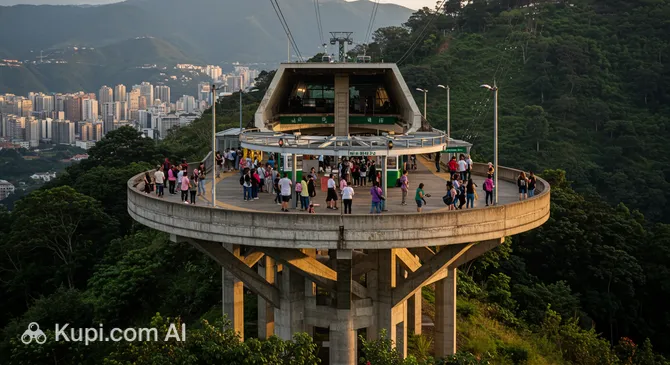
Maripérez Station (Caracas Cable Car). Illustration.
Source: Kupi.com AI
Traveller photos:
One of the most charming urban legends that is actually a daily reality is the presence of wild macaws, or "Guacamayas." These vibrant, large parrots fly freely across the valley, often landing on the balconies of high-rise apartments where residents feed them by hand, creating a unique bond between the city's wildlife and its people.
The city is home to a marvel of modern engineering and tourism, the famous teleférico system. Departing from the Maripérez Station (Caracas Cable Car), this aerial tramway whisks passengers up the steep slopes of Mount Ávila, connecting the bustling metropolis with the serene heights of the national park in just minutes.
Caracas hosts a UNESCO World Heritage Site known as the University City (Ciudad Universitaria), a masterpiece of modern architecture. Within this complex, the University Stadium of Caracas stands as a prime example of how functional sports infrastructure was designed to integrate seamlessly with art and the surrounding landscape.
Art enthusiasts may be surprised to learn that the Museum of Contemporary Art of Caracas was established to hold one of the most significant collections in Latin America. Its galleries have historically showcased works by global masters such as Picasso, Miró, and Bacon, alongside prominent Venezuelan artists.
For decades, the skyline of Caracas was dominated by the Twin Towers of the Parque Central Complex. Standing at approximately 225 meters, these skyscrapers held the title of the tallest buildings in Latin America from 1979 until 2003, serving as an enduring symbol of the city's urban growth.
How to Get There
Reaching the Venezuelan capital is the first step of your adventure, and for most international travelers, this means arriving by air. While the city is connected by road to other parts of the country, flying remains the most practical and common method of entry. You can find more details about how to get to Caracas and navigate your arrival in our dedicated guide.
The primary gateway for visitors is the Simon Bolivar International Airport(IATA: CCS). Although it serves Caracas, it is physically located in Maiquetía, near the coast, approximately 16.8 km from the city center. This is the busiest and most significant air hub in the country, handling the vast majority of international flights. The journey from the airport to Caracas typically involves a taxi or private transfer; based on the distance, you should expect the trip to take around 45 minutes, though traffic conditions can vary.
If your travel plans involve other regions or if you are looking for alternative entry points, you might consider the Arturo Michelena International Airport(IATA: VLN). Situated in the city of Valencia, this airport is about 118 km away from Caracas. While it is a regional option, the travel time to the capital by road is significantly longer, taking approximately 3 hours and 20 minutes. Another possibility for those exploring the eastern coast is the General Jose Antonio Anzoategui International Airport(IATA: BLA) in Barcelona, located roughly 246 km from Caracas.
For clarity, here is a summary of the main airports:
Caracas is a city where history and culture converge, offering visitors a chance to explore the roots of South American independence. The city center is a testament to its colonial past, anchored by the iconic Bolívar Square. This bustling plaza is the heart of the historic district, surrounded by important government buildings and the cathedral. It serves as a popular meeting point for locals and a perfect starting spot for tourists to soak in the city's atmosphere.
Just a short walk from the main square, history enthusiasts can visit the Simón Bolívar Birthplace House. This well-preserved colonial mansion is where "The Liberator" was born in 1783. Today, it functions as a museum displaying period furniture, personal artifacts, and paintings that depict the life of one of Latin America's most significant historical figures, offering a glimpse into the 18th-century lifestyle of the local aristocracy.
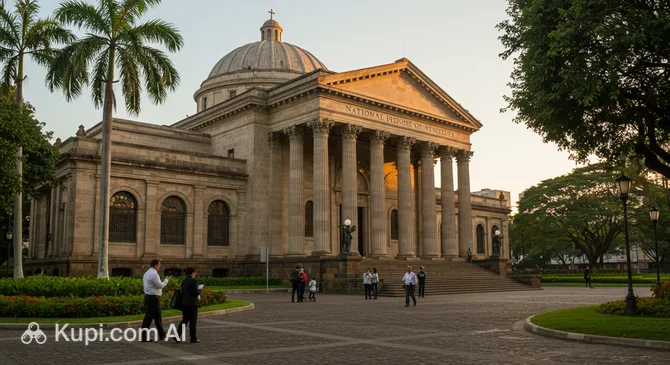
National Pantheon of Venezuela. Illustration.
Source: Kupi.com AI
Traveller photos:
Another architectural jewel is the National Pantheon of Venezuela. Originally built as a church, this solemn mausoleum now houses the remains of prominent national heroes, including Simón Bolívar. Its stunning interior, adorned with magnificent murals and monuments, offers a quiet and respectful space to reflect on the country's rich heritage and the legacy of its founding fathers.
For those who appreciate grand monuments and open spaces, The Heroes' Walk (Paseo Los Próceres) is a must-see. This monumental avenue is lined with imposing statues, fountains, and gardens honoring the leaders of the Venezuelan War of Independence. It is a favorite spot for jogging, cycling, or simply enjoying a leisurely walk. Nearby, art lovers should not miss the Museum of Fine Arts, which boasts an impressive collection of international and Venezuelan art housed in a distinct neoclassical building.
Local Cuisine
The culinary landscape of Caracas is a vibrant reflection of its multicultural heritage, blending indigenous ingredients with European and African influences. The city's food scene is characterized by bold flavors, fresh tropical fruits, and a deep love for hearty, comforting meals. Whether you are dining in a sophisticated restaurant or grabbing a bite at a bustling street corner, the local gastronomy promises a memorable journey for your taste buds.
No visit to the capital is complete without tasting the iconic arepa. These round cornmeal patties are the daily bread of Venezuelans and can be found everywhere, from humble stalls to dedicated "areperas." They are grilled or fried and stuffed with an endless variety of fillings, such as savory white cheese, black beans, or the famous "Reina Pepiada," a creamy mix of chicken and avocado. Another must-try dish is the pabellón criollo, the national dish featuring shredded beef, white rice, black beans, and fried plantain slices, offering a perfect balance of salty and sweet flavors. For something sweeter, look for cachapas, thick pancakes made from fresh ground corn served with soft, handmade cheese known as queso de mano.
When it comes to beverages, locals often cool down with papelón con limón, a refreshing drink made from sugarcane pulp and lemon juice. For a thicker, sweeter option, try chicha, a rice-based drink sprinkled with cinnamon and condensed milk. In the evenings, the city's social life often revolves around its excellent rum culture. To experience the vibrant nightlife and enjoy live music alongside your drink, you might visit Juan Sebastian Bar, a classic spot known for its jazz atmosphere and cocktails.
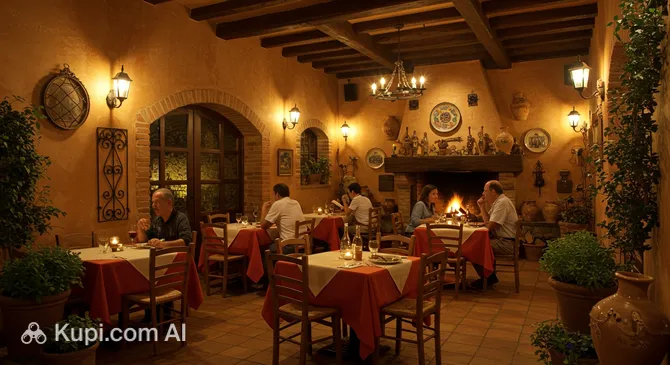
Fattoria Montepulciano. Illustration.
Source: Kupi.com AI
Traveller photos:
The dining culture in Caracas is diverse, ranging from casual street food markets to upscale establishments in districts like Las Mercedes and Altamira. Italian influence is particularly strong in the city, making high-quality pasta and pizza widely available. A great example of this culinary tradition is Fattoria Montepulciano, where visitors can enjoy authentic flavors in a cozy setting. Whether you are in the mood for traditional Venezuelan fare or international cuisine, the city offers plenty of options to satisfy every palate.
Travel Tips
Welcome to Caracas! To help you navigate this dynamic metropolis with confidence and ease, we have compiled a set of essential practical tips. Whether you are here for the breathtaking mountain views or the vibrant culture, keeping these suggestions in mind will ensure your trip is smooth, safe, and enjoyable.
Clothing and Gear: Given the city's "eternal spring" climate, pack lightweight, breathable clothing like cotton or linen for the daytime. However, evenings can feel cooler, and indoor venues often have strong air conditioning, so bringing a light jacket or sweater is highly recommended. Comfortable walking shoes are a must for exploring. Don't forget to bring a power adapter for Type A or B sockets (the same as in the US) to keep your devices charged.
Transportation: While the Caracas Metro is an extensive system, it can be extremely crowded and challenging for first-time visitors to navigate with luggage. The safest and most convenient way to get around is by using ride-hailing apps (local options like Ridery or Yummy Rides are very popular) or hiring private radio taxis from your hotel. Avoid hailing cabs directly from the street, especially at night.
Finances: While the local currency is the Venezuelan Bolívar, the US Dollar is widely used and accepted for almost all transactions. It is crucial to bring cash in small denominations ($1, $5, $10, and $20 bills), and ensure the notes are in pristine condition—no tears or markings—as they may otherwise be rejected. International credit cards might not work in every establishment, so having a cash reserve is essential.
Health and Safety: Stick to well-known, busier districts such as Chacao or Las Mercedes, which are generally safer for tourists and offer plenty of dining and nightlife options. Always drink bottled water rather than tap water. Large pharmacy chains like Farmatodo are often open 24/7 and stock most necessities, from toiletries to snacks. As a general precaution, avoid displaying expensive jewelry, cameras, or smartphones openly on the street.
Communication: The primary language is Spanish, and English is not widely spoken outside of major hotels and tourist agencies. Learning a few basic phrases like "Hola" (Hello) and "Gracias" (Thank you) will go a long way. To stay connected, it is best to purchase a local SIM card (from providers like Movistar or Digitel) at a shopping mall upon arrival, as public Wi-Fi can be unreliable.
Local Etiquette: Venezuelans are warm and polite people. It is customary to greet others with a "Buenos días" (Good morning) or "Buenas tardes" (Good afternoon) when entering a shop or elevator. When interacting with locals, a friendly attitude is key; handshakes are common for first meetings, while cheek kisses are standard among friends.
What to Avoid: Do not exchange money with informal street changers, as this can be unsafe; stick to official exchange houses or use your dollars directly. Additionally, avoid taking photographs of military installations, police checkpoints, or government buildings to prevent any misunderstandings with authorities.
Local Insight: In Caracas, large shopping malls (centros comerciales) like the Sambil or CCCT are more than just places to shop; they are major social hubs where locals gather to eat, watch movies, and enjoy safe, air-conditioned environments. They are excellent places to experience the modern pulse of the city.
By following these practical guidelines, you will be well-prepared to embrace the unique energy of Caracas. From its misty mountain mornings to its lively culinary scene, the city offers a rewarding experience for those who travel with awareness and an open heart.
Entertainment & Nightlife
Entertainment:
Caracas offers a diverse array of entertainment options that reflect the city's dynamic energy. From modern shopping complexes that serve as social gathering points to lively amusement parks and a vibrant nightlife, there is always something to do. Whether you are looking to spend a day of leisure with the family or enjoy a sophisticated evening out, the capital provides ample opportunities for fun and relaxation.
For those who enjoy shopping, the city is home to several impressive malls that offer much more than just retail therapy. The Centro Ciudad Comercial Tamanaco, widely known as the CCCT, is an iconic open-air complex featuring offices, restaurants, and shops, making it a bustling hub of activity. Another premier destination is Sambil La Candelaria, a recently inaugurated mall in the city center. With its vast food court, modern cinema, and extensive variety of stores, it has quickly become a favorite spot for locals and visitors alike.
Metropark Amusement Park. Illustration.
Source: Kupi.com AI
Traveller photos:
Families visiting with children will find plenty of excitement at the local amusement parks. Metropark Amusement Park is a top choice for thrill-seekers, offering a collection of rides and attractions set against the backdrop of the city. It is an excellent place to enjoy the outdoors while experiencing an adrenaline rush. For a more traditional experience, Bimbolandia in the Los Próceres area is a beloved classic. This park provides a safe and nostalgic environment with rides specifically designed for younger children.
As the sun sets, the nightlife in Caracas comes alive, particularly in fashionable districts like Las Mercedes. Travelers looking for a high-energy atmosphere can visit Barriott, a popular nightclub known for its stylish setting and vibrant music. For a unique cultural experience, Licores Mundiales is a must-visit institution. While technically a high-end liquor store, it functions as a lively social spot where connoisseurs gather to taste and purchase premium Venezuelan rums and international spirits.
Parks & Museums
Caracas is a city where concrete jungles meet lush tropical greenery, and where a rich artistic heritage is proudly displayed in numerous cultural institutions. Beyond the bustling avenues, visitors can find serenity in centuries-old parks and inspiration in world-class galleries that celebrate both Venezuelan and international creativity.
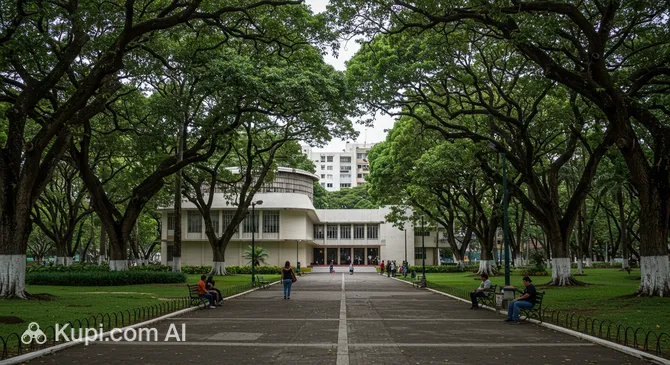
One of the city's most treasured green spaces is Los Caobos Park. Located in the geographical center of Caracas, this park is famous for its ancient mahogany trees that form a dense, shady canopy, offering a cool retreat from the tropical heat. It serves not only as a natural lung for the city but also as an open-air museum, featuring the Fountain of Venezuela and various sculptures. It is a perfect spot for a peaceful walk, jogging, or simply admiring the interplay of nature and art.
Los Caobos Park. Illustration.
Source: Kupi.com AI
Traveller photos:
Another scenic area is El Laguito, situated within the majestic Los Próceres complex. This artificial lake is surrounded by manicured gardens and walkways, providing a picturesque setting for families and couples. It is part of the larger military circle area but remains a popular destination for those looking to enjoy a quiet afternoon by the water, feed the ducks, or take photographs of the surrounding landscape, which contrasts beautifully with the nearby urban structures.
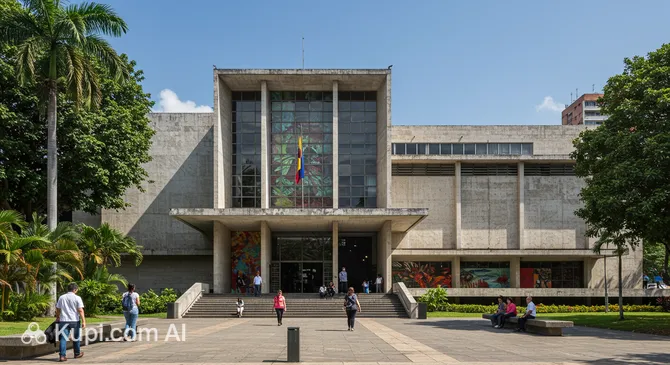
For art enthusiasts, the National Art Gallery (Galería de Arte Nacional) is an essential stop. Housed in a massive building designed by architect Carlos Gómez de Llarena, it holds the most complete collection of Venezuelan art, spanning from the colonial era to the present day. The gallery is located in the cultural district of Bellas Artes and offers visitors a deep dive into the nation's history through paintings, sculptures, and installations.
National Art Gallery. Illustration.
Source: Kupi.com AI
Traveller photos:
A truly unique cultural experience can be found at the Carlos Cruz-Diez Museum of Print and Design. Dedicated to one of Venezuela's most renowned kinetic artists, this museum is a vibrant exploration of color and movement. Visitors can walk through the famous "Chromosaturation" chambers, where light and color create an immersive sensory experience that challenges visual perception. It is a fascinating destination for those interested in modern art and interactive exhibits.
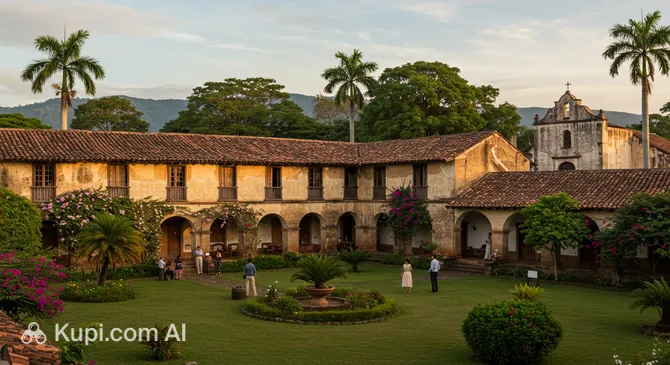
History buffs should explore Hacienda La Vega, a splendid example of colonial architecture that has survived the city's modernization. This historical estate, with its red-tiled roofs and expansive corridors, offers a glimpse into the agricultural past of the valley. Nearby, the architectural diversity of the city is further highlighted by the Sacred Heart of Jesus church, a stunning neo-Gothic structure that stands out with its intricate details and towering spires.
Hacienda La Vega. Illustration.
Source: Kupi.com AI
Traveller photos:
For an authentic local experience, try visiting the "Museum Mile" around Plaza Morelos on a Sunday morning. This area becomes a vibrant hub where locals gather to visit the museums, buy handmade crafts from street artisans, and enjoy the relaxed, cultural atmosphere that defines the weekends in this part of the city.
Getting Around
Navigating Caracas is an experience in itself, with a public transport network that ranges from a modern subway system to informal, colorful buses. The backbone of the city's transit is the Caracas Metro (Metro de Caracas), which is generally considered the fastest and most efficient way to cross the valley. It consists of several lines connecting the east, west, and southwest parts of the city. For tourists, Line 1 is the most useful as it runs through major commercial and cultural districts, including Chacao, Sabana Grande, and the historic center.
Complementing the underground trains is the Metrobús system, a fleet of buses that function as feeder lines, transporting passengers from metro stations to areas not directly served by the rails. However, the most ubiquitous form of surface transport is the camionetica (minibus). These privately operated buses go virtually everywhere, often reaching steep hills and narrow streets that other vehicles cannot navigate. They are easily recognizable by their colorful decorations and the destinations shouted by the "colector" (assistant) at the door. While they offer a truly local experience, they can be chaotic and crowded.
A unique feature of the city's public transport is the MetroCable, a system of cable cars fully integrated into the metro network. Unlike the tourist-focused cable car to the national park, the MetroCable is designed for daily commuters living in the hillside neighborhoods, such as San Agustín. Riding it offers a fascinating aerial perspective of the dense urban fabric and is a testament to the city's ingenuity in overcoming its complex topography.
Regarding payment, the system has modernized in recent years to address cash shortages. Access to the subway and official Metrobús system typically requires a rechargeable smart card, often called a T-Ticket or similar digital pass, which can be purchased and topped up at major station kiosks. Prices are incredibly low by international standards, making it a very economical way to travel. In contrast, "camioneticas" usually operate on a cash-only basis. You will need small denomination bills in the local currency to pay the fare directly to the driver or assistant upon entering.
For international visitors, the most recommended alternative to public transit is the use of ride-hailing apps. Platforms such as Ridery and Yummy Rides operate similarly to global counterparts like Uber and are widely considered the safest and most convenient option for tourists. They offer fixed pricing, tracked rides, and the ability to pay via mobile methods or foreign cards, avoiding the hassle of carrying large amounts of cash. Traditional taxis are also available, particularly at hotel stands, but they lack meters, so you must negotiate and agree on the fare before starting your journey.
Public transport typically operates from early morning, around 5:30 AM, until about 11:00 PM. However, frequent delays can occur, and service may wind down earlier in the evening. For safety and comfort, it is advisable to avoid the metro and buses during peak rush hours (7:00 AM to 9:00 AM and 4:00 PM to 6:00 PM), when they become extremely crowded. As a general rule for tourists, using ride-hailing apps for evening travel is preferable to relying on the public network late at night.
Accommodation
Accommodation:
Finding the right place to stay in Caracas is a key part of ensuring a comfortable and safe trip. The city offers a wide spectrum of accommodation options, ranging from high-end luxury hotels that cater to business travelers and diplomats to more modest, budget-friendly guesthouses. While the hospitality sector has faced challenges, many establishments continue to offer excellent service, modern amenities, and a welcoming atmosphere for international visitors.
For most tourists, the preferred areas to stay are located in the eastern part of the city, specifically in municipalities like Chacao, Las Mercedes, and Altamira. These districts are considered the safest and most developed, boasting a high concentration of restaurants, shopping malls, and nightlife options. Staying here means you are often within walking distance of major amenities and have easier access to reliable transport services. Las Mercedes, in particular, is known for its upscale vibe and vibrant evening activity.
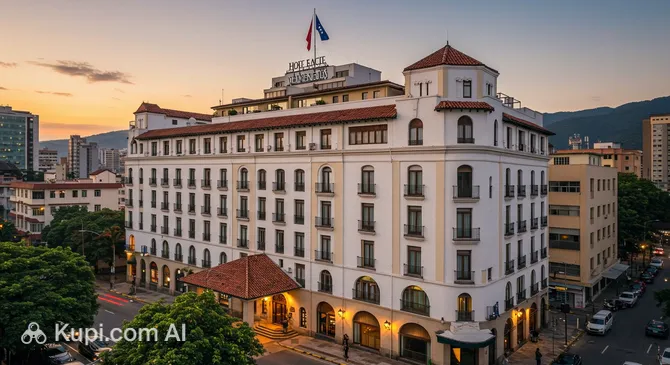
Among the available options, you can find establishments that blend comfort with convenient locations. For instance, Hotel Venecia is a notable choice for travelers seeking a resort-style experience within the city. Hotels in this category often provide a sanctuary from the urban bustle, featuring facilities such as swimming pools and on-site dining, which are perfect for relaxing after a day of exploration.
Hotel Venecia. Illustration.
Source: Kupi.com AI
Traveller photos:
When planning your stay, it is highly advisable to book in advance, especially if you are visiting during holiday periods. Due to the unique economic situation, paying for accommodation can sometimes be complex. Many major hotels accept international credit cards and US dollars in cash, but it is often smoother to book and pay online through major travel platforms before arrival to avoid payment hurdles on the ground.
The price range for accommodation in Caracas can vary significantly. Luxury and high-end hotels in prime districts typically charge international standard rates, while mid-range options offer good value for money. Budget travelers can find affordable guesthouses, but it is crucial to prioritize location and security over the lowest possible price. Regardless of your budget, choosing a reputable hotel in a well-regarded neighborhood is the best way to ensure a pleasant stay in the Venezuelan capital.
Nearby Cities
For those looking to explore the surroundings, Caracas serves as an excellent base for day trips to several interesting nearby locations:
Just a short drive towards the Caribbean coast lies Catia La Mar. This bustling coastal city serves as a gateway to the beaches of the central littoral region. It is an ideal destination for those seeking a change of scenery, offering fresh sea breezes, seafood restaurants, and a vibrant tropical atmosphere that contrasts with the mountain valley climate of the capital.
Heading into the cooler highlands of the Miranda state, travelers can visit Los Teques. Known for its pleasant weather and lush vegetation, the state capital offers a glimpse into the region's history and daily life. It is home to several parks and cultural spots, making it a worthwhile stop for those interested in seeing the urban centers that have developed around the metropolis.
These nearby destinations offer a glimpse into the diverse culture and landscapes of the region.
Shopping & Souvenirs
Shopping in Caracas offers a vibrant mix of modern convenience and traditional charm, reflecting the city's consumer-driven culture. For tourists, the experience is centered largely around large, air-conditioned shopping malls, which serve as safe and comfortable havens for browsing, dining, and socializing. However, the city also boasts bustling commercial streets and local markets where visitors can find everything from fresh produce to unique artisanal crafts.
One of the most iconic shopping districts is the Boulevard of Sabana Grande. This pedestrian-only promenade is a historic commercial artery lined with shops selling shoes, clothing, and electronics. It offers a lively atmosphere where street performers and locals mix, providing a more authentic, albeit busier, urban experience. For those seeking luxury brands and upscale boutiques, the district of Las Mercedes is the place to be, featuring high-end fashion stores and design shops amidst a backdrop of trendy restaurants.
The city's shopping malls are impressive in scale and variety. Sambil La Candelaria is a major destination in the city center, offering a vast array of international and local brands spread across multiple levels. It is a modern complex that caters to a wide audience. Another landmark is the Centro Ciudad Comercial Tamanaco (CCCT), which combines shopping with office spaces. Known for its pyramid-like structure, it houses numerous boutiques, technology stores, and service centers, making it a convenient one-stop location for many travelers.
Sambil La Candelaria. Illustration.
Source: Kupi.com AI
Traveller photos:
For a taste of local life, the Mercado Municipal de Chacao is a must-visit. Unlike the chaotic street markets found elsewhere, this multi-story market is organized and clean, famous for its high-quality fresh produce, exotic flowers, and gourmet ingredients. It is an excellent place to see the variety of Venezuelan fruits and vegetables. On the top floor, you can find small eateries serving delicious traditional meals.
When it comes to souvenirs, Venezuela is world-renowned for its cacao and chocolate. Visitors should look for bars made with 100% Venezuelan cacao, often considered among the best in the world. Another popular purchase is premium rum; brands like Santa Teresa and Diplomático are affordable locally and make for excellent gifts. For handicrafts, such as woven hammocks, pottery, or indigenous baskets, specialized artisan centers like the Hannsi Centro Artesanal in the nearby suburb of El Hatillo are highly recommended.
Most shopping malls and major stores operate from 10:00 AM to 8:00 PM, though hours may vary on Sundays and holidays. Payment methods have adapted to the economic context; US dollars in cash are the most widely accepted and preferred form of payment. It is crucial to carry small bills ($1, $5, $10) in perfect condition, as torn or old notes are often rejected. While some places accept international credit cards, transactions can sometimes fail, so having a cash reserve is essential. There is currently no tax-free or VAT refund system available for tourists in Venezuela.
We use cookies and services to collect user information. This is essential for the functioning of the site and for marketing purposes. You can find out more in .