Support

Kralendijk

About

Kralendijk is the vibrant and colorful capital of Bonaire, offering a perfect blend of laid-back island atmosphere and lively cultural experiences. As the main port and commercial center, it serves as the gateway for visitors exploring the stunning natural beauty of the Caribbean Netherlands. The town is renowned for its pastel-colored architecture, crystal-clear waters, and friendly local community, making it an inviting destination for travelers seeking both relaxation and adventure.

Geographically, the city is situated on the central west coast of the island, facing the calm Caribbean Sea. With a population of approximately 10,600 residents, Kralendijk maintains a charming small-town feel despite being a hub for tourism and commerce. The climate is warm and sunny year-round, typical of the region, which encourages an outdoor lifestyle centered around the waterfront and the sea.
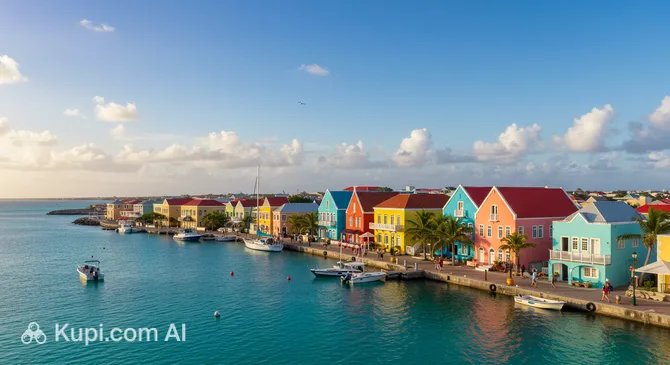
Kralendijk. Source: Kupi.Binoculars

The town's name translates to "Coral Dike" in Dutch, reflecting its deep connection to the ocean. Visitors interested in the history of Kralendijk can explore well-preserved landmarks such as Fort Oranje, a small bastion built in the 17th century to defend the island. The streets are lined with historic Dutch Caribbean buildings that now house boutiques, restaurants, and diving shops, creating a picturesque setting for a leisurely stroll.

Among the city's top attractions is Kaya Grandi, the main shopping street where tourists can find local crafts and souvenirs. The waterfront promenade offers spectacular views of the sunset and easy access to water taxis heading to Klein Bonaire, an uninhabited islet famous for its pristine beaches and snorkeling spots. Whether you are diving into the underwater world or enjoying the local cuisine, Kralendijk promises an unforgettable tropical escape.
Weather Overview

Visitors to Kralendijk can look forward to a consistently warm tropical climate that makes the island a welcoming destination at any time of year. For a more detailed breakdown of conditions for your specific travel dates, you can check the current weather in Kralendijk. Generally, the island enjoys plenty of sunshine with temperatures that fluctuate very little between seasons, ensuring a pleasant atmosphere for outdoor exploration.

The thermal environment is remarkably stable, with average temperatures gently rising from a low of 26.0°C in February to a peak of 28.6°C in September. Daily maximums typically range between 26.8°C and 29.5°C, providing ideal conditions for beach activities, while nighttime minimums stay comfortably above 25°C, making for balmy evenings.

Precipitation patterns show a distinct variation in frequency throughout the year. The period from April to May is the driest, with only about 4 wet days per month, whereas the end of the year brings more frequent moisture, peaking in November with roughly 22 wet days. Expect warm, sunny weather year-round with brief, light showers becoming more frequent from October to December.

Interesting Facts

Beyond the main attractions and pastel-colored streets, Kralendijk holds fascinating secrets and local quirks that add to its charm. From unique traffic customs to aviation spectacles right on the shore, there is much more to this Caribbean capital than meets the eye.
Te Amo Beach. Source: Kupi.Binoculars
  • Local Name: While the official name Kralendijk is a Dutch adaptation of "Koralendijk" (Coral Dike), you will rarely hear locals use it; residents almost exclusively refer to the town as "Playa," which simply means "beach" in Papiamentu.

  • Traffic Light Free: One of the most relaxing aspects of the city is the absence of traffic lights; instead, the flow of vehicles is managed entirely by roundabouts and courteous driving, reinforcing the island's unhurried pace.

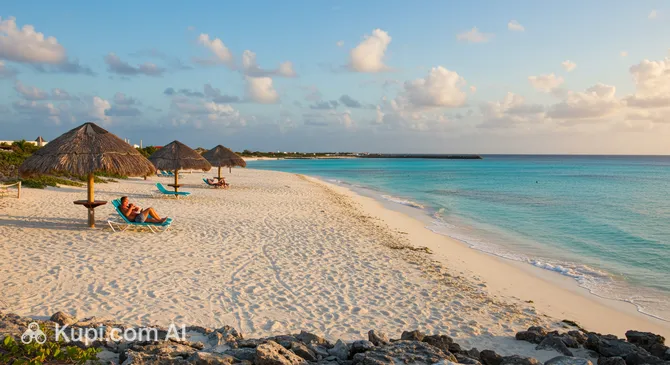
  • Aviation Spectacle: Due to the airport's proximity to the coast, Te Amo Beach offers a thrilling experience where beachgoers can watch planes descend incredibly low over the turquoise water just moments before landing.

  • Diving Pioneer: The town is deeply linked to the history of marine conservation, notably through Captain Don's Habitat, founded by the legendary Don Stewart who was instrumental in protecting the island's coral reefs and establishing Bonaire as a premier diving destination.

How to Get There

Reaching this Caribbean gem is relatively straightforward, with air travel being the primary method for international visitors. For a comprehensive guide on all available routes, flight connections, and transport tips, you can read more about how to get to Kralendijk.

The most convenient and direct way to arrive is by flying into Flamingo International Airport (IATA: BON), which is situated just 2.2 km from the center of Kralendijk. As the island's dedicated international gateway, it welcomes direct flights from major hubs in Europe and North America. Since the airport is located practically within the city limits, the transfer to your accommodation is incredibly quick; a taxi ride typically takes only 5-10 minutes, ensuring you can start your vacation almost immediately upon arrival.

Travelers also frequently use Curacao International Airport (IATA: CUR) as a transit point. Located in Willemstad on the neighboring island of Curacao, approximately 74.5 km from Kralendijk, this airport handles a larger volume of passenger traffic and offers a wider range of global connections. From here, visitors can take a short inter-island flight to reach Bonaire.

For clarity, here is a summary of the main airports in the region:

Airport Name City Passenger Traffic Km from City
Simon Bolivar International Airport Caracas Large 221.0
Reina Beatrix International Airport Oranjestad Large 192.4
Curacao International Airport Willemstad Large 74.5
Flamingo International Airport Kralendijk Medium 2.2
Josefa Camejo Airport Las Piedras Small 208.3

Main Attractions

Kralendijk serves as the perfect base for exploring Bonaire, offering a mix of natural beauty and lively social spots right within or near the city limits. While the town is small, its coastline and commercial areas are dotted with places that define the island's laid-back yet adventurous character. From hidden sandy coves to iconic gathering places, here are some of the main attractions to visit.

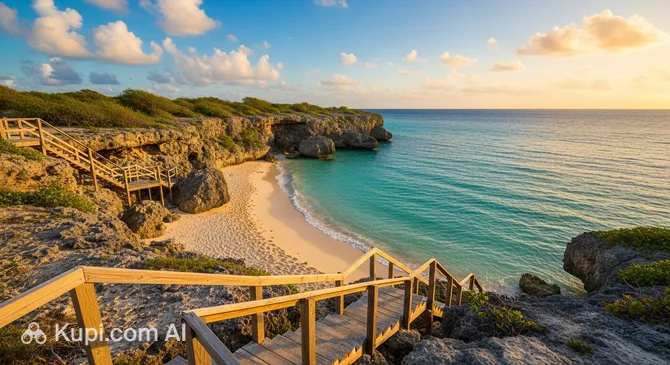
For those seeking a quiet escape by the water, Bachelor's Beach is a local favorite located just a short drive south of the center. Situated at the bottom of a small cliff and accessible via stairs, this intimate spot is ideal for a refreshing swim or a snorkeling session. The shallow waters here are crystal clear, allowing you to spot colorful fish just steps from the shore, making it a peaceful alternative to the larger, busier beaches.

Bachelor's Beach. Source: Kupi.Binoculars

A significant landmark in the diving community is Captain Don's Habitat. This oceanfront resort is more than just a place to stay; it is renowned for its accessible house reef and "diving freedom" philosophy. Visitors can walk through the lush grounds, enjoy a meal with a sea view, or dive directly from the pier. It remains a hub for ocean lovers and offers a glimpse into the island's dedication to marine conservation.

When the sun sets, the city's nightlife often centers around Little Havana. This popular bar brings a vibrant energy to Kralendijk, attracting a diverse crowd of locals and tourists. Known for its great music, cigars, and relaxed atmosphere, it is the perfect place to unwind, enjoy a cocktail, and experience the friendly social scene that the island is famous for.

Another must-visit coastal spot is Te Amo Beach, located near the airport. It is one of the sandy beaches on the island with easy water entry, making it excellent for sunbathing and relaxing picnics. The reef just offshore is healthy and inviting for snorkelers, providing a wonderful underwater experience in calm, turquoise waters.

Local Cuisine

Kralendijk’s culinary scene is a delicious reflection of its multicultural heritage, blending Dutch, Caribbean, and South American influences into a unique island flavor. As a coastal town, it is a paradise for seafood lovers, with restaurants serving the fresh catch of the day—such as wahoo, tuna, or mahi-mahi—often grilled to perfection or prepared with rich Creole sauces. The food culture here is unpretentious and welcoming, ranging from elegant waterfront terraces where you can dine by the sea to casual "snèks" (snack bars) that serve authentic local comfort food.

One dish you simply must try is Kabritu Stoba, a hearty goat stew that is considered a staple of Bonairean cuisine. It is typically simmered for hours until tender and served with rice, fried plantains, or Funchi, a cornmeal side dish similar to polenta. For a lighter bite or a quick breakfast, look for Pastechi, a fried half-moon pastry filled with cheese, chicken, meat, or fish. These are incredibly popular with locals and can be found at bakeries and street stalls throughout the city.

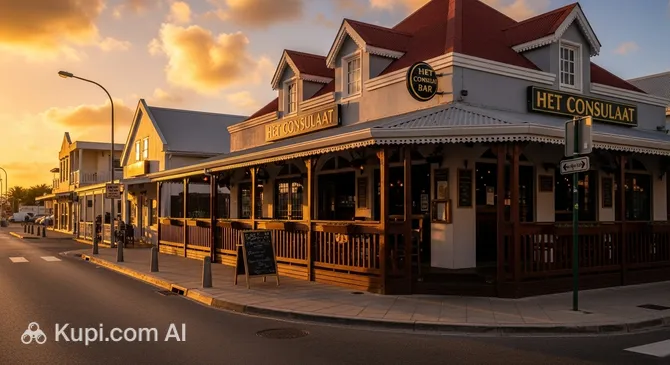
Het Consulaat. Source: Kupi.Binoculars

When it comes to beverages, the island offers a truly unique specialty known as Cadushy, a liqueur made from the abundant local cactus. It has a distinctive bright green color and a refreshing taste that captures the spirit of the island. Non-alcoholic options are equally delightful, with Batidos (fresh fruit shakes) made from tropical fruits like mango, papaya, and soursop being a favorite way to cool down in the heat. For a relaxed evening drink, you might visit Het Consulaat, a popular spot known for its cozy atmosphere and garden setting.

The city's dining landscape is diverse, ensuring that every palate is catered to. While local flavors are prominent, the international influence is strong, with many establishments offering global cuisines. For example, those craving bold and spicy flavors can enjoy a meal at El Bigote Mexican Kitchen, which adds to the vibrant variety of the gastronomic map. Whether you are enjoying a gourmet dinner under the stars or grabbing a quick bite from a food truck, eating in Kralendijk is a highlight of the travel experience.

Travel Tips

Planning a trip to Kralendijk is exciting, but having a few insider tips up your sleeve can make your Caribbean getaway significantly smoother and more enjoyable. From navigating the unique currency situation to understanding the strict environmental rules that protect this diver's paradise, here is some practical advice to help you prepare.

  1. Clothing and Gear: The climate is tropical and warm year-round, so pack lightweight, breathable clothing and casual beachwear. However, the most critical item to bring (or buy locally) is reef-safe sunscreen; traditional sunscreens with harmful chemicals are banned to protect the coral. Additionally, bring hard-soled water shoes or booties, as many water entry points in and around Kralendijk are rocky coral rubble rather than soft sand. Electrical outlets are typically US-style (Type A and B) running on 127V, though some European plugs exist, so a universal adapter is a smart addition.

  2. Transportation: Unlike many European cities, Kralendijk does not have a formal public bus system for tourists. The best way to get around is to rent a vehicle; pickup trucks are the standard choice here, especially if you plan to transport dive gear. Taxis are available at the airport and in the town center, but they are not practical for exploring the island's remote corners on a daily basis.

  3. Finances: Even though Bonaire is a Dutch municipality, the official currency is the US Dollar (USD). Credit and debit cards are widely accepted in hotels, restaurants, and supermarkets, but it is advisable to carry some small cash for local food trucks (snèks) or small souvenirs. ATMs are readily available in the city center. Tipping around 10–15% is customary for good service in restaurants.

  4. Health and Safety: Kralendijk is a safe destination, but you should take standard precautions; never leave valuables visible in your car, especially when parking at secluded dive sites. A major health perk is that the tap water is desalinated seawater, making it perfectly safe and delicious to drink, so bring a reusable bottle. For medical issues, the local hospital (Fundashon Mariadal) is well-equipped, and pharmacies (botikas) are easily accessible.

  5. Communication: You will face virtually no language barriers, as English is widely spoken and understood alongside Dutch and Spanish. The local language is Papiamentu; learning a simple "Bon dia" (Good morning) or "Danki" (Thank you) goes a long way with the friendly locals. Wi-Fi is standard in most establishments, and you can easily purchase a local SIM card in town for mobile data.

  6. Local Etiquette: The island operates on "island time," which means the pace of life—and service—is relaxed and unhurried. Patience is a virtue here; do not expect rush-hour speeds at restaurants. It is also polite to greet people with a smile or a nod when entering shops or passing on the street.

  7. What to Avoid: Do not touch the marine life. This is a strict rule in the marine park; divers are generally discouraged from wearing gloves to prevent them from touching the reef. Also, avoid walking around town in just your swimwear; while it is a beach destination, it is respectful to cover up when leaving the immediate beach area to go into shops or supermarkets.

  8. Mandatory Nature Fee: Before entering the water for any activity—whether you are diving, snorkeling, or just swimming—you are required by law to purchase a STINAPA Nature Fee tag. This can be done online before your trip or at local dive shops. Rangers perform spot checks, so always have your digital or physical proof of payment handy.

With these practicalities sorted, you are all set to embrace the laid-back rhythm of Kralendijk without any surprises. Relax, respect the stunning nature around you, and enjoy every moment of your tropical island adventure!

Entertainment & Nightlife

Nightlife in Kralendijk reflects the island's overall character: relaxed, unpretentious, and incredibly welcoming. You will not find massive nightclubs with thumping techno beats or velvet ropes here. Instead, the evening entertainment scene revolves around open-air bars, seaside terraces, and cozy pubs where locals and visitors mingle freely. The atmosphere is distinctly Caribbean, with the sound of salsa, reggae, and live bands often drifting through the warm night air.

The hub of activity is concentrated along the waterfront promenade, Kaya J.N.E. Craane, and the main commercial street, Kaya Grandi. As the sun sets, these areas transform from shopping districts into lively social centers. Happy hours are a popular tradition, usually kicking off around 5:00 PM to coincide with the sunset. It is common for divers and tourists to gather at oceanfront bars to share stories of the day's underwater adventures while enjoying a cold beer or a tropical cocktail.

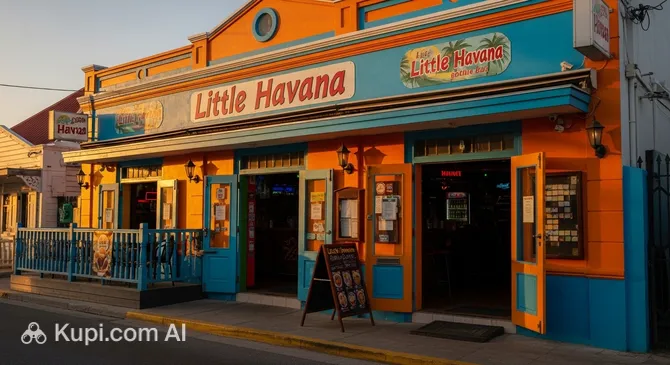
Little Havana. Source: Kupi.Binoculars

For those seeking a vibrant night out, Little Havana is arguably the most iconic spot in town. Located in the center of Kralendijk, this bar exudes a cool, rustic charm and is famous for its live music sessions, DJ nights, and extensive cigar selection. It draws a diverse crowd, from local residents to international travelers, all looking to dance or simply relax in a spirited environment that stays open later than most other venues on the island.

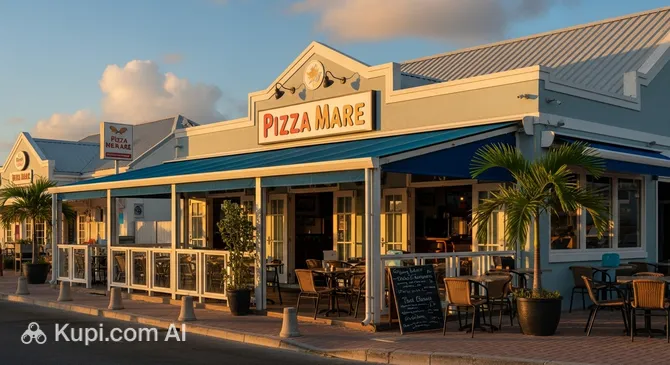
If you prefer a more laid-back evening with food and drinks, Pizza Mare offers a delightful setting. Situated near the waterfront, it is a great place to enjoy Italian cuisine and drinks on a breezy terrace. The vibe here is family-friendly yet perfect for couples or groups of friends wanting to enjoy the warm evening breeze without the intensity of a loud bar. Another excellent option for a refined yet casual evening is Hamlet Oasis Resort, where you can find entertainment and dining options that capture the tropical essence of Bonaire.

Pizza Mare. Source: Kupi.Binoculars

Practicalities for a night out in Kralendijk are straightforward. The dress code is almost universally "island casual"—shorts, t-shirts, and sundresses are perfectly acceptable everywhere, even in nicer establishments. While the city is very walkable, especially within the downtown area, you might need a ride if you are staying further out. Taxis are available but do not typically cruise for passengers; you should ask a bartender or restaurant server to call one for you. The city is generally very safe for night walks, but standard precautions apply: stick to well-lit areas and avoid carrying large amounts of cash.

While the nights are lively, daytime entertainment in Kralendijk offers a different kind of charm. Beyond the beaches, you can explore the Terramar Museum, which provides a fascinating look into the archaeological history of the region. Shopping enthusiasts can wander through the colorful boutiques of Kaya Grandi, looking for Dutch cheese, porcelain, or local art. Whether day or night, the city offers a rhythm that encourages you to slow down and savor the moment.

Parks & Museums

While Kralendijk is primarily known for its stunning coastline and underwater treasures, the city and its surroundings also offer enriching cultural and natural experiences on land. Visitors looking to take a break from the beach can explore fascinating museums that chronicle the island's heritage or venture into protected green spaces that showcase the raw beauty of the Caribbean landscape.

For nature enthusiasts, the crown jewel of the island is the Washington Slagbaai National Park. Although located at the northern end of the island, it is the primary natural excursion for anyone staying in Kralendijk. This vast protected area covers nearly a fifth of Bonaire and features a dramatic landscape of cacti forests, rock formations, and salt pans. It is a haven for birdwatchers, offering chances to spot flamingos, parrots, and iguanas in their natural habitat. Closer to the city center, Wilhelmina Park (Plasa Wilhelmina) serves as a charming urban green space. Shaded by trees and facing the sea, it is a popular gathering spot for locals and a peaceful place for tourists to sit and watch the sunset.

To understand the rich history of the region, a visit to the Terramar Museum in the heart of Kralendijk is essential. This modern museum takes visitors on a journey through 7,000 years of Caribbean history, from the earliest Amerindian settlers to the colonial era. The exhibits are interactive and well-curated, providing deep context to the archaeological finds and the diverse cultures that have shaped the island. It is an excellent stop for those who want to look beyond the surface of a typical beach holiday.

Another significant cultural site is the Tanki Maraka Heritage Park. This open-air museum offers a unique glimpse into the island's role during World War II. Visitors can walk through the remains of a US military camp, complete with informative signage that explains the strategic importance of Bonaire during the war. It is a self-guided experience that combines history with a walk through the local vegetation.

For a truly authentic experience, keep an eye out for the vibrant street art scattered around Kralendijk. Local and international artists have transformed many walls into colorful murals depicting marine life and local folklore, turning a simple walk through the town into an impromptu visit to an open-air gallery.

Getting Around

Public transport in Kralendijk operates quite differently from what visitors might expect in larger international cities. There is no formal system of scheduled public buses, trams, or trains serving the city or the island. While there are some informal minibuses used occasionally by residents, they do not run on fixed timetables or routes suitable for tourism. Consequently, getting around relies heavily on private transportation, taxis, and specialized shuttle services.

For visitors who prefer not to drive, taxis are the primary means of "public" transit. These vehicles are readily available at the airport, major hotels, and designated stands in the town center. Taxis in Kralendijk do not use meters; instead, they operate on a system of fixed rates established by the local government. Prices are determined by the destination and the number of passengers. It is standard practice to confirm the fare with the driver before entering the vehicle to avoid any misunderstandings.

Regarding payment, cash is the most widely accepted method for taxi services, with the US Dollar being the official currency. Some drivers may accept credit cards, but this is not guaranteed, so carrying small denominations of cash is highly recommended. Since there are no bus passes or travel cards due to the lack of a bus network, tourists simply pay per ride. Taxis generally operate 24 hours a day, though booking in advance is advisable if you need a ride late at night or early in the morning.

The most popular and practical alternative for exploring the area is renting a vehicle. Due to the island's terrain and the popularity of shore diving, pickup trucks are the standard choice for rental, allowing visitors to transport gear easily. Car rental agencies are plentiful at the airport and in the city. For those staying strictly within the town center, walking is a viable option as Kralendijk is compact and pedestrian-friendly, particularly along the waterfront and the main shopping street.

A unique and scenic feature of the local transport landscape is the water taxi service. These boats function as a regular shuttle between the Kralendijk waterfront and the uninhabited islet of Klein Bonaire. They depart at scheduled times throughout the day from specific piers on the promenade. Tickets can usually be purchased directly on the boat or at nearby kiosks. This short sea journey offers not just transportation, but a beautiful perspective of the city from the water, making it a functional yet memorable part of the travel experience.

Accommodation

Where to Stay:

Kralendijk offers a welcoming variety of accommodation options that cater to different travel styles and budgets. The city and its surrounding coastlines are dotted with everything from intimate boutique hotels and budget-friendly apartments to full-service luxury resorts. Because the island is world-famous for its underwater attractions, many lodgings are specifically designed with divers in mind, offering on-site gear storage, rinse tanks, and direct access to house reefs. Whether you are looking for a self-catering villa or a room with a sea view, you will find a comfortable base for your Caribbean adventure.

The most popular area to stay is along the western coast, stretching north and south from the city center. Staying in downtown Kralendijk places you within walking distance of the best restaurants, shops, and the waterfront promenade. However, many visitors prefer the resorts located just a few kilometers north of the center in the Hato and Sabadeco areas. These locations offer a quieter atmosphere and often feature private beaches or piers, making them ideal for those who want to wake up and jump straight into the ocean.

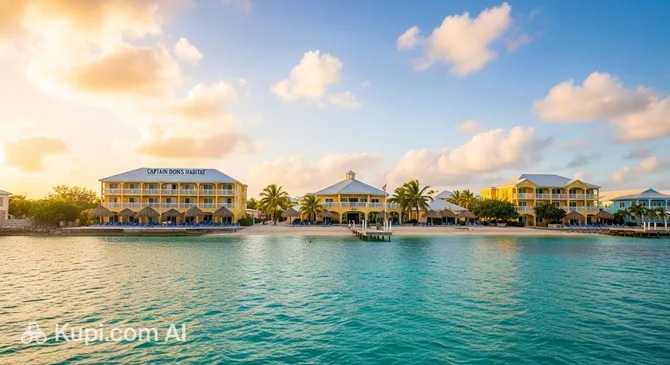
Captain Don's Habitat. Source: Kupi.Binoculars

For travelers seeking a classic resort experience deeply rooted in the island's diving culture, Captain Don's Habitat is a standout choice. Located north of the town, it is famous for its relaxed "diving freedom" philosophy and oceanfront setting, allowing guests to dive 24 hours a day right from the property. Another excellent option in the same vicinity is the Hamlet Oasis Resort, which offers cottage-style accommodations surrounded by lush gardens, providing a perfect balance of privacy and convenience near a popular dive site.

When planning your stay, keep in mind that prices can fluctuate significantly depending on the season. The high season runs from mid-December to mid-April, during which rates are higher and availability is lower. It is highly recommended to book your accommodation several months in advance if you plan to visit during these months. Conversely, the summer and autumn months often offer more competitive rates. Most bookings can be easily made via major online platforms or directly through the hotel websites, with prices generally quoted in US Dollars (USD).

Nearby Cities

For those looking to explore the surroundings, Kralendijk serves as an excellent base for day trips to several interesting nearby locations:

Located just a short drive north of the capital, Rincon is the oldest village on Bonaire and offers a fascinating glimpse into the island's history. Established in the 16th century in a valley to remain hidden from pirates, it remains the cultural heart of the island. Visitors can explore local heritage at the Mangazina di Rei museum or taste the unique cactus liqueur at the Cadushy Distillery. The village has a relaxed, authentic atmosphere that provides a distinct contrast to the coastal resort areas.

Another essential day trip is a visit to Klein Bonaire, a flat, uninhabited islet situated roughly 800 meters off the coast of Kralendijk. Accessible via a short water taxi ride, this protected nature reserve is renowned for its pristine white sandy beaches and exceptional snorkeling opportunities. With no permanent structures or residents, it offers a pure "desert island" experience where visitors can swim in crystal-clear waters and observe sea turtles in their natural habitat.

City Population Distance (km)
Saba 2000 814
Oranjestad 1038 821
The Bottom 462 812

These nearby destinations offer a glimpse into the diverse culture and landscapes of the region.

Shopping & Souvenirs

Shopping in Kralendijk offers a relaxed and charming experience that stands in stark contrast to large, bustling malls. The heart of the city's retail scene is Kaya Grandi, the main street lined with colorful colonial-style buildings. Here, visitors can stroll along the sidewalks and discover a variety of boutiques selling everything from high-end jewelry and designer clothing to locally made souvenirs. The atmosphere is unhurried, allowing you to browse at your own pace while admiring the picturesque architecture.

Due to the island's political status, there is a distinct European influence in the products available. Shoppers can find authentic Dutch cheese, such as Gouda and Edam, often available for tasting before purchase. Additionally, fine Delft Blue pottery and European chocolates are popular items that make for excellent gifts. For those interested in luxury goods, the city offers duty-free prices on perfumes, watches, and electronics, making it a competitive place to purchase premium brands.

A unique local specialty that every visitor should look for is Bonaire Sea Salt. Harvested from the island's vast salt pans, this high-quality salt is used in bath products, scrubs, and culinary grinders, serving as a perfect memento of the island's history and landscape. You will also find aloe vera products, locally distilled spirits, and handmade art created by residents, which are often sold in smaller craft shops or at the markets that pop up when cruise ships are in port.

For those staying in apartments or looking to self-cater, Kralendijk is well-served by modern supermarkets that stock a wide range of American and European products. It is important to note the local opening hours; many smaller shops on the main street close for a "siesta" lunch break between 12:00 PM and 2:00 PM and may not reopen until late afternoon. Most stores are closed on Sundays, although supermarkets usually remain open with reduced hours. Since the official currency is the US Dollar, transactions are straightforward for many international travelers.

Reached the end of the page?

That means the route is fully explored