Support

Punto Fijo

Attractions

About

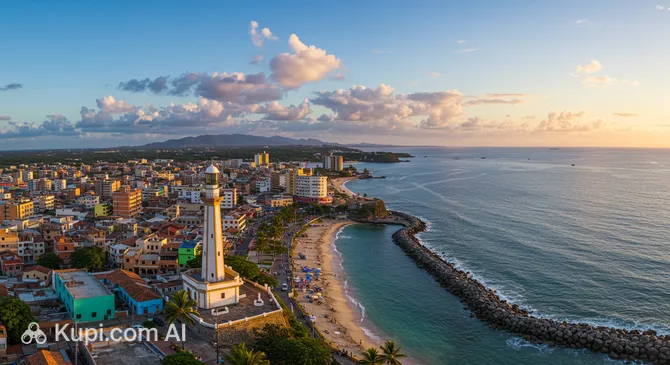
Located on the southwestern coast of the Paraguaná Peninsula, Punto Fijo is the largest city in the state of Falcón and a vital economic hub in Venezuela. With a population of approximately 287,558 inhabitants, this bustling metropolis serves as the capital of the Carirubana Municipality. The city is geographically distinct, sitting in a semi-arid region that offers a unique landscape compared to the lush tropical environments found elsewhere in the country.

Punto Fijo. Source: Kupi.Binoculars

The city is often affectionately referred to as the "Windy City" due to the strong trade winds that sweep across the peninsula, providing a refreshing breeze in the hot climate. While the history of Punto Fijo is relatively modern and deeply intertwined with the development of the oil industry, the city has evolved into a major destination for commerce and leisure.

Travelers are primarily drawn to Punto Fijo for its status as a Duty-Free Zone (Zona Libre), making it a paradise for shoppers looking for electronics, clothing, and other goods at attractive prices. Beyond the shopping malls, the city serves as a gateway to beautiful coastal spots such as Villa Marina and El Pico, where visitors can enjoy the sun and sea. Whether you are visiting for the shopping opportunities or to explore the stark beauty of the Paraguaná Peninsula, Punto Fijo offers a dynamic and welcoming atmosphere for all who visit.

Weather Overview

The climate in Punto Fijo is characterized by its hot, semi-arid conditions, offering sunshine and warmth throughout the entire year. Due to its location on the Paraguaná Peninsula, the city experiences consistent heat with very little variation, although strong trade winds often help to moderate the high temperatures.

Temperatures are stable and warm, with averages ranging from a low of 26.8°C in February to a high of 29.7°C in September. During the hottest days, particularly in August, maximum temperatures can reach up to 32.6°C, while nights remain balmy, rarely dropping below 24°C. Expect hot days year-round with extremely limited rainfall, as most months record virtually 0mm of precipitation.

While the region is predominantly dry, the months of October and November mark a slight shift; although rainfall accumulation remains negligible at around 3mm, the number of wet days increases significantly during this period. Travelers can view the detailed forecast and weather in Punto Fijo to plan their activities, but lightweight clothing and sun protection are essential regardless of when you visit.

Interesting Facts

Beyond its modern shopping malls and busy avenues, Punto Fijo holds fascinating secrets that reveal its unique character and history. The city offers several surprising details for travelers willing to look past its industrial and commercial exterior.

  • The "Fixed Point" Legend: The city's unusual name, which translates to "Fixed Point," is said to have originated from a romantic habit of an early resident, Rafael González. Locals joked that he was always at his "fixed point" at the house of his fiancée, and the nickname eventually became the official designation for the growing settlement.

  • A View of the Neighbors: Located on the Paraguaná Peninsula, the city is geographically very close to the Dutch Caribbean. On clear nights, it is often possible to see the distant glow of lights from the island of Aruba on the horizon, highlighting the city's proximity to the Antilles.

  • Global Industrial Landmark: While it started as a humble village, the city is now home to the Paraguaná Refinery Complex, one of the largest oil refining complexes in the world. This massive infrastructure is a defining feature of the region and was the primary catalyst for the city's rapid transformation into a major urban center.

  • Musical Heritage: The city is the guardian of the legacy of Alí Primera, a legendary folk singer and composer in Venezuela. His former residence has been preserved as a museum, becoming a significant cultural site where visitors can learn about his life and the music that influenced generations.

How to Get There

Reaching this destination is relatively straightforward, primarily through regional air connections. You can find more about how to get to Punto Fijo and plan your arrival with the most suitable transport options. The most convenient gateway is the Josefa Camejo Airport (IATA: LSP), situated in the nearby city of Las Piedras. It is approximately 8.3 km from the center of Punto Fijo. Being a smaller regional airport, it offers quick access to the area, with a taxi or bus ride taking roughly 35 minutes.

Another option for travelers is the La Chinita Airport (IATA: MAR), located in Maracaibo. This is a significantly larger international facility, handling a higher volume of passenger traffic compared to the local airport. However, it is located about 211.7 km away from Punto Fijo. Visitors choosing this route should be prepared for a longer ground transfer, as the drive typically takes around 5.5 to 6 hours depending on traffic and road conditions.

For clarity, here is a summary of the main airports:

Airport Name City Passenger Traffic Km from City
Reina Beatrix International Airport Oranjestad Large 89.7
La Chinita Airport Maracaibo Large 211.7
Curacao International Airport Willemstad Large 143.1
Barquisimeto Airport Barquisimeto Medium 205.3
Josefa Camejo Airport Las Piedras Small 8.3

The city of Punto Fijo does not have a railway station, and trains are not a common method of travel in this part of Venezuela. Most visitors arriving by land utilize the well-connected highway system that links the Paraguaná Peninsula to the mainland. Long-distance buses and private car services are the primary means of ground transportation, offering scenic routes along the coast.

Main Attractions

One of the primary draws for visitors to the city is the Sambil Paraguaná, a massive shopping and entertainment complex that capitalizes on the region's status as a duty-free zone. Designed with unique architecture that resembles a wind rose, this mall is more than just a place to buy electronics and clothing at competitive prices; it serves as a social hub for the community. Tourists enjoy the air-conditioned respite from the heat, the wide variety of international brands, and the extensive food court, making it a key stop for those looking to take advantage of the local commercial benefits.

For a relaxing day by the sea, Villa Marina is a top choice located just a short drive from the urban center. This beach is celebrated for its calm and shallow waters, which are ideal for swimming and safe for families with young children. The shoreline is dotted with local eateries serving fresh fried fish and other seafood delicacies, offering a genuine taste of the coastal culture. It is a perfect spot to unwind, watch the fishing boats, and enjoy the stunning sunsets that the peninsula is known for.

Nature enthusiasts will find a unique adventure at the Montecano Biological Reserve. This protected area showcases the distinct semi-arid ecosystem of the Paraguaná Peninsula, featuring a landscape filled with cacti, orchids, and bromeliads. Walking along its well-maintained trails offers the chance to spot local wildlife, including colorful birds and the endemic Paraguaná green tarantula. It provides an educational and scenic contrast to the city's commercial focus, highlighting the natural beauty of the region.

A visit to the area would be incomplete without a trip to Cabo San Román, situated at the northern tip of the peninsula. As the northernmost point of mainland Venezuela, it offers rugged, dramatic scenery where the desert meets the Caribbean Sea. Visitors are drawn here for the historic lighthouse and the breathtaking views; on clear days, you can easily see the island of Aruba on the horizon. The raw power of the waves and the wind creates an unforgettable atmosphere for sightseeing and photography.

Local Cuisine

The local cuisine of Punto Fijo is a flavorful reflection of its unique geography, sitting at the crossroads where the arid landscapes of the Paraguaná Peninsula meet the Caribbean Sea. This duality creates a gastronomic scene defined by two main pillars: fresh seafood and savory goat meat. Visitors will find that the food here is hearty, unpretentious, and deeply rooted in the traditions of the Falconian people.

The undisputed star of the region's culinary repertoire is chivo (goat). Due to the dry climate and vegetation of the peninsula, goats are raised extensively, and their meat is celebrated in various preparations. A must-try dish is chivo en coco, where the meat is stewed in a rich, flavorful sauce made from coconut milk and spices. Another popular variation is chivo asado (roasted goat) or salted goat, typically served with arepa pelada. This specific type of arepa is made from corn that has been soaked and peeled with ash or lime, giving it a distinctive, earthy flavor that pairs perfectly with the strong taste of the meat.

Given its coastal location, the city also excels in seafood. Restaurants and beachside kiosks offer an abundance of fresh catch, from snapper and grouper to shrimp and lobster. A classic lunch by the sea usually consists of fried fish served with a side of salad, fried cheese, and tostones (fried green plantains). To finish the meal on a sweet note, travelers should look for dulce de leche de cabra, a creamy fudge made from goat's milk that is a specialty of the state of Falcón.

When it comes to beverages, the heat of Punto Fijo calls for refreshing options like papelón con limón (sugarcane juice with lime) or fresh fruit juices. On the stronger side, the region is famous for Cocuy, a traditional Venezuelan spirit distilled from the agave plant. While the most famous varieties come from nearby towns, it is widely available and enjoyed here. For dining, the scene ranges from the air-conditioned comfort of modern restaurants in shopping centers like Sambil to the rustic, open-air eateries near the fishing docks of Las Piedras, where the catch of the day is as fresh as it gets.

Travel Tips

Preparing for a trip to Punto Fijo requires a bit of local know-how to ensure your visit is as relaxing and enjoyable as possible. To help you navigate the "Windy City" and the surrounding Paraguaná Peninsula with ease, here are some essential practical tips for your journey.

  1. Dress for the Wind and Sun: The climate is hot and semi-arid year-round, so pack lightweight, breathable fabrics like cotton or linen. Since the trade winds can be quite strong, secure your hats with a strap and bring sunglasses to protect your eyes from the dust and glare. Comfortable walking shoes are a must, especially if you plan to explore the nature reserves or the large shopping centers.

  2. Getting Around: While public buses and shared taxis known as por puestos are available, they can be confusing for first-time visitors. The most convenient option is to use private taxis; always agree on the fare before starting your journey as meters are rarely used. If you want to explore distant attractions like Cabo San Román, renting a car is highly recommended, but ensure it is a sturdy vehicle suitable for desert terrain.

  3. Managing Your Money: While the local currency is the Venezuelan Bolívar (VES), US dollars are widely accepted and often preferred for transactions. It is crucial to bring cash in small denominations (such as $1, $5, and $10 bills), as merchants often lack change for larger notes. International credit cards may not work everywhere, so having a cash reserve is essential.

  4. Health and Safety: Stay hydrated, but strictly avoid drinking tap water; always opt for sealed bottled water to prevent stomach issues. Pharmacies like Farmatodo are well-stocked and easy to find for basic medical needs. As in any busy city, keep an eye on your belongings in crowded areas and avoid displaying expensive electronics or jewelry openly.

  5. Communication Essentials: Spanish is the primary language, and English proficiency is generally low outside of major hotels. Learning a few basic phrases or having a translation app ready will be very helpful. For internet access, it is best to purchase a local SIM card (Movistar or Digitel are popular providers) at a shopping mall upon arrival, as public Wi-Fi can be intermittent.

  6. Local Etiquette: Venezuelans are warm and polite. It is customary to greet shopkeepers, taxi drivers, and hotel staff with a friendly "Buenos días" (Good morning) or "Buenas tardes" (Good afternoon). If you enter a restaurant or walk past people eating, saying "Buen provecho" (Enjoy your meal) is a common and appreciated gesture of courtesy.

  7. What to Avoid: Do not exchange currency with random individuals on the street, as this can be unsafe; stick to official exchange houses or trusted contacts. also, avoid taking photos of military installations or government buildings, as this is strictly prohibited and can lead to unnecessary complications with authorities.

  8. Shopping Tip: Since Punto Fijo is a Duty-Free Zone, you can find great deals on imported goods. However, remember to carry your passport or a valid ID when shopping in the major malls, as some stores may require it for tax-exemption purposes on certain purchases.

By keeping these tips in mind, you will be well-equipped to experience the best of Punto Fijo, from its bustling commercial life to its stunning natural landscapes. A little preparation goes a long way, allowing you to relax and soak up the unique atmosphere of this welcoming coastal city.

Entertainment & Nightlife

As the sun sets over the Paraguaná Peninsula, Punto Fijo transforms from a busy commercial hub into a lively center of entertainment. The city's nightlife is energetic and diverse, fueled largely by its status as a duty-free zone and the sociable nature of its residents. For visitors, the evening scene offers everything from sophisticated lounges to open-air terraces, providing a perfect way to unwind after a day of shopping or beach exploration.

The heartbeat of the city's nightlife is undoubtedly the Puerta Maraven district. This area is lined with a variety of establishments, ranging from trendy nightclubs to relaxed pubs, making it the primary destination for those looking to party. Here, the atmosphere is electric, with music spilling out onto the streets and locals enjoying the cool evening breeze. For those seeking a night of dancing, the Vintage Club in this district is a popular choice, attracting a stylish crowd with DJs spinning a mix of international hits and Latin favorites like reggaeton and salsa.

Beyond the late-night party scene, the city offers excellent leisure options that appeal to families and couples alike. The Sambil Paraguaná complex is a central pillar of social life in the city. Far more than just a shopping destination, it provides a safe, modern environment for evening entertainment. The mall houses a multiplex cinema (Cinex), allowing visitors to catch the latest movies in air-conditioned comfort—a welcome respite from the tropical heat. Additionally, the mall's extensive food court and walkways serve as a gathering spot where locals meet to socialize, offering a relaxed vibe suitable for a laid-back evening.

For a touch of local culture, the Ateneo de Punto Fijo offers a different kind of entertainment. This cultural institution is vital to the artistic life of the region, frequently hosting theater productions, art exhibitions, and musical performances. Checking the local schedule for events at the Ateneo is a great way to experience the creative spirit of the Falcón state and engage with the community beyond the commercial centers.

The nightlife culture in Punto Fijo typically starts late. While bars may open earlier, clubs and dance venues often don't get crowded until after 11:00 PM. The dress code is generally "smart casual" or "semiformal"; locals take pride in their appearance and often dress up for a night out, so it is advisable to avoid beachwear like flip-flops or shorts when visiting upscale venues. Prices are relatively affordable for international visitors, but it is essential to carry small denominations of cash, as change can sometimes be scarce.

Safety is a priority when enjoying the night in Punto Fijo. It is strongly recommended to use trusted taxi services or arranged transport rather than hailing cabs off the street. Avoid walking between venues at night, even if they seem close; sticking to well-lit, populated areas and using vehicle transport is the safest way to get around. Always keep an eye on your belongings and stay within the main entertainment districts.

Parks & Museums

While Punto Fijo is primarily recognized as a bustling commercial and industrial center, the city also possesses distinct green spaces and cultural venues that provide a glimpse into the region's soul. Beyond the shopping malls and duty-free zones, visitors can discover areas dedicated to nature, local history, and the arts, offering a well-rounded experience of life on the Paraguaná Peninsula.

For nature enthusiasts, the Laguna de Guaranao Metropolitan Park is a surprising ecological gem located right within the urban area. This protected wetland serves as a vital green lung for the city, featuring a unique ecosystem of mangroves that contrasts sharply with the surrounding semi-arid landscape. It is a haven for birdwatchers, as the lagoon attracts various migratory species, offering a peaceful escape where you can observe nature without leaving the city limits.

Another key recreational spot is the Parque Metropolitano Generalísimo Francisco de Miranda, often simply called the Parque Metropolitano. As the city's largest public recreation area, it has been the focus of modernization efforts to serve as a comprehensive sports and leisure complex. It is a favorite gathering place for locals to jog, practice sports, or enjoy outdoor family activities, reflecting the energetic lifestyle of the city's residents.

Culturally, the city is deeply connected to the legacy of folk music. The Casa Museo Alí Primera is a must-visit for those interested in the artistic heritage of the country. Located in the nearby Alí Primera neighborhood, this house-museum was the home of the legendary singer-songwriter known as "The People's Singer." The museum preserves his personal belongings, instruments, and photographs, offering an intimate look at his life and the music that has influenced generations across Venezuela.

A vital institution for the local arts scene is the Ateneo de Punto Fijo. Far more than just a venue, this cultural center actively promotes the region's creative talent through a rotating schedule of art exhibitions, theater performances, and literary workshops. It stands as a hub for intellectual exchange and artistic expression, providing a space where visitors can engage with the local community and witness the vibrant cultural movements that thrive within the peninsula.

In terms of architectural landmarks, the Catedral Nuestra Señora de Coromoto stands as the spiritual heart of the city. Unlike the colonial-style churches found in other parts of the state, this cathedral features a striking modern design that reflects the relatively young history of Punto Fijo. Its imposing geometric structure and peaceful interior make it a significant site for both the faithful and admirers of modern religious architecture.

Getting Around

Navigating the transport system in Punto Fijo offers a glimpse into the daily life of the region, though it differs significantly from what travelers might expect in larger international capitals. The city does not have a metro, tram, or railway network. Instead, the public transportation system is entirely road-based, relying on a mix of standard buses and a popular local service known as por puestos. These are shared taxis, vans, or minibuses that follow specific fixed routes, picking up and dropping off passengers along the way. They serve as the backbone of urban mobility, connecting the city center with residential neighborhoods and the surrounding coastal areas.

The payment system for public transport is informal and strictly cash-based. There are no electronic travel cards, mobile apps, or ticketing machines available for local transit. Passengers pay the driver directly, usually upon entering the vehicle or just before disembarking. Fares are generally quite low, but it is essential to carry local currency in small denominations, as drivers often have limited change. For por puestos, the price can sometimes be slightly higher than a standard bus fare, reflecting the faster service and seated comfort.

For tourists wishing to use these services, the main hub is the Terminal de Pasajeros, located centrally within the city. This is the best place to catch buses to nearby towns or popular beaches like Villa Marina. Public transport typically operates from early morning until sunset. It is highly advisable to complete your journeys during daylight hours, as the frequency of buses and shared taxis drops drastically after dark. Always check the destination sign in the window or confirm the route with the driver before boarding, as stops are not always clearly marked.

Given the hot semi-arid climate and the informal nature of the bus system, many visitors find alternatives to be more practical. Taxis are widely available and offer a much more comfortable way to escape the heat, as many public buses lack air conditioning. Taxis here do not generally use meters, so it is standard practice to negotiate and agree on the fare with the driver before starting your trip. Ride-hailing apps are not as prevalent or reliable as in the capital, so relying on established taxi lines or hotel-arranged transport is often the safest bet.

For those planning to explore the wider Paraguaná Peninsula, such as the distant Cabo San Román or the nature reserves, renting a car is the most recommended option. Having a private vehicle provides the freedom to travel on your own schedule and reach scenic spots that are not serviced by public routes. While bike rentals are not a common mode of transport due to the intense heat and strong winds, walking is feasible for short distances within the commercial districts, provided you stay hydrated and protected from the sun.

Accommodation

Accommodation in Punto Fijo is largely shaped by its dual role as a major industrial hub and a popular shopping destination. The city offers a well-developed hotel infrastructure that caters primarily to business travelers visiting the refineries and tourists drawn by the duty-free zone. Visitors can choose from modern hotels with international standards, comfortable mid-range options near commercial centers, and smaller, family-run inns known as posadas.

For those seeking comfort and extensive amenities, the city features several high-end establishments. These hotels are typically equipped with swimming pools, on-site restaurants, and business centers. Given the hot semi-arid climate, air conditioning is a standard and essential feature in these properties. Many of the top-tier hotels are strategically located near major avenues, providing easy access to the Paraguaná Refinery Complex and the city's business districts.

Travelers focused on shopping often prefer staying near the large malls, such as Sambil Paraguaná or Las Virtudes. Hotels in these vicinities offer the convenience of being within walking distance of hundreds of stores, cinemas, and food courts. This area is particularly convenient for short stays where the primary goal is to take advantage of the duty-free prices on electronics, clothing, and other imported goods.

Another popular area for accommodation is the Puerta Maraven district. Known for its vibrant atmosphere, this neighborhood is home to a variety of hotels and residential-style lodgings. It is an excellent choice for visitors who want to be close to the city's best dining and nightlife options. Staying here allows for a balance between relaxation and evening entertainment, with many restaurants and lounges located just a short drive or walk away.

When booking a stay in Punto Fijo, it is advisable to check for specific amenities that ensure a smooth trip. Due to occasional infrastructure challenges in the region, experienced travelers recommend choosing hotels that advertise backup power generators and independent water reserve tanks. Additionally, while credit cards are accepted in major hotels, carrying some cash in small denominations is useful for tipping and smaller transactions during your stay in Venezuela.

Nearby Cities

For those looking to explore the surroundings, Punto Fijo serves as an excellent base for day trips to several interesting nearby locations:

City Population Distance (km)
Maracaibo 2,658,355 196
Barquisimeto 1,059,092 203
Cabimas 351,735 202
Coro 284,266 65
Las Piedras 250,000 4

One of the most culturally significant stops nearby is Coro, the capital of Falcón state. Located just over an hour away, it is a UNESCO World Heritage site celebrated for its well-preserved colonial architecture and cobblestone streets. Adjacent to the city, travelers can visit the spectacular Médanos de Coro National Park, featuring massive sand dunes that offer a unique desert landscape ideal for sandboarding and photography.

For a quick excursion closer to home, Las Piedras provides an authentic taste of local coastal life. Situated just minutes from Punto Fijo, this traditional fishing town is famous for its vibrant seafood markets and relaxed atmosphere. It is a fantastic place to enjoy a fresh meal by the harbor while watching the fishing boats return with their daily catch.

These nearby destinations offer a glimpse into the diverse culture and landscapes of the region.

Shopping & Souvenirs

Shopping is arguably the primary activity that draws visitors to Punto Fijo. As the commercial heart of the Paraguaná Peninsula, the city is designated as a Free Zone (Zona Libre), which allows for the sale of imported goods without the standard value-added tax. This unique status has transformed the city into a bustling marketplace where travelers from across Venezuela and beyond come to purchase electronics, household appliances, clothing, and liquor at significantly reduced prices compared to the rest of the country.

The city's retail landscape is dominated by modern shopping centers that offer a comfortable, air-conditioned retreat from the region's heat. The most iconic of these is Sambil Paraguaná. Designed with architecture inspired by the local winds and the shape of a wind rose, this massive complex is more than just a place to buy goods; it is a social hub. Here, visitors can find a vast array of international brands, technology stores, and fashion outlets. Another key destination is the Centro Comercial Las Virtudes, a long-standing favorite among locals that offers a wide mix of shops, banking services, and dining options.

For a more traditional and chaotic shopping experience, the City Center (Centro) of Punto Fijo offers a different vibe. The streets surrounding Avenue Bolívar and Calle Comercio are lined with smaller independent shops and bazaars. This area is particularly known for textiles, footwear, and budget-friendly electronics. Walking through these busy streets allows tourists to experience the energetic commercial hustle of the city, where bargaining is sometimes possible in smaller stalls.

Travelers interested in local culture and flavors should visit the Mercado Municipal. While it is primarily a food market, it provides an authentic glimpse into daily life. It is the best place to find fresh produce and, most importantly, the region's famous seafood. While you might not buy fresh fish to take home, the surrounding stalls often sell local condiments and small household items that reflect the coastal lifestyle.

When it comes to souvenirs, Punto Fijo offers a mix of modern and traditional items. Due to the duty-free status, many visitors consider high-quality electronics or designer fragrances to be the best "souvenirs" to take back. However, for something more culturally significant, look for dulce de leche de cabra (goat milk fudge), a traditional sweet from the Falcón state. Bottles of Cocuy, a local agave spirit, are also popular gifts, representing the heritage of the semi-arid region.

Store hours in Punto Fijo generally follow a standard schedule. Major shopping malls like Sambil are typically open from 10:00 AM to 8:00 PM, seven days a week. Street shops in the city center often open earlier, around 9:00 AM, but may close by 6:00 PM and might have shorter hours on Sundays. Regarding payment, while the local currency is the Bolívar, US dollars in cash are the most widely accepted and preferred method of payment. It is crucial to carry small bills ($1, $5, $10) as change is often scarce.

The Tax-Free status is the defining feature of shopping here. The "Zona Libre de Inversión Turística" exemption means that most goods are sold free of the national Value Added Tax (IVA). To take advantage of this, tourists may occasionally be asked to show their passport or identification at the point of purchase in major stores to validate the exemption, although in practice, the tax-free price is often automatically applied to the shelf price.
Reached the end of the page?

That means the route is fully explored