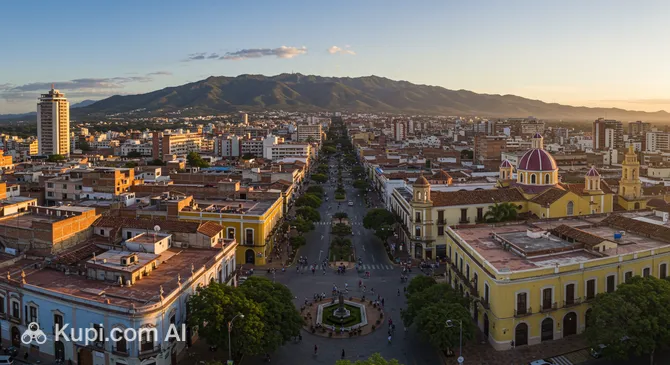
Welcome to Valencia, the vibrant capital of Carabobo State and widely recognized as the industrial heart of Venezuela. This dynamic city offers a fascinating blend of urban energy, economic significance, and cultural heritage, making it a compelling destination for travelers seeking to understand the modern pulse of the country.
Situated in a central valley surrounded by the majestic Coastal Mountain Range, Valencia enjoys a warm and pleasant climate year-round. With a population of approximately 1.5 million inhabitants, it stands as one of the nation's largest metropolises, bustling with activity and framed by the scenic beauty of Lake Valencia to the east.
Valencia. Illustration.
Source: Kupi.com AI
Beyond its modern skyline and commercial avenues, the city preserves a deep connection to its past. Visitors interested in the history of Valencia will discover that it is one of the oldest cities in the region, founded in 1555. The city center features colonial architecture and landmarks that narrate centuries of development and tradition.
Among the key attractions, the Plaza de Toros Monumental is a must-see; it is the second-largest bullring in the world and serves as a major venue for cultural events and concerts. For those seeking nature within the city, the Fernando Peñalver Park offers a lush green sanctuary along the Cabriales River, perfect for jogging, picnics, or a relaxing stroll.
Whether you are visiting for business or leisure, Valencia invites you to explore its unique mix of progress and tradition. It is a city that rewards curiosity with its lively atmosphere and welcoming spirit.
Weather Overview
Valencia experiences a tropical climate characterized by consistent warmth and varying rainfall throughout the year. The city's location in a valley keeps temperatures pleasant, making it a comfortable destination to visit at almost any time. For a more detailed forecast during your specific travel dates, you can check the current weather in Valencia before you pack.
Temperatures remain quite stable year-round, with average daily highs typically hovering between 26°C and 29°C, while nights are milder, usually cooling down to around 20°C. Rainfall is a frequent occurrence, especially from April through November, when the number of wet days increases significantly. Expect warm, humid conditions with frequent showers during these months, while the period from January to March tends to be slightly drier with fewer rainy days.
Average monthly temperature
Average monthly precipitation
Interesting Facts
Beyond its industrial reputation, Valencia holds many fascinating secrets that reveal its deep historical and cultural significance. From unique zoological records to pivotal moments in the nation's governance, here are some intriguing details about the city.
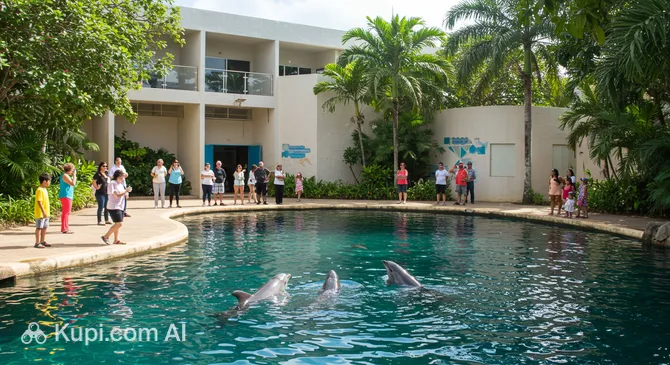
Valencia Aquarium. Illustration.
Source: Kupi.com AI
Traveler photos:
The Valencia Aquarium holds a unique place in zoological history as being one of the only facilities in the world to successfully house and train Amazon river dolphins, known locally as toninas, which are distinct for their pinkish hue and freshwater habitat.
Although Caracas is the seat of power today, Valencia served as the capital of Venezuela on three separate occasions during the 19th century, underscoring its strategic and political importance during the country's formative years.
The beloved Negra Hipólita Park is named in honor of Hipólita Bolívar, the enslaved woman who served as the wet nurse to Simón Bolívar; she is revered in Venezuelan history for playing a maternal role in the life of the Liberator.
Valencia is often affectionately referred to as the "City of Oranges" (La Ciudad de las Naranjas) because the region was historically renowned for its extensive citrus plantations, which produced some of the sweetest oranges in the country.
The city's patron saint, the Virgen del Socorro, holds the distinction of being the first Marian image in Venezuela to receive a Canonical Coronation, a historic event that took place in 1910 and cemented her importance in the nation's religious heritage.
How to Get There
Reaching this industrial hub is relatively straightforward, thanks to its strategic location and transport infrastructure. Travelers can explore all ways to reach the city to decide whether a direct flight or a ground transfer suits their itinerary best.
The most convenient entry point is the city's own Arturo Michelena International Airport (IATA: VLN). Situated just 7.5 km from the downtown area, it handles a significant volume of business and tourist traffic. A taxi or shuttle from this airport to the city center is very quick, typically taking around 30 minutes depending on traffic conditions.
For those arriving on long-haul international flights, the Simon Bolivar International Airport (IATA: CCS) in Maiquetía, which serves Caracas, is the primary option. Although it is located approximately 120 km from Valencia, it offers a wider range of global connections. The journey by road from this major hub to Valencia usually takes about 3.5 hours via taxi or bus.
For clarity, here is a summary of the main airports:
Valencia offers a diverse array of sights that cater to history buffs, art enthusiasts, and those seeking spiritual tranquility. While the city is known for its industrial prowess, its streets and buildings tell a story of a rich cultural past and a vibrant artistic present. Exploring these landmarks provides a deeper understanding of the local identity beyond the factories and commerce.
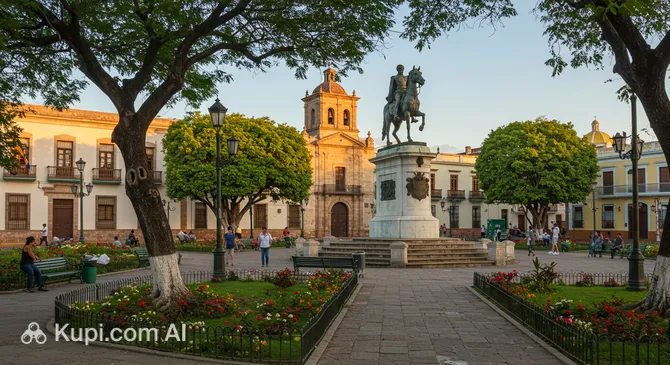
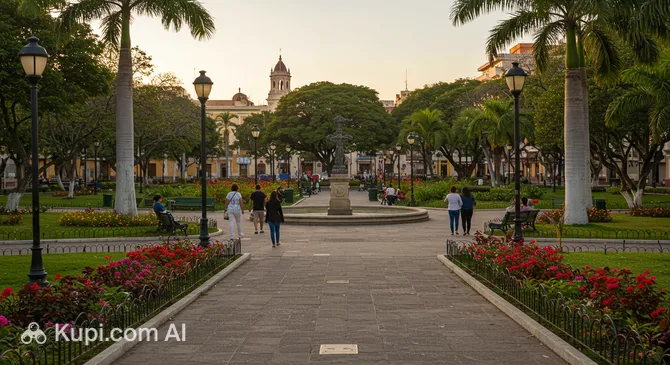
One of the most significant historical sites is the Bolívar Square of Valencia. Located in the heart of the city, this plaza is not just a meeting point for locals but a tribute to the nation's independence. It features a prominent column surmounted by a statue of Simón Bolívar, facing the direction of the famous Battle of Carabobo. The surrounding architecture includes the cathedral and other colonial-era buildings, making it a perfect spot for a leisurely walk to admire the city's heritage.
Bolívar Square of Valencia. Illustration.
Source: Kupi.com AI
Traveler photos:
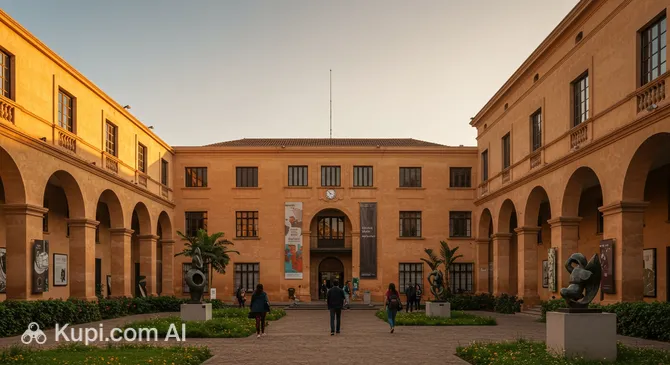
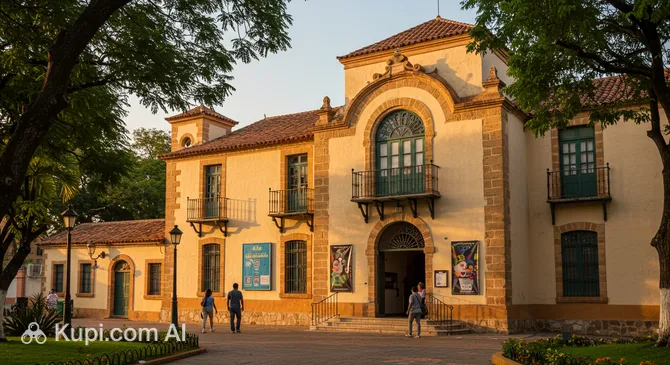
For those interested in the artistic side of the region, the Museum of Culture is an essential stop. This institution serves as a dynamic space for exhibitions that showcase both local and national talent. Visitors can enjoy a variety of visual arts, from paintings to sculptures, often housed in a setting that promotes cultural dialogue and education. It is a fantastic place to spend an afternoon immersing yourself in Venezuelan creativity.
Museum of Culture. Illustration.
Source: Kupi.com AI
Traveler photos:
Another architectural gem is La Purísima Church. Known for its distinct design and spiritual atmosphere, this church attracts visitors who appreciate religious art and serene environments. Its structure stands out in the urban landscape, offering a quiet refuge for reflection and prayer amidst the bustling city activity.
Finally, the Ateneo of Valencia represents a cornerstone of the city's intellectual life. As a cultural center, it hosts a wide range of events, including concerts, theater performances, and art shows. It has long been a gathering place for artists and thinkers, playing a pivotal role in promoting the arts within Carabobo State.
Local Cuisine
The culinary scene in Valencia is a delightful reflection of its status as a bustling industrial hub and a historic capital. The food culture here is unpretentious yet flavorful, blending traditional Venezuelan staples with the fast-paced energy of a modern metropolis. Visitors will find that dining is a central part of social life, with options ranging from casual street stalls selling grilled corn to family-run restaurants serving hearty home-style meals.
When exploring the local gastronomy, you cannot miss the region's most famous sweet treat: Panelas de San Joaquín. These twice-baked sponge biscuits, known for their crisp texture and distinct anise flavor, are a signature of Carabobo State. They are traditionally enjoyed with a cup of strong coffee or hot chocolate. Another local favorite is queso de mano, a soft, salty, hand-made cheese often served fresh in cachapas (sweet corn pancakes) or stuffed into savory arepas.
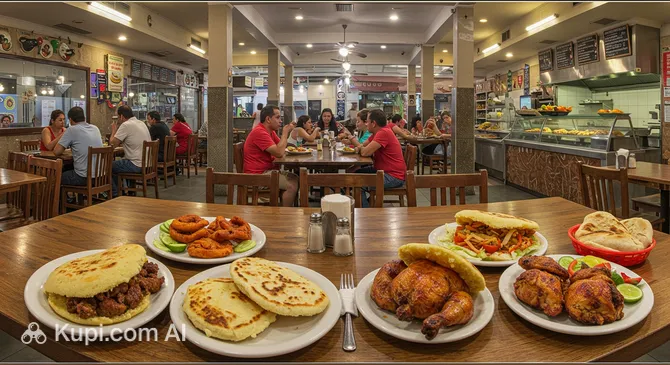
For those looking to experience the city's dining atmosphere, there are numerous spots to enjoy a satisfying meal. You might visit The Chicken Delicacy, a venue that represents the local love for rotisserie and grilled comfort foods. It is common for families to gather in such establishments on weekends to share large platters and lively conversation.
The Chicken Delicacy. Illustration.
Source: Kupi.com AI
Traveler photos:
If you have a sweet tooth, a stop at KyC Pastry Shop is highly recommended. Bakeries in Valencia are more than just shops; they are community hubs where locals stop for breakfast, a mid-afternoon snack, or to pick up fresh bread for dinner. The display cases are typically filled with a variety of pastries, both savory and sweet, showcasing the European influences on Venezuelan baking.
To quench your thirst, try a refreshing papelón con limón, a drink made from raw sugar cane pulp and lime juice, perfect for the tropical heat. In the evenings, the social scene comes alive with locals enjoying cold beers or cocktails. Places like La Guairita Bar & Restaurant offer a glimpse into the city's nightlife, where food and drinks are enjoyed in a relaxed, convivial setting.
Travel Tips
Planning a trip to Valencia requires a bit of preparation to navigate the unique local dynamics of Venezuela's industrial capital. From managing currency to getting around safely, these practical insights will help you focus on enjoying the city's culture and warmth without unnecessary stress.
Clothing and Gear: Given the tropical heat, pack lightweight, breathable fabrics like cotton or linen to stay cool. Comfortable walking shoes are a must for exploring parks and plazas. If you visit during the rainy season (roughly April to November), bring a compact umbrella or raincoat. For religious sites like the Cathedral, dress modestly; ensure your shoulders and knees are covered.
Transportation: While the Metro de Valencia offers a quick way to cross parts of the city, it has limited reach. For tourists, the safest and most convenient option is using trusted taxi services or local ride-hailing apps (such as Ridery or Yummy Rides). Avoid hailing cabs on the street at night. Car rental is generally not recommended for short visits due to complex traffic conditions.
Finances: The local currency is the Bolívar, but US dollars in cash are widely accepted and often preferred for daily transactions. Bring small denominations ($1, $5, $10, $20) in good condition, as receiving change for large bills can be difficult. International credit cards may not work in all terminals, so carrying sufficient cash is crucial. Tipping around 10% in restaurants is standard practice.
Health and Safety: Stick to bottled water for drinking and brushing your teeth to avoid stomach issues. Large pharmacy chains like Farmatodo are reliable, well-stocked, and many operate 24/7. Regarding safety, remain vigilant: keep expensive electronics out of sight in public areas and avoid walking alone after dark. It is advisable to stay in well-lit, populated districts, particularly in the northern part of the city.
Communication: Spanish is the primary language, and English proficiency among locals is limited outside of high-end hotels. Downloading an offline translation app or learning basic phrases like buenos días (good morning) and gracias (thank you) will go a long way. You can purchase a local SIM card from providers like Movistar or Digitel at official stores using your passport.
Local Etiquette: Venezuelans are generally warm and polite. Greetings often involve a firm handshake or a friendly nod; once you know someone, a cheek kiss is common. It is polite to greet shopkeepers and waitstaff upon entering an establishment. When dining, keep your hands visible on the table, but elbows off.
What to Avoid: Do not take photographs of military installations, police officers, or government buildings, as this is strictly prohibited and can lead to questioning. Also, avoid discussing sensitive political topics with strangers; focusing on culture, food, and sports will ensure your interactions remain friendly.
Shopping and Leisure: For a safe and comfortable shopping experience, visit the major shopping malls like Sambil Valencia or Centro Comercial La Viña. These are not just places to buy goods but serve as major social hubs with air conditioning, secure food courts, and cinemas, making them a great escape from the midday heat.
By keeping these tips in mind, you will be well-equipped to navigate Valencia with confidence. Embrace the local rhythm, enjoy the hospitality of the valencianos, and have a memorable stay in this bustling Venezuelan city.
Entertainment & Nightlife
As the sun sets over the Carabobo valley, Valencia transforms from an industrious business hub into a lively center of entertainment. The city's nightlife is known for its high energy and variety, catering to everyone from university students to professionals looking to unwind. The atmosphere is generally festive and social, with music playing a central role in the evening's rhythm, ranging from Latin beats like salsa and merengue to electronic and pop music.
The heartbeat of Valencia's nightlife is concentrated primarily in the northern districts, particularly El Viñedo and La Viña. These neighborhoods are densely packed with trendy gastropubs, open-air terraces, and lounges that line the main avenues. It is common for locals to start the evening with a late dinner or drinks in these areas before heading to a club. The "4 Avenidas" area in Prebo is another hotspot where the city's social life thrives after dark.
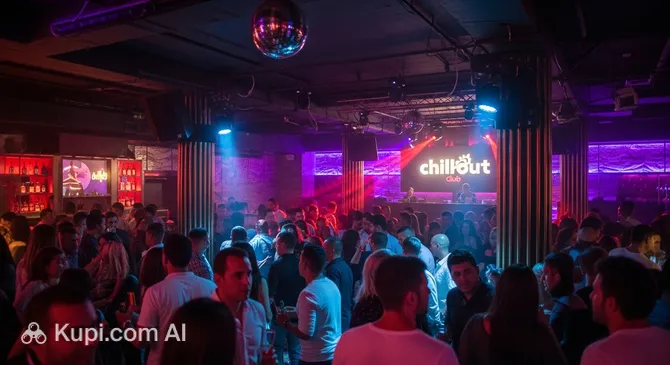
For those seeking a vibrant atmosphere to dance the night away, the Chillout Club is a well-known venue in the city. It attracts a stylish crowd and typically features DJs spinning a mix of current hits and dance tracks. Clubs in Valencia usually start filling up after 11:00 PM and stay open until the early hours of the morning. The dress code in these establishments tends to be "smart casual" to "dress to impress," so it is worth putting some effort into your outfit.
Chillout Club. Illustration.
Source: Kupi.com AI
Traveler photos:
If you prefer a more laid-back environment to enjoy a cold beer and conversation, Distribuidora Candelaria offers a more traditional and casual bar experience. Places like this are perfect for experiencing the local "pre-despacho" culture, where friends gather for affordable drinks before moving on to bigger parties. Night markets and food trucks also frequently appear in popular squares, offering late-night snacks like pepitos (steak sandwiches) and burgers.
Practicality is key when planning a night out here. Most venues accept US dollars in cash or Zelle, as well as local debit cards. Prices can vary significantly; upscale clubs in the north will have international pricing standards, while local bars are quite affordable. Regarding safety, it is crucial to remain in well-lit, populated areas like the entertainment districts mentioned. Avoid walking between venues if they are more than a block apart; instead, use trusted taxi apps or arrange private transport. Always keep your belongings secure and avoid flashing valuables.
Before the nightlife kicks in, Valencia offers plenty of daytime entertainment options. The city is home to modern shopping destinations like the Trigaleña Plaza Shopping Center, which is not just for retail but serves as a safe and cool environment for coffee, movies, and family outings. For a touch of culture, the municipal theater and various museums provide artistic diversions, while local amusement parks offer fun for families and thrill-seekers alike during the day.
Parks & Museums
Valencia offers a refreshing counterpoint to its industrial activity with a collection of expansive green spaces and cultural institutions. For travelers seeking relaxation or a touch of art, the city provides excellent options that highlight the local lifestyle and appreciation for nature.
One of the most significant urban retreats is the Fernando Peñalver Park. Stretching along the banks of the Cabriales River, this vast park serves as the city's main green lung. It is meticulously maintained and features winding paths for jogging, open areas for picnics, and various sculptures that add an artistic touch to the natural surroundings. It is the perfect place to escape the city noise and enjoy a peaceful walk under the shade of mature trees.
Fernando Peñalver Park. Illustration.
Source: Kupi.com AI
Traveler photos:
Directly adjacent, you will find Negra Hipólita Park, another beloved recreational area. This park is particularly family-friendly, offering safe playgrounds for children and beautiful gardens. Named after the historic figure who cared for Simón Bolívar, the park combines leisure with a sense of history, making it a popular weekend destination for local families and visitors alike.
On the cultural front, the Ateneo of Valencia is a cornerstone of the region's artistic community. This institution is dedicated to promoting the arts and regularly hosts exhibitions, concerts, and theater productions. A visit here offers insight into the vibrant creative scene of Carabobo, providing a space where tradition and contemporary expression meet.
Ateneo of Valencia. Illustration.
Source: Kupi.com AI
Traveler photos:
For a unique mix of education and nature, the Valencia Aquarium is a must-visit landmark. Situated within a larger recreational complex, it is famous for being one of the few places in the world to house Amazon river dolphins. Beyond the aquatic exhibits, the facility also features a zoo and botanical areas, making it an engaging destination for learning about Venezuela's diverse biodiversity.
Getting Around
Public transportation in Valencia is primarily served by a developing metro system and a vast network of buses and minibuses. For tourists, navigating the city often requires a mix of these options, though many visitors prefer private transport for comfort and safety. Understanding how the local system works is key to moving around efficiently.
The Metro de Valencia is the most modern and efficient way to travel, although its reach is currently limited to a single line running from the south to the city center. It connects key areas such as the Plaza de Toros (Monumental station) and the downtown district (Cedeño station). The trains are generally clean and quick, bypassing the heavy surface traffic. It is a convenient option if your destination lies near the Avenida Bolívar corridor.
For areas not served by the metro, buses and minibuses (locally known as camionetas or colectivos) are the main mode of transit. These vehicles cover almost every corner of the city. They do not always have fixed stops; instead, routes are displayed on the windshield, and passengers often flag them down or ask the driver to stop at convenient corners. While they are extensive, they can be crowded and confusing for first-time visitors.
Regarding payment, the systems differ by mode of transport. The Metro typically uses a rechargeable card system or tickets that must be purchased at station booths with local currency. The cost is extremely low by international standards. On buses and minibuses, payment is almost exclusively in cash (Bolívars). You pay the driver directly upon boarding or just before disembarking. It is essential to carry small denominations, as drivers often lack change for large bills.
Operating hours generally run from early morning, around 6:00 AM, until the evening. The metro usually closes its gates by 8:30 PM or 9:00 PM, and bus frequency drops significantly after dark. For tourists, it is highly advisable to use public transport only during daylight hours. If you are traveling at night, or if you are carrying luggage, alternative transport is strongly recommended.
Taxis and ride-sharing apps are often the best choice for visitors. Traditional taxis can be found at designated stands near hotels and shopping centers, but prices should be negotiated in advance. However, mobile apps like Ridery or Yummy Rides have become very popular and are generally safer and more transparent regarding fares. They allow you to pay digitally or with foreign currency in some cases, bypassing the need for carrying large amounts of local cash.
A practical tip for using the metro is to buy your pass at a station booth during non-peak hours to avoid long lines. If you choose to take a bus, keep your belongings close to your chest and remain aware of your surroundings. While the public system offers an authentic glimpse into local life, relying on app-based car services will provide a more relaxed and secure travel experience in the city.
Accommodation
Finding the right place to stay in Valencia is relatively straightforward, as the city is well-equipped to host its steady stream of business travelers and tourists. The range of accommodation options is diverse, spanning from upscale international hotel chains with full amenities to smaller, family-run guesthouses known as posadas. For those planning a longer visit or seeking a more home-like atmosphere, fully furnished apartment rentals have also become a popular and widely available alternative.
For the most comfortable and convenient experience, the northern part of the city, locally referred to as the Zona Norte, is the most recommended area for visitors. Neighborhoods such as El Viñedo, La Viña, and Prebo are modern, generally safer, and densely packed with restaurants, shopping centers, and nightlife. Staying in these districts places you in the heart of the city's social life. While the historic center is excellent for daytime sightseeing, it is typically better to base yourself in the north and commute for your tours.
A crucial tip when selecting accommodation in Valencia—or anywhere in Venezuela—is to verify that the property is equipped with an independent power generator and a water tank. These amenities are essential for ensuring a comfortable and uninterrupted stay. It is also wise to book your room in advance, particularly if your visit coincides with major industry conventions or local fairs, which can fill up the better hotels quickly.
The price range for lodging varies significantly, catering to all budgets. You can find economical options suitable for backpackers as well as luxury suites with international pricing standards. When it comes to booking and payment, online travel platforms work for major hotels, but direct booking via WhatsApp or Instagram is very common for smaller establishments and rentals. Be prepared that while some large hotels accept international credit cards, many places may prefer payment in US dollars (cash) or digital transfers.
Nearby Cities
For those looking to explore the surroundings, Valencia serves as an excellent base for day trips to several interesting nearby locations:
Just a short drive north towards the Caribbean coast lies Puerto Cabello. This historic port city is perfect for travelers who want to combine culture with seaside relaxation. Its restored colonial center features charming cobblestone streets and colorful architecture, while nearby attractions like the San Felipe Castle and the beaches of Isla Larga offer a delightful escape from the inland heat.
To the east, the city of Maracay, known as the "Garden City," offers a mix of urban energy and natural beauty. It is famous for its aviation history and the massive Plaza Bolívar. Maracay also serves as the primary gateway to the spectacular Henri Pittier National Park, where visitors can experience lush cloud forests and winding roads leading to some of the country's most beautiful coastal villages.
For a greener and more tranquil experience, San Felipe in the neighboring state of Yaracuy is an excellent option. Known for its lush vegetation and the Yurubí National Park, it provides a refreshing change of pace with opportunities for nature walks and exploring the rich biodiversity of the region.
City
Population
Distance
Los Guayos
130 345
9 km
Tocuyito
197 446
11 km
Guacara
200 212
16 km
Puerto Cabello
209 080
35 km
Montalban
24 908
35 km
These nearby destinations offer a glimpse into the diverse culture and landscapes of the region, making them well worth a visit during your stay in Valencia.
Shopping & Souvenirs
Shopping in Valencia is a vibrant experience that reflects the city's status as the industrial and commercial capital of the region. Visitors will find a diverse range of options, from modern, air-conditioned malls housing international brands to bustling street markets filled with local goods. Whether you are looking for high-end fashion, household items, or traditional Venezuelan crafts, the city offers a commercial atmosphere that caters to every taste and budget.
For those who prefer street-side browsing, the northern avenues of the city, particularly along Avenida Bolívar Norte and the districts of El Viñedo and La Viña, are lined with boutiques, electronics stores, and specialty shops. These areas are safe and walkable, offering a mix of shopping and dining that allows you to explore the local urban lifestyle while you hunt for the perfect purchase.
The city is well-known for its large shopping centers, which serve as major social hubs for the locals. A popular destination for those seeking home decor, seasonal goods, and general merchandise is Mango Bajito. This store is a favorite among residents for its wide variety of products and competitive prices, making it an interesting stop to see what is trending in local households.
Mango Bajito. Illustration.
Source: Kupi.com AI
Traveler photos:
If you are looking for a more comprehensive mall experience with fashion boutiques, cafes, and entertainment, the Trigaleña Plaza Shopping Center is an excellent choice. It offers a modern and secure environment where you can shop for clothing and accessories or simply enjoy a coffee in air-conditioned comfort, away from the midday heat.
To experience the authentic flavors and colors of the region, a visit to the municipal markets is highly recommended. These bustling hubs are where you can find fresh tropical fruits, local cheeses, and traditional Venezuelan ingredients. While they are less polished than the malls, they offer a genuine glimpse into the daily life of the valencianos and are great places to find affordable goods.
When it comes to souvenirs, edible treats are often the best choice. You should definitely pick up a few packages of Panelas de San Joaquín, the region's famous anise-flavored biscuits. Other excellent gifts include high-quality Venezuelan chocolate, known as some of the best in the world, and premium aged rum, such as Santa Teresa or Diplomático, which are much more affordable here than abroad.
Store hours in Valencia typically run from 10:00 AM to 7:00 PM or 8:00 PM, although shopping malls often stay open a bit later. Regarding payment, while the local Bolívar is the official currency, US dollars in cash are the most widely accepted and preferred method of payment for almost everything. Many businesses also accept Zelle transfers. It is advisable to carry small bills, as change for large denominations can be scarce.
Tourists should be aware that Venezuela does not currently operate a tax-free shopping refund system for international visitors. The price you see on the tag generally includes the Value Added Tax (IVA), and there is no mechanism to claim this back at the airport upon departure.