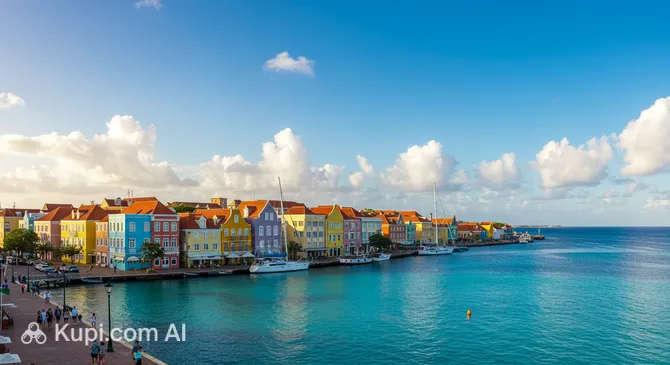
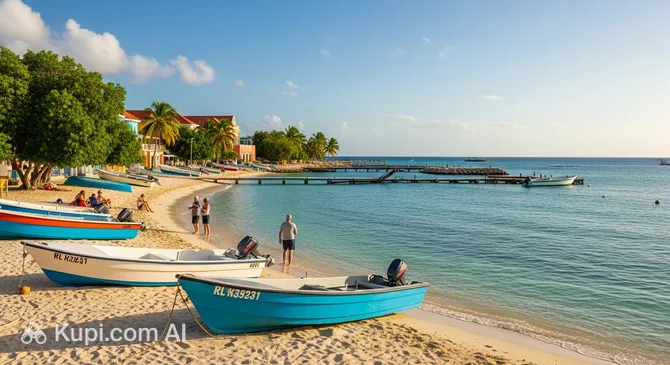
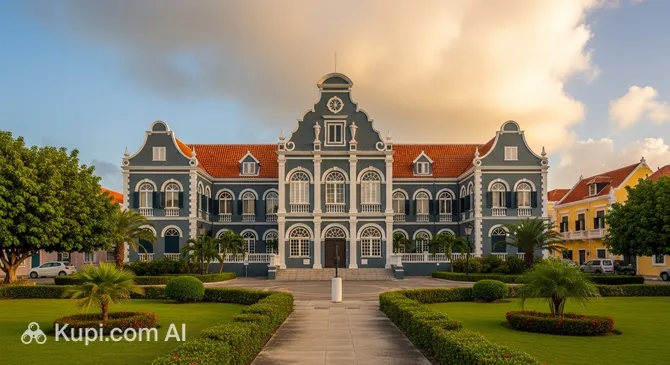
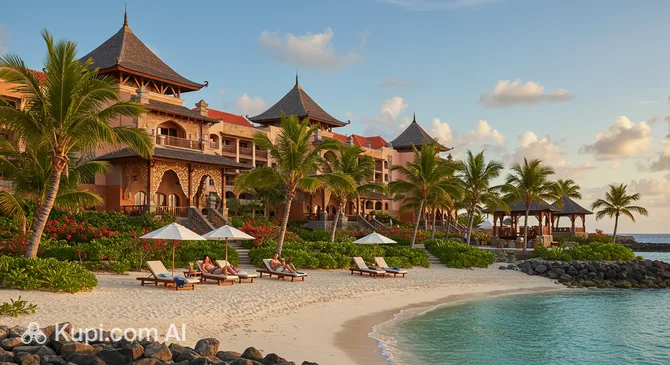
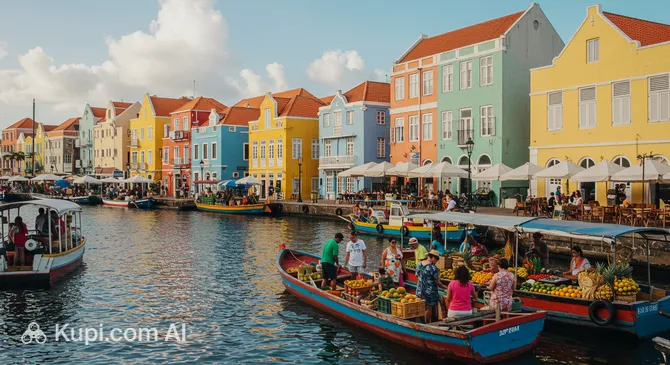
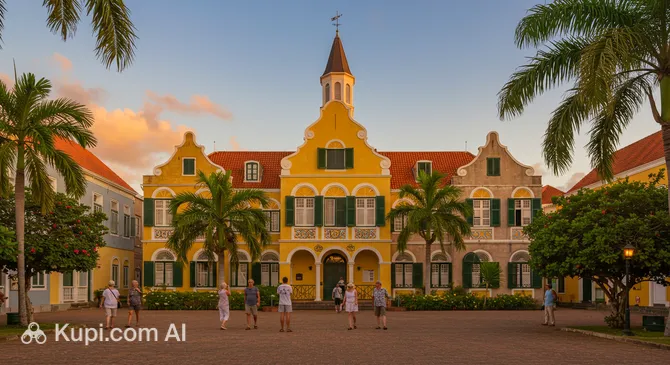
Willemstad is a vibrant and captivating destination that perfectly blends European colonial charm with a relaxed Caribbean atmosphere. As the capital city of Curacao, it serves as the island's administrative and cultural heart. Located in the southern Caribbean Sea, the city enjoys a warm, tropical climate year-round and is home to a population of approximately 150,000 residents, making it a bustling hub of activity.
Willemstad. Illustration.
Source: Kupi.com AI
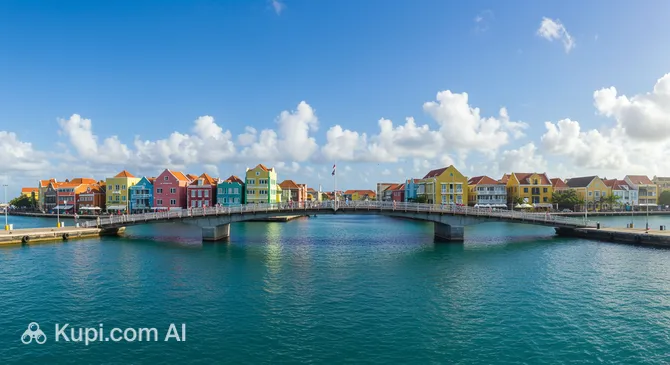
The city is renowned for its distinctive architecture, characterized by colorful Dutch colonial buildings that line the waterfront. This unique cityscape has earned the historic inner city and harbor a place on the UNESCO World Heritage list. Visitors interested in the history of Willemstad will find a wealth of heritage to explore, particularly in the districts of Punda and Otrobanda. These two historic quarters are separated by St. Anna Bay and connected by the famous Queen Emma Bridge, a floating pontoon bridge affectionately known as the "Swinging Old Lady."
Beyond its picturesque streets, Willemstad offers a variety of attractions, including the iconic Handelskade waterfront and the bustling Floating Market where vendors sell fresh produce from boats. Whether you are admiring the well-preserved forts or enjoying the local cuisine at a sidewalk cafe, the city offers a memorable experience. Willemstad is truly a must-visit destination for anyone looking to experience the rich culture and beauty of the Caribbean.
Weather Overview
Willemstad enjoys a consistently warm tropical climate year-round, making it an inviting destination for travelers seeking sun and heat. The temperatures are remarkably stable, with monthly averages hovering between 26°C and 29°C. The coolest month is typically February, with an average of 25.9°C, while September tends to be the warmest, reaching an average of 28.5°C. Daily highs consistently reach into the upper 20s, ensuring that it never feels truly cold.
When planning your visit, it is helpful to consider the seasonal variations in rainfall frequency. You can find more detailed information about the weather in Willemstad to help schedule your activities. While the recorded precipitation volume remains relatively low throughout the year, the number of wet days changes significantly. The months of April and May are generally the driest, featuring only about 5 wet days, whereas the end of the year sees a sharp increase, with November experiencing up to 24 wet days.
Average monthly temperature
Average monthly precipitation
Interesting Facts
Beyond the vibrant facades and bustling streets, Willemstad holds many fascinating secrets and historical quirks that add depth to its charm.
Queen Emma Bridge. Illustration.
Source: Kupi.com AI
Traveler photos:
Legend has it that the city's iconic colorful buildings were the result of a medical complaint by a former governor. He reportedly suffered from severe migraines which he attributed to the glare of the tropical sun reflecting off the white stucco walls, leading to a decree that all buildings must be painted in any color other than white.
The Queen Emma Bridge is a rare engineering marvel often called the "Swinging Old Lady." It is the only floating wooden pontoon bridge in the world that swings open sideways to allow ships to pass into the harbor, occasionally trapping pedestrians on the bridge while it moves.
The island's signature Blue Curaçao liqueur was born from an agricultural failure. Spanish settlers originally planted Valencia oranges, but the soil and climate turned the sweet fruit into the bitter "Laraha" orange; its dried peels are now distilled at Landhuis Chobolobo to create the famous spirit.
Willemstad is home to the Mikvé Israel-Emanuel Synagogue, the oldest synagogue in continuous use in the Western Hemisphere. A unique feature of this historic building is its floor, which is completely covered in sand, symbolizing the desert wanderings of the Israelites and serving to muffle footsteps during prayer.
How to Get There
Planning a trip to this colorful Caribbean destination is an exciting endeavor, and for most international travelers, arriving by air is the most practical choice. To view detailed information on all available transport options, you can read more about how to get to Willemstad. The city is well-connected to major global hubs, ensuring a smooth journey to the island.
The primary entry point is Curacao International Airport (IATA: CUR), also known as Hato International Airport. It is conveniently located within Willemstad itself, approximately 9.9 km from the city center. As a major international facility, it handles a large volume of passengers annually. Once you land, reaching the historic downtown area is quite quick; a trip by taxi or bus typically takes around 35 minutes depending on traffic.
For travelers island-hopping in the region, there are other significant airports nearby, though they are located on neighboring islands. Reina Beatrix International Airport (IATA: AUA) is a large hub situated in the city of Oranjestad, about 125 km away. Another option is Flamingo International Airport (IATA: BON) in Kralendijk, located roughly 72 km from Willemstad. While these airports are not accessible by road from Willemstad, they serve as key regional connections for visitors exploring the ABC islands.
For clarity, here is a summary of the main airports:
Willemstad is a treasure trove of historical and cultural landmarks, offering visitors a diverse range of experiences from ancient fortifications to bustling marketplaces. Exploring these sites provides a deeper understanding of the island's rich heritage and its vibrant present-day atmosphere.
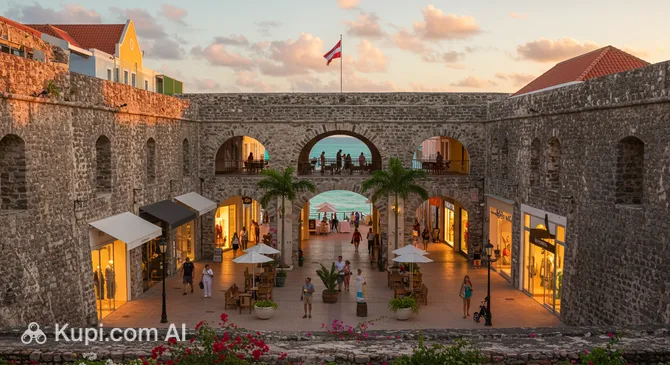
One of the most prominent landmarks in the city is the Renaissance Mall & Rif Fort. Originally constructed in 1828 to protect the entrance of St. Anna Bay, this UNESCO World Heritage site has been masterfully transformed into a premier shopping and dining destination. Visitors can walk along the historic coral stone walls to enjoy panoramic views of the ocean and the city, seamlessly blending the past with modern luxury.
Renaissance Mall & Rif Fort. Illustration.
Source: Kupi.com AI
Traveler photos:
For those interested in the deeper history of the region, the Kura Hulanda Museum in the Otrobanda district is an essential stop. Situated right at the city harbor where Dutch ships once docked, this anthropological museum details the history of the Trans-Atlantic Slave Trade. It houses an impressive collection of artifacts, African art, and historical exhibits that tell a powerful story of the cultures that have shaped Curacao.
Kura Hulanda Museum. Illustration.
Source: Kupi.com AI
Traveler photos:
A short distance away on the Punda side of the waterfront, you will find the colorful Floating Market. This iconic spot is famous for the fleet of small boats that dock along the canal, bringing fresh produce and fish from nearby Venezuela. It is a lively spectacle of sights and smells, where tourists can buy exotic fruits and capture photos of the vibrant trade that has been a local tradition for decades.
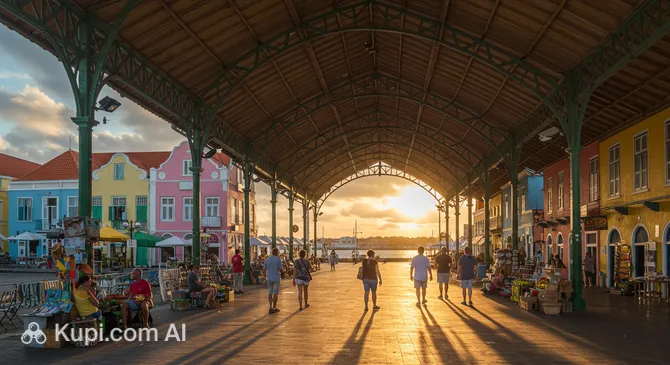
To experience the authentic flavors of the island, a visit to the Old Market, known locally as Marshe Bieu, is highly recommended. Unlike typical tourist restaurants, this covered market features open-air kitchens where local cooks prepare hearty traditional dishes. It is the perfect place to sit at a communal table and try local favorites such as stewed goat or pumpkin pancakes in a genuine, rustic setting.
Local Cuisine
The culinary landscape of Willemstad is a mouthwatering reflection of its multicultural heritage, blending Caribbean, Dutch, Latin American, and African influences into a unique style known as Krioyo. Food lovers will find an array of bold flavors and hearty meals that tell the story of the island. A definitive must-try dish is Keshi Yena, considered the national dish of Curacao. It consists of a large round of Edam or Gouda cheese stuffed with spiced meat (usually chicken or beef), raisins, olives, and capers, then baked to perfection. Another staple is Kabritu Stoba, a rich and tender goat stew served with Funchi, a cornmeal side dish similar to polenta.
Old Market. Illustration.
Source: Kupi.com AI
Traveler photos:
For an authentic taste of local life, lunch at the Old Market (Marshe Bieu) is an essential experience. Here, locals and visitors sit side-by-side at long communal tables to enjoy generous portions of stewed meats, fried fish, and pumpkin pancakes prepared in open kitchens. If you prefer a dining experience with a view, Grand Café Gouverneur De Rouville in Otrobanda offers excellent local and international cuisine with a stunning backdrop of the colorful Handelskade across the bay. For a more modern twist on island ingredients, Kome is a popular spot known for its wood-fired meats and creative menu.
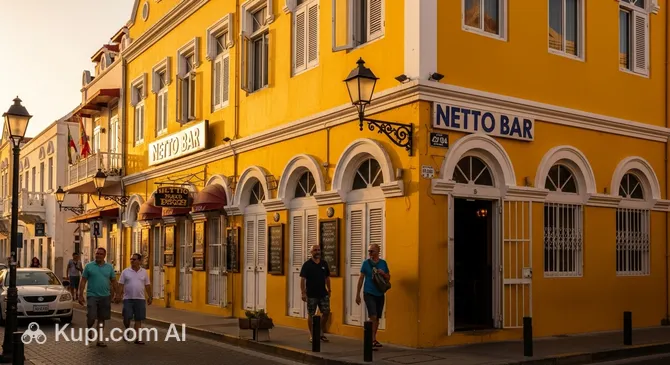
No gastronomic tour of Willemstad is complete without sampling the local beverages. While the island is famous for its Blue Curacao liqueur made from the peel of the Laraha orange, adventurous drinkers should head to the historic Netto Bar. Established in 1954, this iconic dive bar is the home of Ròm Bèrdè (Green Rum), a unique, anise-flavored spirit that you won't find anywhere else in the world. For non-alcoholic refreshment, look for Batidos, fresh fruit shakes made with tropical favorites like papaya, mango, and soursop, widely available at street stands throughout the city.
Netto Bar. Illustration.
Source: Kupi.com AI
Traveler photos:
Travel Tips
Welcome to Willemstad! To ensure your Caribbean adventure is as breezy and enjoyable as the island's famous trade winds, we have compiled a set of essential practical tips. These guidelines will help you navigate the city's unique blend of European charm and tropical laid-back culture with ease.
Clothing and Gear: Given the tropical climate, lightweight and breathable fabrics like cotton or linen are your best friends. Pack comfortable walking shoes for exploring the cobblestone streets of Punda and Otrobanda, and do not forget high-SPF sunscreen, sunglasses, and a hat to protect against the strong sun. While beachwear is perfect for the coast, casual resort wear is expected in town; if you plan to visit the Mikvé Israel-Emanuel Synagogue, modest dress (covering shoulders and knees) is required.
Transportation: While there is public transport available in the form of large buses (Konvooi) and smaller vans (Bus), schedules can be infrequent or irregular. For the most freedom to explore Willemstad and the surrounding beaches, renting a car is highly recommended. Taxis are available but do not use meters; always agree on the fare in local currency or US dollars before starting your journey to avoid surprises.
Finances: The official currency is the Netherlands Antillean Guilder (ANG), also known as the Florin (NAf), which is pegged to the US Dollar. However, US Dollars are accepted almost everywhere at a standard exchange rate. Credit cards are widely used in hotels and restaurants, but it is wise to carry some cash for small purchases at the Floating Market or local snack bars (Snèks). ATMs are plentiful throughout the city.
Health and Safety: Willemstad is generally safe, but standard precautions apply; never leave valuables visible in your rental car, especially at beach parking lots. A wonderful perk of the island is that the tap water is distilled from seawater, making it safe and delicious to drink. Pharmacies are known as "Botika," and most over-the-counter essentials are readily available.
Communication: You will find that locals are incredibly multilingual. While Dutch is the official language and Papiamentu is the local heart language, English and Spanish are widely spoken and understood. It is polite to learn a few words in Papiamentu, such as Bon dia (Good morning) or Danki (Thank you). Wi-Fi is common in cafes and hotels, and SIM cards can be easily purchased at the airport or local convenience stores.
Local Etiquette: The atmosphere is friendly and relaxed. It is customary to greet people with a "Good morning" or "Good afternoon" when entering a shop or boarding a bus. "Island time" is a real concept here; service may be slower than what you are used to in big cities, so patience and a smile go a long way.
What to Avoid: Do not rush across the Queen Emma Bridge when the bell starts ringing. This indicates the bridge is about to swing open for boat traffic. If you get stuck on it, you might be there for a while! Also, avoid touching or standing on coral reefs if you go snorkeling nearby; protecting the marine ecosystem is taken very seriously.
Bridge Hack: If the Queen Emma Bridge is open (swung aside) and you need to cross between Punda and Otrobanda, look for the free ferry service located just next to the bridge entrance. It runs continuously when the bridge is inaccessible to pedestrians, offering a fun and quick mini-cruise across St. Anna Bay.
With these tips in mind, you are ready to immerse yourself in the vibrant colors and warm hospitality of Willemstad. Relax, embrace the local rhythm, and enjoy every moment of your stay in this unforgettable UNESCO World Heritage city!
Entertainment & Nightlife
When the sun sets over the Caribbean Sea, Willemstad transforms from a historic colonial hub into a vibrant center of nightlife and entertainment. The city offers a diverse evening scene that caters to all tastes, from sophisticated rooftop lounges and jazz clubs to energetic beach bars and lively street parties. The atmosphere is generally relaxed yet festive, with the warm tropical breeze encouraging open-air dining and dancing late into the night.
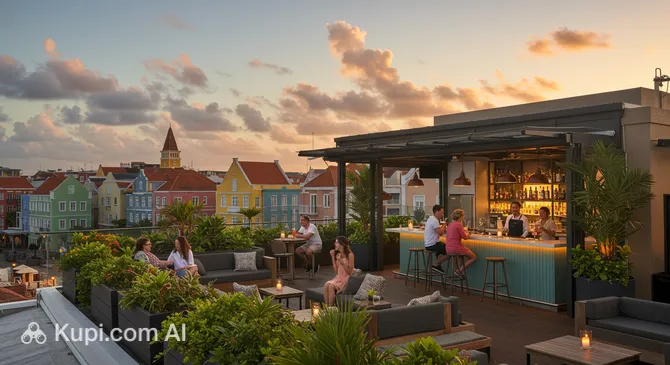
The beating heart of the city's nightlife is undoubtedly the Pietermaai District. Often referred to as the "SoHo of Curacao," this neighborhood is famous for its restored historic mansions that have been converted into trendy boutique hotels, gourmet restaurants, and atmospheric bars. It is a safe and walkable area where you can hop from one venue to another, enjoying live music ranging from rock and blues to Latin rhythms. For those seeking a stunning backdrop to their evening, Cascada Rooftop Bar & Kitchen in the Punda district offers breathtaking 360-degree views of the city lights and the harbor, making it an ideal spot for sunset cocktails and late-night lounging.
Cascada Rooftop Bar & Kitchen. Illustration.
Source: Kupi.com AI
Traveler photos:
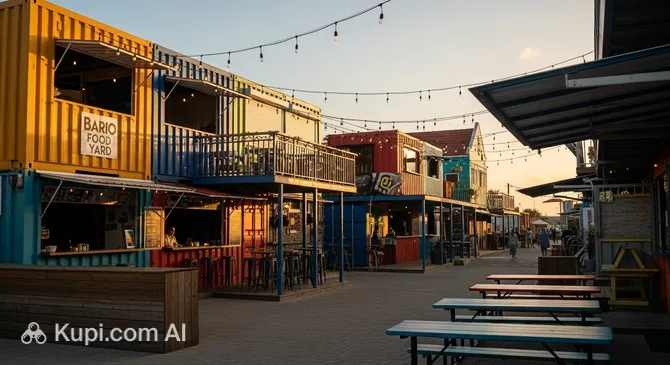
Across the bay in Otrobanda, the vibe is increasingly artistic and urban. A standout venue here is the Bario Food Yard, a unique collective space set within historic buildings. It combines street food stalls, a bar, and frequent live DJ sets or local bands, creating a community-focused atmosphere that attracts a mix of locals and travelers. It is a fantastic place to experience the island's modern culture and culinary creativity in a casual, open-air setting.
Bario Food Yard. Illustration.
Source: Kupi.com AI
Traveler photos:
For those who prefer partying with their toes in the sand, the coastline just outside the city center, particularly around Mambo Beach Boulevard, is known for its beach clubs that turn into open-air discos on weekends. Sunday evenings are particularly famous for beach parties that start at sunset. Regarding dress code, Willemstad favors "island chic"—smart casual is the norm for most bars and clubs. Men typically wear polo shirts or button-downs with shorts or trousers, while women often choose sundresses or stylish resort wear. Flip-flops are acceptable at beach bars but might be too casual for upscale venues in Pietermaai.
Practical Advice and Safety: Nightlife in Willemstad typically kicks off with happy hours around 5:00 PM to 7:00 PM, while clubs and dance venues get busy after 10:00 PM. Prices for drinks are comparable to North American or European cities. While the main nightlife districts like Pietermaai and the Rif Fort area are well-lit and generally safe for walking, it is advisable to use a taxi when moving between districts late at night, especially if your route takes you through quieter, unlit streets. Taxis can be easily called by your restaurant or hotel; the "24-7 Taxi Curacao" app is also a reliable option.
While the nights are for dancing, daytime entertainment in Willemstad offers a more cultural pace. The city is home to several cinemas and casinos, often attached to larger hotels. For a dose of history and culture during the day, you can visit the Curaçao Maritime Museum to learn about the island's nautical past, or explore the colorful streets of Scharloo, which is becoming an open-air gallery for street art and murals.
Parks & Museums
Beyond its famous pastel-colored waterfront, Willemstad offers a fascinating array of green spaces and cultural institutions that provide a deeper look into the island's heritage and natural beauty. For travelers looking to step away from the bustling shopping streets, the city's recreational areas and museums offer a perfect blend of relaxation and education, showcasing everything from maritime history to modern coastal developments.
While Willemstad is an urban center, it embraces its coastal geography with beautifully designed public spaces. A standout example is Marie Pampoen Beach. Recently transformed into a recreational park, this area is much more than just a place to swim. It features landscaped walking paths, sports facilities, and playgrounds, making it a favorite spot for locals to unwind at sunset. It serves as a vibrant green lung where the city meets the sea, offering a refreshing break from the paved streets of downtown.
Marie Pampoen Beach. Illustration.
Source: Kupi.com AI
Traveler photos:
Another serene escape can be found at Parasasa Beach, located near the larger hotels but often quieter than the main tourist strips. It is known for its ample shade provided by local trees, making it an ideal spot for a picnic or a peaceful walk along the water. For those seeking a unique photo opportunity in a natural setting, the Mangrove Beach Swing offers a playful way to enjoy the ocean breeze surrounded by the island's characteristic mangrove vegetation.
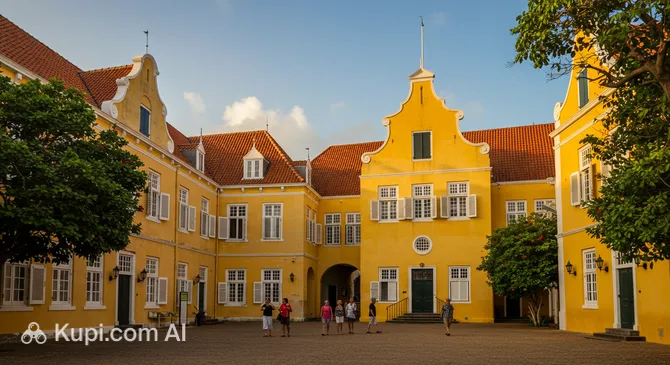
To truly understand the soul of Curacao, a visit to its museums is essential. The Curaçao Museum, located in the western part of Otrobanda, is the oldest museum on the island. Housed in a colonial-style building dating back to 1853, it showcases a diverse collection ranging from antique furniture and local art to the cockpit of the first KLM plane to cross the ocean from the Netherlands. The museum is surrounded by a lovely garden that regularly hosts cultural events, adding to its charm as a living piece of history.
The Curaçao Museum. Illustration.
Source: Kupi.com AI
Traveler photos:
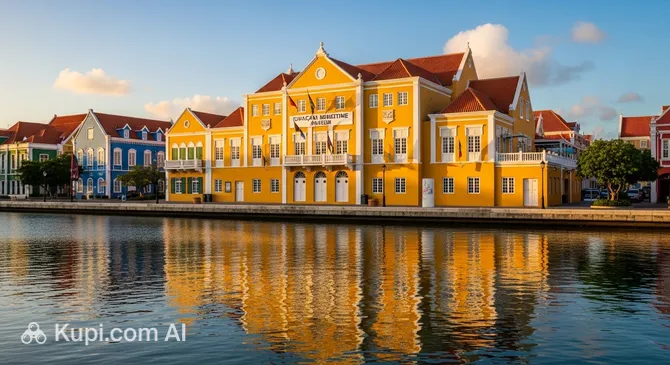
Given the island's strategic importance in trade, the Curaçao Maritime Museum is another key institution. Located in a restored mansion in the Scharloo district, it tells the story of the island's nautical past, covering over 500 years of history. Through antique maps, ship models, and interactive exhibits, visitors can learn how the harbor of Willemstad became one of the busiest in the Caribbean. The museum also offers guided harbor tours, providing a unique perspective of the city from the water.
Curaçao Maritime Museum. Illustration.
Source: Kupi.com AI
Traveler photos:
For a taste of "living history," a visit to Landhuis Chobolobo is highly recommended. This 19th-century country house is the home of the famous Genuine Curaçao Liqueur. It functions as both a museum and a distillery, where you can learn about the history of the "Laraha" orange and the production process of the island's most famous export. The historic architecture of the mansion itself is a beautiful example of the island's plantation heritage.
In the heart of the city, Brion Square (Plasa Brion) serves as a significant historical landmark. Located in Otrobanda facing the Queen Emma Bridge, this open plaza is a central gathering point and often the site of national celebrations. It offers a magnificent view of the Punda waterfront and is a great place to observe the daily rhythm of the city.
For an insider experience, take a moment to explore the sculpture garden at The Curaçao Museum. It is a quiet, often overlooked oasis where you can admire works by local and international artists in a peaceful, shaded setting, far removed from the cruise ship crowds.
Getting Around
Navigating Willemstad is a relatively straightforward experience, though the public transport system is quite different from what you might find in large European or North American cities. The city relies primarily on a road-based network consisting of two distinct types of buses: large public buses known as Konvooi and smaller, privately owned minivans simply called Bus. There is no metro, tram, or train service on the island, so getting around involves mastering these road options or choosing a private alternative.
The large Konvooi buses are operated by the state-owned company Autobusbedrijf Curaçao (ABC). These are recognizable by their yellow or blue colors and are the most comfortable option for longer journeys, such as trips to the western beaches. They run on a fixed schedule, though "island time" can sometimes apply. There are two main bus terminals in the city: the Punda Terminal (near the post office and Waaigat), which serves the eastern and southern parts of the island, and the Otrobanda Terminal (near the Sebastopolstraat), which serves the western side. It is important to know which side of the island your destination is on to choose the correct terminal.
For a faster and more flexible option, you can use the collective minivans. You can easily identify them by the word "BUS" on their license plates and a cardboard sign in the windshield indicating their destination. These vans follow the same routes as the large buses but stop more frequently. Unlike the Konvooi, they do not run on a strict timetable; they depart when they are full. You can often flag them down anywhere along their route, making them a convenient choice for short hops around the city districts.
The payment system in Willemstad is traditional and cash-based. There are no travel cards, apps, or electronic passes for tourists. You simply pay the driver directly upon boarding or exiting, depending on the driver's preference. The fare is generally low, typically ranging from 2 to 3 Guilders (ANG) per ride. While drivers often accept US Dollars, it is highly recommended to carry small change in the local currency to avoid exchange rate discrepancies and to make the transaction smoother.
A unique feature of Willemstad's transport "network" is the free ferry service connecting the Punda and Otrobanda districts. While not a long-distance travel option, it is an essential and scenic way to cross St. Anna Bay when the Queen Emma pontoon bridge swings open to let ships pass. The ferry runs continuously during these times, offering a quick and enjoyable mini-voyage across the harbor entrance.
If you prefer more comfort or need to travel late at night, taxis are widely available. You can recognize them by the "TX" on their license plates. It is crucial to note that taxis in Willemstad do not use meters. Instead, fares are fixed based on zones and the number of passengers. You should always confirm the price with the driver before getting into the car to avoid misunderstandings. Ride-sharing apps are not standard here, so relying on official taxi stands or hotel concierge services is best.
For tourists who want to explore hidden beaches or secluded areas at their own pace, renting a car is often the most practical advice. Public transport schedules can be limited, especially in the evenings and on Sundays, with most buses stopping service around 9:00 PM or 11:00 PM. Having a rental car provides the freedom to explore the island without being tethered to the bus timetable, which is particularly useful if you plan to stay out for dinner or sunset views outside the city center.
Accommodation
Finding the perfect place to stay in Willemstad is an effortless part of the travel experience, as the city offers a diverse array of accommodation options to suit every budget and style. From vibrant hostels and cozy guesthouses for backpackers to boutique hotels in restored colonial mansions and sprawling luxury resorts, the hospitality landscape is as colorful as the city's architecture.
For travelers who want to be in the center of the action, the historic districts of Punda and Otrobanda are excellent choices. Staying here places you within walking distance of the main shopping streets, museums, and the iconic pontoon bridge. Alternatively, the trendy Pietermaai District has become a favorite for those seeking a boutique experience. This neighborhood is known for its vibrant nightlife and beautifully renovated historic buildings that now house stylish small hotels and apartments.
If your priority is direct access to the sea and a full-service experience, the coastal areas just outside the city center are home to several renowned properties. A standout option is the Avila Beach Hotel. As the oldest operating hotel on the island, it seamlessly blends Dutch colonial history with modern beachfront luxury, offering a private bay and a distinct sense of heritage.
Avila Beach Hotel. Illustration.
Source: Kupi.com AI
Traveler photos:
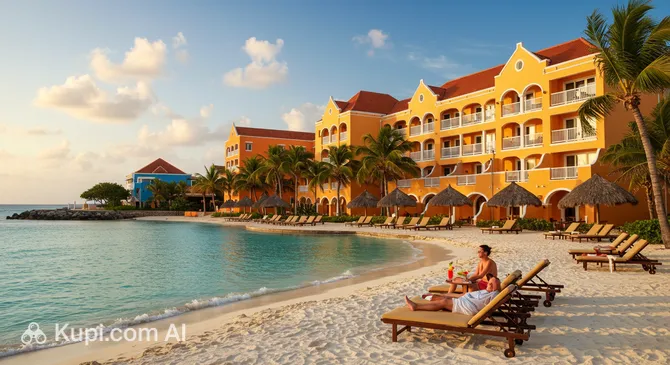
For those seeking an ultra-luxurious and secluded retreat, the Baoase Luxury Resort is a top-tier choice. Known for its Balinese-inspired design and private villas, it offers an oasis of tranquility with impeccable service, making it ideal for honeymooners or travelers looking for exclusive privacy.
Baoase Luxury Resort. Illustration.
Source: Kupi.com AI
Traveler photos:
Booking Tip: Curacao is a year-round destination, but the peak tourist season runs from December to April. During these months, the best hotels and resorts can fill up quickly. It is highly recommended to book your accommodation at least a few months in advance to secure your preferred location and rate.
Prices in Willemstad vary significantly depending on the season and the type of property. Budget travelers can find hostel beds or simple rooms ranging from $50 to $100 per night. Mid-range boutique hotels typically cost between $150 and $300, while luxury resorts and high-end villas start from $400 and can go much higher. Reservations can be easily made through major online booking platforms, though booking directly with the hotel often provides perks such as complimentary breakfast or flexible cancellation policies.
Nearby Cities
While Willemstad serves as the vibrant heart of the island, the rest of Curacao is dotted with scenic towns and natural wonders that make for perfect day trips. Heading towards the western part of the island, known locally as Banda Bou, travelers will find a more rugged and peaceful landscape compared to the capital, offering a glimpse into the rural culture of the Caribbean.
One of the most popular destinations is Westpunt, located at the island's northwestern tip. This quiet village is famous for its stunning cliffs, crystal-clear waters, and exceptional diving spots. It serves as the gateway to some of the island's most beautiful beaches, such as Grote Knip and Playa Kalki, and offers access to natural attractions like the Watamula Hole, where the sea crashes dramatically against the coral rock.
Closer to the center of the island lies the picturesque village of Sint Willibrord. It is instantly recognizable by its imposing neo-gothic church, which stands out as a landmark against the rolling hills. Just a short distance away, visitors can stop at the salt pans of Jan Kok, a favorite spot for nature lovers to observe flocks of wild flamingos wading in the shallow waters.
For a taste of local tradition, the town of Barber is a significant stop on the route to the west. It is home to the island's oldest Kapok tree, a massive and legendary natural monument. On Sunday mornings, the town comes alive with a bustling market where vendors sell traditional food, such as stomach soup and cornmeal pancakes, providing an authentic culinary experience away from the tourist resorts.
Travelers interested in island-hopping can also look beyond Curacao's shores to its neighbors in the ABC chain. Kralendijk on Bonaire is renowned for its protected marine park and relaxed atmosphere, making it a diver's paradise. Meanwhile, Oranjestad on Aruba offers a different vibe with its high-end resorts, casinos, and expansive sandy beaches. Both are accessible via short regional flights, allowing visitors to easily explore the distinct character of each island.
Shopping & Souvenirs
Shopping in Willemstad is a delightful experience that combines European elegance with Caribbean flair. The city serves as a major retail hub for the region, offering everything from high-end designer fashion and duty-free electronics to authentic local handicrafts. The primary shopping area is located in the Punda district, particularly along the pedestrian-friendly Heerenstraat and Breedestraat. These streets are lined with picturesque colonial buildings housing boutiques, perfumeries, and jewelry stores, creating an "open-air mall" atmosphere that is perfect for a leisurely stroll.
For those seeking luxury brands in a historic setting, the Renaissance Mall & Rif Fort is an unmissable destination. Located in the Otrobanda district, this upscale complex is built within the walls of a 19th-century fortress. It offers a sophisticated mix of international retailers, souvenir shops, and dining options, all set against the backdrop of UNESCO World Heritage architecture and sweeping ocean views.
To experience the colorful local trade, a visit to the Floating Market is essential. While primarily known for the fresh fruits and vegetables brought by boat from nearby Venezuela, this lively strip along the Punda waterfront is also a great spot to find unique island trinkets. The vibrant energy and the scent of fresh produce make it a feast for the senses and a stark contrast to the polished boutiques nearby.
Floating Market. Illustration.
Source: Kupi.com AI
Traveler photos:
When it comes to souvenirs, the island's signature liqueur is at the top of the list. You can purchase the genuine article at Landhuis Chobolobo, a historic mansion and distillery where Blue Curaçao is crafted from the peel of the Laraha orange. Beyond the famous blue spirit, other popular keepsakes include Dutch cheeses, Delft Blue pottery, and high-quality Aloe Vera skincare products, reflecting the island's Dutch heritage and natural resources.
Landhuis Chobolobo. Illustration.
Source: Kupi.com AI
Traveler photos:
Travelers should note that unlike the relaxed pace found elsewhere on the island, shop hours in the city center are quite standard. Most stores open around 8:00 AM and close by 6:00 PM, Monday through Saturday. On Sundays and holidays, the streets of Punda can be quieter as many local shops close, although retailers catering specifically to cruise ship passengers often remain open. US Dollars are widely accepted alongside the local currency, making transactions convenient for international visitors.