Support

Barquisimeto

About

Welcome to Barquisimeto, a vibrant metropolis often celebrated as the "Musical Capital" of the region due to its rich artistic heritage and the talent of its local musicians. Known poetically as the "City of Twilights" for its breathtaking sunsets that paint the sky in vivid colors, this bustling urban center offers a unique blend of modern energy and traditional charm, making it a fascinating destination for travelers.

Located in the heart of the Lara state, the city serves as a crucial commercial and industrial hub in Venezuela. With a population exceeding one million inhabitants, it stands as one of the largest and most dynamic cities in the nation, situated comfortably on the banks of the Turbio River. The climate here is generally warm and semi-arid, providing pleasant weather for exploring the city's wide avenues and green spaces throughout much of the year.
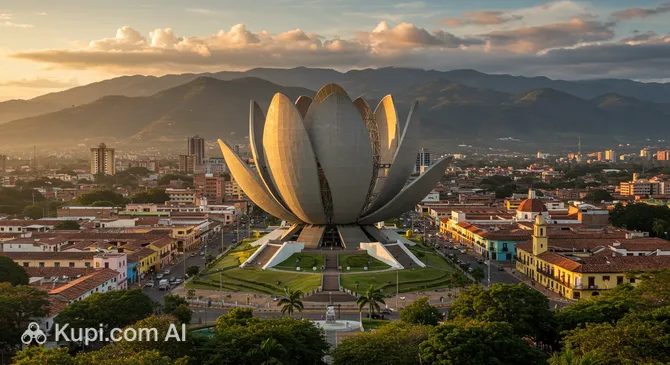
Barquisimeto. Source: Kupi.Binoculars

As one of the oldest cities in the country, founded in the mid-16th century, the area boasts a deep cultural legacy. Visitors interested in the past can explore the fascinating history of Barquisimeto, which traces its evolution from a colonial settlement to a modern economic powerhouse. This rich background is reflected in the city's layout, its museums, and the enduring traditions of its welcoming people.

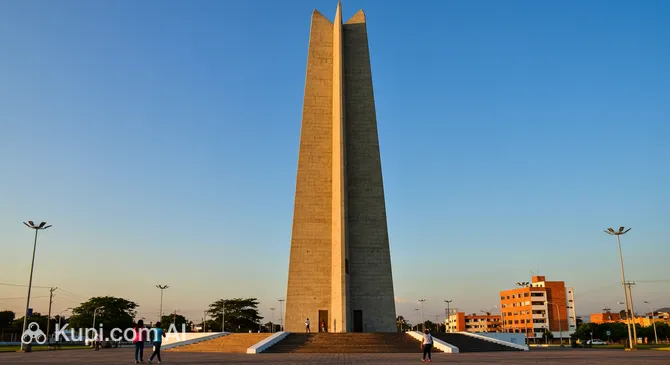
Among the city's most iconic landmarks is El Obelisco, a towering monument built to mark the city's 400th anniversary, which offers panoramic views of the surrounding landscape. Architecture enthusiasts will be captivated by the Metropolitan Cathedral of Barquisimeto, a striking example of modern engineering with its unique hyperbolic paraboloid shape that resembles an upside-down flower. Additionally, the city is famous for the annual procession of the Divina Pastora, a massive religious event that showcases the passionate spirit of the locals.

Whether you are drawn by its musical roots, its architectural marvels, or simply the warmth of its atmosphere, Barquisimeto invites you to discover its many treasures. It is a destination that promises memorable experiences and a genuine taste of local culture.
Weather Overview

Barquisimeto is known for its pleasant and stable climate, offering warm temperatures that remain consistent throughout the year. Visitors can generally expect average temperatures hovering between 24.5°C and 25.8°C. During the day, the heat typically peaks around 30°C or 31°C, while the evenings bring a refreshing drop to approximately 19°C to 21°C, creating a comfortable atmosphere for outdoor activities.

While the heat is constant, rainfall patterns divide the year into two distinct periods. The months of December through March are noticeably drier, with only about 3 to 4 wet days per month. Conversely, the season from April to November brings more frequent precipitation, with October seeing the highest frequency at around 18 wet days. For more specific forecasts and monthly details, you can consult the guide to the weather in Barquisimeto to help plan your trip.

Overall, travelers should pack for warm summer-like conditions regardless of when they visit, but carrying an umbrella is advisable if you plan to explore the city between April and November.

Interesting Facts

Beyond the main attractions and the famous sunsets, Barquisimeto holds many fascinating secrets and unique traits that define its character. From historical curiosities to architectural engineering feats, there is much to uncover in this vibrant city.
Barquisimeto Obelisk. Source: Kupi.Binoculars
  • Unlike most colonial settlements, the city was actually founded four different times in various locations during the 16th century. It wasn't until 1563 that the settlers finally established the current site, driven by the search for a more suitable climate and terrain, giving Barquisimeto a unique migratory history.

  • The Cathedral of Barquisimeto is an engineering marvel not just for its shape, but for its materials. Its roof is constructed from advanced translucent acrylic panels supported by a network of steel cables, allowing the interior to be naturally illuminated by the changing colors of the sky throughout the day.

  • Standing as a symbol of the city, the Barquisimeto Obelisk is the tallest dedicated obelisk in Venezuela. It rises 75 meters into the air and features an internal elevator and a clock at the top, making it a distinct landmark visible from many parts of the metropolis.

  • Barquisimeto is the birthplace of the world-renowned conductor Gustavo Dudamel, cementing its reputation as the musical heart of the country. It is widely said that the city has the highest density of music conservatories in the nation, and that nearly every local family counts at least one musician among its members.

  • The city is also a major hub for sports, with the Domo Bolivariano serving as a prestigious venue that has hosted international basketball tournaments like the FIBA Americas Championship, reflecting the locals' intense passion for the game.

How to Get There

Reaching this vibrant city is relatively straightforward, primarily due to its own airport and its proximity to other major transport hubs in the region. Whether you are arriving from within Venezuela or from abroad, you have several options to consider. For a comprehensive guide on routes and transportation methods, you can read more about how to get to Barquisimeto to plan your journey effectively.

The most convenient entry point is the local Barquisimeto Airport (IATA: BRM), which is situated directly within the city limits. Since it is located just 3.0 km from the city center, the transfer is very quick; a taxi ride typically takes around 25 minutes depending on traffic. Although it handles a moderate volume of passengers, it is the primary gateway for those wishing to land directly in the heart of the Lara state without the need for long ground transfers.

Alternatively, travelers often use Arturo Michelena International Airport (IATA: VLN), located in the city of Valencia. This is a larger facility serving a significant number of passengers and is approximately 155.7 km away from Barquisimeto. While it offers more flight connections, you should account for a longer journey by road to reach your final destination. The trip by taxi or bus from Valencia generally takes about 4 hours and 15 minutes.

For clarity, here is a summary of the main airports in the wider region:

Airport Name City Passenger Traffic Km from City
Curacao International Airport Willemstad High 238.4
Arturo Michelena International Airport Valencia High 155.7
Flamingo International Airport Kralendijk Medium 256.9
Barquisimeto Airport Barquisimeto Medium 3.0
Josefa Camejo Airport Las Piedras Low 208.9

Regarding rail travel, Barquisimeto does not currently have a major commercial railway station catering to regular tourist traffic. The region relies heavily on its road network for intercity transport. Visitors typically arrive by bus or private car, utilizing the well-connected highway system that links the state of Lara with the rest of the country. It is advisable to check local schedules for bus services, which are the most common form of ground transportation.

Main Attractions

Barquisimeto offers a diverse array of sights that range from avant-garde architectural marvels to expansive recreational spaces. The city's urban layout allows travelers to easily move between historical landmarks and modern entertainment hubs, making it an exciting destination to explore.

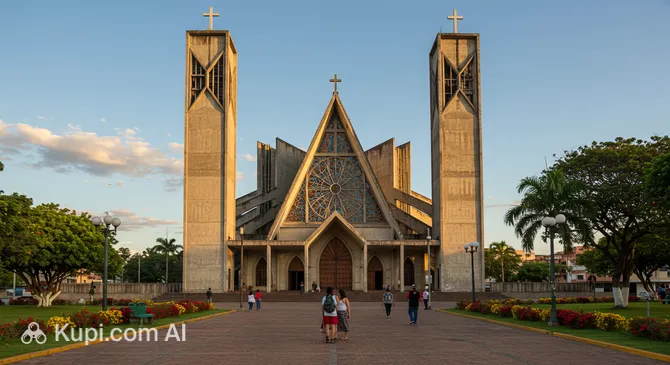
One of the most captivating stops for visitors is the Cathedral of Barquisimeto. Stepping inside this modern sanctuary reveals a unique atmosphere defined by spaciousness and light. Unlike traditional dimly lit churches, the interior here is bright and airy, fostering a sense of peace and spiritual openness. It is a perfect place to observe the local religious culture or simply find a moment of quiet reflection amidst the city's busy pace.

Cathedral of Barquisimeto. Source: Kupi.Binoculars

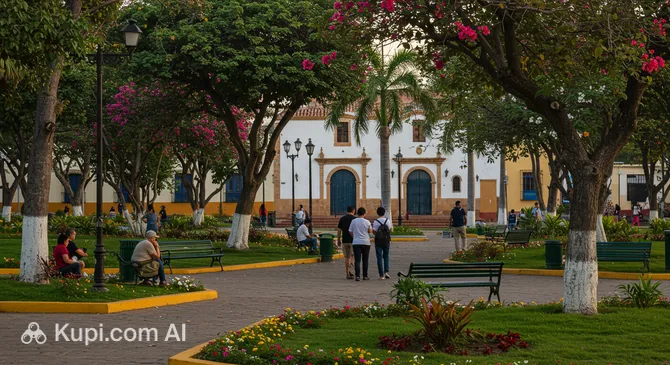
For those seeking a connection with history and nature, Ayacucho Park serves as a significant green lung in the city. Covering four city blocks, this park is a tribute to the Battle of Ayacucho and features a prominent statue of Grand Marshal Antonio José de Sucre at its center. It is a favorite spot for locals to enjoy leisurely walks along its manicured paths, relax under the shade of mature trees, and appreciate the orderly, classical layout that offers a quiet respite from the bustling streets.

Ayacucho Park. Source: Kupi.Binoculars

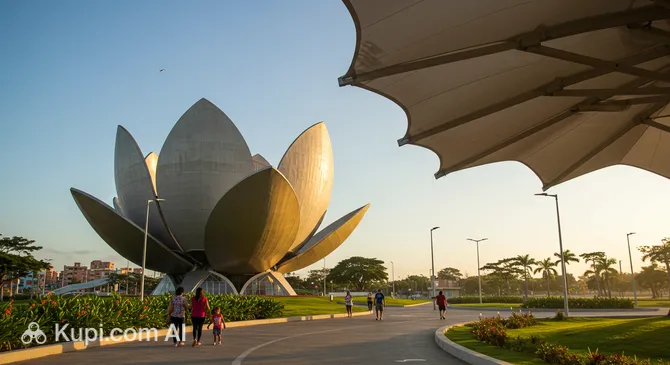
Families and travelers looking for fun and recreation often head to Children's World. This large recreational complex (known locally as "Mundo de los Niños") is designed to provide entertainment for all ages, with a focus on younger visitors. The park features swimming pools, water slides, and various interactive zones that encourage play and learning. It is an excellent location to spend a sunny day, offering a lively environment where tourists can mingle with local families.

Children's World. Source: Kupi.Binoculars

To experience the modern commercial side of the region, a visit to Metropolis Mall is highly recommended. As a major shopping and entertainment center, it houses a wide variety of stores, from international brands to local boutiques. Beyond shopping, the mall offers a vibrant food court and cinema facilities, making it a popular social hub where visitors can cool off, enjoy a meal, and observe the contemporary lifestyle of Barquisimeto's residents.

Local Cuisine

The culinary landscape of Barquisimeto is one of the most distinctive in Venezuela, deeply rooted in the traditions of the Lara state. The region is famous for its "sazón" (seasoning), which relies heavily on local ingredients like goat, dairy products, and sweet peppers. Visitors will find that food here is not just sustenance but a central part of social life, with a strong culture of dining out, from roadside stalls to elegant restaurants.

One cannot talk about local food without mentioning the iconic Pepito Guaro. This is the city's signature street food, a legendary sandwich that has evolved into a gastronomic art form. It consists of a soft baguette filled with seasoned beef, chicken, or pork, topped with bacon, grated cheese, potato sticks, and an array of sauces. It is a nighttime staple, and locals often gather at "Calles del Hambre" (Hunger Streets) to enjoy these hearty creations.

For a more traditional experience, dishes based on goat (chivo) are essential. The semi-arid climate of Lara is perfect for raising goats, leading to specialties like Mondongo de Chivo (a rich, seasoned soup) and Chivo en Coco (goat stewed in coconut milk). These meals are almost always accompanied by suero, a salty, creamy whey sauce that is unique to this region and served with bread or arepas at nearly every table.

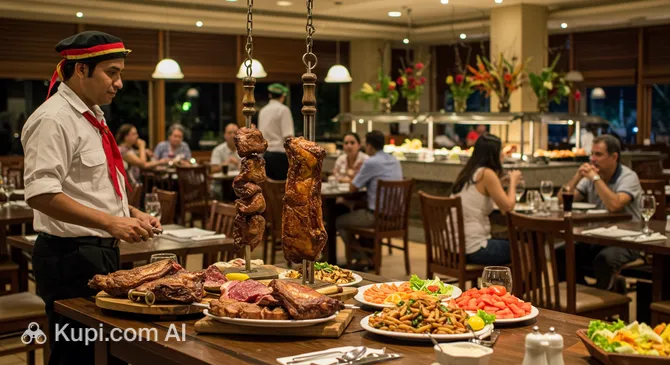
The city also boasts a vibrant restaurant scene that blends these local flavors with international influences. For those seeking a robust dining experience centered around high-quality meats, Madeira International Rodizio Restaurant is a standout destination. It offers a rodizio-style service that is popular among locals for family gatherings and celebrations.

Madeira International Rodizio Restaurant. Source: Kupi.Binoculars

If you prefer a more casual atmosphere that captures the modern fast-food spirit of the city, Sophia's Burger is another excellent spot. Here, tourists can taste the local love for generous portions and creative toppings that define the Barquisimeto burger scene.

When it comes to drinks, the undisputed king is Cocuy de Penca. This traditional spirit, distilled from the agave plant, holds a Denomination of Origin and is a source of regional pride. It is similar to tequila or mezcal but has a distinct smoky flavor profile. For a non-alcoholic option, papelón con limón (sugar cane juice with lime) is the standard refresher against the midday heat.

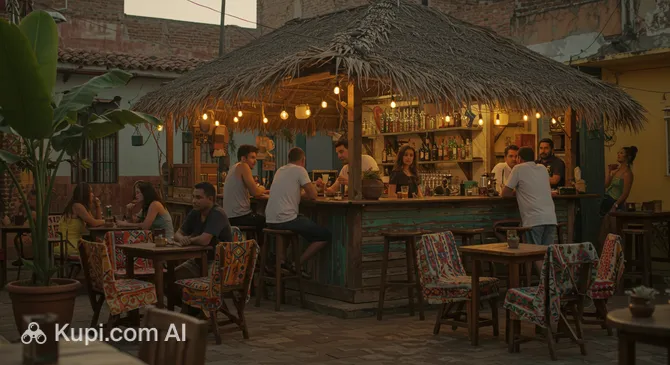
To experience the city's nightlife and enjoy these beverages in a social setting, places like A Cielo Abierto offer a welcoming environment. It is a great location to relax with a drink after a day of sightseeing, surrounded by the energetic vibe of the locals.

A Cielo Abierto. Source: Kupi.Binoculars

Travel Tips

To help you make the most of your visit to the "City of Twilights," we have compiled a list of essential recommendations. These practical insights will ensure your journey through Barquisimeto is comfortable, safe, and culturally enriching.

  1. Clothing and Gear: Given the city's semi-arid and warm climate, pack lightweight, breathable fabrics like cotton or linen to stay cool during the day. Comfortable walking shoes are a must for exploring parks and boulevards. While days are hot, evenings can feel refreshing, so bringing a light jacket or sweater is advisable. Don't forget a hat and high-SPF sunscreen, as the sun can be quite strong.

  2. Transportation: While the city has a mass transit system known as Transbarca, it can be crowded and confusing for first-time visitors. The most convenient and safe option for tourists is to use recognized taxi lines or modern ride-hailing apps that operate locally (such as Ridery or Yummy Rides). These apps offer price transparency and security. If you choose to rent a car, ensure you have secure parking at your accommodation.

  3. Finances: The local currency is the Venezuelan Bolívar (VES), but US Dollars (cash) are widely accepted and often preferred for most transactions. It is crucial to bring small bills (1, 5, 10, and 20 dollar notes) because finding exact change for large denominations can be difficult. International credit cards may not work everywhere, so having a cash reserve is essential. Tipping around 10% is customary and appreciated in restaurants.

  4. Health and Safety: Stick to bottled water for drinking to avoid any stomach issues. Large pharmacy chains like Farmatodo are excellent resources; many are open 24/7 and sell not just medicine but also snacks and toiletries. As in any large metropolis, stay aware of your surroundings. Keep valuables like smartphones and cameras out of sight when walking on the street, and avoid unlit or deserted areas at night.

  5. Communication: Spanish is the official language, and while staff at major hotels may speak English, it is not widely spoken in the general public. Learning basic phrases like "Hola" (Hello), "Por favor" (Please), and "Gracias" (Thank you) will go a long way. It is highly recommended to purchase a local SIM card (Movistar or Digitel) upon arrival to have access to mobile data for maps and translation apps.

  6. Local Etiquette: Venezuelans are warm and polite. It is customary to greet people with a "Buenos días" (Good morning) or "Buenas tardes" (Good afternoon) when entering a shop, elevator, or waiting room. When interacting with locals, a friendly attitude is always reciprocated. If you are invited to a local's home, dressing neatly is a sign of respect.

  7. What to Avoid: Avoid discussing sensitive political topics with strangers, as this can be a polarizing subject. Also, refrain from taking photographs of military installations or government buildings, as this is generally prohibited and can lead to unnecessary questioning by authorities.

  8. Culinary Tip: Do not leave the city without trying a Pepito Guaro at night. Barquisimeto is famous for this elaborate sandwich, and locals take great pride in it. It is more than just food; it is a nightly ritual and a great way to experience the authentic local vibe.

By keeping these tips in mind, you will be well-prepared to navigate the city with confidence. Enjoy the music, the sunsets, and the incredible hospitality that Barquisimeto has to offer!

Entertainment & Nightlife

Entertainment and Nightlife:

As the sun sets over the "City of Twilights," Barquisimeto transforms into a lively hub of activity, proving that its title as the Musical Capital of Venezuela extends well into the night. The nightlife here is vibrant and diverse, characterized by a deep love for social gatherings, live music, and dancing. The atmosphere is generally warm and welcoming, with locals eager to share their culture and festive spirit with visitors.

The epicenter of the city's nightlife is undoubtedly the East (El Este). This modern district, particularly around Avenida Lara and Avenida Los Leones, is teeming with trendy bars, gastropubs, and nightclubs. Another key area is the "Triángulo del Este," where you can find upscale venues that attract a stylish crowd. For a more bohemian vibe, some areas near the historic center offer traditional music venues where you can hear folk genres like golpe tocuyano alongside contemporary hits.

For those looking to immerse themselves in the local party scene, A Cielo Abierto is a fantastic choice. True to its name, this venue features an inviting open-air setting that takes full advantage of the city's pleasant evening breezes. It is a hotspot for the younger crowd and socialites who come to enjoy creative cocktails, listen to energetic music, and experience the pulse of the city's modern nightlife in a sophisticated environment.

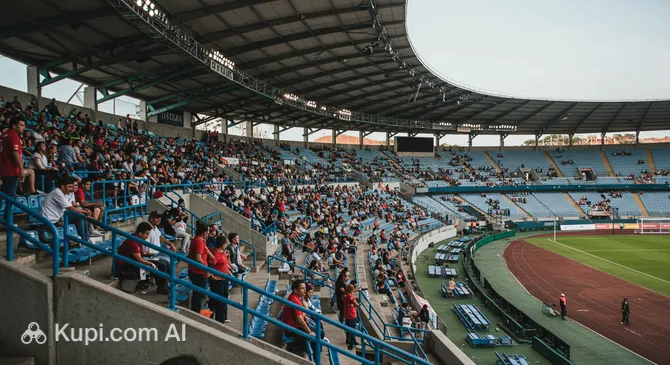
Sports enthusiasts might find their entertainment under the floodlights at the Farid Richa Stadium. If your visit coincides with a local football match, attending a game here is an electrifying experience. The passion of the local fans is contagious, making it a memorable night out even for those who are not die-hard sports followers.

Farid Richa Stadium. Source: Kupi.Binoculars

If you prefer a more low-key evening involving shopping or a casual meal, the Ciudad Crepuscular Shopping Center offers a safe and family-friendly environment. Located in the western part of the city, it serves as a bustling commercial hub where visitors can browse local stores, enjoy a variety of dining options at the food court, or simply take a stroll, providing a relaxed break from the louder party scenes.

Ciudad Crepuscular Shopping Center. Source: Kupi.Binoculars

Practical Advice for Night Owls:

  • Timing: The party starts late in Barquisimeto. Bars typically fill up around 9:00 PM, while nightclubs do not get busy until well after 11:00 PM.
  • Dress Code: Venezuelans generally dress up when going out. "Smart casual" is the standard; avoid wearing beachwear, shorts, or flip-flops to clubs or upscale bars.
  • Safety and Transport: While the nightlife districts in the East are generally safer, it is crucial to avoid walking long distances at night. The best way to get around is by using trusted ride-hailing apps or radio taxis booked by your hotel or restaurant. Avoid flagging down random taxis on the street.
  • Prices: Cover charges for clubs can vary, and imported alcohol is priced at international standards. However, local beers and spirits like Ron (Rum) or Cocuy are very affordable and of high quality.

While the nights are exciting, Barquisimeto also offers plenty of daytime entertainment. Beyond the major landmarks, visitors can explore the city's museums, such as the Barquisimeto Museum, or enjoy the extensive Zoological and Botanical Park Bararida, which is one of the most important in the country. Whether day or night, the city's energy is sure to keep you engaged.

Parks & Museums

Beyond its musical heritage and bustling avenues, Barquisimeto offers a refreshing array of green spaces and cultural institutions that preserve the region's history and biodiversity. The city's layout incorporates several "green lungs" where locals escape the heat, while its museums provide a deep dive into the artistic and religious traditions that define the state of Lara.

One of the most beloved natural areas is the Parque Zoológico y Botánico Bararida. This expansive park is a cornerstone of the city's recreational life, functioning as both a conservation center and a botanical garden. It is renowned for its diverse collection of flora and fauna, including a significant population of endangered manatees, which are a highlight for visitors. Walking through its shaded pathways offers a chance to see species native to Venezuela as well as exotic animals, all within a setting that emphasizes education and environmental respect.

For those seeking a space dedicated to exercise and open-air relaxation, the Parque del Este (officially known as José María Ochoa Pile) is the perfect destination. Characterized by its wide grassy fields and jogging tracks, it serves as a popular meeting point for athletes and families alike. The park's design features gentle hills and a lagoon, creating a picturesque landscape that contrasts beautifully with the urban skyline, making it an ideal spot for a peaceful afternoon picnic.

In terms of cultural heritage, the Museo de Barquisimeto stands out as a must-visit institution. Housed in the historic building of the former Hospital de la Caridad, the structure itself is an architectural gem dating back to the early 20th century. Inside, the galleries host a rotating selection of contemporary art, historical artifacts, and archaeological finds from the region. The museum's courtyard and chapel are also significant, often hosting cultural events that bring the community together.

Another deeply significant site is the Museo Arquidiocesano de la Divina Pastora, located in the nearby village of Santa Rosa, which has been absorbed by the city's growth. This museum is dedicated to the Divina Pastora, the patron saint of Barquisimeto, whose procession is one of the largest in the world. The collection includes the dresses worn by the statue of the Virgin Mary over the years, as well as votive offerings left by the faithful, providing a moving insight into the spiritual fervor of the local population.

While exploring the cultural landscape, visitors should also appreciate the Teatro Juares. Located in the city center, this historic theater is an architectural masterpiece with over a century of history. Although primarily a venue for performing arts, its majestic façade and opulent interior make it a landmark worth admiring for anyone interested in the city's artistic evolution.

For a truly authentic experience, take a trip to the hilltop town of Santa Rosa just before sunset. Not only can you visit the church and museum, but the square offers a charming atmosphere where you can try local artisanal sweets while enjoying a panoramic view of Barquisimeto and the distant Cabudare valley as the city lights begin to twinkle.

Getting Around

Navigating Barquisimeto is an experience that blends modern infrastructure with traditional local methods. The city does not have an underground metro or tram system; instead, it relies heavily on a surface-level network. The backbone of public mobility is the Transbarca system, a Bus Rapid Transit (BRT) network that operates on dedicated lanes along the city's main avenues. These large, red buses are generally the most comfortable and organized option for visitors, connecting key points such as the airport, the city center, and major residential zones with reliable frequency.

Complementing the Transbarca system is a vast, informal network of private buses and minibuses, locally known as rutas or busetas. These vehicles come in various sizes and are easily recognized by their colorful signs indicating their destinations in the windshield. While they can be crowded and lack air conditioning, they offer extensive coverage, reaching neighborhoods and side streets that the main transit lines do not service. They are the pulse of the city's daily movement, often accompanied by loud music and a fast-paced atmosphere.

Regarding payment, the systems differ significantly. For Transbarca, you typically need a rechargeable smart card, which can be purchased and topped up at the main stations or authorized ticket booths. The fares are state-subsidized and are generally very affordable. In contrast, the private busetas and vans operate exclusively on a cash basis. You pay the driver or the assistant (the "colector") directly upon entering or exiting. It is essential to carry small denominations of the local currency, as drivers rarely have change for large bills.

For tourists who prioritize comfort and security, taxis and ride-hailing apps are the recommended alternatives. Traditional taxi lines operate from designated stands at hotels and shopping malls. However, mobile apps like Ridery and Yummy Rides have become extremely popular and are generally safer and more convenient for visitors. These platforms allow you to book a ride with a fixed price, track your journey in real-time, and often pay digitally, avoiding the need to carry cash.

A few practical tips will help you navigate smoothly. Public transport in Barquisimeto does not operate 24 hours a day; services typically start around 6:00 AM and begin to wind down significantly by 8:00 PM or 9:00 PM. If you plan to be out late, it is best to pre-arrange a taxi or use a ride-hailing app. Additionally, bus stops for the informal rutas are not always clearly marked, so it is common practice to wave a hand to signal the driver to stop. When using Transbarca, always validate your card at the turnstile or upon boarding to ensure a hassle-free trip.

Accommodation

Finding accommodation in Barquisimeto is generally a straightforward process, as the city serves as a major commercial hub and hosts a variety of lodging options. The range typically spans from functional business hotels and modern mid-range establishments to modest guesthouses known locally as posadas. While you may not find an abundance of ultra-luxury international resorts, there are several high-quality hotels that offer excellent service, comfortable amenities, and secure environments suitable for international travelers.

The most recommended area for tourists to stay is the East (El Este) of the city. This zone is considered the modern heart of Barquisimeto, characterized by safer streets, better infrastructure, and close proximity to major shopping centers like the Metropolis Mall and vibrant dining districts. Staying here places you near the best nightlife and entertainment options while offering a quieter retreat than the bustling, chaotic city center. The historic center is an option for those on a strict budget, but it is generally less convenient for evening activities.

When selecting a hotel, it is highly advisable to prioritize establishments that guarantee essential services. Due to occasional infrastructure challenges in the region, look for accommodations that explicitly advertise having backup power generators and independent water tanks. Many of the better-rated hotels in the East provide these amenities as standard, along with air conditioning and Wi-Fi, ensuring a comfortable stay regardless of external conditions.

Regarding pricing and booking, Barquisimeto is quite affordable by international standards. A comfortable stay in a well-rated hotel usually falls into the mid-range price category. While major hotels can often be booked through standard international travel platforms, many smaller local hotels and posadas operate more effectively through direct communication. It is often best to contact them via WhatsApp or Instagram to confirm availability and get the most up-to-date rates. For peak times, such as during the Divina Pastora procession in January, booking several months in advance is essential as the city reaches full capacity.

Nearby Cities

For those looking to explore the surroundings, Barquisimeto serves as an excellent base for day trips to several interesting nearby locations:

City Population Distance (km)
Valencia 1,484,430 148
San Felipe 220,786 73
Puerto Cabello 209,080 151
Tocuyito 197,446 139
Acarigua 195,637 60

Among the closest options, San Felipe stands out as a refreshing destination for nature lovers. Located just a short drive away, it is the capital of the Yaracuy state and is celebrated for its lush, green landscapes. The city is home to the Yurubí National Park, a perfect spot for outdoor activities, and the archaeological park "San Felipe El Fuerte," which preserves the ruins of the colonial town destroyed by an earthquake in 1812, offering a fascinating mix of history and vegetation.

To the south lies Acarigua, known as the agricultural capital of Venezuela. This bustling city serves as a gateway to the vast plains (Llanos) and offers a different perspective on the region's economy and culture. It is a vibrant commercial hub where visitors can experience the energetic pace of a city driven by farming and trade, providing a sharp contrast to the mountainous terrain of the north.

For those willing to travel a bit further for a coastal experience, Puerto Cabello offers a rich historical atmosphere. As one of the country's most important ports, it features a beautifully preserved colonial center with cobblestone streets like the famous Calle Lanceros. Visitors can explore the impressive San Felipe Castle or take a boat to nearby islands such as Isla Larga, known for their crystal-clear waters and coral reefs.

These nearby destinations offer a glimpse into the diverse culture and landscapes of the region.

Shopping & Souvenirs

Shopping in Barquisimeto reflects the city's status as the commercial heart of the Central-Western region of Venezuela. The city offers a dynamic mix of experiences, ranging from bustling open-air boulevards and traditional markets to modern, air-conditioned shopping centers. Visitors will find that the retail landscape caters to diverse tastes, combining the convenience of international brands with the charm of locally produced handicrafts that the state of Lara is famous for.

For a truly authentic local shopping experience, the most important destination is Avenida 20. Transformed into a pedestrian boulevard, this extensive commercial artery runs through the center of the city and is lined with hundreds of shops. It is a vibrant, sometimes chaotic, place where locals go to find everything from clothing and footwear to electronics and textiles at competitive prices. Walking down this boulevard offers a glimpse into the daily hustle of the city, surrounded by street vendors and established storefronts alike.

Travelers seeking a more modern and comfortable environment will find several large malls that serve as major social hubs. Metropolis Mall is one of the most prominent shopping centers in the city. Located strategically to be accessible from various points, it houses a wide array of retail outlets, a cinema complex, and a food court, making it a favorite spot for families to spend the day away from the heat.

Metropolis Mall. Source: Kupi.Binoculars

Another notable location is the Ciudad Crepuscular Shopping Center. While it serves as a community hub with various services and shops, it is also a good place to find everyday items and enjoy a more relaxed atmosphere compared to the crowded city center. These malls are not just places to buy goods but are central to the social life of the "Guaros" (people from Barquisimeto).

When it comes to traditional markets and handicrafts, the region is exceptionally rich. While many artisans are based in the nearby towns of Tintorero and Quíbor, their goods are widely available in Barquisimeto. The Mercado San Juan is a reference point for those looking for crafts. Here, you can browse through stalls filled with colorful textiles and handmade items that represent the artistic heritage of the state.

Souvenirs from Barquisimeto are distinct and culturally significant. The state of Lara is the musical capital of the country, making a Cuatro (a small four-string guitar) an iconic gift. Other popular items include hammocks (chinchorros) woven by local artisans, intricate ceramics, and wood carvings. For a taste of the region, a bottle of Cocuy de Penca, the traditional agave spirit with a Denomination of Origin, is an excellent choice to bring home.

Regarding logistics, store opening hours vary by location. Shopping malls typically operate from 10:00 AM to 8:00 PM, seven days a week. Street shops and businesses on Avenida 20 usually open earlier, around 9:00 AM, but tend to close by 6:00 PM. As for payment, US Dollars in cash are the most widely accepted and preferred form of payment for tourists. It is crucial to carry small bills ($1, $5, $10) as change is often scarce. International credit cards are not universally accepted, so having a cash reserve is highly recommended.

Tourists should be aware that Venezuela does not currently operate a tax-free shopping refund system for foreign visitors. The price you see on the tag is generally the final price, although bargaining is acceptable and common in informal markets and street stalls.

Reached the end of the page?

That means the route is fully explored