Support

Venezuela

About the Country

Venezuela is a country of amazing contrasts, located on the northern coast of South America, bordered by the Caribbean Sea and the Atlantic Ocean. It is a land where the majestic Andes meet the vast Llanos plains, Amazonian rainforests sit alongside stunning beaches, and the world's tallest waterfall, Angel Falls, cascades from the top of Auyan-tepui. This geographical diversity gives Venezuela a rich variety of flora and fauna, as well as a wide range of climates that attract travellers all year round.
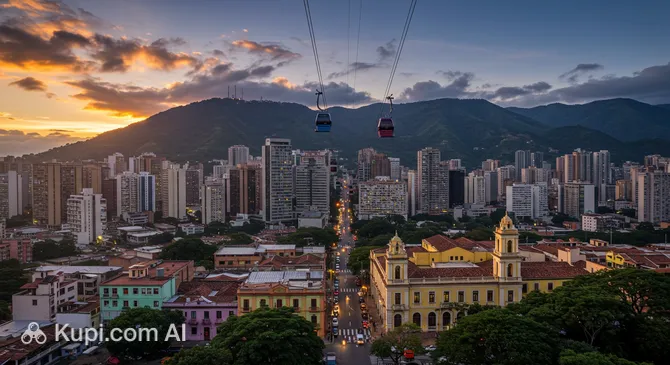
Caracas. Source: Kupi.com Binoculars

The nation's capital, Caracas, is its cultural and economic centre, a city with a rich history and a dynamic modern life. For Muslim visitors, the city is home to the Mosque of Sheikh Ibrahim Al-Ibrahim, the second largest mosque in Latin America, which serves as a spiritual home for Venezuela's Muslim community and can accommodate up to 3,500 worshippers. Venezuelan culture is a vibrant kaleidoscope, shaped by the influences of indigenous peoples, Spanish colonisers, and African traditions. This is evident in the music, dance, cuisine, and the hospitality of the local people. A journey through Venezuela promises not only an encounter with incredible nature but also an immersion into a unique Latin American atmosphere.

In addition to its impressive mountains and jungles, Venezuela is famous for its long Caribbean coastline with numerous islands and coral reefs. Here you can find both secluded coves and lively resort areas. One such paradise is Cayo Sal beach, which entices visitors with its white sand and crystal-clear water. Venezuela offers unforgettable experiences for adventure lovers, nature enthusiasts, and those seeking a vibrant and fulfilling holiday.

Travel Considerations for UAE Residents:

Currently, there are no direct flights between the UAE and Venezuela, with most routes involving at least one stop and taking over 20 hours. Travellers should be aware that government advisories, including from the UK, recommend against all but essential travel to many parts of Venezuela due to political and economic instability and high levels of crime. It is essential to check the latest travel advice and visa requirements before planning a trip.
Currency

The national currency of Venezuela is the bolívar. Due to the country's economic situation, its form and code have undergone changes; the digital bolívar (VED) is currently in use, having replaced previous versions. Because of high inflation, the denominations and appearance of banknotes can change quickly, and their practical value in daily transactions is often secondary to the US dollar, which has become widely used for many operations.

Exchanging foreign currency for bolívars should be done with caution. Officially, this can be done at banks or authorised exchange offices (casas de cambio), but it is advisable to check the conditions and the current exchange rate in advance. For travellers from the UAE, it is recommended to convert UAE Dirhams (AED) to US dollars before the trip, as exchanging dirhams in Venezuela is likely to be difficult. Many tourists prefer to carry US dollars in cash and either exchange small amounts as needed or use the currency directly for payments where possible, particularly in the private sector. The use of international credit cards may be limited, especially outside of major cities and tourist centres. Therefore, carrying a sufficient amount of cash in US dollars for daily expenses and unforeseen situations is a sensible precaution.

Visa Requirements

When planning a trip to Venezuela, it is essential for residents and citizens of the UAE to be aware of the visa requirements. Unlike some destinations, holders of a UAE passport must obtain a visa before travelling to Venezuela; there is no visa-on-arrival service available. This applies to all travellers from the UAE, whether they are citizens or residents with different passports.

The visa application must be submitted in advance to a Venezuelan embassy or consulate. For those in the UAE, this can be done at the Embassy of Venezuela in Abu Dhabi. Regardless of your visa status, you will need a passport valid for at least six months beyond your intended period of stay to enter the country. It is also highly recommended to carry copies of your return or onward flight tickets, hotel booking confirmations, and adequate travel medical insurance. As visa policies can change, you should always verify the latest information on the official website of the Venezuelan embassy before your trip.

We'll tell you if you need a visa

Specify where you are going, or
Your citizenship
Destination

Time Zones

When planning a trip to Venezuela, you will not need to worry about changing time zones within the country. The entire territory of Venezuela observes a single time, known as Venezuelan Standard Time (VET).

This time corresponds to UTC-4 (Coordinated Universal Time minus 4 hours). For residents and travellers from the UAE, it is useful to know that Venezuela is 8 hours behind Gulf Standard Time (GST). Therefore, the time in the country's capital, Caracas, will be the same as in any other region of Venezuela, which simplifies planning transfers and activities.

How to Get There

The most convenient way to reach Venezuela is by air. For travellers departing from the UAE, there are no direct flights; however, several airlines offer connecting services. The most popular route is from Dubai International Airport (DXB) to Simón Bolívar International Airport (CCS) in Caracas. Common stopover points include major European hubs like Istanbul, with carriers such as Turkish Airlines frequently serving this route. The average flight time, including stopovers, is typically over 20 hours.

For travellers who prefer overland routes, it is worth noting that Venezuela shares land borders with Brazil, Colombia, and Guyana. International bus services may be available, but it is essential to check the latest route information and border crossing conditions in advance. Sea travel is less common for entering the country, although some coastal cities may occasionally accommodate cruise ships or other passenger vessels. Regardless of your chosen mode of transport, we strongly advise booking your tickets well in advance, especially if your travel dates coincide with peak tourist seasons or public holidays, to secure the best fares and availability.

For your reference, here is a summary of the main airports:

Airport Name City Passenger Traffic
Simón Bolívar International AirportCaracasMajor
La Chinita International AirportMaracaiboMedium
Santiago Mariño Caribbean International AirportPorlamarMedium
Arturo Michelena International AirportValenciaMedium
Manuel Carlos Piar Guayana AirportCiudad GuayanaMinor

Venezuela offers travellers a remarkable diversity of destinations, from bustling metropolises to charming resort towns on the Caribbean coast. The nation's capital, Caracas, is the main cultural and economic centre. Here, modern architecture stands alongside historic quarters, museums, and parks, offering a rich itinerary for curious tourists. For Muslim visitors, the city is home to the Mosque of Sheikh Ibrahim Al-Ibrahim, the second-largest mosque in Latin America, which serves as a key spiritual and community hub.

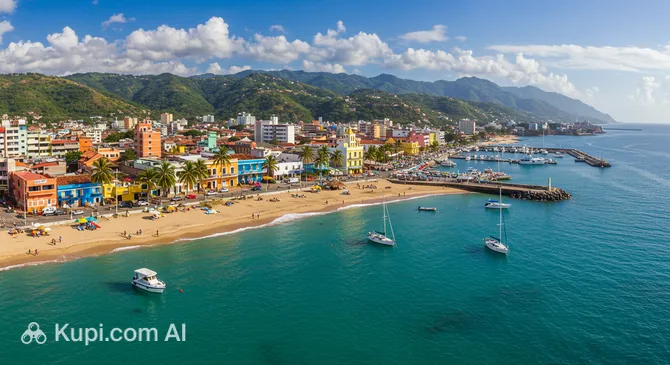
Puerto La Cruz. Source: Kupi.com Binoculars

For lovers of beach holidays and marine adventures, Venezuela has many appealing spots. Puerto la Cruz is a popular port city and resort known for its beaches, diving opportunities, and as a starting point for visiting the scenic islands of Mochima National Park. Equally attractive is Lecherías, a modern resort city with well-developed infrastructure, picturesque canals reminiscent of Venice, and beautiful beaches for a comfortable retreat. Meanwhile, Chichiriviche is famous for its coral reefs and numerous small islands (cayos) with white sands, perfect for a secluded getaway and snorkelling.

Beyond its coastal gems, Venezuela has other cities worthy of attention. Valencia, one of the country's largest industrial and cultural centres, invites tourists to explore its rich colonial architecture, visit historic squares, and enjoy its many green parks. If you are looking for something truly unique, head to Colonia Tovar, a delightful town founded by German immigrants in the mid-19th century. This place has remarkably preserved its distinct culture, timber-framed architecture, and traditions, creating the atmosphere of a Bavarian village in the heart of South America.

Top Attractions

Venezuela offers travellers a kaleidoscope of experiences, from the idyllic beaches of the Caribbean Sea to fascinating urban attractions and natural parks. Every corner of this country holds something unique, ready to surprise and inspire explorers.

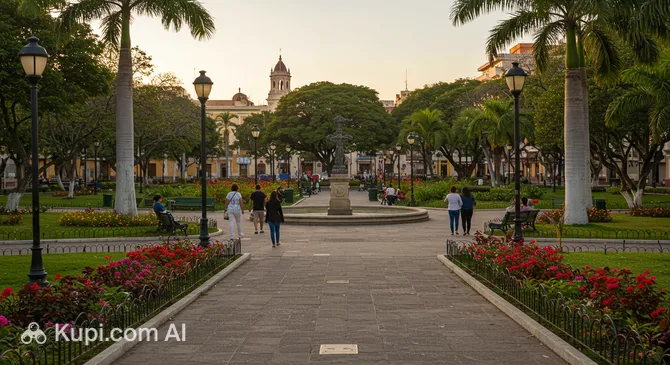
One of the most wonderful places for recreation and leisurely strolls is Fernando Peñalver Park in Valencia. This spacious park offers visitors green lawns, shaded avenues, and various areas for active leisure and relaxation. Here, you can enjoy nature, have a picnic, or simply take a break from the hustle and bustle of the city. As it is a large, open space, finding a quiet spot for prayer is possible, though there are no dedicated facilities within the park itself.

Fernando Peñalver Park. Source: Kupi.com Binoculars

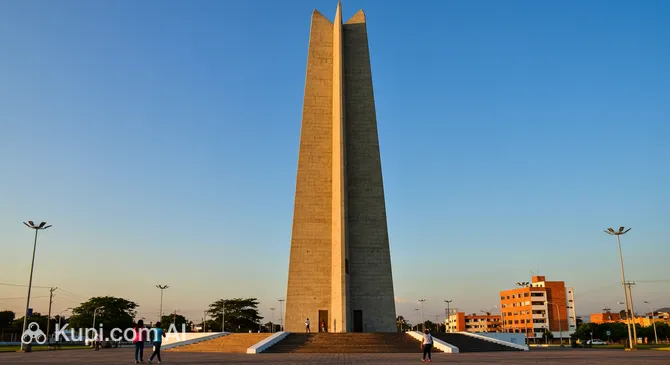
In the city of Barquisimeto stands the famous Obelisk. It is not just an architectural monument but also a symbol of the city, offering impressive panoramic views from its observation deck. It is especially beautiful here at sunset, when the city is bathed in warm colours.

Barquisimeto Obelisk. Source: Kupi.com Binoculars

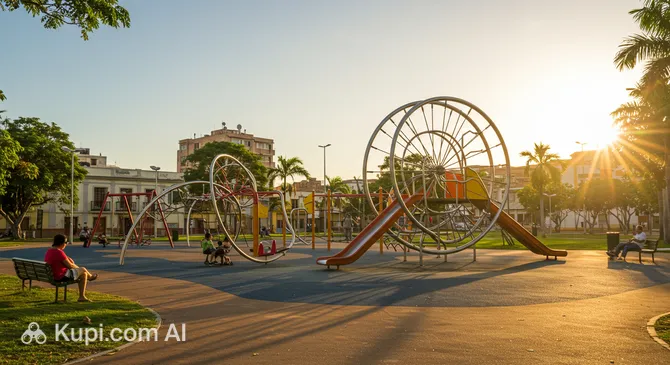
For lovers of nature and peaceful walks, Negra Hipólita Park in Valencia is an excellent choice. This vast green oasis features well-maintained pathways, rest areas, children's playgrounds, and the chance to enjoy the shade of the trees on a hot day. It is a great spot for family outings and picnics. For Muslim visitors, it is worth noting that the city of Valencia has a mosque (Asociación Honorable Mezquita de Jerusalén) which can be visited for daily prayers.

Negra Hipólita Park. Source: Kupi.com Binoculars

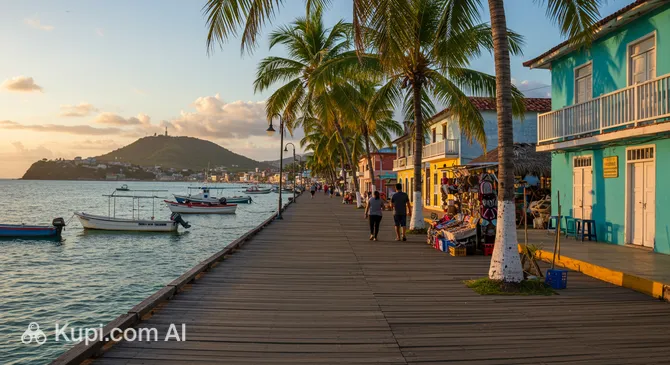
Another gem in the coastal town of Chichiriviche is its Malecón. The picturesque promenade is a popular spot for evening strolls, where you can enjoy the sea breeze, views of the boats and islands, and sample the local cuisine in the numerous cafés and restaurants. Given Venezuela's small but established Muslim community, which is often of Arab descent, looking for Lebanese or Middle Eastern restaurants can be a good way to find halal food options.

Chichiriviche Boardwalk. Source: Kupi.com Binoculars

Best Time to Visit

When planning a trip to Venezuela, it's important to consider its tropical climate, which is divided into two main seasons. The high season typically lasts from December to April, coinciding with the dry period. During this time, you can expect mostly sunny and clear weather, which is ideal for a beach holiday on the Caribbean coast, excursions to the famous Angel Falls, or trekking in the Andes. The advantages of this period are the comfortable weather conditions and maximum accessibility to most tourist attractions. However, you should be prepared for a larger number of tourists and potentially higher prices for accommodation and services.

The low season, or rainy season, in Venezuela occurs from May to November. This period is characterised by frequent but often brief downpours, after which nature comes alive, becoming particularly lush and green. This can be an excellent choice for those who prefer to travel without the crowds and are looking for more attractive prices. The downsides can include increased humidity and potential difficulties with transport access to some remote areas. One of the most vibrant events to consider when planning your trip is the colourful Carnival, traditionally held in February or March, right in the middle of the dry season.

Given the country's considerable size, the climate can vary significantly across different regions of Venezuela. The coast is typically hot and humid all year round, whereas in the mountainous regions of the Andes, it can be quite cool. In the Llanos region (the lowland savannahs), the change between the dry and wet seasons is particularly pronounced and affects opportunities for wildlife watching. Therefore, it is always advisable to check the weather forecast for the specific places you plan to visit. Packing a variety of clothing to suit both humid coastal weather and cooler mountain temperatures will help ensure your journey is as comfortable as possible.

Traditions

Venezuelans are known for their warm and open character. A handshake is the standard greeting when meeting someone for the first time and on subsequent occasions. Amongst friends and relatives, particularly between women or a man and a woman, a hug and a light kiss on the cheek are common. During a conversation, Venezuelans usually maintain eye contact, which is considered a sign of openness and attentiveness. Hospitality is an important part of the local culture; being invited into someone's home is a sign of great respect. In such a case, it is customary to bring a small gift for the hosts, such as flowers (avoiding lilies and violets as they are associated with funerals), premium chocolates, or a dessert.

In daily life, Venezuelans dress quite informally, however, they appreciate neatness and good taste. When visiting churches and religious sites, it is recommended to choose modest clothing that covers the shoulders and knees. There are no particularly strict rules of etiquette at the dining table, but it is considered polite to wait for the hosts to invite you to start the meal. It is appreciated if a guest tries all the dishes offered. One of the most vibrant and beloved holidays in Venezuela is the Carnival, which takes place before Lent and features colourful parades, music, and dancing. Independence Day (5th July) is also widely celebrated. To avoid awkward situations, try not to discuss political topics unless the locals initiate the conversation themselves. Venezuelans are very sociable and value friendliness, so a smile and an open attitude will help you to connect with them.

Entertainment

Venezuela is a country of contrasts, offering tourists a wide spectrum of entertainment to suit every taste. Fans of outdoor activities will find a wealth of opportunities here: from trekking along the trails of national parks and exploring the unique tepuis (table-top mountains) to diving and snorkelling on the coral reefs of the Caribbean Sea or surfing its waves. The diversity of natural landscapes ensures unforgettable experiences for adventure seekers.

For those interested in cultural entertainment, Venezuela's cities, including the capital Caracas, offer theatres, concert halls with vibrant Latin American music, as well as museums and art galleries where you can discover the country's rich history and art. As darkness falls, the nightlife comes alive: many tourist areas and major cities feature numerous restaurants and clubs where you can enjoy local cuisine and beverages, and dance to the rhythms of salsa and merengue. Visitors seeking halal food options are advised to make enquiries in advance. It is also recommended to plan for prayer times, as dedicated facilities may not be widely available in public venues.

Shopping in Venezuela can be a pleasant addition to your holiday. As souvenirs, tourists often bring back local artisan crafts, high-quality coffee, cocoa, and the famous Venezuelan rum. The main shopping areas are located in major cities, where you can find both modern shopping centres and colourful markets. For a family holiday, the country offers picturesque beaches where you can safely spend time with children, as well as various parks and nature reserves where you can enjoy walks and get to know the local flora and fauna.

Currency rates

Planning a trip? Excellent! To avoid any financial surprises during your travels, it is important to remember that currency exchange rates fluctuate constantly. We therefore strongly advise monitoring the latest rates, both before you fly and throughout your journey. For this, you can use the data provided below — we monitor exchange rates 24/7 and strive to provide the most up-to-date information.

Reached the end of the page?

That means the route is fully explored