Support

Uruguay

About the Country

Uruguay, nestled in the southeast of South America between Brazil and Argentina, is often called the "Switzerland of South America" for its stability and high standard of living. This relatively small country charms travellers with its tranquil atmosphere, picturesque landscapes, and hospitable locals. The nation's capital, Montevideo, is the main cultural and economic hub, offering a blend of historic architecture and modern city life.
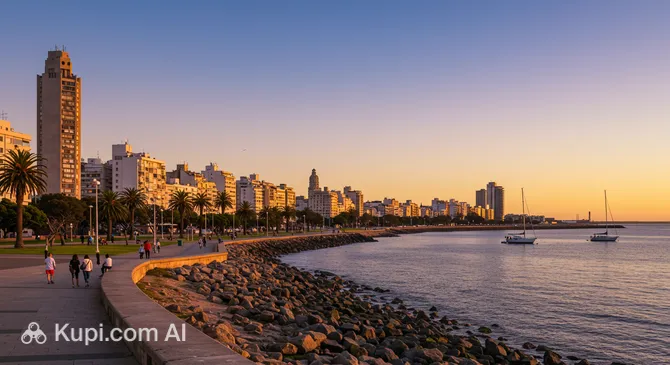
Montevideo. Source: Kupi.com Binoculars

Uruguay's cultural heritage has been shaped by European immigrants, particularly from Spain and Italy, which is reflected in its local cuisine, music, and traditions. Here, a leisurely pace of life is cherished, alongside a passion for football and, of course, the famous Uruguayan asado (barbecue). As a major producer of high-quality meat, visitors will be pleased to find that halal-certified beef is increasingly available, particularly as exports to the GCC grow. While dedicated halal restaurants are still emerging, the capital Montevideo has several Islamic centres.

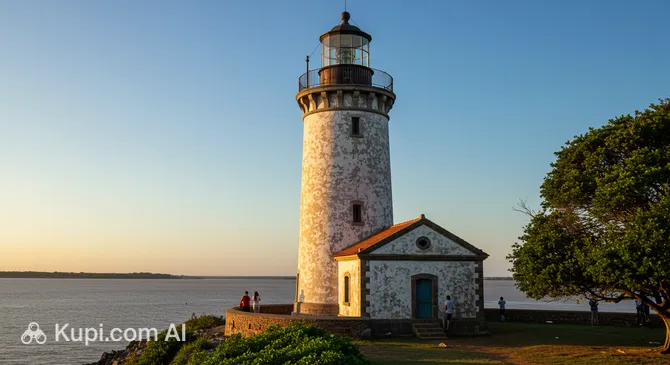
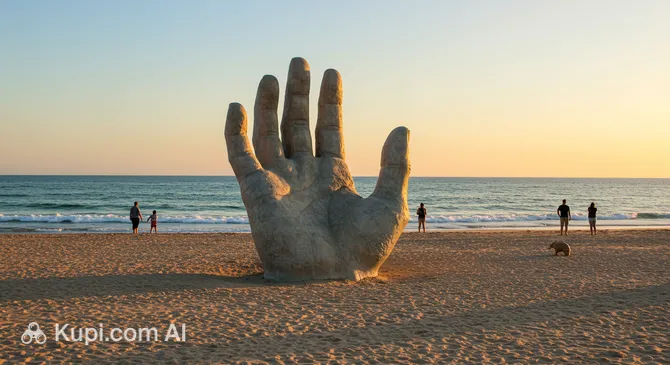
Beyond the vibrant capital, Uruguay offers many other interesting places to visit. For instance, the fashionable resort of Punta del Este attracts tourists with its beaches and the famous The Hand of Punta del Este sculpture, while the historic city of Colonia del Sacramento, a UNESCO World Heritage site, captivates with its cobbled streets and colonial architecture, including the famous Colonia del Sacramento Lighthouse. Uruguay is a country where you can enjoy a relaxing beach holiday while also immersing yourself in a rich culture and history.
Currency

The national currency of Uruguay is the Uruguayan peso (international code UYU). Banknotes of various denominations are in circulation, often featuring images of prominent figures from Uruguayan history and culture, as well as the country's rich local fauna. The coins are also varied and bear national symbols, making them interesting for collectors.

You can exchange foreign currency for Uruguayan pesos at banks or specialised exchange offices (casas de cambio), which are widespread in cities, especially in the capital, Montevideo, and in tourist centres. While the UAE Dirham may not be commonly exchanged, major currencies such as the US Dollar and Euro are widely accepted for exchange. It is advisable to avoid exchanging money with street money changers to prevent unfavourable rates or potential fraud. Credit cards, including Visa and Mastercard, are accepted in most hotels, restaurants, supermarkets, and large shops. Nevertheless, it is always useful to have a small amount of cash on hand for minor purchases, public transport, or when visiting smaller towns.

Visa Requirements

When planning a trip to Uruguay, it's important to familiarise yourself with the country's visa regulations. For citizens of the United Arab Emirates, the good news is that a visa is not required for tourist or business trips for up to 90 days. This visa-free access simplifies travel arrangements for UAE passport holders. Regardless of the visa-free status, you will need a valid passport with at least six months of validity remaining from your date of arrival in Uruguay.

It is also highly recommended to carry return flight tickets, proof of accommodation, and travel insurance, as these documents may be requested by immigration officials at the border. For residents of the UAE holding other nationalities, visa requirements may differ, and it is essential to check the specific rules for your passport. As visa policies can change, it is always best to verify the most current information with the Embassy of Uruguay before your trip to avoid any issues.

We'll tell you if you need a visa

Specify where you are going, or
Your citizenship
Destination

Time Zones

Uruguay's official time zone is Uruguay Time (UYT), which corresponds to UTC-3. This means the local time is three hours behind Coordinated Universal Time (UTC). For travellers from the UAE, this means Uruguay is 7 hours behind Gulf Standard Time (GST), which is UTC+4. Therefore, the time will be the same in the capital, Montevideo, as it is in other regions of the country.

How to Get There

There are several ways to get to Uruguay, and the best option depends on your departure point and preferences. For travellers from the UAE, the most common option is by air. While there are no direct flights, convenient one-stop connections are available from Dubai (DXB) and Abu Dhabi (AUH) on airlines such as Emirates, Etihad Airways, Qatar Airways, and various European carriers. The total journey time typically ranges from 18 to 25 hours, including layovers.

The country's main international air hub is Carrasco International Airport (MVD), located near the capital, Montevideo. It receives flights from many major cities in Europe, North and South America. International flights also serve other key tourist cities, such as Punta del Este.

For travellers exploring the region from neighbouring countries like Argentina and Brazil, overland transport is a popular choice. Uruguay has a well-developed bus network, and comfortable international coaches regularly run between major cities. This is not only an economical way to travel but also a scenic one. Additionally, Uruguay is connected to Argentina by sea: regular ferry services across the Río de la Plata link Montevideo and Colonia del Sacramento with Buenos Aires. This is a convenient and frequently used route that offers beautiful views during the journey.

Regardless of your chosen mode of transport, it is advisable to book your tickets in advance, especially if your trip coincides with the peak tourist season (typically the summer months from December to February) or major holidays. Planning ahead will not only help guarantee availability but also assist in finding more favourable fares.

For your reference, here is a summary of the main airports:

Airport Name City Passenger Traffic
Carrasco International AirportMontevideoHigh
Capitán de Corbeta Carlos A. Curbelo International AirportPunta del EsteMedium

Uruguay offers travellers a remarkable variety of destinations, from bustling urban centres to serene resort towns on the Atlantic coast. Each location has its own unique charm and promises an unforgettable experience. Unquestionably, a major centre of attraction is the capital, Montevideo, where historical architecture sits alongside modern dynamism, offering a rich cultural life and numerous sights.

Montevideo. Source: Kupi.com Binoculars

Beyond the capital, Uruguay is famed for its magnificent resorts. Punta del Este is synonymous with luxury and glamour, known for its world-class beaches, fashionable boutiques, and vibrant nightlife, attracting tourists from across the globe. For those seeking a more tranquil seaside holiday, Piriápolis is the perfect choice, with its picturesque promenade, beautiful views, and a relaxing atmosphere that is ideal for a family getaway.

For connoisseurs of history and an authentic atmosphere, a visit to Colonia del Sacramento is an essential part of any itinerary. This ancient city, founded by the Portuguese, is a UNESCO World Heritage site and enchants visitors with its cobbled streets, colonial buildings, and the unique spirit of the past. It is also worth visiting the city of Salto, located in the country's northwest, which attracts tourists with its thermal springs and beautiful parks on the banks of the Uruguay River.

Top Attractions

Despite its modest size, Uruguay offers tourists a wealth of interesting places. There is something for everyone here – from lively city markets to famous beach sculptures and historic lighthouses.

One of Uruguay's most recognisable landmarks is The Hand of Punta del Este. This impressive sculpture, depicting fingers emerging from the sand on Brava Beach, has become a true symbol of the resort town of Punta del Este. Tourists from all over the world come here to take unforgettable photographs with this unusual art object as a backdrop.

The Hand of Punta del Este. Source: Kupi.com Binoculars

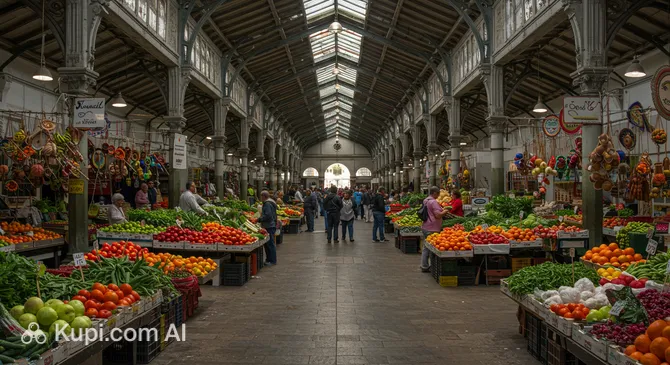
For those who want to immerse themselves in the authentic atmosphere of the capital, a visit to the Montevideo Agricultural Market is a must. This is not just a place to buy fresh produce, but a real cultural centre where you can try local delicacies, enjoy live music, and feel the true spirit of Uruguay. The market building itself is an architectural landmark. While specific halal-certified restaurants are not guaranteed within the market, the abundance of fresh fruits, vegetables, and artisanal cheeses provides plenty of suitable options for Muslim visitors.

Montevideo Agricultural Market. Source: Kupi.com Binoculars

In the historic city of Colonia del Sacramento, a UNESCO World Heritage site, stands the Colonia del Sacramento Lighthouse. Built in the 19th century, it still serves as a guide for ships today. By climbing to its summit, you can enjoy breathtaking panoramic views of the city's ancient streets and the wide expanses of the Río de la Plata.

Colonia del Sacramento Lighthouse. Source: Kupi.com Binoculars

Best Time to Visit

Uruguay has a temperate climate, making it an attractive year-round destination, though the best time to visit depends on your personal preferences. For travellers from the UAE, Uruguay's seasons are the reverse of those in the Northern Hemisphere.

The high season falls during the Southern Hemisphere's summer, from December to February. This period offers warm, sunny weather, which is ideal for beach holidays at resorts like Punta del Este or Piriápolis. Air temperatures often reach a pleasant +25-30°C, a comfortable warmth compared to the intense heat of the UAE summer, and the ocean water warms up to enjoyable levels. The advantages of this period are a vibrant atmosphere, numerous outdoor cafes and restaurants, and the famous Uruguayan Carnival, which begins in late January or early February and is one of the longest in the world. However, be prepared for a significant influx of tourists, particularly from neighbouring Argentina and Brazil, and consequently, higher prices for accommodation and services.

The shoulder seasons, spring (September–November) and autumn (March–May), offer a milder alternative. The weather during these periods is gentle, with temperatures ranging from +15°C to +25°C. In spring, nature is in full bloom, while autumn brings golden hues, making it a wonderful time for sightseeing in historic cities like Colonia del Sacramento or visiting the capital, Montevideo. The main benefits of the shoulder seasons are fewer crowds, a more relaxed environment, and lower prices. Potential downsides include cooler evenings and occasional rain, and some resort establishments may operate on reduced schedules. Winter (June–August) in Uruguay is mild but cool, with temperatures around +10-15°C. While it is the least popular time for a beach holiday, it is perfect for those seeking solitude, the lowest prices, and a cool escape from the UAE heat.

Traditions

Uruguayans are an open and friendly people, and getting to know their culture will make your trip even more pleasant. Greetings here are quite standard for Latin America: upon first meeting, it is customary to exchange a handshake, while a light kiss on the cheek is common among friends and close acquaintances, and this applies to men as well. Direct eye contact during a conversation is important and is seen as a sign of respect and openness. Uruguayans are renowned for their hospitality; if you are invited into a home, it is a great honour. It is customary to bring a small gift for the hosts – a high-quality dessert, a box of fine chocolates, or a souvenir from your country would be a well-appreciated gesture.

In general, there are no strict dress codes in Uruguay, especially in daily life and tourist areas. However, when visiting religious sites, such as churches, it is recommended to choose more modest attire that covers the shoulders and knees, despite the country being secular. At the dining table, generally accepted European etiquette is followed: for instance, it is customary to keep your hands visible on the table (not on your lap), and it is best to start eating only after your hosts or the eldest person at the table has done so. Uruguayans appreciate a relaxed pace of life, so try to avoid showing excessive haste or impatience. Football is a national passion, and discussing it requires tact. To gain a deeper insight into the Uruguayan spirit, it is worth learning about their public holidays. The most spectacular of these is the Carnival, which is famous for its duration (considered the longest in the world) and vibrancy, usually taking place between January and March. Independence Day (25th August) is also deeply revered. By showing respect for these traditions and avoiding direct criticism or controversial topics in conversation, you will easily earn the goodwill of the locals.

Entertainment

Uruguay offers a diverse range of entertainment for tourists, combining active pursuits with cultural events and a relaxed atmosphere. Fans of outdoor activities will appreciate the opportunities for water sports on the Atlantic coast, such as surfing and windsurfing, especially in the Punta del Este area. Strolling along the picturesque beaches and fishing are also popular pastimes. In the cities, particularly the capital Montevideo, you can immerse yourself in cultural life by visiting theatres, art galleries, and museums that introduce the country's history and art.

Evening life in Uruguay is mainly centred in the major cities and resorts. Montevideo and Punta del Este are known for their numerous restaurants with local and international cuisine. While halal-certified restaurants are limited, many establishments offer excellent seafood and vegetarian dishes; it is always advisable to inquire directly with the restaurant. For Muslim travellers, several Islamic centres that also function as mosques can be found in Montevideo. For shopping enthusiasts, Uruguay offers modern shopping centres, such as Punta Carretas Shopping in the capital or Punta Shopping, as well as colourful markets where you can buy local handicrafts, leather goods, and traditional souvenirs like mate and its drinking accessories. Family travellers will find Uruguay to have a calm and safe environment, with plenty of parks and beaches suitable for a holiday with children.

Currency rates

Planning a trip? That's wonderful! To avoid any financial surprises during your travels, it's important to remember that currency exchange rates are constantly changing. Therefore, we strongly advise tracking the latest rates both before you fly and throughout your trip. You can use the data provided below for this purpose — we monitor exchange rates 24/7 and strive to provide the most current information.

Reached the end of the page?

That means the route is fully explored