Support

Colonia del Sacramento

About

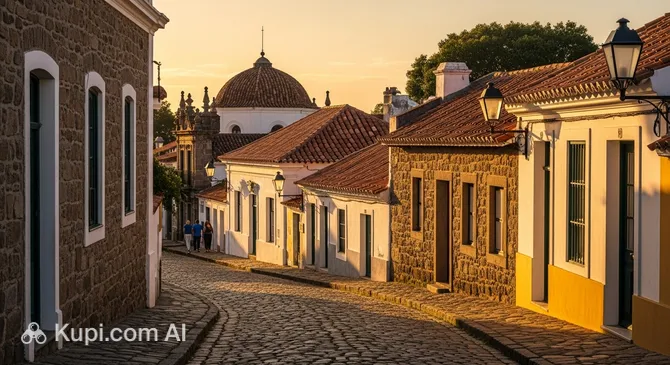
Step into a world where time seems to have stood still in Colonia del Sacramento. Renowned for its well-preserved colonial architecture and romantic atmosphere, this enchanting city is a designated UNESCO World Heritage site and one of the most visited destinations in Uruguay. Its cobblestone streets and fusion of architectural styles tell the story of a rich past, creating a unique setting that captivates travelers from around the globe.

Geographically, the city is situated on a peninsula in the southwest of the country, facing the majestic Río de la Plata. Just a short ferry ride across the river from Buenos Aires, it serves as a tranquil gateway to the region. With a population of approximately 26,000 inhabitants, Colonia maintains a cozy, small-town vibe that contrasts beautifully with the bustling capitals nearby. The climate is generally mild, making it a pleasant destination to explore year-round.

The city's strategic location led to centuries of disputes between the Portuguese and Spanish empires, resulting in a fascinating blend of cultural influences. You can delve deeper into this turbulent and captivating past by exploring the history of Colonia del Sacramento, which is evident in every stone wall and tiled roof of the historic quarter.
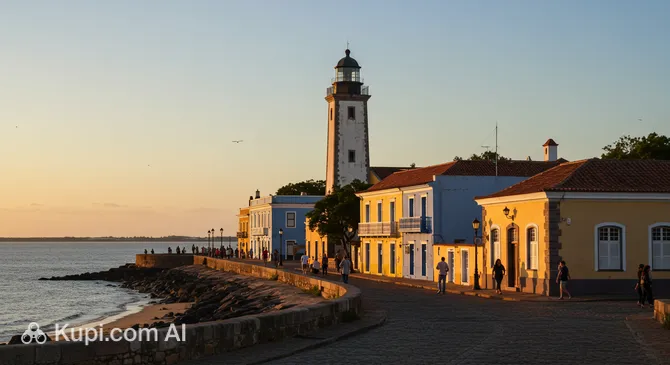
Colonia del Sacramento. Source: Kupi.Binoculars

Visitors are drawn to the Barrio Histórico, the city's old quarter, where they can wander through the iconic Calle de los Suspiros (Street of Sighs). This picturesque street is lined with colorful colonial houses and leads towards the river, offering perfect photo opportunities. Another must-see landmark is the Colonia del Sacramento Lighthouse, constructed in the 19th century amidst the ruins of the San Francisco Convent, which provides panoramic views of the city and the river.

Whether you are looking for a romantic getaway, a deep dive into colonial heritage, or simply a peaceful retreat by the river, Colonia del Sacramento welcomes you with open arms. It is a destination that promises relaxation and a tangible connection to the heritage of South America, making it an essential stop on your travel itinerary.

Weather Overview

The city enjoys a temperate climate with four distinct seasons, making it a welcoming destination for most of the year. Generally, you can expect warm summers with occasional rain and cool, refreshing winters. For travelers planning their trip, understanding the weather in Colonia del Sacramento is key to packing the right attire for exploring the historic streets.

During the summer months from December to February, temperatures are at their peak. January is typically the warmest month, with average highs reaching 28.7°C and daily averages around 24.9°C, creating an ideal atmosphere for outdoor activities. In contrast, the winter season from June to August brings cooler air, with July seeing the lowest temperatures; average lows dip to 8.7°C, while daytime averages hover around 11.5°C.

Rainfall is fairly consistent throughout the year rather than being concentrated in a single season. You might encounter precipitation on approximately 6 to 9 days each month, regardless of when you visit. The transitional months of spring and autumn offer mild temperatures, often ranging between 15°C and 22°C, providing a comfortable balance for visitors seeking to avoid the extremes of heat or cold.

Interesting Facts

Beyond the main attractions, Colonia del Sacramento holds many fascinating secrets that add depth to its cobblestone charm. Digging a little deeper into its past reveals curious details and legends that shape the city's unique character.
  • The city is often referred to as the "Apple of Discord" due to its turbulent geopolitical history. Control of the territory alternated between the Spanish and Portuguese empires at least seven times, creating the distinct fusion of architectural styles now preserved in the Historic Quarter of Colonia.

  • A rare architectural symbiosis defines the Colonia del Sacramento Lighthouse. Unlike most beacons, this structure was built directly atop the ruins of the 17th-century Convent of San Francisco, physically merging maritime safety with the remnants of religious history.

  • The Real de San Carlos area boasts a magnificent Moorish-style bullring that functioned for only two years. Erected in 1910 near what is now the Real de San Carlos Urban Beach, it hosted just eight bullfights before the practice was banned nationally in 1912.

  • Hidden among the colonial buildings is the Origami Museum, a surprising cultural gem. It is one of the very few museums in the western world dedicated entirely to the art of paper folding, showcasing intricate history and works from international artists.

Colonia del Sacramento Lighthouse. Source: Kupi.Binoculars

How to Get There

Reaching this UNESCO World Heritage site is an integral part of the experience, often involving a scenic journey across the river or through the countryside. For a complete overview of all travel options, you can read more about how to get to Colonia del Sacramento.

The city of Colonia del Sacramento does not have its own commercial airport, so international visitors typically arrive via hubs in neighboring cities. One of the closest options geographically is Jorge Newbery Airport (IATA: AEP) in Buenos Aires, situated just 54.4 km away across the Río de la Plata. Travelers landing here usually complete their journey with a ferry crossing, which takes approximately one hour. Another major Argentine hub is Ministro Pistarini Airport (IATA: EZE), also in Buenos Aires, which serves a large volume of international flights.

For those preferring to land directly in Uruguay, Carrasco International Airport (IATA: MVD) in Montevideo is the most convenient gateway. Located about 170.5 km from Colonia del Sacramento, it connects to the city via a well-maintained highway. The transfer by bus or taxi from Montevideo typically takes around 2.5 to 3 hours, offering a pleasant drive through the Uruguayan landscape.

For clarity, here is a summary of the main airports:

Airport Name City Passenger Traffic Km from City
Jorge Newbery Airport Buenos Aires Large 54.4
Ministro Pistarini Airport Buenos Aires Large 75.6
Carrasco International Airport Montevideo Medium 170.5
Capitan de Corbeta Carlos A. Curbelo International Airport Punta del Este Small 254.9

The city of Colonia del Sacramento does not have a railway station, and train travel is not a common method for reaching the area. The nearest station listed in available data is Bragado (IATA: QRF) in the city of Bragado, which is about 254 km from Colonia del Sacramento. Given the distance and location, arriving via this station would require a very long subsequent journey by taxi or bus.

For clarity, here is a summary of the nearby railway stations:

Station City Passenger Traffic Km to Center
Bragado Bragado Small 254.0

Main Attractions

While the entire historic district is a marvel, several specific landmarks within Colonia del Sacramento stand out as essential stops for any visitor. These sites offer a deeper look into the religious, military, and cultural layers that make up the city's unique identity.

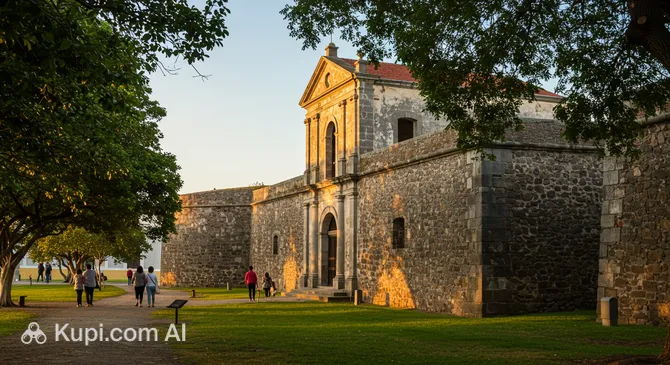
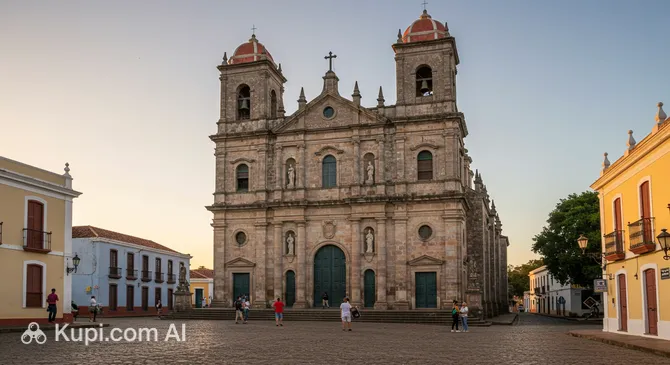
One of the most significant religious sites is the Basilica of the Blessed Sacrament. Located in the heart of the Plaza de Armas, it is considered the oldest church in Uruguay. The building is a fascinating architectural document of the city's history, showcasing a humble Portuguese facade combined with Spanish structural elements like its nave and dome. Visitors are drawn here not just for spiritual reflection, but to admire the simplicity and resilience of a structure that has witnessed centuries of colonial shifts.

Basilica of the Blessed Sacrament. Source: Kupi.Binoculars

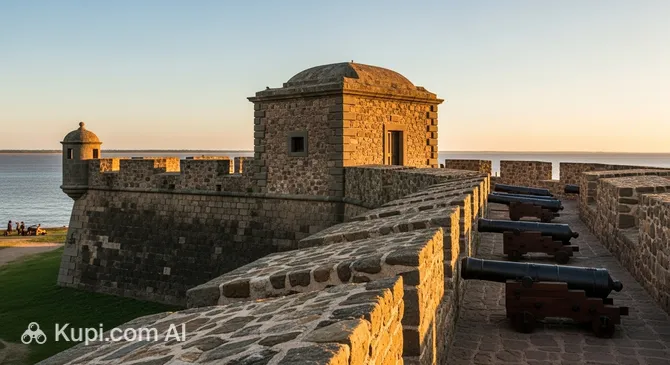
For a glimpse into the city's defensive past, the San Miguel Bastion is a must-visit. This fortification was part of the wall that once protected the settlement from invaders. Today, it stands as a well-preserved monument where tourists can walk along the ancient ramparts and observe the restored cannons pointing towards the river. It offers a commanding view of the waterfront and serves as a powerful reminder of the strategic military importance this peninsula once held.

San Miguel Bastion. Source: Kupi.Binoculars

Blending industrial heritage with modern art, the Bastion del Carmen Cultural Center offers a different kind of charm. Originally built in 1880 as a factory for soap and glue, and later used for wool washing, this sprawling complex has been transformed into a vibrant hub for the arts. It now houses theaters, exhibition galleries, and beautiful gardens. The massive brick chimney remains a skyline icon, and the center's location right by the water makes it a picturesque spot to enjoy local culture and stunning sunsets.

Bastion del Carmen Cultural Center. Source: Kupi.Binoculars

For those interested in the local biodiversity, the Colonia del Sacramento Aquarium provides an educational pause from historical sightseeing. Uniquely situated in a cave-like structure, this facility focuses specifically on the native fish species found in Uruguay's rivers and streams. It is an intriguing stop for families and nature lovers who wish to learn about the aquatic life inhabiting the vast Río de la Plata and its tributaries.

Local Cuisine

The culinary scene in Colonia del Sacramento is as charming and inviting as its cobblestone streets. Influenced by Spanish, Portuguese, and Italian immigrants, the local gastronomy focuses on high-quality ingredients and hearty portions. Dining here is often a relaxed affair, with many restaurants located inside restored colonial houses, offering an atmosphere that transports you back in time.

No visit to Uruguay is complete without tasting the national dish, the chivito. Far from a simple sandwich, this towering creation typically features beef tenderloin, mozzarella, tomatoes, mayonnaise, olives, and often bacon or fried eggs. For meat lovers, the traditional asado (barbecue) is a must-try, featuring premium cuts of Uruguayan beef grilled to perfection over wood fires. Given the city's riverside location, you can also find excellent freshwater fish dishes, often prepared with simple seasonings to highlight the natural flavors.

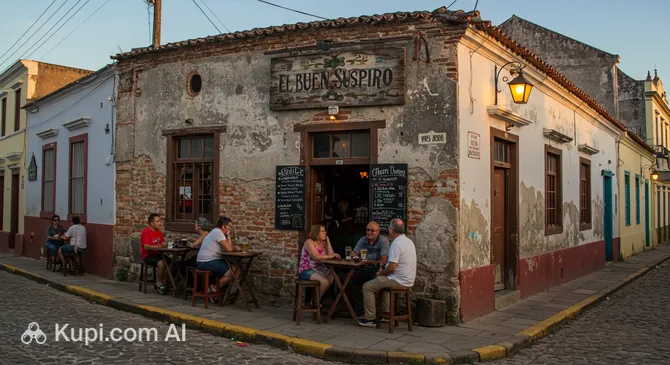
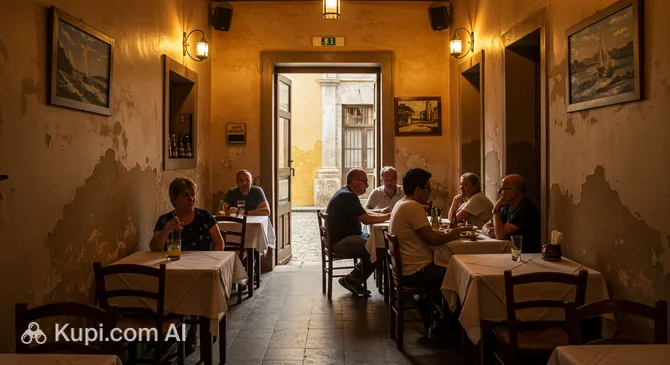
The Colonia region is also famous for its dairy production, particularly its cheeses. A popular way to start a meal or enjoy a light dinner is with a picada, a platter of cured meats, olives, and a variety of local artisanal cheeses. This is best experienced at places like El Buen Suspiro, a tavern famous for its homemade soups, cheeses, and historic ambiance that feels like a step into the 18th century.

El Buen Suspiro. Source: Kupi.Binoculars

When it comes to drinks, wine enthusiasts will delight in Uruguay's signature grape, Tannat. This robust red wine pairs beautifully with the rich local meats. For a more casual refreshing drink, try a medio y medio, a mix of sparkling and dry white wine. If you prefer beer, the craft brewing scene is growing, and spots like La Chopería Colonia offer a great selection of local brews in a lively setting.

For a sophisticated dining experience, restaurants such as Casa Viera provide a modern twist on local classics, often set within beautifully preserved courtyards. Whether you are grabbing a quick bite at a street stall near the Colonia del Sacramento Boulevard or enjoying a candlelit dinner in the historic quarter, the food in Colonia is sure to be a highlight of your trip.

Travel Tips

Preparing for a trip to Colonia del Sacramento involves more than just packing a suitcase; it means getting ready for a laid-back experience where history meets the river. To help you navigate this UNESCO World Heritage site in Uruguay with ease and make the most of your visit, here are some practical tips to keep in mind.

  1. Footwear and Clothing: The historic quarter is famous for its original, uneven cobblestones. Leave high heels or stiff soles at home and bring your most comfortable walking shoes to navigate the streets safely. Since the city sits on the riverbank, it can be breezy; carrying a light jacket or layers is recommended, even during the warmer months.

  2. Getting Around: The best way to explore the Barrio Histórico is undoubtedly on foot, as cars are restricted in many parts. To reach attractions further away, such as the Bullring in Real de San Carlos, renting a golf cart or a bicycle is a popular, fun, and efficient option. Taxis are also readily available for longer distances.

  3. Money Matters: The local currency is the Uruguayan Peso (UYU). While US dollars are often accepted in tourist-oriented businesses, it is better to have local cash for small purchases. International credit cards are widely accepted, and tourists often receive an automatic VAT refund on restaurant bills when paying with a foreign card, making dining out a great value.

  4. Health and Safety: Colonia is known as one of the safest and most tranquil destinations in the region. You can walk around safely during the day and evening, though standard precautions with valuables apply. Pharmacies (marked as Farmacia) are easily found along General Flores Avenue for any minor medical needs.

  5. Communication: Spanish is the official language. While many people in the hospitality industry speak English, locals appreciate it if you try a few basic phrases like hola (hello) or gracias (thank you). Free Wi-Fi is widely available in public plazas and most cafes, so staying connected is rarely an issue.

  6. Local Etiquette: The pace of life here is noticeably slower than in big cities. Service in restaurants is relaxed and not rushed, so be patient and enjoy the leisurely atmosphere. When greeting locals, a handshake or a friendly nod is common, though you will often see people greeting with a kiss on the cheek.

  7. Respecting Heritage: Please avoid climbing on the ancient city walls, ruins, or cannons unless there is a clear designated path. These structures are fragile historical artifacts that need protection. Also, avoid driving loud vehicles through the quiet residential streets of the historic center.

  8. Golden Hour Tip: Plan your day so you are near the waterfront at dusk. Watching the sunset over the Río de la Plata is a daily ritual for both locals and visitors, offering one of the most spectacular views in the city.

With these practical insights, you are well-prepared to enjoy the charm and tranquility of Colonia del Sacramento. Embrace the slow rhythm of the city, savor the local culture, and have a wonderful time exploring this unique corner of the country.

Entertainment & Nightlife

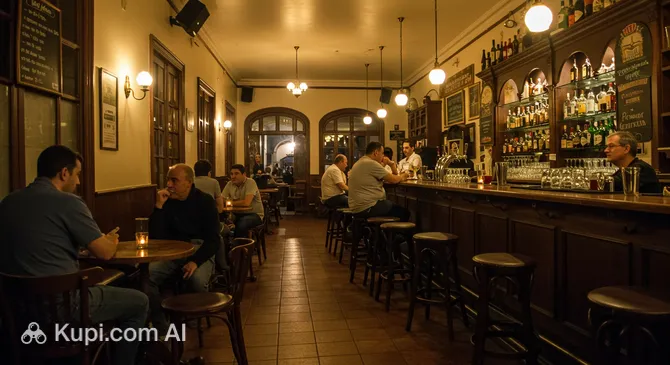
Unlike the high-energy party scenes found in larger capitals, the nightlife in Colonia del Sacramento is defined by its romantic charm and bohemian, laid-back atmosphere. As the sun sets over the river, the city transforms into a magical setting where lantern-lit cobblestone streets invite visitors to enjoy leisurely dinners, intimate conversations, and craft drinks. The vibe here is sophisticated yet unpretentious, catering to couples and groups of friends looking to unwind rather than dance until dawn.

The heart of the evening action lies within the Barrio Histórico and along the main avenue, General Flores. In the historic center, you will find hidden taverns and restaurants housed in centuries-old stone buildings, offering a unique ambiance that feels like stepping back in time. For a slightly livelier scene with modern pubs and breweries, the area connecting the old town to the downtown district is the place to be. Venues typically come alive after 9:00 PM, with many locals dining late and bars staying open until around 2:00 AM on weekends.

For those seeking a taste of local craft culture, La Chopería Colonia is a standout spot. It is a favorite among locals and tourists alike for its selection of artisanal beers and relaxed garden setting, perfect for warm summer nights. The atmosphere is friendly and casual, making it easy to strike up a conversation with fellow travelers while enjoying the cool river breeze.

La Chopería Colonia. Source: Kupi.Binoculars

Another excellent option for an evening out is Resto-Morriña. This venue combines the culinary excellence of a restaurant with the cozy feel of a night spot, often featuring an inviting atmosphere that encourages guests to linger over wine and conversation long after the meal is finished. It captures the essence of Colonia's slow-paced lifestyle, where the night is meant to be savored.

Resto-Morriña. Source: Kupi.Binoculars

Regarding safety and logistics, Colonia del Sacramento is one of the safest cities in the region for night walks. Exploring the illuminated historic streets on foot is a highlight in itself and is generally very secure. Taxis are readily available if you are staying further from the center or visiting the Colonia Shopping area, which also houses a cinema for those interested in a movie night. Prices are moderate, with craft beers and cocktails costing slightly less than in Montevideo or Punta del Este.

During the daylight hours, entertainment shifts towards cultural appreciation. The Bastion del Carmen Cultural Center serves as the city's artistic hub, hosting theater performances, art exhibitions, and concerts in a stunning riverside industrial complex. For museum enthusiasts, the Paleontological Space – Colonia Museum offers an interesting diversion, showcasing the region's prehistoric past before the evening festivities begin.

Parks & Museums

Beyond its cobbled streets and colonial charm, Colonia del Sacramento offers a delightful array of green spaces and cultural institutions that allow visitors to connect with both nature and history. The city's layout naturally integrates the riverfront with its heritage, creating an environment where a walk in the park often feels like a journey through time.

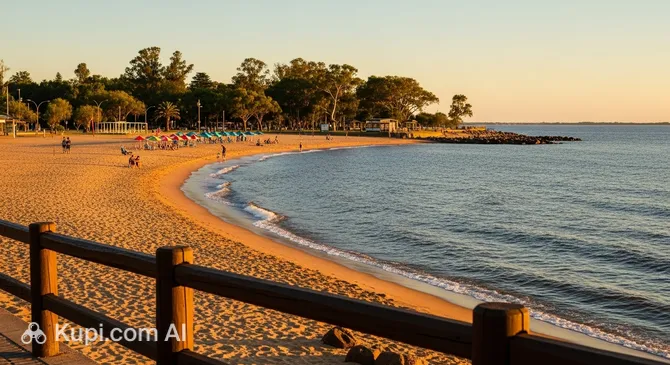
For those seeking a retreat into nature, Ferrando Beach is a perfect escape. Located just a short distance from the historic center, this area is more than just a place to swim; it is backed by a dense, beautiful forest that provides ample shade and a sense of seclusion. It is a favorite spot for locals to enjoy a picnic or a peaceful walk along the sandy banks of the Río de la Plata, offering a rustic contrast to the urban beaches.

Ferrando Beach. Source: Kupi.Binoculars

Another significant natural area is the Real de San Carlos Urban Beach. Situated near the famous Bullring, this stretch of coastline is ideal for long, leisurely strolls with panoramic views of the river. The area is known for its wide sandy shores and calm waters, making it a relaxing stop after exploring the architectural landmarks of the Real de San Carlos district.

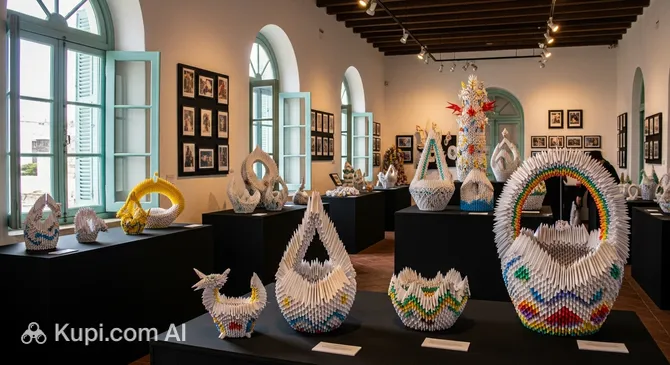
In terms of culture, the city boasts several unique museums that are small in size but rich in content. A standout attraction is the Origami Museum, located within the historic quarter. This fascinating venue is dedicated to the history and art of paper folding, housing an impressive collection of intricate works from artists around the world. It provides a quiet, meditative experience that contrasts wonderfully with the bustling streets outside.

Origami Museum. Source: Kupi.Binoculars

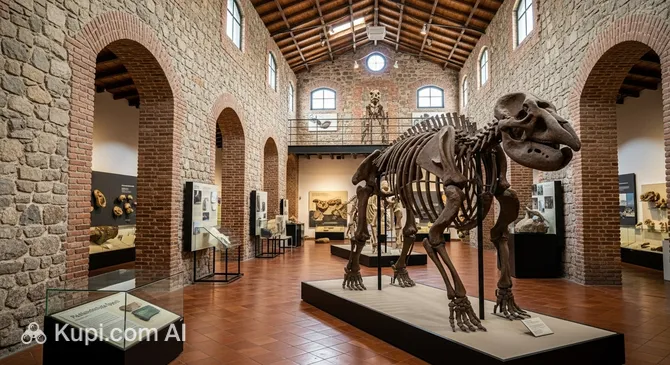
History enthusiasts should not miss the Paleontological Space – Colonia Museum. This institution offers a deep dive into the prehistoric life of the region, showcasing fossils of megafauna that once roamed Uruguay, such as the glyptodont. It is an educational gem that provides context to the land long before the colonial powers arrived, making it particularly interesting for families and science lovers.

Paleontological Space – Colonia Museum. Source: Kupi.Binoculars

Of course, the entire Historic Quarter of Colonia del Sacramento functions as an open-air museum. Walking through its gates, you are surrounded by Portuguese and Spanish colonial architecture that has been meticulously preserved. To get the most out of your visit, consider purchasing a "museum pass" locally, which often grants access to several municipal museums housed in these historic buildings for a single nominal fee.

Insider Tip: Many of the smaller museums in the historic quarter are closed on certain days of the week or take a siesta break in the afternoon. It is best to check the specific opening hours upon arrival or plan your museum visits for the morning to ensure you don't miss out.

Getting Around

Navigating Colonia del Sacramento is remarkably straightforward, as the city's compact size allows most visitors to explore the main attractions on foot. The public transport system is modest, reflecting the relaxed pace of life here, and consists primarily of a local bus network that connects the downtown area with residential neighborhoods and outlying points of interest. There is no metro, tram, or train service within the city limits, making buses and alternative private transport the standard means of getting around for longer distances.

The local buses are a convenient and affordable option if you plan to visit sites outside the historic center, such as the Bullring in the Real de San Carlos district or the further beaches. Payment is simple and traditional: you pay the driver directly in cash upon boarding. There are no complex travel cards or digital passes required for tourists. The fare is inexpensive, and it is essential to carry small bills or coins in the local currency, as drivers may not always have change for large denominations.

For tourists, one of the most popular and practical alternatives to public buses is renting a vehicle suited for leisurely exploration. You will frequently see visitors navigating the streets in golf carts, which are available for rent at various agencies near the ferry terminal and the historic quarter. Bicycles and motor scooters are also widely available and offer a fantastic way to enjoy the scenic riverfront roads at your own pace. These rentals typically require a valid driver's license and a credit card for the deposit.

Taxis are another reliable means of transport, readily available at designated stands, particularly at the bus terminal and the port. They operate with meters, ensuring fair and transparent pricing. Ride-hailing apps are less prevalent here compared to larger metropolitan areas, so it is often faster to hail a standard taxi or ask your hotel or restaurant to call one for you. Taxis are especially useful for evening dining or if you are carrying luggage to your accommodation.

The city's main transport hub is the Terminal de Ómnibus, located conveniently adjacent to the ferry port. This is where both local and interdepartmental buses converge. If you are unsure about bus schedules or routes, the information desk at the terminal can provide assistance. Generally, local buses operate from early morning until late evening, though the frequency may decrease on weekends and holidays, so it is wise to plan your return journey in advance if you venture far from the center.

Accommodation

Accommodation:

Finding the perfect place to stay in Colonia del Sacramento is part of the travel experience, as the accommodation options are as varied and charming as the city itself. Visitors can choose from a wide spectrum of lodging, ranging from romantic boutique hotels housed in centuries-old buildings to modern waterfront resorts and budget-friendly hostels. Whether you prefer the creaking floorboards of a historic posada or the amenities of a contemporary hotel, there is something to suit every taste and budget.

For those seeking total immersion in the city's magic, staying within or immediately around the Historic Quarter of Colonia is the most popular choice. Here, many accommodations are located in restored Portuguese and Spanish colonial houses, featuring stone walls, inner courtyards, and antique decor. Staying in this area allows you to step out of your door directly onto the cobblestone streets, perfect for early morning walks before the day-trippers arrive.

Historic Quarter of Colonia. Source: Kupi.Binoculars

If you prefer more modern conveniences or expansive river views, the area along the Rambla (coastal promenade) and the downtown district is an excellent alternative. Hotels here often offer larger rooms, swimming pools, and easy access to services like banks and supermarkets. This zone is centered around the Colonia del Sacramento Boulevard, making it a strategic base for exploring both the old town and the newer parts of the city.

Travelers looking for a resort-style experience or a quieter retreat might consider the Real de San Carlos neighborhood, located a few kilometers from the center. This area is known for its relaxed atmosphere and proximity to beaches, making it ideal for families or those with a vehicle who want to escape the bustle of the main tourist hub.

Booking Tip: Colonia is a favorite weekend getaway for residents of Buenos Aires and Montevideo. Consequently, occupancy rates spike significantly on Fridays and Saturdays. It is highly recommended to book your accommodation well in advance if you plan to visit during the weekend or public holidays to secure the best rates and availability.

Prices generally reflect the location and season. Properties within the historic walls tend to command a premium, falling into the mid-range to luxury categories. Budget travelers and backpackers will find plenty of affordable hostels and guesthouses in the modern city center, just a short walk from the ferry terminal. Most accommodations can be easily booked via major online platforms, though contacting smaller posadas directly can sometimes yield special offers or personalized service.

Nearby Cities

Situated in the southwestern corner of the country, Colonia del Sacramento serves as an excellent base for exploring the wider region. Its location within the Colonia Department and its proximity to major routes allow travelers to easily access other key destinations in Uruguay. Whether you are heading towards the bustling capital or venturing inland to discover provincial towns, the journey reveals the diverse landscapes of the Río de la Plata coastline and the rural interior.

The surrounding area features a mix of historic settlements and commercial hubs. The closest departmental capital offers a glimpse into the agricultural heart of the nation, while the country's main metropolitan center is just a few hours away by road. These nearby cities provide a contrast to the colonial tranquility of Colonia, offering options for day trips or the next leg of your itinerary.

For those planning to travel further, here is an overview of the nearest major cities, including their population and distance from Colonia del Sacramento:

City Population Distance (km)
San Jose de Mayo 36,747 104
Mercedes 41,974 136
Las Piedras 71,268 151
Florida 33,639 154
Montevideo 1,719,453 159

Shopping & Souvenirs

Shopping in Colonia del Sacramento offers a relaxed and authentic experience, far removed from the hustle of major commercial capitals. Instead of sprawling department stores, the city is defined by its charming boutiques, art galleries, and craft stalls. Visitors will find that the retail scene here perfectly mirrors the city's laid-back lifestyle, focusing on unique, locally made treasures and artisanal products rather than mass-market international brands.

The primary commercial artery of the city is General Flores Avenue. This tree-lined street runs through the downtown area and leads directly into the historic district. It is lined with a diverse array of shops selling apparel, footwear, and gifts. As you walk towards the river and the Colonia del Sacramento Boulevard, the offerings become more specialized, with antique shops and ateliers tucked inside restored colonial buildings, offering a picturesque setting for window shopping.

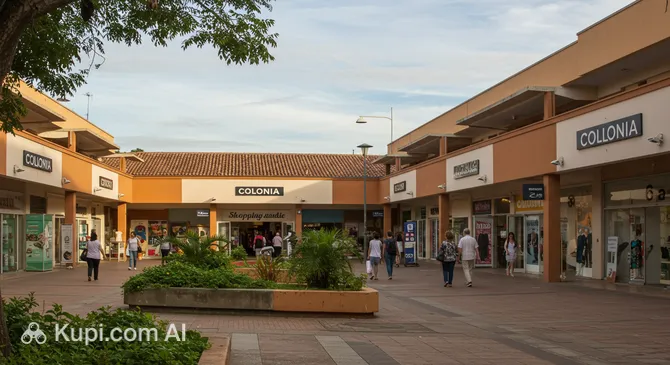
For those seeking a more modern retail environment, Colonia Shopping is the city's main mall. Located slightly away from the historic center near the city entrance, it provides a contemporary contrast to the old town. Here, you can find a supermarket, a cinema, a food court, and various stores offering fashion, electronics, and travel essentials, making it a convenient stop for practical needs.

Colonia Shopping. Source: Kupi.Binoculars

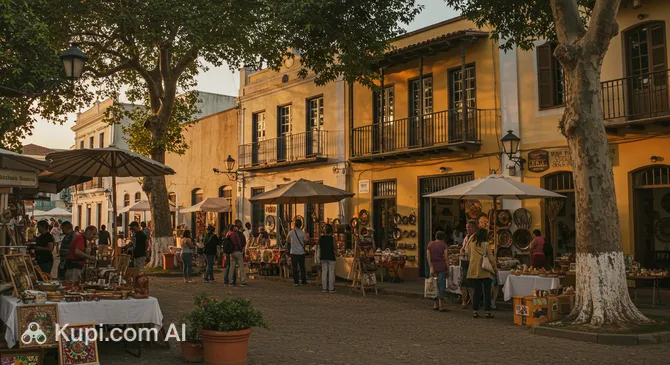
A highlight for many visitors is the Artisan Fair (Feria Artesanal), typically situated near the waterfront and the city gate. This market is the heart of the local craft scene, where independent artisans display their work. It is the ideal place to browse for handmade jewelry, wood carvings, and textiles while enjoying the fresh river breeze and interacting directly with the creators.

Artisan Fair. Source: Kupi.Binoculars

When it comes to souvenirs, leather goods are a top choice, with Uruguay being famous for its high-quality bags, belts, and jackets at reasonable prices. Another quintessential keepsake is a mate gourd and bombilla (metal straw), representing the local tea culture. Foodies should not leave without a jar of dulce de leche or some locally produced artisanal cheese, which reflects the region's strong dairy heritage.

Store hours in Colonia can vary. The shopping mall generally operates from 10:00 AM to 10:00 PM daily. However, smaller shops, particularly in the historic quarter, often observe a siesta, closing briefly in the early afternoon between 1:00 PM and 3:00 PM. Major credit cards are widely accepted, though carrying cash in Uruguayan Pesos is recommended for small purchases at markets. Additionally, foreign tourists can take advantage of the Tax-Free system in participating stores, which offers a VAT refund on specific goods like clothing and leatherware.

Reached the end of the page?

That means the route is fully explored