Support

El Palomar

About

El Palomar. Source: Kupi.Binoculars

Welcome to El Palomar, a distinctive city located within the Greater Buenos Aires metropolitan area. Known for its unique blend of suburban tranquility and historical significance, this destination offers a fascinating glimpse into the local lifestyle of the Buenos Aires Province. With a population of approximately 75,000 residents, it maintains a welcoming community atmosphere while being conveniently situated near the capital.

Located in the heart of Argentina, El Palomar is geographically characterized by its leafy streets and significant green spaces. The city played a notable role in the development of the region, and exploring the history of El Palomar reveals its origins tied to the colonial era. The name itself translates to "The Dovecote," referencing the historic 18th-century pigeon house found on the grounds of the Diego Casero house, which is a recognized National Historic Monument.

Visitors to the area are often drawn to its architectural landmarks and planned urban spaces. One of the key features nearby is the Colegio Militar de la Nación, an institution with impressive architecture and sprawling grounds. Additionally, the area is famous for the neighboring Ciudad Jardín Lomas del Palomar, a "Garden City" celebrated for its pedestrian-friendly layout, abundant parks, and European-inspired urban design, which creates a picturesque environment for leisurely walks.

Whether you are interested in historical architecture or simply wish to experience the authentic culture of the Buenos Aires suburbs, El Palomar provides an engaging stop on your journey. We invite you to explore its streets, discover its heritage, and enjoy the relaxed pace of this Argentine city.

Weather Overview

The climate in El Palomar is generally mild, characterized by distinct seasons that make it a viable destination year-round. To help you pack the right clothing for your trip, it is helpful to review the typical weather in El Palomar before you travel. Generally, the city experiences warm summers and cool winters, with moderate humidity levels typical of the Buenos Aires region.

During the summer months of December through February, temperatures are at their highest, with January seeing average highs of nearly 30°C. While this period is warm, be prepared for some precipitation, as there are typically around 7 to 9 wet days per month. Conversely, the winter season from June to August brings cooler air, with average temperatures dropping to around 11°C in July and minimums reaching approximately 7°C, so a warm jacket is recommended.

Spring and autumn offer comfortable transition periods with pleasant temperatures for sightseeing. March remains warm with an average of 22°C, while temperatures gradually cool down towards May. Overall, you can expect warm summers with occasional rain and cool, drier winters, ensuring that outdoor exploration is enjoyable during most parts of the year.

Interesting Facts

Beyond the main avenues and daily bustle, El Palomar holds intriguing stories that connect pivotal moments in Argentine history with unique urban planning and cultural heritage. Here are a few fascinating details that make this city stand out.

  • The city's namesake structure, the Palomar de Caseros, is not just a local landmark but a witness to a turning point in the nation's past. Built in 1788, this circular brick dovecote is the oldest in Argentina and played a strategic role during the Battle of Caseros in 1852.

  • Urban planning enthusiasts often visit the area to see the influence of the European "Garden City" movement. The adjacent Ciudad Jardín Lomas del Palomar was inaugurated in 1944 and is recognized as the first planned community of its kind in South America, designed to perfectly balance residential life with green spaces.

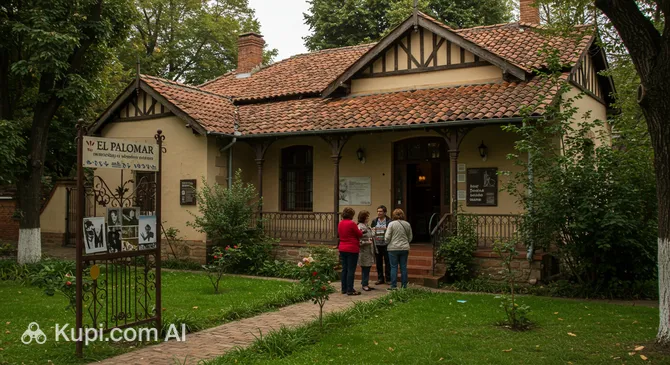
  • The region is a significant site for Argentine culture, honoring one of the country's most beloved figures. You can visit the María Elena Walsh House Museum, which preserves the childhood home of the iconic poet and musician, offering a journey into her creative world.

María Elena Walsh House Museum. Source: Kupi.Binoculars

How to Get There

Planning a trip to this part of the Buenos Aires Province is quite straightforward due to its proximity to the capital's major transport hubs. Whether you are arriving from international destinations or other parts of the country, you have several convenient options. For a comprehensive guide on travel logistics, you can read more about how to get to El Palomar to help organize your journey.

The city of El Palomar does not have its own commercial airport for general passenger flights listed here, but you can fly into Jorge Newbery Airport (IATA: AEP) in the city of Buenos Aires, which is about 18 km from El Palomar. Located conveniently within the capital, it handles a large volume of domestic and regional flights. The drive from the airport to El Palomar typically takes around 47 minutes by taxi or car, depending on traffic.

Another major option is Ministro Pistarini Airport (IATA: EZE), commonly known as Ezeiza. Situated in Buenos Aires approximately 22.3 km from El Palomar, this is the main entry point for long-haul international travelers. It is a large facility with extensive services. The travel time from Ezeiza to El Palomar is estimated to be around 54 minutes by road.

For clarity, here is a summary of the main airports nearby:

Airport Name City Passenger Traffic Km from City
Jorge Newbery Airport Buenos Aires Large 18.0
Ministro Pistarini Airport Buenos Aires Large 22.3
Carrasco International Airport Montevideo Medium 235.9
Fisherton Airport Rosario Medium 278.7

Regarding rail travel, while the local commuter lines are the most common way to move around the Greater Buenos Aires area, the available data highlights regional connections. You can arrive at the Bragado station (IATA: QRF) in the city of Bragado, which is about 182.2 km from El Palomar. From there, you can get a taxi or bus, which takes about 293 minutes. This station serves a smaller number of passengers compared to the capital's terminals.

Below is the information for the railway station listed:

Station City Passenger Traffic Km to Center
Bragado Bragado Small 182.2

Main Attractions

El Palomar offers a delightful mix of cultural heritage, modern entertainment, and lively social spots. While it maintains a relaxed residential atmosphere, visitors will find several key places that highlight the local lifestyle and history of this part of the Buenos Aires Province.

One of the most significant cultural landmarks in the city is the María Elena Walsh House Museum. This residence was the childhood home of the celebrated Argentine poet, musician, and writer María Elena Walsh. Recently restored and opened to the public, the museum invites tourists to explore the spaces that inspired some of her most famous works. It stands as a tribute to her legacy and is a fascinating stop for anyone interested in Argentine literature and culture.

Ramos Mejía Shopping Center. Source: Kupi.Binoculars

For those looking for a modern shopping and leisure experience, the Ramos Mejía Shopping Center is a bustling destination located in the vicinity. This expansive mall features a wide variety of retail stores, ranging from fashion brands to electronics, making it perfect for a day of browsing. Beyond shopping, it offers a food court and entertainment options, serving as a popular meeting point for families and friends in the area.

If you are interested in the local nightlife and social scene, Rotterdam Brewery is a great place to unwind. Known for its selection of craft beers and relaxed ambiance, this venue attracts locals looking to enjoy a drink and good conversation. It provides a taste of the city's growing gastronomic culture and is an excellent spot to experience the evening energy of El Palomar.

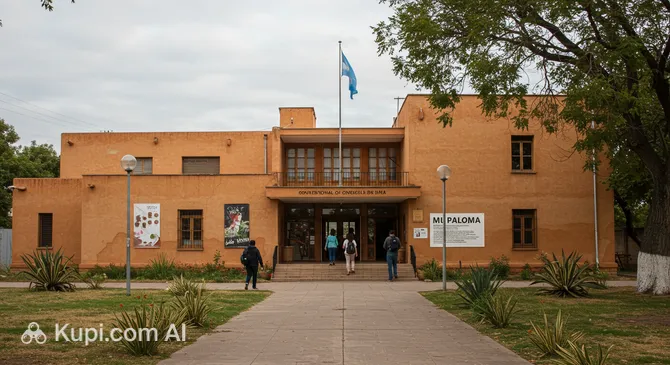
UGC 2 Museum. Source: Kupi.Binoculars

Another interesting site for culture enthusiasts is the UGC 2 Museum. This local institution focuses on community engagement and often hosts exhibitions or events that reflect the identity of the neighborhood. A visit here offers a deeper insight into the civic life and artistic expressions of the residents, rounding out a diverse itinerary in the city.

Local Cuisine

The culinary landscape of El Palomar is deeply rooted in traditional Argentine flavors, offering a dining experience that feels both authentic and homey. Like much of the province, the local food scene revolves around high-quality meats and the social ritual of gathering around a table. Visitors should definitely try a classic asado, a barbecue feast featuring various cuts of beef, sausages (chorizo), and blood sausages (morcilla), usually cooked slowly over wood or charcoal to achieve a smoky tenderness.

Beyond the grill, the Italian influence on the region is unmistakable. You will find excellent pizzerias serving the typical Argentine pizza, which is known for its thicker crust and generous layers of cheese. Another must-try dish is the milanesa, a breaded meat cutlet often topped with tomato sauce, ham, and cheese (a la napolitana) and served with fries. For a quick snack on the go, savory empanadas filled with meat, chicken, or ham and cheese are a staple found in almost every bakery and restaurant.

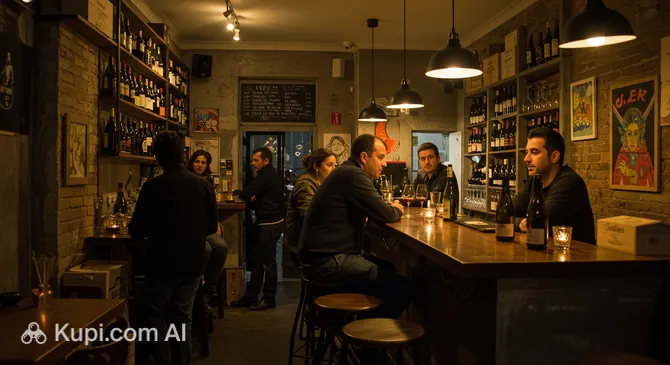
When it comes to beverages, wine lovers will appreciate the local appreciation for a good Malbec or Cabernet Sauvignon. The city has spots dedicated to this passion, such as CEPA Wine Bar, where you can sample a variety of vintages in a sophisticated yet relaxed setting. It is a perfect place to unwind after a day of sightseeing and immerse yourself in the country's renowned wine culture.

CEPA Wine Bar. Source: Kupi.Binoculars

For those with a sweet tooth or looking for a casual dining spot, the neighborhood offers charming eateries like Crumbs. Places like this are ideal for enjoying a light lunch or an afternoon coffee accompanied by facturas (local pastries) or a slice of cake. The atmosphere in these establishments typically reflects the friendly, community-oriented vibe of El Palomar.

Crumbs. Source: Kupi.Binoculars

The nightlife and social drinking scene are also vibrant, with a growing number of venues serving craft beers and cocktails. Locals often gather at places like Drinks Bar to enjoy creative mixes and music. Whether you are looking for a hearty steak dinner, a glass of fine wine, or a lively night out with friends, this city provides a welcoming taste of the Buenos Aires lifestyle.

Travel Tips

Visiting El Palomar offers a unique opportunity to experience the authentic rhythm of life in the Buenos Aires suburbs. To ensure your trip is as smooth and enjoyable as possible, we have compiled a list of practical advice tailored to this charming destination in Argentina.

  1. Clothing and Gear: The climate varies significantly by season, so pack lightweight, breathable clothing if you are visiting during the hot and humid summer, or a warm jacket and layers for the cool winter months. Comfortable walking shoes are essential for exploring the pedestrian-friendly streets of Ciudad Jardín, and remember to bring a Type I power adapter (angled flat pins) for your electronic devices.
  2. Transportation: The most efficient way to connect with the capital is via the San Martín commuter train line, which stops directly at the El Palomar station. To use trains and buses, you must acquire and load a SUBE card, which can be bought at kiosks and stations; for local travel or late-night trips, ride-hailing apps are widely available and safe.
  3. Finances: The local currency is the Argentine Peso (ARS), and while credit cards are generally accepted at the Ramos Mejía Shopping Center and larger restaurants, cash is king for smaller shops and kiosks. It is advisable to carry small bills for everyday purchases and tips, with the standard gratuity in restaurants being approximately 10% of the bill.
  4. Health and Safety: Pharmacies are common in the city center, with a system of "farmacias de turno" that stay open 24 hours on a rotating basis for emergencies. While the neighborhood is largely residential and family-oriented, practice standard safety by staying aware of your surroundings near the train station and avoiding unlit streets late at night.
  5. Communication: Spanish is the primary language, and you will find that English is not widely spoken outside of major hotels or tourist-specific areas. downloading a translation app and learning a few basic phrases like "Hola" (Hello) and "Gracias" (Thank you) will be very helpful; local SIM cards with data are easy to find at mobile shops for staying connected.
  6. Local Etiquette: Locals are known for their warmth; the customary greeting is a single kiss on the right cheek, even between people who have just met. It is considered polite to greet shopkeepers and bus drivers with a "Buen día" or "Buenas tardes" upon entering, reflecting the community's friendly social norms.
  7. What to Avoid: Avoid displaying expensive electronics, cameras, or jewelry openly in public transport or busy street corners to prevent petty theft. Also, refrain from bringing up sensitive political or economic topics in casual conversation unless your host initiates it, as these can be complex and personal subjects for residents.
  8. Siesta Awareness: Be aware that many smaller, family-run businesses may close their doors for a midday break, typically between 1:00 PM and 4:00 PM or 5:00 PM. Plan your shopping for the morning or late afternoon to ensure stores are open, although major supermarkets and shopping malls usually operate continuously throughout the day.

By keeping these practical tips in mind, you will be well-prepared to navigate El Palomar with confidence and ease. Embrace the local customs, engage with the welcoming residents, and enjoy a hassle-free stay in this delightful part of the province.

Entertainment & Nightlife

While El Palomar is often appreciated for its tranquil residential streets and green spaces, the city comes alive after sunset with a vibrant local nightlife scene. The entertainment here is less about the frenetic pace of downtown Buenos Aires and more about social gatherings, craft beer culture, and enjoying good music in a friendly atmosphere. The area surrounding the train station and the commercial hubs near Ciudad Jardín are the primary hotspots where locals congregate to unwind.

For those who enjoy a well-crafted cocktail or a casual drink with friends, the city offers several welcoming venues. Drinks Bar is a popular choice, known for its extensive menu of beverages and a laid-back environment that encourages conversation. It is an excellent spot to start the evening, offering a mix of classic and modern drinks in a setting that feels both stylish and comfortable.

Drinks Bar. Source: Kupi.Binoculars

If you are looking to extend your night with music and dancing, the city has options that cater to night owls. Poker is a well-known nightclub in the area where the energy picks up late into the night. It attracts a diverse crowd looking to dance to a variety of musical genres, from pop and reggaeton to electronic beats. Venues like this typically open their doors around midnight, with the peak atmosphere building up in the early morning hours.

Poker. Source: Kupi.Binoculars

The craft beer movement has also found a strong foothold here. In addition to the previously mentioned spots, places like Rotterdam Brewery continue to draw crowds with their selection of artisanal beers and hearty pub food. The dress code in most of these establishments is casual to smart-casual; there is rarely a need for formal attire, but looking neat is appreciated, especially at nightclubs.

When planning a night out, keep in mind that the Argentine schedule runs late. Restaurants and bars often fill up after 9:00 PM, and clubs do not get busy until well after 2:00 AM. Prices in El Palomar are generally more affordable than in the capital's trendy neighborhoods like Palermo. For safety and convenience, it is best to use ride-hailing apps or call a "remis" (private taxi) when moving between venues late at night, rather than walking long distances on quieter residential streets.

During the day, entertainment shifts towards cultural and recreational activities. Beyond the museums, the city is home to traditional theaters and cinemas that host local productions and movie screenings. The leafy plazas also serve as open-air venues for community events and fairs on weekends, offering a relaxing alternative to the bustling nightlife.

Parks & Museums

El Palomar distinguishes itself within the Greater Buenos Aires area by offering a refreshing combination of planned green urban spaces and deeply rooted historical heritage. Unlike the dense concrete jungle of the capital, this city is celebrated for its "Garden City" concept and significant cultural institutions, making it a pleasant destination for those seeking history and nature side by side.

The most prominent green space in the area is undoubtedly the neighborhood of Ciudad Jardín Lomas del Palomar. While technically a residential district, it functions as a massive, open-air park designed to integrate nature with daily life. Its layout features winding, tree-lined streets and numerous plazas that invite leisurely walks. Among these, the Plaza de los Aviadores (often called Plaza del Avión) is a favorite gathering spot for locals. Dominated by a mounted aircraft monument, it pays homage to the city's aviation history and offers a spacious, grassy environment perfect for picnics and family outings.

For those interested in the region's cultural legacy, the María Elena Walsh House Museum is a must-visit. This institution preserves the childhood home of one of Argentina's most cherished cultural figures. Visitors can tour the restored rooms where the famous poet and musician grew up, gaining insight into the early life that shaped her creative genius. The museum operates not just as a memorial, but as an active cultural space that connects tourists with the artistic soul of the community.

Another key venue for local culture is the UGC 2 Museum. This space is dedicated to community expression and often features rotating exhibitions of visual arts, photography, and historical artifacts relevant to the neighborhood. It serves as a window into the contemporary identity of El Palomar, offering a more intimate and localized perspective than larger national museums.

History enthusiasts should not miss the Palomar de Caseros, the architectural landmark that gave the city its name. Situated on the grounds of the Colegio Militar de la Nación, this circular brick dovecote dates back to the late 18th century and is a declared National Historic Monument. It stands as a silent witness to the Battle of Caseros, a pivotal event in the organization of the Argentine republic, making it a site of great national importance.

A short distance from the city center, aviation buffs will find the Museo Nacional de Aeronáutica (National Aeronautics Museum), located at the Morón Air Base which borders El Palomar. This impressive facility houses a vast collection of historic aircraft, engines, and memorabilia, tracing the evolution of Argentine aviation. It is one of the most comprehensive museums of its kind in South America and a highlight for anyone visiting the area.

Insider Tip: For a truly authentic experience, take a walk through Ciudad Jardín on a Sunday afternoon. You will find the plazas filled with locals sharing mate (a traditional herbal tea) and pastries. It is the perfect time to soak in the relaxed, community-focused atmosphere that defines this unique "Garden City."

Getting Around

Public transport in El Palomar is fully integrated into the extensive network of the Greater Buenos Aires area, making it relatively easy to navigate for visitors. The system primarily relies on a combination of commuter railways and a dense web of bus lines, known locally as colectivos. While there is no underground metro system within the city itself, the transport links provide efficient connections to the capital and neighboring districts.

The backbone of local transit is the San Martín Railway line. The El Palomar train station is centrally located and serves as a major hub for residents commuting to the city center or traveling further west. These diesel-electric trains are generally faster than road transport, bypassing traffic congestion. The journey to the Retiro terminal in downtown Buenos Aires takes approximately 40 minutes, where you can easily transfer to the city's subway (Subte) network.

For shorter distances or cross-town trips, buses are the most convenient option. Various lines operate throughout El Palomar, distinguished by their line number and colors. Buses typically run 24 hours a day, although the frequency drops significantly late at night. It is important to remember that bus stops are not always clearly marked with shelters; often, a simple sign on a post or a tree indicates a stop. You must wave your hand to signal the driver to stop as the bus approaches.

To use any form of public transport, you must have a SUBE card. This rechargeable smart card is the only accepted payment method for trains and buses; cash is not accepted on board. You can purchase and top up a SUBE card at the train station, lottery outlets, and many convenience stores (kioscos) that display the SUBE logo. Fares are very affordable, and the system automatically applies discounts if you make multiple transfers within a two-hour window.

When using the bus, you must tell the driver your destination upon boarding so they can select the correct fare on the machine before you tap your card. For the train, you need to tap your card on the turnstile readers both when entering and exiting the station to ensure the correct amount is deducted. If you forget to tap out, you may be charged the maximum fare for the line.

If you prefer a more direct and private mode of transport, remises are a popular local alternative to standard street taxis. These are private cars that must be booked in advance through a neighborhood agency, either by phone or in person at their office. They offer fixed prices based on distance, which is often safer and more transparent for tourists. Additionally, major ride-sharing apps like Uber and Cabify operate in the area and are a convenient way to get around, especially late at night.

While El Palomar does not feature tourist-specific transport like cable cars or trams, the layout of the adjacent Ciudad Jardín area makes it uniquely suitable for walking and cycling. The "Garden City" design prioritizes pedestrians, and renting a bike or simply exploring on foot is a delightful way to experience the local architecture and green spaces at your own pace.

Accommodation

Accommodation in El Palomar reflects the city's character as a primarily residential and family-oriented suburb of Greater Buenos Aires. Unlike the bustling tourist hubs of the capital, you will not find large international hotel chains or sprawling luxury resorts here. Instead, the area offers a more intimate selection of lodging options, ranging from modest, budget-friendly hotels to comfortable mid-range establishments. In recent years, the market has also seen a significant rise in temporary apartment rentals and guesthouses, providing visitors with a "home away from home" experience that allows for greater independence.

When choosing where to stay, the location depends largely on your travel priorities. The most picturesque and sought-after area is undoubtedly Ciudad Jardín Lomas del Palomar. Staying in this "Garden City" places you amidst tree-lined streets, charming plazas, and a distinct European atmosphere, making it ideal for a relaxing retreat. Alternatively, if your main goal is easy access to public transport for commuting into Buenos Aires, looking for accommodation near the El Palomar train station is a practical choice. This area is busier but offers immediate access to the San Martín railway line and numerous bus routes.

Booking Tip: Since El Palomar is not a traditional mass-tourism destination, the inventory of available rooms can be smaller than in central districts. It is highly recommended to book your accommodation well in advance, especially if you plan to visit during holidays or if you are looking for specific amenities like a private apartment.

Regarding costs, travelers will generally find that staying in El Palomar is more affordable than in the trendy neighborhoods of the capital, such as Palermo or Recoleta. The price range typically spans from budget to mid-range. While some local hotels accept direct bookings or walk-ins, using major online booking platforms is the most reliable way to secure a reservation and check reviews from previous guests. This ensures you find a place that meets your standards for comfort and safety within this quiet, suburban setting.

Nearby Cities

For those looking to explore the surroundings, El Palomar serves as an excellent base for day trips to several interesting nearby locations:

Just a short distance away lies Ramos Mejía, a bustling city renowned for its vibrant commercial activity and nightlife. It is a popular destination for locals and visitors alike who seek a variety of dining options, fashionable boutiques, and lively bars, making it perfect for an evening out or a shopping excursion.

For a more tranquil experience, Ituzaingó offers a greener, more residential atmosphere. Often referred to as the "Garden of the West," this town is characterized by its leafy streets and relaxed pace. It provides a pleasant setting for leisurely walks and enjoying the local café culture away from the noise of the denser urban areas.

Another key destination in the vicinity is San Justo, a major administrative and commercial hub. As the seat of the La Matanza district, it features a dynamic urban environment with large shopping centers and a university. It is an interesting spot for those wishing to observe the energetic daily life and commerce of the Greater Buenos Aires suburbs.

City Population Distance (km)
Isidro Casanova 190696 9
Rafael Castillo 147965 10
San Justo 136604 7
Ituzaingó 135275 8
Ramos Mejía 120346 5

These nearby destinations offer a glimpse into the diverse culture and landscapes of the region.

Shopping & Souvenirs

Shopping in El Palomar offers a relaxed and authentic experience, distinct from the frantic pace of downtown Buenos Aires. While the city is primarily residential, it boasts a variety of commercial zones that cater to daily needs and offer a glimpse into local life. Visitors will not find ultra-luxury avenues here, but rather a charming mix of family-run businesses, independent boutiques, and convenient retail centers that reflect the community-oriented spirit of the area.

The most picturesque shopping district is located within the Ciudad Jardín Lomas del Palomar neighborhood. The area surrounding Boulevard San Martín and the Plaza del Avión serves as a vibrant open-air commercial hub. Here, tree-lined sidewalks are dotted with clothing stores, bookstores, and gift shops, making it a delightful place to stroll and browse. This area is perfect for finding casual fashion, accessories, and unique items in a setting that feels more like a European village than a typical suburb.

For a more comprehensive retail experience with major brands and entertainment options, the Ramos Mejía Shopping Center is the primary destination in the vicinity. This large mall features a wide array of national and international stores, ranging from apparel and electronics to home goods. It serves as a convenient one-stop spot for tourists who need to purchase travel essentials or simply wish to enjoy a modern shopping environment with air conditioning and a food court.

Local markets and fairs also play a role in the city's commerce, particularly on weekends. Artisanal fairs often pop up in the main squares, such as the Plaza de los Aviadores. These markets are excellent for discovering handmade crafts, jewelry, and local artwork sold directly by the creators. It is a great opportunity to interact with residents and find one-of-a-kind treasures that are not available in standard stores.

When looking for souvenirs to bring back home, consider items that represent Argentine culture. Mate gourds and bombillas (metal straws) are classic choices available in many local bazaars. Leather goods, such as belts and wallets, are also of high quality in the region. Additionally, visiting a local bakery to buy a box of alfajores (dulce de leche sandwich cookies) is a delicious way to share the flavors of El Palomar with friends and family.

Regarding opening hours, it is important to be aware of the local custom of the "siesta." While the large shopping malls operate continuously from approximately 10:00 AM to 10:00 PM, smaller independent shops along the streets often close for a few hours in the afternoon, typically between 1:00 PM and 4:00 PM. Payment methods vary; while the mall and larger retailers accept credit and debit cards, smaller boutiques and market stalls may prefer or only accept cash (Argentine Pesos), so it is wise to carry some bills.

International tourists should also look out for the "Tax Free" signage in participating stores, primarily within larger shopping centers. Argentina offers a VAT refund system for foreign visitors on purchases of locally made products over a certain amount. If you shop at eligible locations, remember to ask for the refund form to present at customs upon your departure from the country.

Reached the end of the page?

That means the route is fully explored