Support

Bragado

About

Welcome to Bragado, a welcoming city located in the heart of the Buenos Aires Province. Known for its rich folklore and agricultural heritage, this destination offers a glimpse into the authentic rural lifestyle of Argentina. The city owes its name to a legendary wild horse, a symbol of freedom that sets the tone for the local atmosphere.
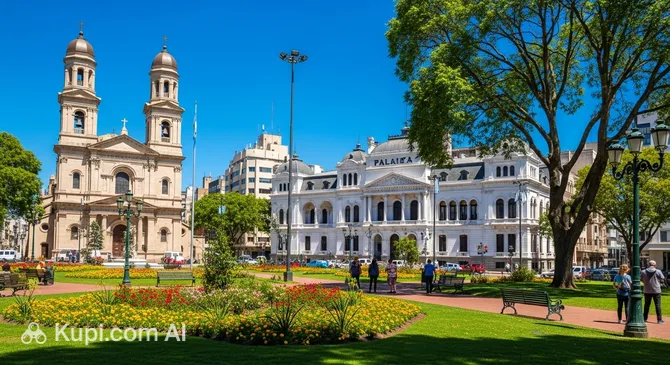
Bragado. Source: Kupi.Binoculars

Geographically, Bragado is situated in the fertile Pampas region, characterized by vast horizons and a temperate climate. With a population of approximately 33,000 residents, it maintains a peaceful, small-town vibe while acting as an important center for the surrounding agricultural community. Visitors intrigued by the region's past can delve into the history of Bragado, which is deeply rooted in the legend of the "Bragado" horse and the era of the frontier expansion.

The city offers several attractive features for tourists, particularly nature enthusiasts. The Laguna de Bragado, located within the General San Martín Park, is a primary highlight. This scenic lagoon provides excellent opportunities for fishing, water sports, and relaxing picnics under the trees. Another significant draw is the city's cultural calendar, headlined by the Fiesta Nacional del Caballo (National Horse Festival), which celebrates traditional gaucho skills, folk music, and parades.

Whether you are seeking a quiet retreat by the water or wish to experience traditional Argentine festivities, Bragado is a delightful destination. It invites travelers to slow down and enjoy the warm hospitality and serene beauty of the pampas.

Weather Overview

Travelers visiting Bragado can expect a temperate climate with distinct seasons, typical of the Buenos Aires Province. Summer, spanning from December to February, is the warmest time of year, with average temperatures hovering around 23°C to 24°C and daily highs often reaching nearly 30°C in January. This season sees a moderate frequency of rainfall, with up to 9 wet days in the peak of summer.

In contrast, the winter months of June through August bring significantly cooler weather. July is typically the coldest month, with average lows dipping to approximately 5.3°C and daytime highs reaching around 14.7°C. For a more comprehensive breakdown of conditions during your specific travel dates, you can consult the guide to the weather in Bragado.

Overall, expect warm summers with occasional rain and cool, drier winters. The transitional seasons of spring and autumn offer mild and pleasant temperatures, making them ideal times for exploring the city's parks and outdoor attractions.

Interesting Facts

Beyond the main attractions and the peaceful lagoon, Bragado holds many fascinating secrets that reveal the depth of its cultural identity. From historic sporting traditions to architectural gems born from an immigrant's dream, there is much to discover in this unique corner of the pampas.

  • The Capital of Cycling: While famous for its horses, Bragado is also deeply passionate about cycling. It hosts the "Doble Bragado," one of the oldest and most prestigious road bicycle races in Argentina. Often referred to as "La Clásica del Oeste," this grueling competition has been a staple of the region's sporting calendar since the early 20th century, drawing crowds from all over the country.

  • An Opera House on the Plains: The city is home to the Teatro Constantino, an architectural jewel that rivals the grand theaters of Buenos Aires. It was built by Florencio Constantino, a Basque immigrant who worked as a farmhand in the area before his incredible singing voice propelled him to international fame as a tenor. He returned to Bragado to fund this magnificent cultural center as a gift to the community that first welcomed him.

  • The Meaning of the Name: The city's name is quite descriptive to those who know equestrian terms. "Bragado" refers to a specific coat pattern on a horse—typically dark with white coloring on the belly and inner legs. This description was used to identify the legendary wild stallion that roamed the area and eventually gave the city its moniker.

  • The Legend's Dramatic End: Local folklore insists that the famous Bragado horse was never tamed. According to the story, when cornered by gauchos near the lagoon, the defiant stallion chose death over captivity, leaping from a high bank into the water to drown. This act of ultimate freedom is why the horse remains such a potent symbol for the city today.

How to Get There

Reaching this charming destination in the Buenos Aires Province is relatively straightforward, with several transport options available depending on your starting point. Whether you prefer the speed of air travel followed by a ground transfer or the scenic route by train, you can find more about how to get to Bragado to help plan your journey effectively.

The city of Bragado does not have its own airport, but international and domestic travelers can fly into major hubs in nearby cities. The most convenient option for international arrivals is usually Ministro Pistarini Airport (IATA: EZE), located in Buenos Aires, approximately 181 km from Bragado. From there, a taxi or bus transfer takes about 4 hours and 50 minutes. Another significant hub is Jorge Newbery Airport (IATA: AEP), also in Buenos Aires, situated roughly 199 km away. The travel time by road from this airport is approximately 5 hours and 20 minutes. For those coming from other regions, Fisherton Airport (IATA: ROS) in Rosario is another alternative, located about 247 km away.

For clarity, here is a summary of the main airports:

Airport Name City Passenger Traffic Km from City
Jorge Newbery Airport Buenos Aires Very High 199.5
Ministro Pistarini Airport Buenos Aires High 181.4
Fisherton Airport Rosario Medium 246.9

Travelers who enjoy rail transport can take advantage of the train service. The city is served by the Bragado station (IATA: QRF), which is conveniently located just 3.9 km from the city center. Train travel in Argentina offers a unique perspective of the pampas landscape and is a popular choice for visitors coming from the capital.

Below is the information for the railway station serving the city:

Station City Passenger Traffic Km to Center
Bragado Bragado Moderate 3.9

Main Attractions

Bragado offers a delightful mix of natural beauty and surprising cultural heritage, making it a rewarding destination for travelers exploring the pampas. From serene lagoons to architectural masterpieces, here are the main attractions to visit in the city.

Parque Lacunario General San Martín is undoubtedly the city's most popular natural attraction. Located just a short distance from the urban center, this expansive park surrounds the beautiful Laguna de Bragado. It is a haven for outdoor enthusiasts, providing excellent facilities for camping, fishing, and kayaking. Tourists often visit to enjoy a relaxing picnic under the shade of the trees or to witness the stunning sunsets over the water. The park is also the vibrant setting for major local events, including the National Horse Festival.

A true cultural jewel in the region is the Centro Cultural Florencio Constantino. This magnificent theater was built in the early 20th century by the world-famous tenor Florencio Constantino, who wanted to give back to the community that welcomed him. Visitors are often amazed to find such a grand, European-style opera house in the middle of the plains. With its exceptional acoustics and restored architecture, it remains the beating heart of Bragado's artistic life, hosting concerts, plays, and exhibitions year-round.

For a taste of local life and history, a walk around Plaza 25 de Mayo is essential. This central square is the hub of social activity and is surrounded by some of the city's most important buildings. Dominating the view is the Parroquia Santa Rosa de Lima, the main Catholic church, known for its elegant neogothic design and peaceful atmosphere. The plaza itself is beautifully landscaped, offering a pleasant space to sit and observe the daily rhythm of the city.

History buffs should not miss the Museo Histórico Municipal. This museum preserves the collective memory of the community, featuring exhibits that range from the era of the indigenous inhabitants to the expansion of the frontier and the arrival of the railway. It provides fascinating insights into the rural traditions and the legend of the wild horse that gave the city its name, helping visitors understand the deep roots of this unique destination.

Local Cuisine

The local cuisine of Bragado is a celebration of its deep gaucho roots and agricultural abundance. Located in the heart of the fertile pampas, the city offers a culinary experience dominated by high-quality meats and rustic, homemade flavors. The food here is not just about sustenance; it is a ritual of friendship and family, often centered around a fire and shared stories.

One of the most distinctive gastronomic features of the area is the chorizo seco (dried sausage). The nearby locality of Comodoro Py, which is part of the Bragado district, is famous for its production of this cured meat and even hosts the annual "Fiesta del Chorizo Seco." Visitors should not miss the chance to taste this local delicacy, often served as part of a picada (appetizer platter) with cheese and crusty bread. It represents the artisanal skills passed down through generations of rural families.

Naturally, the asado (barbecue) holds the top spot on any menu. In Bragado, the grilling techniques are traditional, often favoring the asado al asador method, where whole cuts of meat or entire animals are cooked vertically over an open wood fire. This slow-cooking process imparts a smoky flavor and tender texture that is hard to replicate. For a lighter option, empanadas are a staple street food here, typically fried and filled with hand-cut knife beef, onions, and spices.

When it comes to drinks, the social fabric of the city is woven with mate. You will see locals carrying their thermos and gourd everywhere, sharing this bitter herbal infusion in parks and squares. For dining out, a glass of Argentine Malbec is the perfect companion to the rich meats served in local restaurants. In the evenings, it is common to see friends enjoying a "Fernet con Coca," a popular herbal digestif mixed with cola that has become an unofficial national cocktail.

The food culture in Bragado is best experienced in its parrillas (steakhouses) and traditional bodegones. These eateries offer a welcoming, unpretentious atmosphere where portions are generous and the vibe is distinctly familial. During major events like the National Horse Festival, the city transforms into an open-air dining hall, with fogones (fire pits) set up to cook meat for the crowds, offering tourists a truly authentic taste of the Argentine countryside.

Travel Tips

Visiting Bragado offers a genuine taste of the Argentine countryside, but being prepared for its small-town rhythm will make your trip much smoother. Here are some practical tips to help you navigate local customs and logistics with ease while exploring this peaceful destination.

  1. Clothing and Gear: Pack comfortable walking shoes, especially if you plan to explore the trails around Parque Lacunario General San Martín. The weather varies significantly by season; bring light, breathable fabrics and sun protection for the humid summers, and a warm jacket for the chilly winter nights. Don't forget a power adapter for Type I outlets (angled two or three pins), which are standard in Argentina.

  2. Transportation: The city center is compact and easily navigable on foot. For trips to the lagoon or areas further out, rely on local remises (private radio taxis) rather than waiting for a bus or trying to find ride-hailing apps, which are often unavailable in smaller towns. Ask your hotel or a restaurant to call a trusted remisería for you.

  3. Finances: While some larger businesses and hotels accept credit cards, cash is essential for smaller shops, kiosks, and local eateries. ATMs are available near the main square, but they can occasionally run out of money on weekends or holidays, so it is wise to carry enough Argentine Pesos (ARS) to cover your daily expenses.

  4. Health and Safety: Bragado is generally a very safe and community-focused city, but standard precautions with valuables are always advised. For medical assistance, the Hospital Municipal San Luis is the primary facility. Pharmacies operate on a rotation system for night shifts; look for a sign indicating the farmacia de turno (on-duty pharmacy) if you need medication late at night.

  5. Communication: English is not widely spoken outside of specific tourism contexts, so having a translation app or learning basic Spanish phrases is highly recommended. Locals communicate heavily via WhatsApp, so purchasing a prepaid SIM card (Claro, Movistar, or Personal) at a local kiosco is very useful for booking services or contacting hosts.

  6. Local Etiquette: Argentines are warm and social; the standard greeting is a kiss on the right cheek, even upon first meeting. If you are invited to share mate (the local herbal tea), accept it as a gesture of hospitality. It is a communal activity where the gourd is passed around the circle.

  7. What to Avoid: Do not get frustrated if shops are closed in the afternoon. Like many interior towns, Bragado observes the siesta, meaning many businesses close roughly between 1:00 PM and 5:00 PM. Plan your shopping and errands for the morning or late afternoon.

  8. Seasonal Advice: If you are visiting during the summer months (December to February), particularly if you are staying near the lagoon or camping, insect repellent is absolutely necessary to protect against mosquitoes, which can be quite active in the evenings.

By keeping these tips in mind, you will be well-equipped to enjoy the slow pace and friendly atmosphere of Bragado. Embrace the local lifestyle, respect the midday rest, and you are sure to have a memorable experience in this charming corner of the province.

Entertainment & Nightlife

Entertainment and nightlife in Bragado reflect the city's warm, communal spirit. While it may not have the frenetic pace of a large metropolis, the city comes alive after sunset with a variety of options that cater to locals and visitors alike. The atmosphere is distinctly relaxed and social, centered around gathering with friends for long dinners, sweet treats, and music that often lasts well into the early morning hours.

The heart of the nightlife is concentrated in the downtown area, particularly around Plaza 25 de Mayo and the surrounding streets such as Mitre and Pellegrini. Here, you will find a cluster of restaurants, bars, and cafes that remain open late. During the warm summer months, the activity often extends to the Laguna de Bragado, where open-air events and gatherings make the most of the pleasant evenings under the stars.

For a true taste of local tradition, a visit to Heladería Artuso is a must. Ice cream parlors are a staple of nightlife in Argentina, often staying open very late, and Artuso is a beloved institution where families and groups of friends gather for dessert after a meal. If you prefer a drink, the craft beer scene has grown significantly in Bragado. You will find several bars in the center serving excellent artisanal brews in a casual setting perfect for conversation.

If you prefer a more cultural evening, the Centro Cultural Florencio Constantino is the premier destination. This historic theater hosts plays, concerts, and cinema screenings, offering a sophisticated night out before heading to dinner. It is the hub of the city's artistic life and a beautiful venue to experience local talent.

Travelers should be aware that the "night" starts quite late in this part of the world. Restaurants typically begin filling up around 9:30 PM or 10:00 PM. If you plan to visit a bar or a nightclub ("boliche"), do not expect the crowd to arrive before 1:00 AM or 2:00 AM. The dress code is generally smart-casual; you will see people well-dressed but rarely in formal attire unless it is a special event.

Regarding safety and logistics, Bragado is a safe city for night walks, especially in the illuminated center. However, for late-night transport or if you are heading back from the lagoon area, it is advisable to use a remis (a private radio taxi). You cannot usually hail taxis on the street; instead, ask your bartender or waiter to call a trusted agency for you. Prices are affordable, and it is the most convenient way to get around when the night ends.

Before the sun sets, Bragado offers plenty of daytime entertainment to fill your schedule. Visitors can explore the history of the region at the Museo Histórico Municipal or enjoy outdoor activities at the General San Martín Park. Whether you spend your day fishing by the lagoon or admiring the architecture downtown, the transition into the city's welcoming nightlife provides the perfect end to a day in the pampas.

Parks & Museums

Bragado invites visitors to experience a harmonious blend of nature and heritage, offering expansive green spaces for relaxation and cultural venues that safeguard the region's identity. The city's layout integrates manicured urban squares with wilder natural environments, while its museums provide a deep dive into the artistic and historical legacy of the pampas.

Parque Lacunario General San Martín is the crown jewel of the city's green spaces and a must-visit for nature lovers. Spanning over 300 hectares, this park encompasses the stunning Bragado Lagoon, creating a diverse ecosystem where visitors can observe local bird species and ancient eucalyptus trees. Unlike a typical city park, it offers a true escape into nature with designated camping zones and trails that wind through the vegetation, making it perfect for long walks or cycling. It serves as the primary lung of the city, offering a refreshing contrast to the urban center.

In the heart of the downtown area, Plaza 25 de Mayo stands as a testament to traditional urban planning and serves as a vital social hub. This central square is meticulously landscaped, featuring well-maintained gardens, fountains, and shaded pathways lined with historic trees. It is surrounded by the city's most significant civic buildings, providing a scenic spot for travelers to rest and admire the local architecture while soaking in the slow-paced rhythm of daily life in the province.

For those interested in the region's past, the Museo Histórico Municipal offers a comprehensive look at the evolution of Bragado. The museum houses a curated collection of artifacts that range from indigenous tools to objects from the era of the frontier forts. Visitors can examine period clothing, photographs, and everyday items that tell the story of the early settlers and the gaucho culture. It is an educational stop that contextualizes the legends and traditions that define the city today.

Art enthusiasts should explore the gallery spaces within the Centro Cultural Florencio Constantino. While famous for its theater, this institution also functions as a vibrant center for visual arts, frequently hosting rotating exhibitions of painting, sculpture, and photography by local and regional artists. The venue itself is an architectural landmark, but the art displayed inside offers a contemporary perspective on the cultural creativity thriving in the Buenos Aires Province.

Among the notable architectural sites near these green spaces is the Parroquia Santa Rosa de Lima. Standing gracefully opposite the main square, this church is admired for its neogothic style and serene interior. Its towering presence complements the greenery of Plaza 25 de Mayo, creating a picturesque setting that captures the essence of a traditional Argentine town center.

For an authentic local experience, try visiting the Laguna de Bragado specifically during the "golden hour" just before sunset. This is when the light over the water is most magical, and you will often find locals sharing stories and mate by the shore, offering a quiet, unguarded glimpse into the community's connection with their land.

Getting Around

Bragado is a compact and accessible city where the pace of life is relaxed, making it easy to navigate without a complex public transport network. For most tourists, the city center is best explored on foot, allowing you to appreciate the local architecture and squares at your own speed. However, for longer distances or trips to the outskirts, there are reliable motorized options available.

The most common form of motorized public transport in the city is the remis. Unlike standard taxis that you might hail on the street in larger cities, remises are private cars that operate from specific agencies (remiserías) and must be booked in advance by phone or visited in person at their base. They are safe, comfortable, and generally operate 24 hours a day, making them the most convenient choice for getting around, especially late at night or when carrying luggage.

Regarding bus services, Bragado has a limited local network compared to major metropolises. The primary urban service is provided by Línea 501, a local bus line that connects key areas of the city, including the city center and the bus terminal. For regional travel, the Terminal de Ómnibus is the main hub, hosting long-distance companies that connect the city with the capital and neighboring towns.

For payment, cash (Argentine Pesos) is essential. While the national SUBE card is the standard for bus travel across the province and is required for the local Line 501, remises typically only accept cash. It is highly recommended to carry small bills, as drivers may not always have change for large denominations. If you plan to use the local bus, you can purchase and load a SUBE card at lottery agencies or kiosks (kioscos) throughout the city.

Given Bragado's reputation as the "Capital of Cycling," renting a bicycle is a fantastic alternative for getting around. The terrain is flat and the traffic is generally mild, making it a cyclist-friendly destination. Many locals use bikes for their daily commute, and it is an excellent way to reach attractions like the Laguna de Bragado. While there isn't a massive automated bike-share system, you may find local rental shops or accommodations that offer bikes to guests.

A practical tip for visitors is to rely on your accommodation to book transport. Since ride-sharing apps like Uber or Cabify may not be available or reliable in smaller towns like Bragado, asking your hotel receptionist or a restaurant waiter to call a trusted remis for you is the standard and most effective way to secure a ride. Additionally, keep in mind that public transport frequency may drop significantly during the "siesta" hours (early afternoon) and on Sundays.

Finally, the city is home to the Estación Bragado, a railway station served by the national train network. While primarily used for intercity travel to and from the capital, the arrival of the train is a significant local event. The station itself is centrally located, making it easy to switch from the train to a remis or simply walk to your final destination in the downtown area.

Accommodation

Accommodation in Bragado is characterized by its simplicity and warmth, reflecting the city's small-town atmosphere. Visitors will not find large international luxury chains here; instead, the hospitality landscape is dominated by family-run hotels, comfortable apartment rentals, and rustic cabins known as cabañas. The options generally range from budget-friendly hostels and campsites to mid-range hotels that offer all the essential amenities for a pleasant stay.

When choosing where to stay, tourists typically decide between two distinct areas based on their preferences. The downtown area (Centro), particularly around Plaza 25 de Mayo, is ideal for those who want convenient access to restaurants, shops, and the main civic buildings. Staying here means you are within walking distance of the cultural center and the train station. Alternatively, the area surrounding the Laguna de Bragado offers a more scenic and tranquil experience. This zone is popular for its holiday cabins and campsites, making it the perfect choice for nature lovers and families looking to enjoy outdoor activities right at their doorstep.

A crucial tip for travelers is to plan ahead if visiting during major local events. During the annual Fiesta Nacional del Caballo in October, the city's accommodation capacity is often stretched to its limit, and rooms can sell out weeks or even months in advance. It is highly recommended to secure your booking well before your trip if your dates coincide with this popular festival.

Regarding prices and booking methods, Bragado is generally an affordable destination with rates falling into the budget to mid-range categories. While some of the larger hotels and established rentals are listed on major online booking platforms, many smaller establishments and local cabañas still rely on direct contact. It is common practice to book via phone or WhatsApp. Additionally, be prepared that some smaller places may prefer cash payments, so it is wise to clarify payment methods before arrival.

Nearby Cities

For those looking to explore the surroundings, Bragado serves as an excellent base for day trips to several interesting nearby locations. The vast plains of the Buenos Aires Province are dotted with historic towns and natural attractions that offer a deeper insight into the region's culture and geography.

One of the most popular nearby destinations is Junín, located relatively close to Bragado. It is renowned for the Laguna de Gómez Natural Park, a massive body of water that attracts anglers and water sports enthusiasts from all over the country. The city itself blends modern amenities with a relaxed atmosphere, making it perfect for a day of outdoor recreation followed by a nice meal in the city center.

Another excellent option is Mercedes, often referred to as the "National Capital of Salame Quintero." This city is a haven for foodies looking to taste traditional artisanal cured meats and cheeses. Beyond its gastronomy, Mercedes is home to the historic Pulpería de Cacho Di Catarina, one of the oldest operating country bars in Argentina, where visitors can step back in time to the era of the gauchos.

For those interested in religious history and architecture, Luján is a must-visit. Although a bit further away, it is the site of the Basilica of Our Lady of Luján, the most important pilgrimage site in Argentina. The neo-gothic basilica towers over the city and is surrounded by colonial-style museums that tell the story of the nation's early years.

City Population Distance (km)
Luján 106,899 139
Pergamino 87,652 136
Junín 85,420 72
General Rodriguez 85,315 152
Mercedes 63,284 110

These nearby destinations offer a glimpse into the diverse culture and landscapes of the region, ranging from spiritual sanctuaries and gastronomic hubs to recreational lagoons.

Shopping & Souvenirs

Shopping in Bragado is a low-key and pleasant experience that reflects the city's small-town charm. Unlike major metropolitan hubs filled with sprawling shopping centers and international luxury brands, the retail scene here is dominated by family-owned businesses and local boutiques. Visitors will find a relaxed atmosphere where shop owners are friendly and personal service is the norm, offering a genuine glimpse into the daily life of the residents.

The main commercial activity is concentrated in the downtown area, locally known as the Microcentro. The streets surrounding Plaza 25 de Mayo form the heart of the shopping district. In particular, Calle Mitre, Calle Rivadavia, and Calle Pellegrini are the bustling arteries where you can find a variety of stores selling clothing, shoes, sporting goods, and electronics. This area is compact and walkable, allowing tourists to browse window displays while enjoying the local architecture.

Travelers looking for large shopping malls will not find them in Bragado. The city relies on traditional high-street shopping rather than enclosed complexes. However, there are a few small commercial galleries (galerías) that house collections of smaller shops and kiosks, providing a cozy indoor alternative for browsing apparel or gifts.

For those interested in local culture and craftsmanship, the city's markets and fairs are the highlight. On weekends and during special events like the National Horse Festival, artisan fairs often pop up in the main squares or near the Laguna de Bragado. These markets are excellent places to find handmade crafts, textiles, and regional foods directly from the producers.

When it comes to souvenirs, Bragado offers items deeply rooted in its gaucho heritage. Leather goods (talabartería) such as belts, wallets, and equestrian gear are of high quality and make for authentic gifts. Additionally, traditional mate gourds and silverwork (platería) are popular keepsakes. Foodies should look for locally produced salamis and cured meats, as the region is famous for its artisanal charcuterie.

Understanding the local schedule is crucial for a successful shopping trip. Bragado observes the traditional siesta, meaning most shops open in the morning from around 8:30 AM to 12:30 PM, close for the afternoon, and reopen from 4:30 PM to 8:30 PM. On Saturdays, businesses typically operate only in the morning, and most are closed on Sundays.

Regarding payments, while larger stores and supermarkets in the center accept credit and debit cards, cash is still king in smaller boutiques and market stalls. It is advisable to carry Argentine Pesos for minor purchases. Tax-free shopping (VAT refund) systems are generally not available in smaller cities like Bragado, as they are typically found only in major tourist hubs and international airports.

Reached the end of the page?

That means the route is fully explored