Support

Merlo

About

Merlo is a bustling city located in the Buenos Aires Province of Argentina. Situated within the western zone of the Greater Buenos Aires agglomeration, it serves as an important residential and commercial hub. With a population of approximately 244,000, the city offers visitors an authentic glimpse into the daily life of the metropolitan area, distinct from the capital's center yet rich in its own local identity.

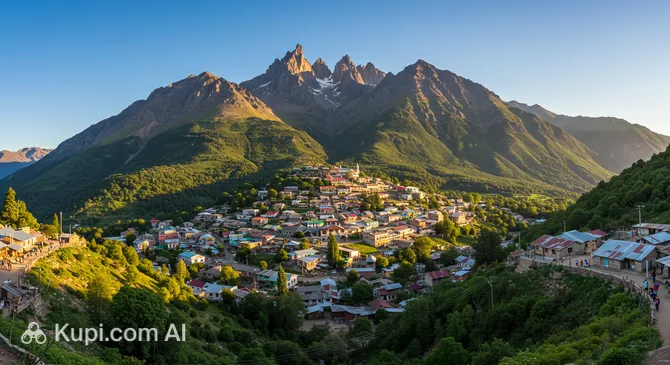
Merlo. Source: Kupi.Binoculars

The city has deep colonial roots that shape its current character. It was founded in 1755 by Francisco de Merlo, a Spanish merchant who established the town around his estate. Travelers interested in the past can explore the history of Merlo to learn how it evolved from a small rural settlement into a major urban center. A key historical landmark is the Iglesia de la Inmaculada Concepción, a church that stands as a testament to the city's religious and architectural heritage.

For those looking to relax, Merlo offers green spaces such as the municipal park known as El Tejadito, a favorite spot for locals to enjoy outdoor activities and cultural events. The city is also home to the Casa de la Cultura, which frequently hosts art exhibitions and performances. whether you are exploring the historic downtown area or enjoying a quiet afternoon in the park, Merlo welcomes visitors with a friendly atmosphere and a slice of genuine Argentine suburban culture.

Weather Overview

Merlo experiences a temperate climate with distinct seasonal variations, making it accessible for visitors throughout the year. The weather in Merlo is generally characterized by warm, pleasant summers and cool winters, allowing for outdoor activities in most seasons.

During the peak of summer in January, temperatures are at their highest, with averages around 24.9°C and daily maximums often reaching nearly 30°C. In contrast, the winter months of June through August are noticeably cooler; July is typically the coldest month with an average temperature of roughly 10.8°C and lows dipping to around 6.6°C. Precipitation is fairly consistent but moderate, with about 5 to 9 wet days per month, so travelers should expect warm summers with occasional rain and cool, relatively dry winters.

Interesting Facts

Beyond the main attractions, Merlo holds many fascinating secrets that reveal the depth of its local heritage. While often viewed as a busy metropolitan hub, the city preserves unique historical footnotes and cultural quirks that offer a different perspective to the curious traveler.

  • The city was not always known by its current name; when it was officially founded in 1755, it was called Villa de San Antonio del Camino. The name paid homage to Saint Anthony of Padua and the town's strategic position on the "Camino Real" (Royal Road) that connected Argentina's capital to the northern territories.

  • One of the favorite local green spaces, El Tejadito, has a surprising aviation past. Before it became a municipal park hosting festivals and family picnics, the grounds were home to a glider club (Club de Planeadores), serving as a hub for aviation enthusiasts in the region for decades.

  • Merlo is a true hotbed for football passion, hosting an unusually high number of professional clubs for a single district. The city is home to rival teams like Deportivo Merlo, Argentino de Merlo, and Midland, creating an intense and vibrant sporting culture that divides local loyalties every weekend.

How to Get There

Reaching Merlo is relatively straightforward due to its proximity to the Argentine capital and its integration into the Greater Buenos Aires metropolitan area. While the city itself is primarily residential, it benefits from the extensive transport network of the region. For travelers planning their journey, it is helpful to know all ways to reach the city to choose the most convenient option.

The city of Merlo does not have its own airport, but you can fly into Ministro Pistarini Airport (IATA: EZE) in the city of Buenos Aires, which is about 24.5 km from Merlo. Often referred to as Ezeiza, this is the country's main international gateway. The travel time from the airport to Merlo is approximately 60 minutes by taxi or car, depending on traffic conditions. Alternatively, you can utilize Jorge Newbery Airport (IATA: AEP), which is also located in Buenos Aires, roughly 31.1 km away. This airport primarily handles domestic and regional flights. A trip from here to Merlo typically takes around 70 minutes. Both airports are large hubs with extensive services for travelers.

For clarity, here is a summary of the main airports:

Airport Name City Passenger Traffic Km from City
Jorge Newbery Airport Buenos Aires Very High 31.1
Ministro Pistarini Airport Buenos Aires High 24.5
Carrasco International Airport Montevideo Medium 247.7
Fisherton Airport Rosario Medium 273.1

Regarding rail transport, the options listed for long-distance travel are situated quite far from the city center. The city of Merlo does not have a major long-distance railway station listed in this specific dataset, but you can arrive at the Bragado station (IATA: QRF) in the city of Bragado, which is about 169.1 km from Merlo. From there, you can get a taxi or bus, which takes about 275 minutes. Most tourists, however, prefer to access Merlo via the suburban train lines connecting directly from Buenos Aires.

Below is the information for the railway station mentioned:

Station City Passenger Traffic Km to Center
Bragado Bragado Low 169.1

Main Attractions

While Merlo is primarily known as a residential hub within the Greater Buenos Aires area, it possesses several landmarks that offer insight into its local culture and history. Visitors will find that the city's charm lies in its community spaces, historical religious sites, and green areas that serve as the heart of social life for its inhabitants.

One of the most popular recreational spots is the Parque Municipal Néstor Kirchner, often referred to locally as El Tejadito. This expansive green space is the city's main lung, offering a welcome escape from the urban environment. The park is divided into sectors that cater to different interests, including walking trails, sports facilities, and areas for family picnics. It is a vibrant gathering place where travelers can witness the authentic daily life of the locals, catch open-air cultural performances, or simply enjoy a peaceful afternoon by the artificial lake.

For architecture and history enthusiasts, the Iglesia de San Antonio de Padua is a must-see landmark. Although located in the neighboring locality of San Antonio de Padua (within the Merlo district), it is widely considered one of the most beautiful churches in the region. Inaugurated in 1931, the church features a striking Romanesque style with elegant lines and a peaceful interior that invites reflection. It stands as a testament to the area's strong spiritual heritage and serves as a focal point for major religious celebrations.

In the heart of Merlo city itself stands the Iglesia de la Inmaculada Concepción. As the foundational parish of the city, this church is deeply intertwined with Merlo's origins in the 18th century. Situated across from the main square, it anchors the historic center and provides a glimpse into the colonial roots of the settlement. The surrounding plaza is often bustling with activity, making it an excellent starting point for a walking tour of the downtown area to appreciate the mix of old and new that defines the city.

Another significant cultural site is La Colonial, a historic estate that has been transformed into a public sports and cultural complex. Located adjacent to El Tejadito, this venue preserves the architectural style of the past while serving modern community needs. It frequently hosts art exhibitions, workshops, and sports tournaments, bridging the gap between Merlo's agricultural history and its present-day dynamism.

Local Cuisine

The culinary scene in Merlo offers an authentic taste of the Buenos Aires Province, characterized by hearty portions, strong Italian influences, and a deep love for red meat. While the city may not be a global gastronomy capital, it prides itself on unpretentious, high-quality food that brings families and friends together. The local dining culture revolves around social gatherings, where meals are often long, lively affairs centered on traditional Argentine flavors.

No visit to this region would be complete without experiencing a traditional asado. These barbecues are the cornerstone of the local diet, featuring various cuts of beef, pork sausages (chorizo), and blood sausages (morcilla) slow-cooked over wood or charcoal fires. Visitors will find numerous parrillas (steakhouses) scattered throughout the city, ranging from upscale establishments to rustic roadside spots. Another local favorite is the milanesa a la napolitana, a breaded meat cutlet topped with tomato sauce, ham, and melted mozzarella, often served with a mountain of french fries.

The Italian heritage of the area is also evident in the widespread popularity of pizza and pasta. In Merlo, pizza is typically served al molde (thick crust) with generous amounts of cheese, a style that distinguishes it from its Italian ancestors. For a quick snack on the go, empanadas are ubiquitous. These savory pastries, usually filled with minced meat, chicken, or ham and cheese, are perfect for travelers exploring the city streets and can be found in bakeries and dedicated shops on almost every corner.

When it comes to beverages, the locals have distinct preferences that reflect the national identity. The most iconic non-alcoholic drink is mate, a bitter herbal infusion shared among friends in parks like El Tejadito. It is more than just a drink; it is a social ritual. On the alcoholic side, the combination of Fernet with cola is extremely popular, especially among younger crowds and at social events. Of course, a glass of Argentine Malbec is the standard accompaniment to any dinner featuring red meat.

Tourists in Merlo will find that the best dining experiences are often found in family-run bodegones and neighborhood restaurants along the main avenues, such as Avenida del Libertador. These venues offer a warm, welcoming atmosphere where the focus is on home-style cooking and hospitality. Whether you are sitting down for a Sunday family lunch or grabbing a choripán (chorizo sandwich) from a street vendor near the station, the food in Merlo is satisfying, flavorful, and deeply rooted in tradition.

Travel Tips

Visiting Merlo offers a genuine look at Argentine life, but navigating the Greater Buenos Aires area requires some local know-how to ensure a smooth experience. To help you blend in and travel with confidence, here is a collection of practical tips designed to make your stay safe and enjoyable.

  1. Pack for the Season. Merlo has distinct seasons, so check the forecast before packing. Summers (December to February) are hot and humid, requiring light, breathable fabrics, while winters (June to August) can be chilly, necessitating a warm jacket and layers. Regardless of the season, bring comfortable walking shoes as sidewalks can be uneven, and a universal power adapter (Type I) for your electronics.

  2. Mastering Public Transport. To get around Merlo or travel to Buenos Aires, you must obtain a SUBE card. This rechargeable card is used for buses (colectivos) and the Sarmiento train line. You can buy and top it up at kioscos (convenience stores) or train stations. For private transport, it is often safer and more reliable to use a remis (a private car service booked by phone or at an agency) rather than hailing a taxi on the street.

  3. Cash is King. While major supermarkets may accept credit cards, many smaller shops, bakeries, and kiosks in Merlo operate primarily with cash. It is advisable to carry Argentine Pesos in smaller denominations, as getting change for large bills can sometimes be difficult. ATMs are available in the city center, but having a cash reserve is always a smart move in suburban areas.

  4. Stay Street Smart. As in any busy metropolitan area, it is important to stay vigilant. The area around the Merlo train station is extremely busy; keep your backpack on your front and your valuables hidden to avoid pickpocketing. Pharmacies (farmacias) are easily found, and they operate on a rotating "on-duty" schedule (de turno) for after-hours needs.

  5. Language Essentials. Spanish is the primary language, and English is not widely spoken outside of major tourist hubs or hotels. Downloading an offline translation app is highly recommended. Locals appreciate it when you try to use basic phrases like "Hola" (Hello), "Por favor" (Please), and "Gracias" (Thank you). You can purchase a local SIM card (Claro, Movistar, or Personal) at most kiosks with your passport to stay connected.

  6. Local Etiquette. Argentines are warm and social people. The standard greeting, even among casual acquaintances, is a single kiss on the right cheek. When dining out, keep in mind that locals eat late; restaurants often do not fill up until after 9:00 PM. If you are invited to a home, it is polite to bring a small gift, such as pastries (facturas) or a bottle of wine.

  7. What to Avoid. Avoid flashing expensive electronics, such as high-end cameras or smartphones, in public spaces or while walking down the street. It is also best to avoid walking alone in poorly lit or quiet residential areas late at night; stick to the main avenues where there is more activity and lighting.

  8. Mind the Siesta Hours. Many independent shops and businesses in Merlo may close for a few hours in the afternoon, typically between 1:00 PM and 4:00 PM, for a midday break. Plan your shopping or errands for the morning or late afternoon to avoid finding closed doors.

By keeping these practical points in mind, you will be well-prepared to navigate the city like a local. Embrace the vibrant atmosphere of Merlo, enjoy the hospitality of its residents, and have a wonderful trip!

Entertainment & Nightlife

Entertainment in Merlo reflects the vibrant and authentic spirit of the Buenos Aires "Zona Oeste" (Western Zone). Unlike the tourist-centric nightlife of the capital, the scene here is driven by locals, creating a genuine atmosphere of community and fun. The nightlife is energetic, unpretentious, and deeply rooted in the Argentine tradition of late-night socializing.

While the center of Merlo along Avenida del Libertador and Avenida Presidente Perón offers plenty of pizzerias, ice cream shops, and traditional bars, the true epicenter of nightlife in the district is the locality of San Antonio de Padua. Often referred to simply as "Padua" by the locals, this area has evolved into a bustling gastronomic and social hub. The streets surrounding the Padua train station come alive after dark, drawing a stylish crowd looking to unwind.

Padua is particularly famous for its explosion of cervecerías (craft beer breweries) and trendy bars. This area offers a wide variety of options, from laid-back pubs with outdoor seating to lively venues playing the latest hits. It is the go-to destination for the "previa" (pre-party drinks) or for spending the entire night enjoying artisanal beers and burgers in a spirited atmosphere. The vibe here is youthful and dynamic, making it the perfect place to experience how locals party.

If you prefer a cultural evening over a bar hopping experience, the Teatro Municipal Enrique Santos Discépolo is the city's premier venue for performing arts. It hosts a variety of events, including plays, musical concerts, and stand-up comedy shows, often featuring well-known national artists. It offers a more relaxed environment suitable for all ages and provides a great opportunity to experience local culture without the intensity of the nightlife district.

Practical advice for a night out in Merlo involves understanding the local rhythm. Dinner is rarely eaten before 9:30 PM, and bars in Padua begin to fill up around 11:00 PM or later. Prices for drinks and cover charges are generally lower than in downtown Buenos Aires, making it an affordable night out. However, public transport options like trains stop running around midnight, so you must plan your return journey in advance.

Regarding safety, it is important to remain vigilant at night. While the main avenues and the bar district in Padua are generally safe and bustling with people, it is advisable to avoid walking alone in quiet, poorly lit residential streets. The safest way to get around at night is by using a remis (a private car service booked via phone or agency) or a ride-sharing app, rather than hailing taxis on the street. Always wait for your ride inside the venue.

During the day, entertainment options shift towards family-friendly activities. Beyond the parks, visitors can explore local history museums or enjoy the shopping areas in the city center. The transition from day to night in Merlo is marked by the lighting up of the avenues, inviting everyone to enjoy the warm, social evenings that define this part of the province.

Parks & Museums

Beyond its bustling avenues, Merlo invites travelers to explore a variety of green spaces and cultural institutions that define the district's local character. While the large municipal park known as El Tejadito is the most famous recreational area, the city offers several other intimate squares and centers where history and nature come together, providing a quieter alternative for those looking to understand the region's roots.

In the heart of the historic district, the Plaza Fundador Don Francisco de Merlo serves as the symbolic center of the city. Located directly in front of the Old Church, this square is more than just a meeting point; it is a tribute to the city's origins. Shaded by mature trees, the plaza features monuments dedicated to the founder and offers a peaceful atmosphere that contrasts with the commercial activity of the surrounding streets. It is an ideal spot for a short walk to appreciate the layout of the original colonial settlement.

For a deeper dive into the region's past, the Museo Casa Correa is the premier destination for history enthusiasts. Housed in one of the oldest standing buildings in the district, dating back to the late 18th century, this museum offers a tangible connection to the colonial era. The structure itself, with its thick adobe walls and original layout, is an exhibit. Inside, visitors can examine collections that include period furniture, documents, and everyday objects that narrate the transformation of Merlo from a rural outpost to a modern city.

The artistic pulse of the community is best experienced at the Casa de la Cultura. Situated on Avenida Calle Real, this dynamic venue is a hub for local creativity. Unlike static museums, it is a living space that hosts a busy schedule of workshops, ranging from theater and folklore to painting and sculpture. It frequently organizes art exhibitions, such as the local ceramics biennale, giving visitors a chance to see the work of up-and-coming Argentine artists and engage with the friendly local community.

Travelers venturing towards the San Antonio de Padua area should visit the Parque Cultural de Padua. This multi-purpose space combines recreation with cultural programming, often hosting open-air events and craft fairs. For nature lovers seeking a wilder experience, the recently established Reserva Natural Municipal El Naranjero offers a protected habitat for native flora and fauna. Named after a colorful local bird, this reserve provides trails for hiking and birdwatching, serving as a green sanctuary on the western edge of the city.

Getting Around

Navigating Merlo is an authentic experience that relies heavily on the integrated public transit network of the metropolitan area. The backbone of the city's transport system is the Sarmiento Railway Line, which connects the Merlo station directly to the Once terminal in the capital. This train service is the most efficient way to travel long distances, while a vast network of buses, locally known as colectivos, covers the internal routes, connecting the residential neighborhoods with the commercial downtown and the railway hub.

To use any form of public transport in the city, possessing a SUBE card is mandatory. This rechargeable smart card is the only accepted payment method for trains and buses, as cash is not accepted on board. Visitors can purchase a SUBE card at kioscos (convenience stores), lottery agencies, or at the train station ticket offices. It is highly advisable to load sufficient credit onto the card immediately upon purchase, as you will need to tap it on the electronic readers when boarding buses or passing through train turnstiles.

For tourists, the most practical advice is to plan journeys outside of peak commuting hours to ensure a more comfortable trip. The trains and buses can become extremely crowded between 7:00 AM and 9:00 AM, and again from 5:00 PM to 7:00 PM. To navigate the complex web of bus routes, smartphone apps like Moovit or Google Maps are essential tools. Additionally, the official Trenes Argentinos app provides real-time schedules and status updates for the railway service, which is crucial for avoiding unexpected delays.

When it comes to private transport, the most popular and recommended alternative to traditional street taxis is the remis. A remis is a private car for hire that operates through specific agencies called remiserías. They are widely considered safer and more reliable than hailing a cab on the street, and they typically offer fixed rates based on distance rather than a meter. While international ride-sharing apps are available in the region, locals often prefer the reliability of a well-known neighborhood remis agency, especially for travel late at night.

A specific feature of the local transport infrastructure is the role of the Merlo station as a major transfer point. It serves as the junction between the frequent electric train service heading towards the city center and the diesel train branches that connect to more rural and scenic towns like Lobos. Travelers should be aware of this distinction, as the platforms for these different services are separate. The station itself is a bustling landmark, representing the daily rhythm of the city and serving as the primary gateway for thousands of commuters every day.

Accommodation

The accommodation landscape in Merlo is primarily designed to serve practical needs, catering to those visiting family, business travelers, or tourists exploring the western suburbs of the metropolitan area. Unlike the tourist-centric districts of the capital, the city does not feature large international hotel chains or luxury resorts. Instead, visitors will find a selection of modest, family-run hotels and apart-hotels that offer a comfortable and authentic stay at reasonable prices.

Most lodging options are concentrated in the city center, particularly around Avenida del Libertador and near the Merlo train station. Staying in this area is highly convenient for travelers relying on public transport, as it provides immediate access to the bustling commercial district, restaurants, and the Sarmiento railway line connecting to the capital. These central establishments typically provide essential amenities such as Wi-Fi, air conditioning, and breakfast, focusing on functionality and cleanliness rather than opulence.

For those preferring a quieter environment or a more homelike atmosphere, short-term apartment rentals have become increasingly popular in the district. These rentals are often located in the residential neighborhoods slightly removed from the noise of the main avenues or in the nearby locality of San Antonio de Padua. Padua, known for its vibrant dining scene, offers a slightly more upscale vibe and is an excellent alternative for travelers who want to be close to nightlife and green spaces while remaining within the Merlo district.

When planning a stay, it is important to note that accommodation capacity in Merlo can be limited compared to major tourist hubs. It is advisable to book in advance, especially if your visit coincides with local holidays or family-oriented celebrations. Additionally, while some larger establishments accept credit cards, many smaller hotels and rental owners may prefer or strictly require cash payments in Argentina's local currency, so having pesos on hand is a smart travel tip.

Nearby Cities

For those looking to explore the surroundings, Merlo serves as an excellent base for day trips to several interesting nearby locations:

One of the most intriguing destinations nearby is Gonzalez Catan, famous for being home to Campanopolis. This unique medieval-style village, built entirely from recycled materials, offers a surreal and photogenic escape that feels worlds away from the modern suburbs. It is a perfect spot for those seeking a distinct cultural experience and a journey into a fantasy-like architecture.

Travelers might also enjoy a visit to San Miguel, a historic city that serves as a significant commercial and religious center in the region. Visitors can admire the beautiful Cathedral of San Miguel Arcángel or explore the bustling downtown streets filled with shops and cafes. For a more intense urban vibe, San Justo offers a look at the commercial heart of the La Matanza district, featuring large shopping centers and a lively atmosphere typical of the Greater Buenos Aires metropolis.

City Population Distance (km)
Gonzalez Catan 238,067 14
Isidro Casanova 190,696 14
San Miguel 157,532 14
Rafael Castillo 147,965 11
San Justo 136,604 15

These nearby destinations offer a glimpse into the diverse culture and landscapes of the region.

Shopping & Souvenirs

Shopping in Merlo offers travelers a genuine immersion into the daily life of the "Zona Oeste" (Western Zone). Unlike the high-end luxury districts of the capital, the shopping scene here is characterized by bustling commercial avenues, family-owned businesses, and a vibrant street atmosphere. Visitors will find excellent value for money on clothing, footwear, and local goods, making it a great place to pick up everyday items while experiencing the energetic pace of Argentine suburban commerce.

The beating heart of the city's retail activity is Avenida del Libertador. This major thoroughfare stretches through the downtown area and serves as an open-air shopping center where locals find everything they need. Walking along this avenue, you will encounter a dense concentration of fashion boutiques, sports stores, and electronics shops. The intersecting streets, particularly near the train station, are equally lively, filled with smaller vendors and galleries that invite pedestrians to browse through affordable apparel and accessories.

While Merlo does not host massive modern shopping malls within its immediate city limits, it features several traditional shopping arcades (known locally as galerías). These covered passageways, located primarily along the main avenues, house diverse collections of independent shops, from jewelers to tattoo parlors and hobby stores. For those seeking a large-scale mall experience with cinema complexes and international brands, locals typically travel a short distance to the neighboring cities of Moreno or Morón, which are easily accessible by public transport.

For a more traditional experience, the local markets and fairs provide a colorful glimpse into community culture. On weekends, craft fairs often pop up in the city's major squares, such as the plaza near the Old Church or within the grounds of El Tejadito park. Here, artisans sell handmade goods ranging from leather accessories to decorative items. The area surrounding the Merlo train station also functions as a permanent, bustling marketplace where street vendors sell snacks, trinkets, and budget-friendly merchandise to the thousands of commuters passing through daily.

When looking for souvenirs to take home, consider items that reflect the Argentina lifestyle. A mate gourd and bombilla (metal straw) are essential cultural tokens available in many local bazaars. Leather goods, such as belts and wallets, are also widely available and typically of high quality. Additionally, visitors should visit a traditional panadería (bakery) to buy a box of alfajores—sweet sandwich cookies filled with dulce de leche—which make for a delicious and popular gift.

Store hours in Merlo generally follow the traditional split shift. Most shops open around 9:00 AM and close for a midday break (siesta) between 1:00 PM and 4:00 PM, reopening until approximately 8:30 PM or 9:00 PM. Regarding payment, while larger chain stores and supermarkets accept credit and debit cards, cash is strongly preferred in smaller boutiques and is the only accepted method at street stalls. It is advisable to carry Argentine Pesos in smaller denominations for smoother transactions.

Regarding tax-free shopping, the VAT refund system (Global Blue) for foreign tourists is typically available only in participating stores that display the "Tax Free" signage. These are mostly found in major shopping malls and tourist districts in the city of Buenos Aires. It is rare to find participating retailers in the local shops of Merlo, so travelers should not expect to claim tax refunds on general purchases made within the district.
Reached the end of the page?

That means the route is fully explored