Support

Buenos Aires

About

Buenos Aires is a city that never sleeps, pulsating with a unique rhythm that blends European elegance with Latin American passion. As the capital of Argentina, it serves as the country's political, economic, and cultural heart. Often referred to as the "Paris of South America," the city captivates visitors with its grand boulevards, vibrant street life, and an atmosphere that is both nostalgic and modern.

Located on the western shore of the Río de la Plata estuary, Buenos Aires is a sprawling metropolis home to over 16 million people. The city enjoys a temperate climate, making it a pleasant destination year-round, though springs and autumns are particularly delightful. Its distinct neighborhoods, or barrios, each offer a different flavor, from the historic cobblestones of San Telmo to the trendy boutiques of Palermo.

Buenos Aires. Source: Kupi.Binoculars

To truly understand the soul of this metropolis, one must delve into the history of Buenos Aires. The city's past is etched into its architecture and cultural landmarks. Travelers are drawn to the colorful houses of Caminito in the La Boca neighborhood, the architectural splendor of the Teatro Colón opera house, and the iconic Obelisco standing tall on Avenida 9 de Julio. It is a place where the melancholic beauty of tango music fills the air, inviting everyone to join in the dance.

Whether you are looking to indulge in world-class steak and Malbec wine, explore eclectic art galleries, or simply wander through lush parks, Buenos Aires offers an unforgettable experience. The city's warm hospitality and endless energy make it a must-visit destination for any traveler seeking adventure and culture in South America.

Weather Overview

Travelers visiting the Argentine capital can expect a pleasant temperate climate with distinct seasonal changes. The city enjoys its warmest days during the summer months from December to February, while the winter period from June to August brings cooler, crisper air. For a more comprehensive breakdown of what to expect during your stay, you can consult the guide to the weather in Buenos Aires.

During the peak of summer in January, average temperatures sit comfortably around 25.0°C, with daytime highs often reaching 28.8°C. In contrast, the winter month of July sees averages drop to 11.0°C, with minimum temperatures around 7.8°C, requiring warmer clothing layers.

Rainfall is distributed fairly evenly throughout the year in terms of frequency. You can typically anticipate between 6 and 9 wet days per month, meaning showers are possible in any season. Overall, expect warm summers with occasional rain and cool winters that remain relatively dry.

Interesting Facts

Beyond the main attractions and tango halls, Buenos Aires holds many fascinating secrets and unique records that surprise even the most seasoned travelers. This vibrant metropolis is full of hidden gems and cultural distinctions that make it truly one of a kind.

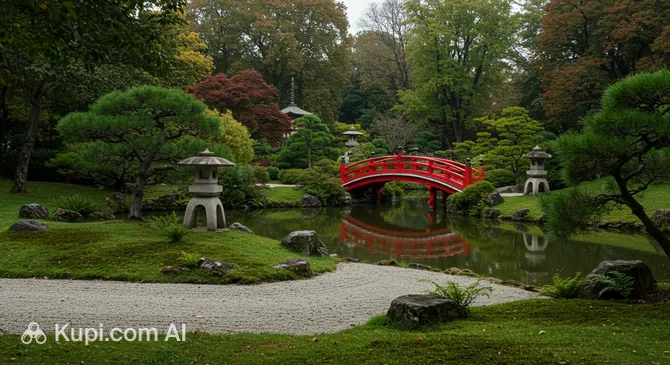
Japanese Garden. Source: Kupi.Binoculars
  • The city is a paradise for literature lovers, boasting more bookstores per capita than any other city in the world. One of the most stunning examples is El Ateneo Grand Splendid, which is housed inside a preserved 1919 theater, allowing you to browse titles in what was once the orchestra section.

  • Navigating the city center often involves crossing the massive Avenida 9 de Julio, which is widely claimed to be the widest avenue in the world. Standing proudly at its intersection is the iconic Obelisk of Buenos Aires, a historic monument built in 1936 to commemorate the fourth centenary of the city's foundation.

  • Despite being located in South America, the city features the Japanese Garden, which is renowned for being one of the largest of its kind outside of Japan. It serves as a serene cultural bridge, complete with traditional bridges, koi ponds, and a tea house.

  • Buenos Aires is home to the oldest subway network in Latin America and the entire Southern Hemisphere. Known locally as the "Subte," the underground system opened its first line in 1913, and many stations still retain their original early 20th-century artistic tiles and charm.

How to Get There

Reaching the vibrant capital of Argentina is relatively straightforward, with multiple options available for international and domestic travelers. Whether you are flying from afar or traveling regionally, you can find more about how to get to Buenos Aires and plan your journey efficiently.

For most visitors, the most convenient entry point is Jorge Newbery Airport (IATA: AEP). Located within the city limits, approximately 5.8 km from the center, it primarily serves domestic flights and regional connections to neighboring countries. Due to its proximity, a taxi or bus ride to the downtown area is quick, typically taking around 30 minutes depending on traffic. This hub handles a very large volume of passengers annually, making it a bustling gateway to the city.

The main gateway for long-haul international flights is Ministro Pistarini Airport (IATA: EZE), often referred to as Ezeiza. Situated about 28.0 km from the heart of Buenos Aires, it is the country's largest international air terminal. The journey to the city center by car or shuttle generally takes about 60 to 70 minutes. It is a major infrastructure hub with high passenger traffic, offering a wide range of services for global travelers.

For clarity, here is a summary of the main airports:

Airport Name City Passenger Traffic Km from City
Jorge Newbery Airport Buenos Aires High 5.8
Ministro Pistarini Airport Buenos Aires High 28.0
Carrasco International Airport Montevideo Medium 216.9
Fisherton Airport Rosario Medium 291.7

Regarding rail transport, the options listed in our current data are limited to regional connections outside the immediate metropolitan area. The city of Buenos Aires does not have a railway station listed in this specific dataset, but you can arrive at the Bragado station in the city of Bragado, which is about 201.4 km from Buenos Aires. From there, you can get a taxi or bus, which takes about 320 minutes.

Below is the available information for the nearest railway station:

Station City Passenger Traffic Km to Center
Bragado Bragado Low 201.4

Main Attractions

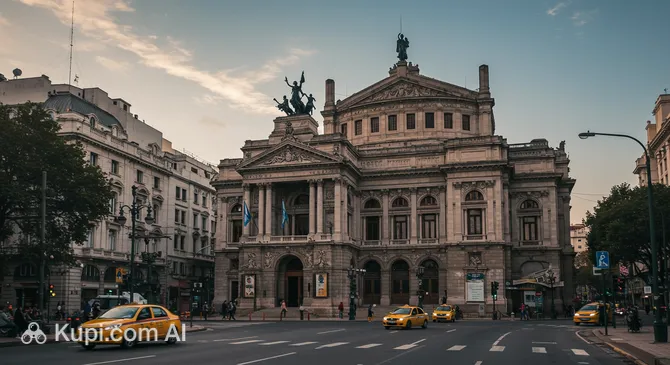
Buenos Aires is a city brimming with cultural heritage and architectural marvels. One of its most prized jewels is the Teatro Colón. Renowned globally for its exceptional acoustics and opulent design, this opera house rivals the most famous venues in Europe. Visitors can take guided tours to admire the golden main hall and the magnificent dome painted by Raúl Soldi, or attend a world-class performance of opera, ballet, or classical music.

Teatro Colón. Source: Kupi.Binoculars

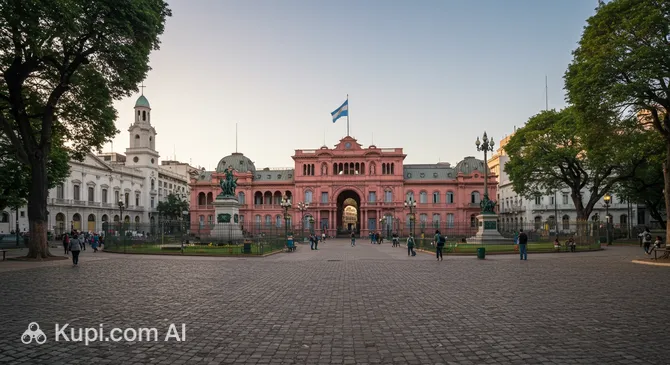
For a deep dive into the nation's history, a visit to Plaza de Mayo is essential. This historic square has been the stage for many of Argentina's most significant political events. It is flanked by important buildings, including the iconic Casa Rosada, the presidential palace famous for its pink facade and the balcony where Eva Perón once addressed the crowds.

Plaza de Mayo. Source: Kupi.Binoculars

Art enthusiasts will find a haven at the Museum of Latin American Art of Buenos Aires (MALBA). Located in the Palermo neighborhood, this modern museum houses a dynamic collection of Latin American art from the 20th century to the present. The exhibitions feature works by masters such as Frida Kahlo, Diego Rivera, and Tarsila do Amaral, offering a comprehensive look at the region's artistic evolution.

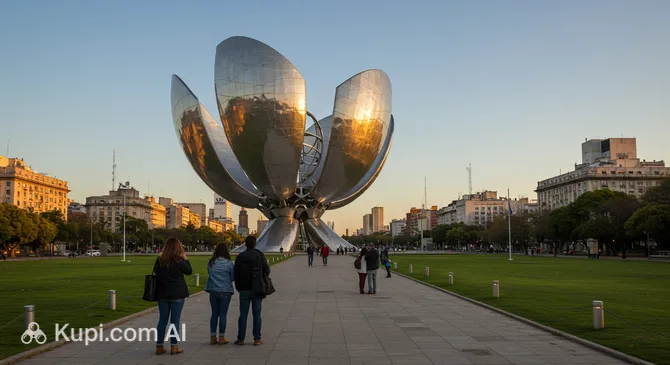
A symbol of the city's innovative spirit is the Floralis Genérica, a massive sculpture made of steel and aluminum located in the Recoleta district. Designed by architect Eduardo Catalano, this giant flower features a mechanism that allows its petals to open in the morning and close at sunset, mimicking nature. It sits above a reflecting pool, creating a serene and photogenic spot for visitors.

Floralis Genérica. Source: Kupi.Binoculars

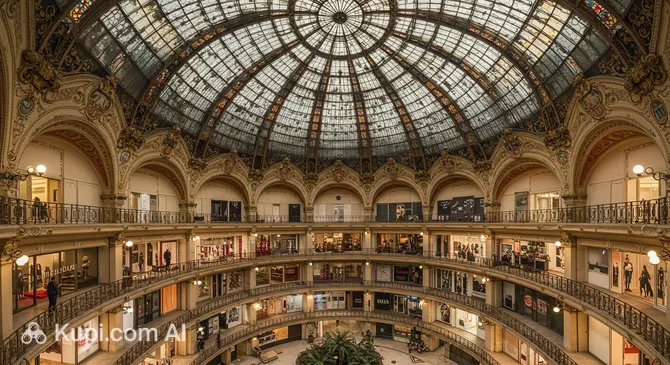
Shopping turns into a cultural experience at Galerías Pacífico. Housed in a stunning Beaux-Arts building on Florida Street, this shopping center is famous not just for its high-end stores but for its magnificent frescoed ceiling painted by prominent Argentine artists. It is a perfect place to admire art while enjoying some retail therapy or a coffee in the elegant food court.

Local Cuisine

The culinary landscape of Buenos Aires is a mouthwatering reflection of its heritage, blending indigenous roots with a heavy influence from Italian and Spanish immigrants. Known globally as a carnivore's paradise, the city revolves around asado, the traditional Argentine barbecue. This is not just a meal but a social ritual where friends and family gather for hours. To experience an authentic feast with generous portions of grilled meat, travelers often head to traditional spots like El Ferroviario Grill Restaurant, located in a former railway workshop.

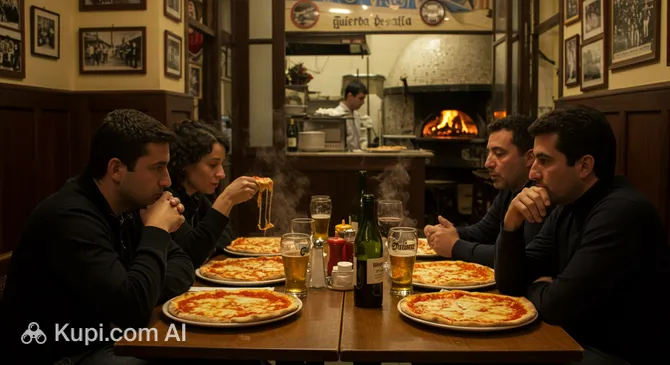
Beyond beef, the Italian influence is undeniable, particularly in the local pizza culture. Argentine pizza is distinct—often featuring a thicker, doughier crust known as media masa and overflowing with cheese. A legendary stop for this style is Güerrín Pizzeria on Avenida Corrientes, a bustling establishment that has been serving slices to locals and theater-goers since 1932.

Güerrín Pizzeria. Source: Kupi.Binoculars

Another staple of the local diet is the empanada, a savory pastry filled with meat, chicken, ham and cheese, or vegetables. They are the perfect on-the-go snack or appetizer. For a main course, the milanesa—a breaded meat cutlet similar to schnitzel—is a comfort food favorite, often served a la napolitana with tomato sauce, ham, and melted cheese on top.

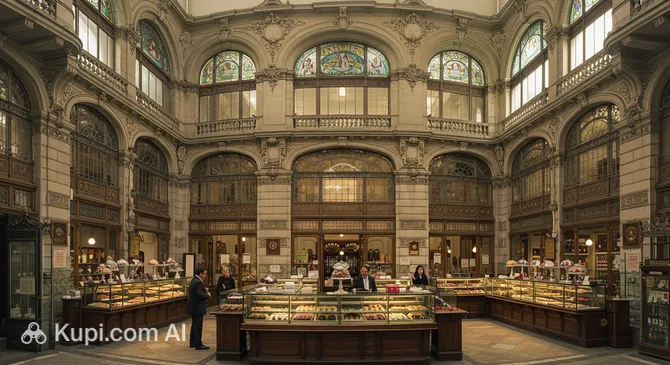
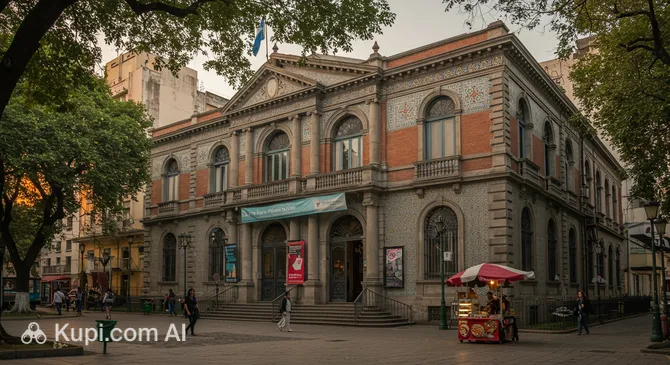
Those with a sweet tooth will delight in the city's obsession with dulce de leche, a caramel-like spread found in everything from cakes to ice cream. It is the key ingredient in alfajores, the beloved cookie sandwiches that are ubiquitous in kiosks and cafes. The city's cafe culture is sophisticated and historic; visiting a beautifully restored venue like El Molino Confectionery offers a glimpse into the glamorous past while enjoying exquisite pastries.

El Molino Confectionery. Source: Kupi.Binoculars

When it comes to drinks, Malbec is the undisputed king of wines, perfect for pairing with a steak dinner. For a non-alcoholic option, mate is a caffeine-rich herbal infusion sipped from a gourd through a metal straw, representing a deep cultural tradition of sharing. In the evenings, locals often turn to Fernet with Coca-Cola, a bitter herbal liqueur mixed with soda that has become an unofficial national cocktail.

Dining in Buenos Aires is a late-night affair. Restaurants typically do not fill up until after 9:00 PM, and dinner often extends well past midnight, especially on weekends. Whether you choose a high-end restaurant in Palermo, a classic bodegón (tavern) with hearty portions, or a quick bite at a market, the food scene here is warm, welcoming, and incredibly flavorful.

Travel Tips

Welcome to Buenos Aires, a city where European grandeur meets Latin American passion! To help you navigate the bustling streets, late-night culture, and unique local customs with the ease of a porteño, we have compiled a set of essential practical tips for your journey.

  1. Dress for the Season and Occasion. Since seasons are reversed in the Southern Hemisphere, pack light, breathable clothing if you are visiting between December and February, as humidity can be high. For the cooler months (June to August), bring layers and a warm coat. Regardless of the season, comfortable walking shoes are a must for exploring the cobblestone streets. Don't forget a Type I power adapter (three flat pins) for your electronics. While the city is generally casual, locals dress smartly for dinner and tango shows; avoid wearing beachwear in the city center.
  2. Navigate with the SUBE Card. Public transportation is efficient and affordable, but you cannot pay with cash. You must purchase and load a SUBE card at a kiosk or subway station immediately upon arrival. The "Subte" (metro) is the fastest way to cross the city, while the extensive bus network (colectivos) runs 24/7. Ride-hailing apps are widely used and safe, but if you hail a street taxi, ensure it is a "Radio Taxi" with clear branding for security. Renting a car is generally unnecessary and stressful due to heavy traffic.
  3. Manage Your Money Wisely. The local currency is the Argentine Peso (ARS). Argentina has a complex exchange rate system; often, exchanging foreign cash (USD or EUR) at official exchange houses or Western Union locations yields a significantly better value than using international cards at the standard bank rate, though regulations change frequently. Always carry small bills, as many smaller shops, kiosks, and taxi drivers may not have change for large denominations. Tipping is customary; leave about 10% in cash at restaurants.
  4. Prioritize Street Smarts and Safety. Buenos Aires is a large metropolis, so standard precautions apply. Stick to well-lit, populated areas like Palermo and Recoleta at night. Be cautious with your belongings; keep your phone stored away on the street to avoid "motochorros" (motorcycle snatchers). While La Boca is a must-see, stay strictly on the main tourist street (Caminito) and avoid wandering into surrounding blocks, especially after dark. Pharmacies like Farmacity are ubiquitous, often open 24/7, and easily recognizable by their blue signs.
  5. Bridge the Language Gap. Spanish is the official language, and while many young people and tourism professionals speak English, it is not guaranteed everywhere. Learning a few basic phrases like "Hola" (Hello), "Gracias" (Thank you), and "¿Cuánto cuesta?" (How much?) goes a long way. Buying a local SIM card (Claro, Movistar, or Personal) is easy at kiosks with your passport, ensuring you have data for maps and translation apps. Free Wi-Fi is widely available in public spaces and cafes.
  6. Embrace the Local Greeting. Argentines are warm and physical. The standard greeting, even for a first meeting in a casual setting, is a single kiss on the right cheek. This applies between women, between a man and a woman, and often between men who are friends or family. Don't be surprised by this closeness! When entering a shop or elevator, it is polite to say "Buen día" or "Buenas tardes" to those present.
  7. Avoid Sensitive Topics and Rushing. It is best to avoid discussing sensitive political history or controversial topics, as emotions can run high regarding certain past events. Additionally, do not expect quick service in restaurants. Dining is a social ritual here; waiters will not rush you to free up the table. You often have to signal when you are ready for the check ("La cuenta, por favor").
  8. Adjust Your Internal Clock. Buenos Aires is a late-night city. Locals rarely eat dinner before 9:30 PM or 10:00 PM. If you arrive at a restaurant at 7:00 PM, it may be closed or completely empty. Shops often stay open late, and nightlife doesn't truly begin until well after midnight. Embrace the afternoon siesta or a late coffee to keep up with the local rhythm!

By keeping these tips in mind, you will be well-prepared to dive into the vibrant life of Buenos Aires without the common tourist hiccups. Enjoy every tango step, every steak, and every conversation in this captivating city!

Entertainment & Nightlife

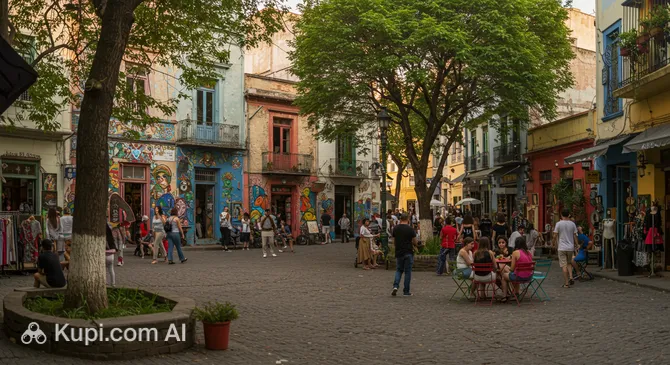
The entertainment landscape in Buenos Aires is as diverse as its population, offering everything from high-energy nightlife to serene cultural experiences. The city is famous for its "night owl" culture, where the evening often begins late and continues until sunrise. A focal point for social gatherings is the trendy neighborhood of Palermo, particularly around Plaza Serrano. By day, this area hosts a vibrant craft fair, but as dusk falls, it transforms into a bustling hub of bars, pubs, and restaurants where crowds spill onto the sidewalks to enjoy the energetic atmosphere.

Plaza Serrano. Source: Kupi.Binoculars

For those who love music and dancing beyond the traditional tango halls, the city offers impressive venues. Electronic music enthusiasts often head to Mandarine Park & Tent, a massive open-air complex known for hosting major international DJs and festivals. Alternatively, for a taste of local popular culture, Tropitango Bailable provides an authentic setting to dance to tropical rhythms and cumbia, a genre deeply loved by Argentines.

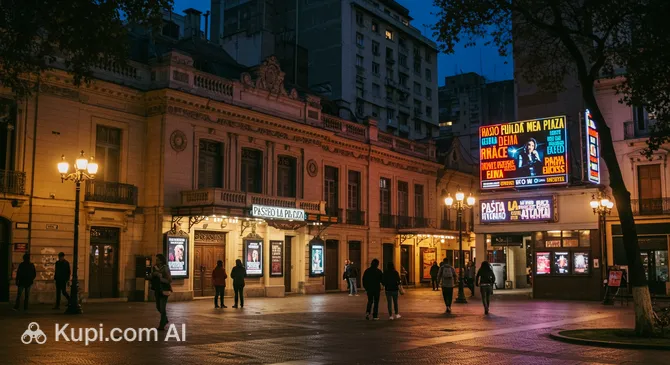
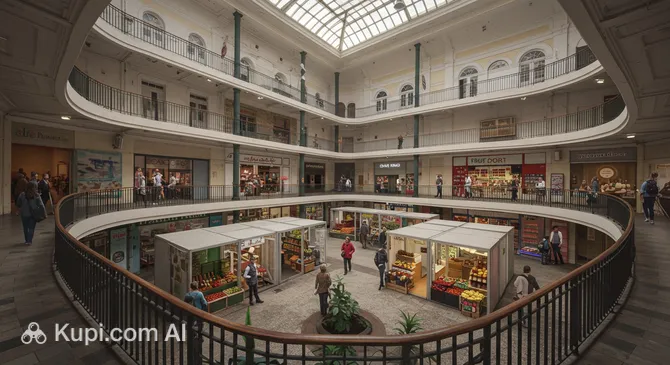
Theater and arts aficionados will find a unique gem in Paseo La Plaza. Located on the famous Avenida Corrientes, this cultural center is designed like a small, cobbled village within the city. It features open-air courtyards, trees, and bridges connecting various theaters, shops, and dining spots, making it a charming location for a relaxed evening of entertainment.

Paseo La Plaza. Source: Kupi.Binoculars

Visitors seeking a bit of luck and glamour can visit the Buenos Aires Casino. Uniquely situated on two majestic ships docked in the Puerto Madero district, it offers a wide array of slot machines and gaming tables. The venue combines the thrill of gambling with stunning views of the illuminated skyline and the river.

Buenos Aires Casino. Source: Kupi.Binoculars

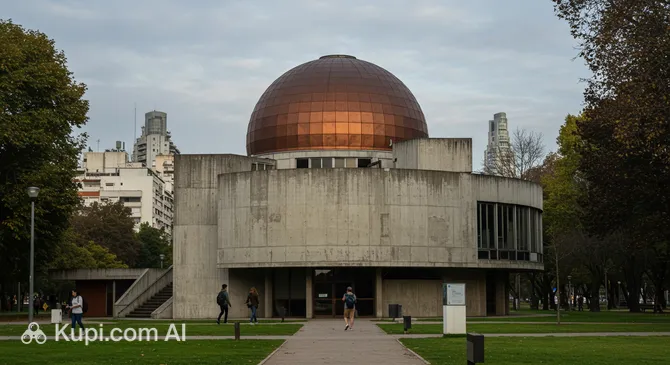
Families and science lovers should not miss the Galileo Galilei Planetarium. Located in the expansive Palermo Woods, its distinctive UFO-shaped architecture is an attraction in itself. Inside, visitors can enjoy immersive astronomy shows and exhibits. Nearby, during the warm summer months, Parque Norte becomes a favorite urban retreat, featuring extensive swimming pools and water slides perfect for cooling off.

Galileo Galilei Planetarium. Source: Kupi.Binoculars

For a peaceful escape from the concrete jungle, Centennial Park offers a circular layout ideal for jogging or browsing its popular weekend book and antique market. Nature enthusiasts can also explore the Costanera Norte–Ciudad Universitaria Ecological Reserve, a riverside green space that provides a quiet environment for birdwatching and walking along the Río de la Plata.

Parks & Museums

Buenos Aires offers a refreshing balance between its urban intensity and serene green escapes, alongside a museum circuit that rivals the best in the world. Whether seeking a quiet afternoon under the trees or a journey through artistic masterpieces, the city provides ample opportunities to explore its natural and cultural heritage.

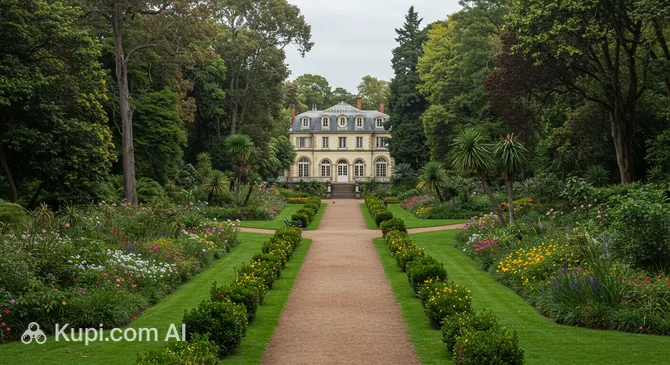
Located in the bustling Palermo district, the Carlos Thays Botanical Garden is a lush triangular refuge declared a National Monument. Home to thousands of plant species from around the globe, it features distinct sections like the Roman, French, and Oriental gardens. It is an ideal spot for a peaceful walk among sculptures and greenhouses, offering a break from the city noise.

Carlos Thays Botanical Garden. Source: Kupi.Binoculars

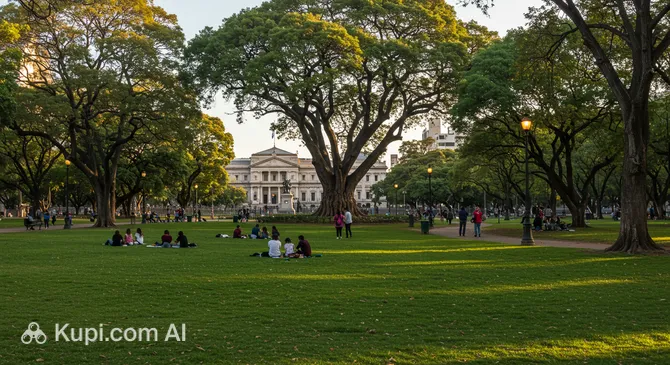
For a more historic atmosphere, Lezama Park in the San Telmo neighborhood offers a different charm with its sloping terrain and old-world gazebo. Many historians believe this site corresponds to the first settlement of the city. Its wide pathways and statues make it a favorite for locals to relax on weekends, often accompanied by the sound of spontaneous drum circles.

Lezama Park. Source: Kupi.Binoculars

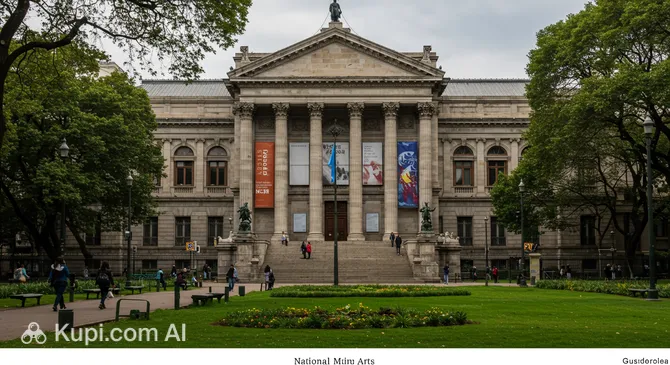
Art lovers should prioritize the National Museum of Fine Arts, which holds one of the most significant public art collections in Latin America. The museum displays works by European masters such as Goya, Rembrandt, and Van Gogh, alongside an extensive collection of 19th-century Argentine art. Admission is often free, making world-class art accessible to everyone.

National Museum of Fine Arts. Source: Kupi.Binoculars

Another architectural and cultural gem is the National Museum of Decorative Arts. Housed in the majestic Errázuriz Palace, the building itself is a masterpiece of French Neoclassical design. Visitors can wander through opulent rooms filled with period furniture, tapestries, and porcelain, getting a glimpse into the lifestyle of the Argentine aristocracy in the early 20th century.

Sports culture is almost a religion here, and the River Plate Museum captures this passion perfectly. Located at the famous Monumental Stadium, it chronicles the history of one of Argentina's most successful football clubs. Through trophies, jerseys, and interactive exhibits, tourists can understand the deep emotional connection locals have with the sport.

River Plate Museum. Source: Kupi.Binoculars

For a unique experience outside the traditional circuit, animal lovers might enjoy the Yku Huasi Zoo Farm, which focuses on education and contact with nature. Alternatively, passing through Italia Square offers a glimpse of local daily life, serving as a busy meeting point that connects the botanical gardens to the rest of the Palermo neighborhood.

Getting Around

Navigating Buenos Aires is an adventure in itself, made easy by an extensive and affordable public transport network. The system is well-connected, allowing visitors to reach almost every corner of the city efficiently. The two main pillars of local mobility are the underground railway, locally known as the "Subte," and the ubiquitous public buses, called "colectivos." Together, they form the lifeline of the city, transporting millions of passengers daily.

The Subte is the fastest way to travel across the city center and major neighborhoods. As the oldest subway network in Latin America and the Southern Hemisphere, it holds a special historical charm, particularly Line A, which still features stations with early 20th-century aesthetics. There are six lines (A, B, C, D, E, and H) and a light rail line known as the Premetro. While it is efficient, tourists should note that the Subte is not a 24-hour service; it typically operates from roughly 5:30 AM to 11:30 PM, with slightly reduced hours on Sundays and holidays.

For late-night travel or reaching areas not covered by the subway, the "colectivos" are the best option. These buses operate 24 hours a day, 365 days a year, making them incredibly convenient for the city's vibrant nightlife. The network is vast, and navigating it can be slightly chaotic for first-timers, but the dedicated "Metrobús" lanes on major avenues like 9 de Julio ensure rapid transit through traffic. When boarding a bus, you must tell the driver your destination (or the fare value) before tapping your card, as fares vary by distance.

The golden rule for using public transport here is to obtain a SUBE card immediately upon arrival. This rechargeable magnetic card is the only accepted payment method for buses and the subway; cash is not accepted on board. You can purchase a SUBE card at "kioscos" (convenience stores) throughout the city or at subway stations. To use it, simply load credit onto the card at a kiosk or a self-service terminal, and tap it on the reader at turnstiles or on the bus. Fares are heavily subsidized and remain very affordable for international visitors.

If you prefer more direct transport, the city is swarming with black and yellow taxis. They are generally safe and plentiful, but it is advisable to use "Radio Taxis," which belong to established companies and have their contact information clearly visible on the doors. Ride-sharing apps are also extremely popular and widely used, offering a convenient alternative with transparent pricing. However, be aware that during peak hours, traffic congestion in the city center can make car travel significantly slower than the Subte.

For those who enjoy active travel, the city has become increasingly bike-friendly. The terrain is predominantly flat, and there is an extensive network of protected cycle lanes. The city offers a public bicycle sharing system called "Ecobici," which allows users to rent bikes for short trips. While the system has gone through various changes regarding access for tourists, it remains a great way to explore neighborhoods like Palermo and Puerto Madero at a leisurely pace.

Finally, if you plan to explore the outskirts or visit the Tigre Delta, the commuter train network is an excellent choice. Trains depart from major terminals like Retiro and Constitución, offering a scenic and inexpensive way to see the metropolitan area. Whether you choose the historic rails of the Subte or the bustling energy of a colectivo, getting around is an integral part of the local experience.
Accommodation

Finding the perfect place to stay in Buenos Aires is part of the adventure, as the city offers an impressive variety of accommodations to suit every preference and budget. From grand heritage hotels that evoke the Belle Époque to trendy boutique spots and lively backpacker hostels, the options are as diverse as the neighborhoods themselves. Whether you are looking for five-star luxury, a serviced apartment for a longer stay, or a budget-friendly bed in a shared room, the Argentine capital has you covered.

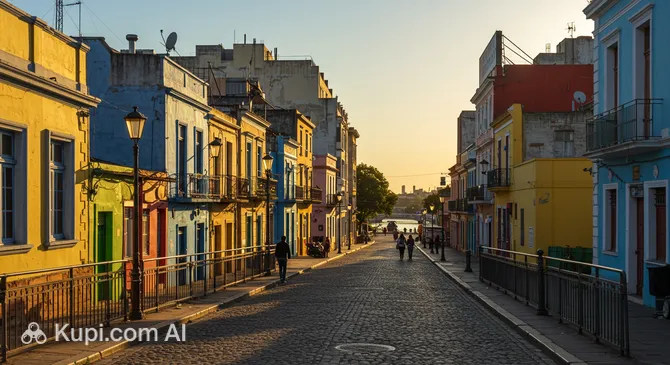
Choosing the right neighborhood is key to your experience. Recoleta is the go-to district for upscale travelers, known for its French-style architecture, luxury hotels, and proximity to museums. For a more bohemian and youthful vibe, Palermo (divided into Palermo Soho and Palermo Hollywood) is packed with design hotels, charming B&Bs, and an endless array of cafes and bars. San Telmo offers a historic atmosphere with cobblestone streets and colonial houses, often hosting budget-friendly hostels and guesthouses. Meanwhile, the Microcentro is convenient for business travelers and those who want to be close to major landmarks like the Obelisk.

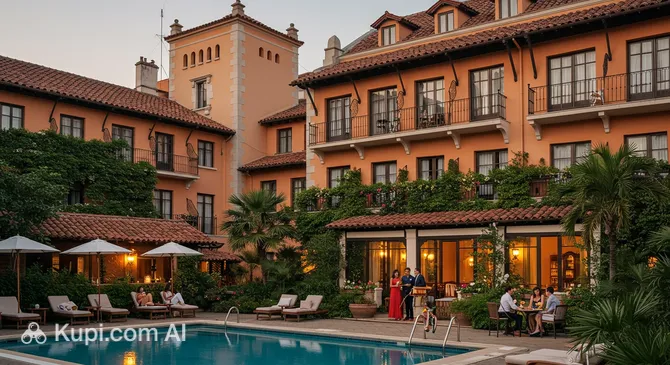
For those seeking specific types of stays, the city and its surroundings offer unique retreats. Travelers looking for a resort-style experience with comprehensive amenities might consider checking out Hotel Buenos Aires. If you prefer a more tranquil setting connected to nature, perhaps near the water, Cabañas del Espera offers a distinct lodge-style atmosphere that feels worlds away from the urban bustle.

Hotel Buenos Aires. Source: Kupi.Binoculars

The price range for accommodation is generally competitive compared to other major global capitals. Budget travelers can find hostel beds for very reasonable rates, while mid-range hotels offer excellent value for money. Luxury establishments price their rooms at international standards but often provide exceptional service and amenities. Most accommodations can be easily booked via major online platforms, though direct booking is also common and sometimes offers better rates.

Booking Tip: Buenos Aires is a year-round destination, but hotels can fill up quickly during the peak spring and summer months (October to March) and during major holidays like Easter. It is highly recommended to book your accommodation several weeks in advance to secure the best locations and prices. If you plan to visit during the jacaranda bloom in November, early planning is essential.

Nearby Cities

For those looking to explore the surroundings, Buenos Aires serves as an excellent base for day trips to several interesting nearby locations:

One of the most popular destinations is Tigre, located just a short train ride north of the city. It serves as the gateway to the Paraná Delta, a unique ecosystem of islands and waterways. Visitors can enjoy boat tours, explore the bustling Puerto de Frutos craft market, or simply relax by the river, offering a lush green contrast to the urban center.

Another fascinating option is La Plata, the capital of the Buenos Aires province. Known as the "City of Diagonals" due to its precise geometric layout, it features the imposing neo-gothic Cathedral of La Plata and the renowned Museum of Natural Sciences. It is an architectural and historical gem that provides a quieter, more organized atmosphere than the federal capital.

For those interested in history and tradition, San Antonio de Areco offers a deep dive into gaucho culture. Although a bit further away, this town preserves its colonial charm with cobblestone streets, silver workshops, and traditional ranches (estancias) where you can experience the rural lifestyle of the Argentine pampas.

City Population Distance (km)
Lanus 459,263 11
Banfield 223,898 16
San Martin 117,399 15
Bernal 109,914 15
Monte Chingolo 85,060 14

These nearby destinations offer a glimpse into the diverse culture and landscapes of the region.

Shopping & Souvenirs

Shopping in Buenos Aires is a delightful experience that ranges from browsing high-end boutiques to hunting for treasures in eclectic markets. The city is renowned across Latin America for its high-quality leather goods, including jackets, bags, and shoes, often sold at very competitive prices. Beyond leather, the city boasts a vibrant fashion scene with talented local designers, excellent bookstores, and a variety of artisanal crafts that reflect the country's rich heritage.

For a traditional shopping spree, the pedestrianized Florida Street in the Microcentro is the classic starting point. It is lined with leather shops, souvenir stores, and major brand outlets, buzzing with activity throughout the day. In contrast, the neighborhood of Palermo Soho offers a more trendy and relaxed atmosphere. Here, the cobblestone streets surrounding Plaza Serrano are packed with independent designer boutiques, fashion houses, and stylish home decor shops, making it the epicenter of the city's modern design culture.

When it comes to shopping centers, the city offers architectural marvels. Although previously mentioned for its artistic value, Galerías Pacífico on Florida Street remains the premier destination for luxury shopping in a stunning Beaux-Arts setting. For those seeking a massive retail experience, Unicenter Shopping is one of the largest malls in the country. Located just outside the city limits in the northern suburbs, it features hundreds of stores, a cinema complex, and a vast food court, drawing locals and tourists alike for a full day of retail therapy.

Galerías Pacífico. Source: Kupi.Binoculars

Markets are the soul of shopping in Buenos Aires. The Sunday antique fair in San Telmo is legendary, stretching along Calle Defensa and offering everything from vintage jewelry to old tango records. For a more rustic and unique experience, many visitors travel a bit further to the Fruit Port (Puerto de Frutos) in Tigre. This open-air market is famous for its wicker furniture, home goods, and local handicrafts, providing a charming escape from the city center's hustle.

Fruit Port. Source: Kupi.Binoculars

If you are looking for the perfect souvenir, you cannot go wrong with authentic Argentine leather products. Another popular gift is a mate gourd and bombilla (metal straw), essential for drinking the national herbal tea. Foodies often bring back jars of premium dulce de leche or bottles of Malbec wine. Additionally, jewelry made from rhodochrosite, Argentina's national pink gemstone, makes for a beautiful and unique keepsake.

Most shops in Buenos Aires are open from 10:00 AM to 8:00 PM on weekdays and Saturdays, while shopping malls typically stay open until 10:00 PM daily. Payment methods are flexible; credit and debit cards are widely accepted in malls and larger stores. However, carrying cash is advisable for markets and smaller boutiques, where paying in cash (efectivo) might sometimes secure you a small discount.

Foreign tourists can take advantage of the Tax-Free shopping system. Look for the "Global Blue" or "Tax Free" signage in store windows. If you purchase locally made products over a certain amount at participating stores, you can request a refund form. This form, along with your receipts, can be presented at the airport customs before leaving the country to receive a reimbursement of the VAT (IVA) paid on your purchases.

Reached the end of the page?

That means the route is fully explored